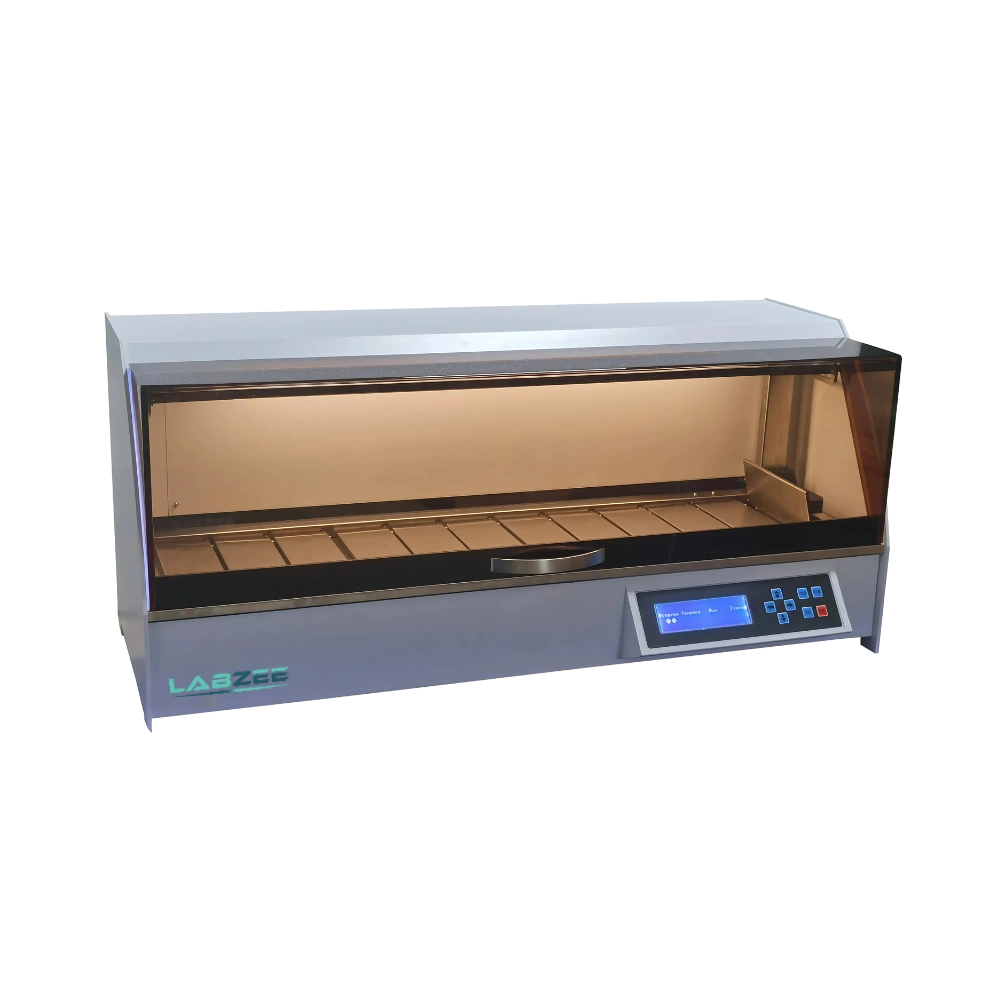
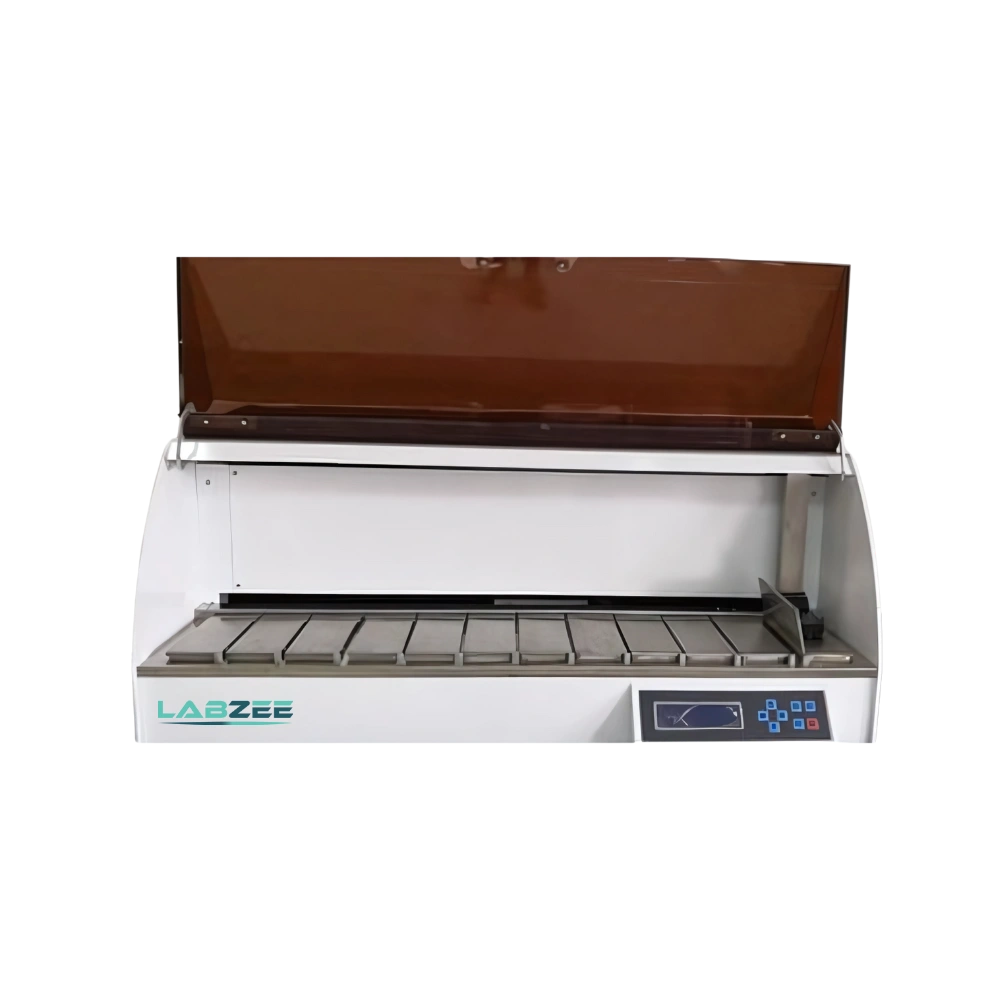
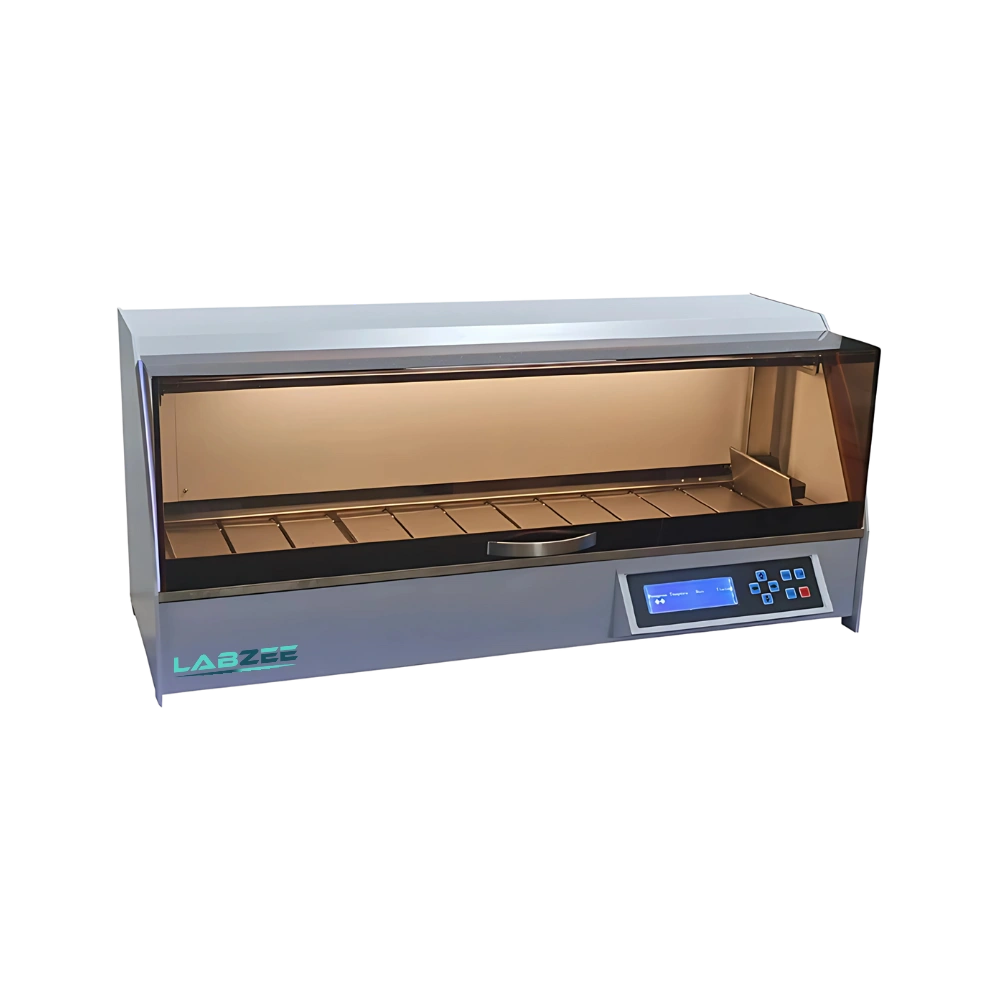
$ 5550
| No. of Liquid Cylinders | 12 pcs (including 3 wax cylinders) |
| Single Cylinder Volume | 2200 ml |
| Specimen Capacity per Basket | 125 specimens |
| Working Time per Cylinder | Arbitrarily set within 0-24 hours |
| Temperature Setting Range | 0-99 °C (arbitrary setting) |
| Cylinder Start Dwell Time | 45-100 seconds |
| Organization Protection Position | Cylinder No. 7 |
| Stirring Frequency | 0-5 times/min |
| Power Consumption | ≤500 W |
| Product Dimension | 1250 × 410 × 560 mm |
| Package Dimension | 1330 × 540 × 740 mm |
| Net Weight | 82 Kg |
| Gross Weight | 107 Kg |
| Packaging Type | Wooden Case |
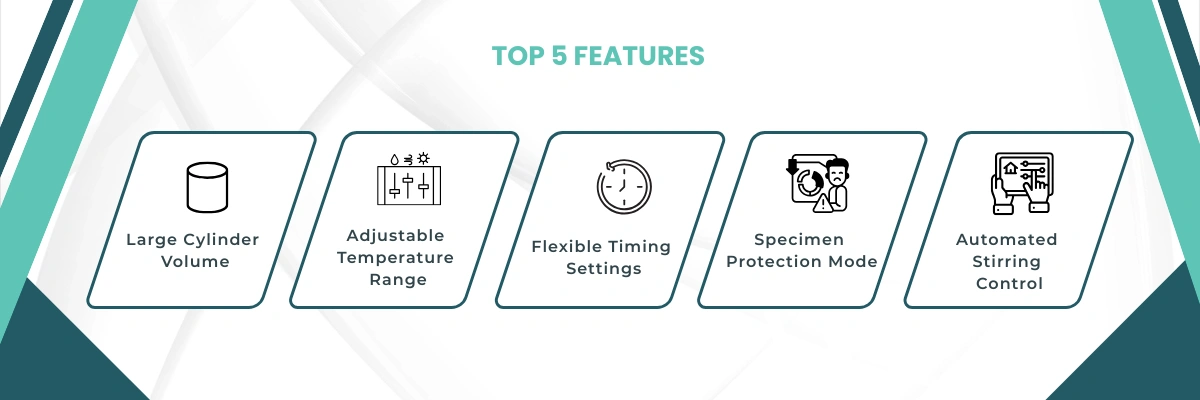
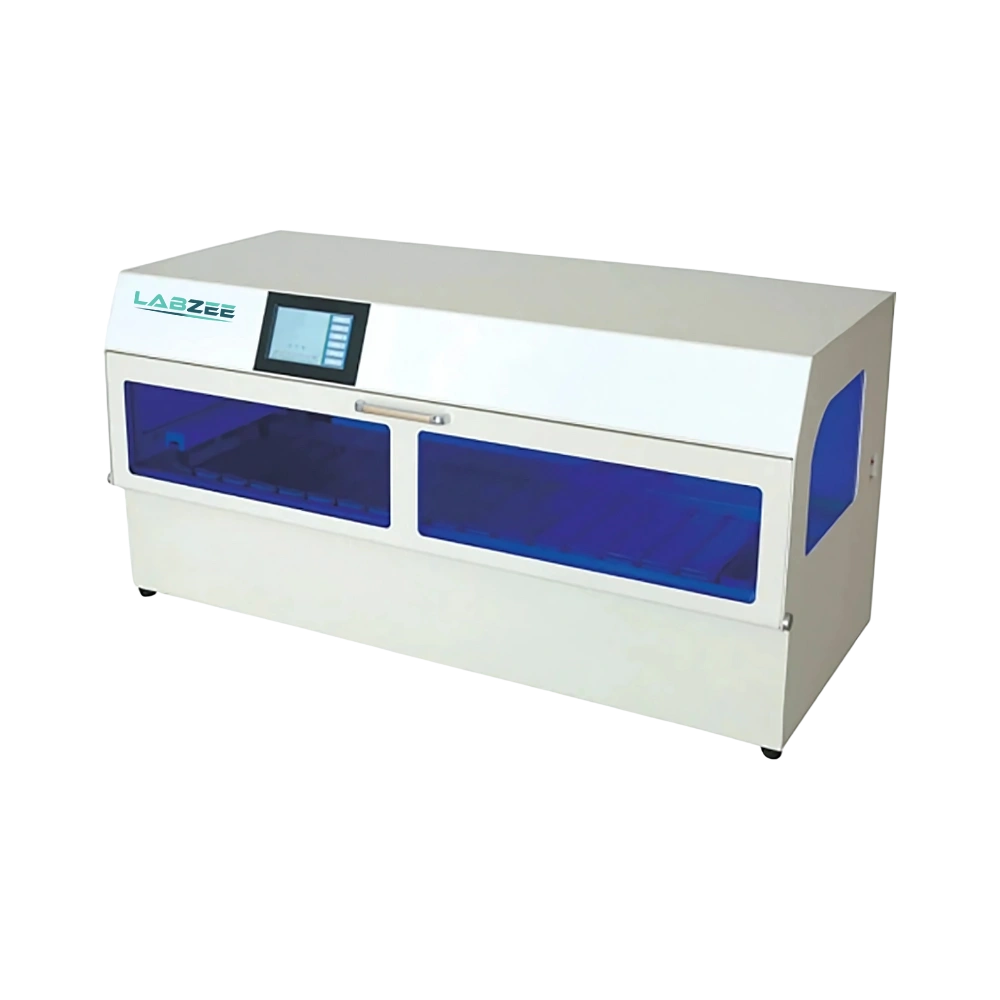
Large Capacity: Handles specimens with 12 liquid cylinders for high‑throughput work.
Adjustable Time & Temperature: Working time and temperature settings for different tissue protocols.
Stirring Control: Adjustable from 0 to 5 times per minute for even reagent treatment.
Specimen Protection: A dedicated cylinder safeguards sensitive samples during processing.
Compact Size: Fits standard lab spaces and automates dehydration, clearing, and paraffin steps.
• Histopathology Labs: Used for automated dehydration and processing of tissue samples for diagnostic microscopy.
• Clinical Pathology: Applied for high‑throughput processing of surgical specimens and biopsies.
• Academic Research: Designed for reproducible tissue preparation in research and teaching laboratories.
• Pharmaceutical Research: Suitable for processing tissue samples for drug safety and efficacy studies.
• Veterinary Diagnostics: Intended for dehydration and paraffin infiltration of animal tissue specimens.
Frequently Asked Questions
1: What is the liquid cylinder capacity of the Automatic Tissue Processor BZUTP-501?
The Automatic Tissue Processor BZUTP-501 features 12 liquid cylinders, including 3 dedicated wax cylinders, each holding 2200 ml. This capacity supports extensive tissue processing cycles with minimal interruptions.
2: How many specimens can the Automatic Tissue Processor BZUTP-501 handle per basket?
It accommodates up to 125 specimens per basket, enabling efficient batch processing that improves laboratory throughput.
3: Are the working time and temperature adjustable on the Automatic Tissue Processor BZUTP-501?
Yes, the working time per cylinder is arbitrarily adjustable from 0 to 24 hours, and the temperature range can be set between 0 and 99°C, offering maximum flexibility for different tissue processing protocols.
4: What special features does the Automatic Tissue Processor BZUTP-501 include for specimen protection?
This processor includes a protection position specifically for Cylinder No. 7 to safeguard sensitive specimens during processing, along with automated stirring frequency control to ensure uniform treatment.
5: What are the electrical requirements and size specifications of the Automatic Tissue Processor BZUTP-501?
It operates on AC 220V ±10% with a frequency of 50 Hz ±10%, consumes up to 500 watts of power, and has compact dimensions that fit well in most laboratory environments.
6: When should an Automatic Tissue Processor be
preferred over manual methods? Automatic processors save time, reduce human error, and deliver consistent results. They are best used in labs with moderate to high sample volumes. They improve efficiency in routine histological workflows.
7: Can the processor be customized for specific tissue protocols?
Yes, Automatic Tissue Processors allow full customization of processing cycles. Parameters like duration, reagent type, and temperature can be adjusted. This flexibility supports various tissue types and lab standards.
8: Can it run unattended during overnight shifts?
Yes, these units are designed for safe, unattended operation with automated monitoring. Built-in alarms and safety shutdowns ensure reliability during long runs. Always verify settings before leaving the unit running.
9: When does the system need maintenance?
Basic cleaning should be done after each run to avoid residue buildup. Full maintenance depends on usage frequency and manufacturer guidelines. Regular upkeep ensures processing accuracy and equipment longevity.
10: Can different sample batches be processed on the same day?
Yes, multiple batches can be processed by programming new cycles after completion. Efficient scheduling helps maximize daily throughput. Ensure reagent levels and temperatures are properly maintained between runs.
Labzee Automatic Tissue Processors are designed to streamline and standardize histology tissue preparation with minimal manual intervention. Our range includes models with single cylinder/tank capacities from 1000ml to 2200ml and specimen capacity per basket from 60 to 125 specimens. They perform sequential dehydration, clearing, and paraffin infiltration through fully programmable cycles, allowing adjustment of duration, reagent type, and temperature for different tissue protocols. Intuitive interfaces, enclosed chambers, and built-in safety controls enhance operational efficiency and laboratory safety – high throughput, consistent outcomes, and safe unattended operation.


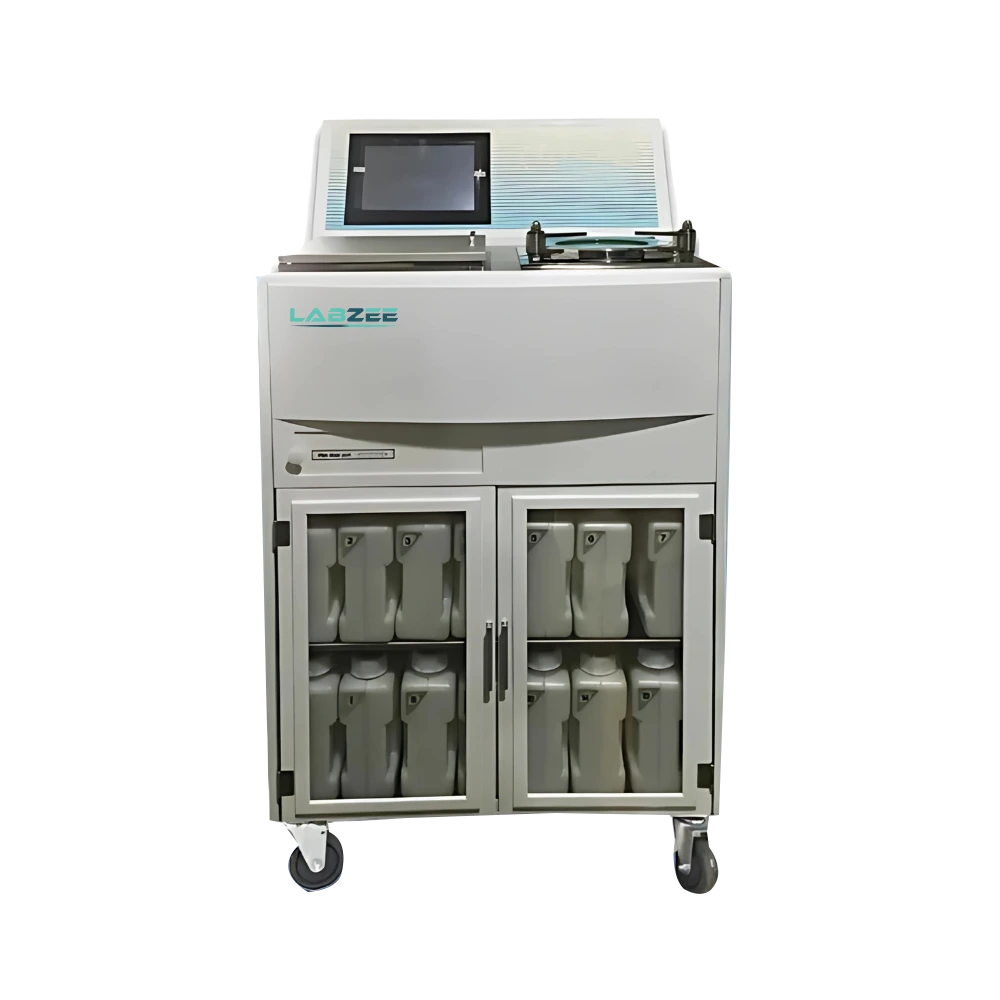
Labzee Enclosed Tissue Processors designed for safe, contamination-free tissue processing in histology labs. They perform fully enclosed dehydration, clearing, and paraffin infiltration – minimizing exposure to harmful reagents and protecting specimen integrity. Touch-screen controls and integrated safety protocols enhance user protection. Our range includes models with reagent bottle capacities from 2.3L to 4.8L, retort volumes from 3.8L to 6.8L, and wax cylinder volumes from 2.6L to 5.5L (30–65°C). Customizable programs, large sample capacities, and advanced reagent handling support high-volume workflows.
$ 17618

$ 16560
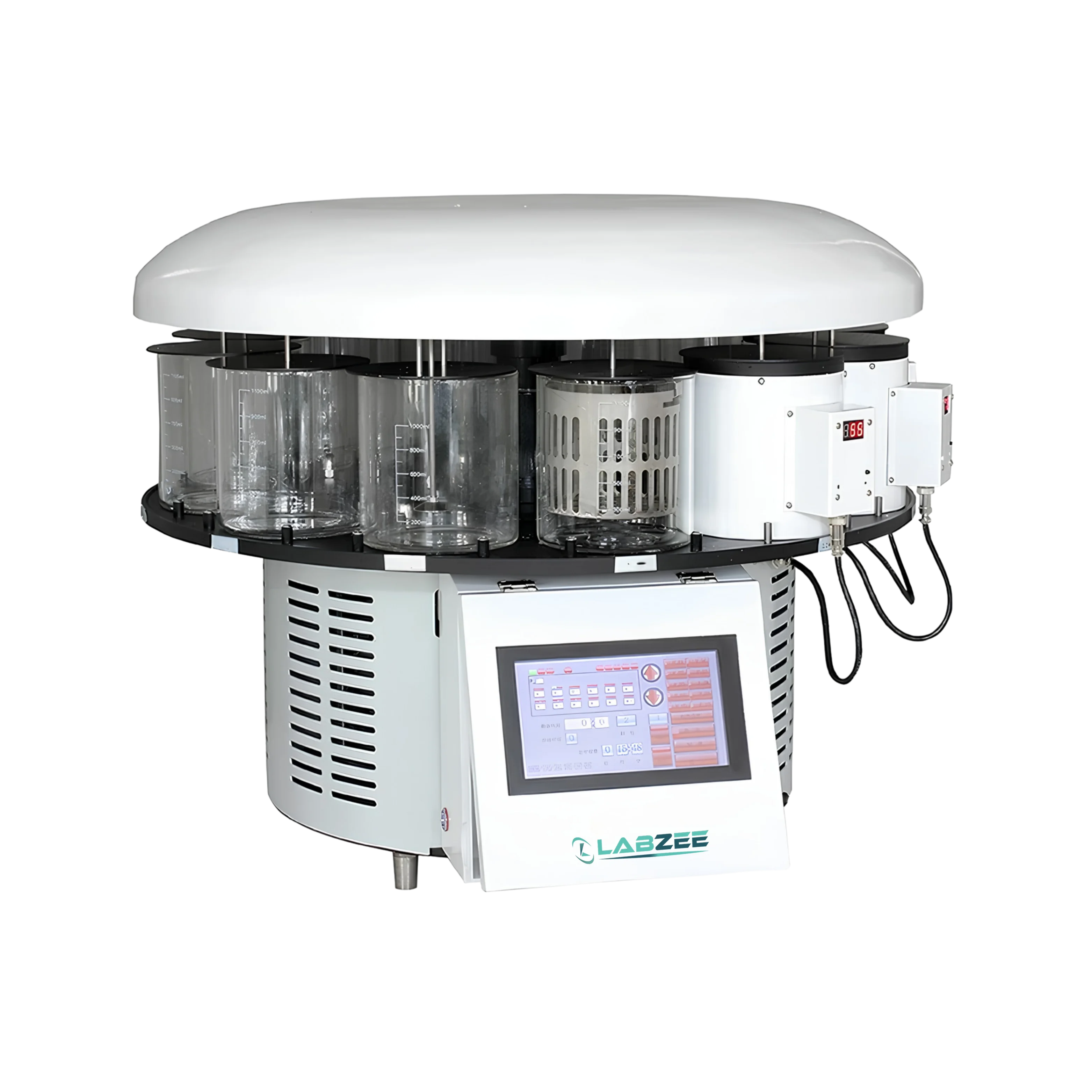
Labzee Spin Tissue Processors designed for rapid and uniform processing of biological tissue samples using centrifugal motion. They combine precise reagent delivery with controlled spinning action to accelerate dehydration, clearing, and paraffin infiltration. Our rotary tissue processors support multiple sample baskets, customizable protocols, and efficient reagent usage to enhance throughput. Their spinning mechanism improves reagent penetration and reduces processing time – faster results without damaging tissue integrity while increasing daily sample volume and reducing operator effort.
$ 6647
$ 7441
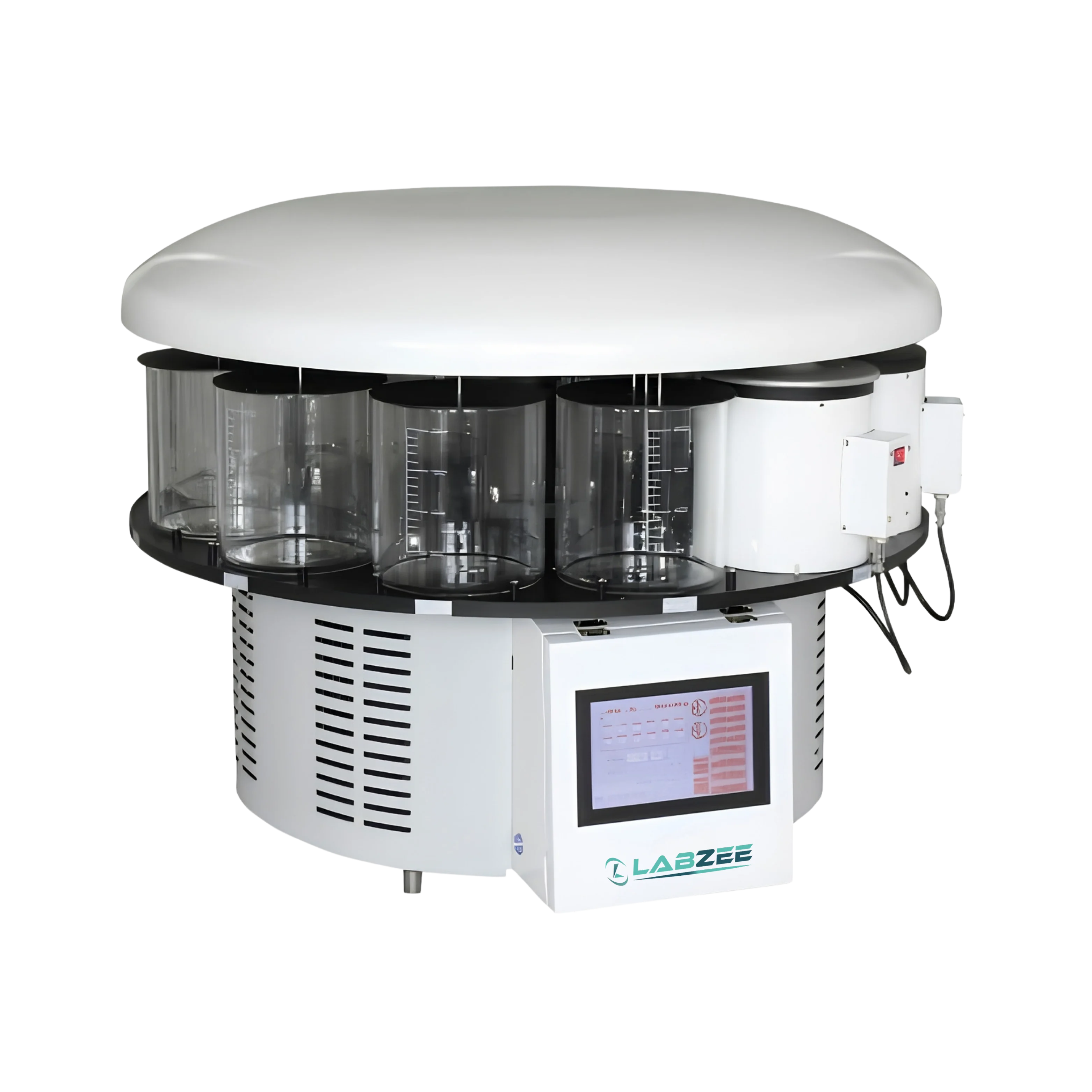
Labzee Double Basket Tissue Processors are built for high-throughput tissue preparation, allowing simultaneous processing of two sample batches. They perform efficient automated dehydration, clearing, and paraffin infiltration with precision and speed. Our Tissue Processors accommodate large sample volumes with programmable cycles and independent basket control for workflow flexibility. Their dual-chamber design, touchscreen interface, and safety monitoring support busy laboratory settings and high-demand histology workflows – process more samples per day with less hands-on time.
$ 9212
