Labzee Spin Tissue Processors designed for rapid and uniform processing of biological tissue samples using centrifugal motion. They combine precise reagent delivery with controlled spinning action to accelerate dehydration, clearing, and paraffin infiltration. Our rotary tissue processors support multiple sample baskets, customizable protocols, and efficient reagent usage to enhance throughput. Their spinning mechanism improves reagent penetration and reduces processing time – faster results without damaging tissue integrity while increasing daily sample volume and reducing operator effort.
Number of Processing Steps
Station Type
Temperature Range
Number of Stations
Ambient Temperature
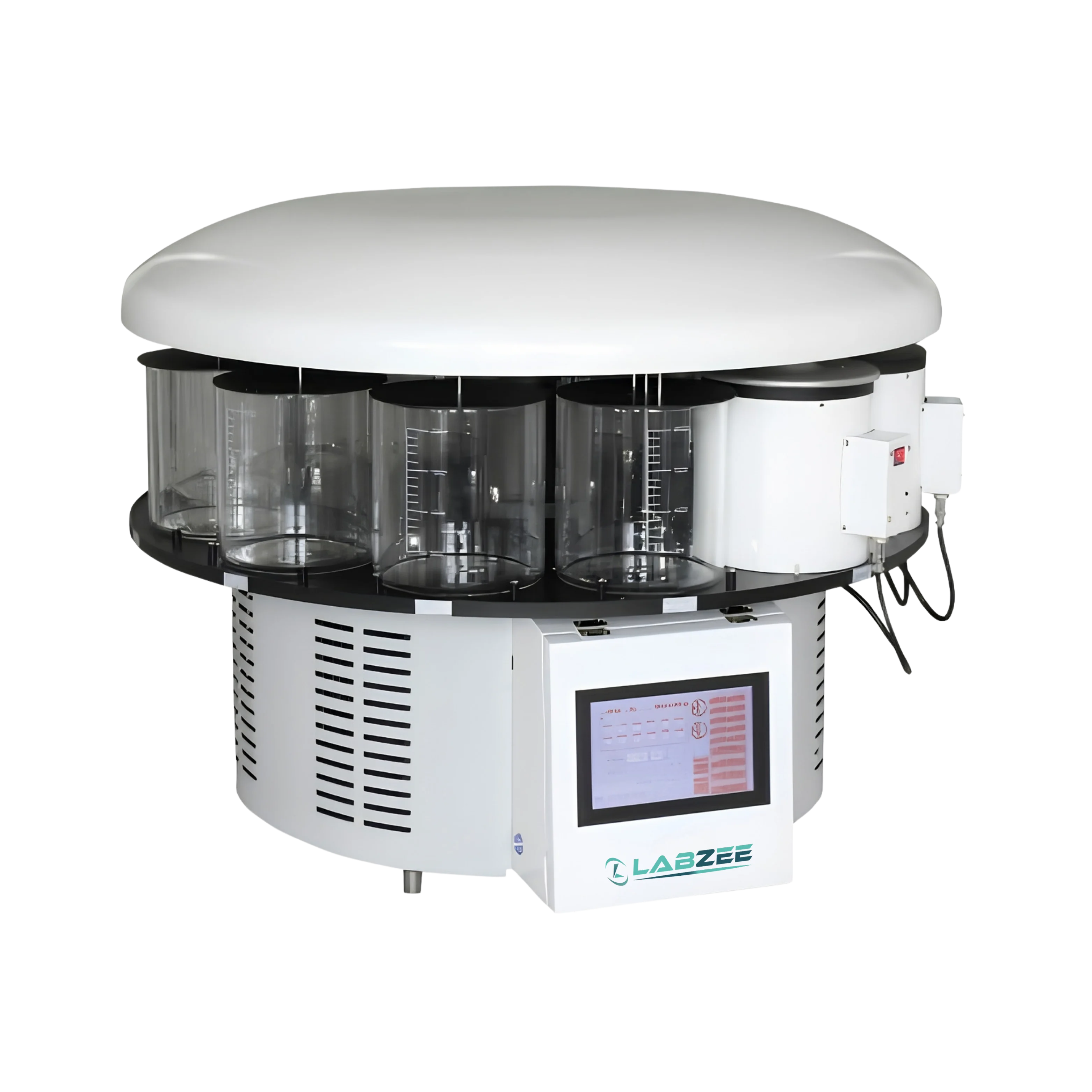
Station Type: Carousel
Number of Stations: 12
Vacuum Pressure: Max 0.05 MPa (~0.5 bar)
Programs Number: 10 selectable
$ 7441
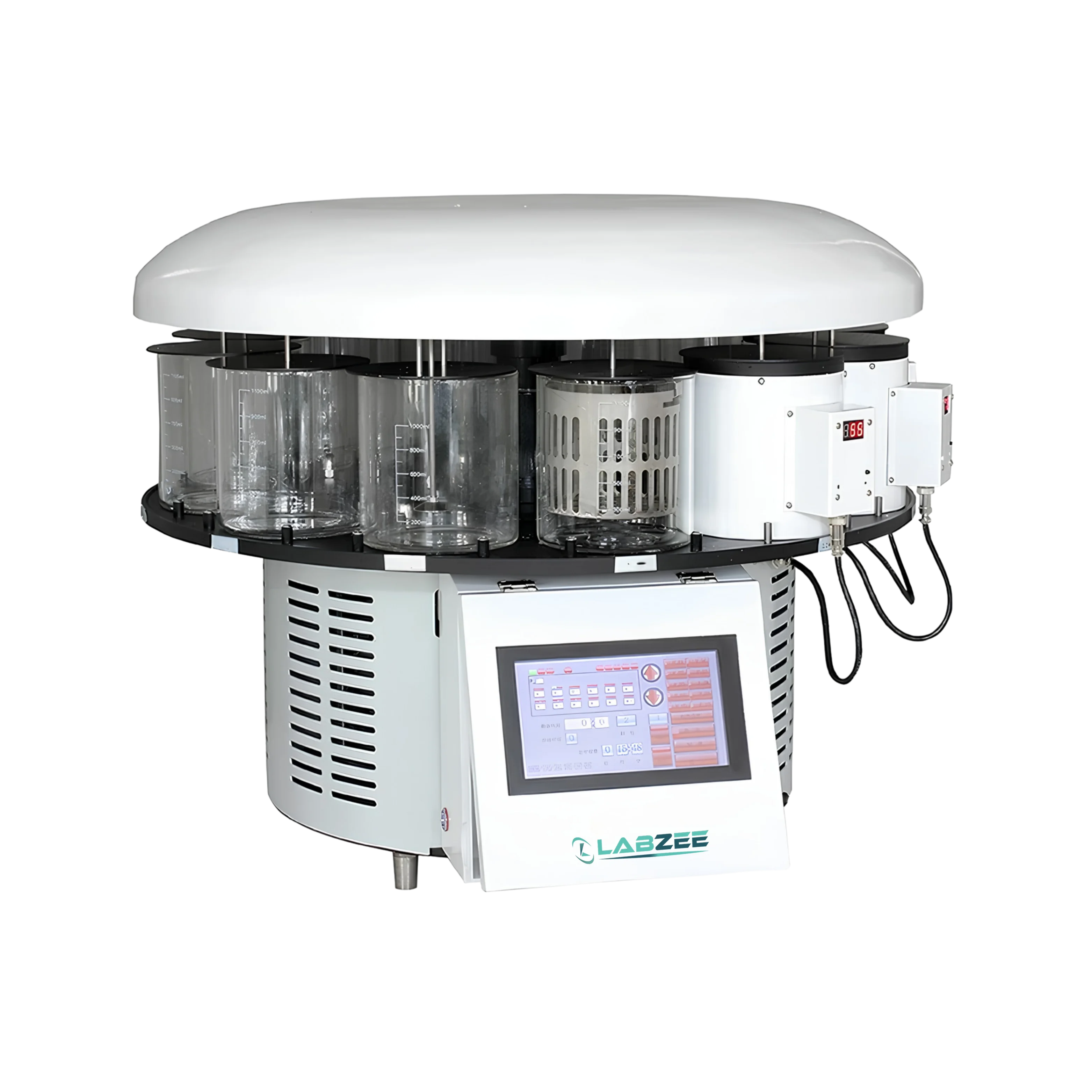
Number of Processing Steps: 12 Steps
Temperature Range: 60 - 99℃
Ambient Temperature: +5℃ - 40℃
Ambient Humidity: <85% (at 20±5℃)
$ 6647
Frequently Asked Questions
1: Can you describe what a Spin Tissue Processor is used for?
A Spin Tissue Processor is a laboratory device used to prepare biological tissue samples for histological examination. It automates the process of dehydrating, clearing, and infiltrating tissues with paraffin, ensuring consistent and high-quality results for microscopic analysis.
2: How does the spinning mechanism improve tissue processing?
The spinning action enhances the movement of reagents through the tissue samples, allowing for faster and more uniform processing. It reduces the time needed for each step and improves reagent penetration, which helps maintain tissue integrity and morphology.
3: Can you process multiple samples at once in a Spin Tissue Processor?
Yes, most models are designed to handle multiple cassettes or containers at once. This batch-processing capability improves workflow efficiency, especially in high-throughput laboratories where large volumes of tissue need to be processed daily.
4: What types of tissues can be processed in a Spin Tissue Processor?
A wide range of soft tissues, such as biopsies, organ samples, and surgical specimens, can be processed. The system is flexible enough to handle small or large samples, making it suitable for both clinical and research settings.
5: Can you program different processing protocols on the Spin Tissue Processor?
Yes, modern Spin Tissue Processors come with programmable controls that allow users to customize the time, temperature, and reagent sequence for each step. This ensures that different tissue types receive optimal treatment for accurate histological evaluation.
