Labzee Biological Safety Cabinets deliver high-performance containment, enabling safe handling of biohazardous materials while protecting personnel, products, and the environment. Our range features high-efficiency HEPA filtration (99.99% particle retention), optimized airflow, and ergonomic design for enhanced safety and comfort. ISO- and CE-certified, Labzee biological safety cabinets provide a sterile workspace that minimizes contamination risks. Equipped with intuitive controls, quiet operation, and real-time monitoring for consistent performance, ensuring Advanced Control & Monitoring for consistent laboratory performance.
Applicable Number Of Users
Cleanliness Class
Inflow Air Velocity
Down Airflow Velocity
Noise
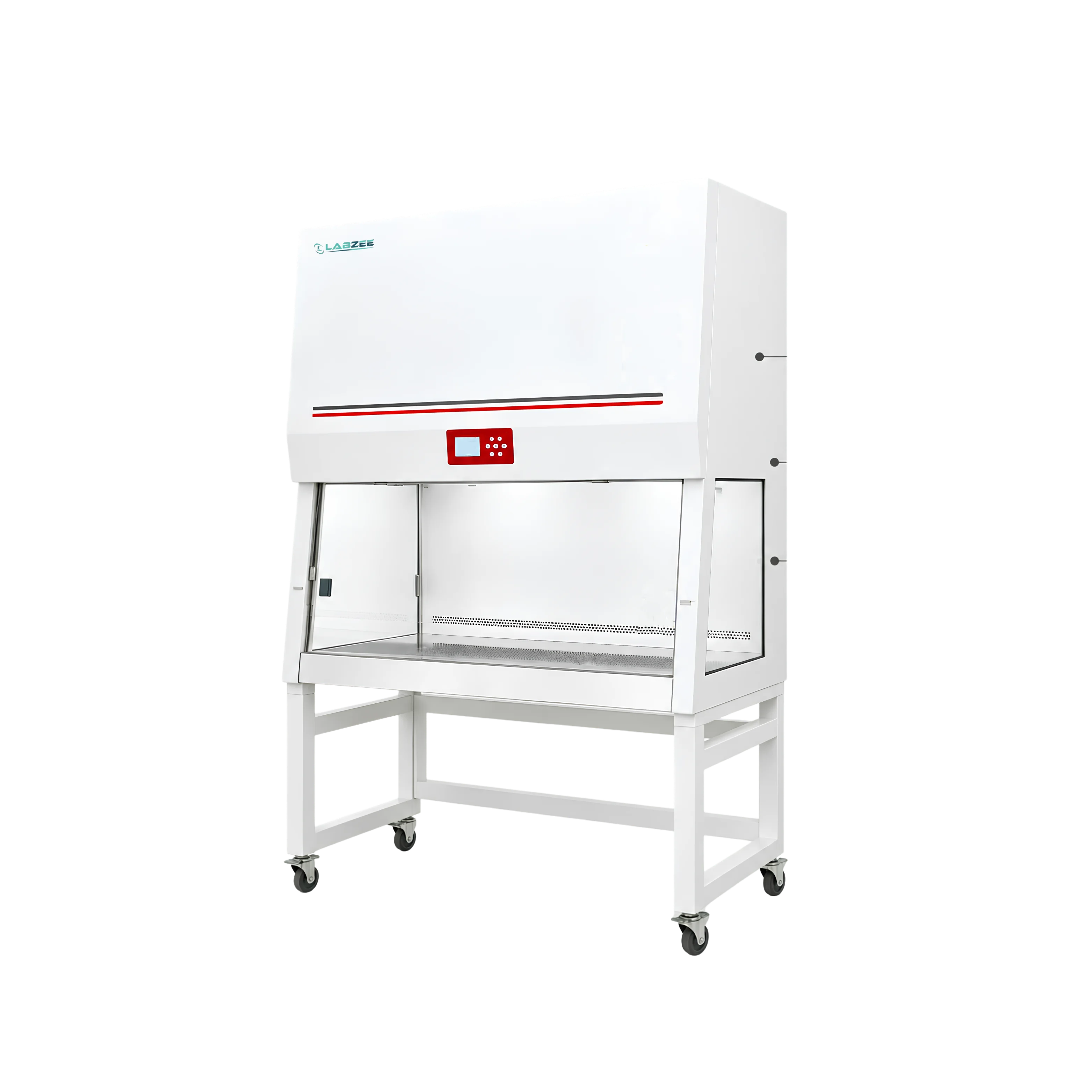
Applicable Number Of Users: 1
Cleanliness Class: 100
Inflow Air Velocity: 0.55 m/s
Down Airflow Velocity: 0.35 m/s
$ 6621
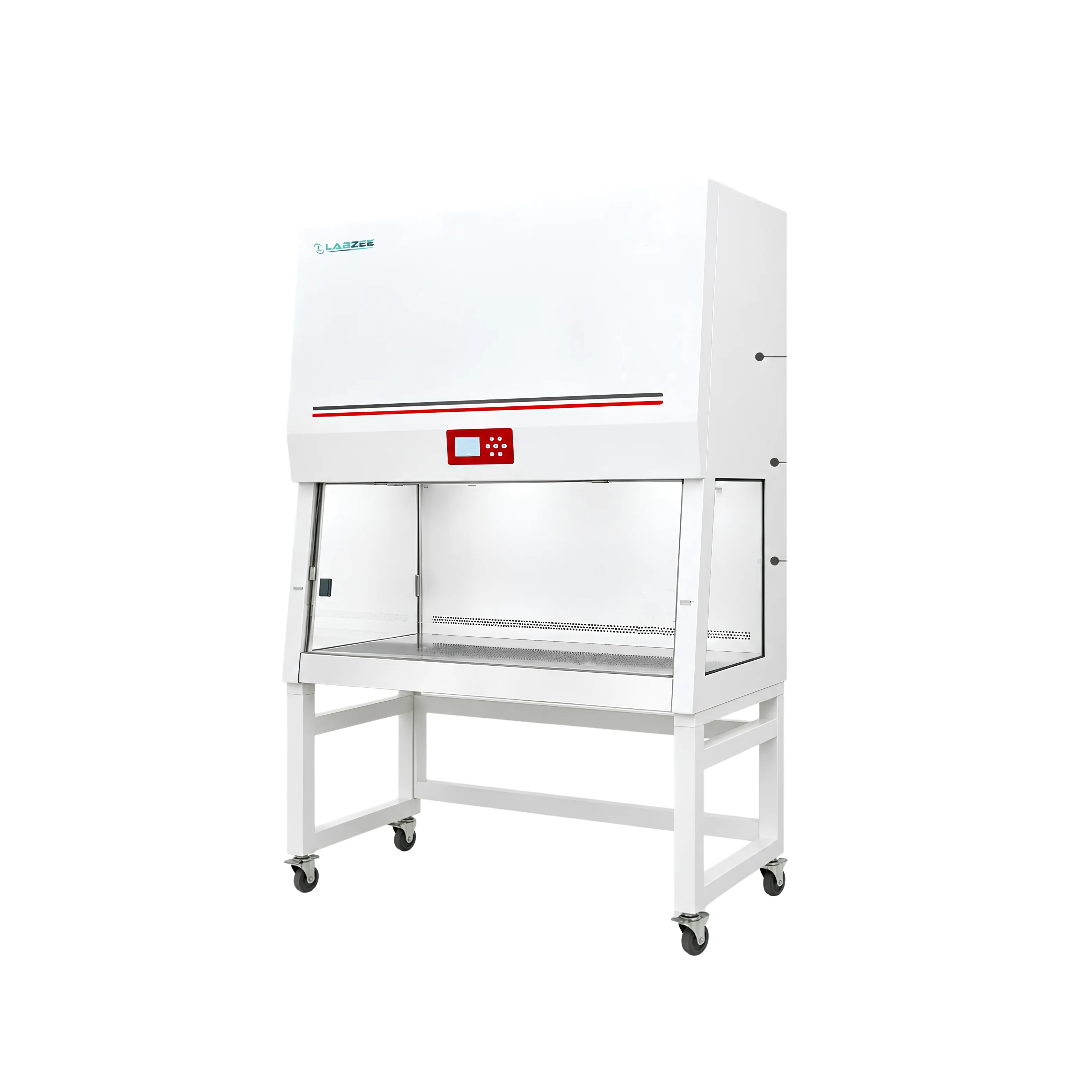
Applicable Number Of Users: 2
Cleanliness Class: 100
Inflow Air Velocity: 0.55 m/s
Down Airflow Velocity: 0.35 m/s
$ 5394
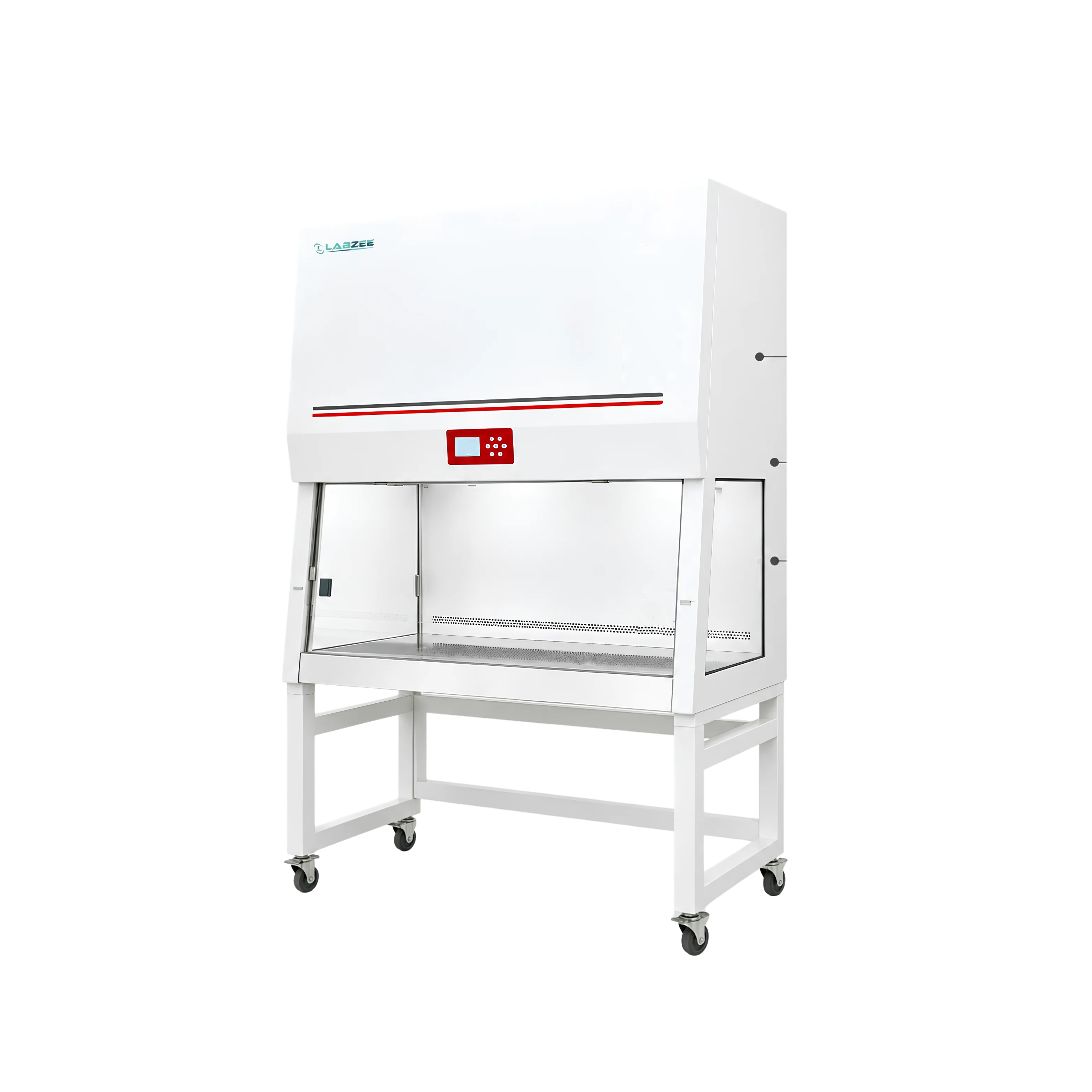
Applicable Number Of Users: 2
Cleanliness Class: 100
Inflow Air Velocity: 0.55 m/s
Down Airflow Velocity: 0.35 m/s
$ 6530
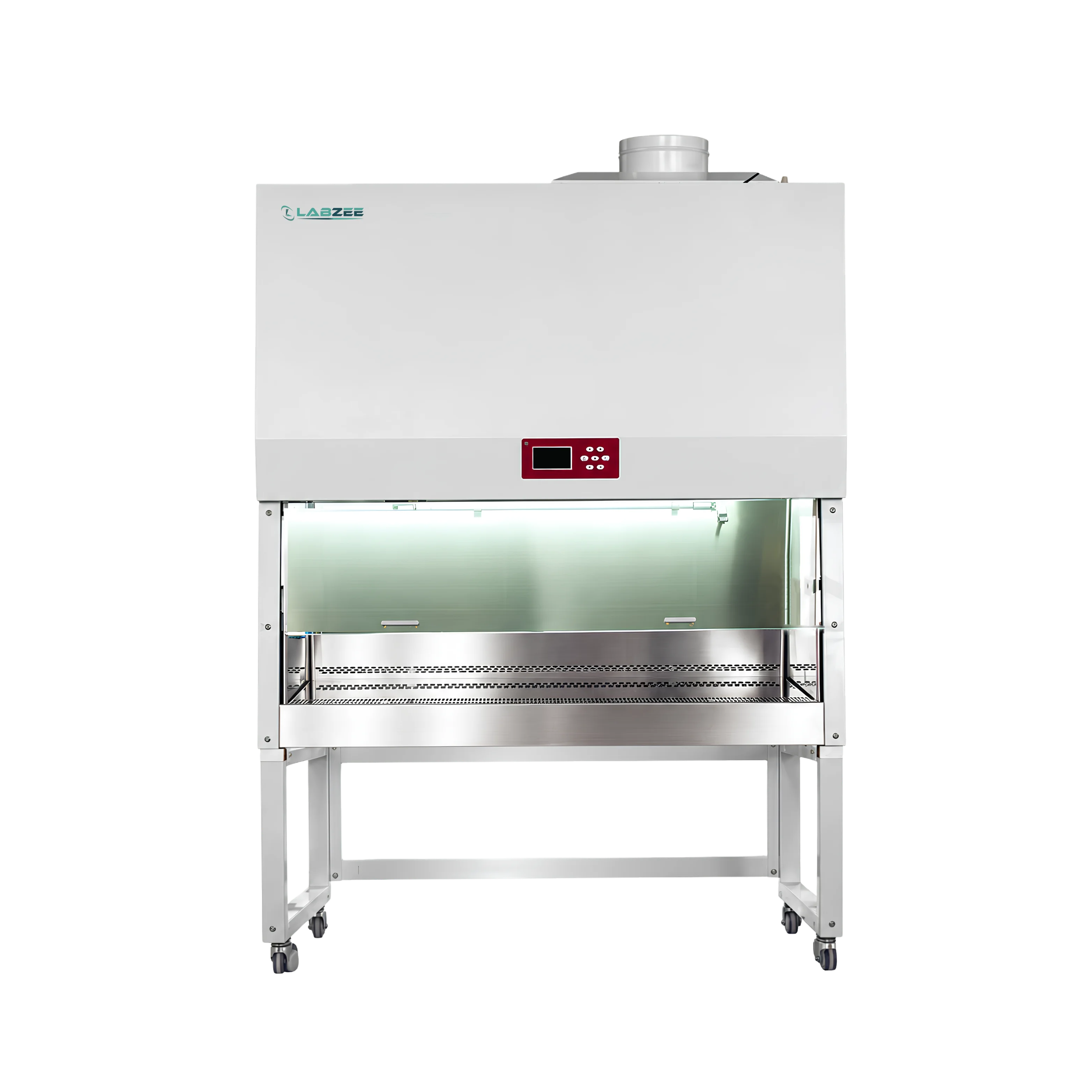
Applicable Number Of Users: 1
Cleanliness Class: 100
Inflow Air Velocity: 0.55 m/s
Down Airflow Velocity: 0.35 m/s
$ 6530
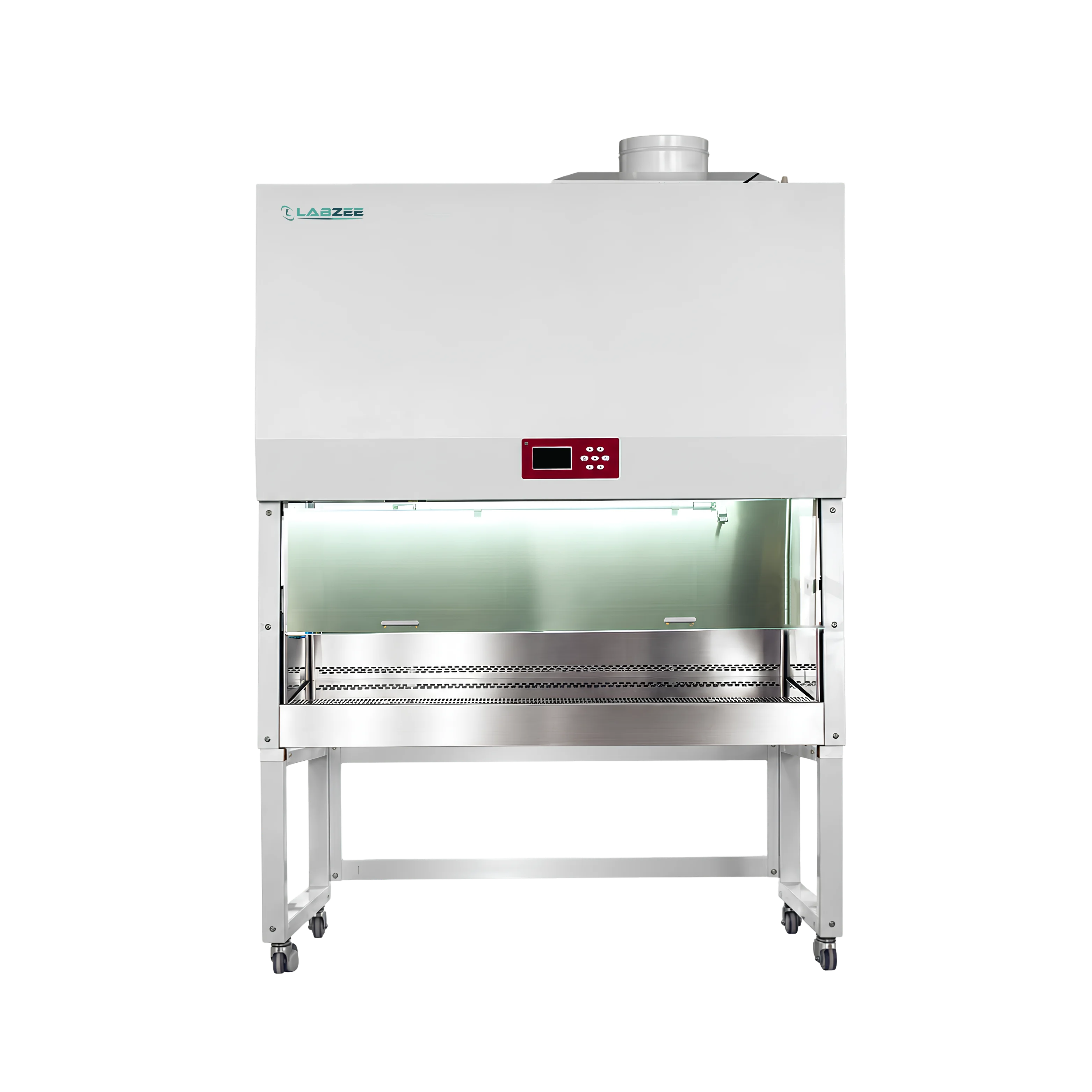
Applicable Number Of Users: 2
Cleanliness Class: 100
Inflow Air Velocity: 0.55 m/s
Down Airflow Velocity: 0.35 m/s
$ 6775
Frequently Asked Questions
1: What is the main purpose of a biological safety cabinet?
A biological safety cabinet is designed to protect the user, the environment, and the samples from biohazardous or infectious agents through filtered airflow and containment.
2: What kind of filtration system does the cabinet use?
Most BSCs use HEPA filters (High-Efficiency Particulate Air) to trap 99.99% of particles ?0.3 microns.
3: Does the biological safety cabinet offer protection against cross-contamination between samples?
Yes, Class II and III BSCs are designed to minimize cross-contamination with uniform laminar airflow and front barrier protection.
