$ 11477
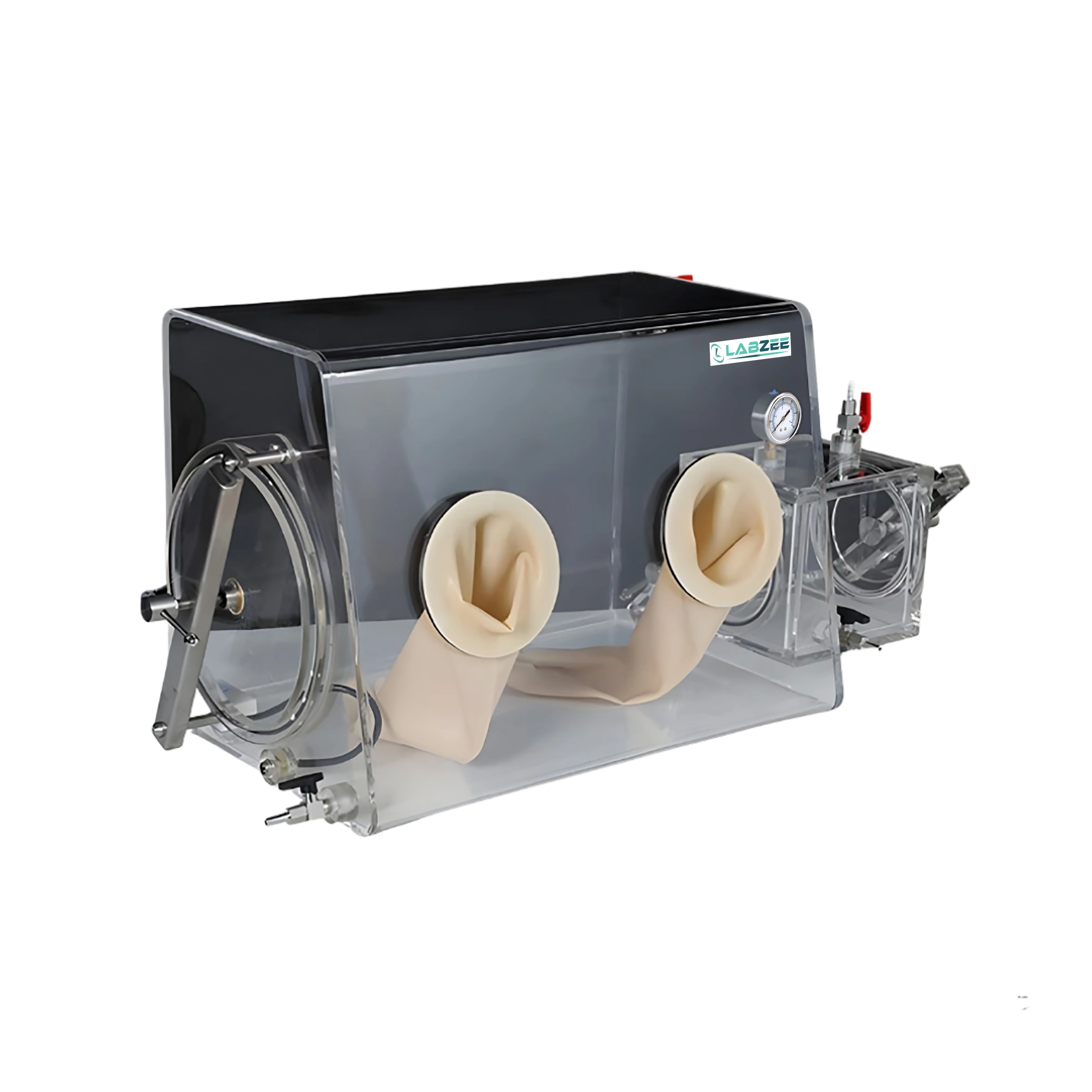
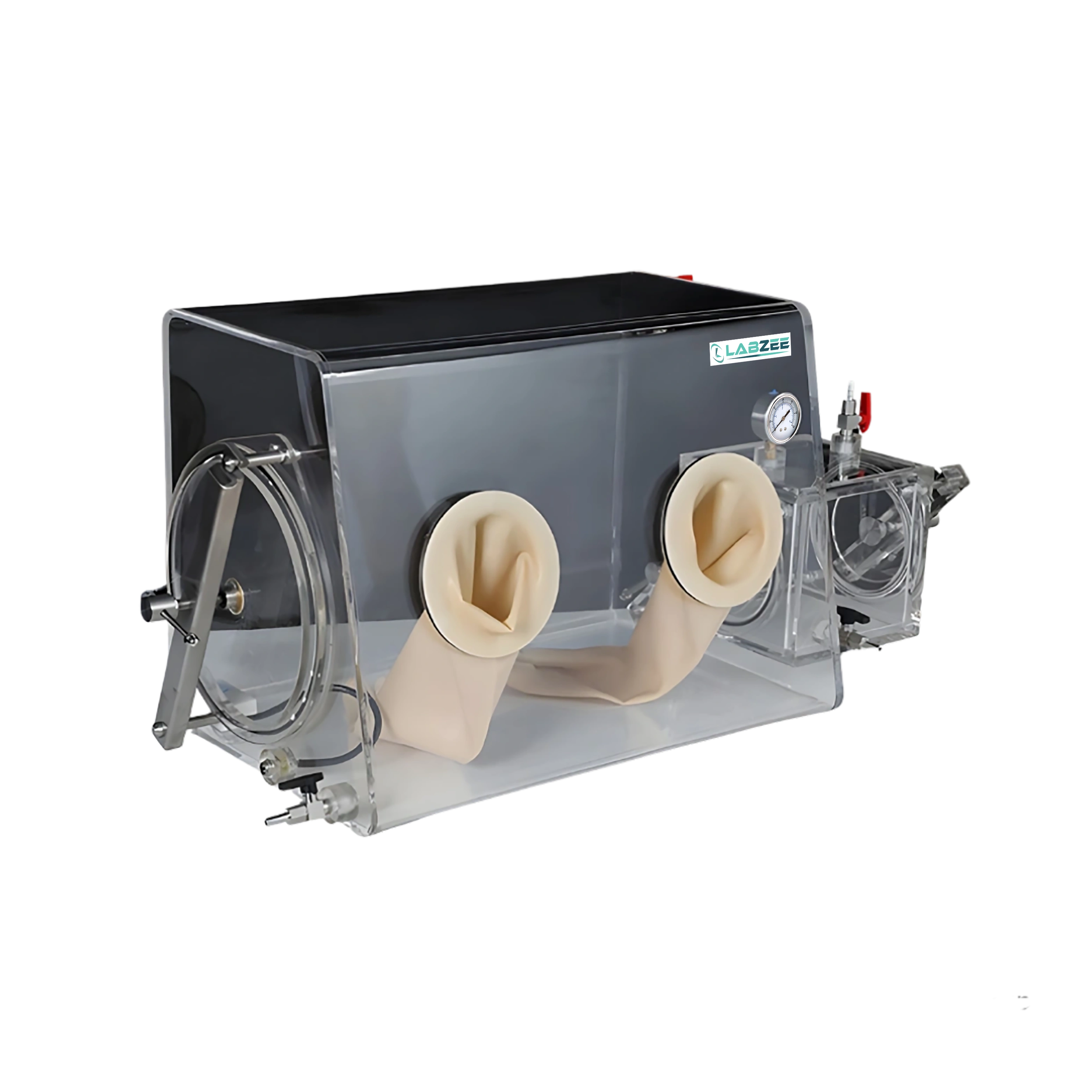
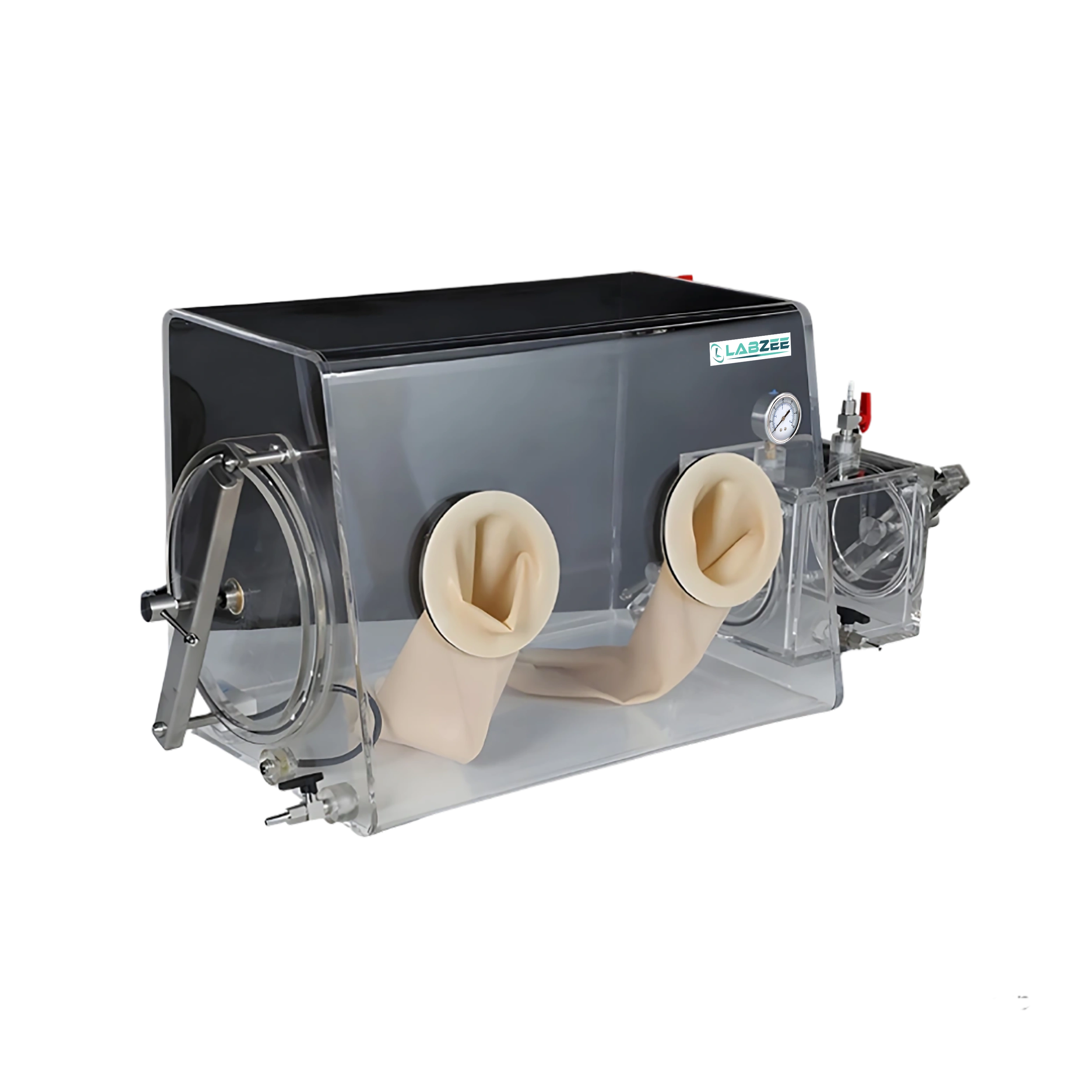
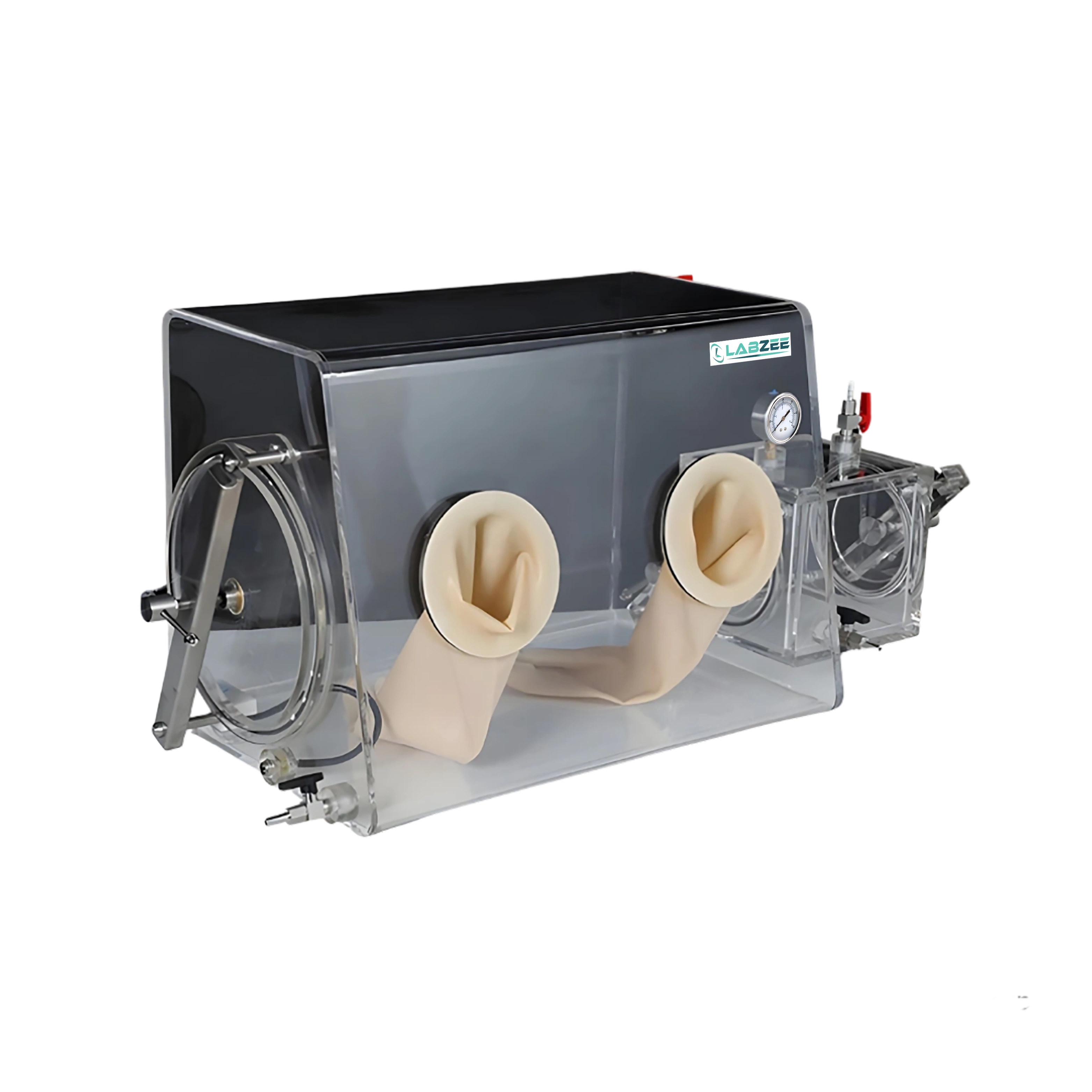
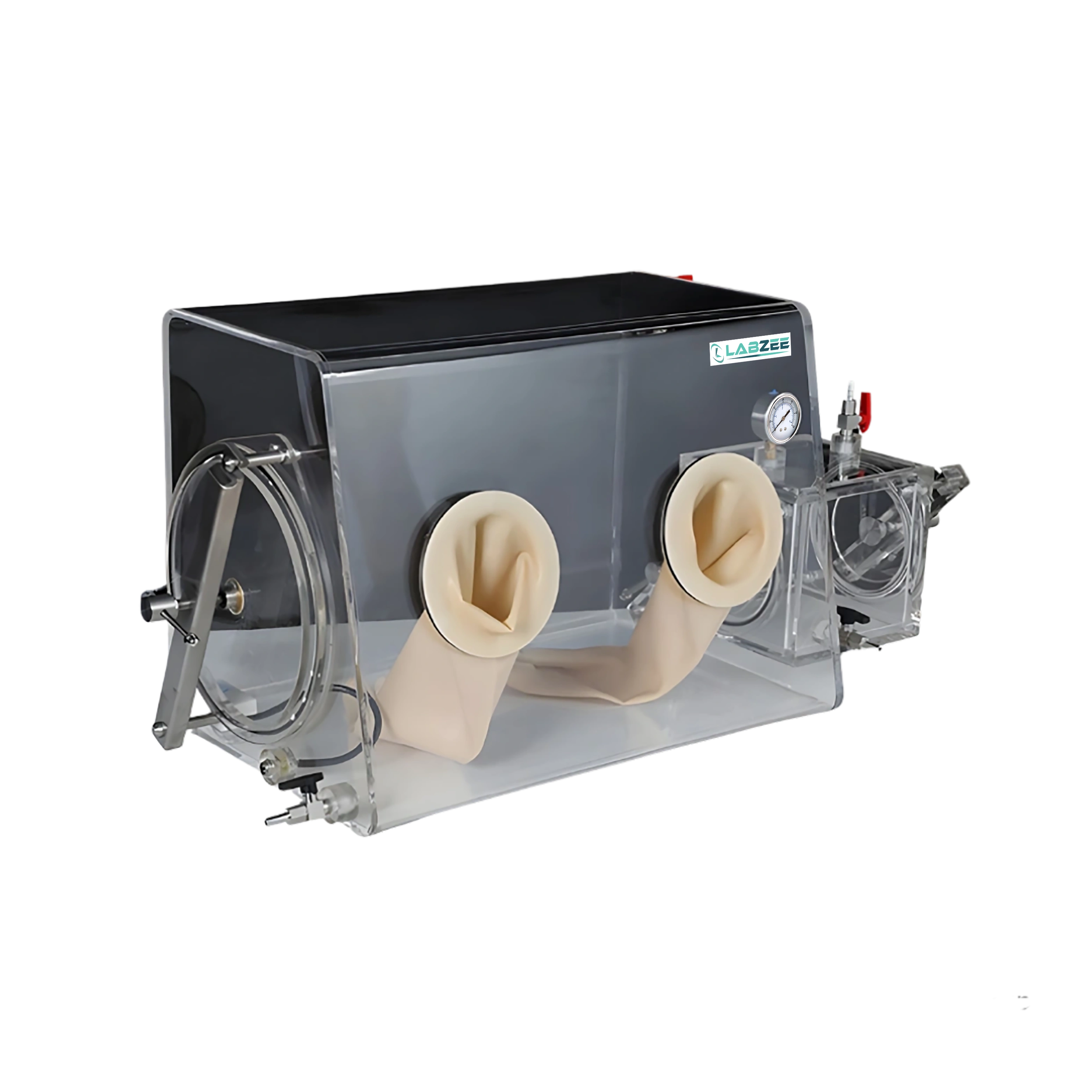
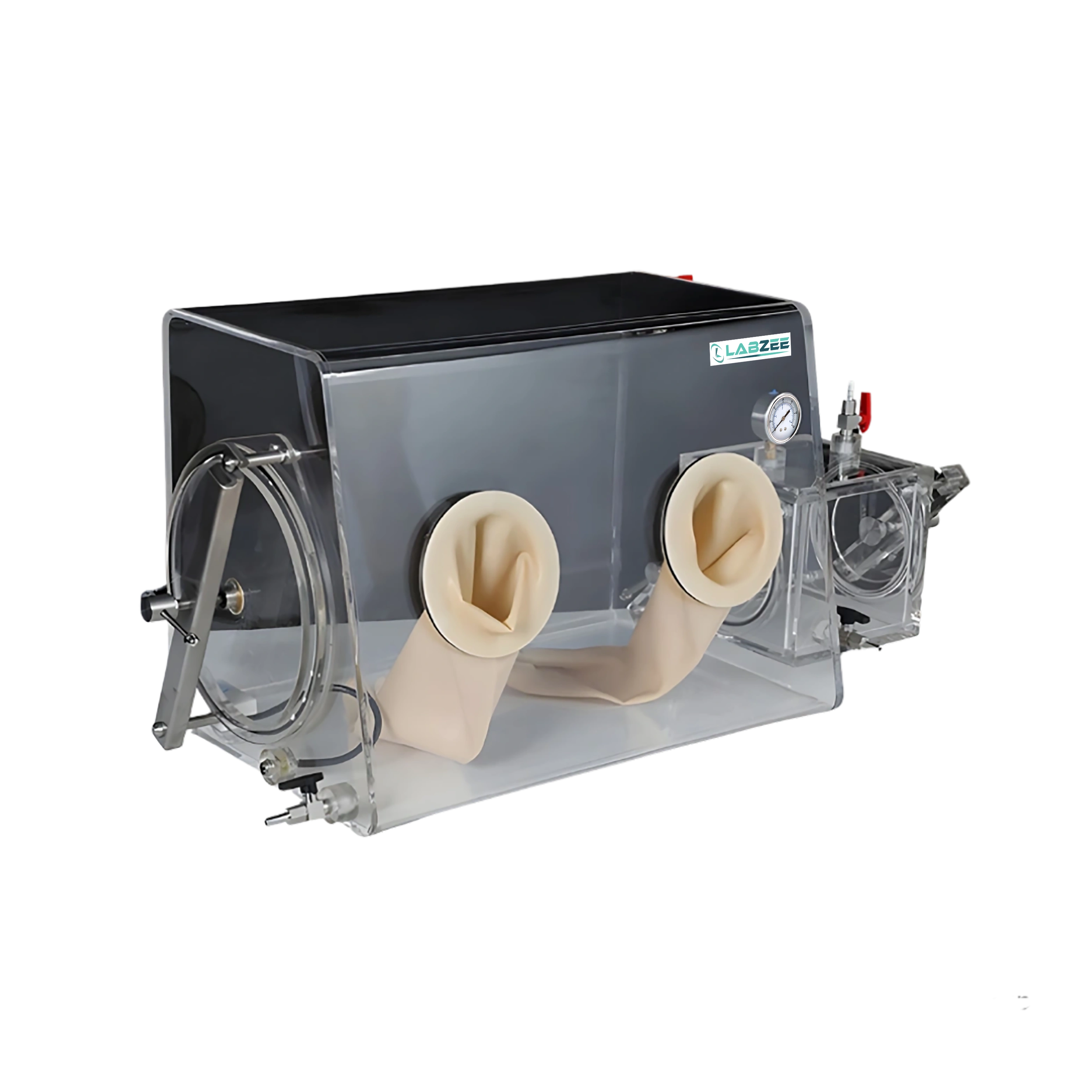
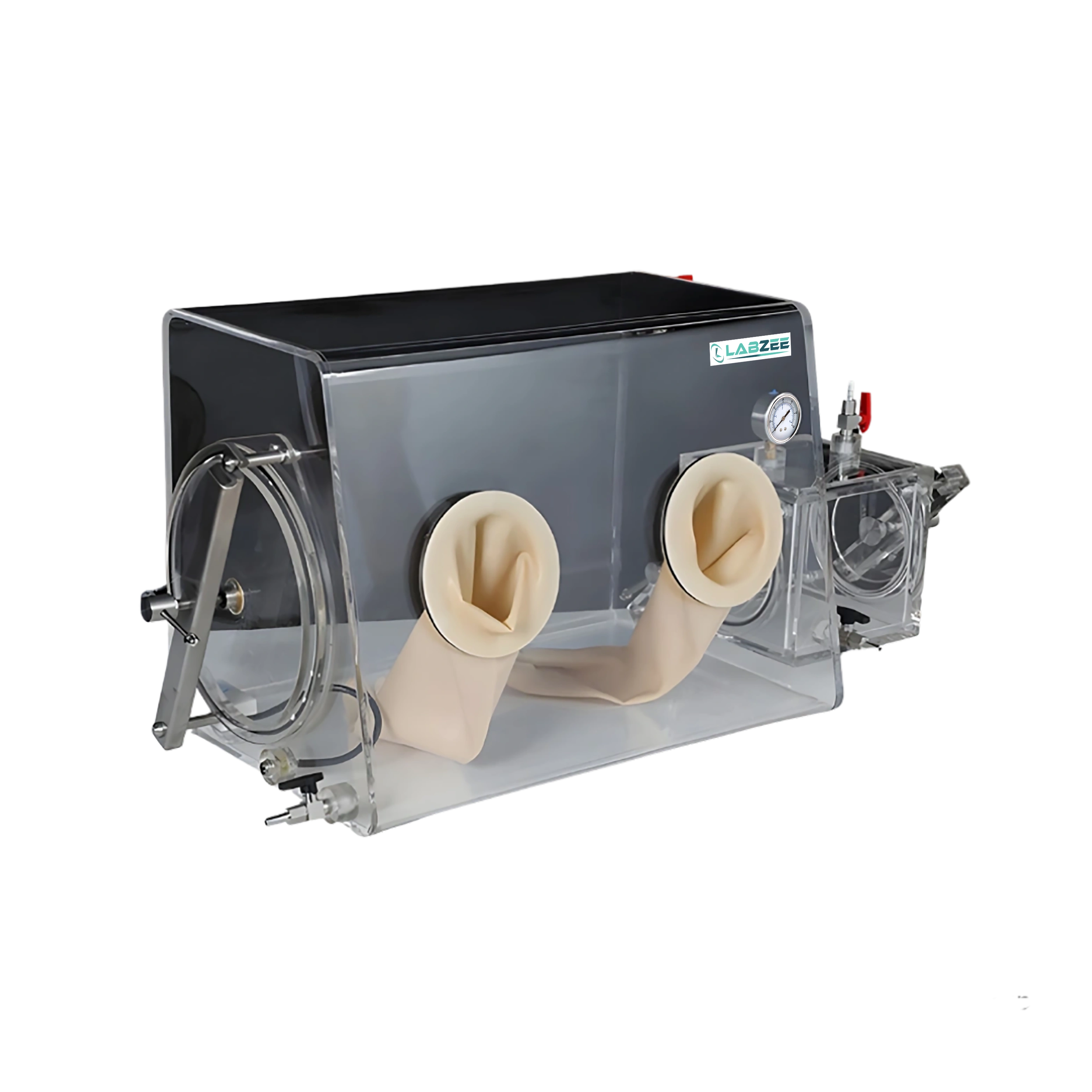
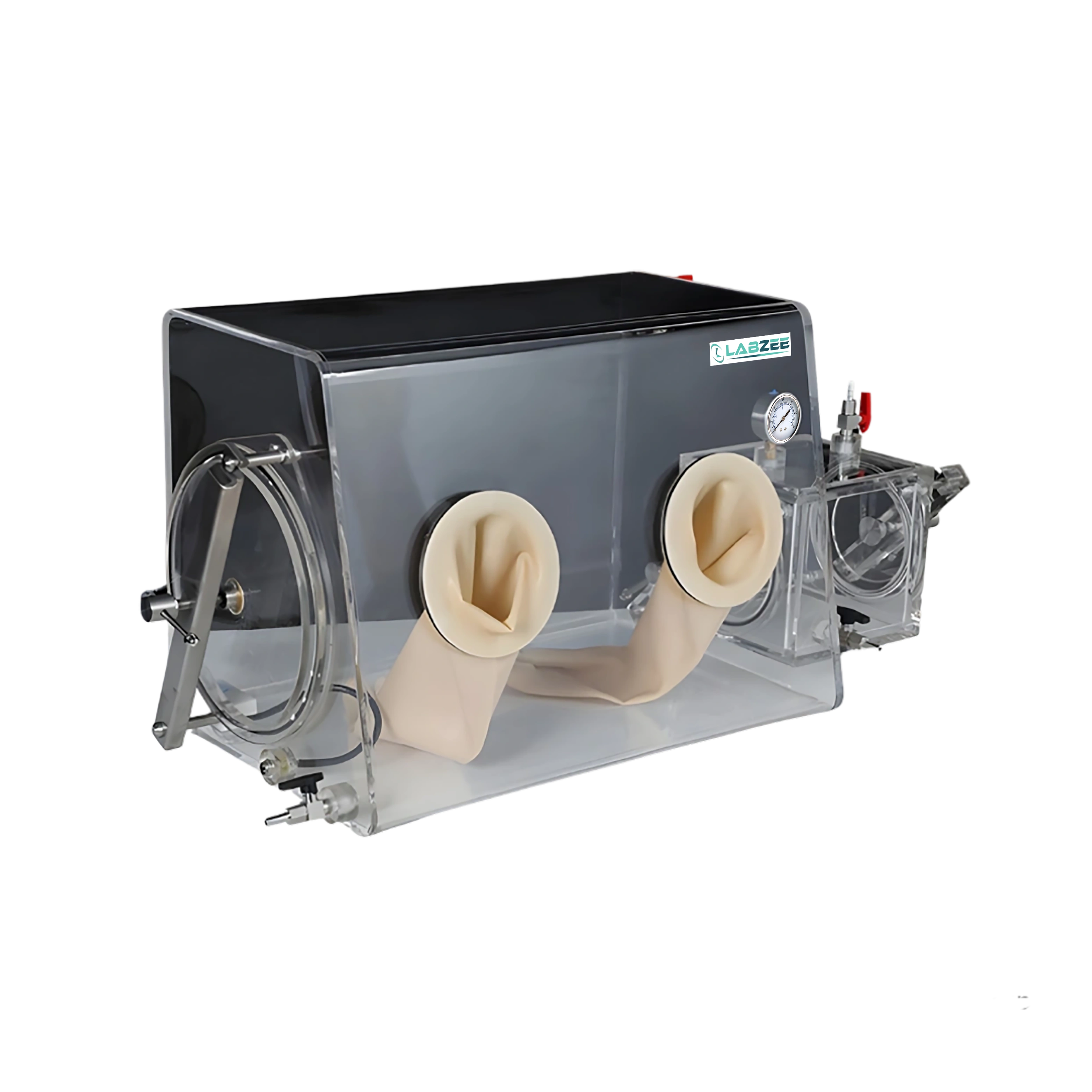
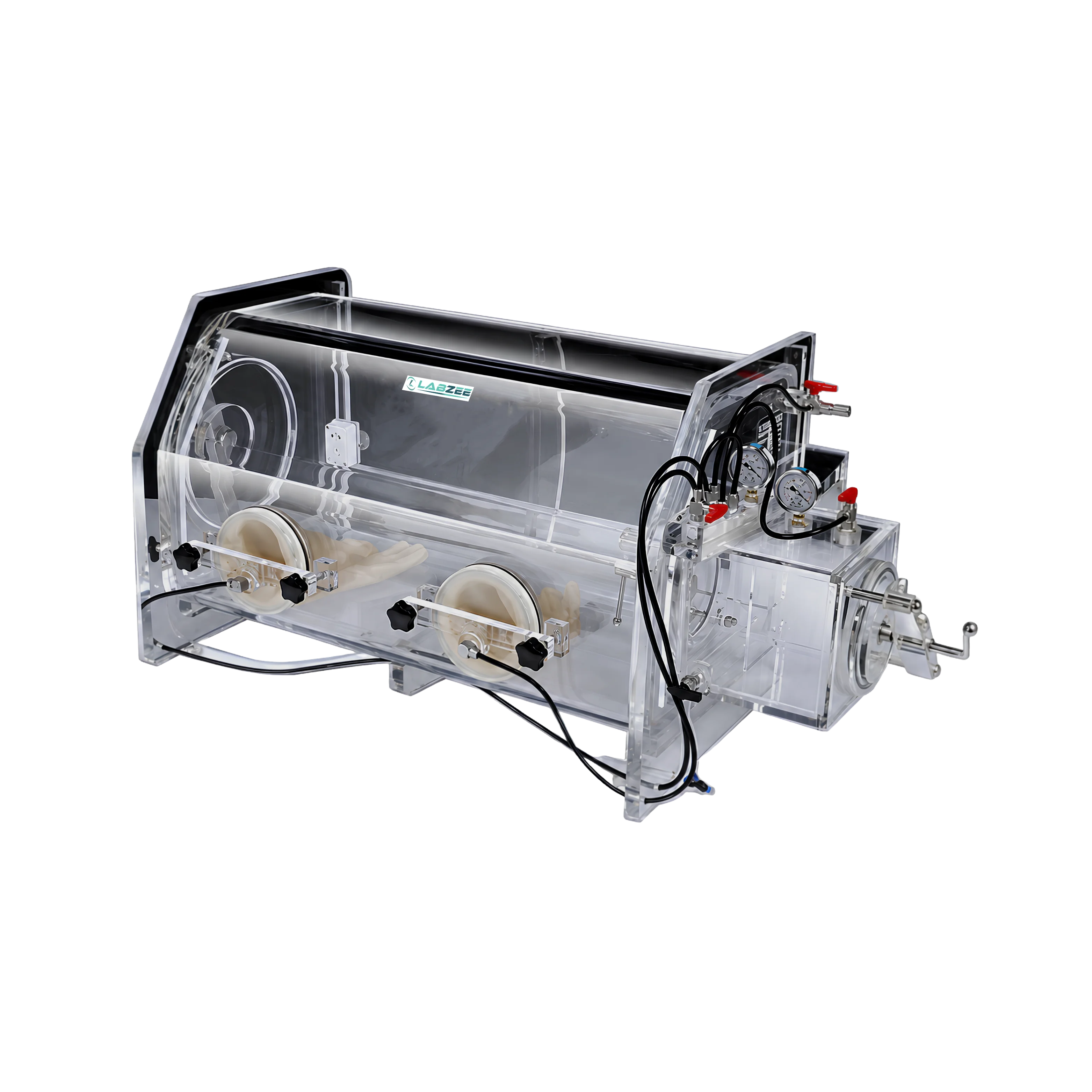
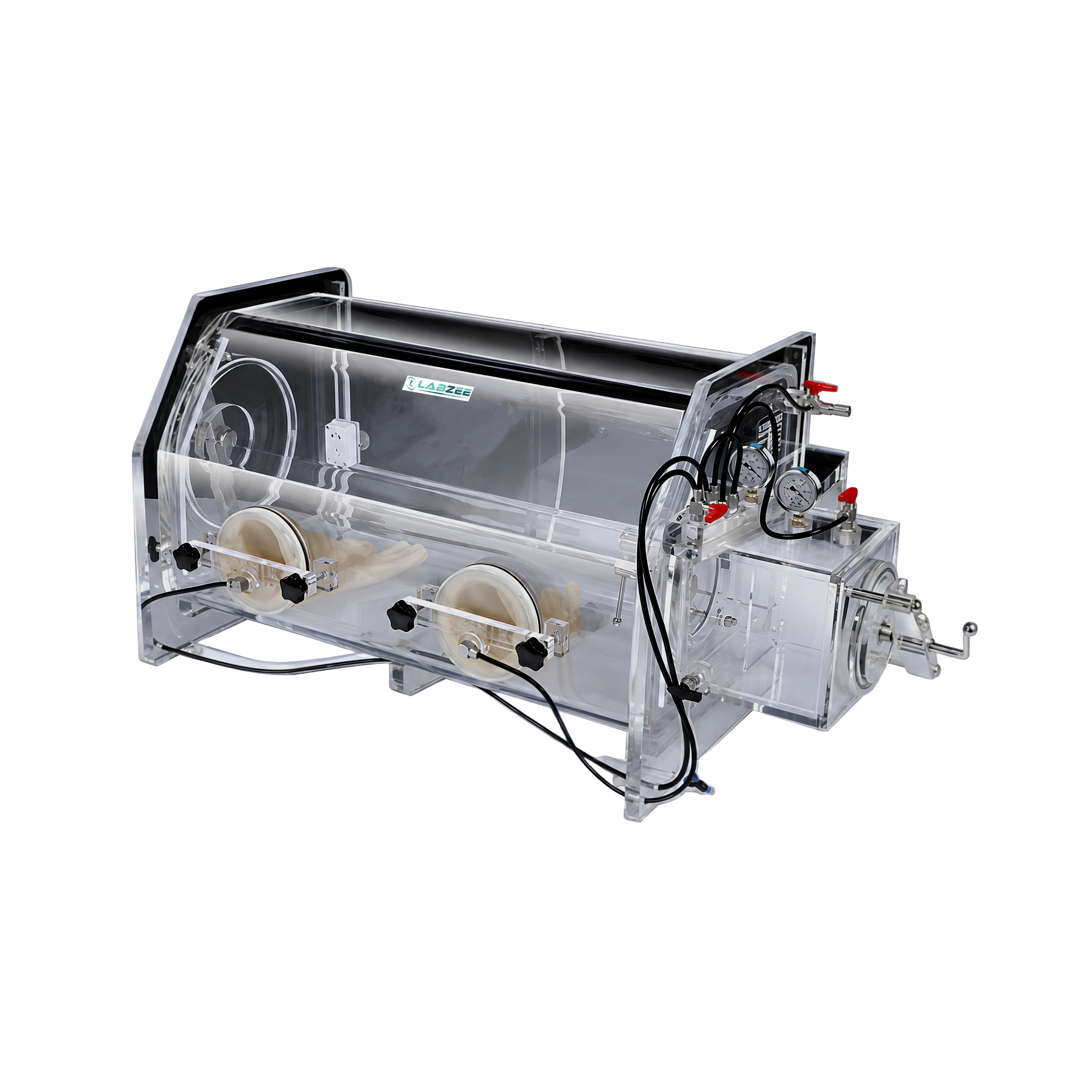
| Main Box Dimension | 1200 × 600 × 700 mm |
| Material | PMMA |
| PMMA Thickness | 30 mm |
| Left Round Door | 350 mm |
| Gloves | 4 |
| Glove Box Vacuum | -0.1 Mpa |
| Transition Box | Yes |
| Transition Box Dimension | 240 × 240 × 240 mm |
| Product Dimension | 120 × 60 × 70 cm |
| Package Dimension | 143 × 88 × 90 cm |
| Net Weight | 175 Kg |
| Gross Weight | 191 Kg |
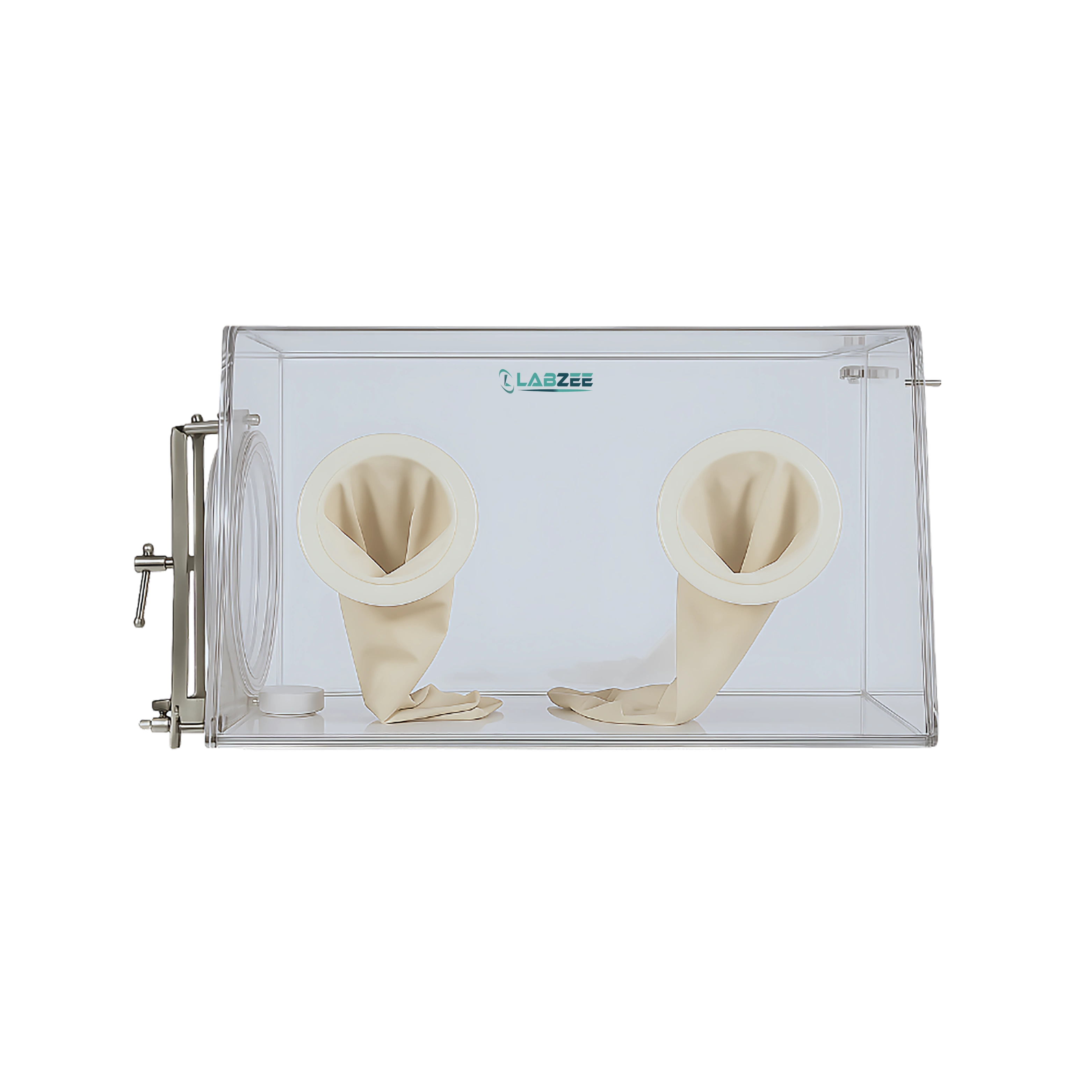
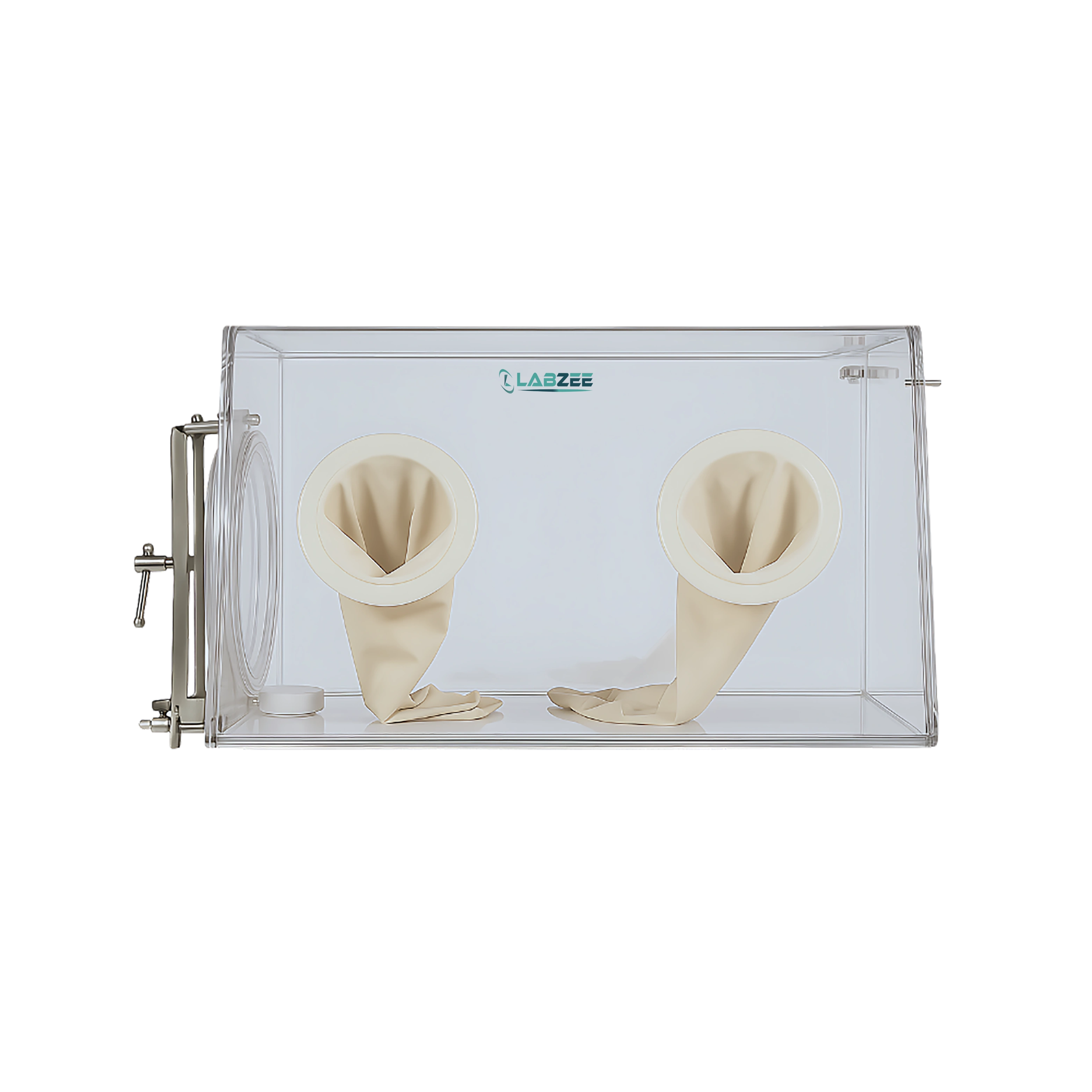
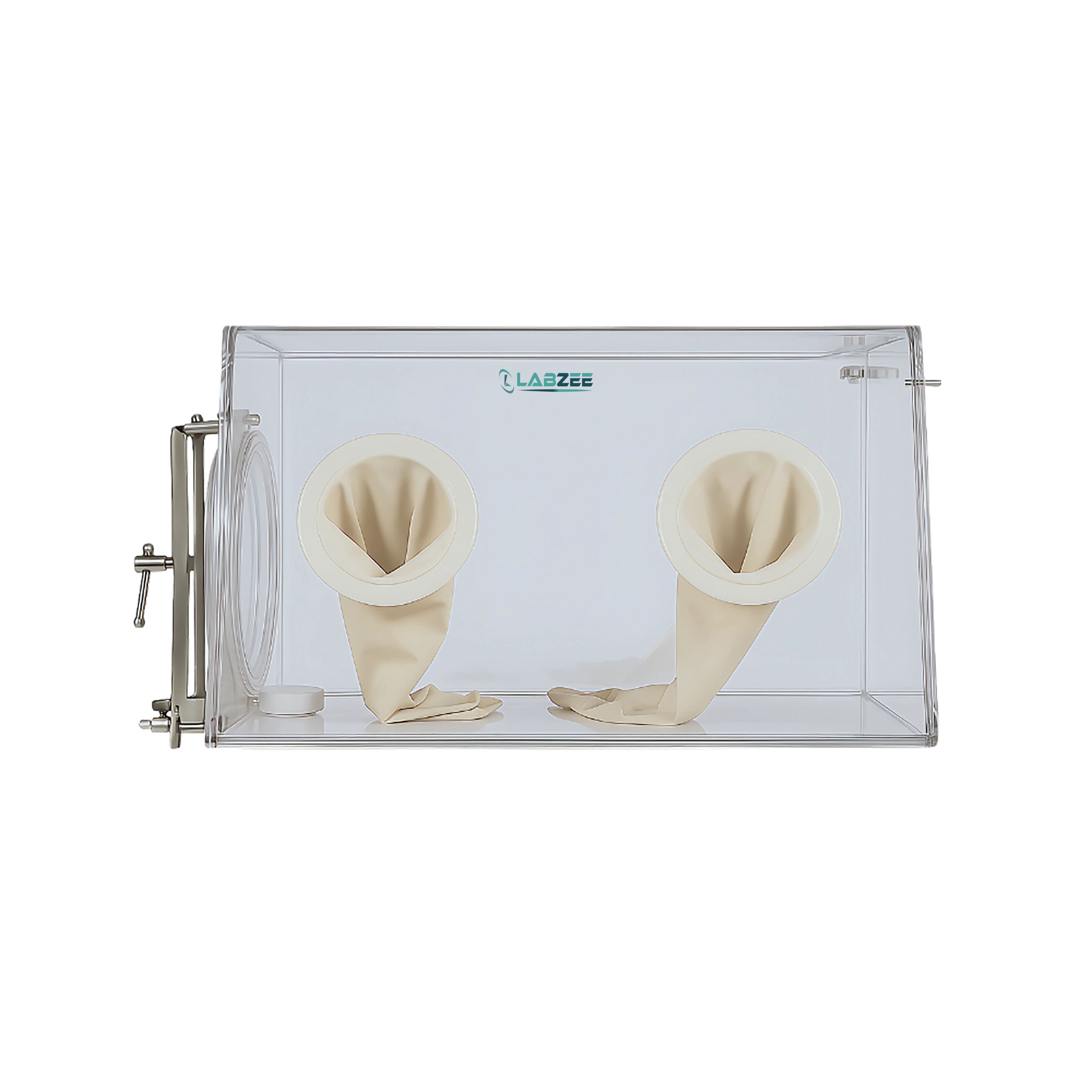
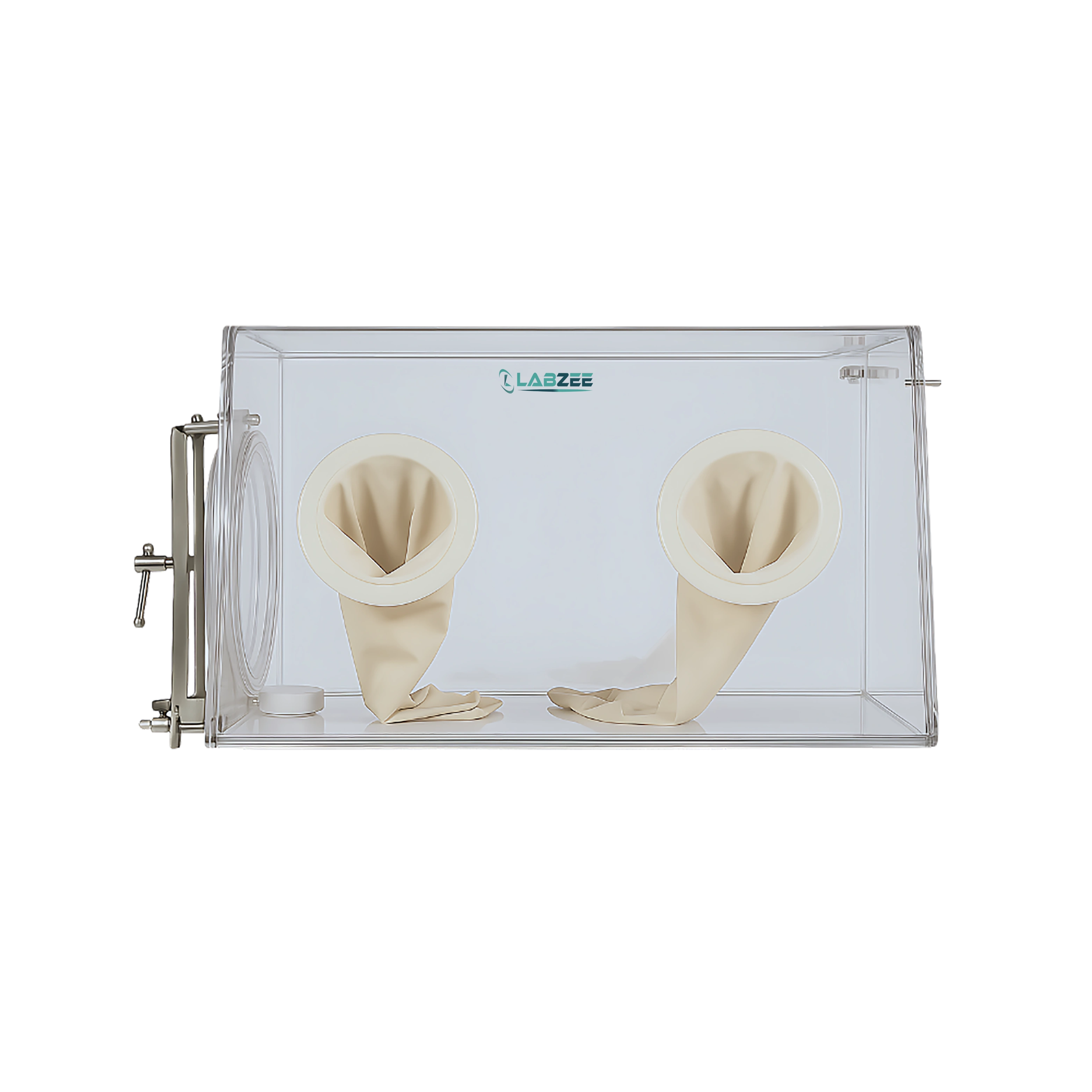
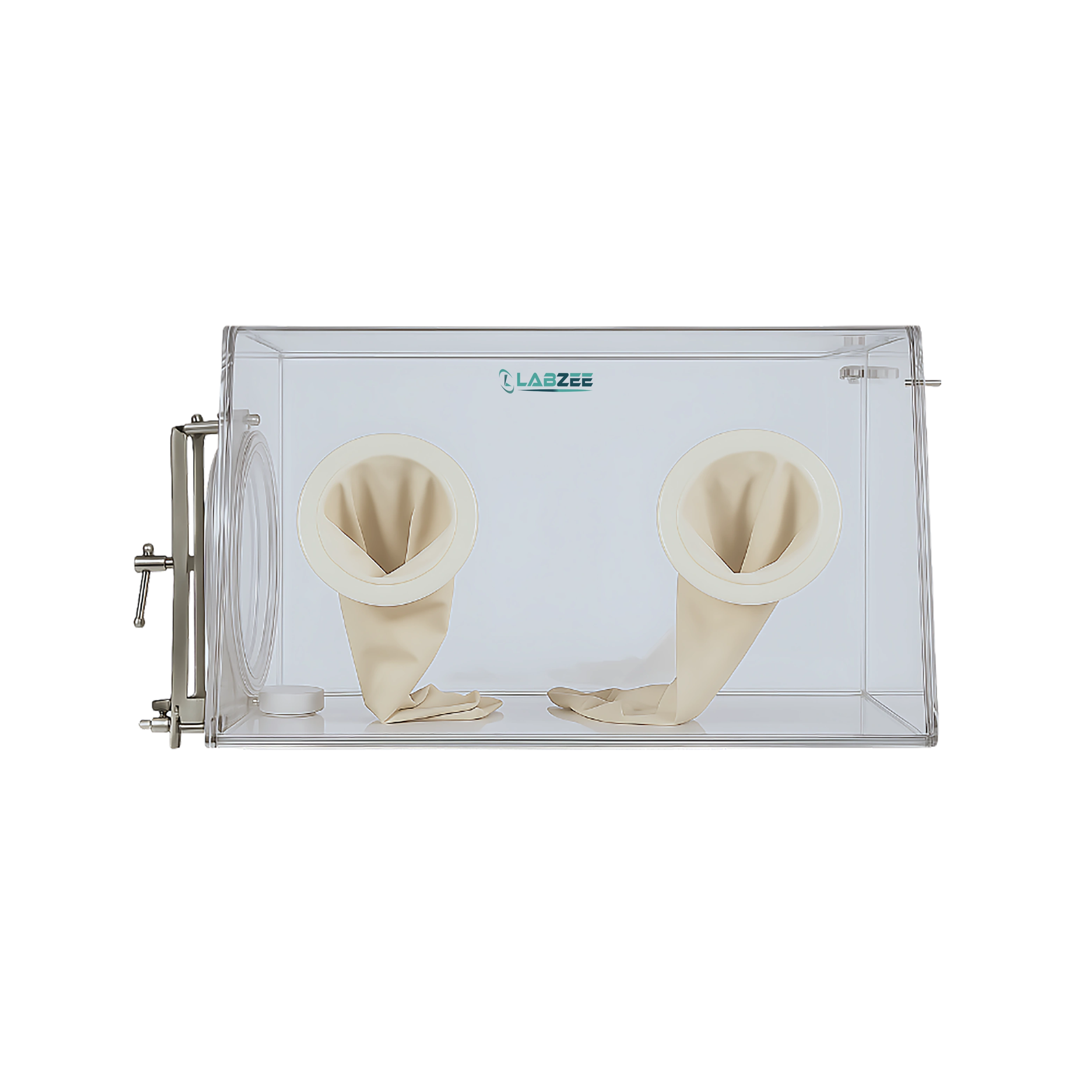
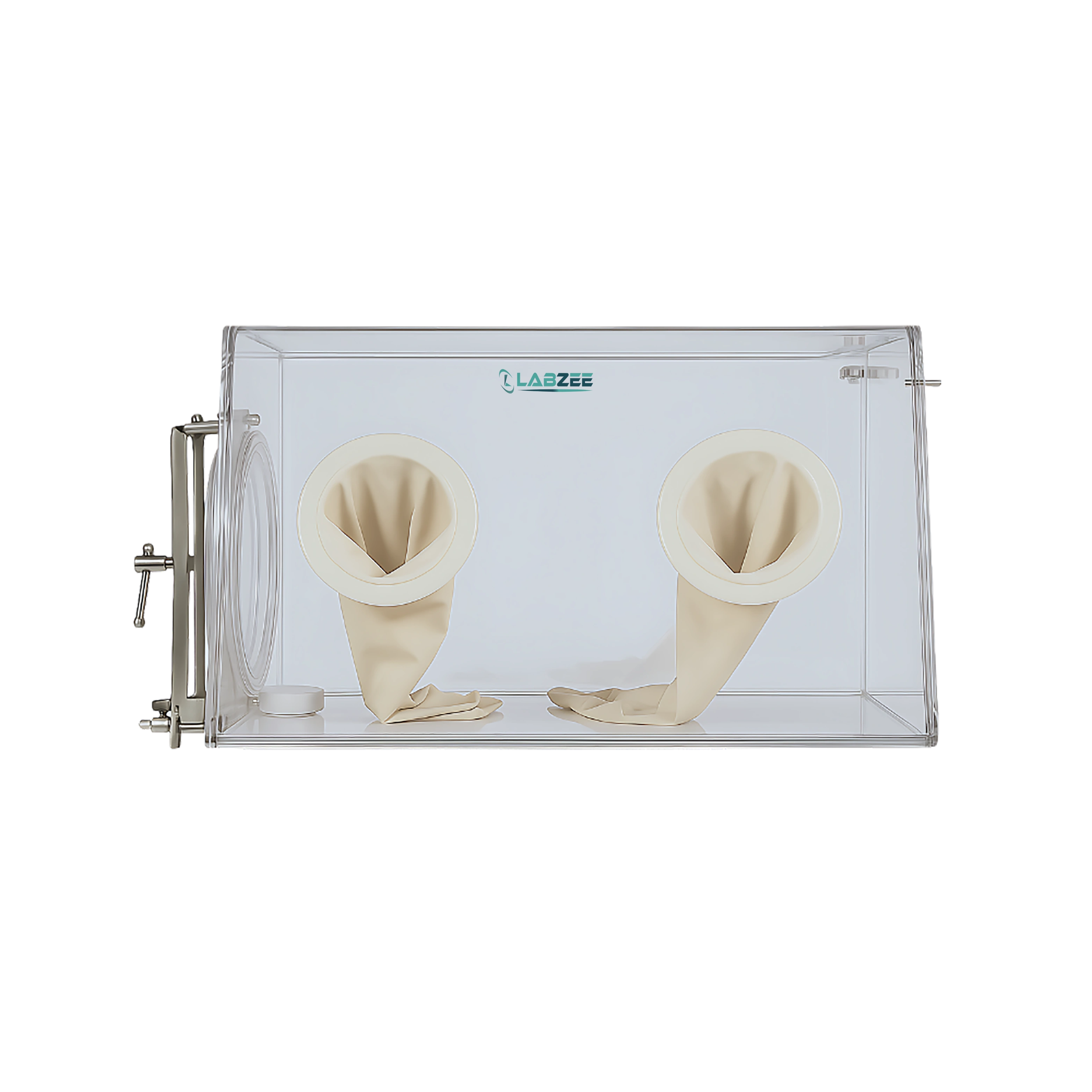
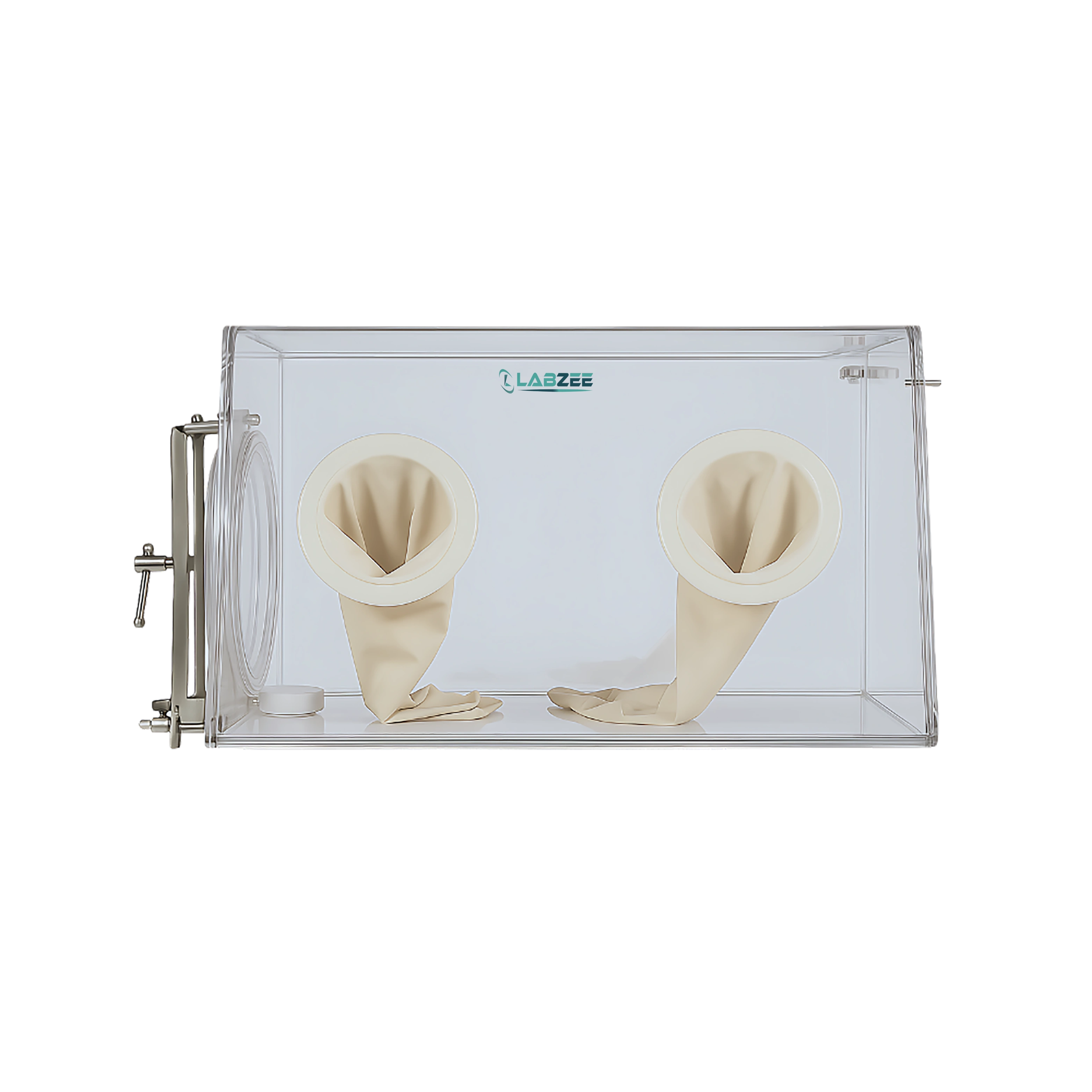
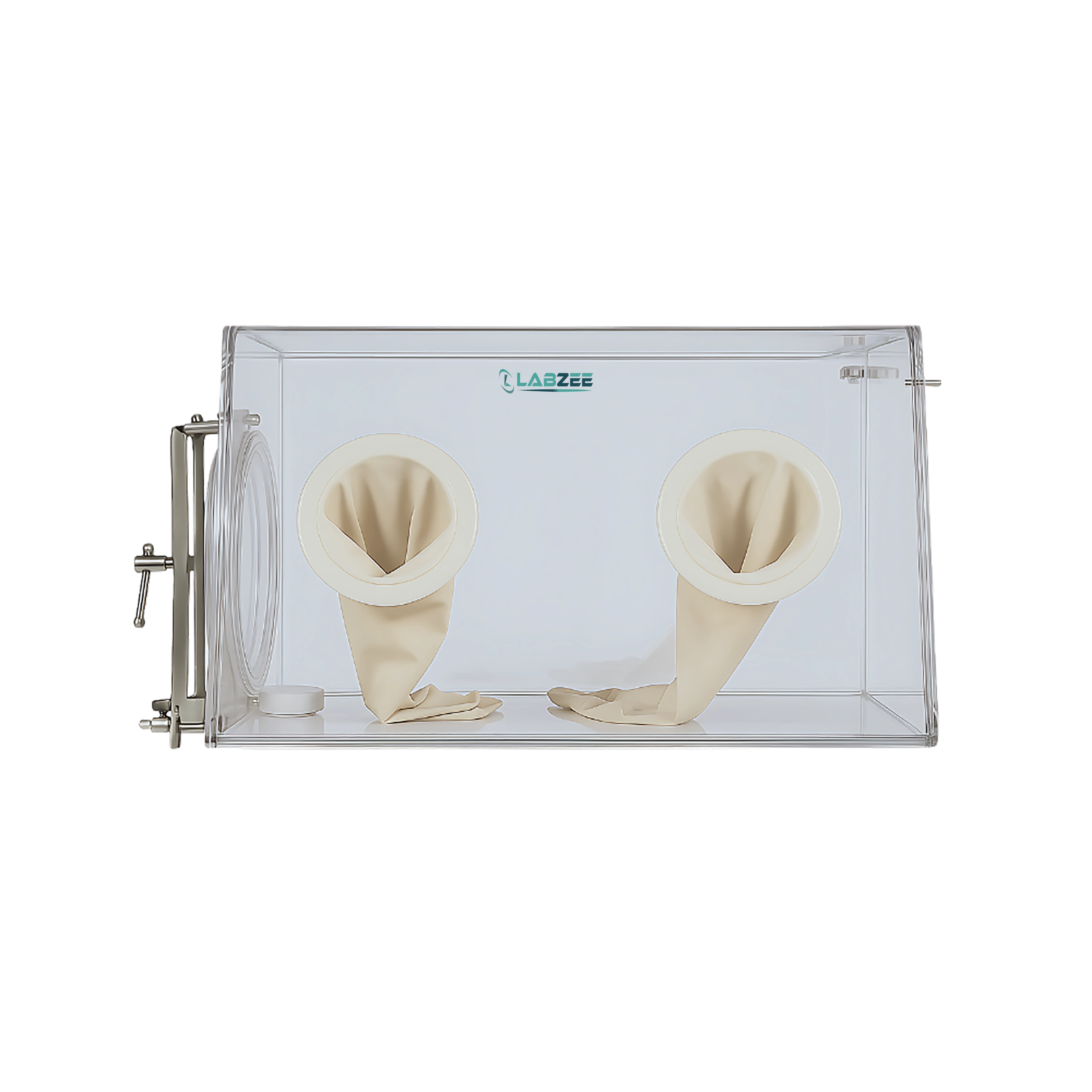
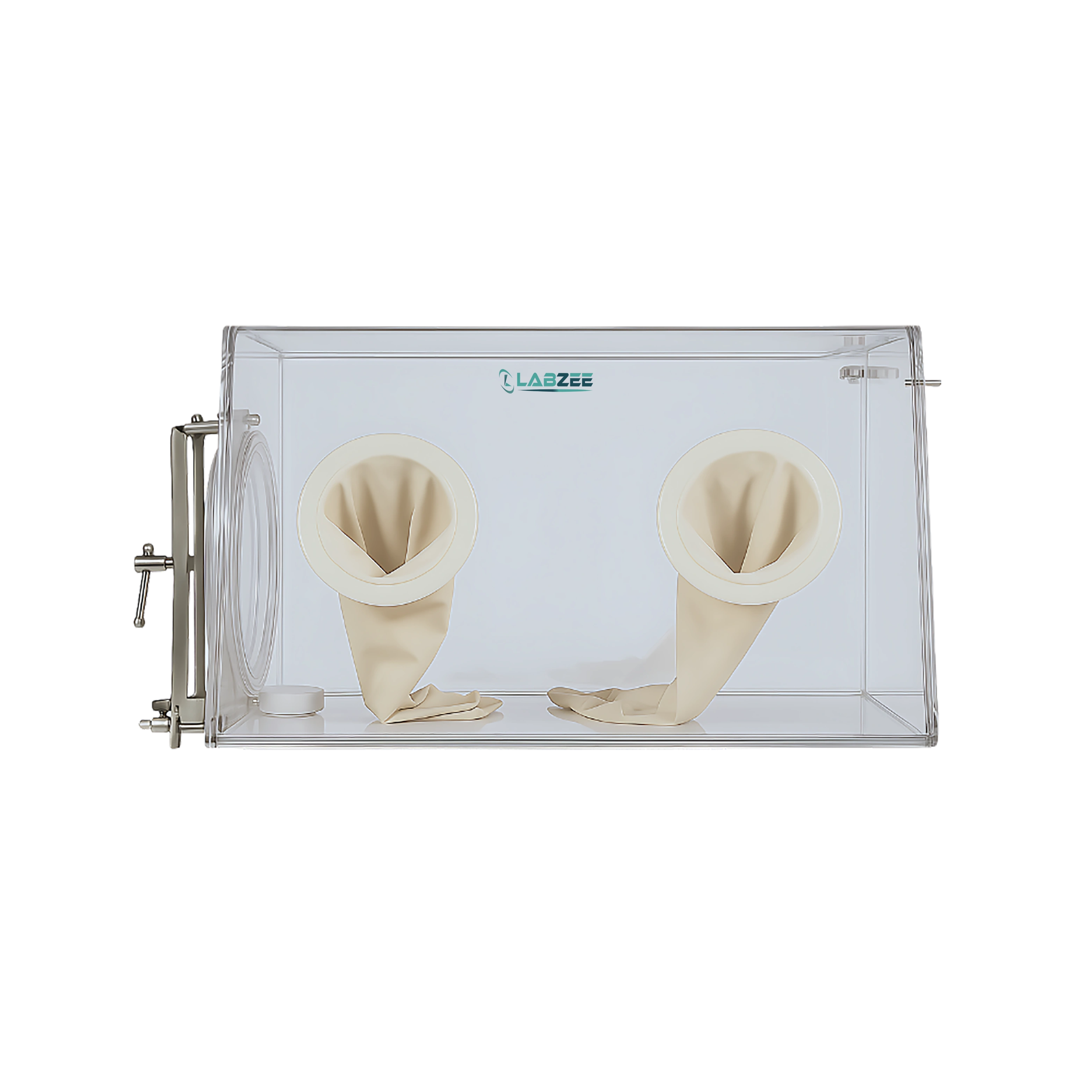
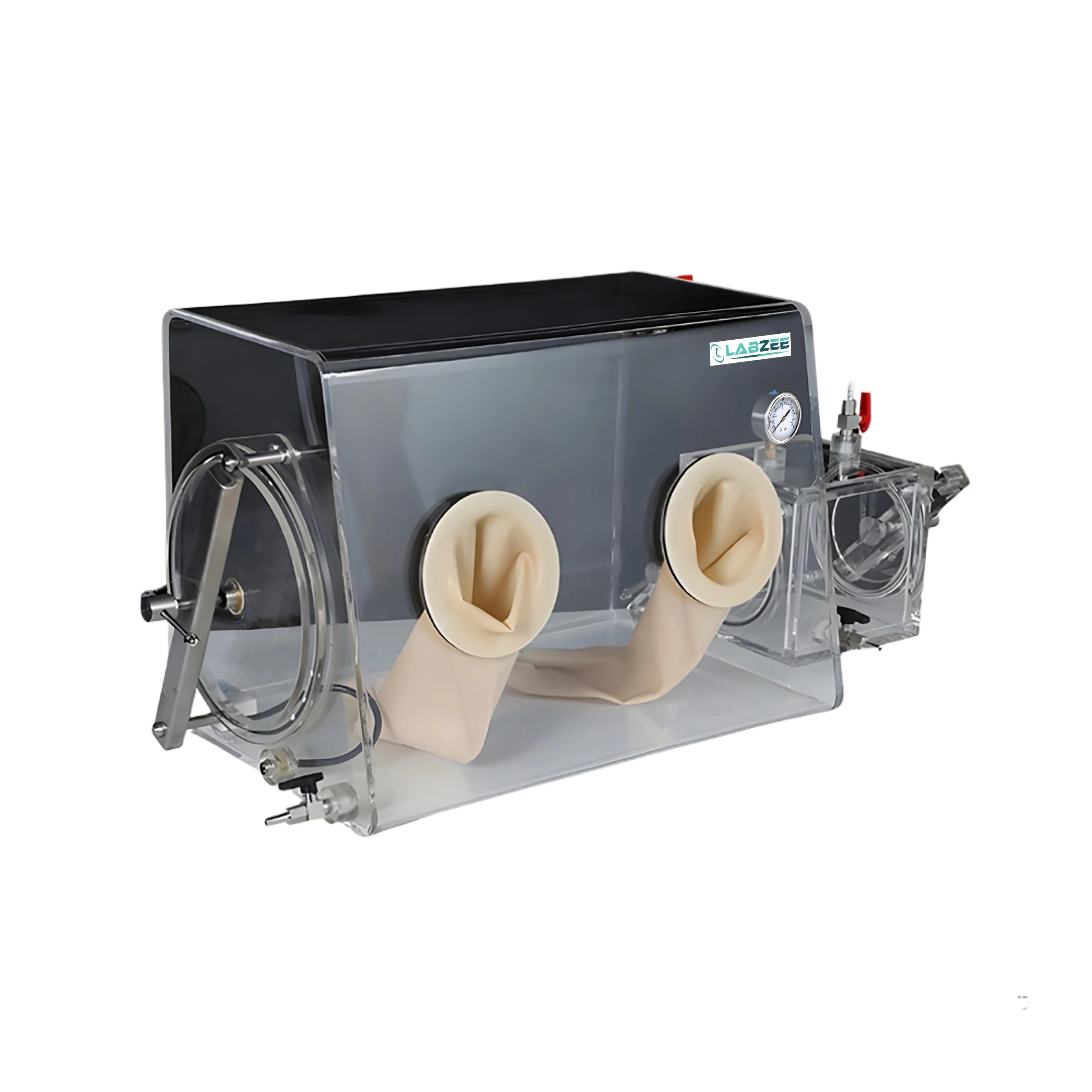
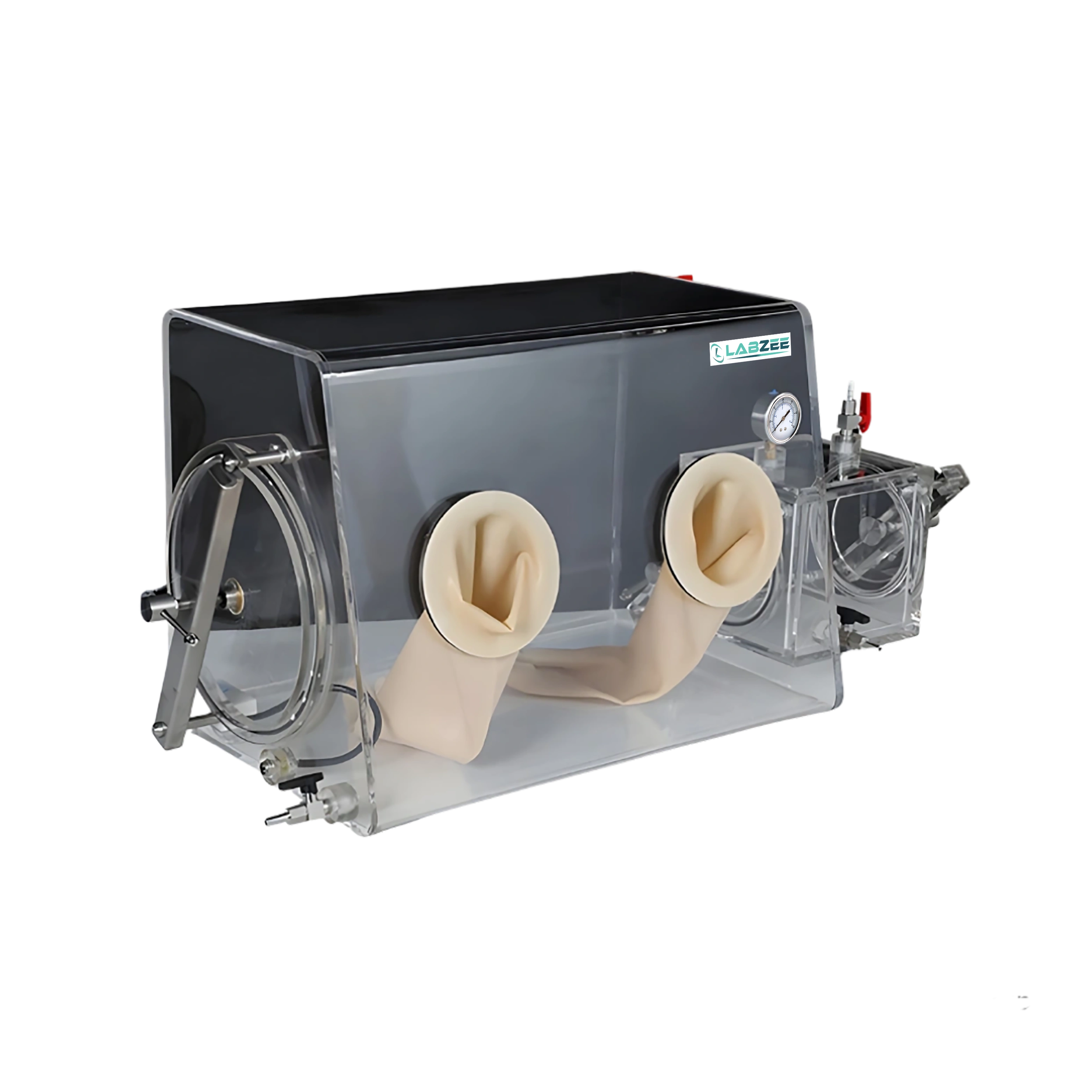
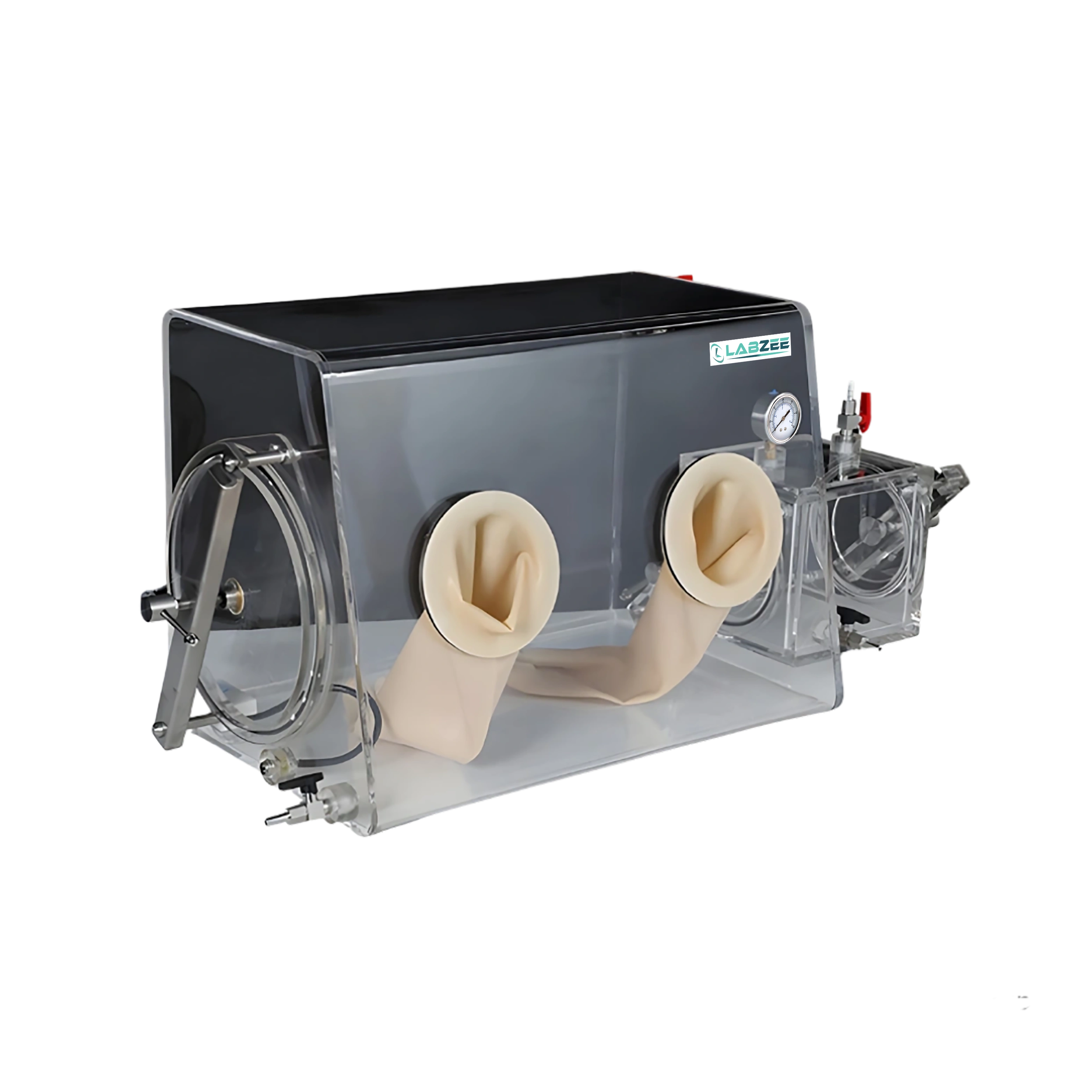
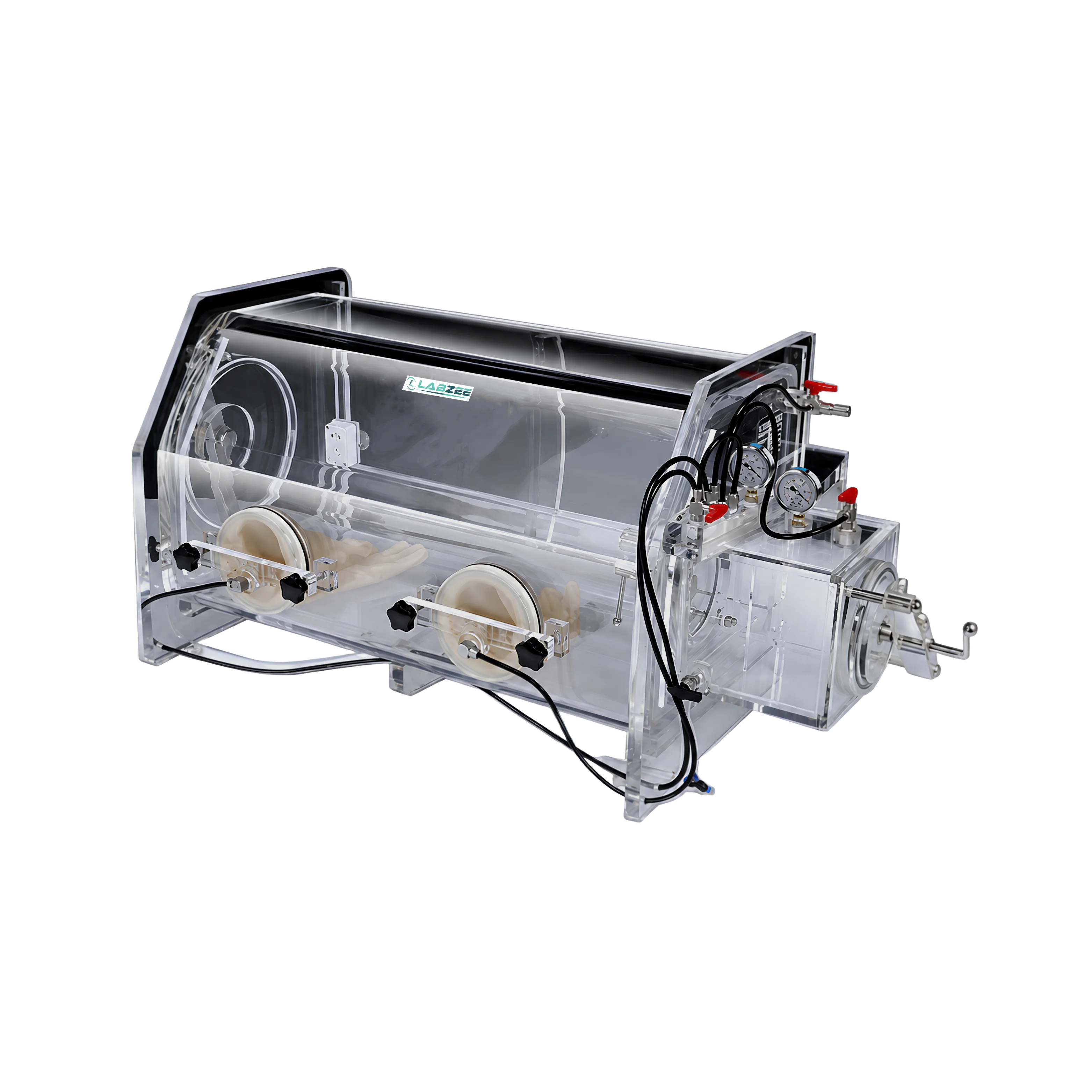
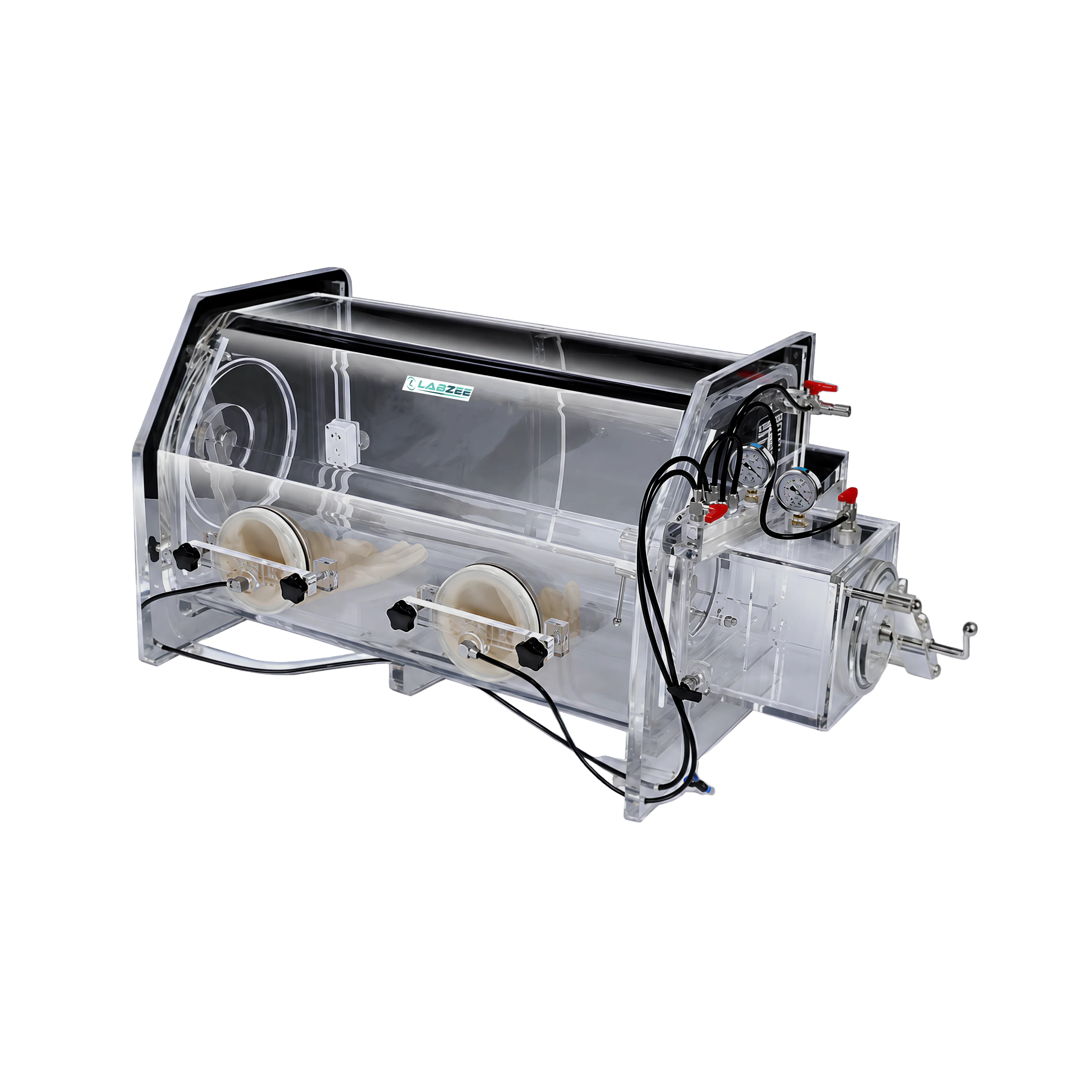
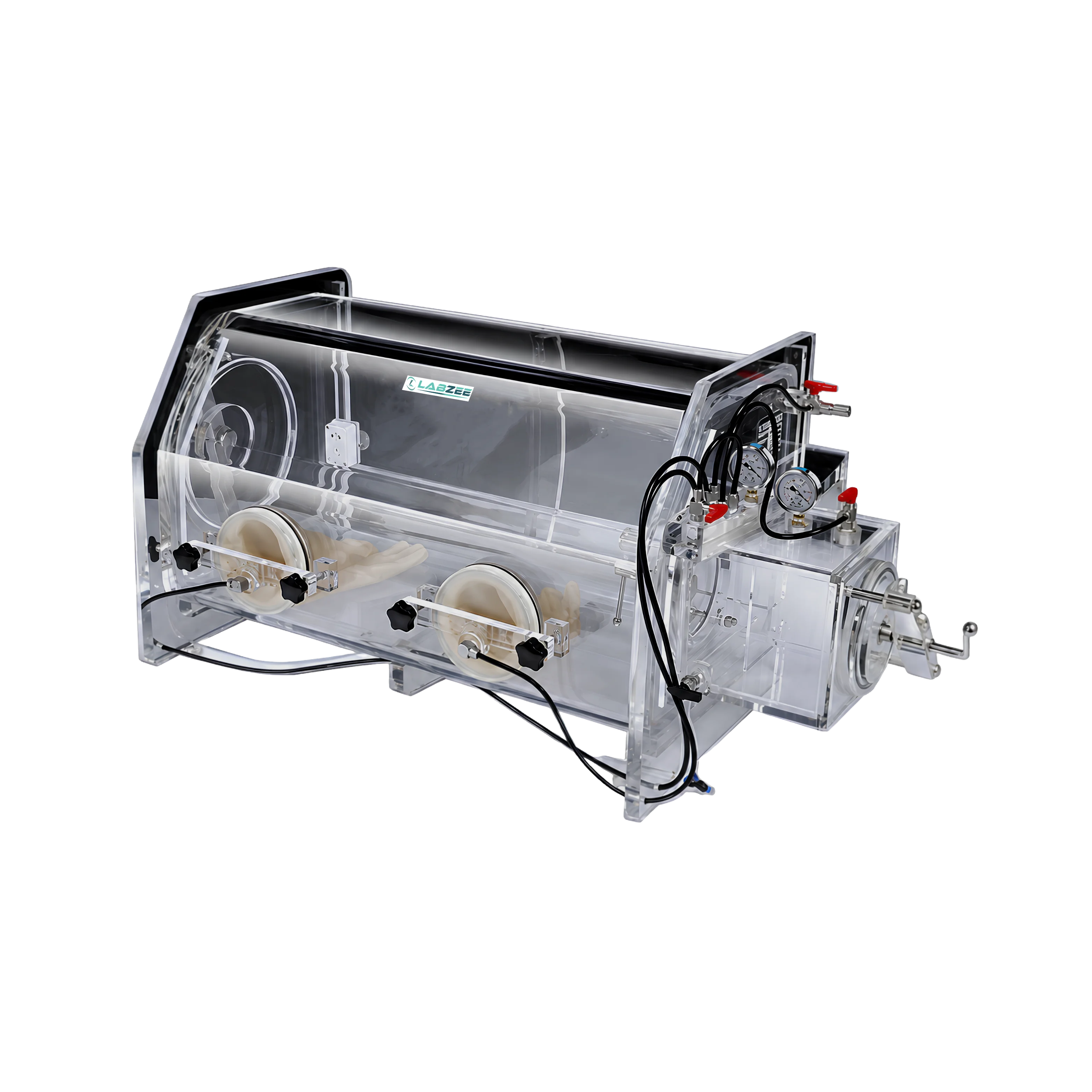
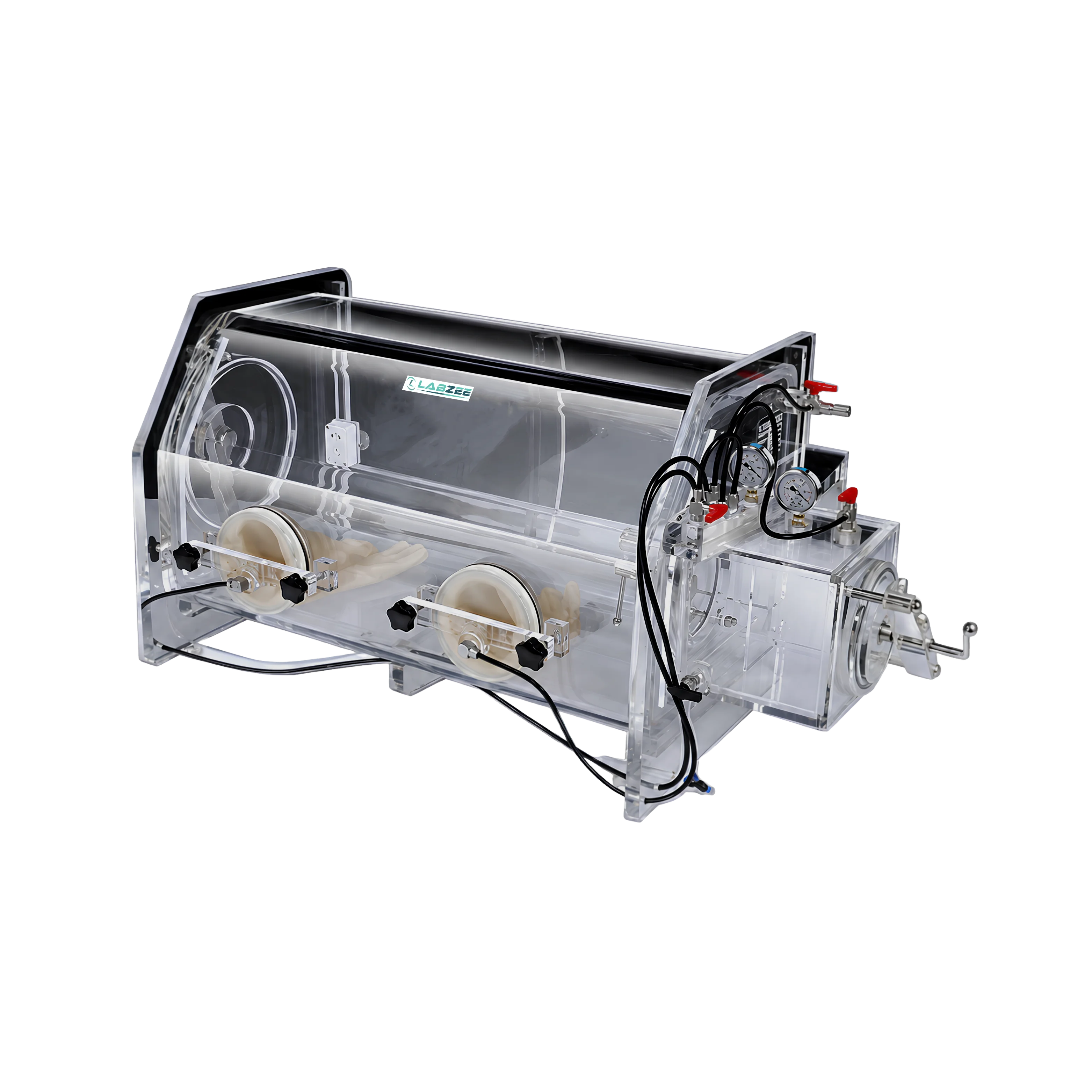
Built-in Transfer Box: Chamber enables safe material transfer without compromising internal atmosphere.
Four Glove Ports: Allows efficient multi-user operation for complex procedures.
High-Clarity PMMA Structure: Thick acrylic body ensures durability, chemical resistance, and transparent visibility.
Vacuum-Compatible Design: Supports vacuum operation for controlled low-pressure workflows.
Contamination-Free Workspace: Provides isolated environment for sensitive material handling.
• Pharmaceutical Laboratories: Used for handling contamination-sensitive compounds and formulations.
• Chemical Research Laboratories: Applied in controlled handling of reactive and moisture-sensitive materials.
• Biotechnology Facilities: Supports protected sample preparation and analytical procedures.
• Electronics and Semiconductor Sector: Used for handling materials requiring isolated conditions.
• Academic and Research Institutes: Suitable for precision laboratory studies and experimental workflows.
Frequently Asked Questions
1: What Are the External Dimensions Available for the Acrylic Glove Box?
The Acrylic Glove Box comes in multiple external sizes ranging from 700×450×500 mm to 1200×800×700 mm, with a standard acrylic thickness of 10 mm. These variations allow users to select the optimal size for their workspace and material requirements.
2: Can You Transport the Box Safely When It’s Assembled?
While the Acrylic Glove Box is sturdy and durable, it should be moved carefully when fully assembled. Secure lifting and support are recommended to avoid cracking or stress on the acrylic joints. For long-distance transport, disassembly is advisable.
3: How Long Does It Take to Achieve a Vacuum Inside the Box?
The time required depends on the strength of the vacuum pump used. Typically, a powerful vacuum pump can reduce internal pressure to -0.1 MPa in a few minutes, depending on the size and configuration of the glove box and transition chamber.
4: Can You Use the Acrylic Glove Box for Biological Applications?
Yes, it is suitable for biological work that requires a sterile or controlled environment. Its sealed design, inert gas compatibility, and UV resistance make it useful for microbiology, plant tissue culture, and similar applications.
5: What Materials Are Used for the Transition Box and Its Components?
The transition box is made from the same high-transparency PMMA acrylic as the main chamber, with stainless steel fittings and valves for durability. The consistent material ensures a uniform seal and visual clarity across the entire system.
6: What Is an Acrylic Glove Box Used For?
An Acrylic Glove Box is used to create a sealed and controlled environment for conducting experiments. It helps isolate materials from air, moisture, dust, and contaminants. This makes it suitable for chemical, biological, or electronic research. Users can manipulate objects inside safely through attached gloves. It’s essential for clean and precise lab work.
7: What Materials Are Used in This Acrylic Glove Box?
The Acrylic Glove Box is made of clear, durable acrylic panels, providing high visibility and structural strength. It features latex gloves for hand access, which are soft and flexible. Gas inlet and outlet valves are made of stainless steel, offering durability and corrosion resistance. All materials are chosen for lab safety and reliability.
8: Is the Acrylic Glove Box Airtight?
Yes, the Acrylic Glove Box is designed to be airtight. The front door uses a sealing gasket and latches to prevent any air exchange with the outside. This ensures a stable atmosphere inside, which is crucial for sensitive tasks. Airtightness also protects both users and contents from contamination. It maintains the integrity of experiments.
9: How Do You Introduce Gas Into the Acrylic Glove Box?
Gas is introduced through the stainless steel inlet and outlet valves built into the Acrylic Glove Box. These valves allow you to purge the interior with inert gases like nitrogen or argon. This helps in creating a dry and oxygen-free environment. The process is straightforward and supports many types of scientific experiments. Pressure can be controlled safely.
10: Can the Acrylic Glove Box Be Used for UV Experiments?
Yes, the Acrylic Glove Box can support UV-based experiments. Its clear acrylic body allows limited UV transmission, which is useful for sterilization or polymer curing. However, compatibility depends on the wavelength of UV light used. It’s ideal for microbiology work or UV testing when used properly. Always follow safety guidelines when using UV light.
Labzee Acrylic Glove Box delivers contamination-free handling of moisture- and oxygen-sensitive materials with high precision. Built with high-clarity, chemical-resistant acrylic, it ensures clear visibility and a secure, sealed workspace. It supports controlled operations through glove ports and transfer systems. Each unit includes secure glove ports, high-performance airlocks, and optional gas purge functionality to maintain stable internal conditions. Multiple PMMA thickness options ensure durability and consistent performance in sensitive material handling tasks. ISO and CE certified, Labzee Acrylic Glove Boxes are designed to deliver superior performance, enhanced safety, and uncompromising consistency in critical laboratory operations.