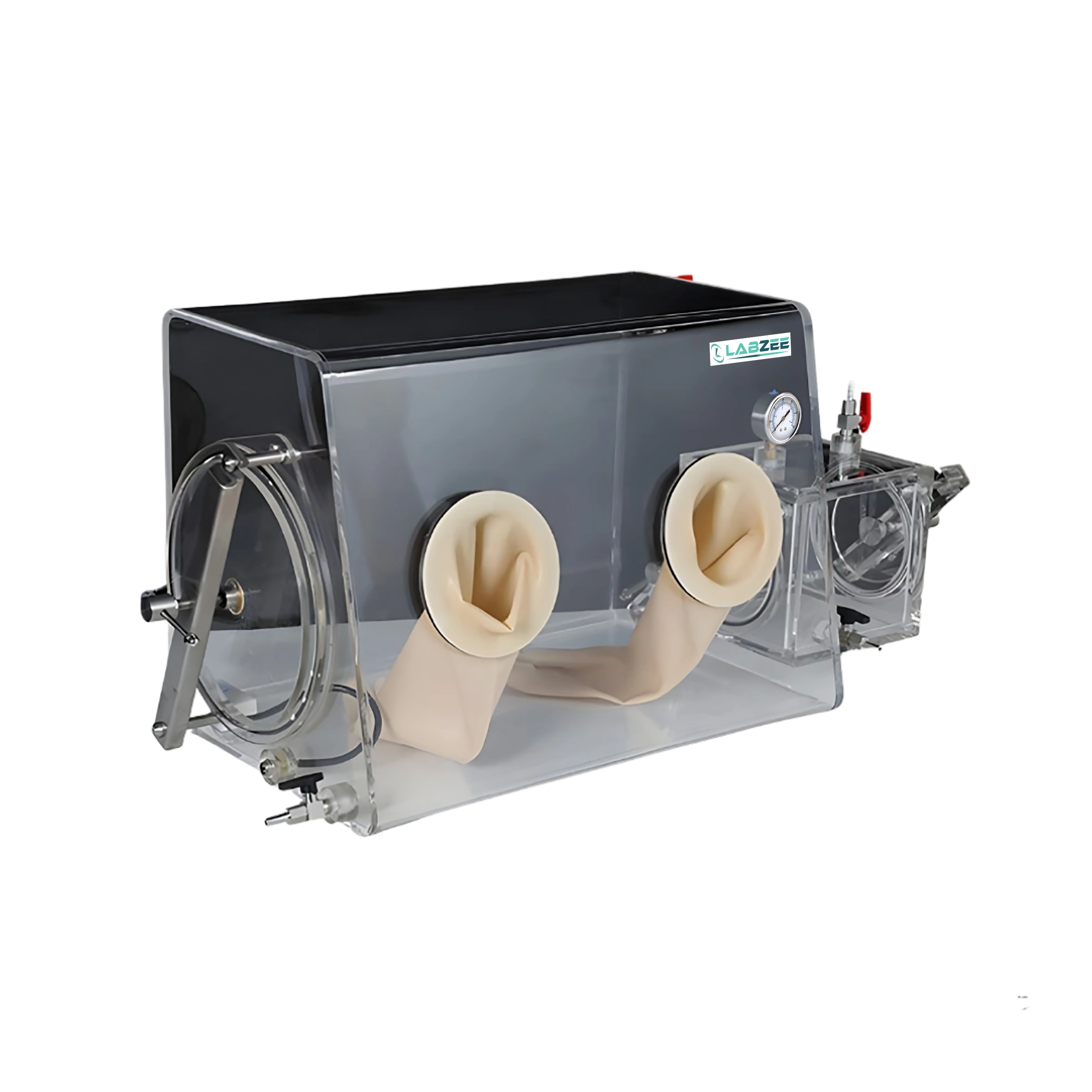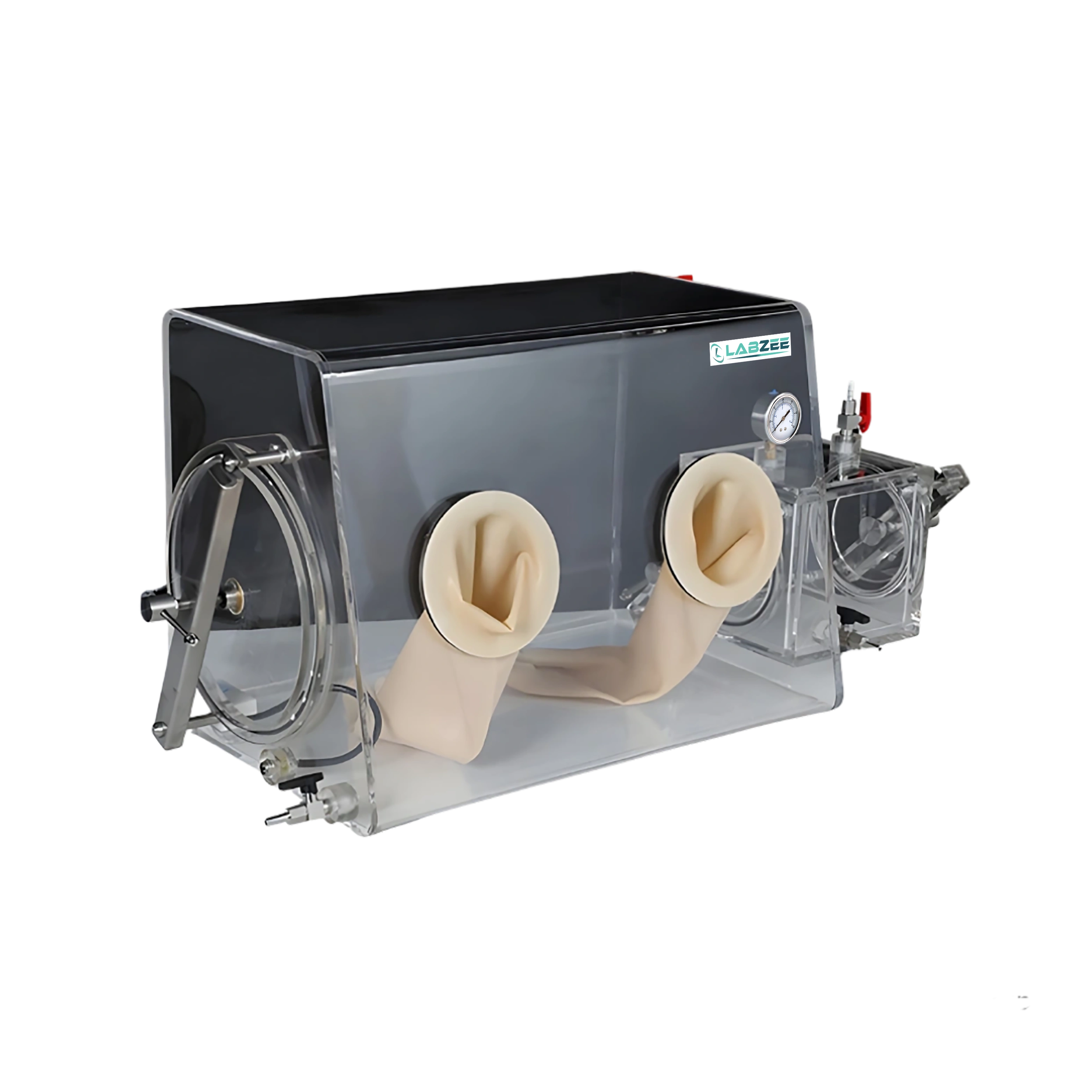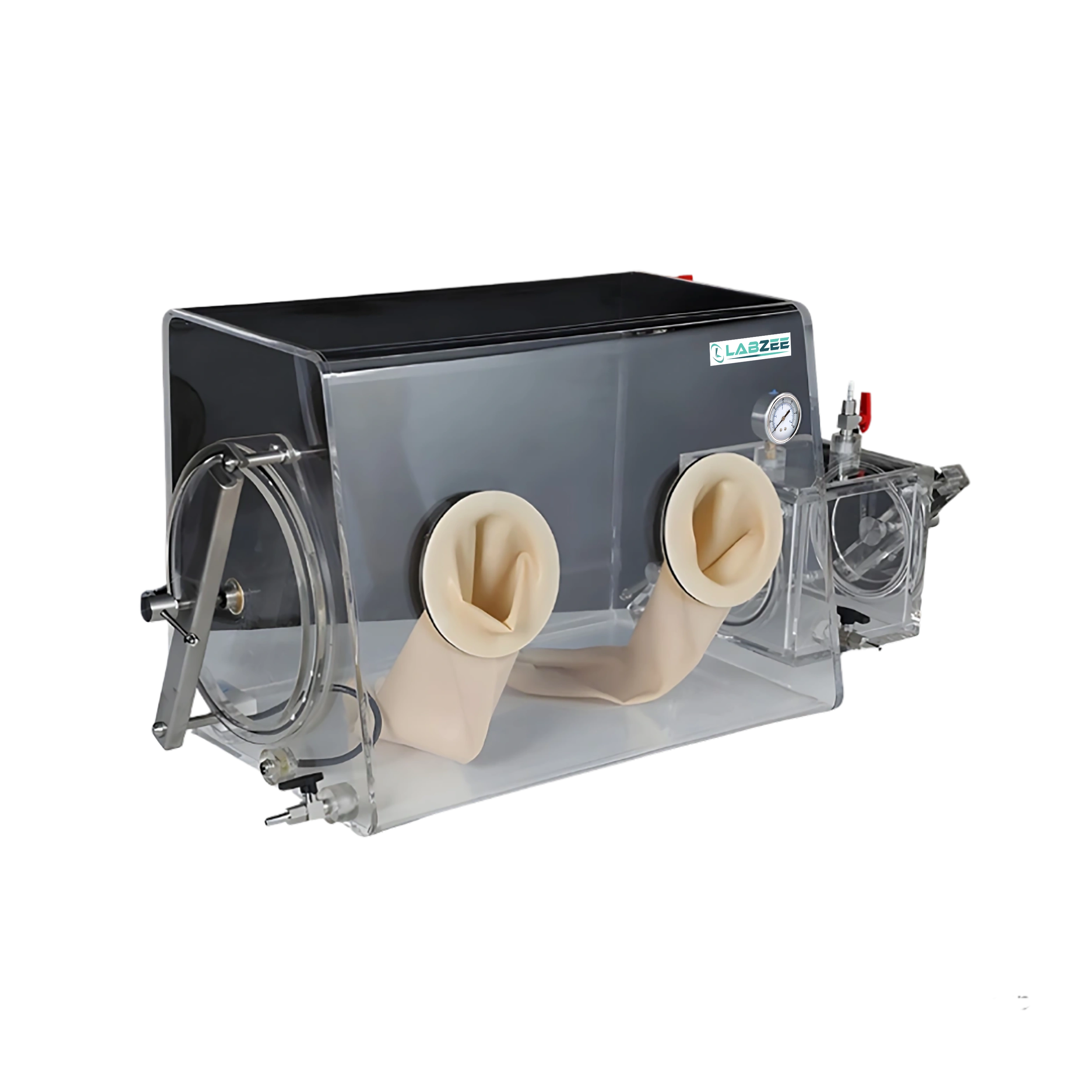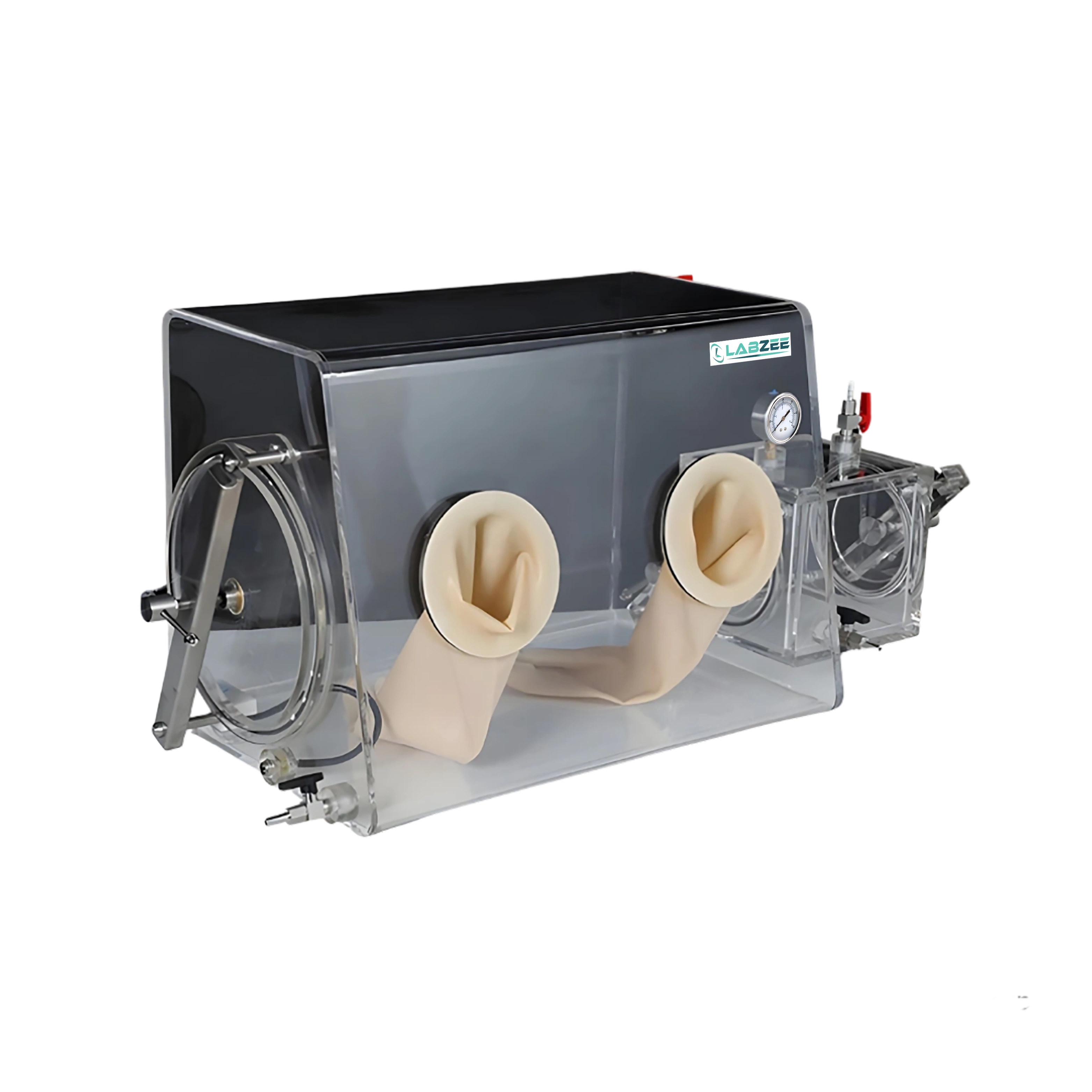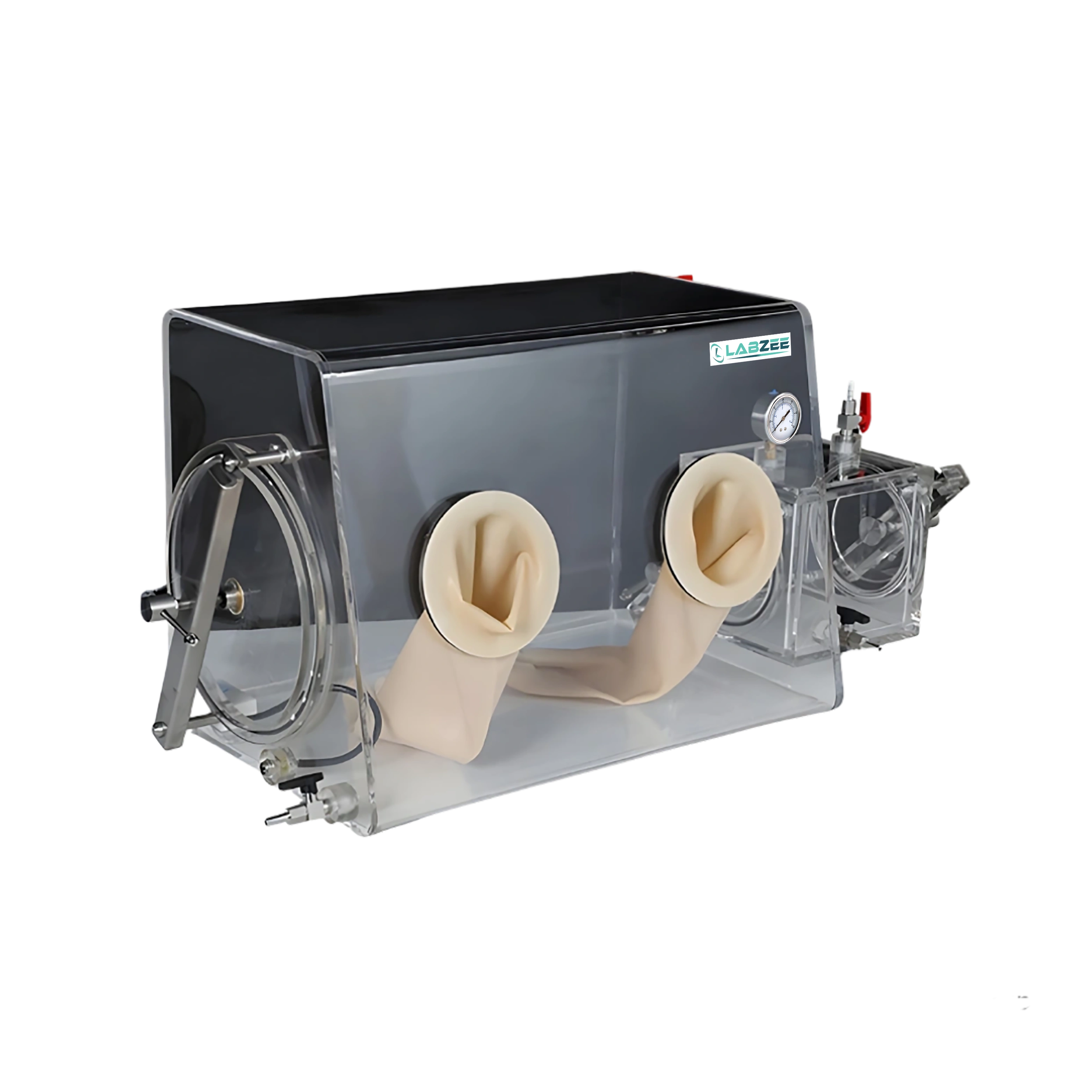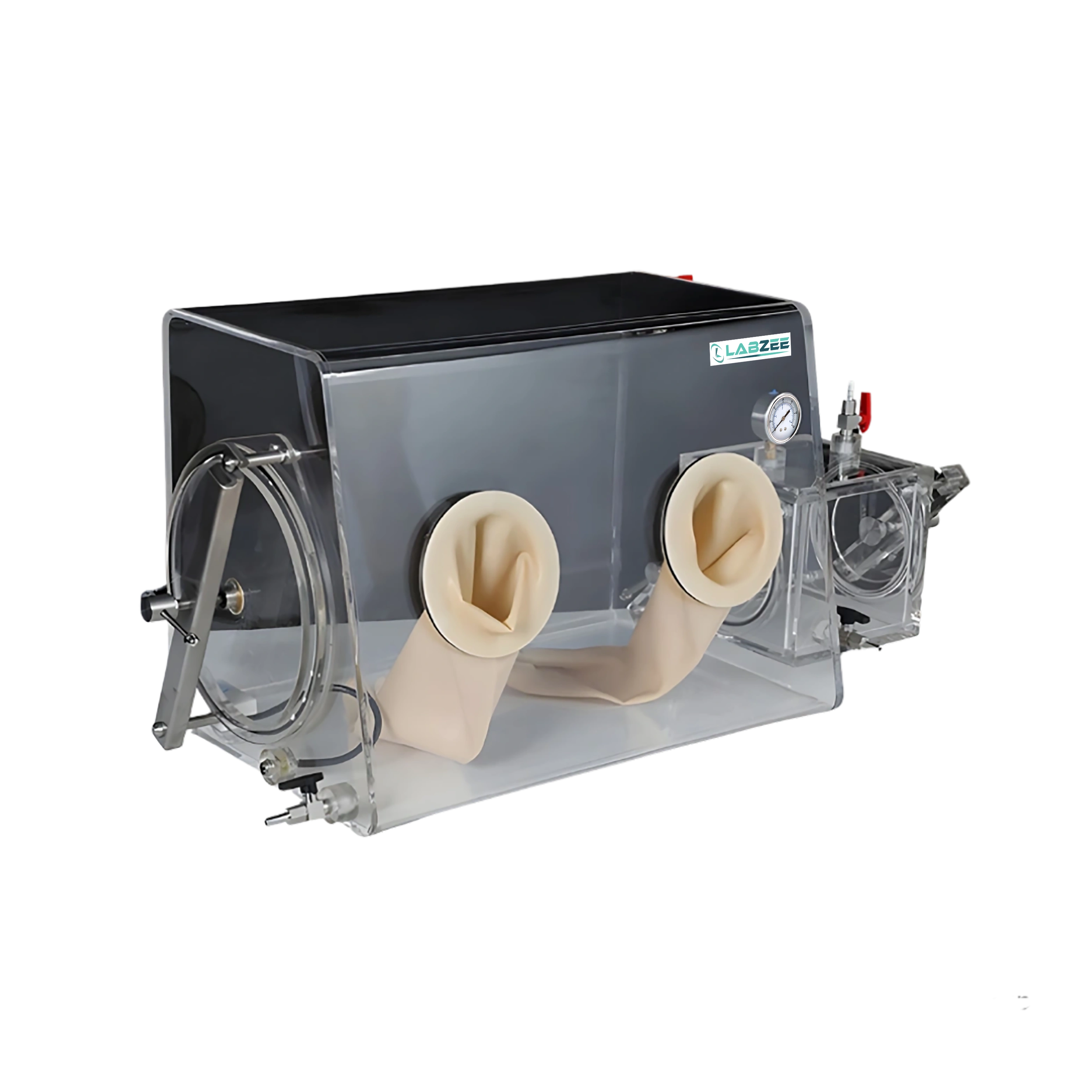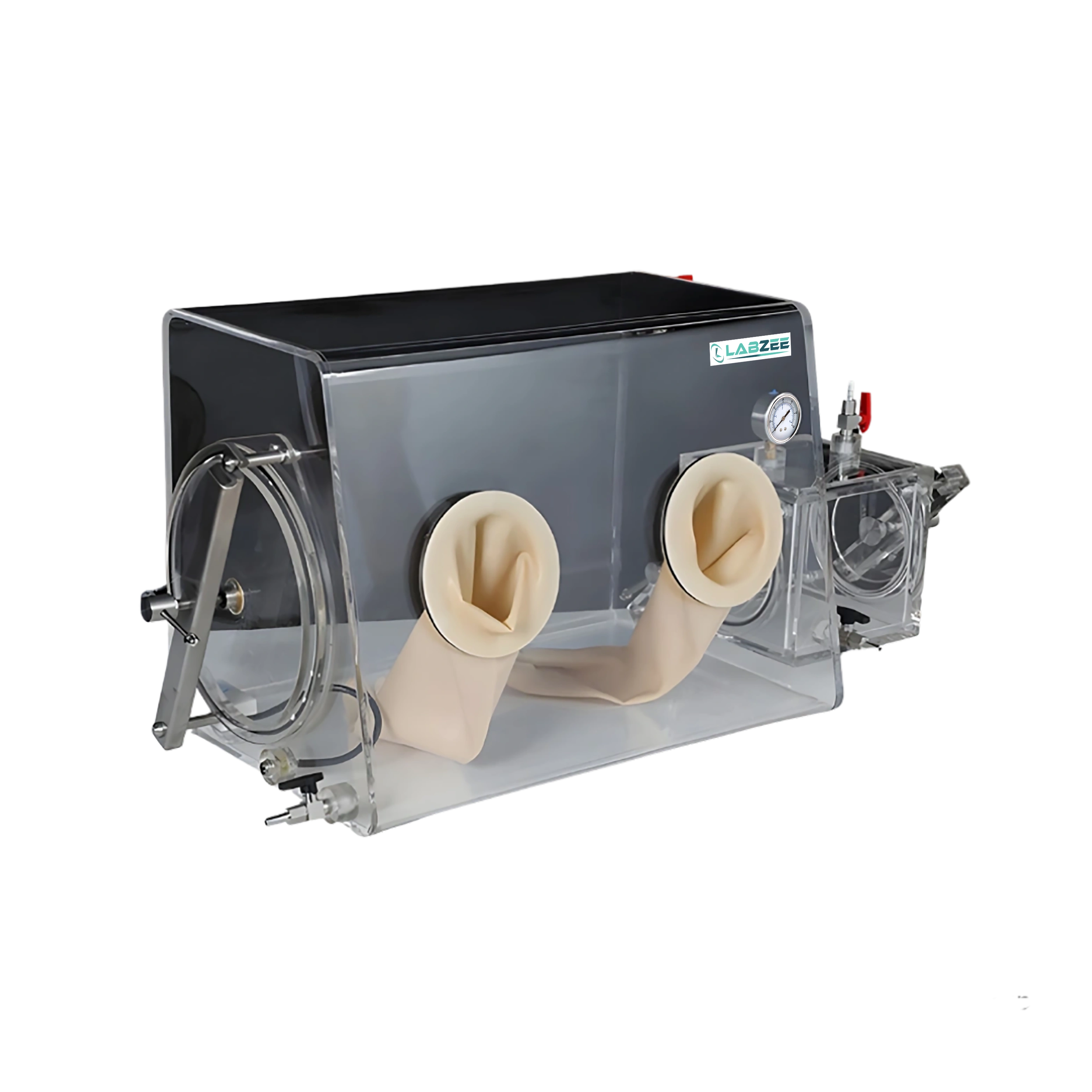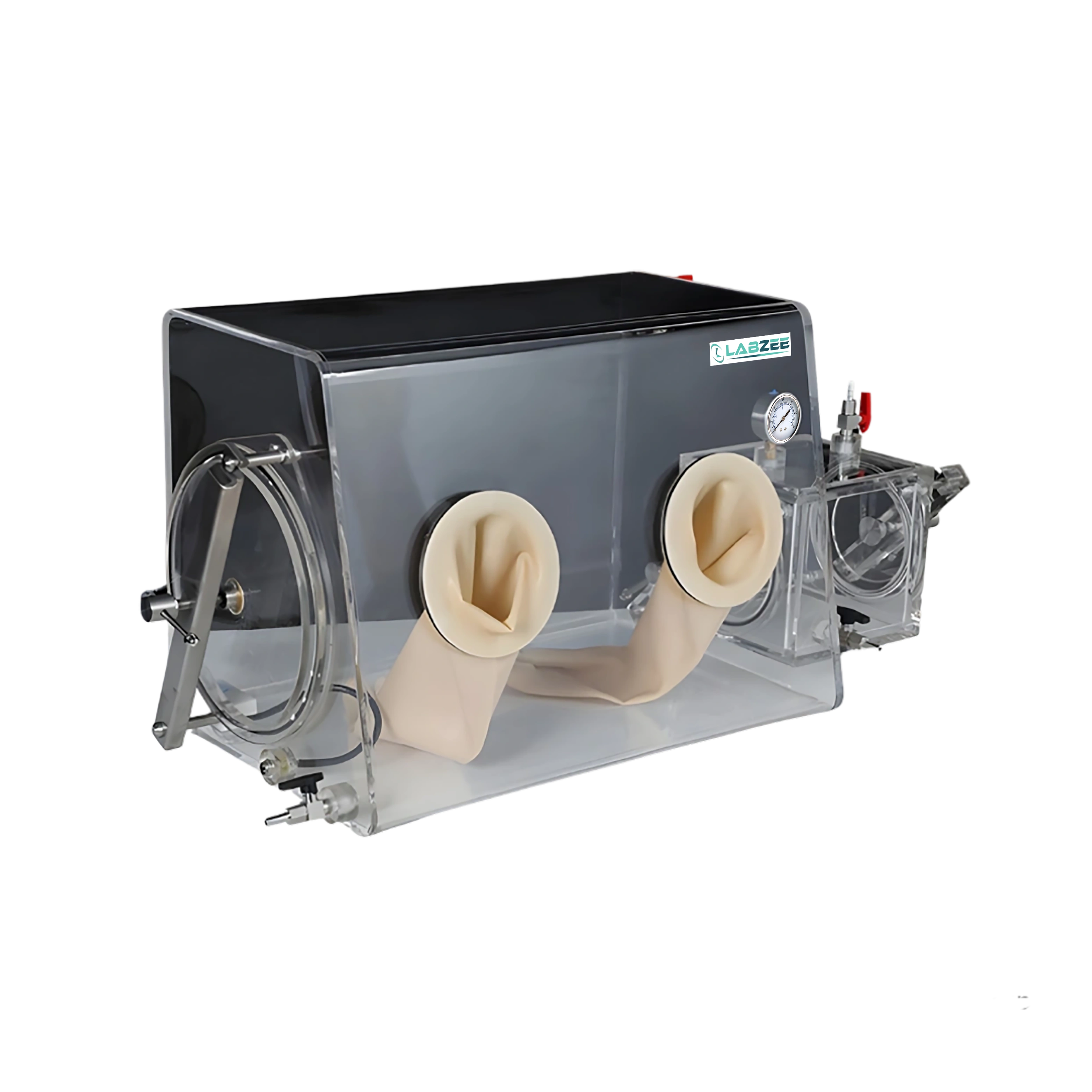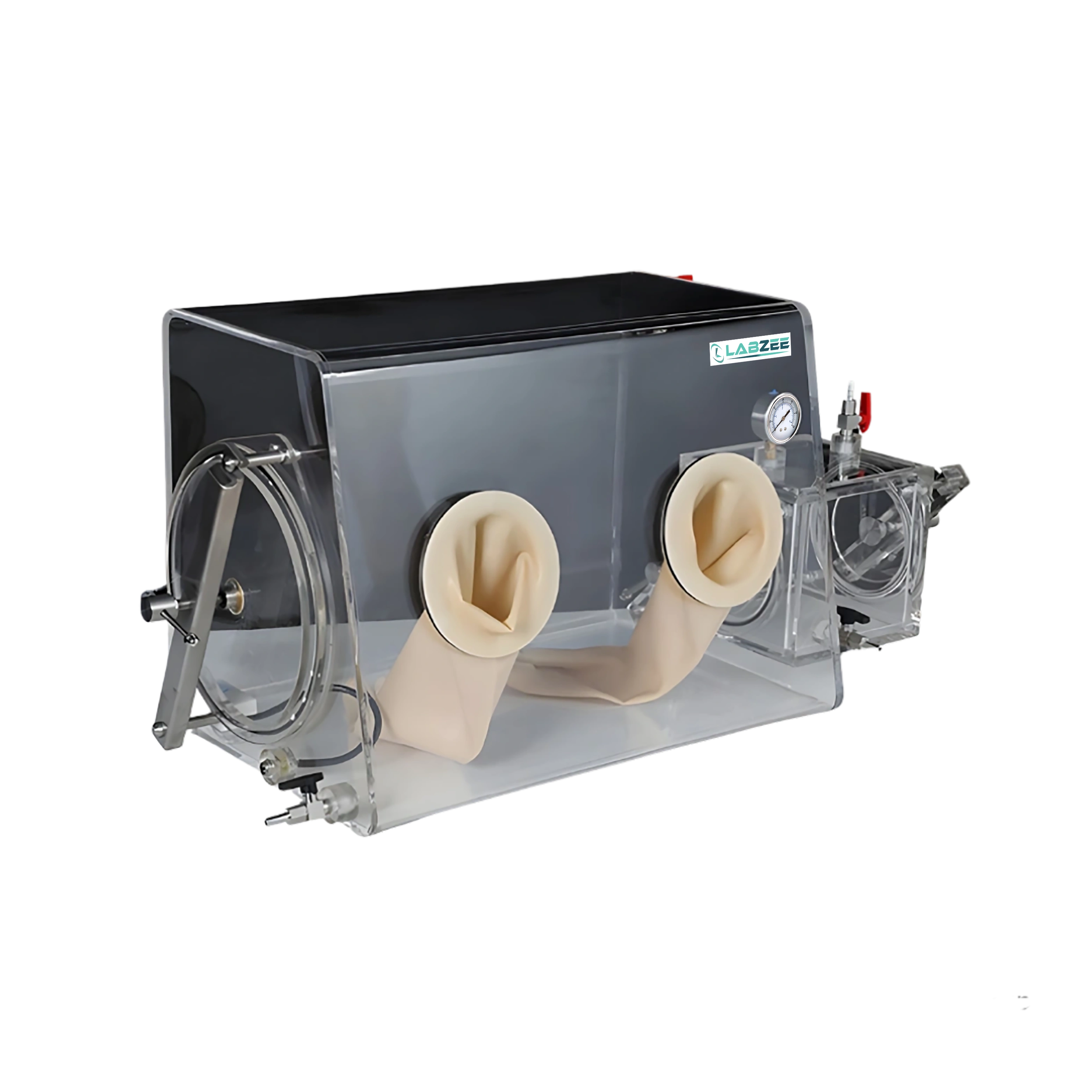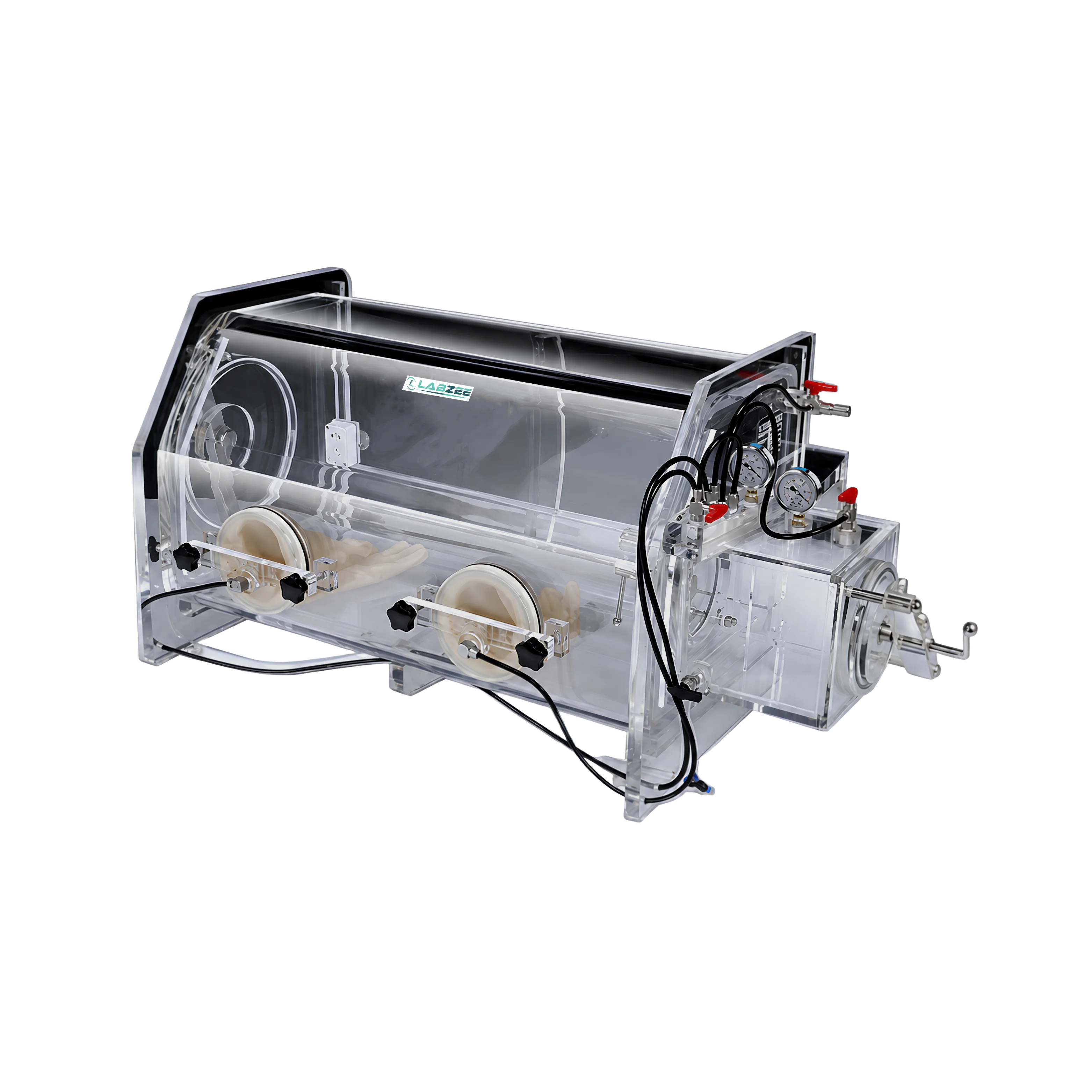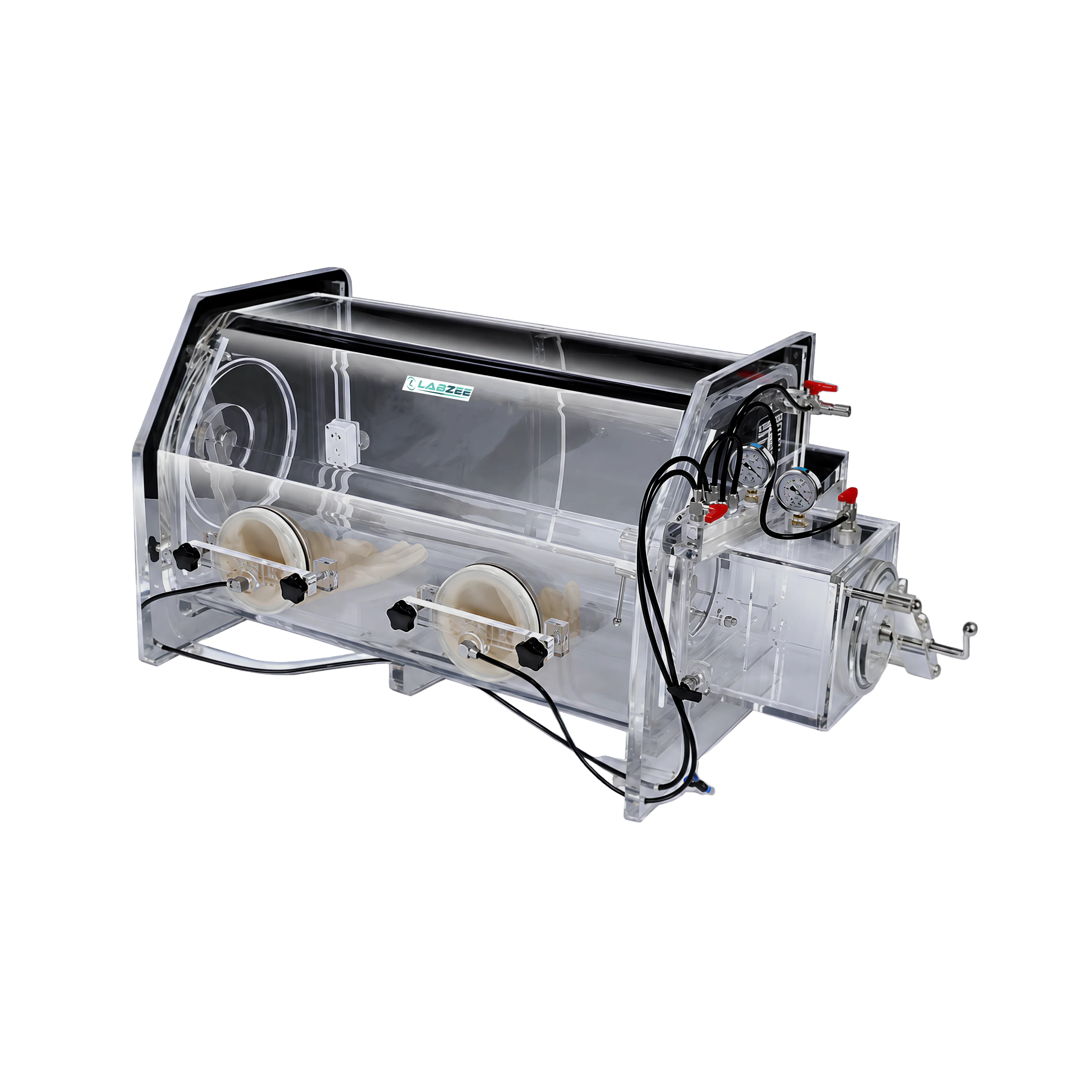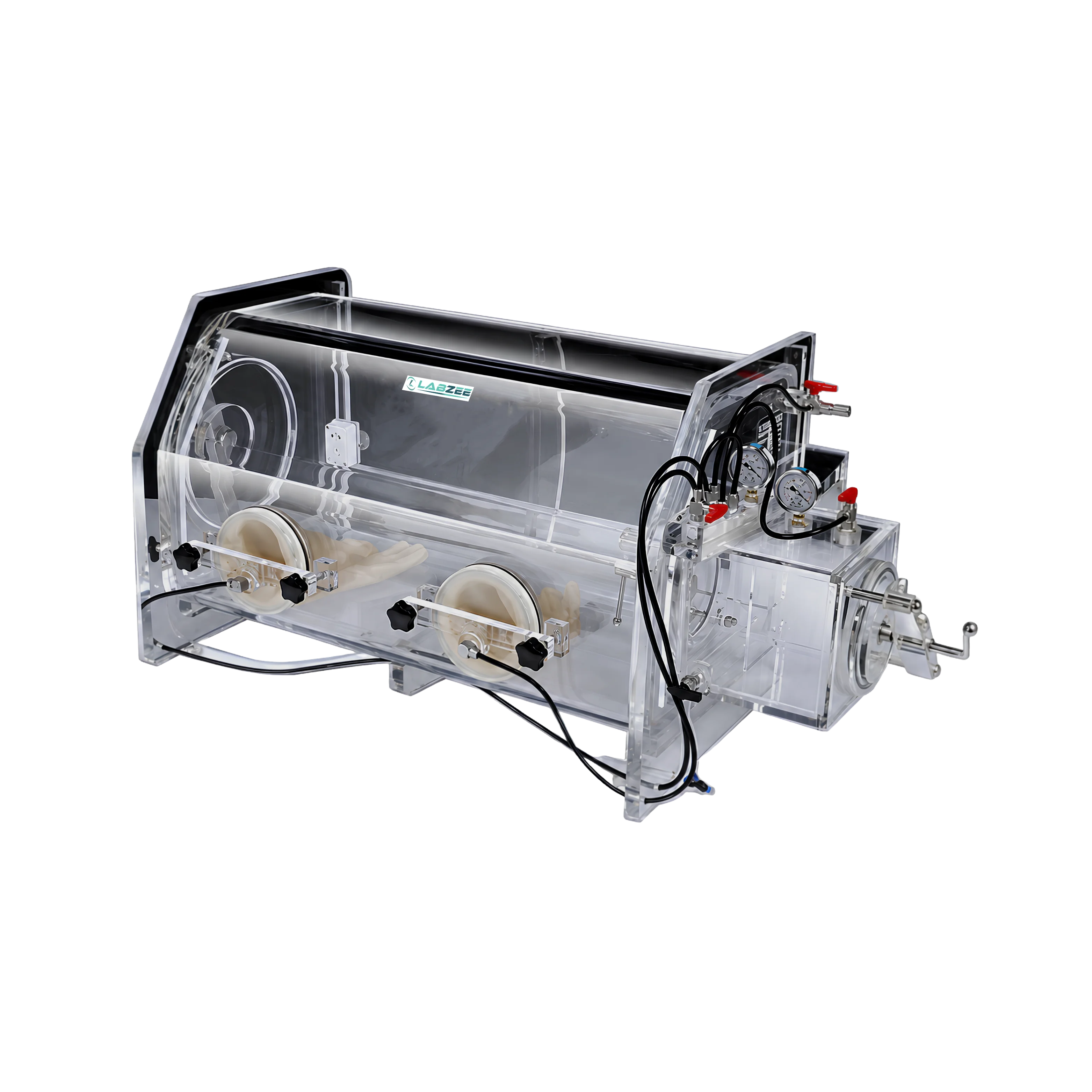
$ 2916
| Main Box Dimension | 800 × 550 × 600 mm |
| Material | PMMA |
| PMMA Thickness | 10 mm |
| Left Round Door | 350 mm |
| Gloves | 2 |
| Transition Box | Yes |
| Transition Box Dimension | 240 × 240 × 240 mm |
| Product Dimension | 80 × 55 × 60 cm |
| Package Dimension | 133 × 64 × 85 cm |
| Net Weight | 78 Kg |
| Gross Weight | 79 Kg |
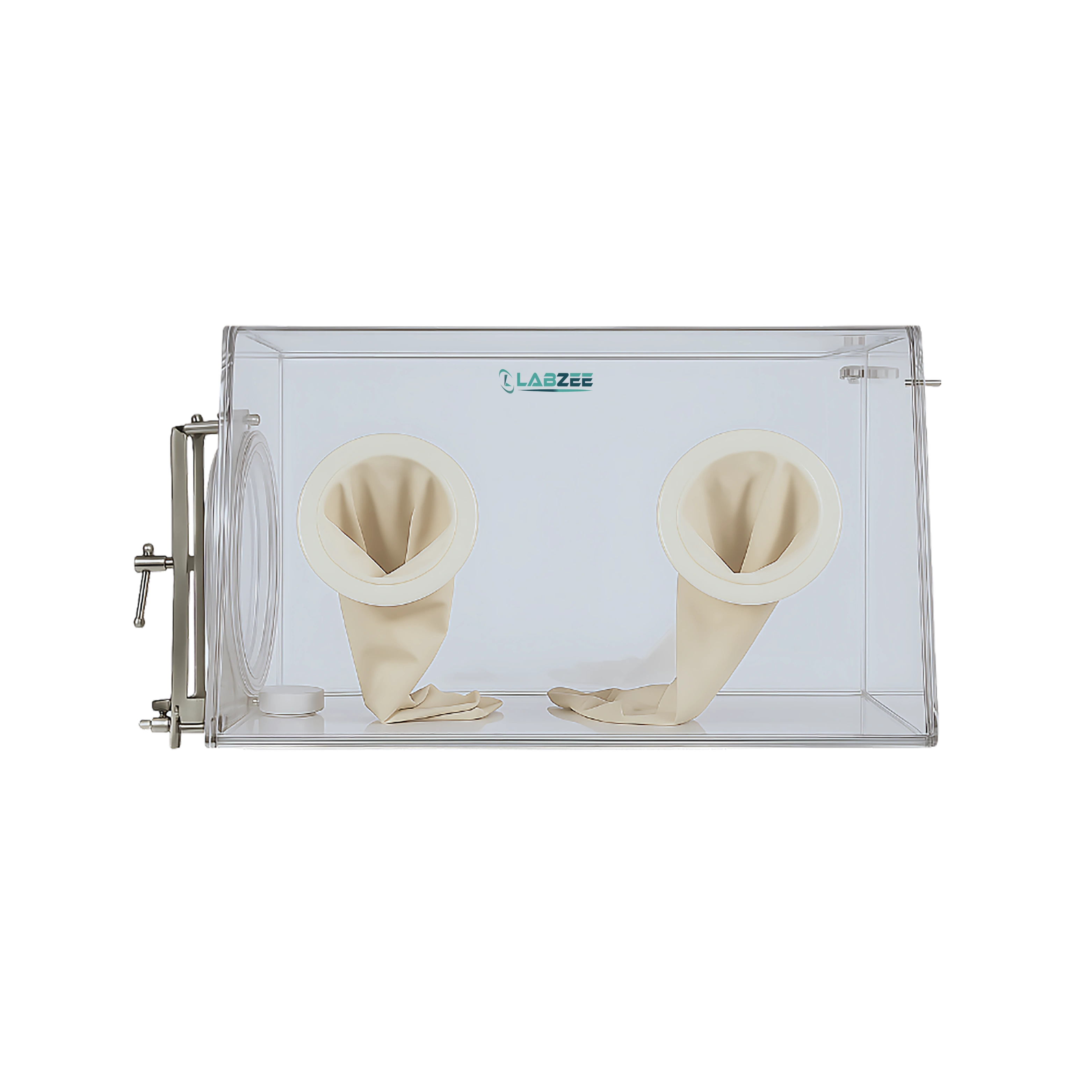
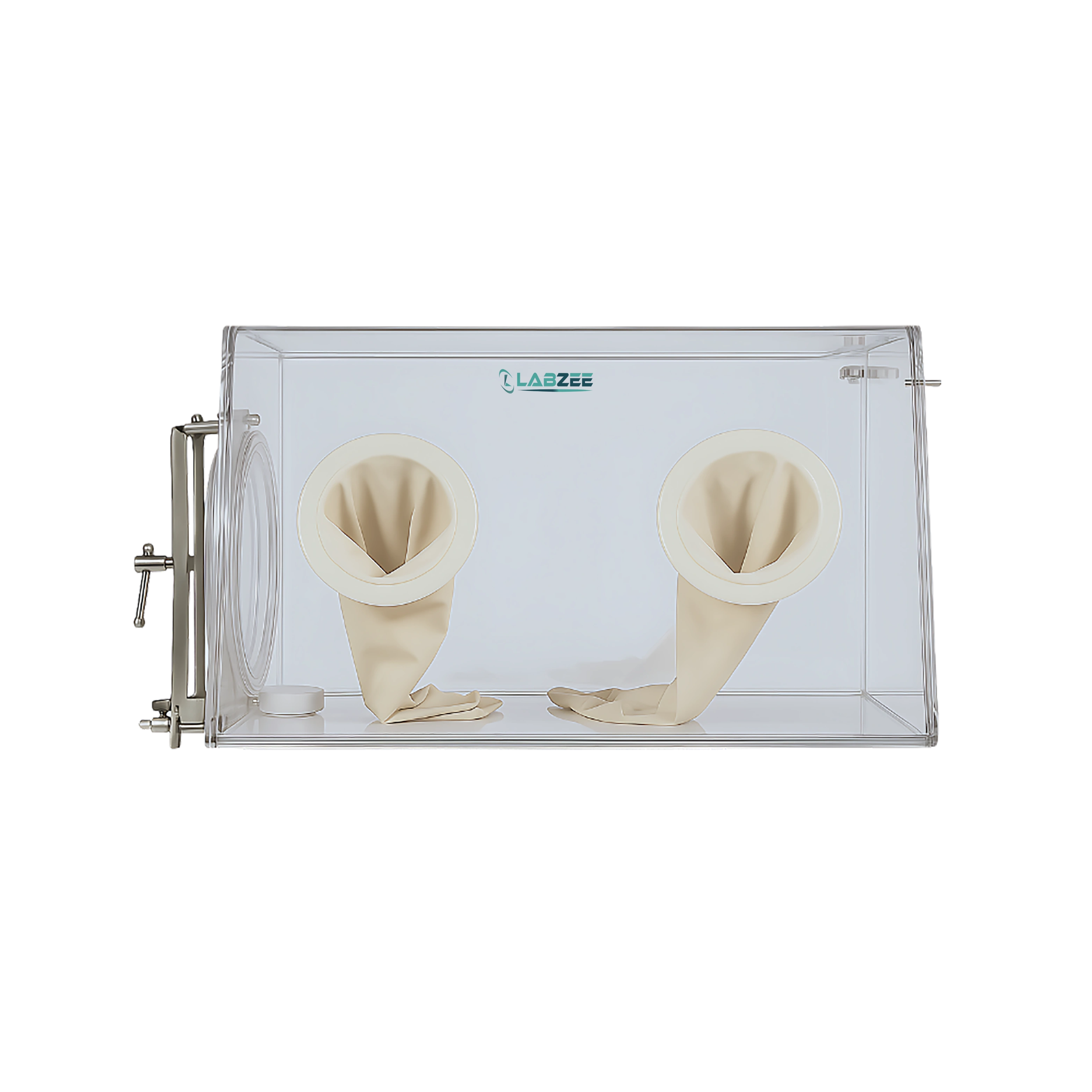
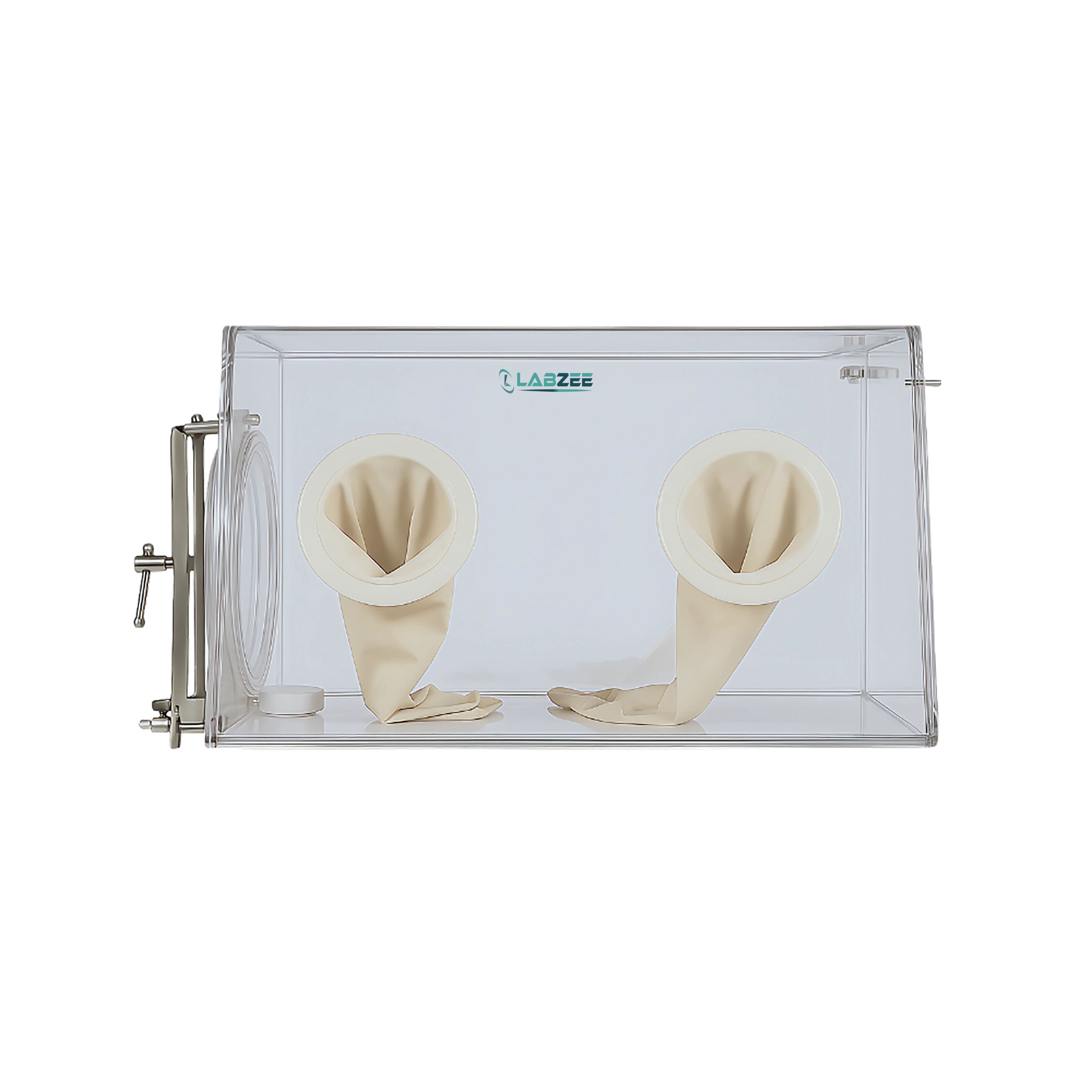
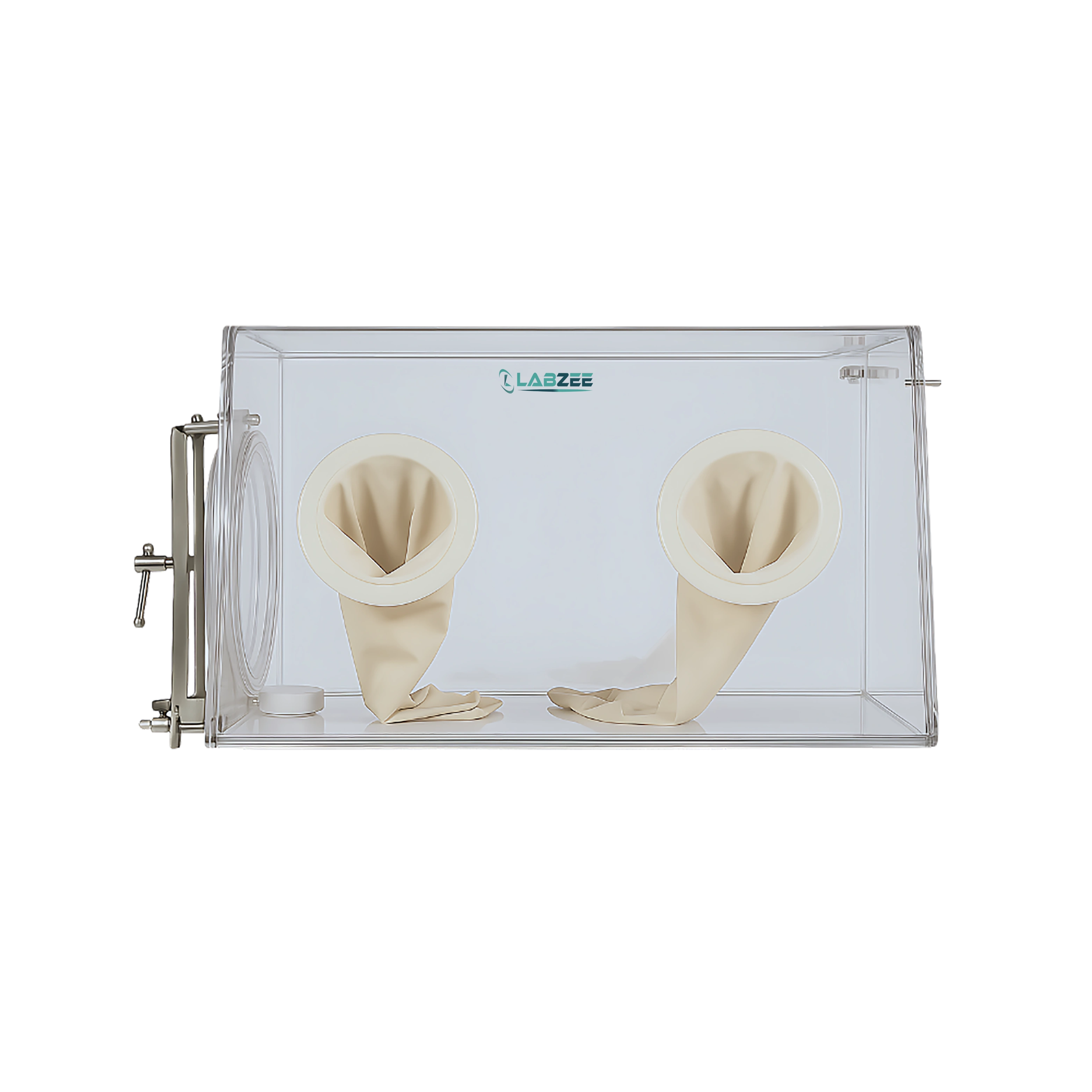
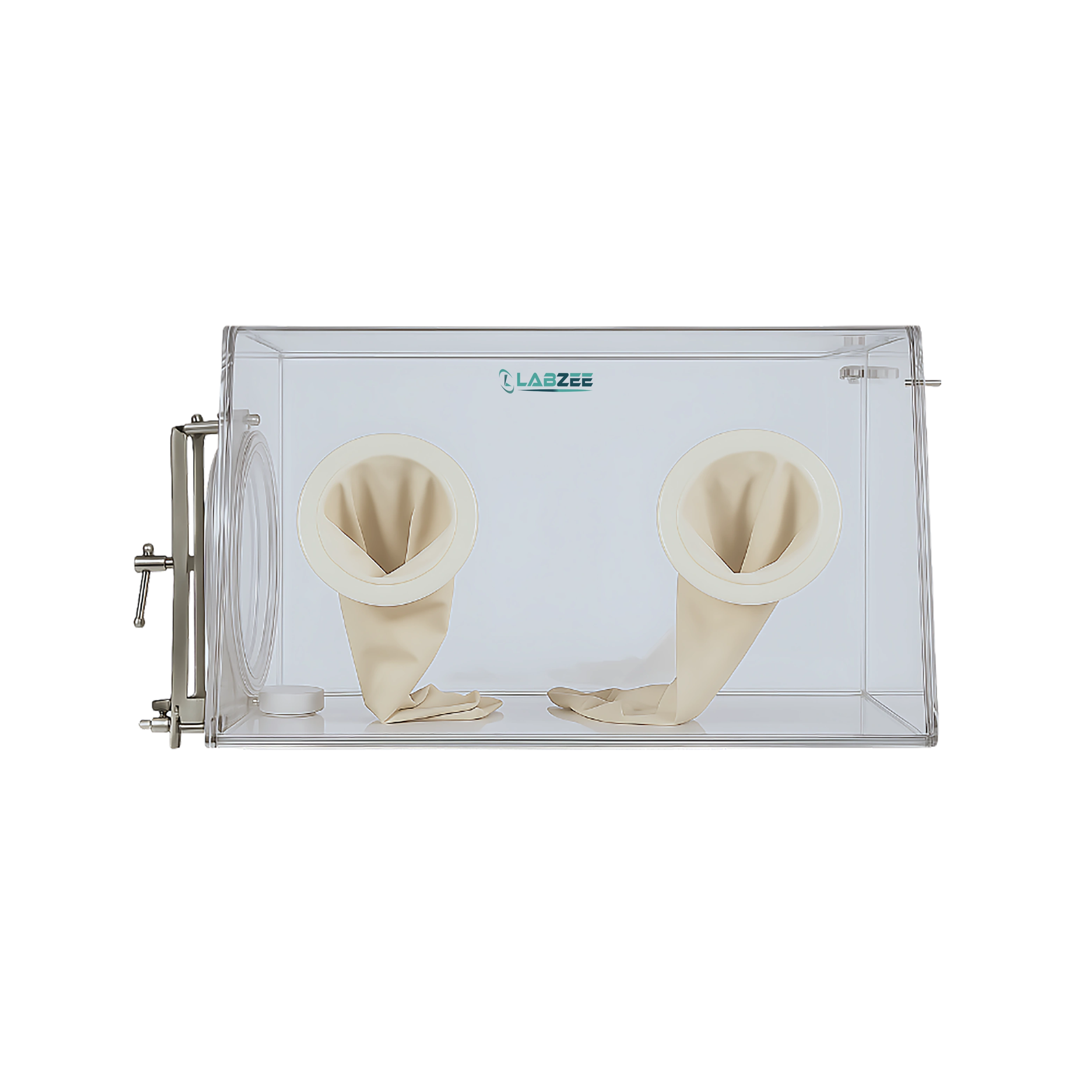
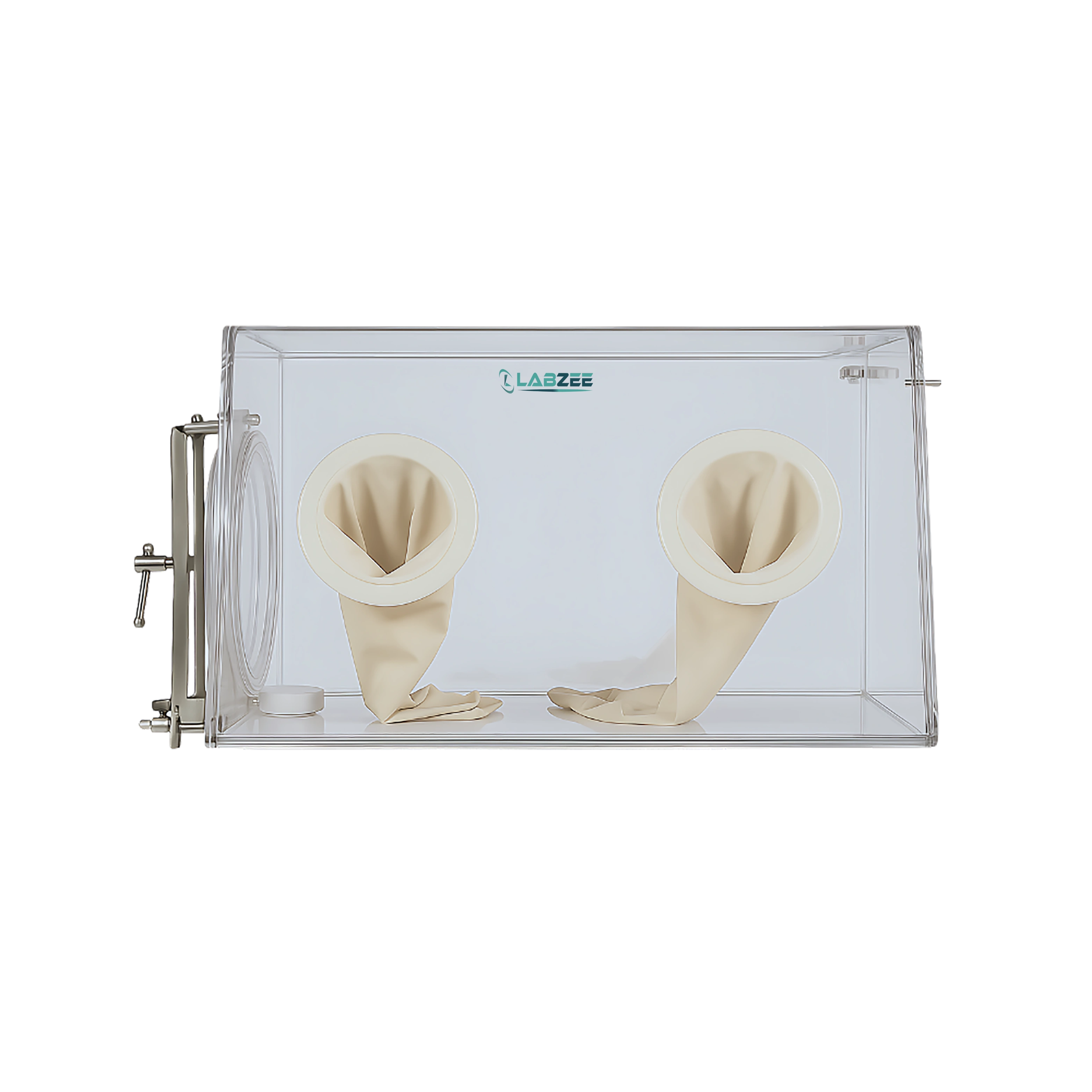
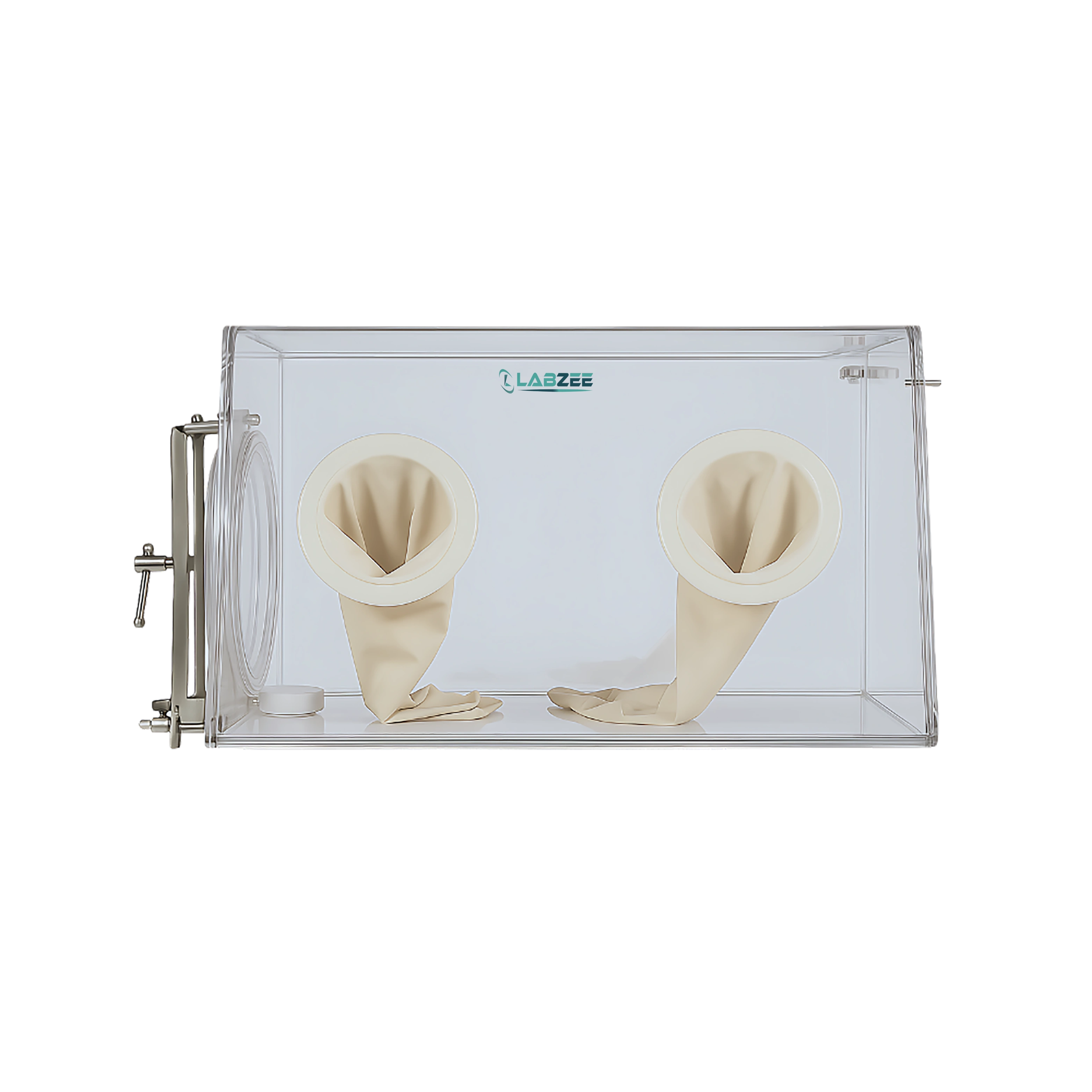
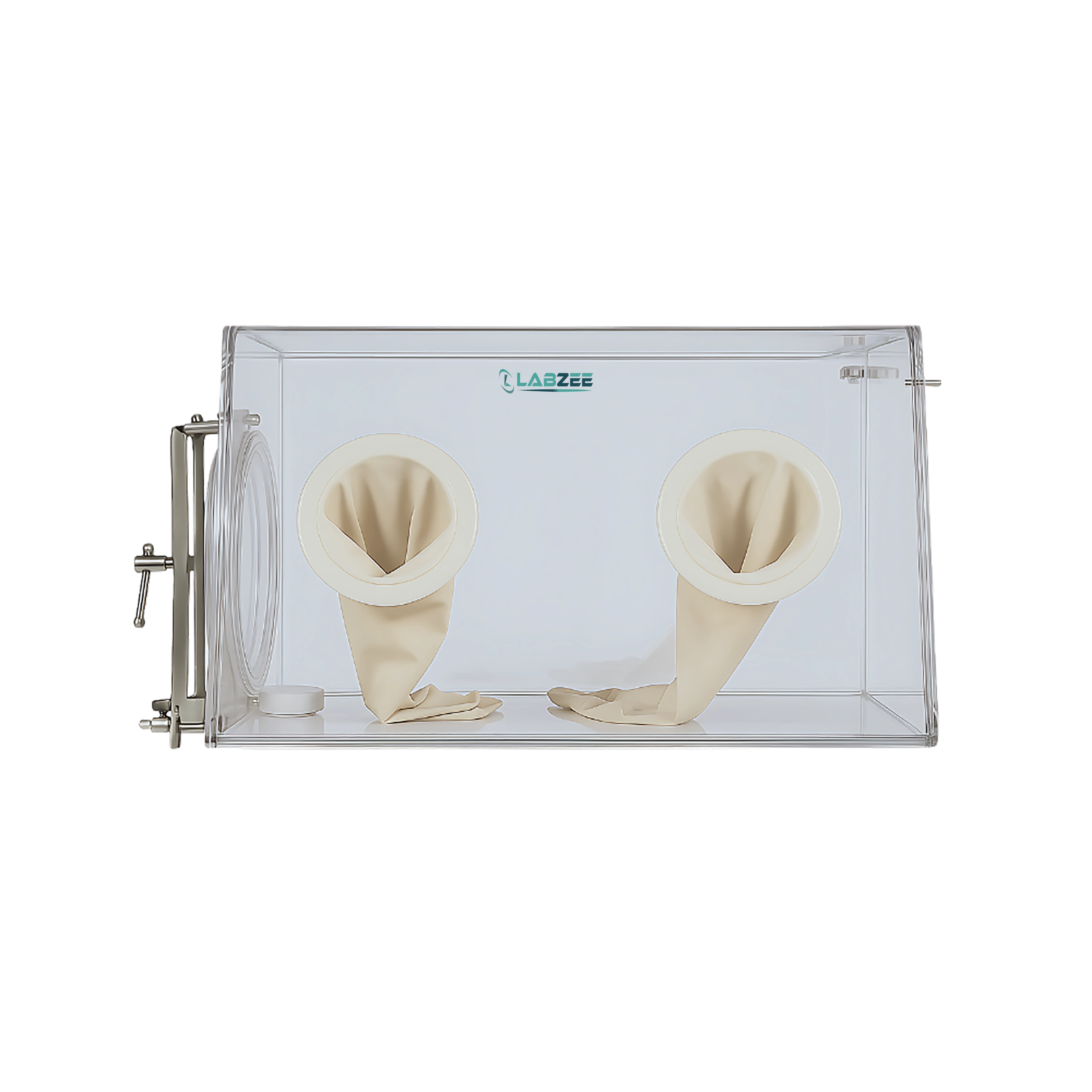
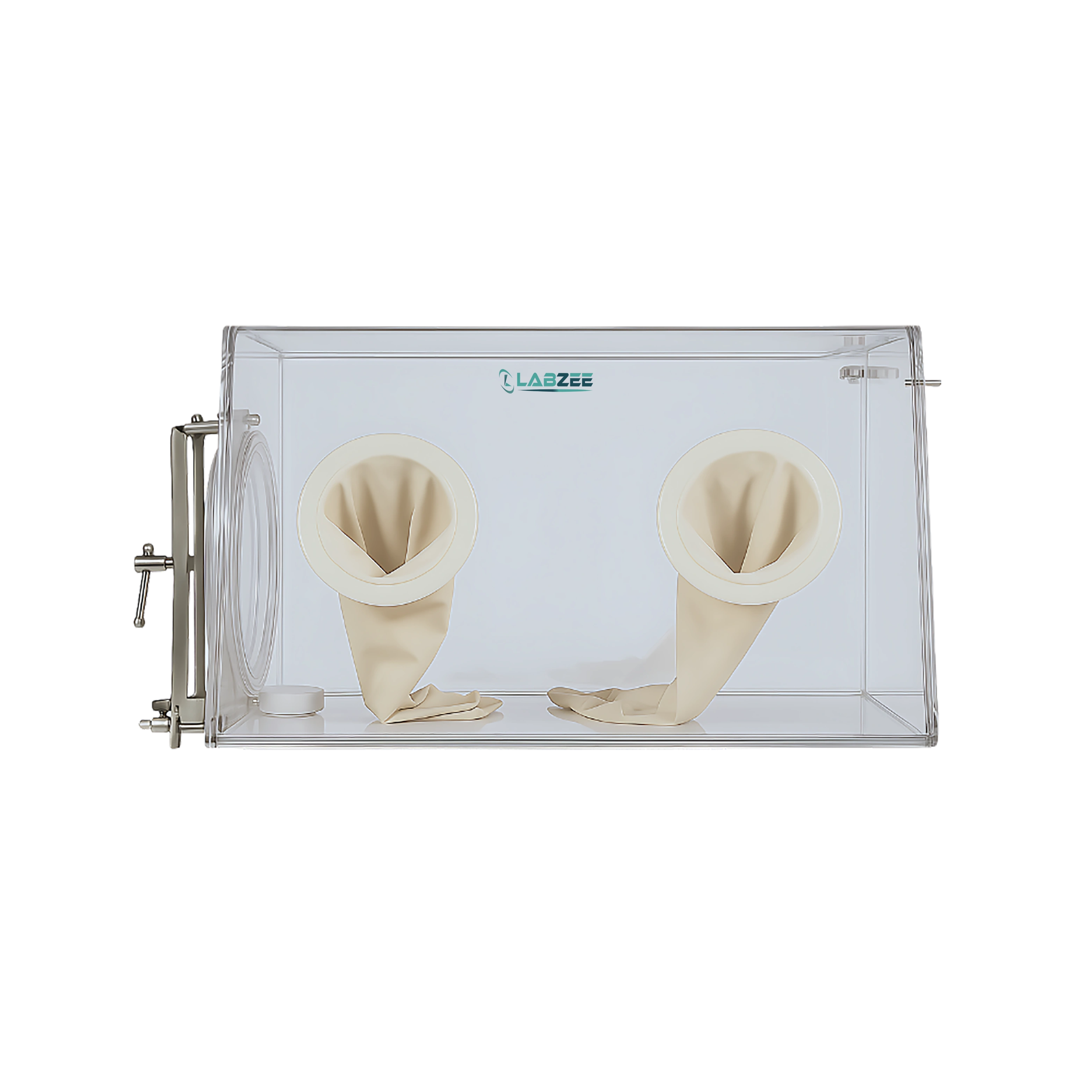
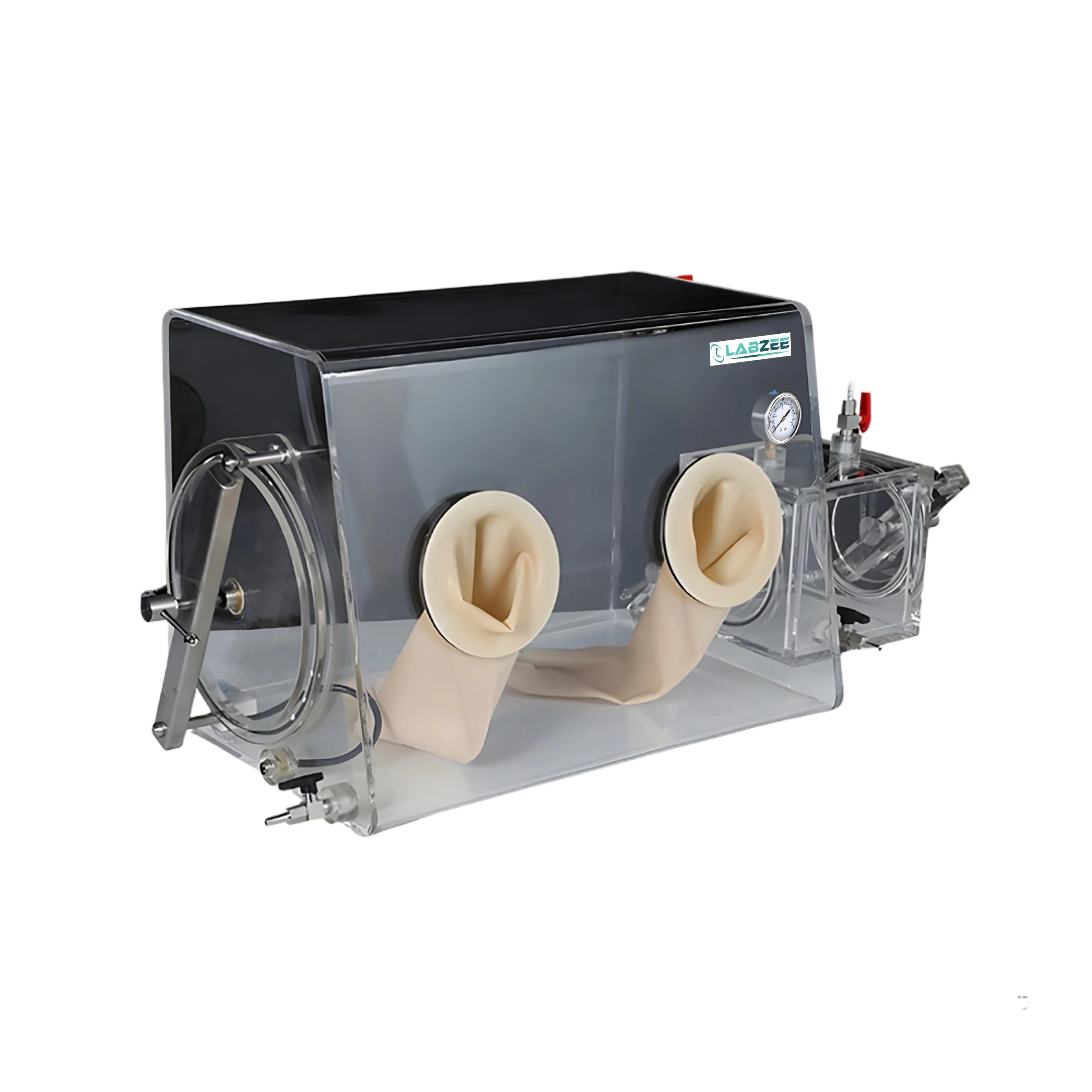
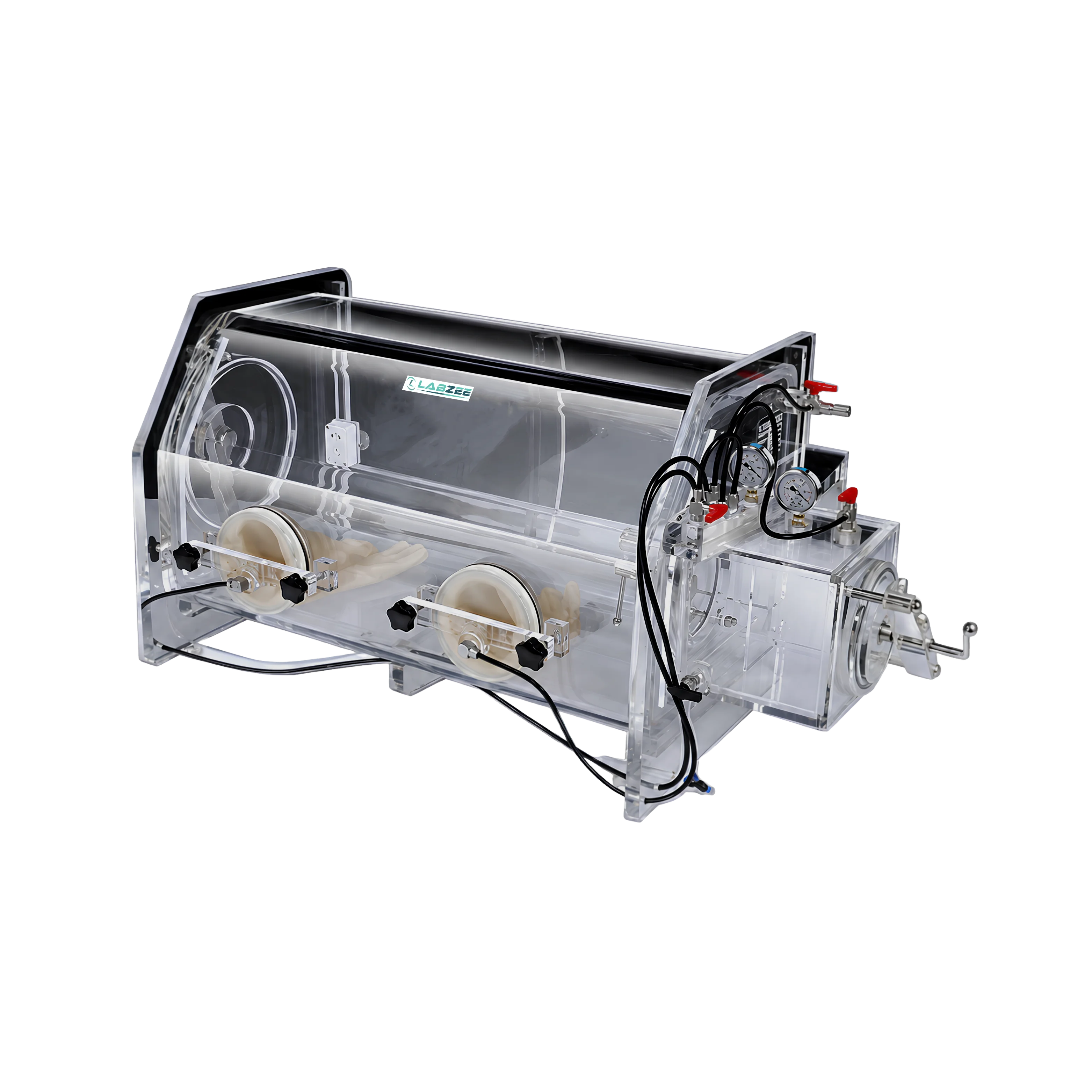
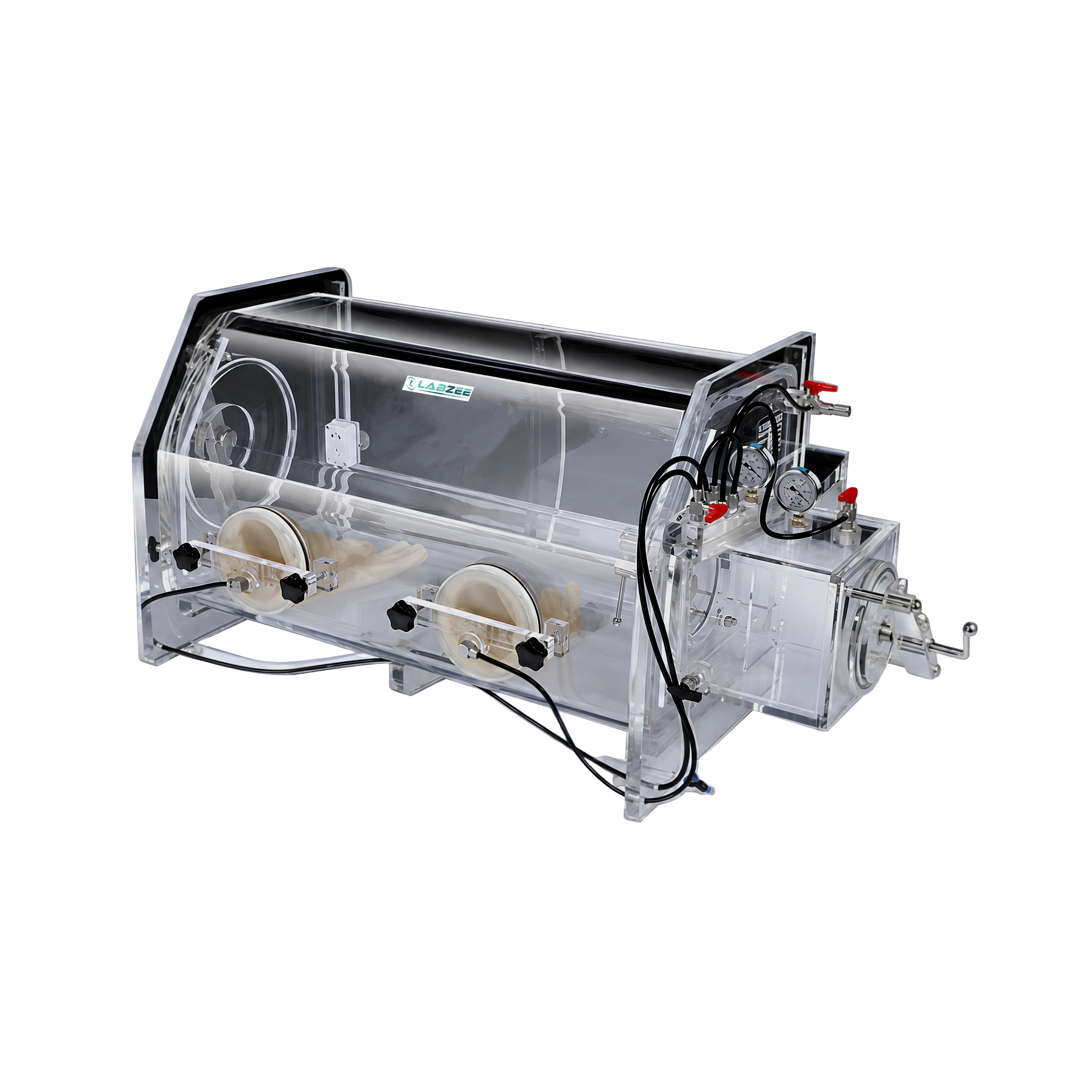
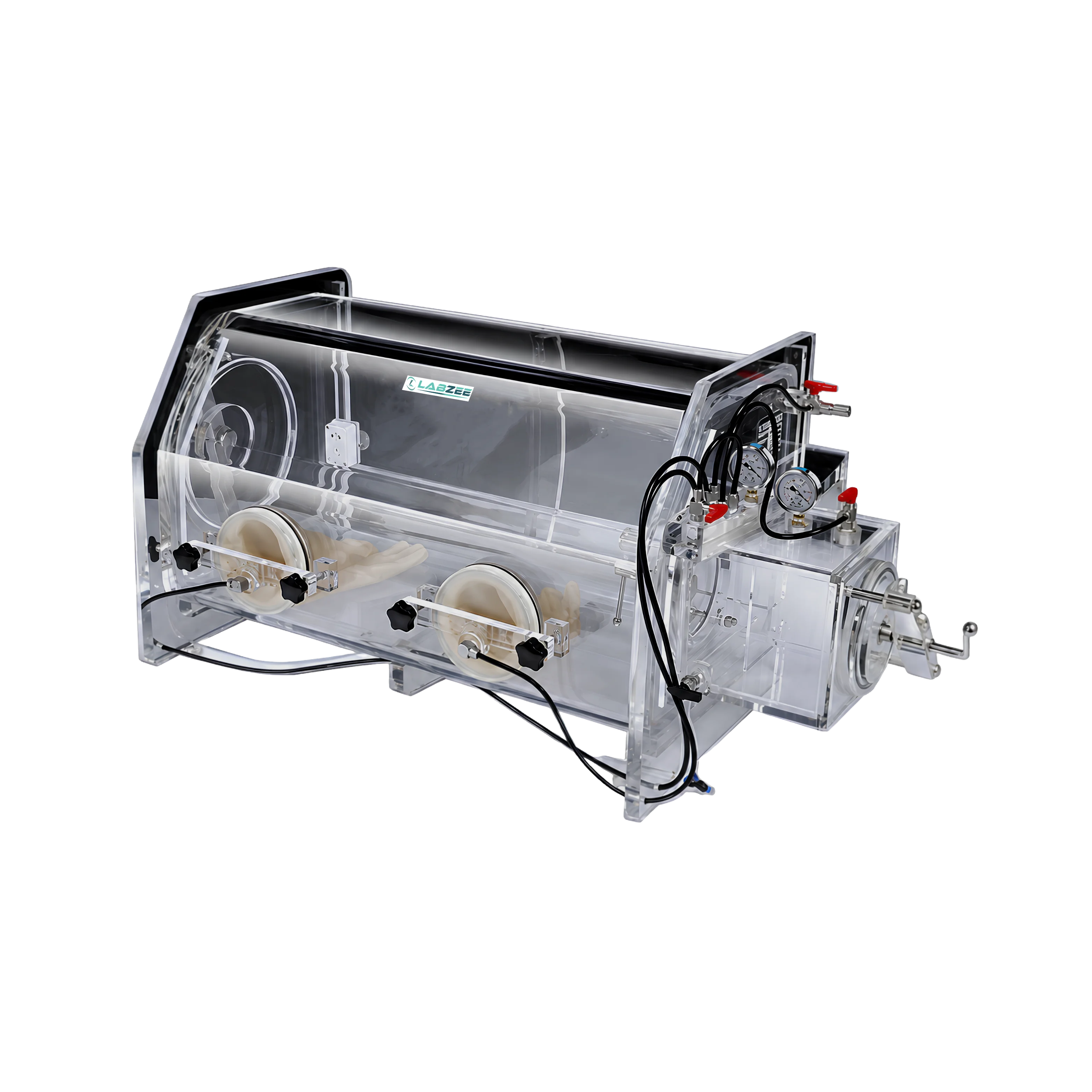
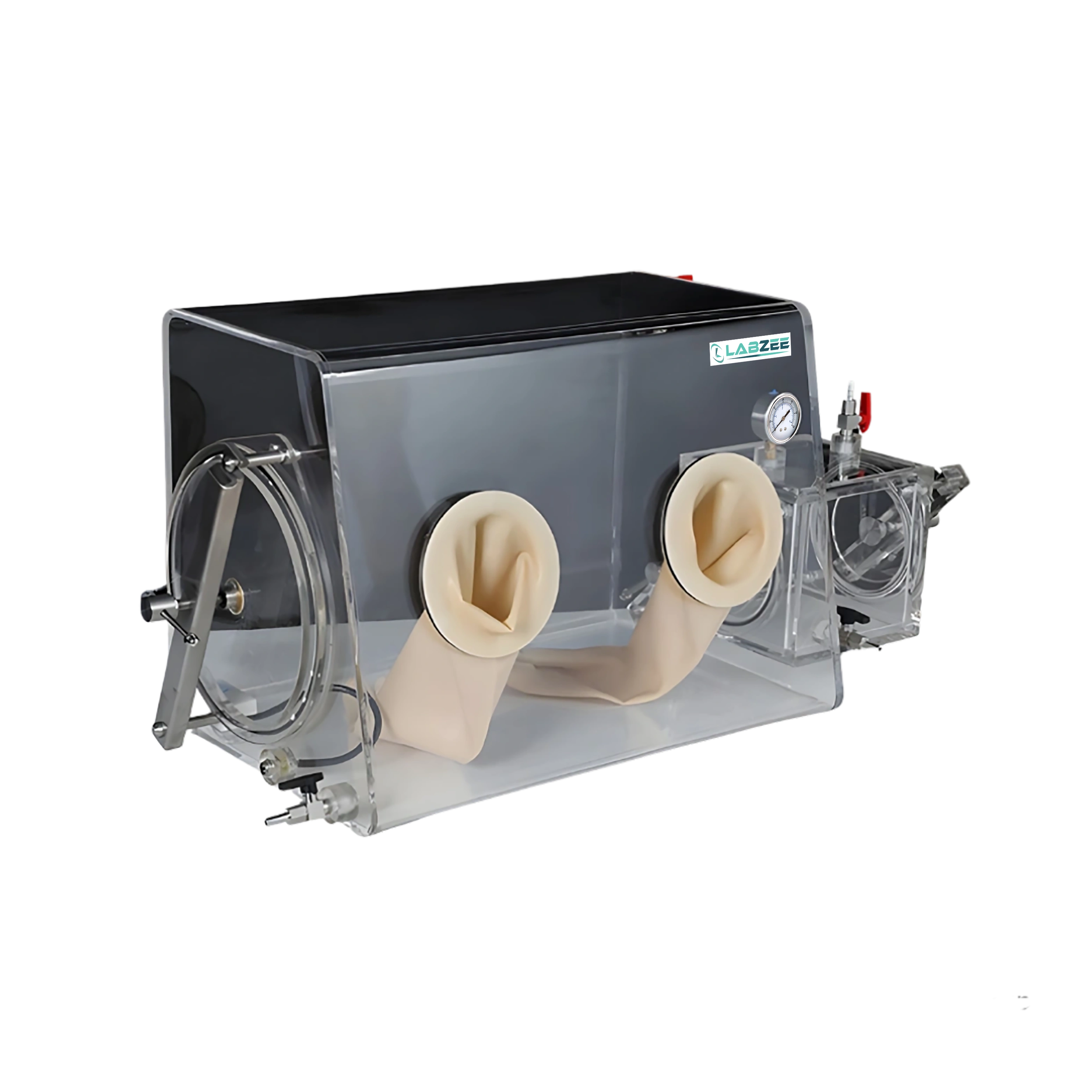
Protected Isolation Chamber: Maintains separated conditions for sensitive sample handling.
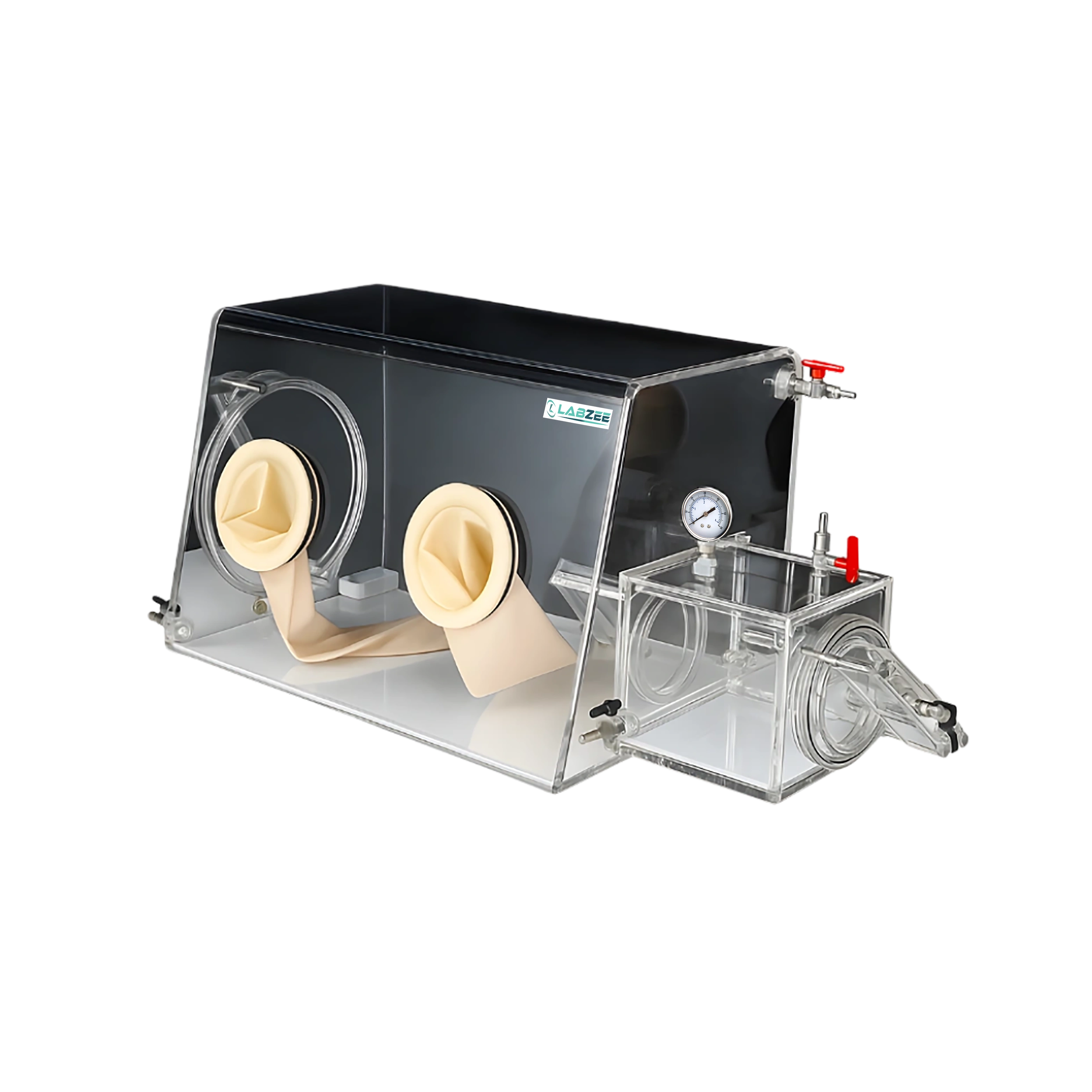
Secure Transfer Interface: Facilitates protected movement of materials into the chamber.
Clear Acrylic Viewing Panel: Enables direct observation during internal operations.
Dual Access Glove Configuration: Allows the operator to perform coordinated and precise glove‑assisted handling.
Stable Sealed Structure: Helps maintain consistent internal operating conditions.
• Pharmaceutical Laboratories: Used for handling sensitive compounds under protected conditions.
• Semiconductor Processing: Supports precision handling of delicate components.
• Chemical Research Facilities: Suitable for air- and moisture-sensitive material processing.
• Cleanroom Packaging: Applied in contamination-sensitive handling workflows.
• Academic & Research Laboratories: Used in experimental work requiring isolation and stability.
Frequently Asked Questions
1: Can you Purge the Glove Box with Inert Gas?
Yes, the glove box can be purged with inert gases like nitrogen or argon. A gas inlet valve allows controlled filling. Purging displaces ambient air, enabling experiments under oxygen-free or moisture-free conditions. A pressure relief valve may be installed to prevent over-pressurization.
2: What’s the Difference Between Vacuum and Gas-Purged Modes?
In vacuum mode, air is removed to create a low-pressure environment. In gas-purged mode, air is displaced by an inert gas while maintaining atmospheric pressure. Vacuum mode is useful for removing contaminants quickly. Gas purge maintains a stable, controlled atmosphere for sensitive reactions.
3: Can you use the Glove Box Without a Vacuum Pump?
Yes, if vacuum operation is not needed, you can use the glove box as a sealed chamber. The gas inlet can be used to introduce inert gas without applying vacuum. This setup is useful for simple containment, sample protection, or chemical handling under controlled environments.
4: How do you Maintain the Glove Box?
Regular maintenance includes cleaning with soft cloths and non-abrasive agents, checking glove seals, and inspecting valves. Store the box in a clean, dry environment. Avoid exposure to UV or strong chemicals. Periodically test vacuum integrity and check for any scratches or stress cracks.
5: Are There Alternative Glove Materials Available?
Yes, nitrile and butyl gloves are available for users sensitive to latex or needing chemical resistance. These gloves can be mounted using the same ring seal system. Nitrile is puncture-resistant, while butyl offers superior chemical protection. Glove selection depends on application needs.
6: What Is an Acrylic Glove Box Used For?
An Acrylic Glove Box is used to create a sealed and controlled environment for conducting experiments. It helps isolate materials from air, moisture, dust, and contaminants. This makes it suitable for chemical, biological, or electronic research. Users can manipulate objects inside safely through attached gloves. It’s essential for clean and precise lab work.
7: What Materials Are Used in This Acrylic Glove Box?
The Acrylic Glove Box is made of clear, durable acrylic panels, providing high visibility and structural strength. It features latex gloves for hand access, which are soft and flexible. Gas inlet and outlet valves are made of stainless steel, offering durability and corrosion resistance. All materials are chosen for lab safety and reliability.
8: Is the Acrylic Glove Box Airtight?
Yes, the Acrylic Glove Box is designed to be airtight. The front door uses a sealing gasket and latches to prevent any air exchange with the outside. This ensures a stable atmosphere inside, which is crucial for sensitive tasks. Airtightness also protects both users and contents from contamination. It maintains the integrity of experiments.
9: How Do You Introduce Gas Into the Acrylic Glove Box?
Gas is introduced through the stainless steel inlet and outlet valves built into the Acrylic Glove Box. These valves allow you to purge the interior with inert gases like nitrogen or argon. This helps in creating a dry and oxygen-free environment. The process is straightforward and supports many types of scientific experiments. Pressure can be controlled safely.
10: Can the Acrylic Glove Box Be Used for UV Experiments?
Yes, the Acrylic Glove Box can support UV-based experiments. Its clear acrylic body allows limited UV transmission, which is useful for sterilization or polymer curing. However, compatibility depends on the wavelength of UV light used. It’s ideal for microbiology work or UV testing when used properly. Always follow safety guidelines when using UV light.
Labzee Acrylic Glove Box delivers contamination-free handling of moisture- and oxygen-sensitive materials with high precision. Built with high-clarity, chemical-resistant acrylic, it ensures clear visibility and a secure, sealed workspace. It supports controlled operations through glove ports and transfer systems. Each unit includes secure glove ports, high-performance airlocks, and optional gas purge functionality to maintain stable internal conditions. Multiple PMMA thickness options ensure durability and consistent performance in sensitive material handling tasks. ISO and CE certified, Labzee Acrylic Glove Boxes are designed to deliver superior performance, enhanced safety, and uncompromising consistency in critical laboratory operations.