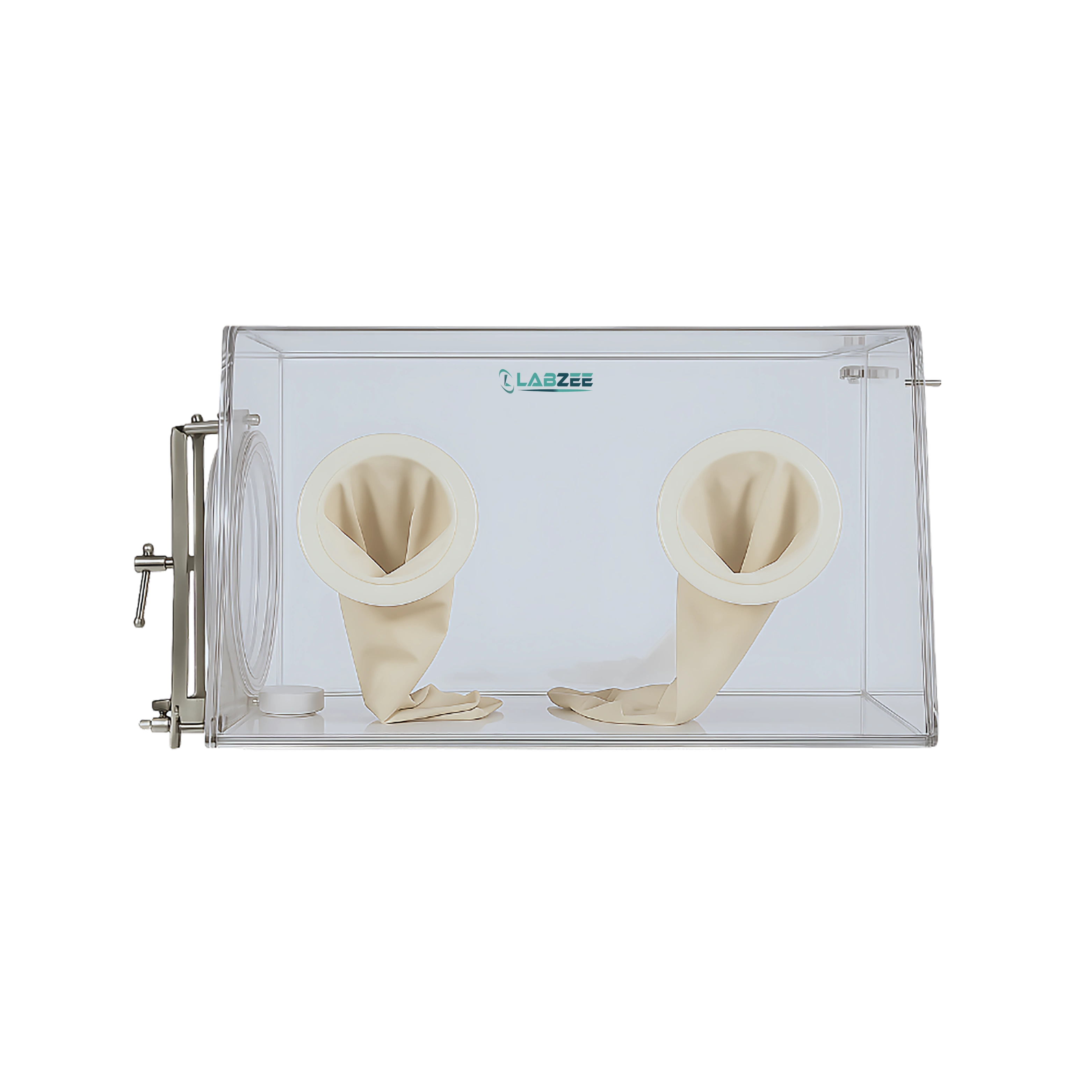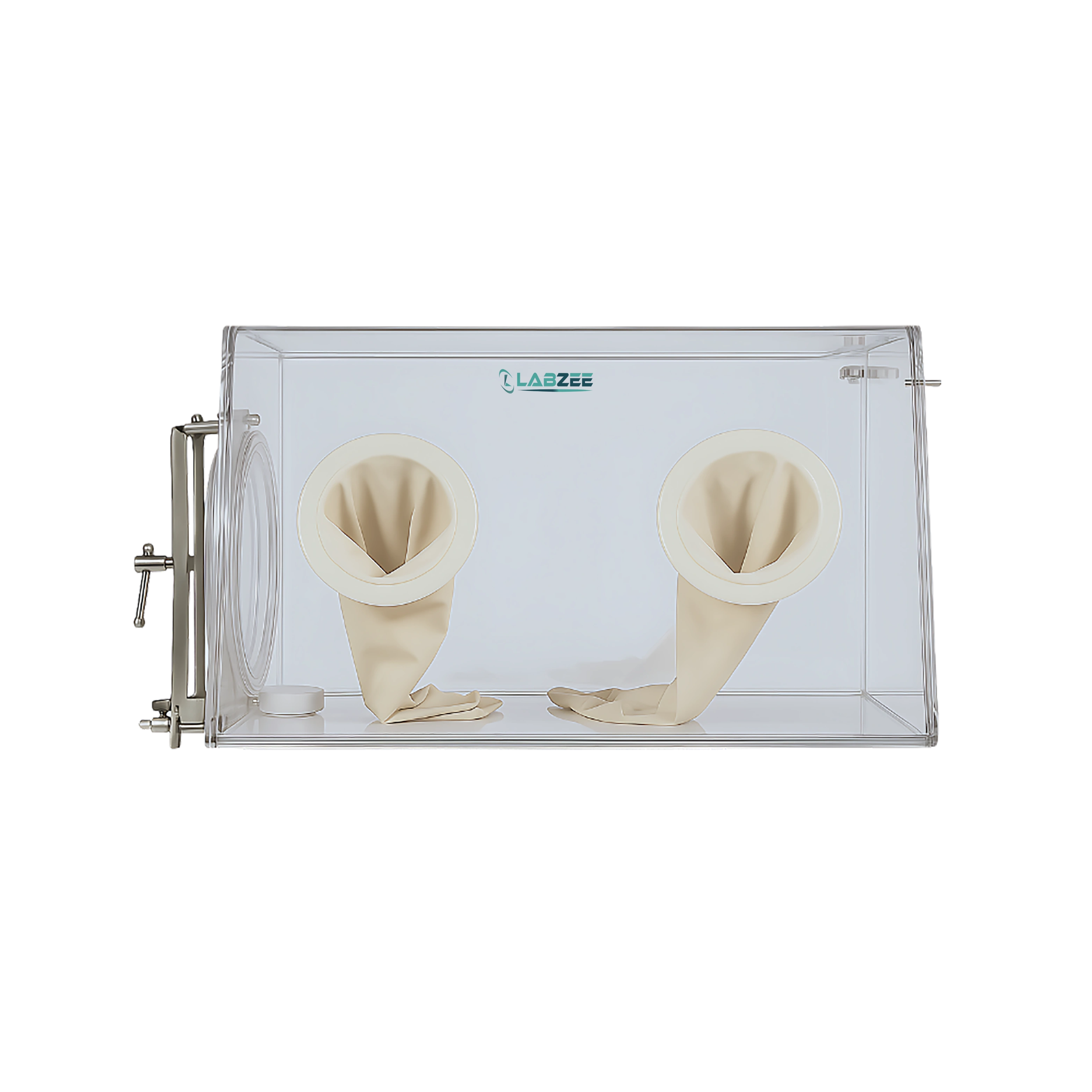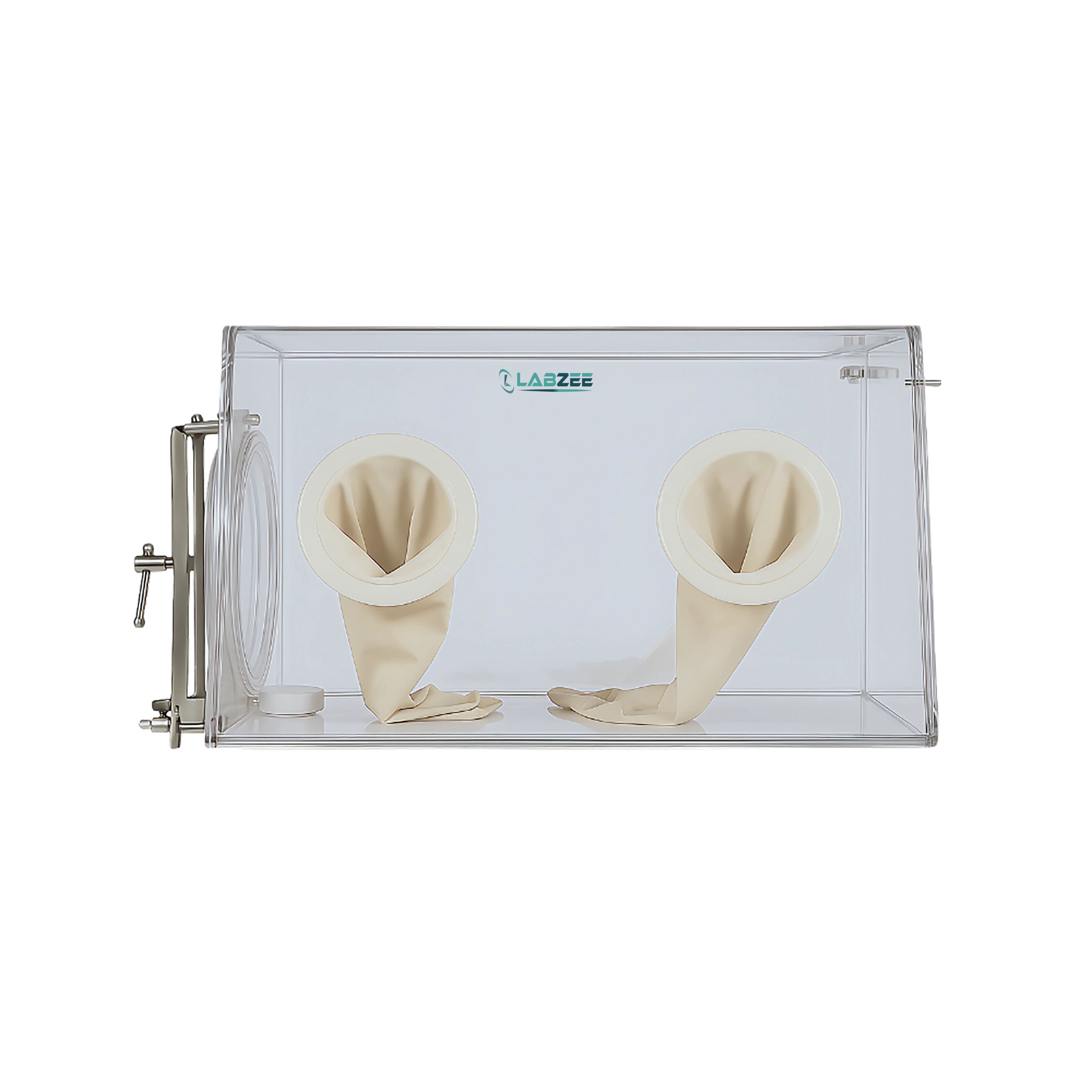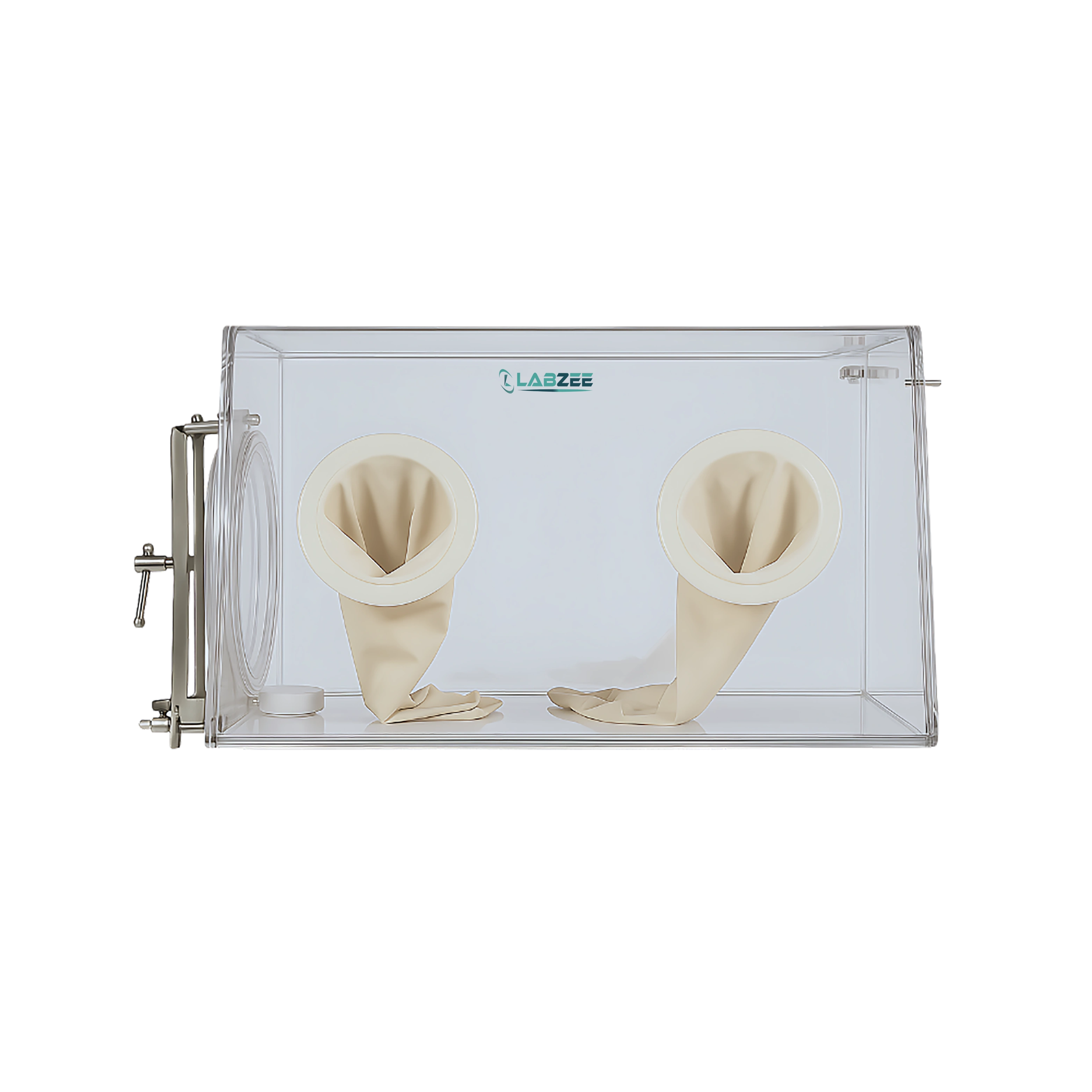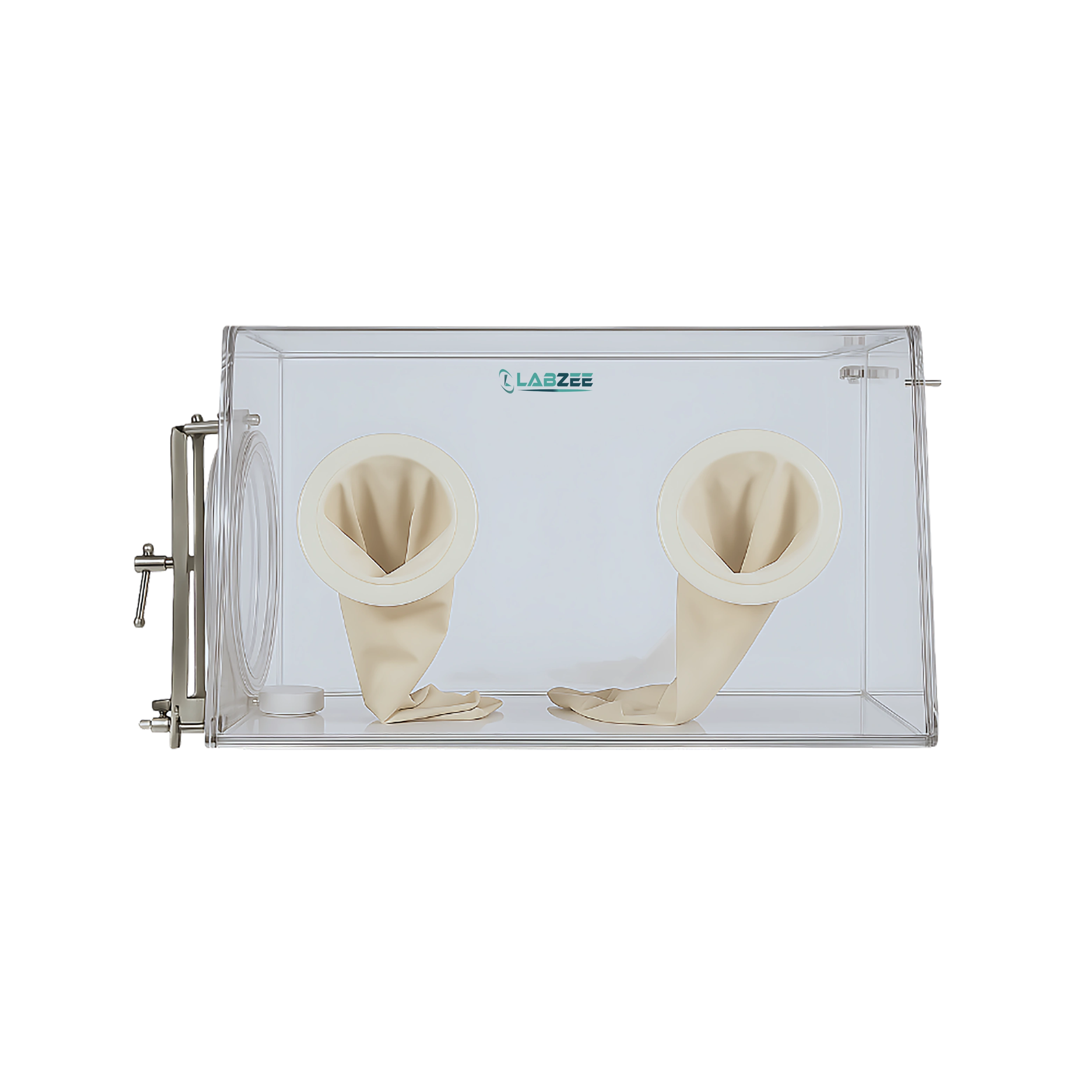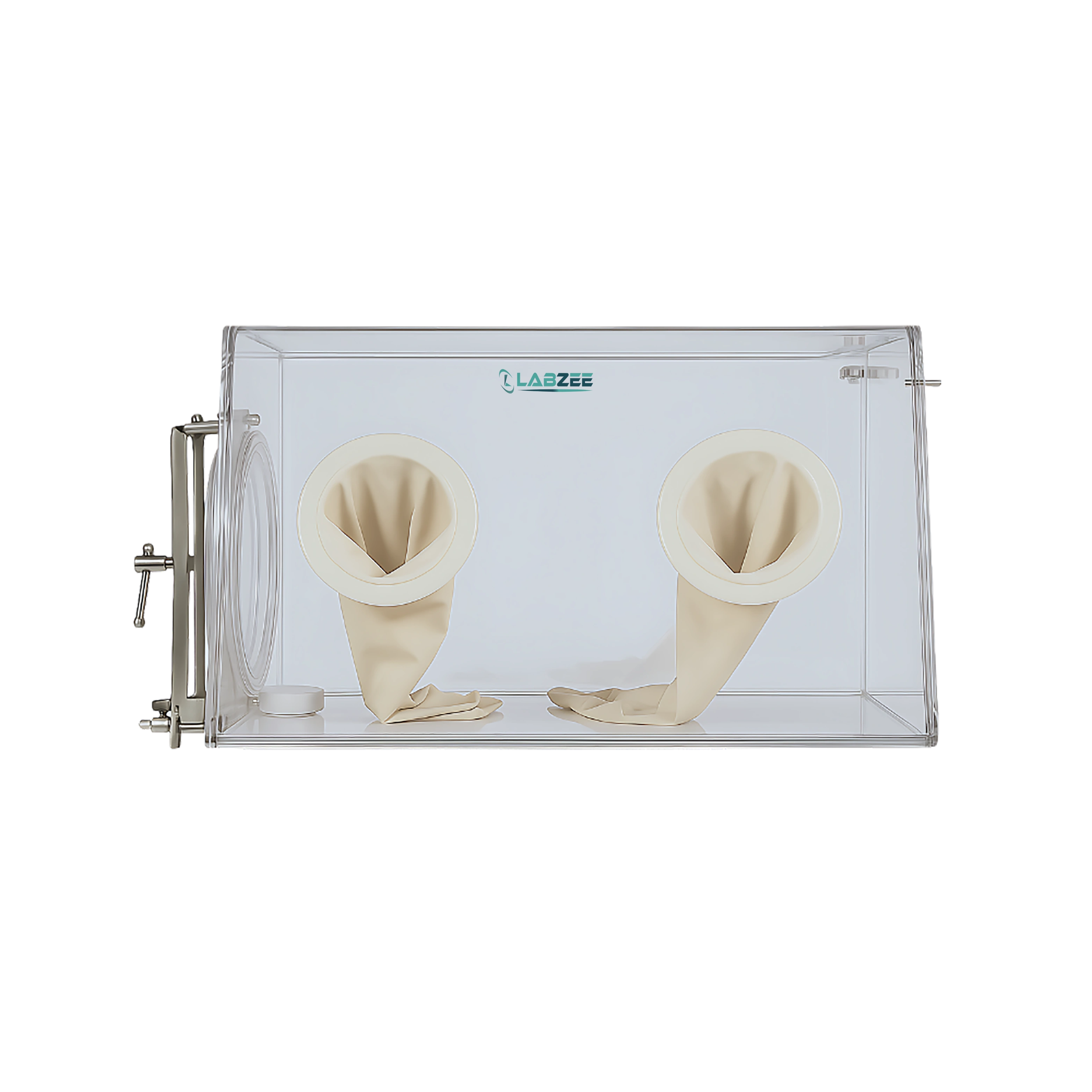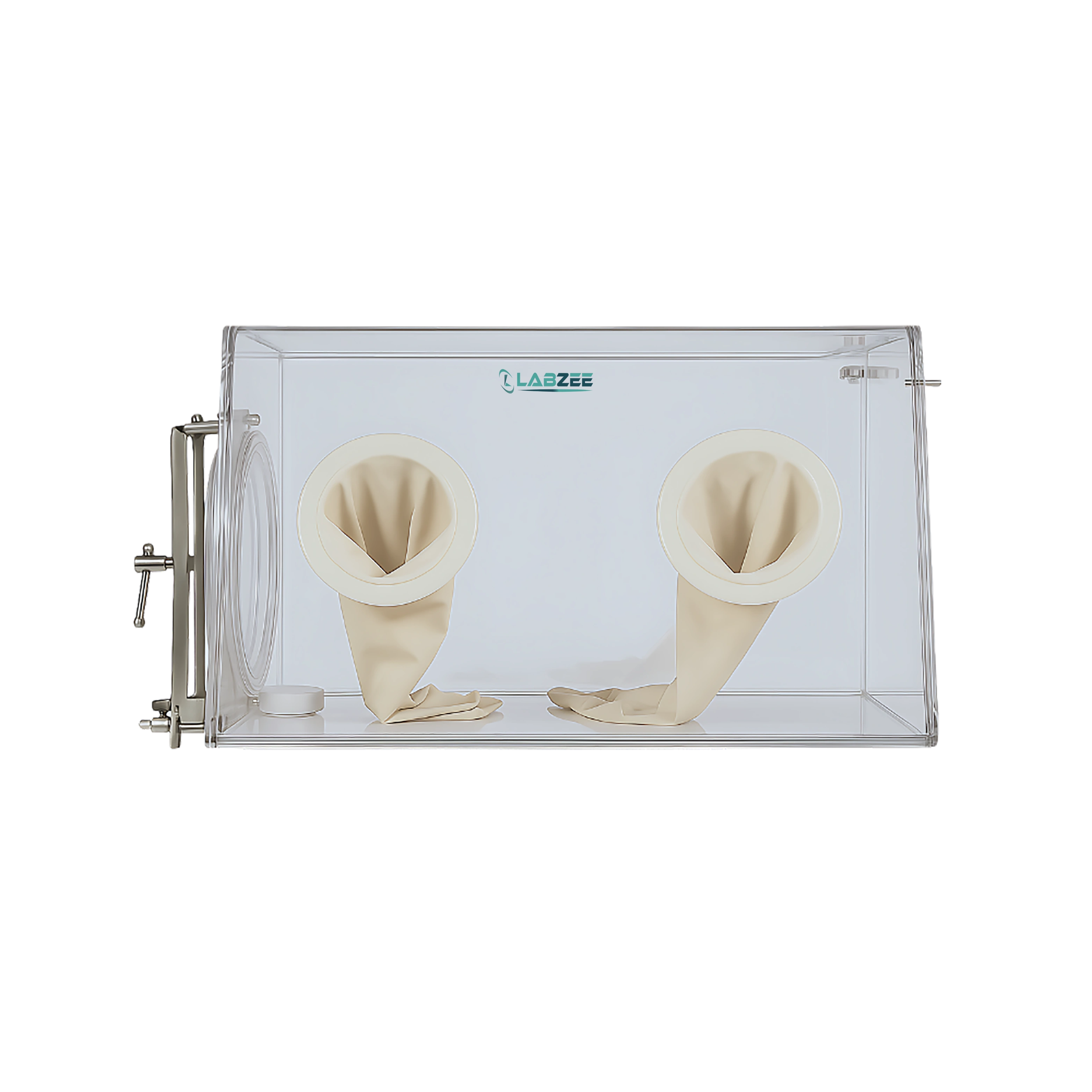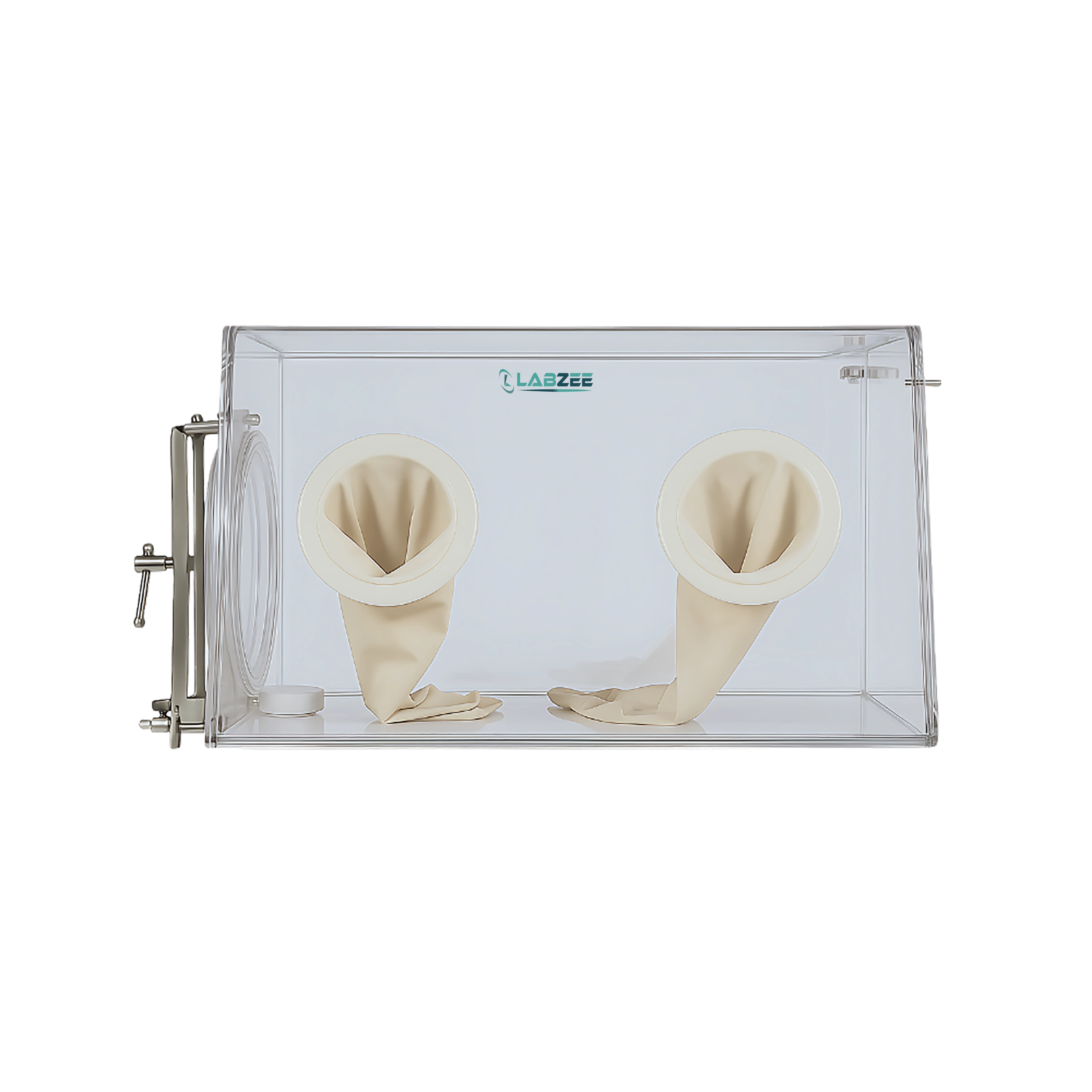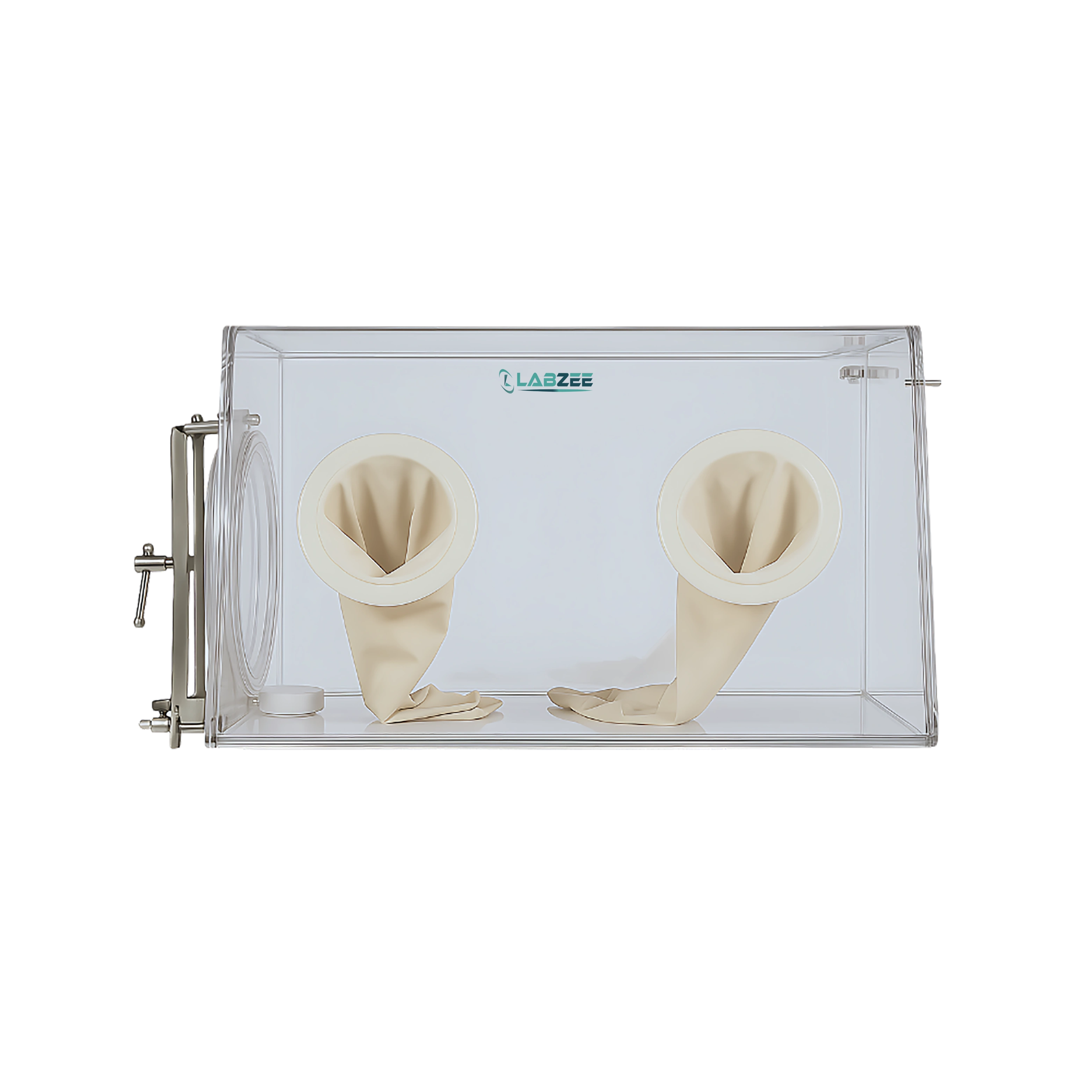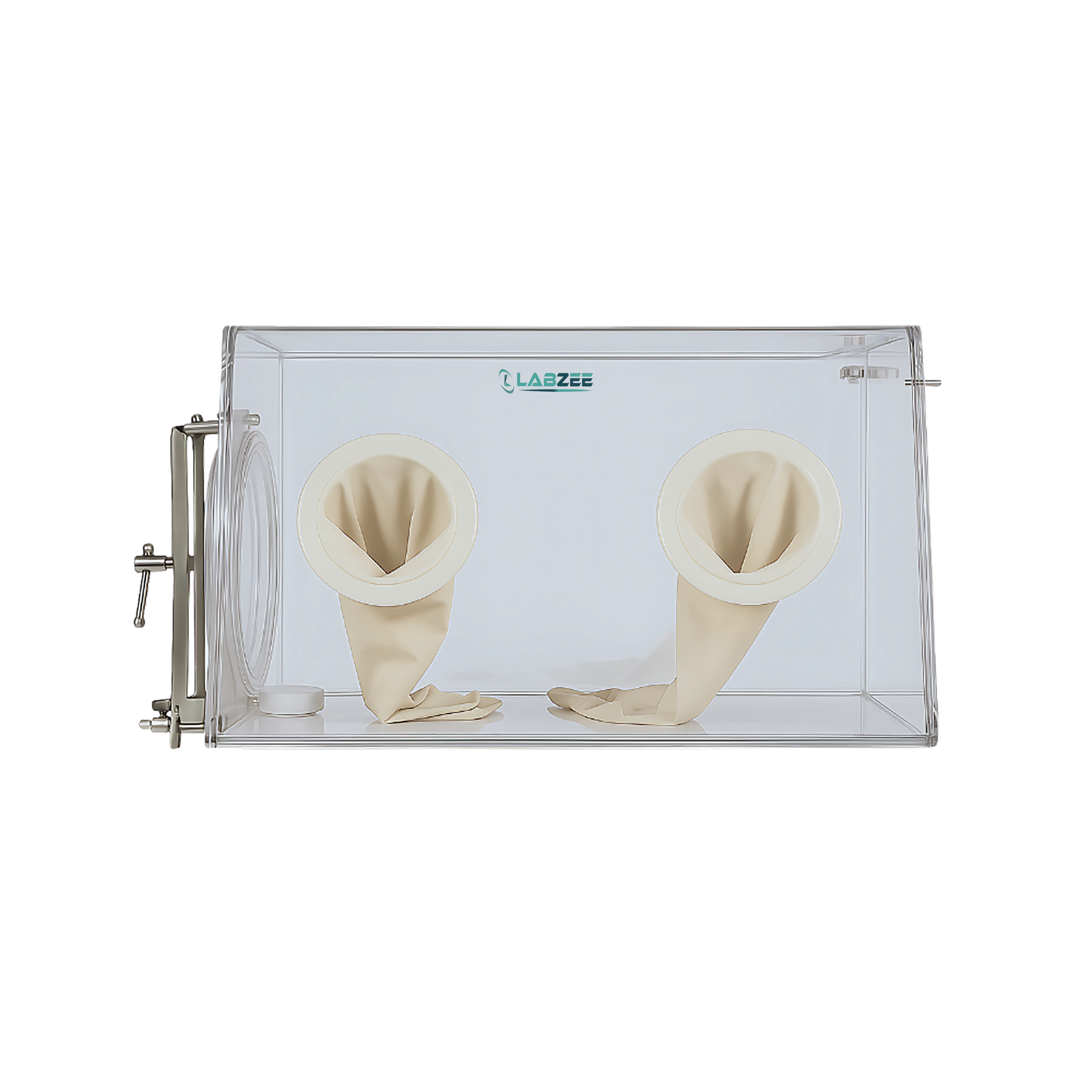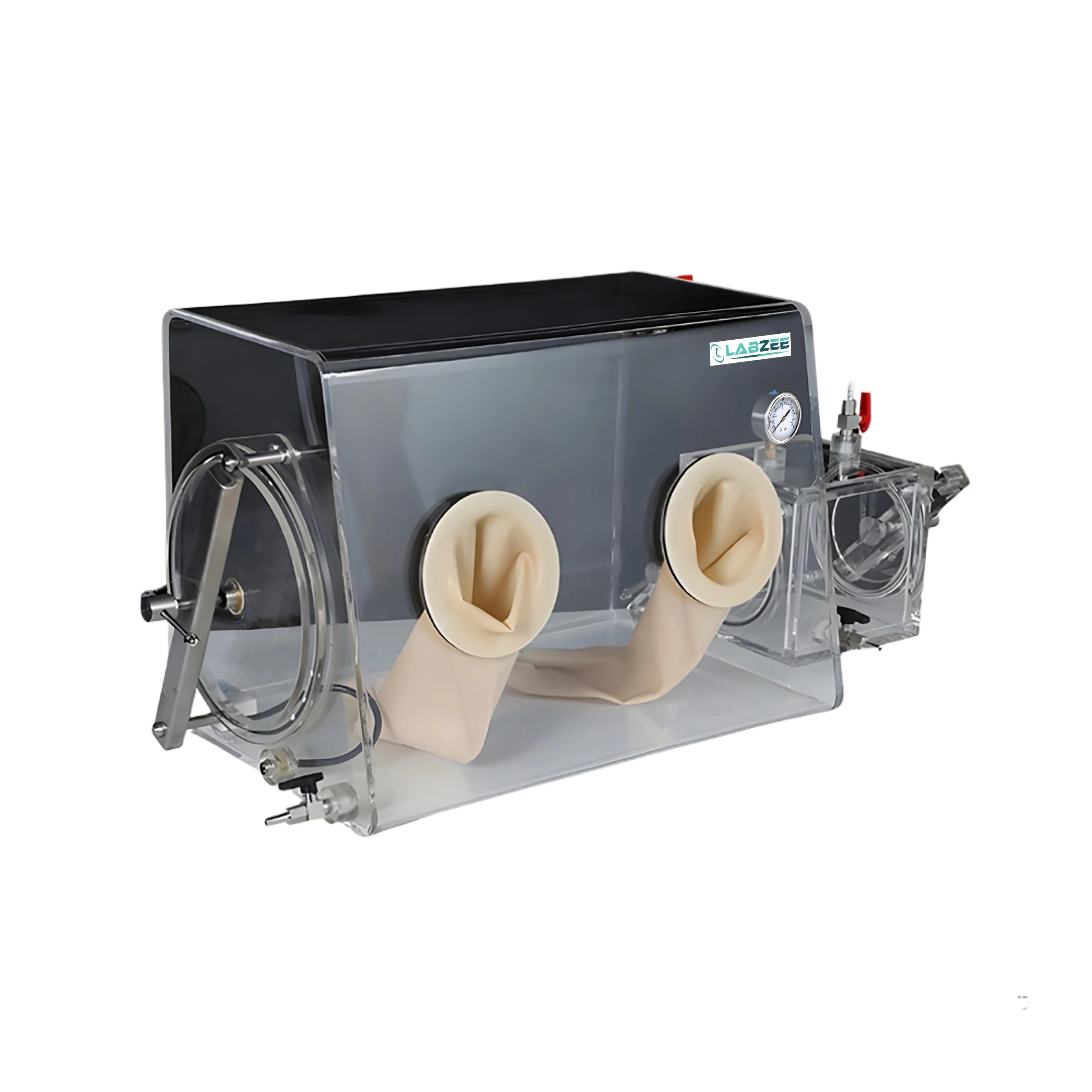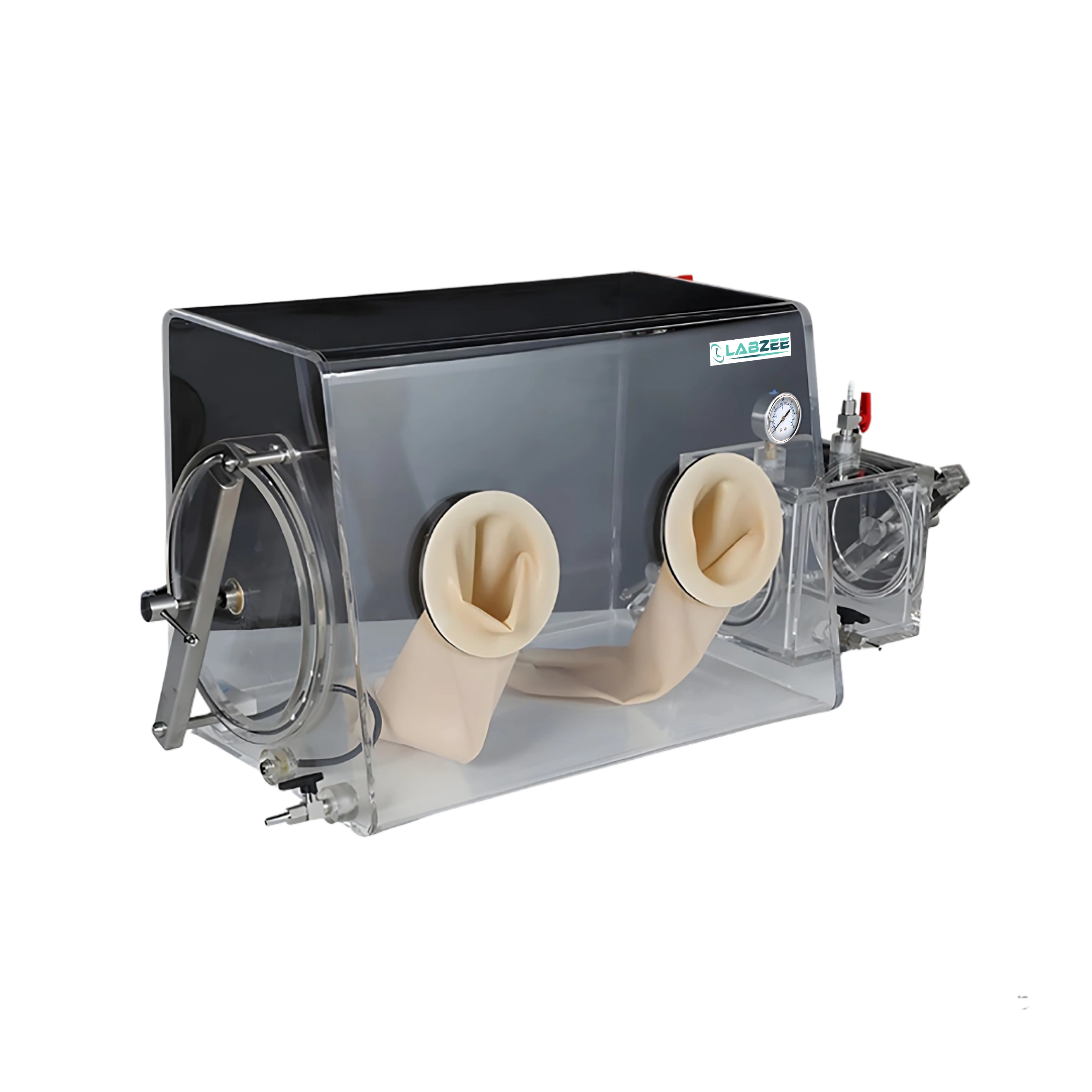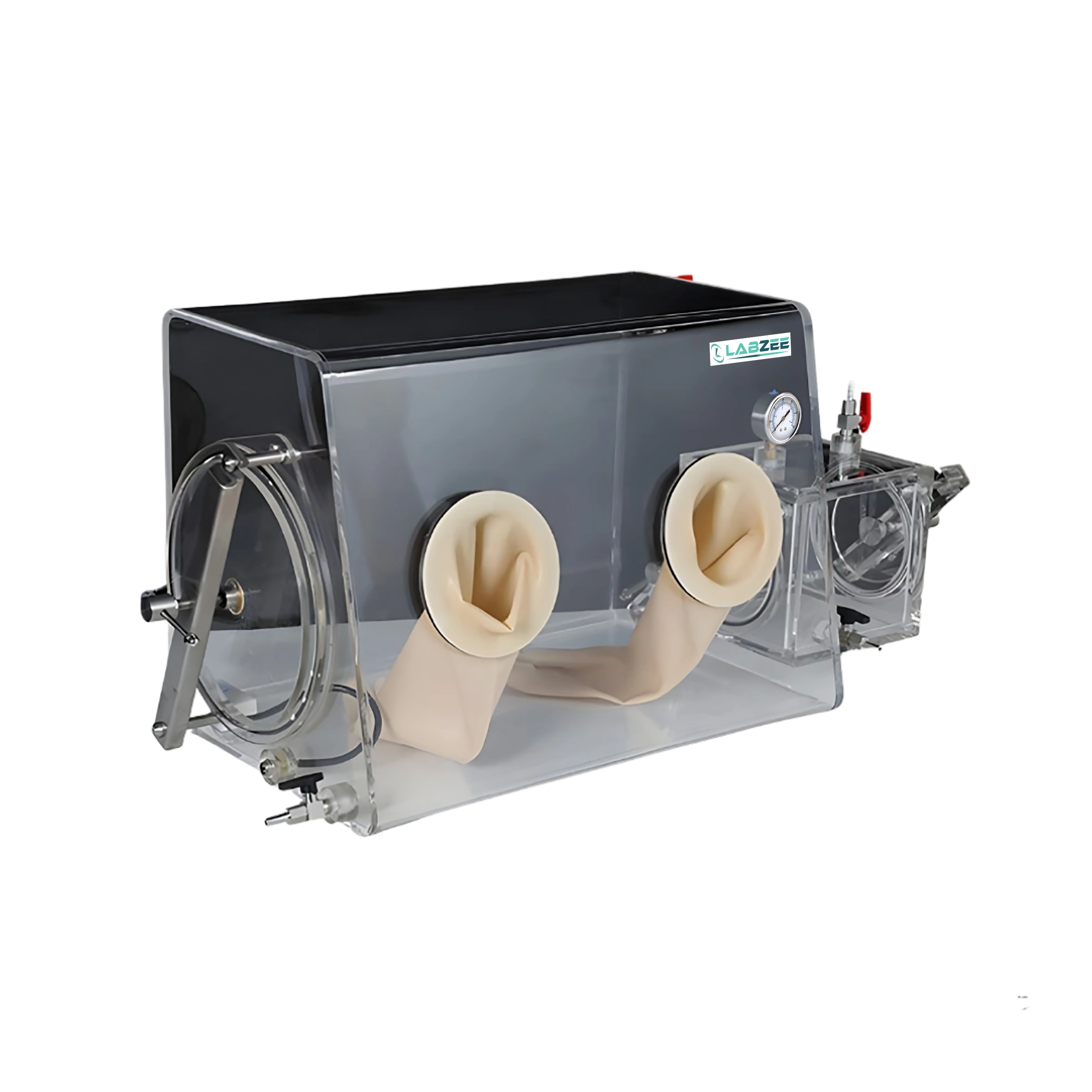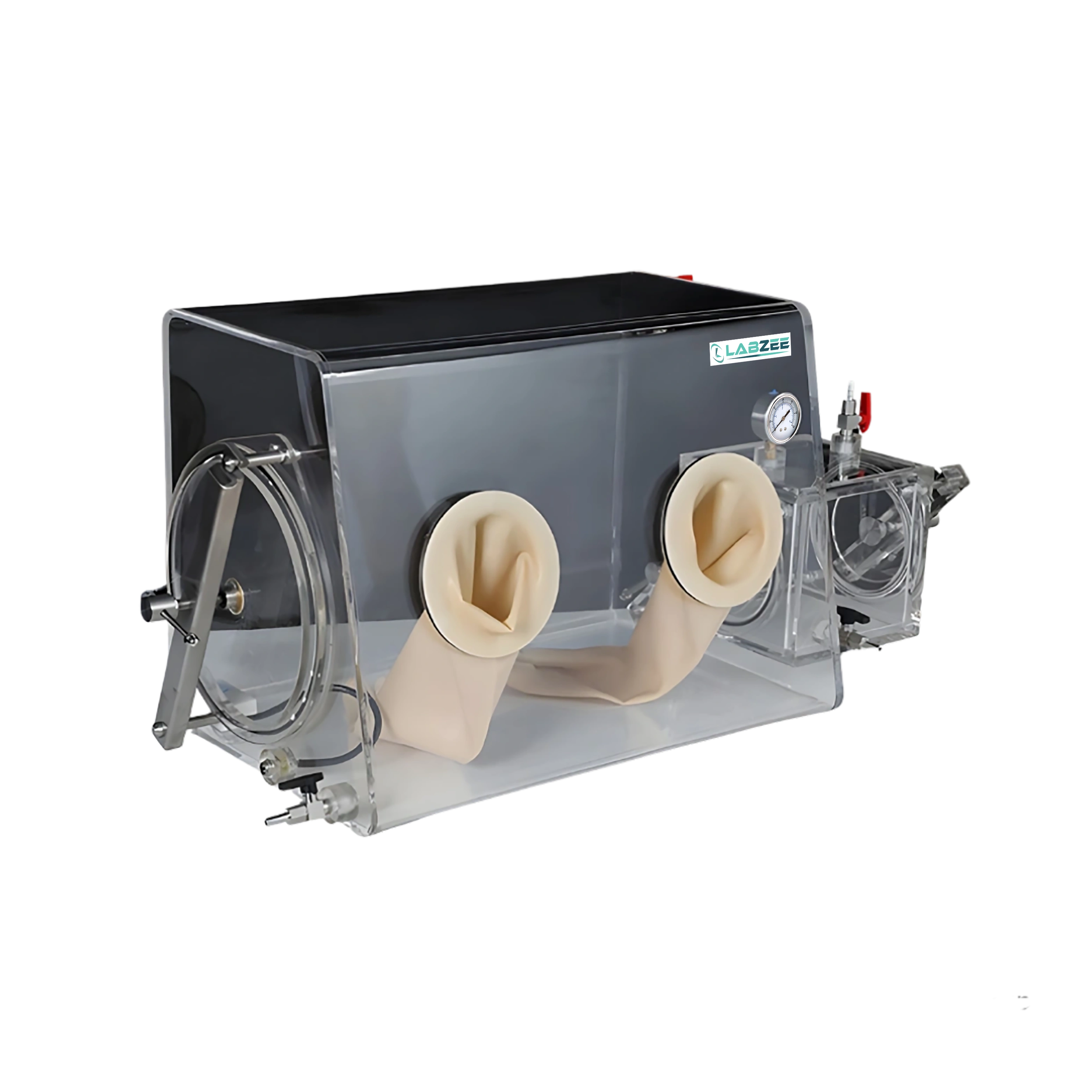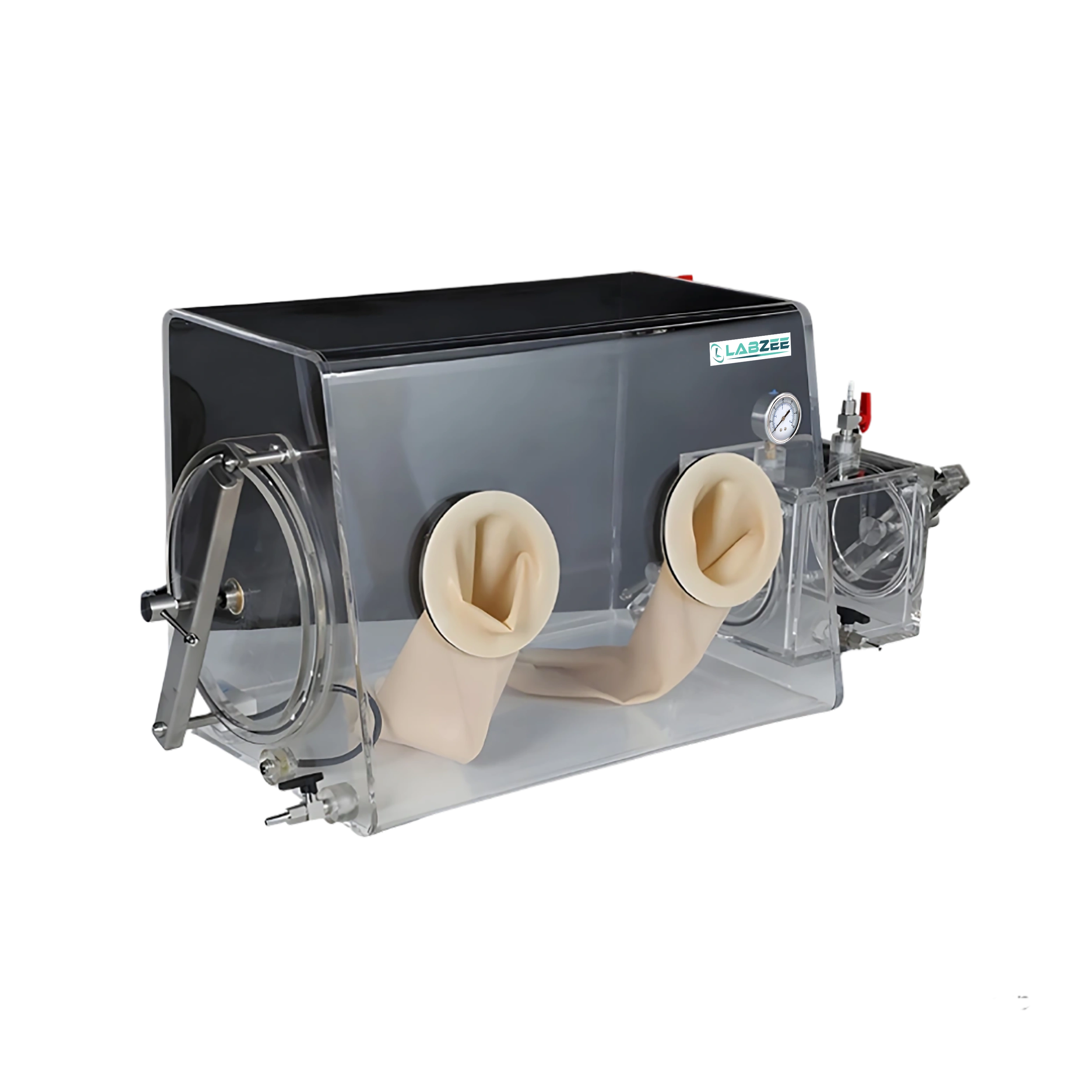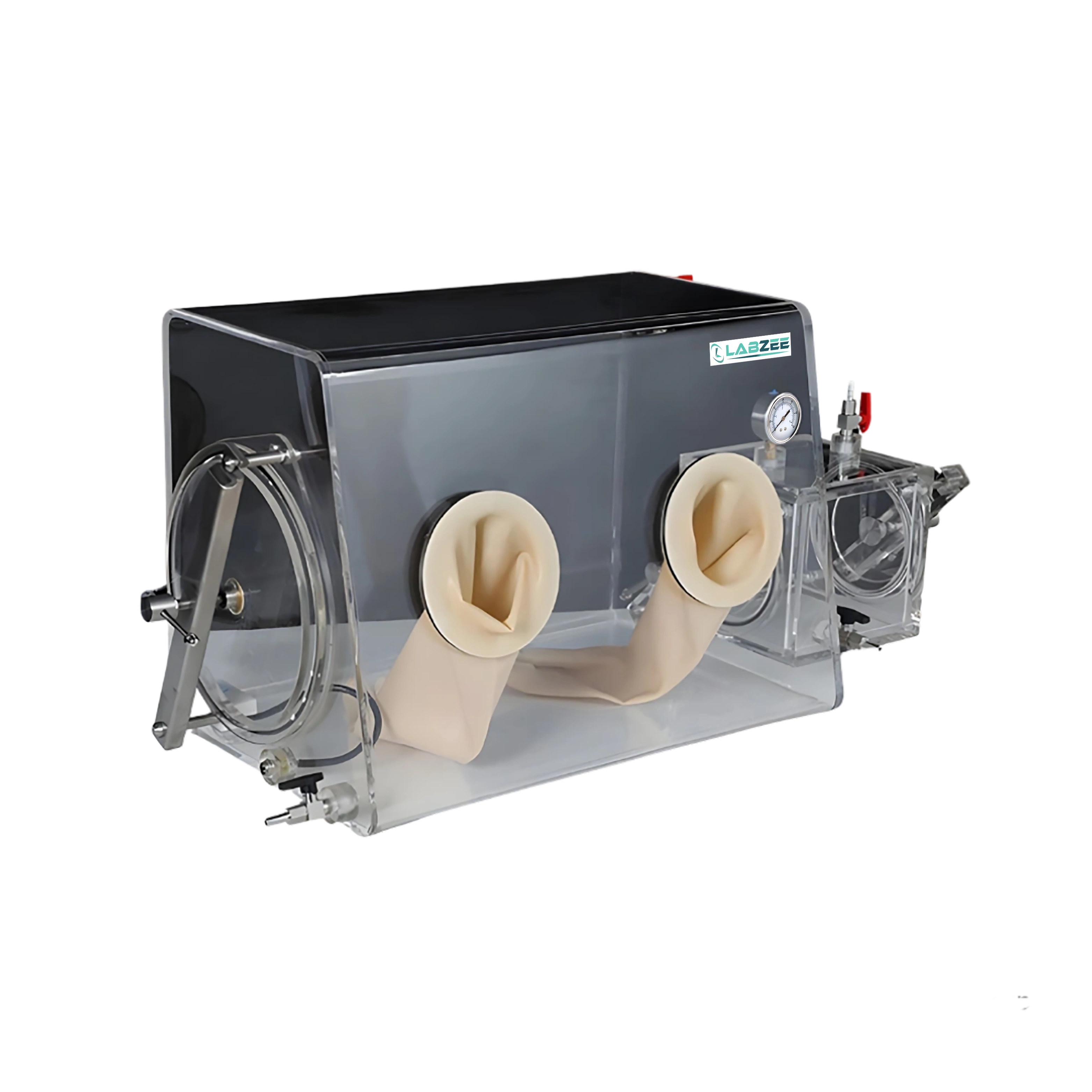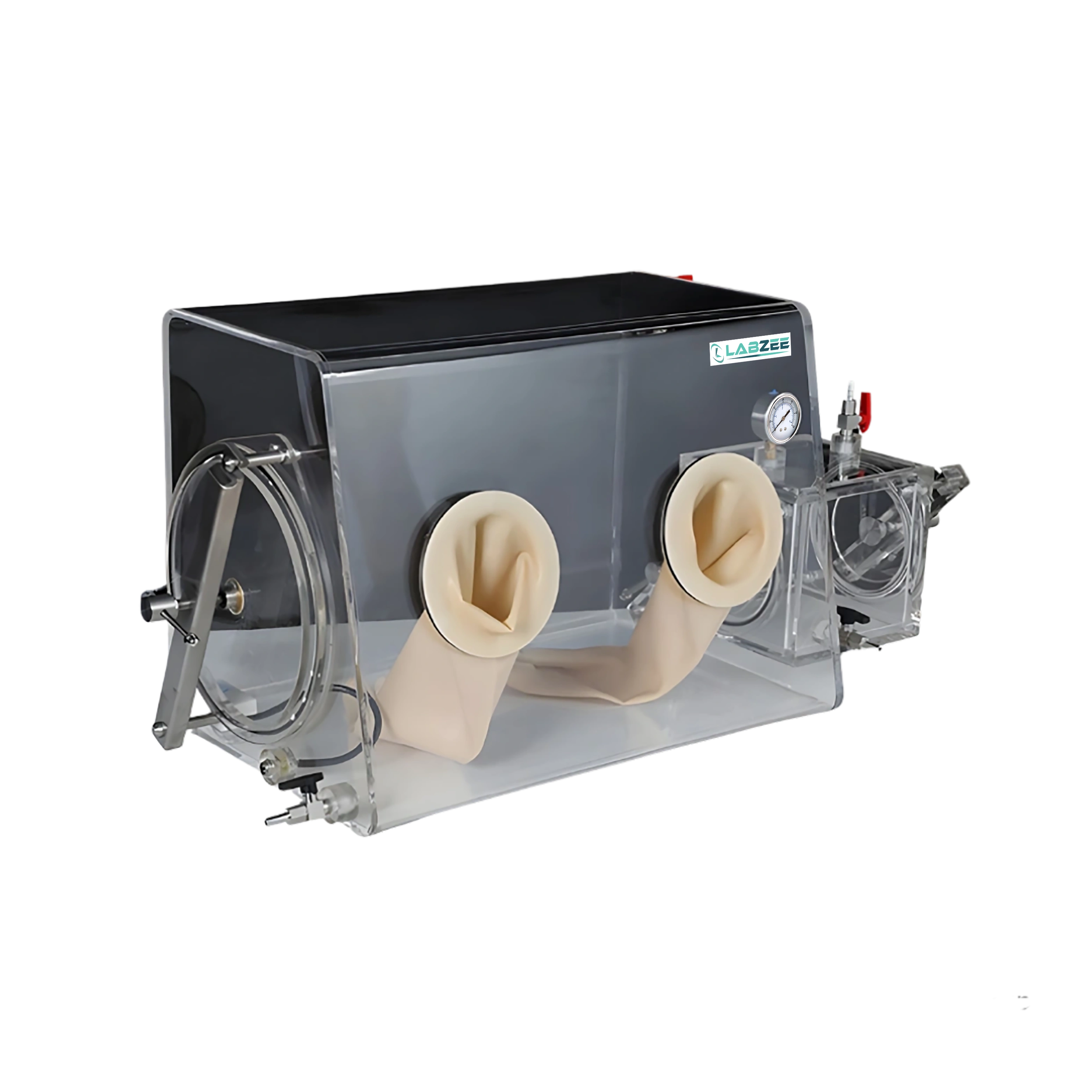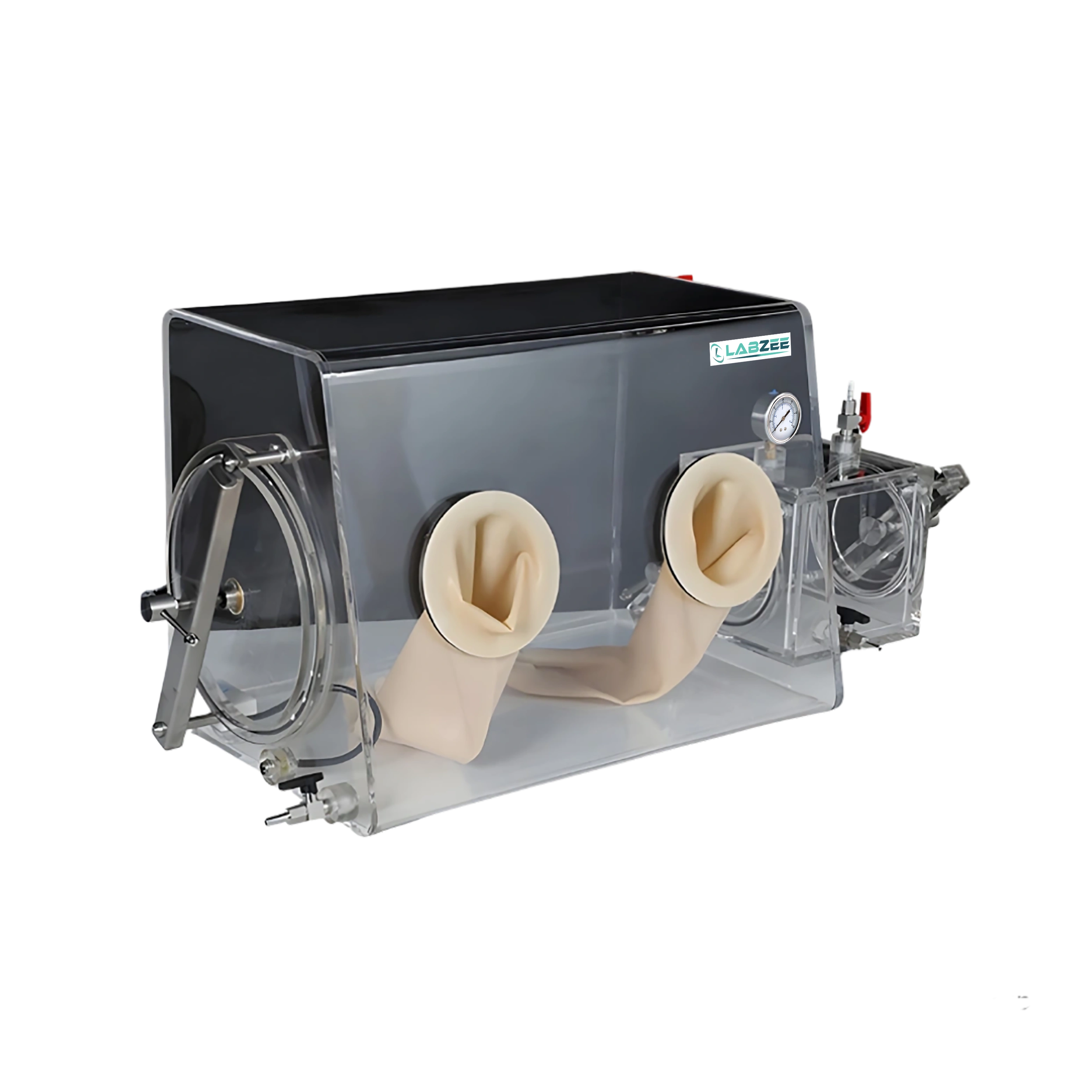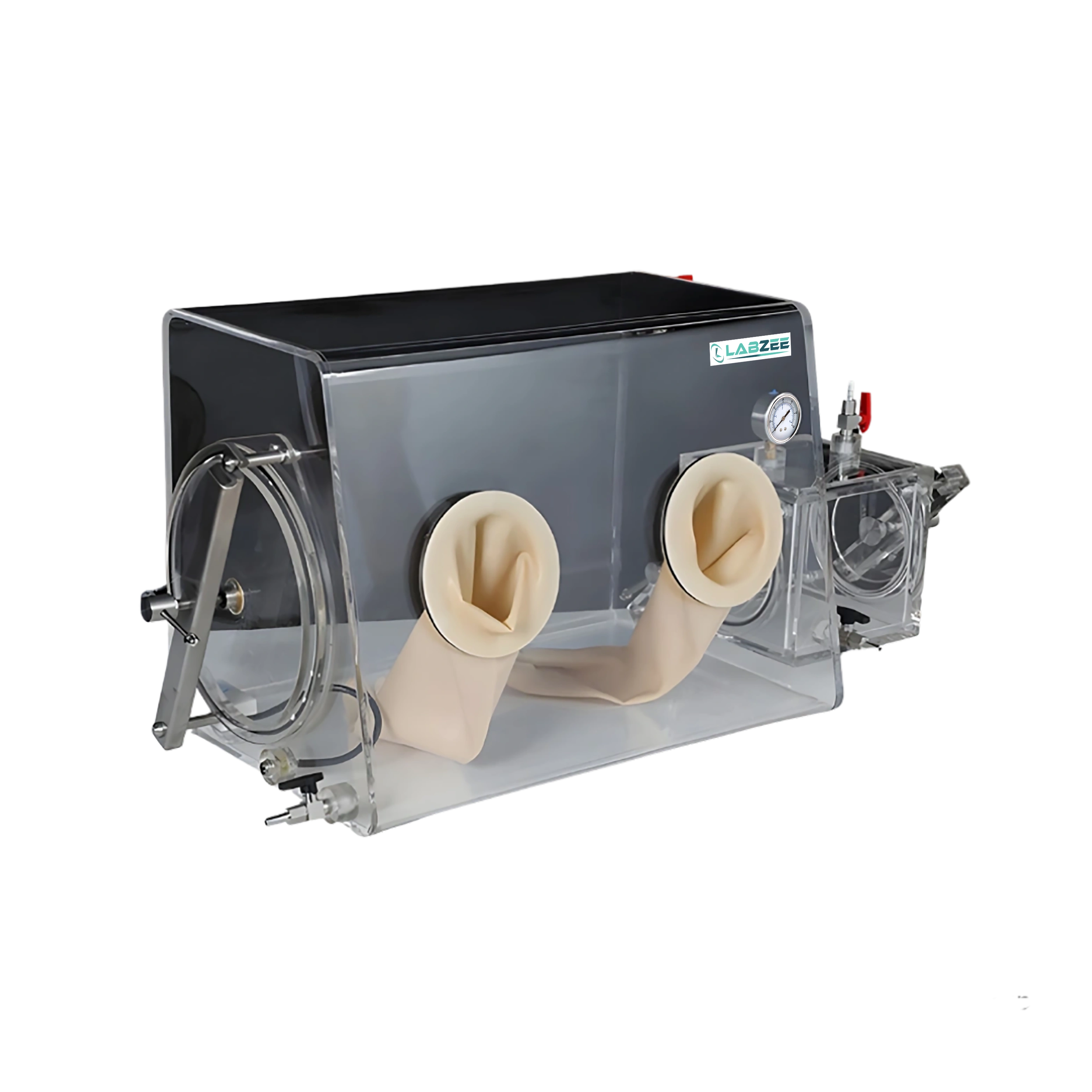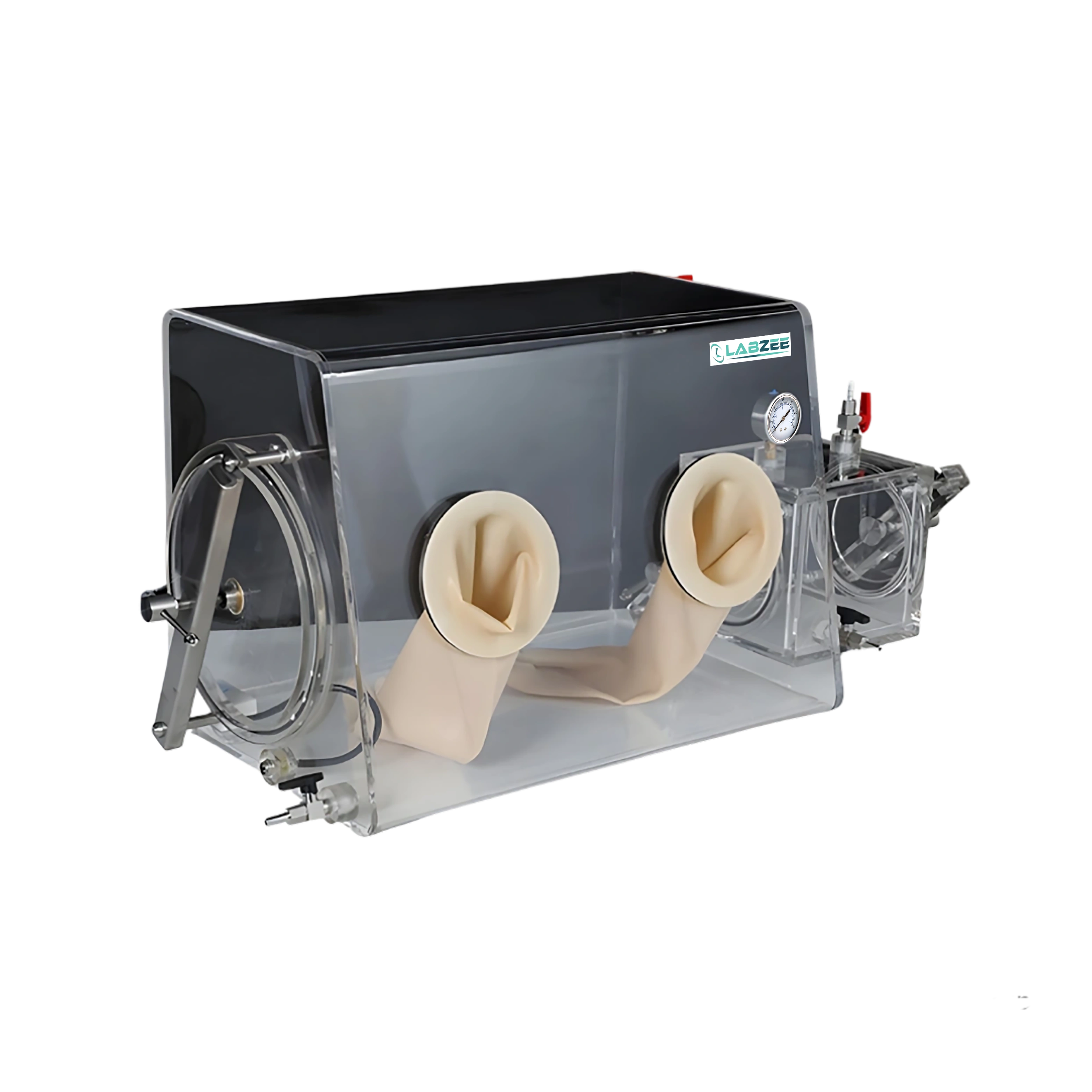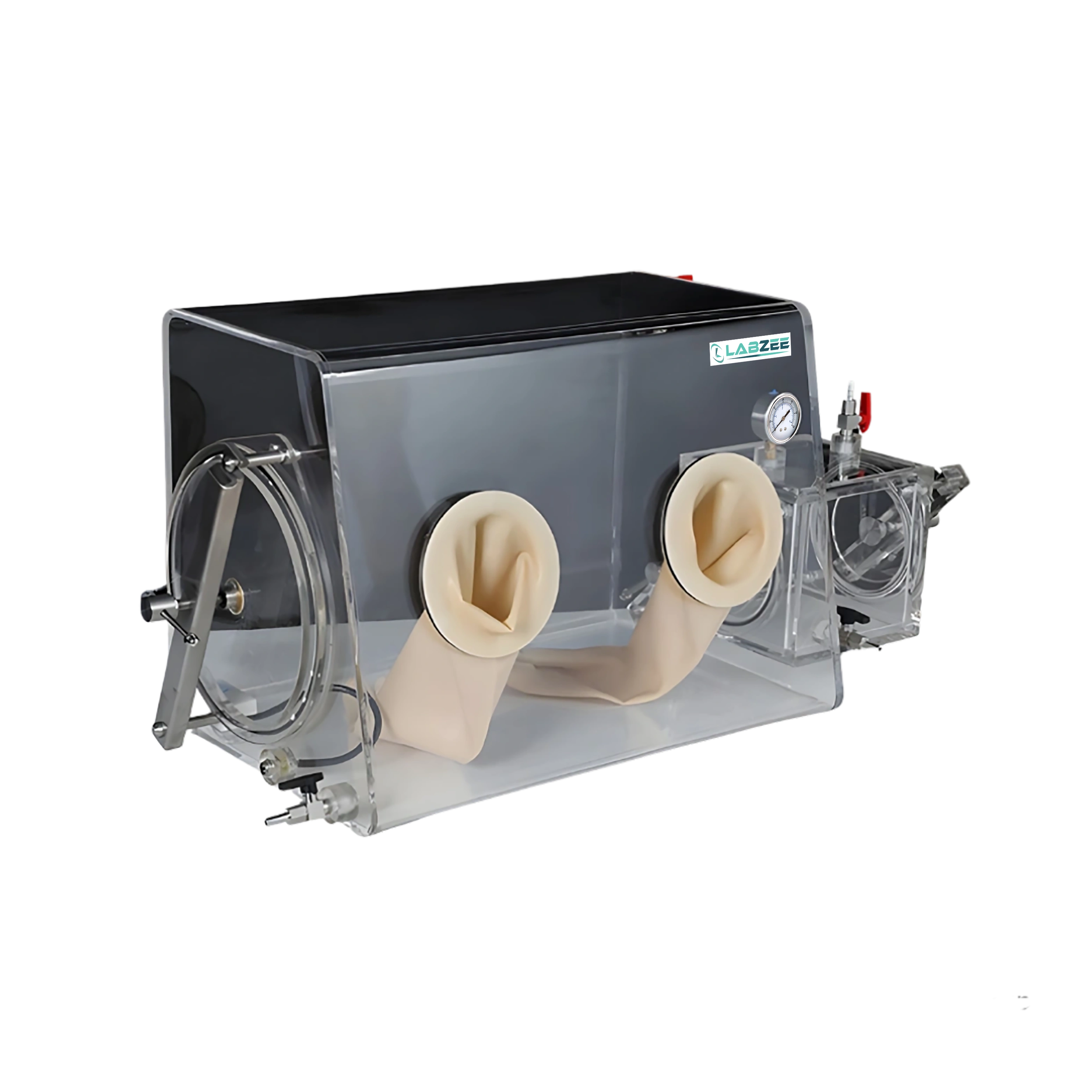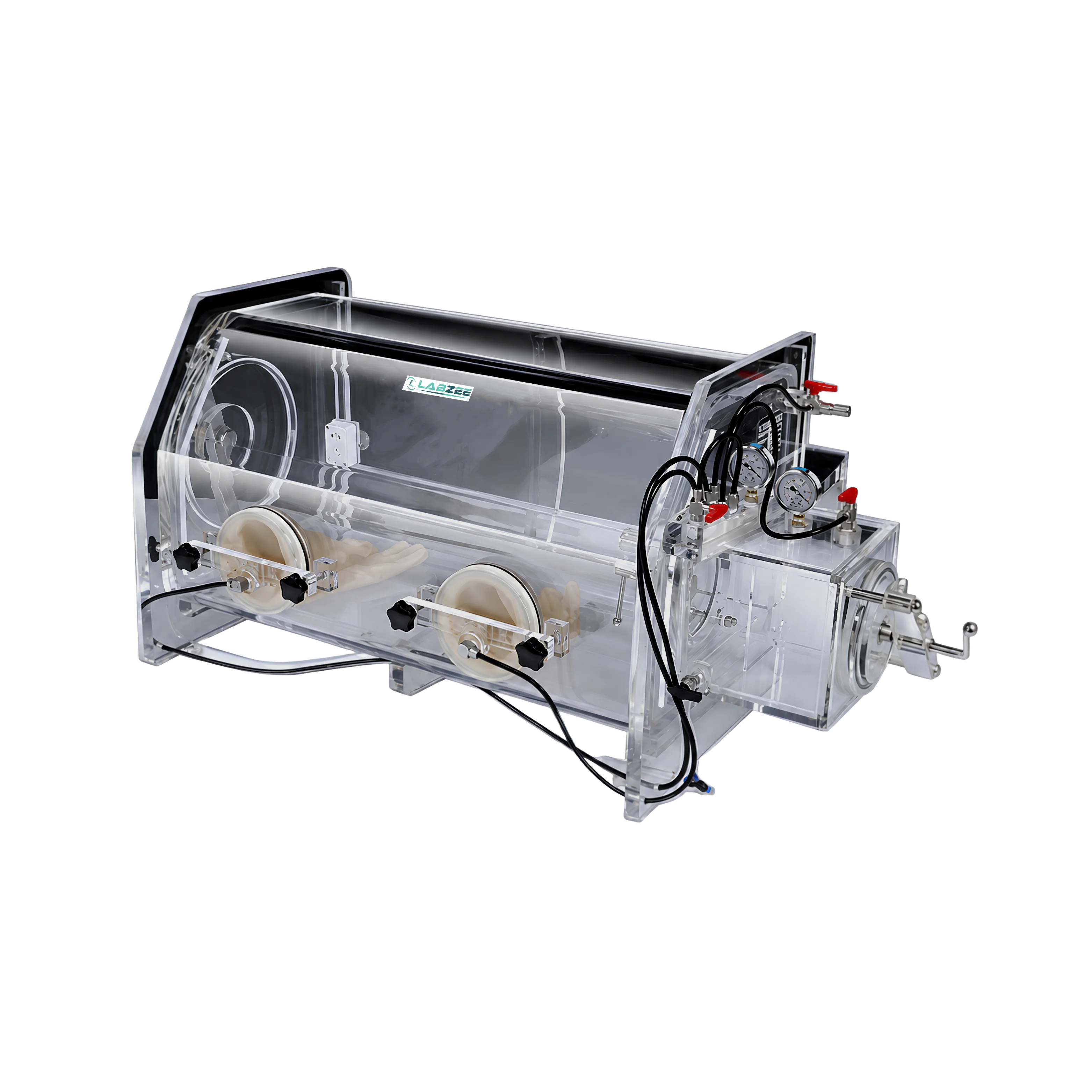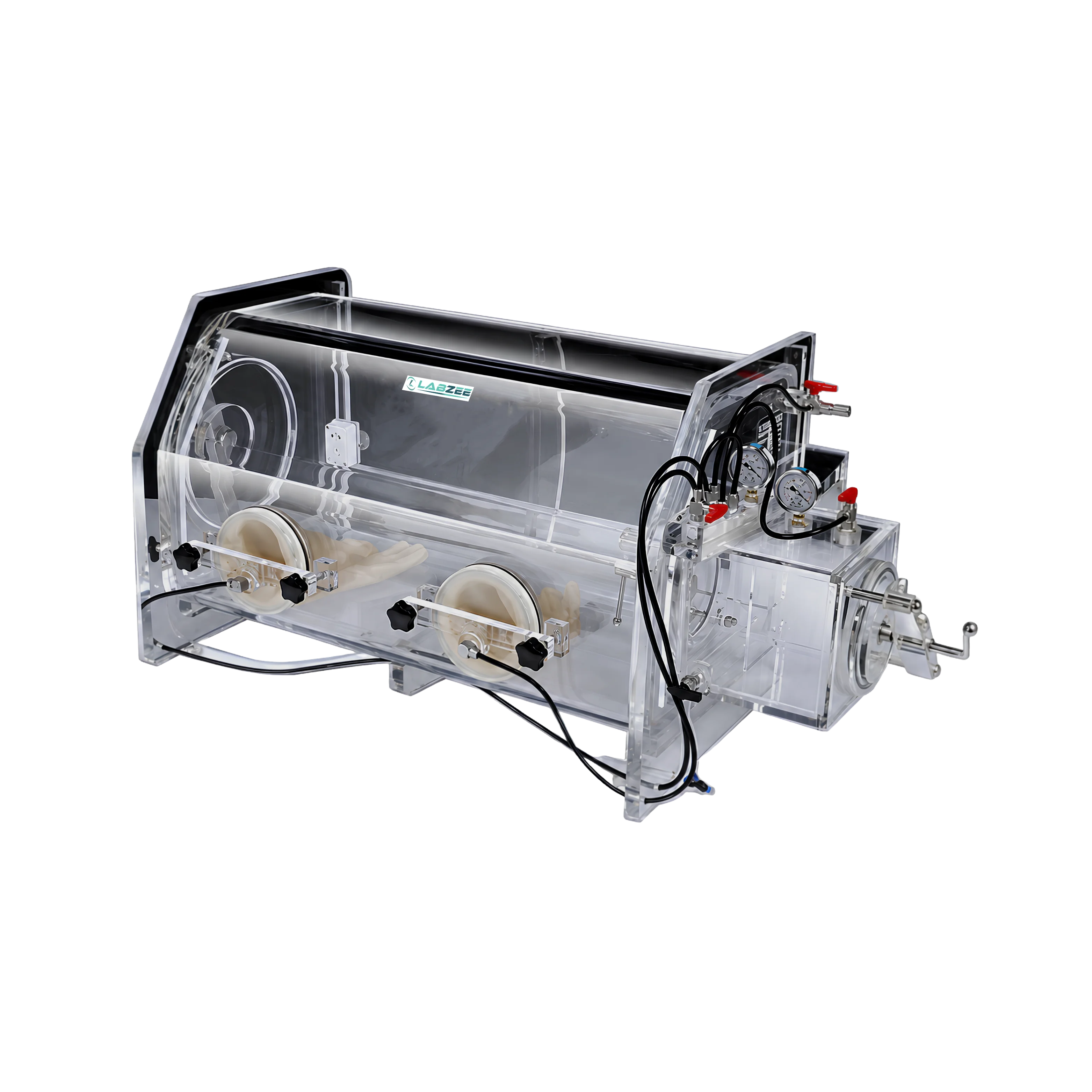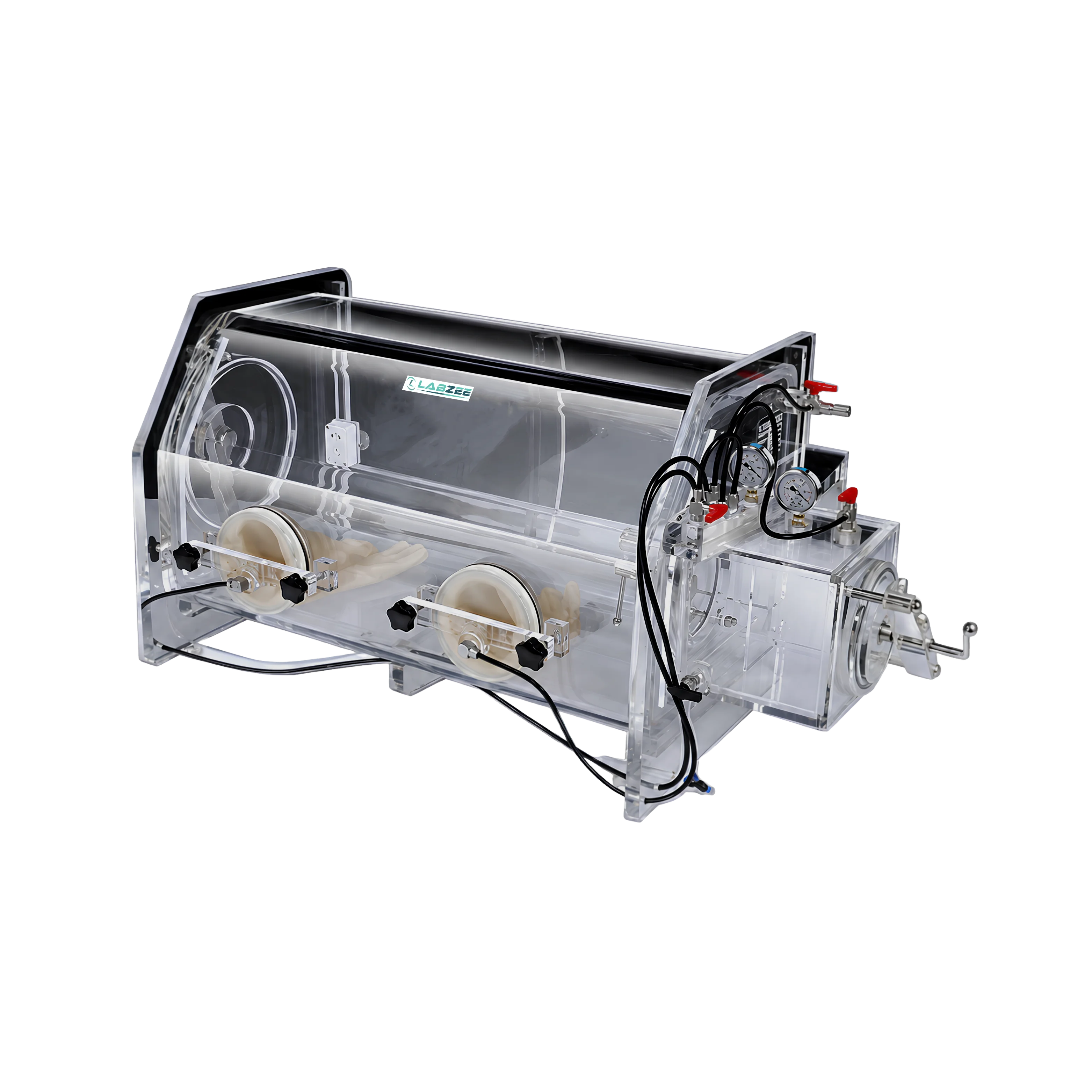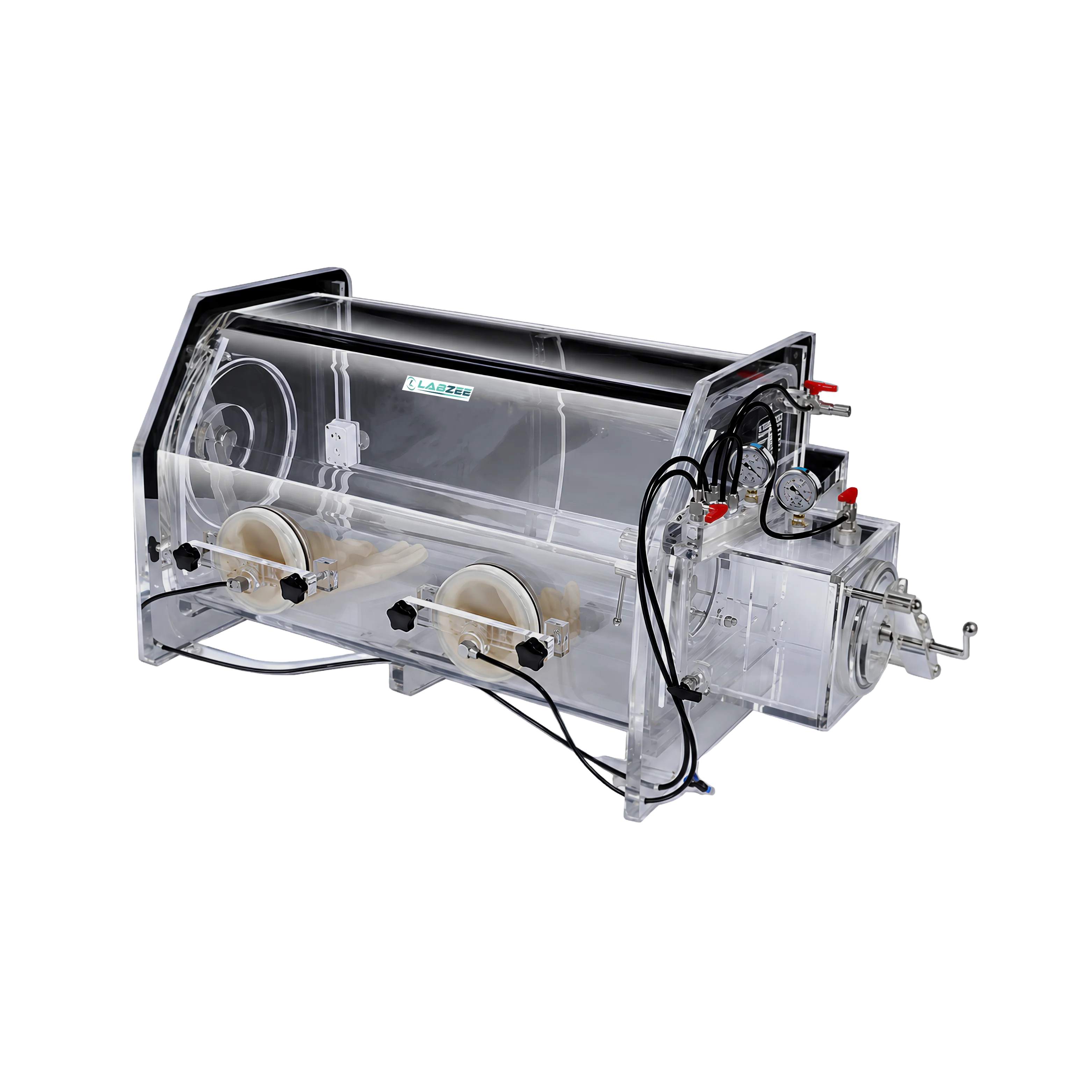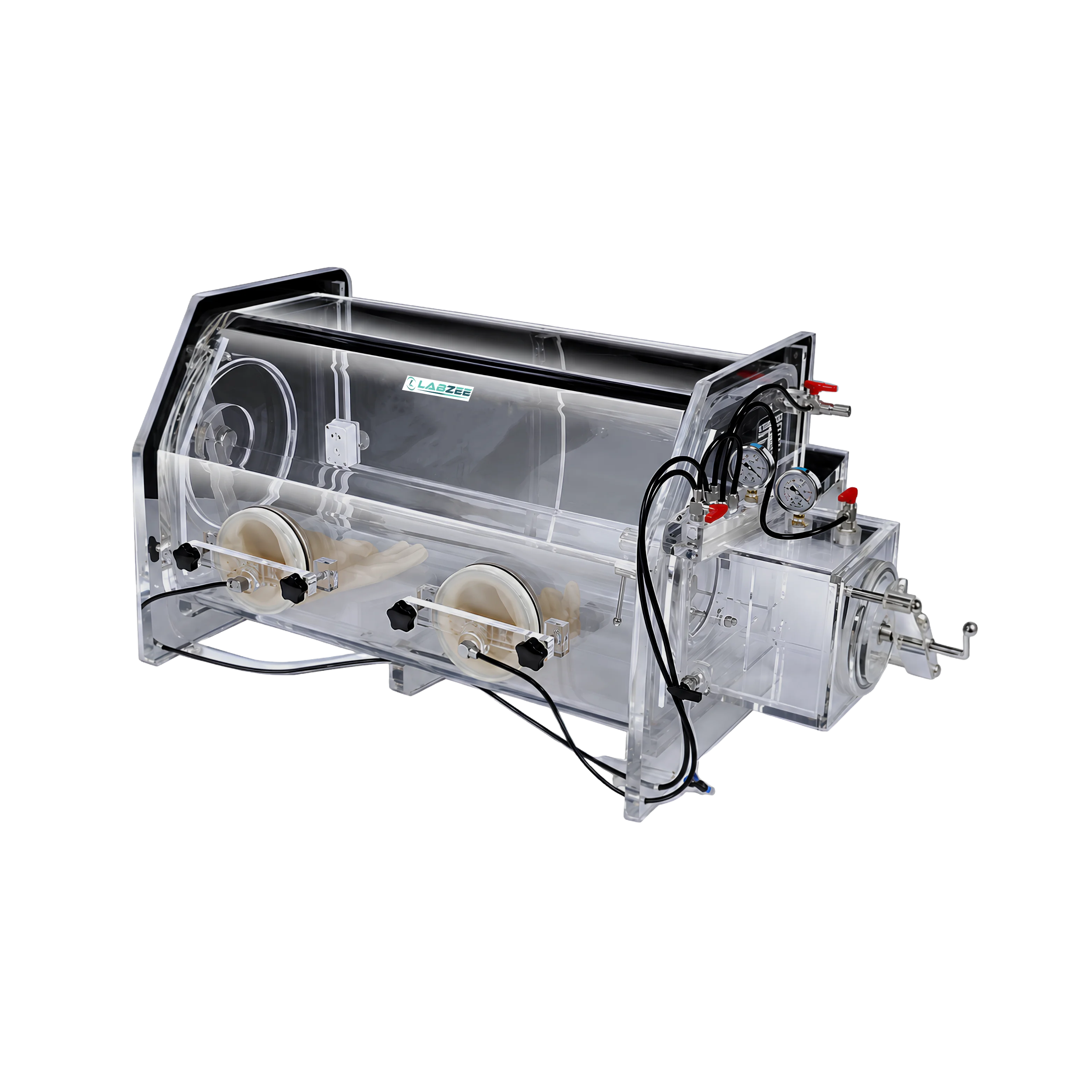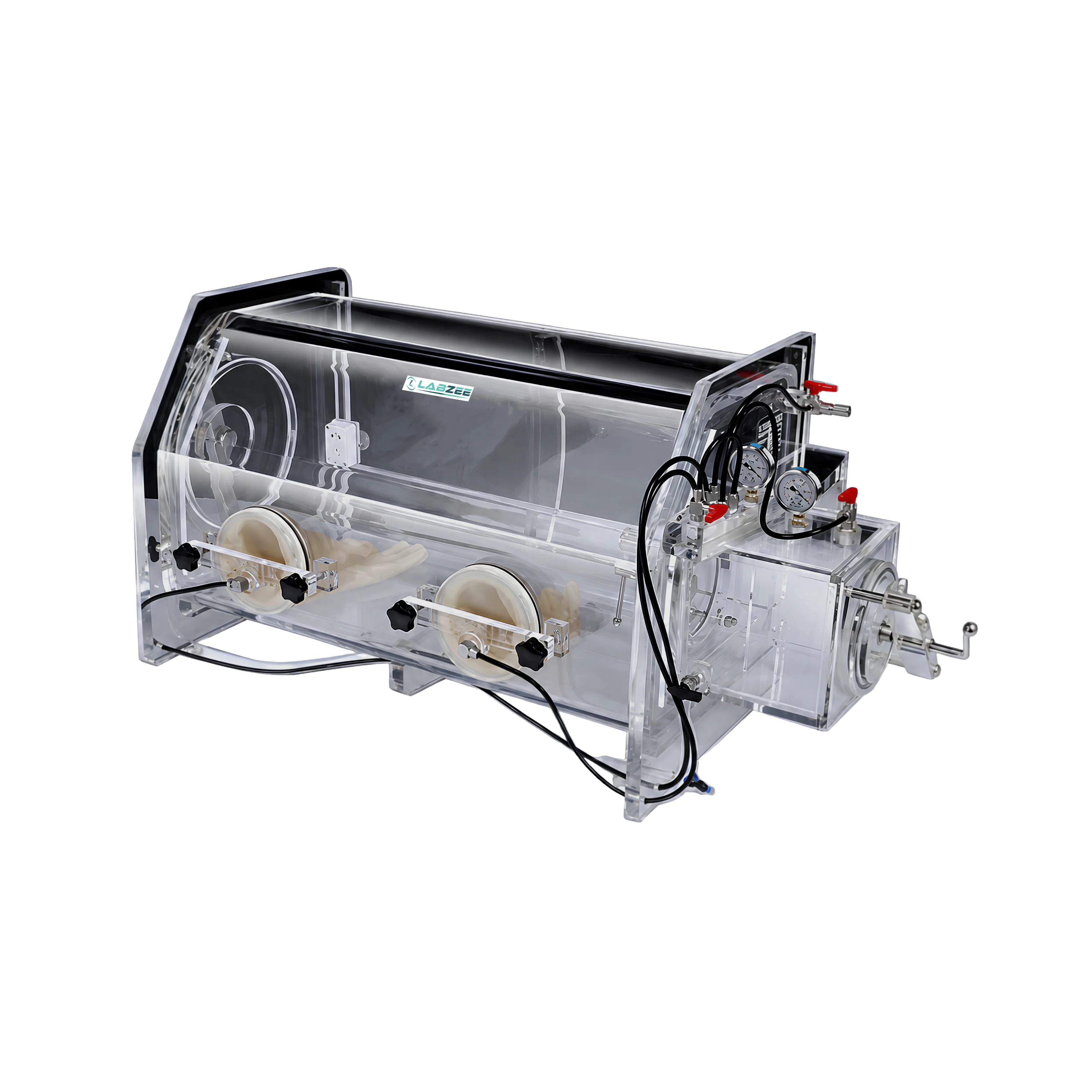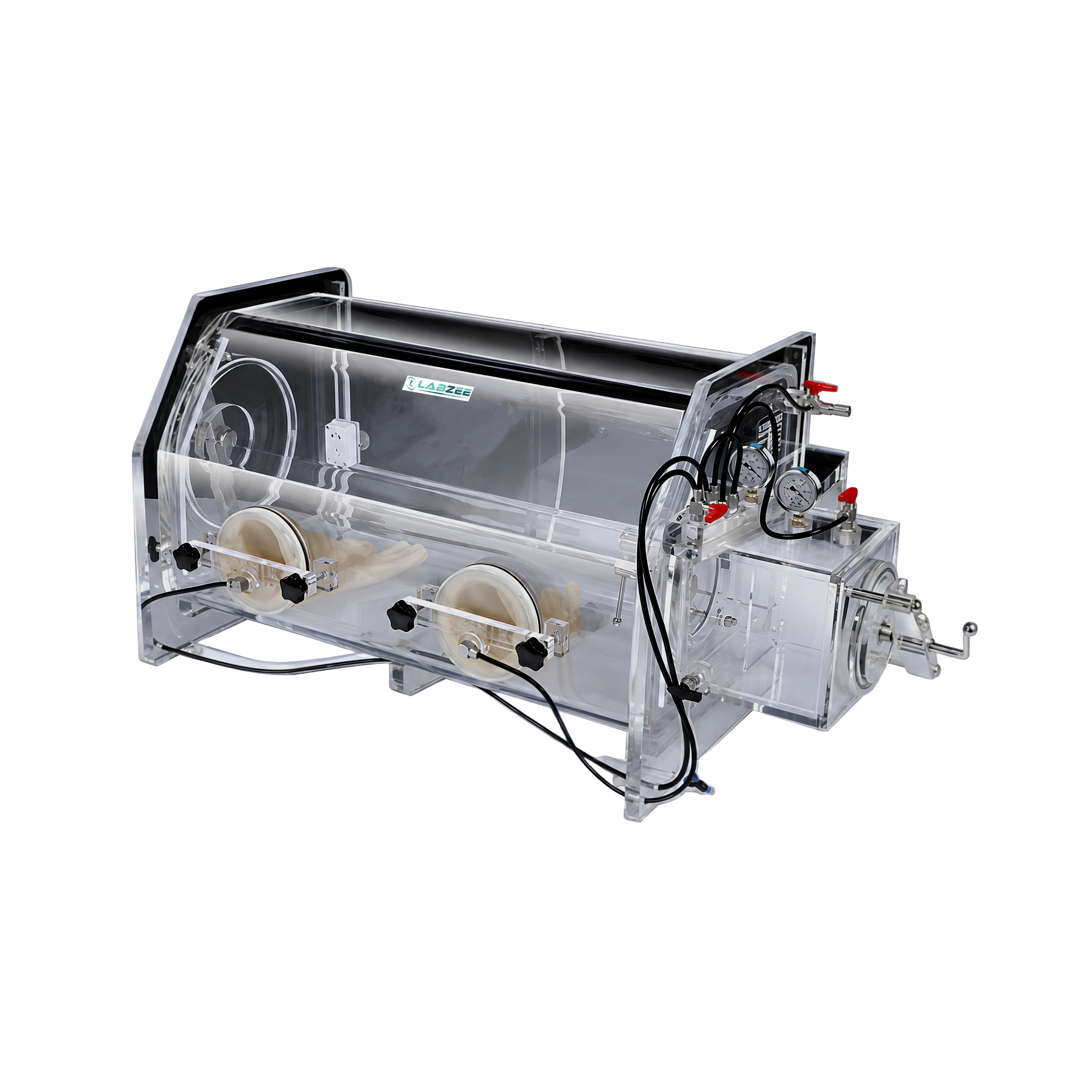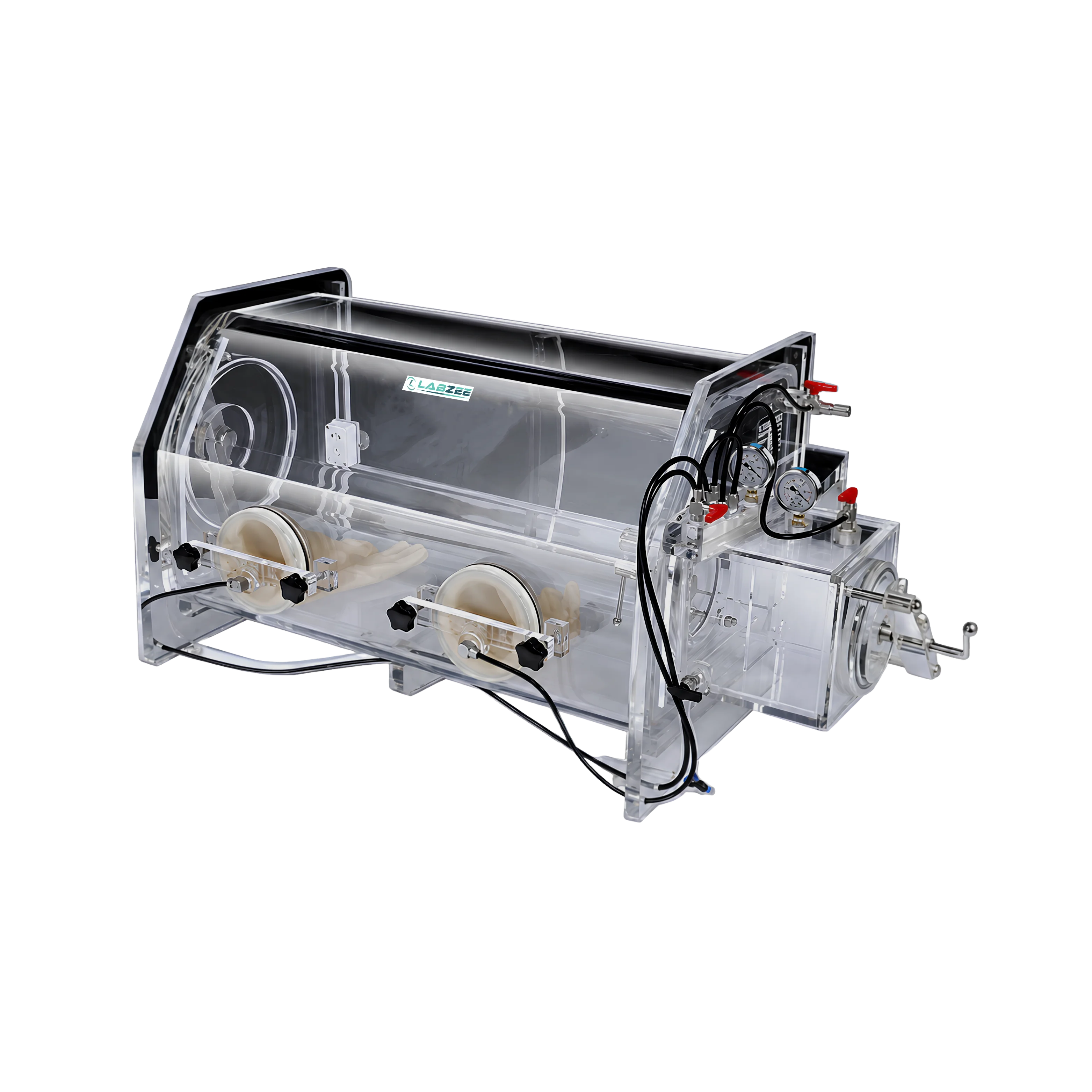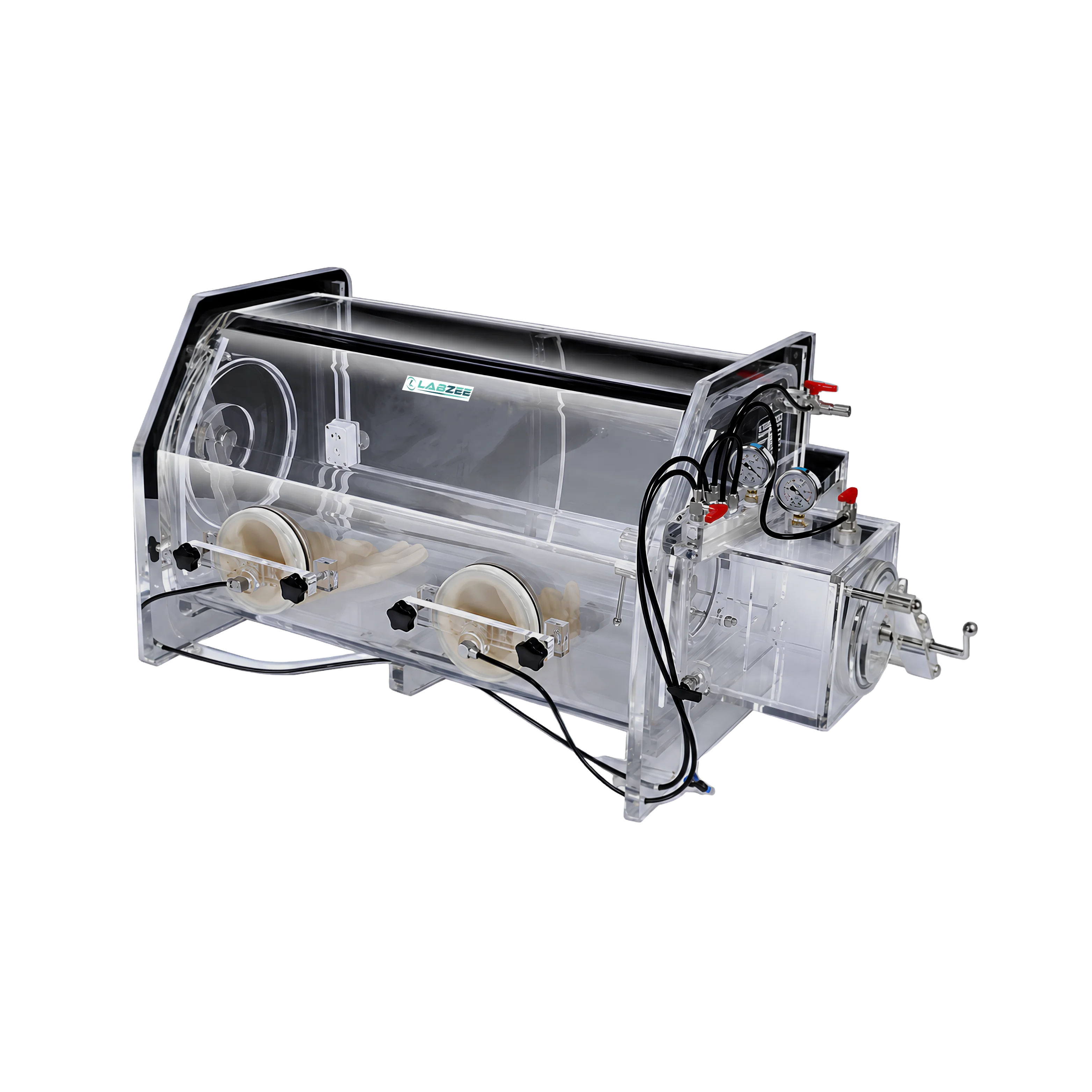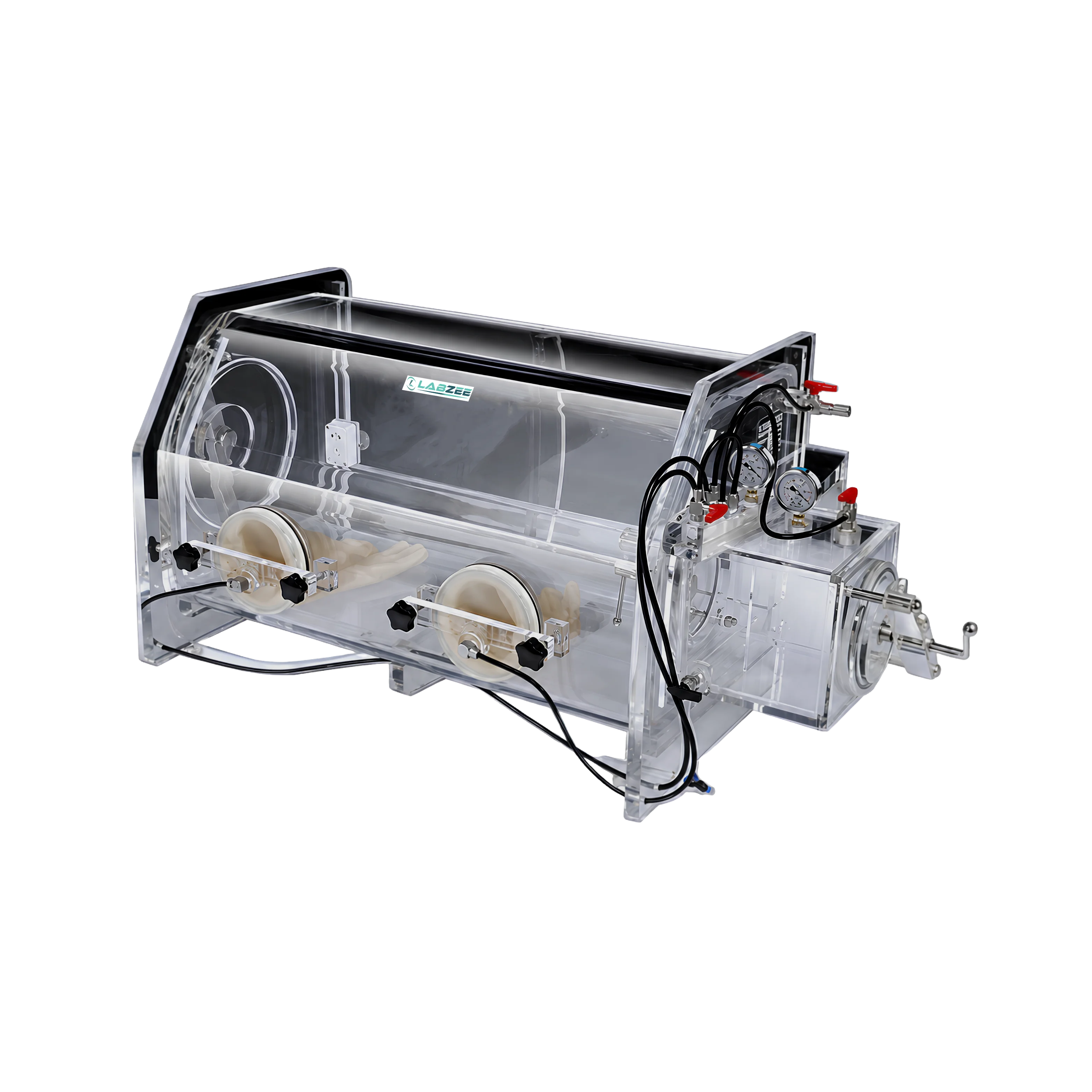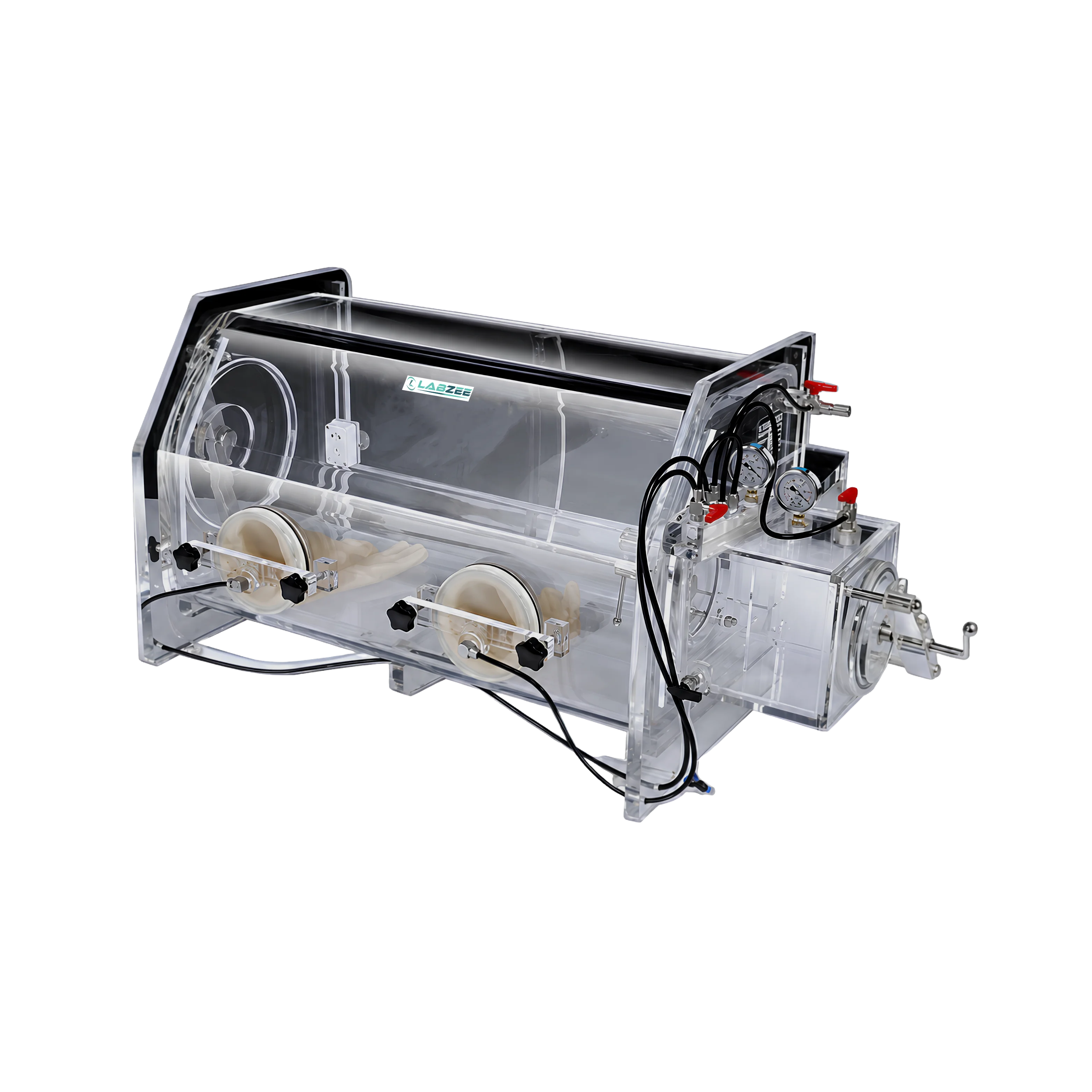
| Main Box Dimension | 1000 × 700 × 500 mm |
| Material | PMMA |
| PMMA Thickness | 30 mm |
| Left Round Door | 300 mm |
| Gloves | 2 |
| Glove Box Vacuum | -0.1 Mpa |
| Transition Box | Yes |
| Transition Box Dimension | 240 × 240 × 240 mm |
| Product Dimension | 100 × 50 × 50 cm |
| Package Dimension | 156 × 90 × 70 cm |
| Net Weight | 178 Kg |
| Gross Weight | 185 Kg |
Durable PMMA construction
Integrated transition chamber
Dual glove access
Clear viewing panels
Compact lab footprint
Our Acrylic Glove Box BZAGB-509C is suitable for applications in chemical handling, sensitive material testing, and electronics assembly. This glove box allows researchers to perform procedures in isolation while maintaining visual access to their work. It is frequently used in biosafety labs, QA testing, and R&D units requiring contamination-free environments. Its durable build and ergonomic layout support accuracy and safety in critical lab processes.
Frequently Asked Questions
1: Can You Perform Experiments That Require Strict Oxygen Exclusion?
Yes, the glove box is designed to facilitate experiments that demand extremely low oxygen levels. By vacuuming out the internal air and replacing it with inert gas, you can maintain an environment with minimal oxygen, making it ideal for air-sensitive chemical processes.
2: What Types of Inert Gases Are Suitable for Use in This Glove Box?
Common inert gases like nitrogen and argon are perfectly suited for use in the acrylic glove box. These gases are non-reactive and can be introduced into the chamber after vacuuming to create a stable and safe atmosphere for sensitive work.
3: Can You Connect External Equipment to the Glove Box System?
Yes, external equipment such as vacuum pumps or gas tanks can be easily connected through the built-in stainless-steel valves. Custom ports can also be added if you require specific interfaces for instrumentation or monitoring devices.
4: How Transparent Is the Acrylic Material Used in the Glove Box?
The acrylic used in the construction is highly transparent, offering crystal-clear visibility into the chamber. This is especially useful for monitoring experiments in real time without having to open the box or rely solely on instrumentation.
5: Can You Leave Materials Inside the Box for Extended Periods?
Yes, materials can be stored inside the glove box for extended periods as long as the internal atmosphere is stable. It is important to monitor pressure and gas levels to ensure that reactive substances remain protected over time.
6: What Is an Acrylic Glove Box Used For?
An Acrylic Glove Box is used to create a sealed and controlled environment for conducting experiments. It helps isolate materials from air, moisture, dust, and contaminants. This makes it suitable for chemical, biological, or electronic research. Users can manipulate objects inside safely through attached gloves. It’s essential for clean and precise lab work.
7: What Materials Are Used in This Acrylic Glove Box?
The Acrylic Glove Box is made of clear, durable acrylic panels, providing high visibility and structural strength. It features latex gloves for hand access, which are soft and flexible. Gas inlet and outlet valves are made of stainless steel, offering durability and corrosion resistance. All materials are chosen for lab safety and reliability.
8: Is the Acrylic Glove Box Airtight?
Yes, the Acrylic Glove Box is designed to be airtight. The front door uses a sealing gasket and latches to prevent any air exchange with the outside. This ensures a stable atmosphere inside, which is crucial for sensitive tasks. Airtightness also protects both users and contents from contamination. It maintains the integrity of experiments.
9: How Do You Introduce Gas Into the Acrylic Glove Box?
Gas is introduced through the stainless steel inlet and outlet valves built into the Acrylic Glove Box. These valves allow you to purge the interior with inert gases like nitrogen or argon. This helps in creating a dry and oxygen-free environment. The process is straightforward and supports many types of scientific experiments. Pressure can be controlled safely.
10: Can the Acrylic Glove Box Be Used for UV Experiments?
Yes, the Acrylic Glove Box can support UV-based experiments. Its clear acrylic body allows limited UV transmission, which is useful for sterilization or polymer curing. However, compatibility depends on the wavelength of UV light used. It’s ideal for microbiology work or UV testing when used properly. Always follow safety guidelines when using UV light.
Labzee Acrylic Glove Box delivers contamination-free handling of moisture- and oxygen-sensitive materials with high precision. Built with high-clarity, chemical-resistant acrylic, it ensures clear visibility and a secure, sealed workspace. It supports controlled operations through glove ports and transfer systems. Each unit includes secure glove ports, high-performance airlocks, and optional gas purge functionality to maintain stable internal conditions. Multiple PMMA thickness options ensure durability and consistent performance in sensitive material handling tasks. ISO and CE certified, Labzee Acrylic Glove Boxes are designed to deliver superior performance, enhanced safety, and uncompromising consistency in critical laboratory operations.