$ 3974
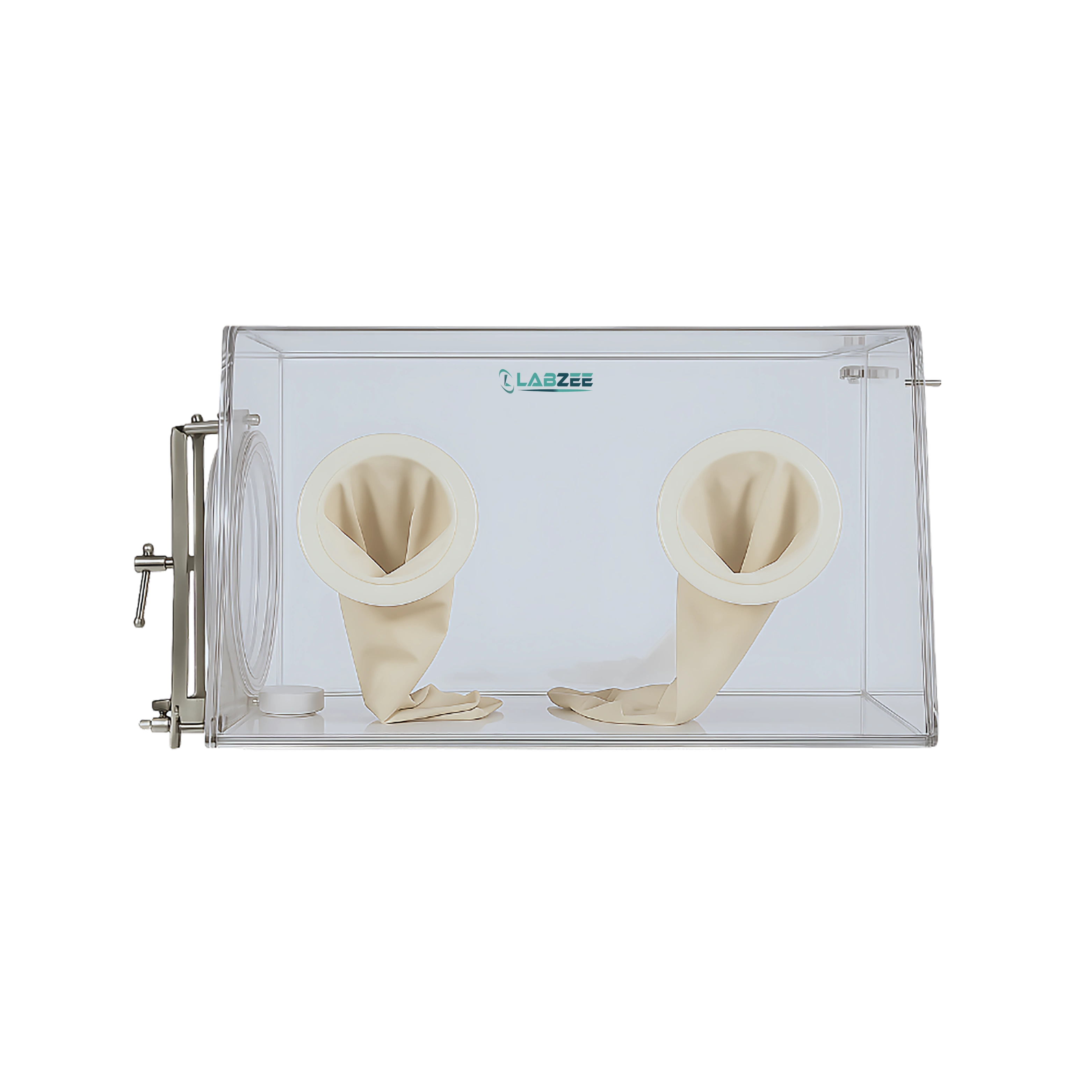
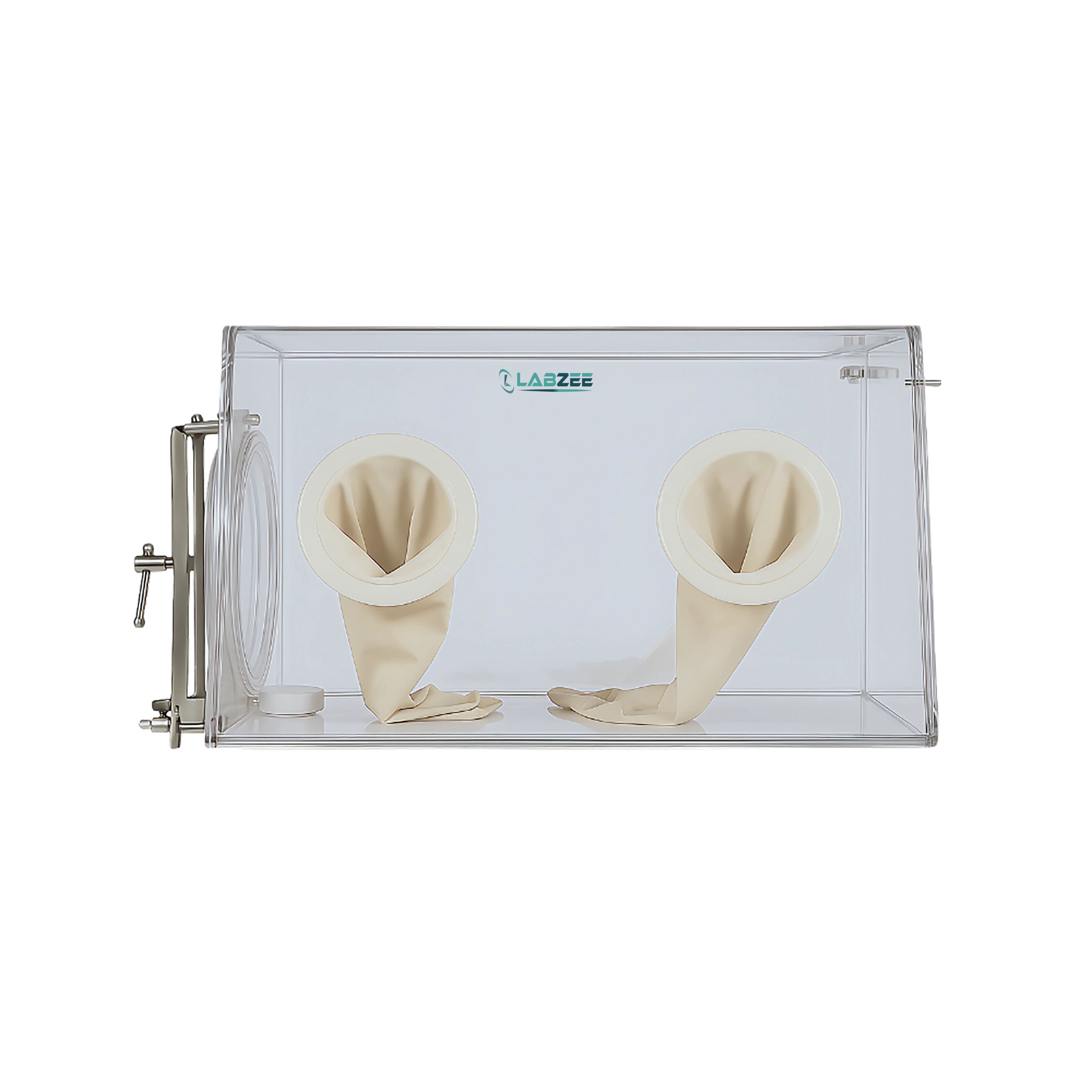
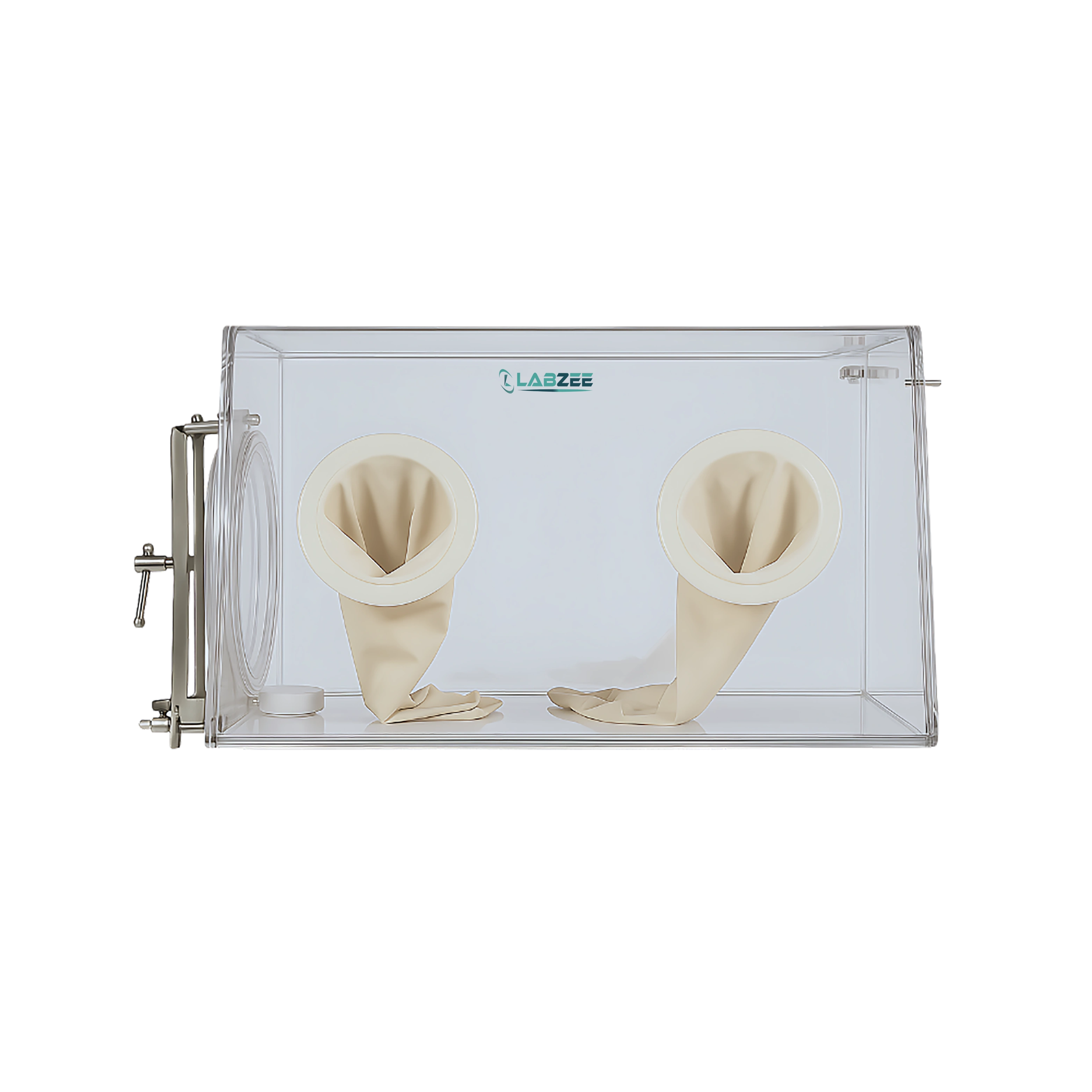
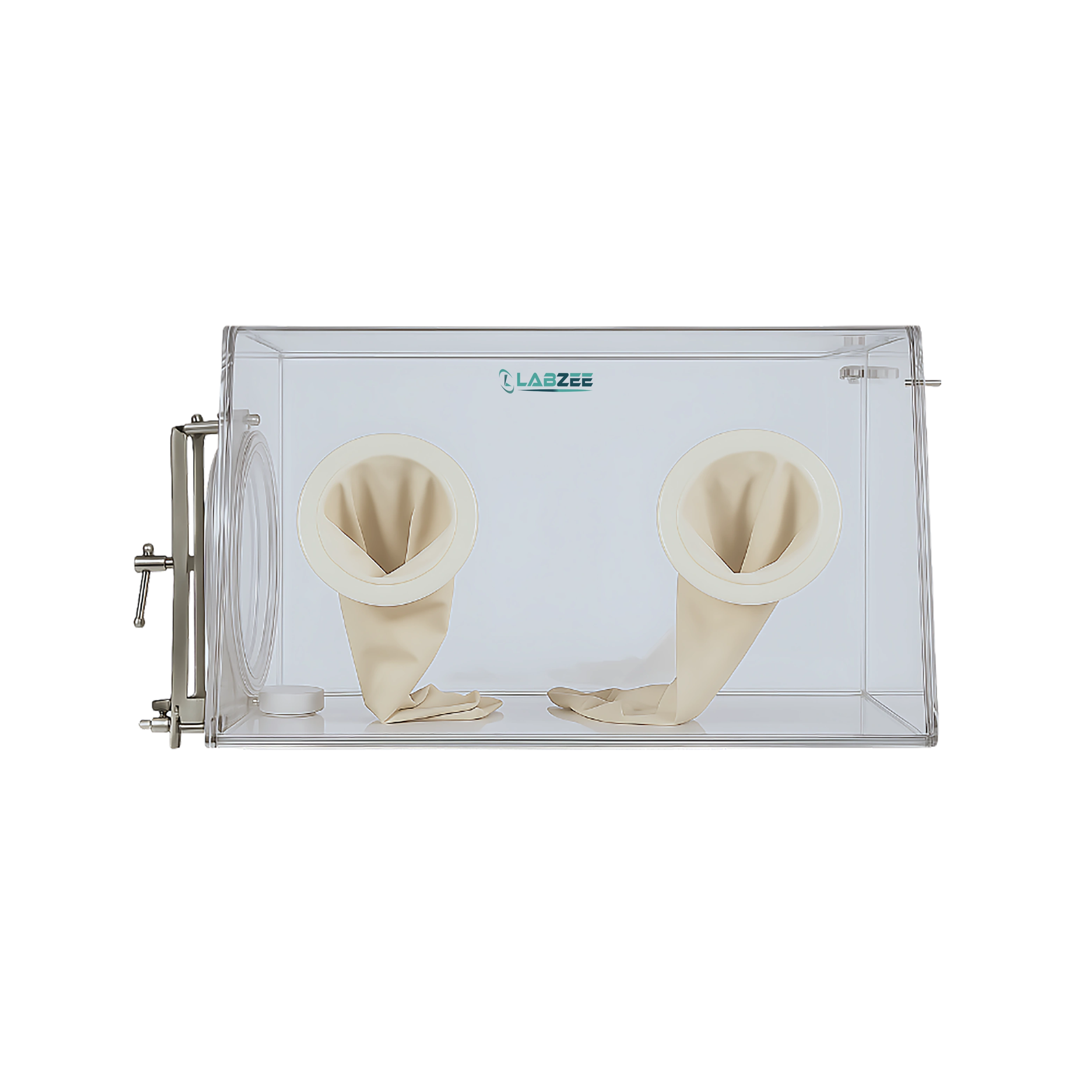
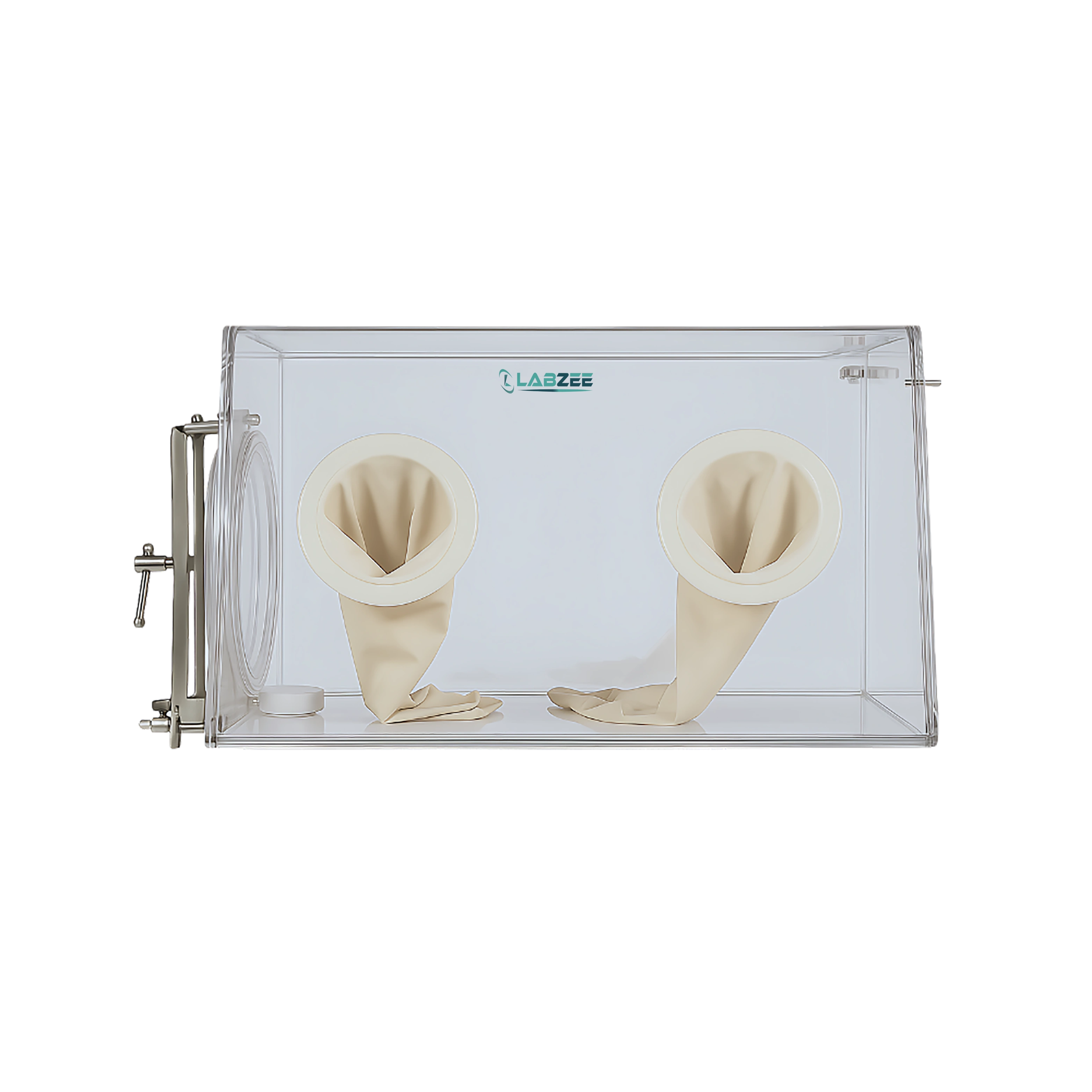
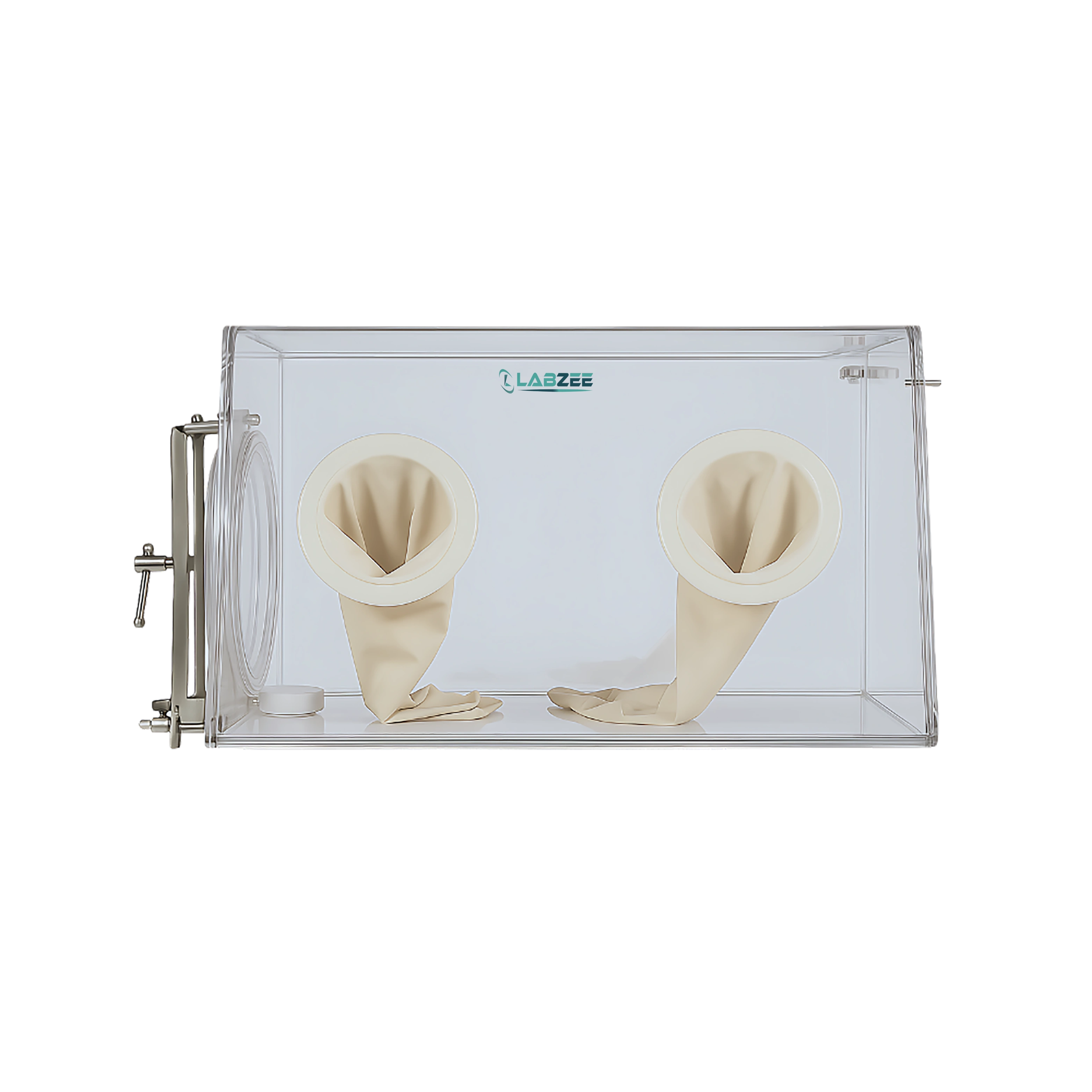
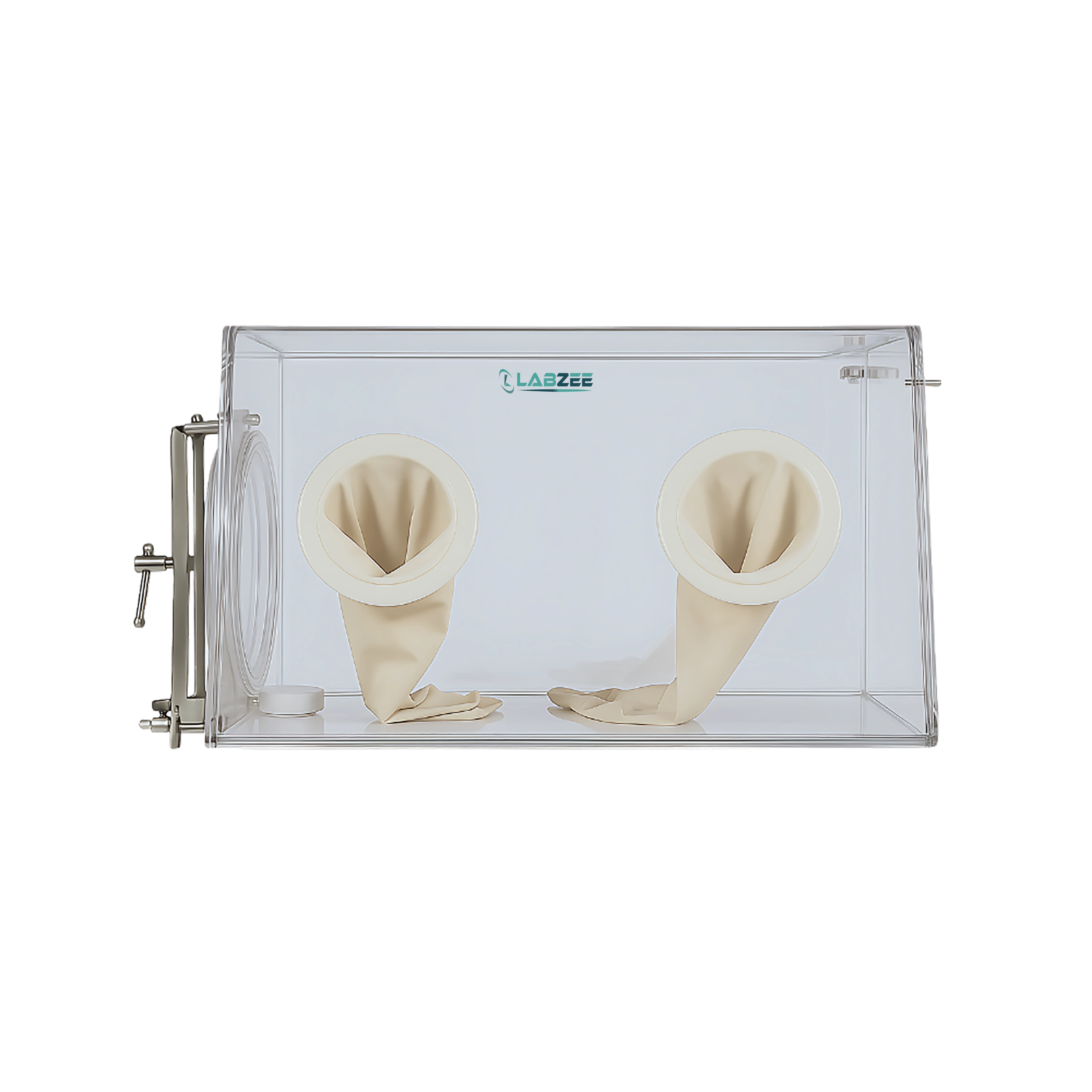
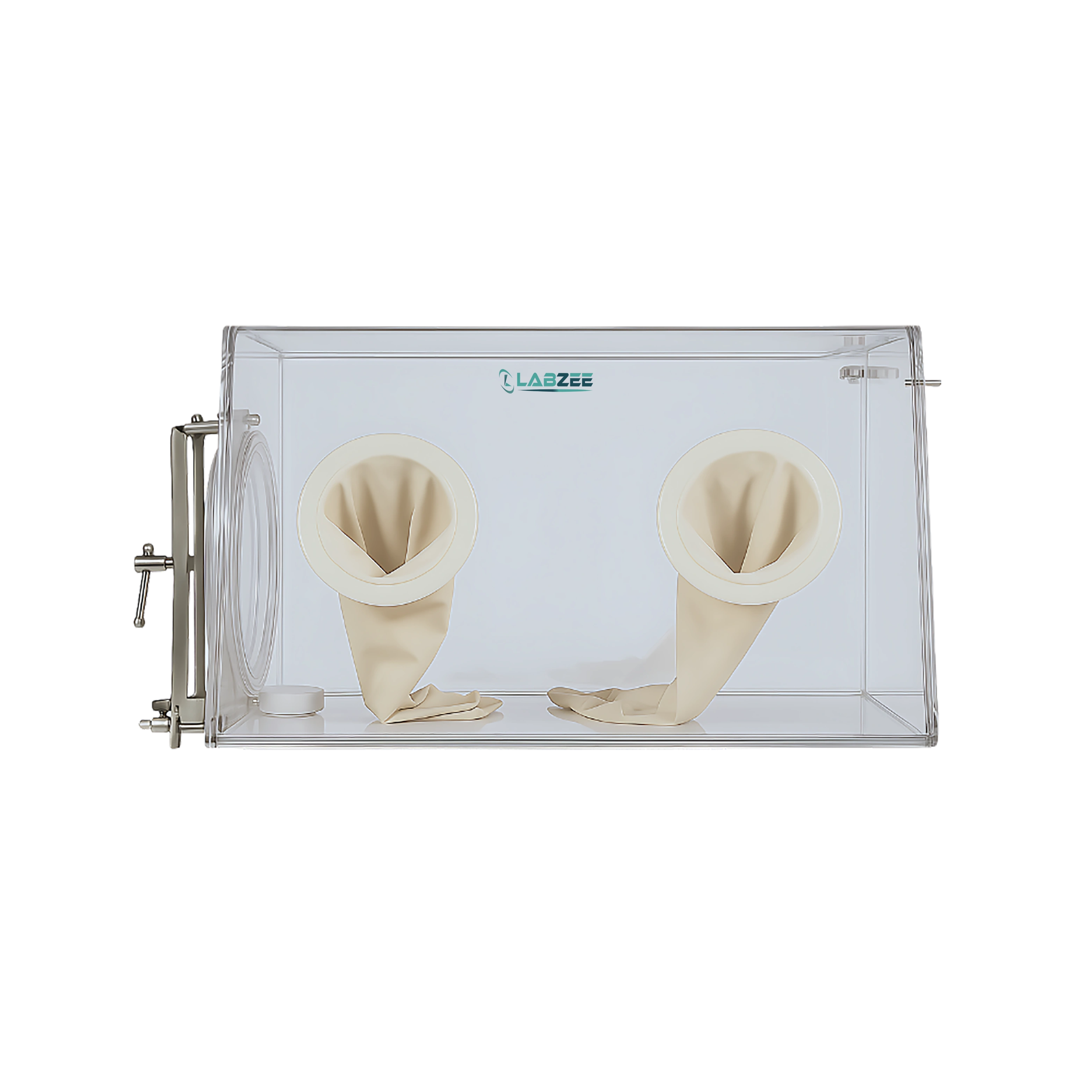
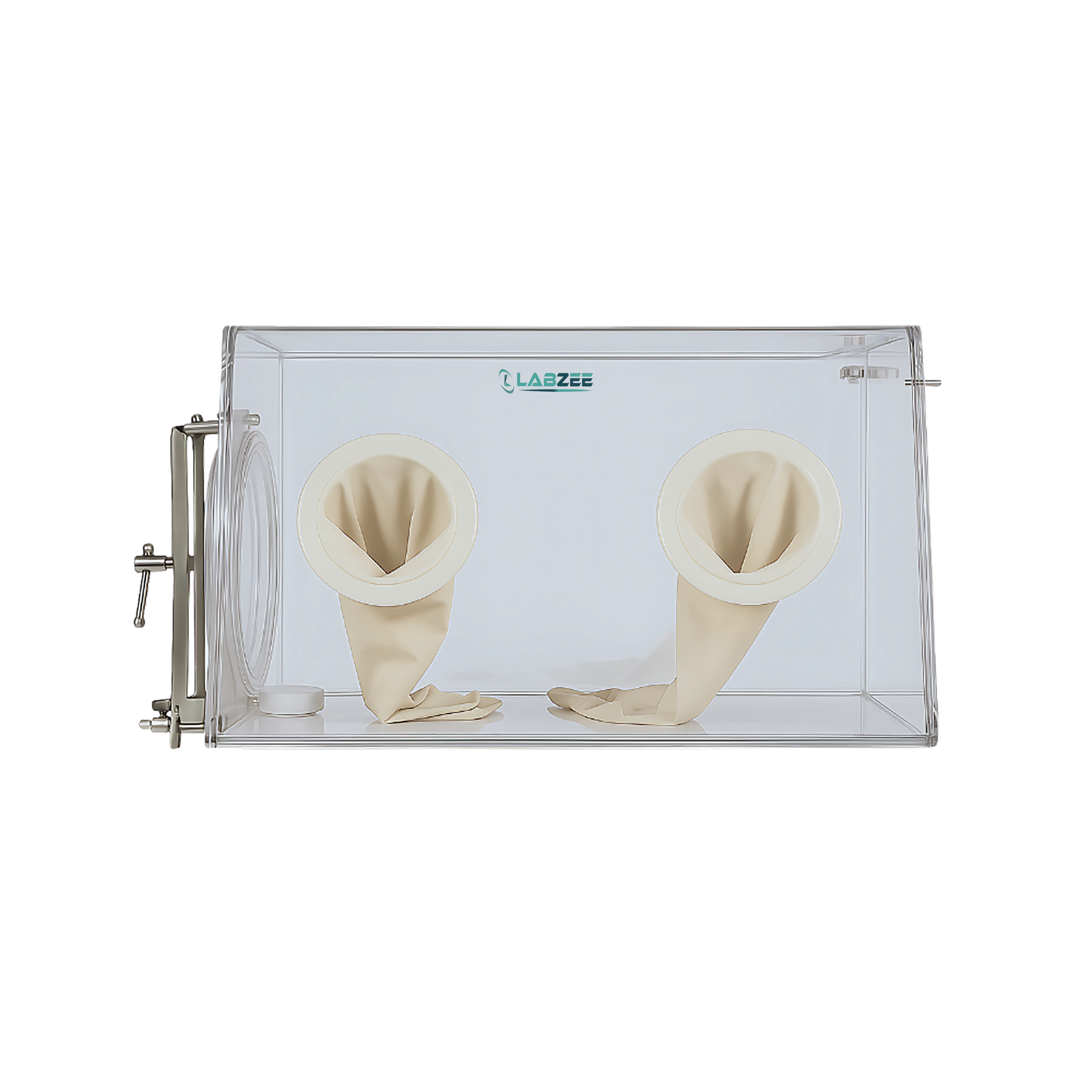
| Main Box Dimension | 1200 × 600 × 600 mm |
| Material | PMMA |
| PMMA Thickness | 10 mm |
| Left Round Door | 350 mm |
| Gloves | 4 |
| Transition Box | No |
| Product Dimension | 120 × 60 × 60 cm |
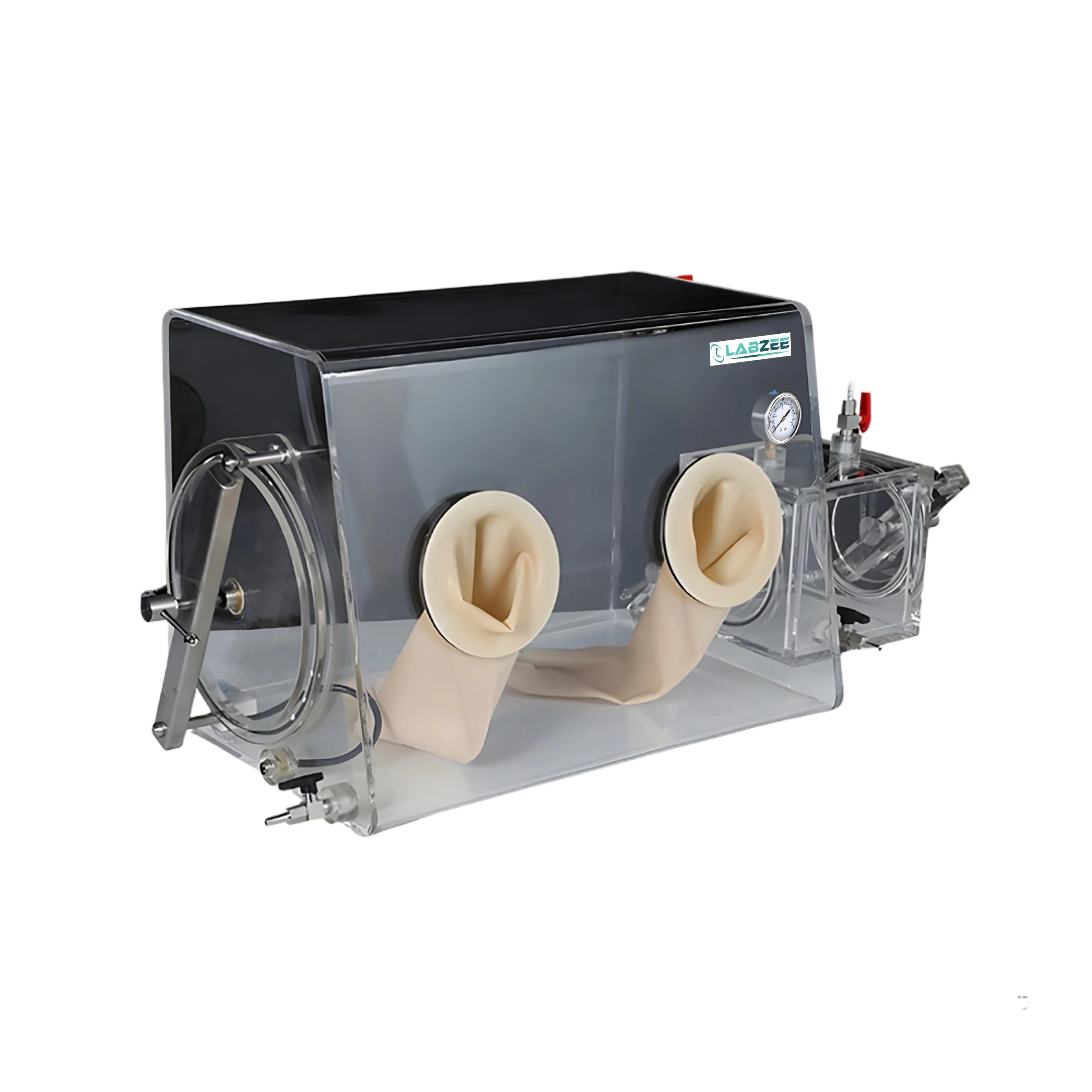
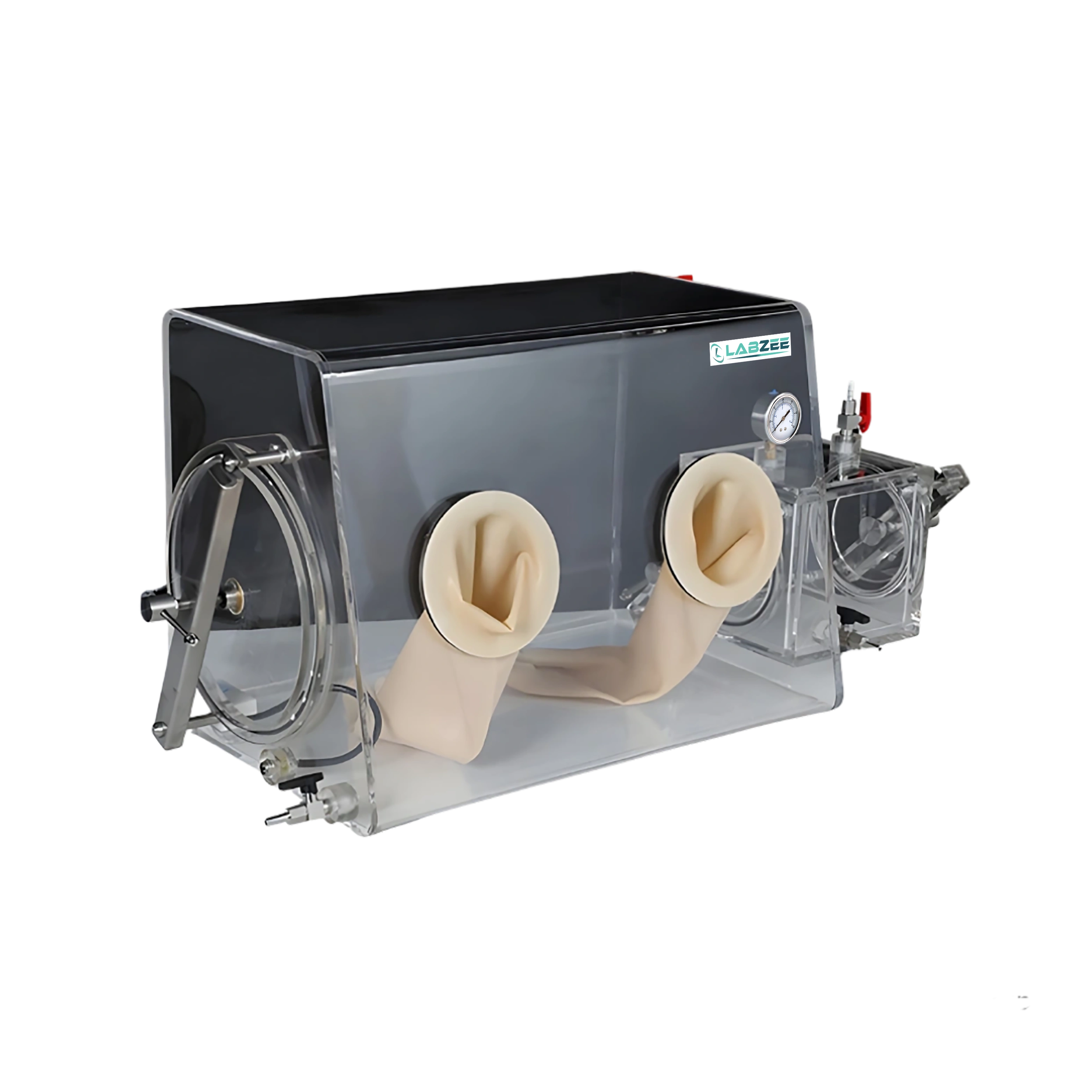
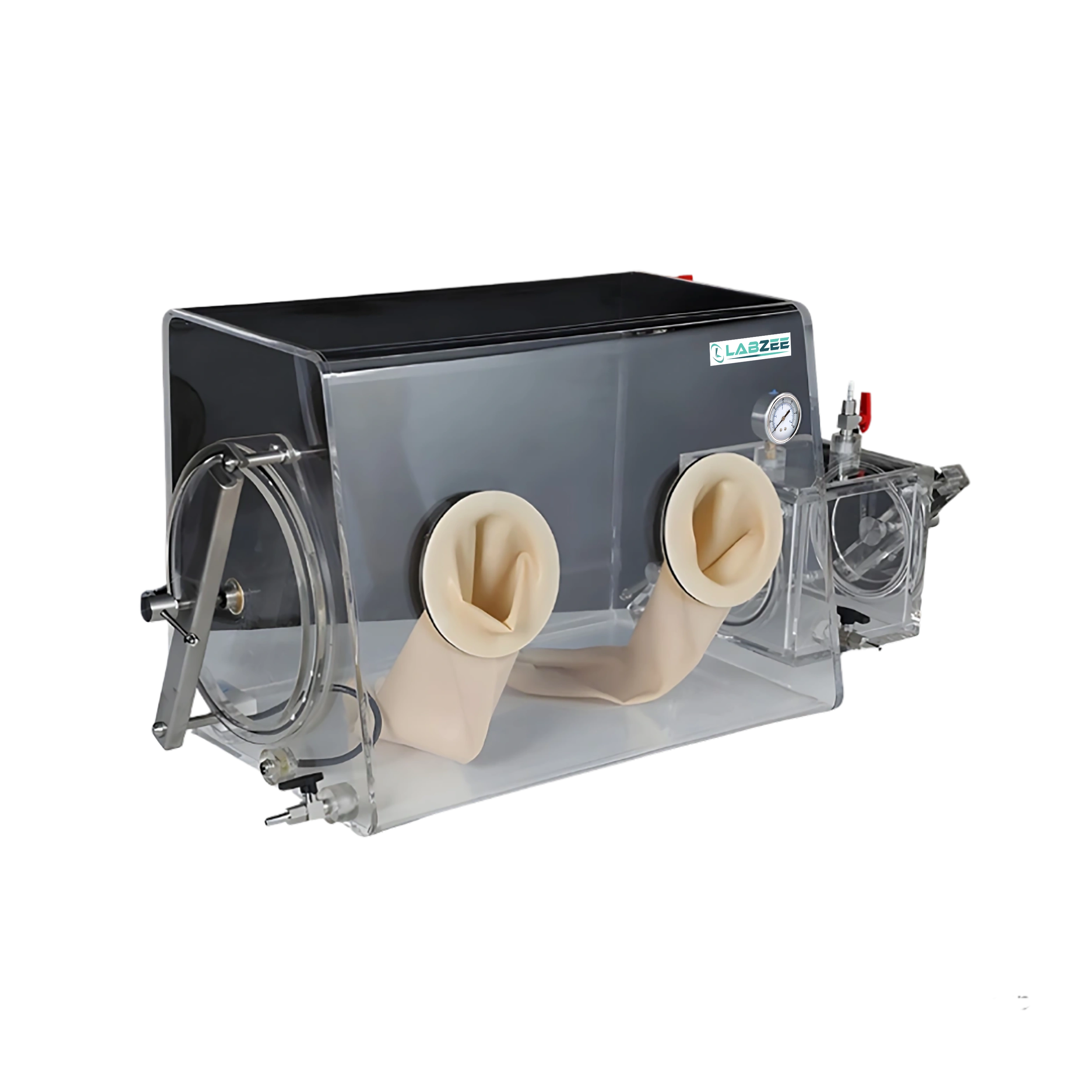
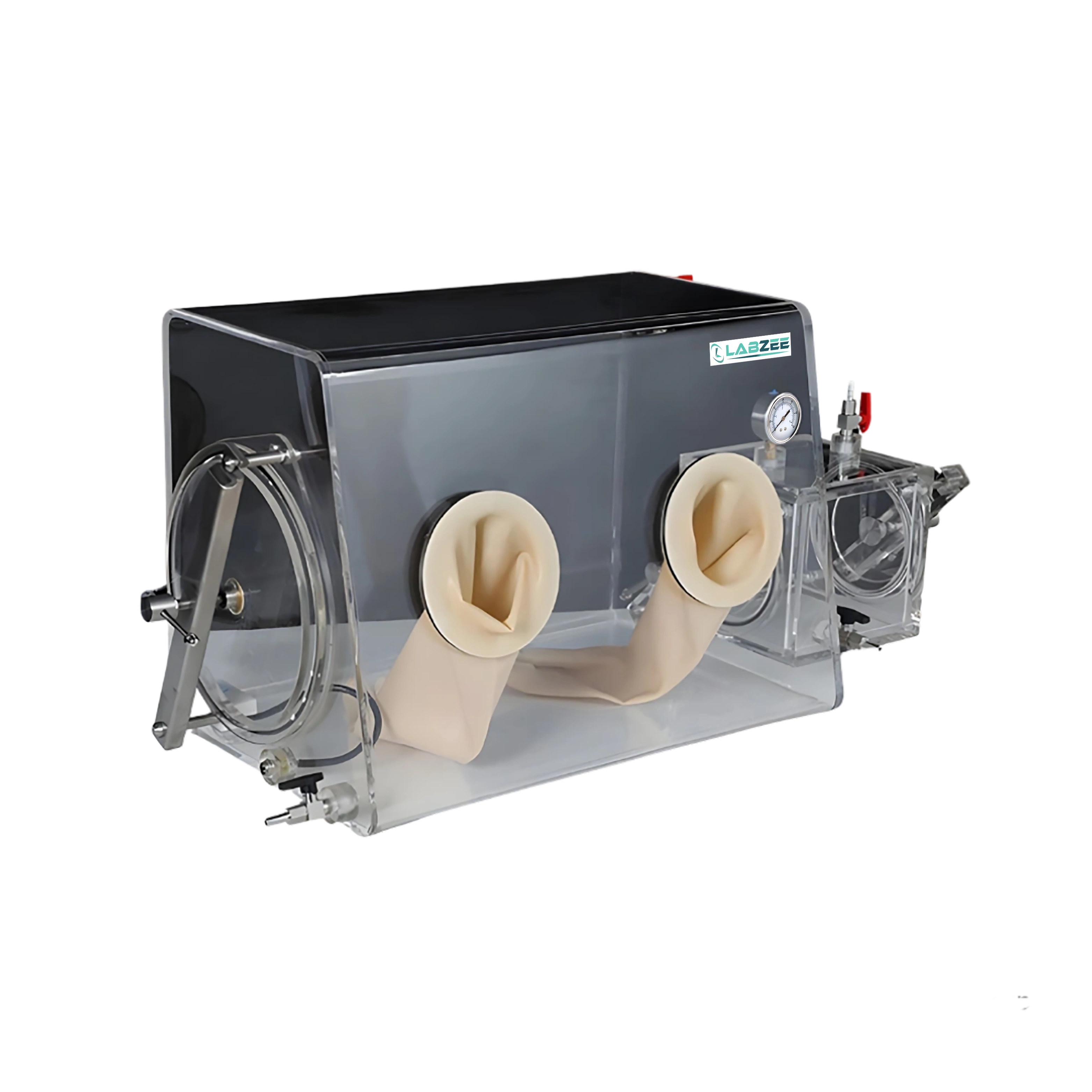
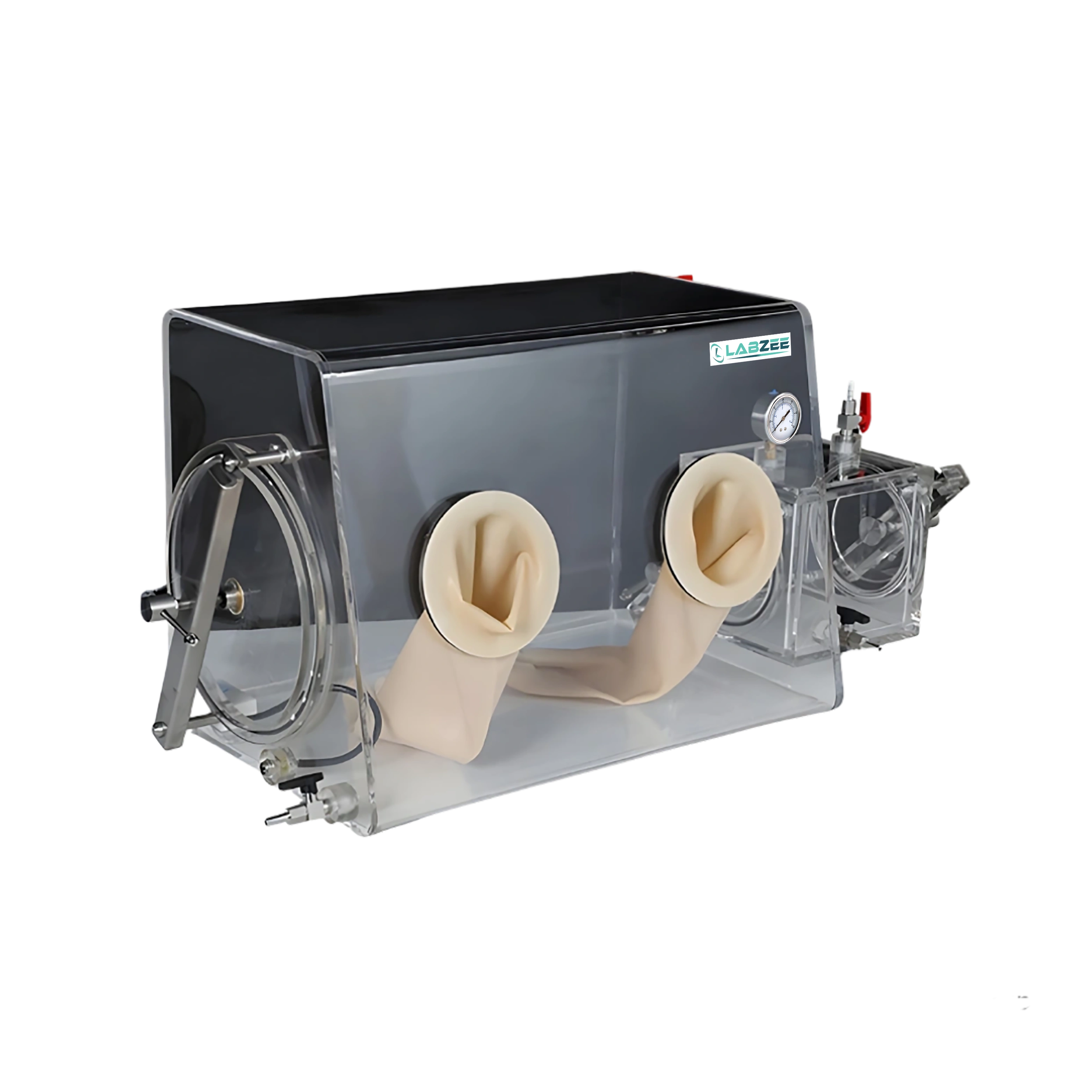
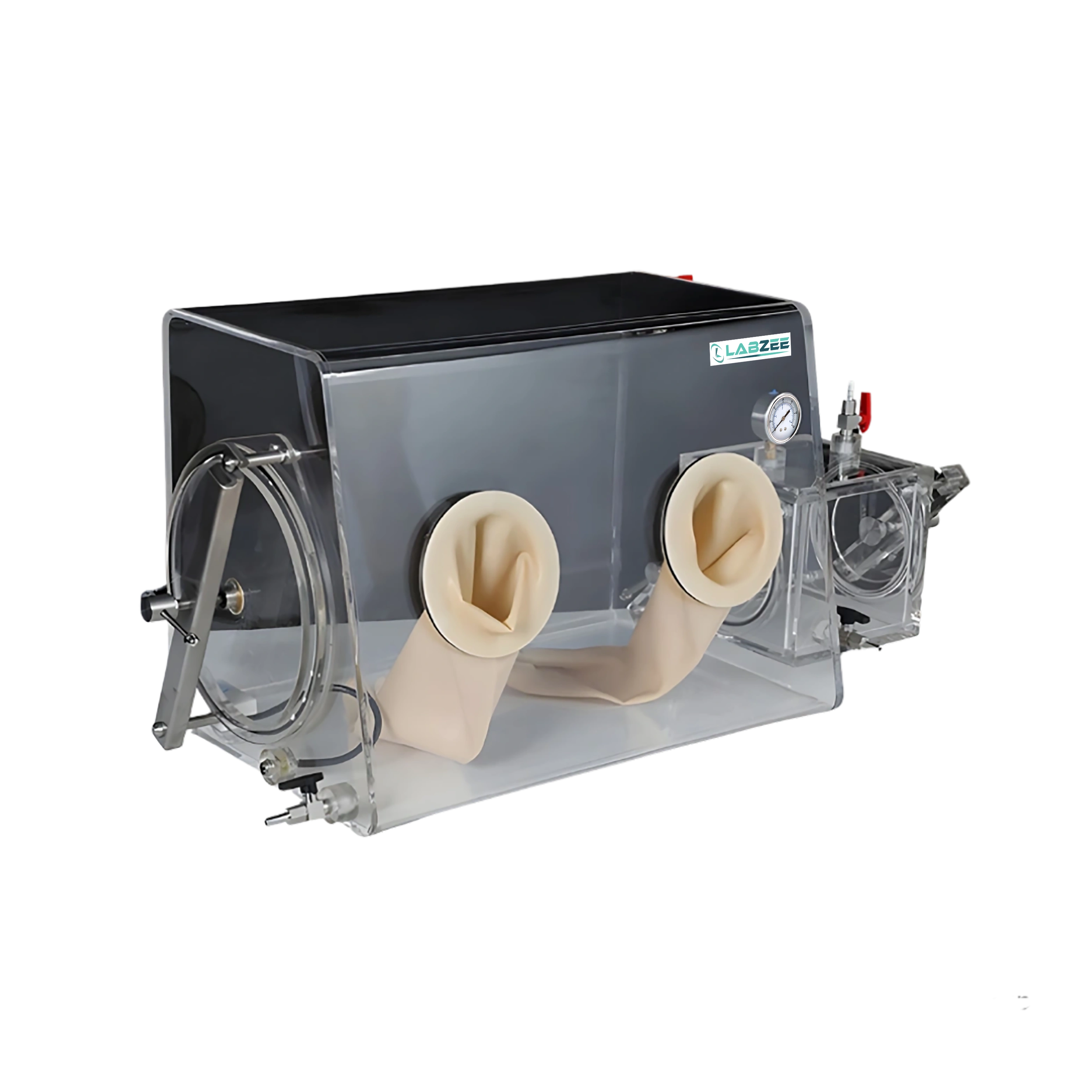
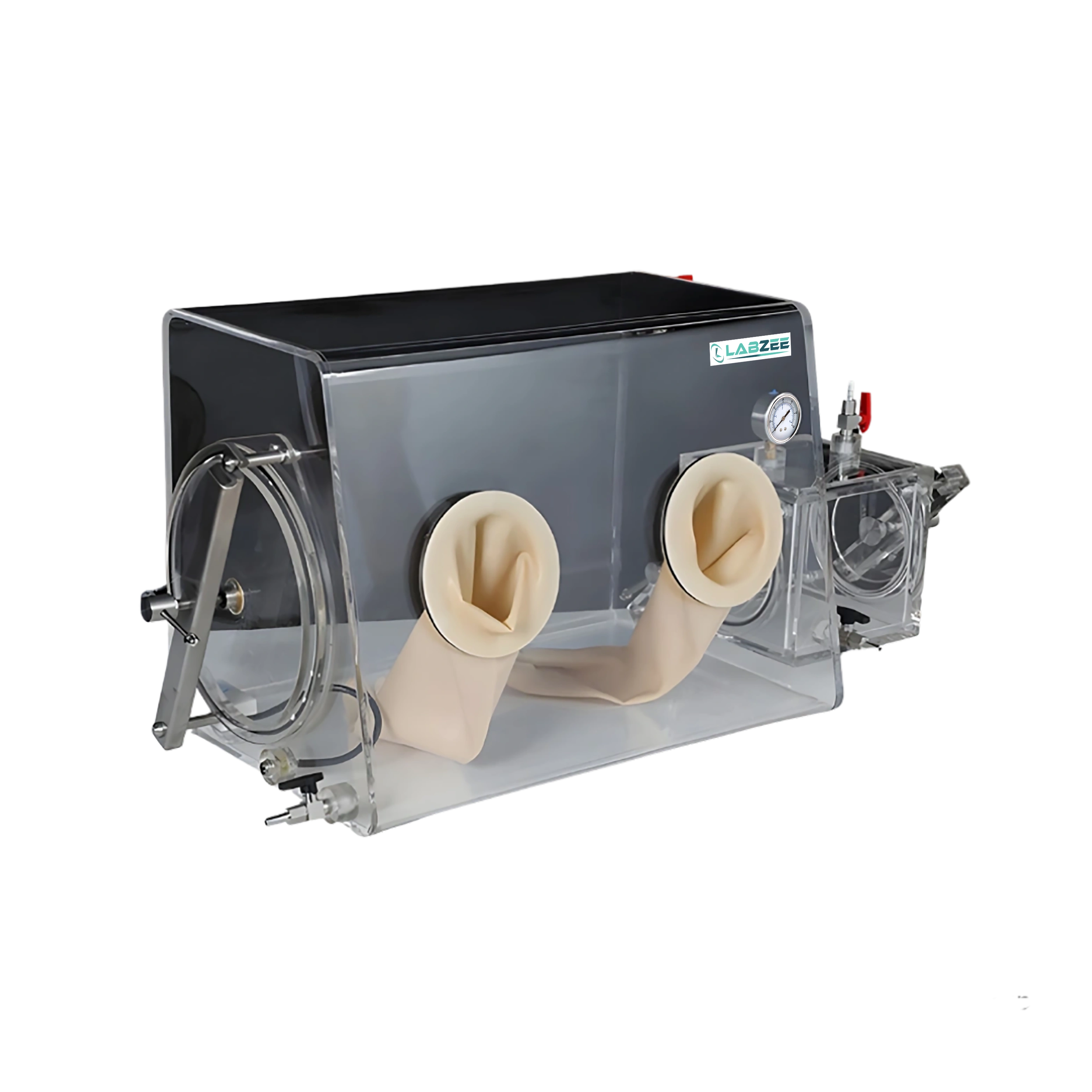
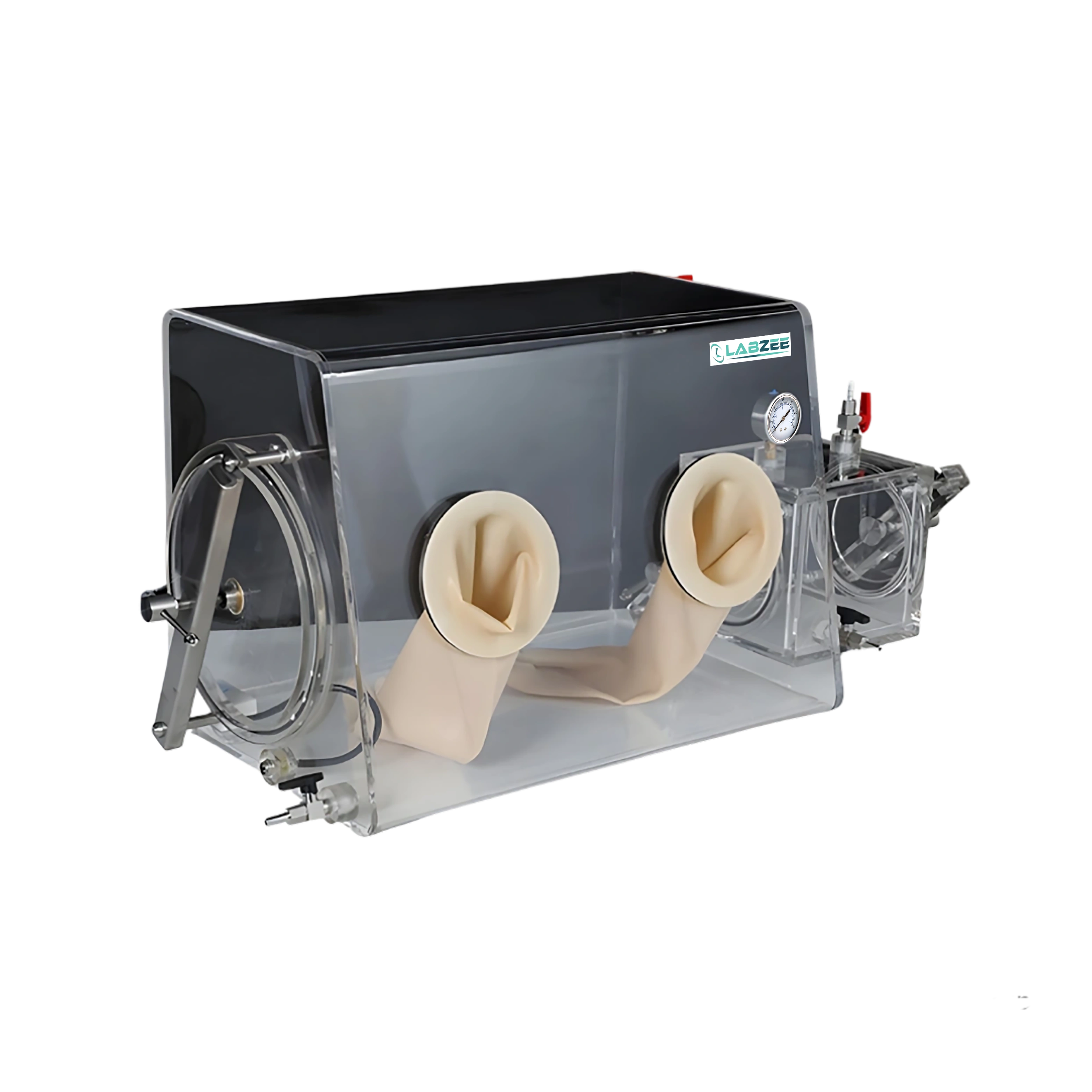
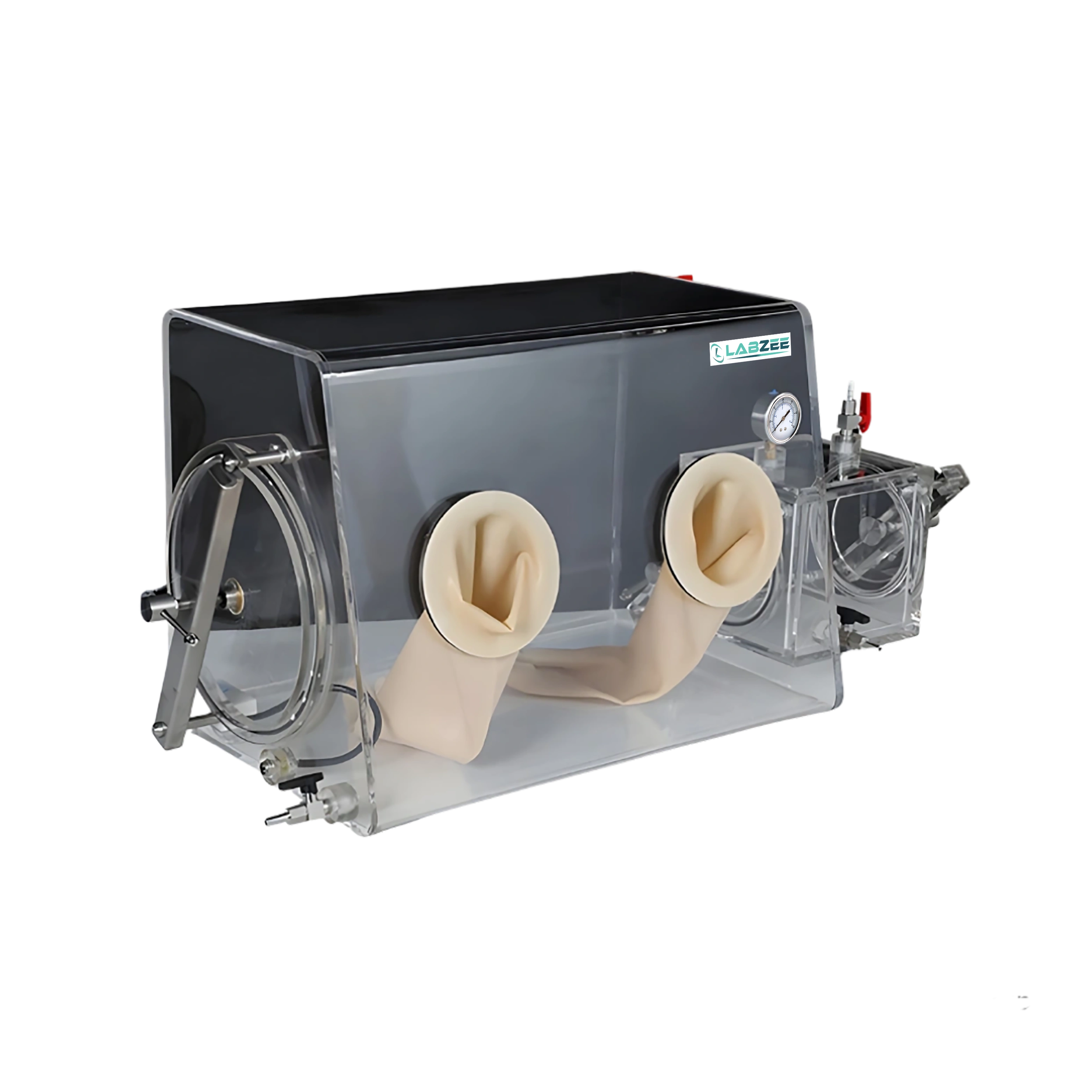
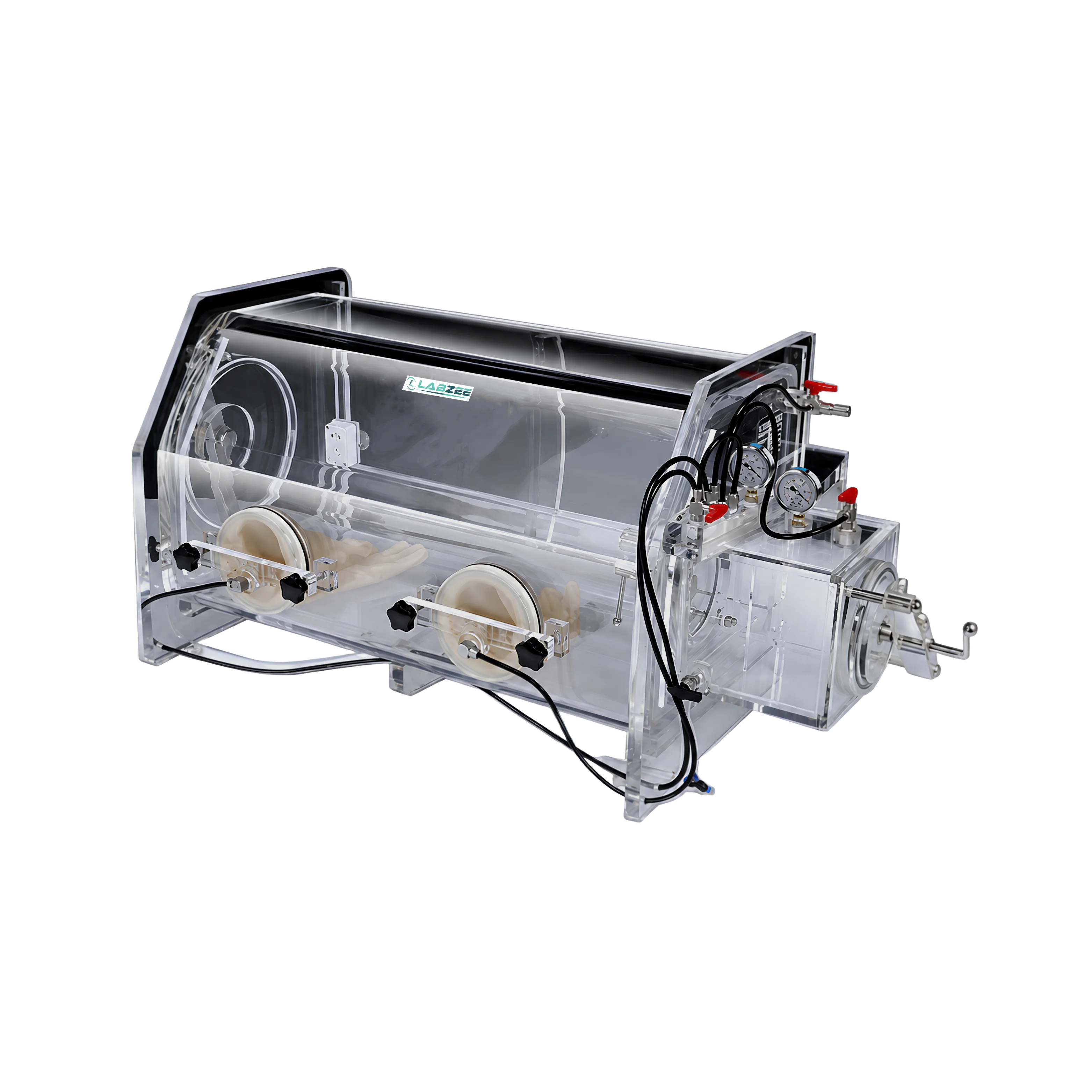
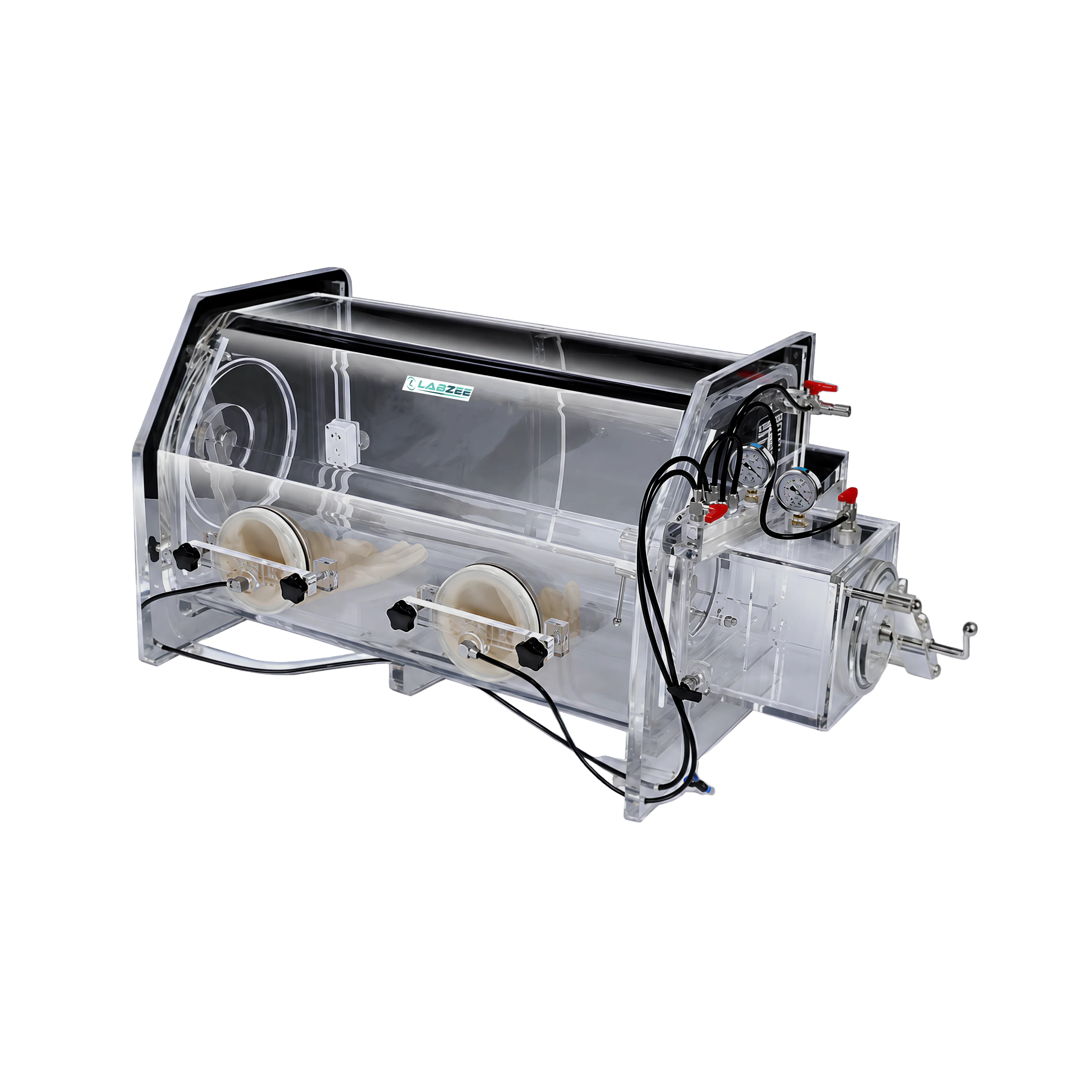
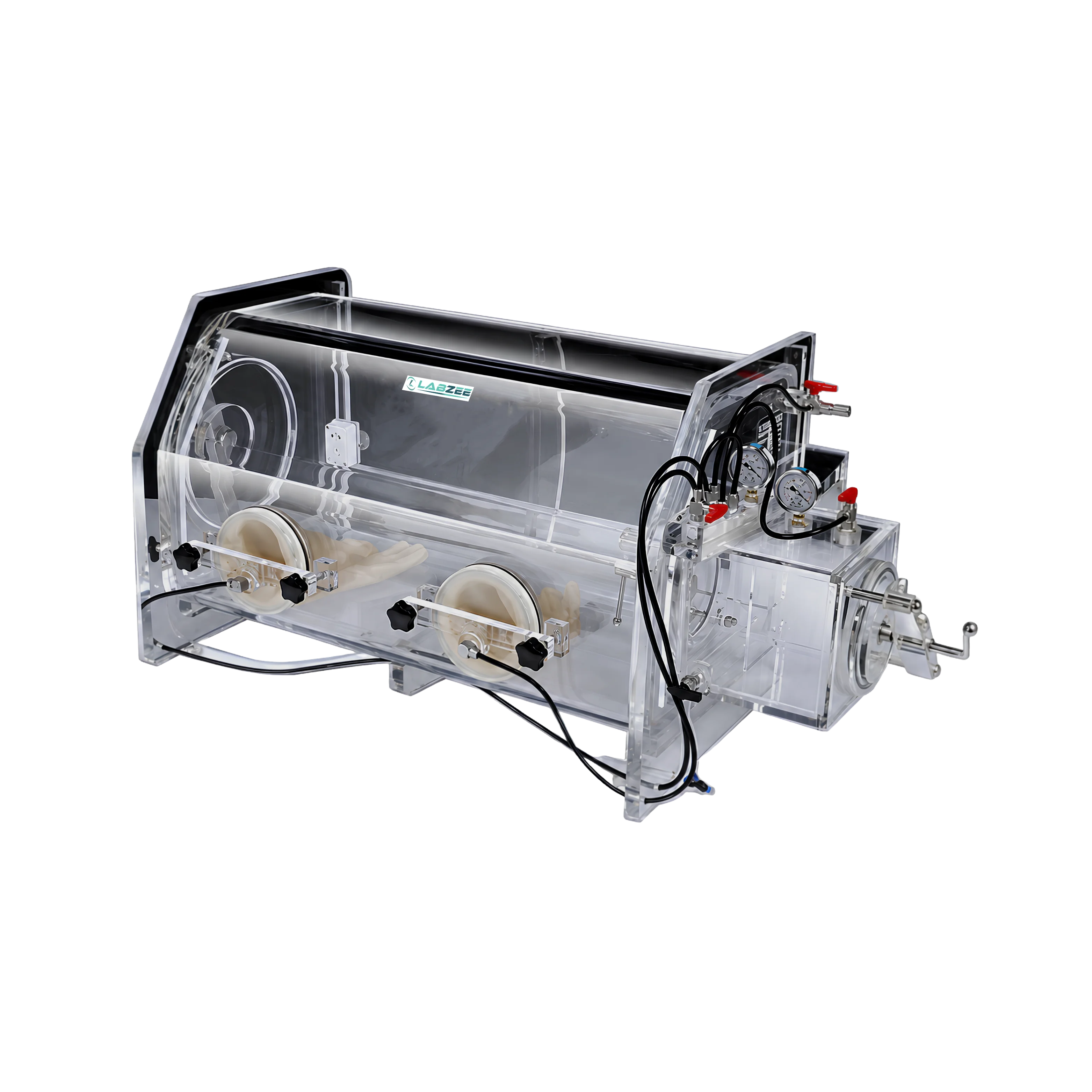
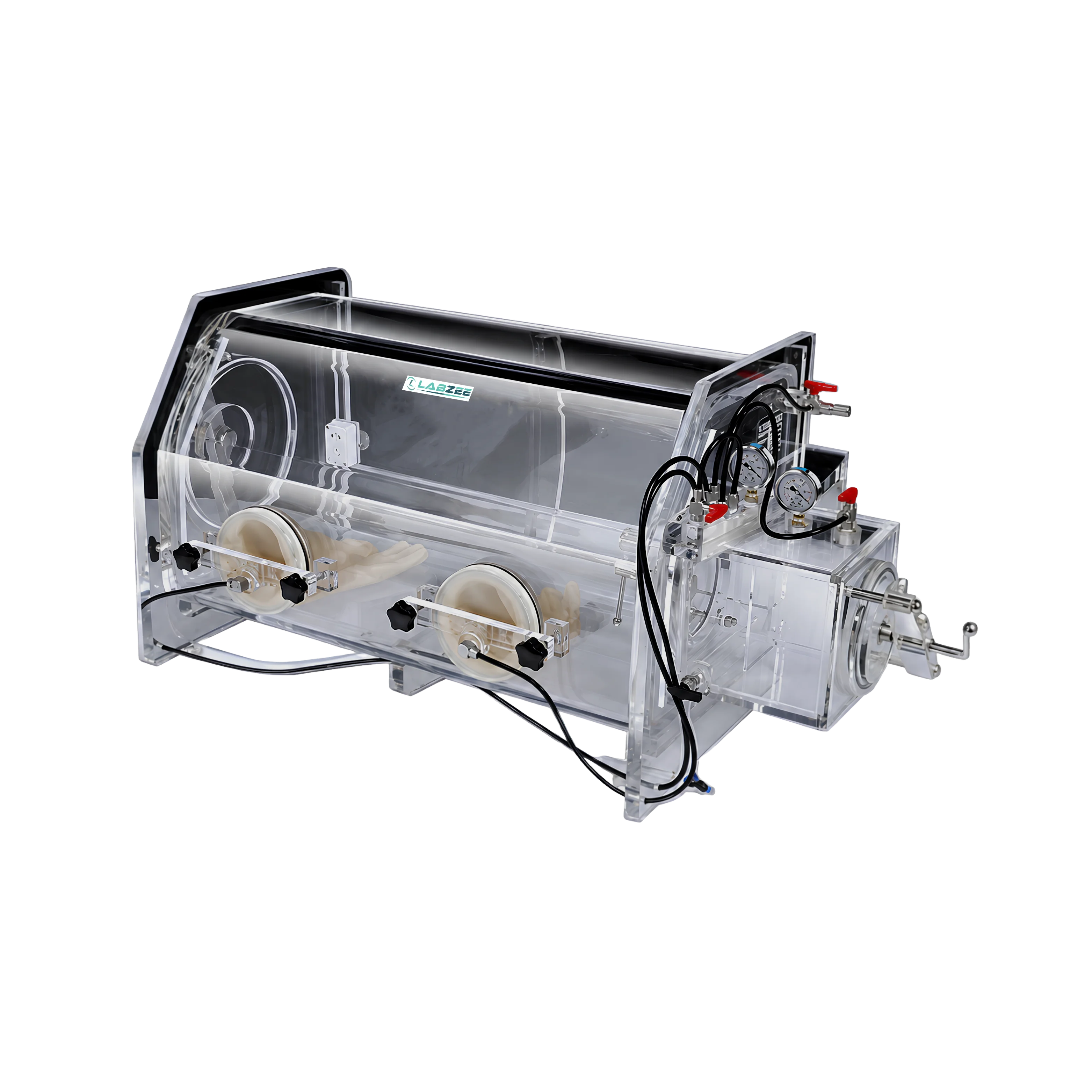
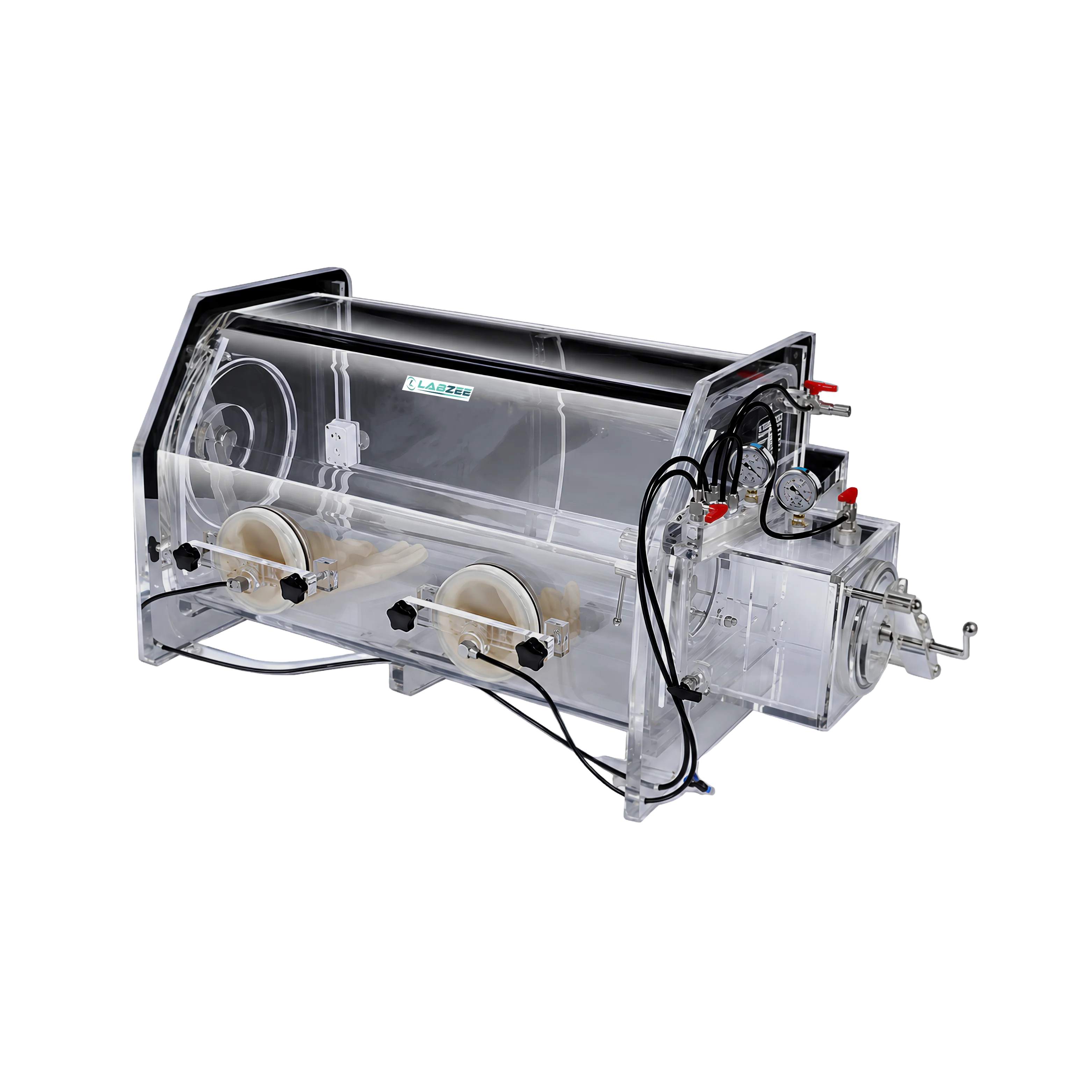
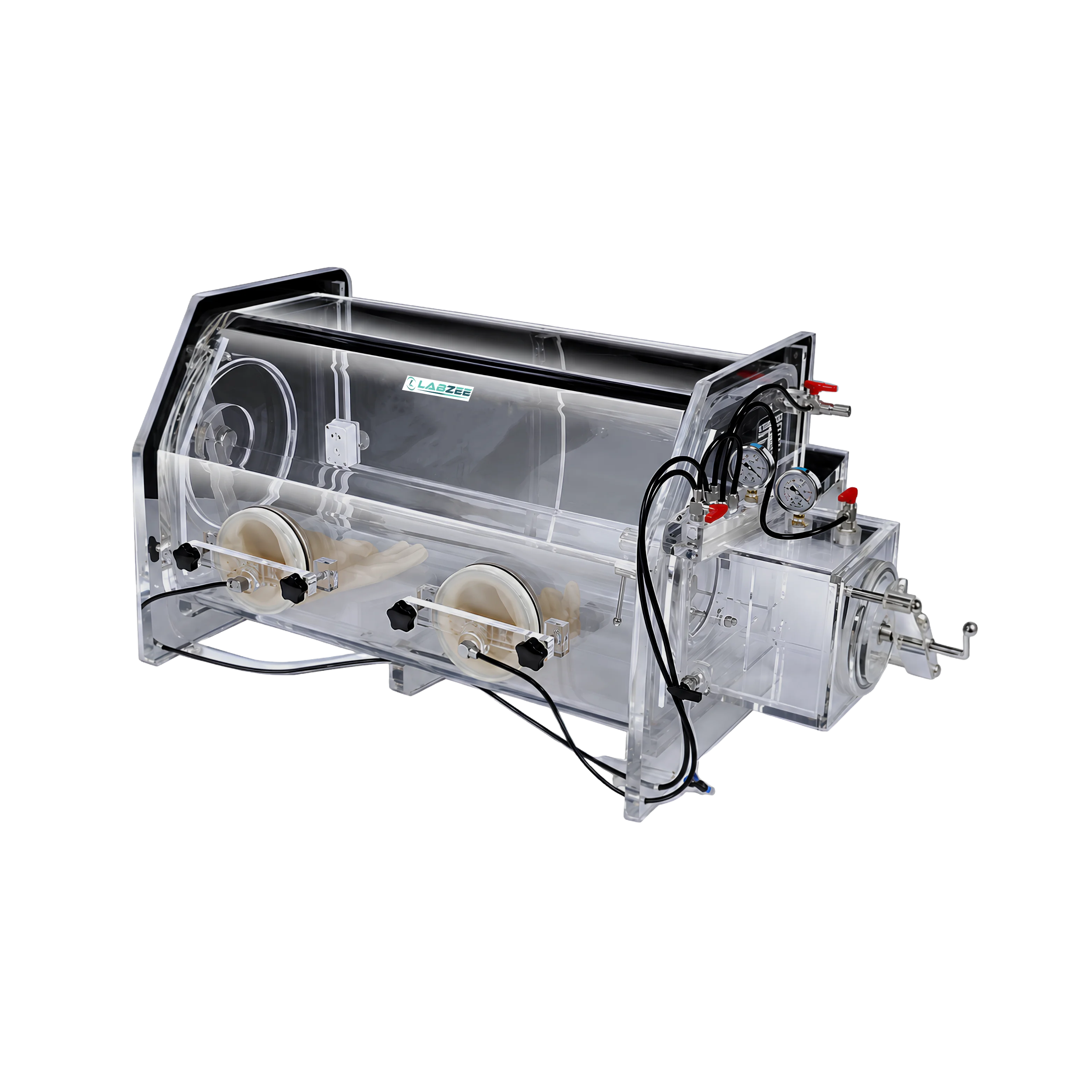
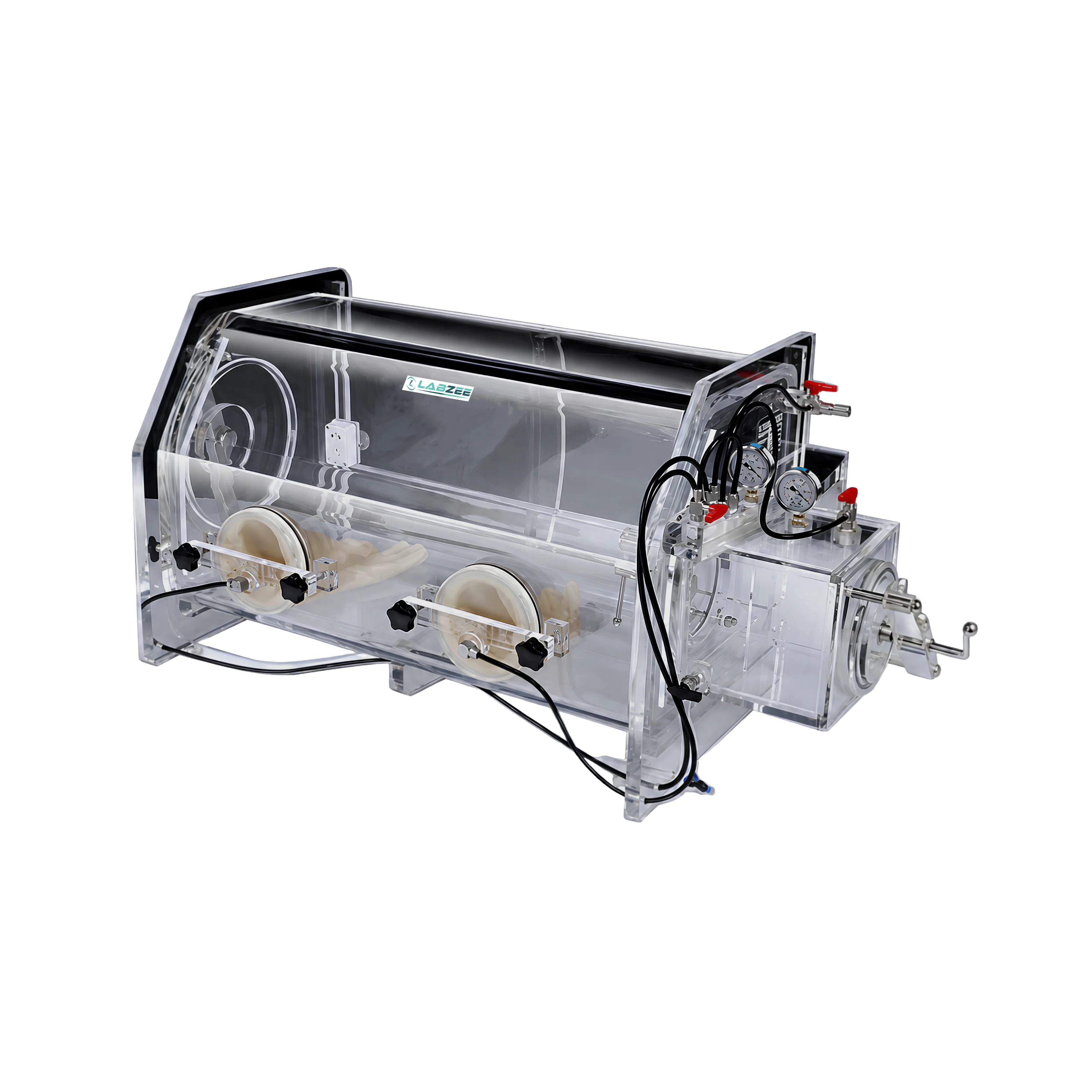
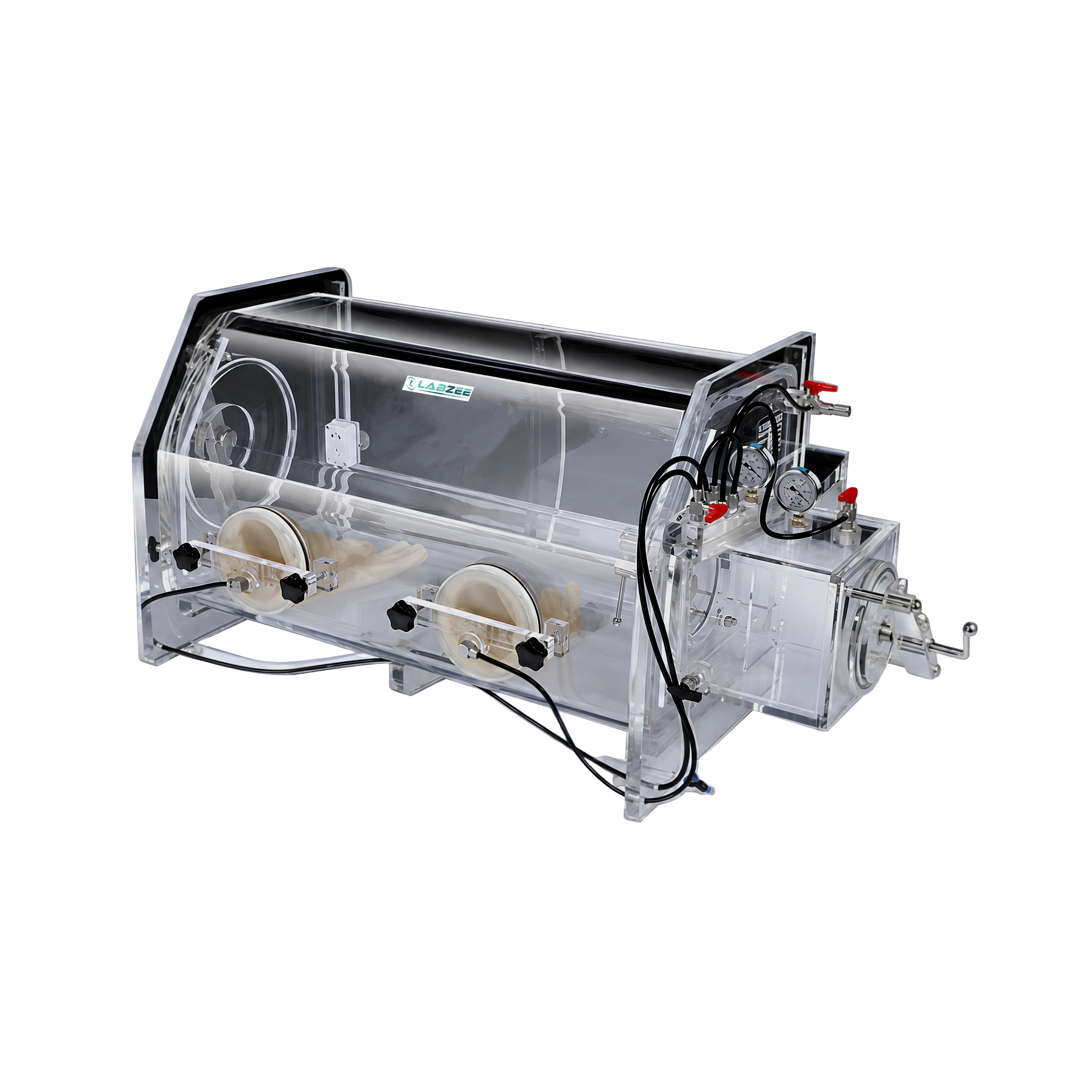
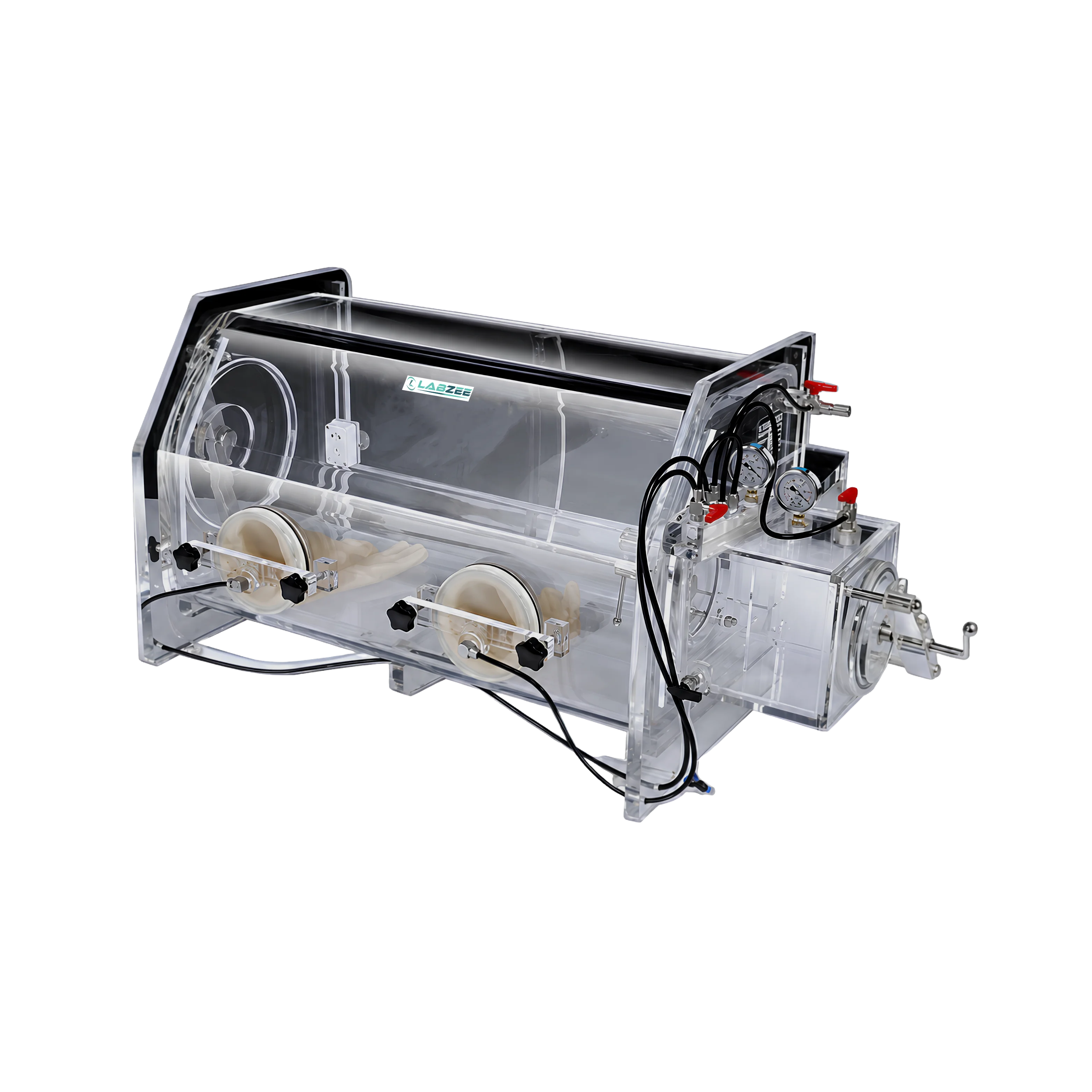
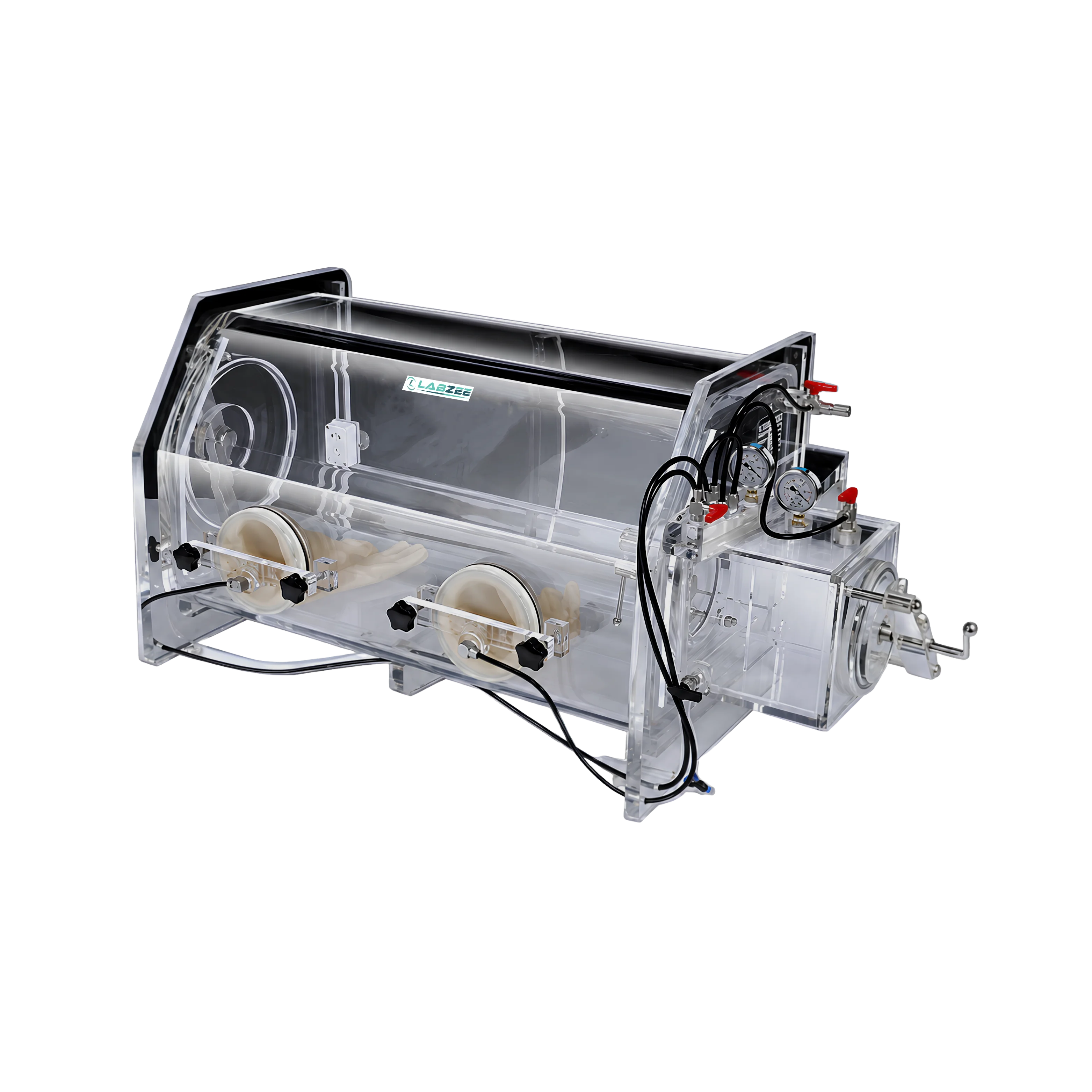
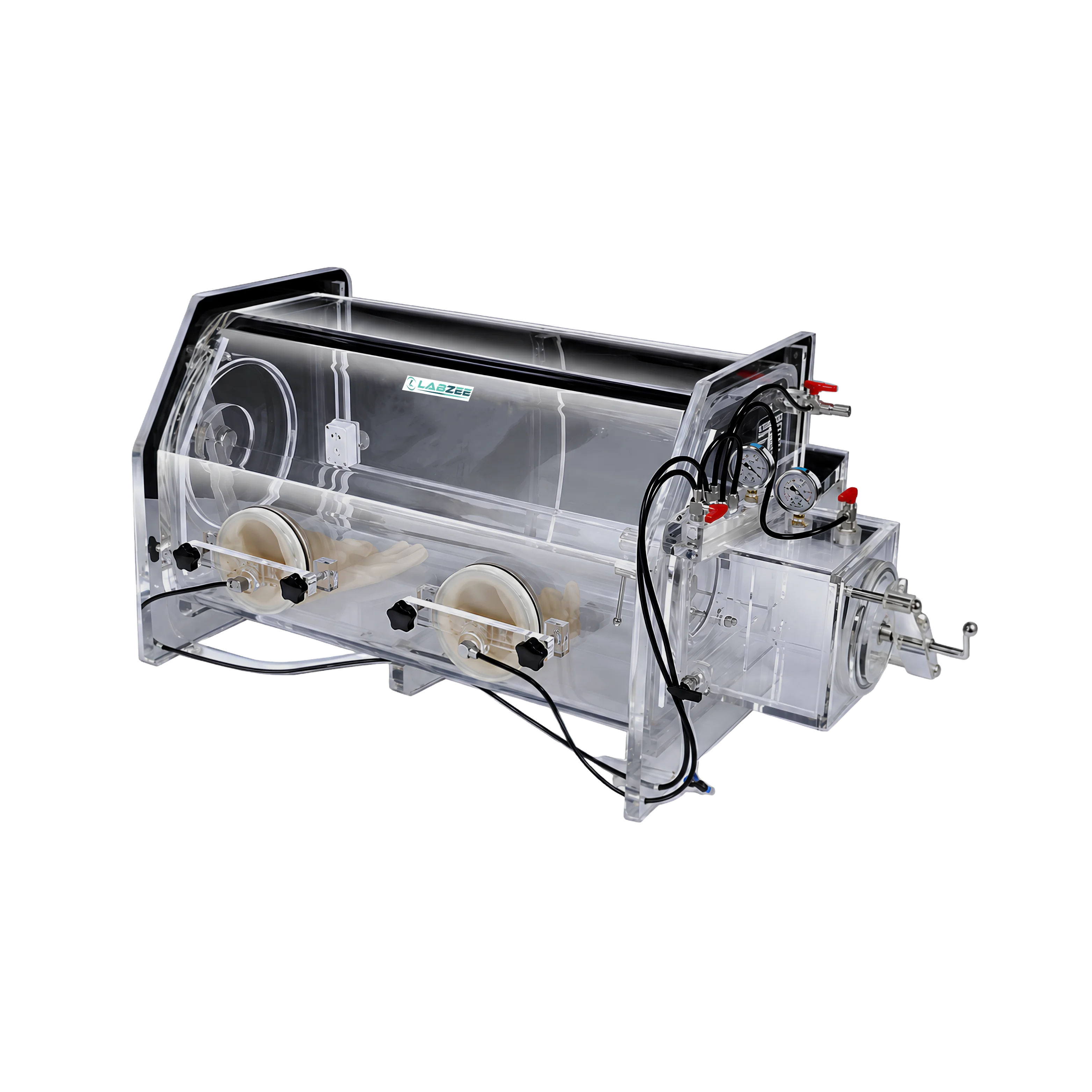
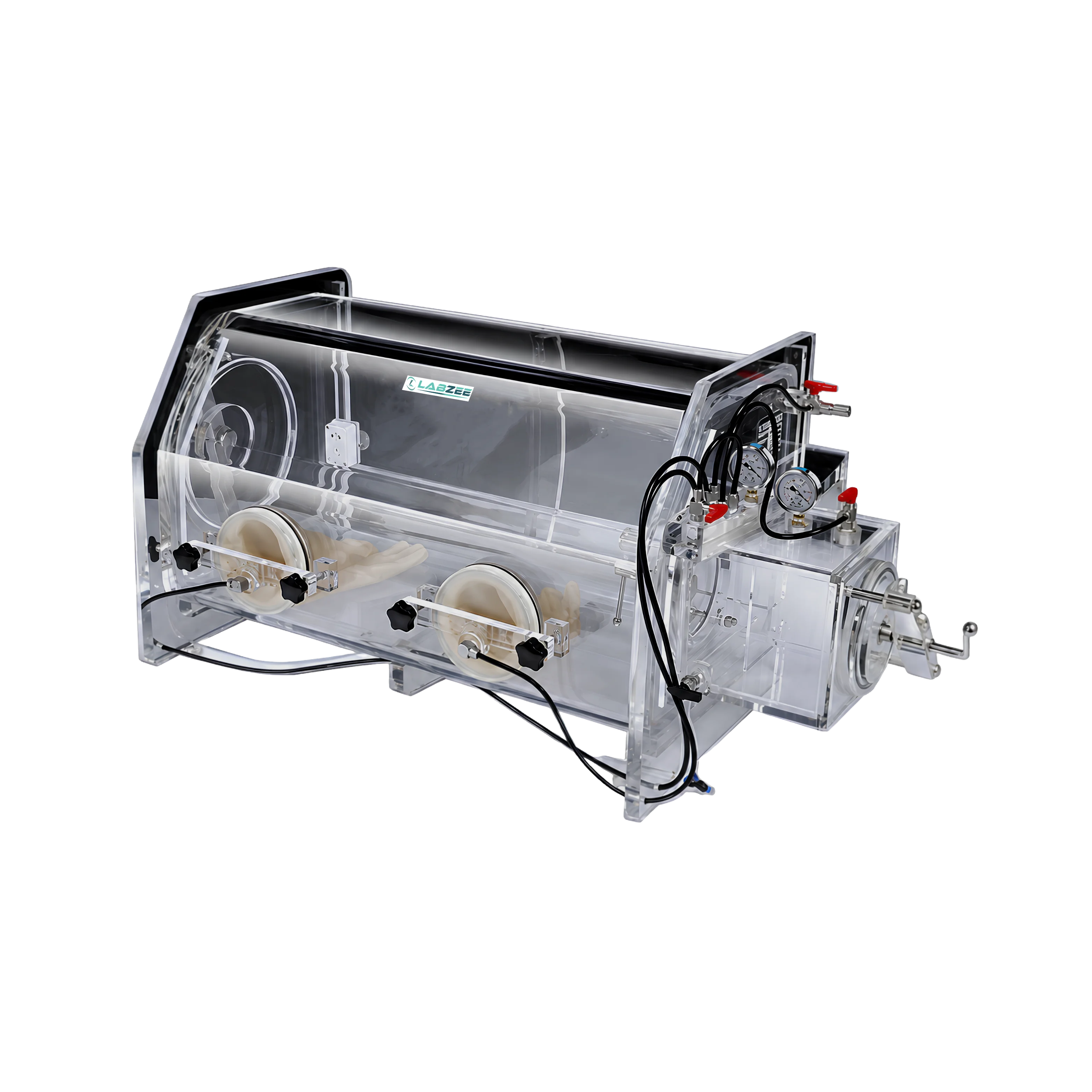
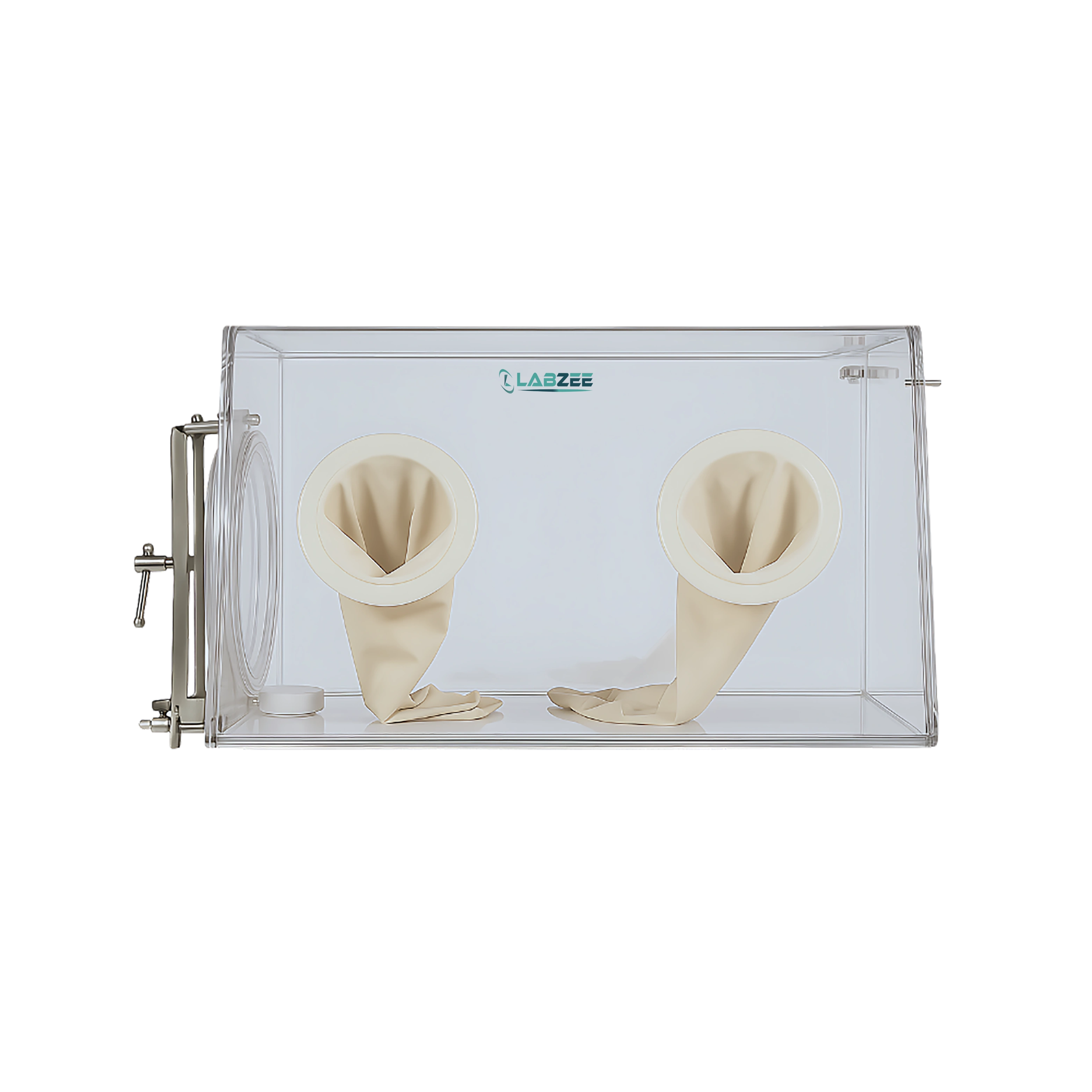
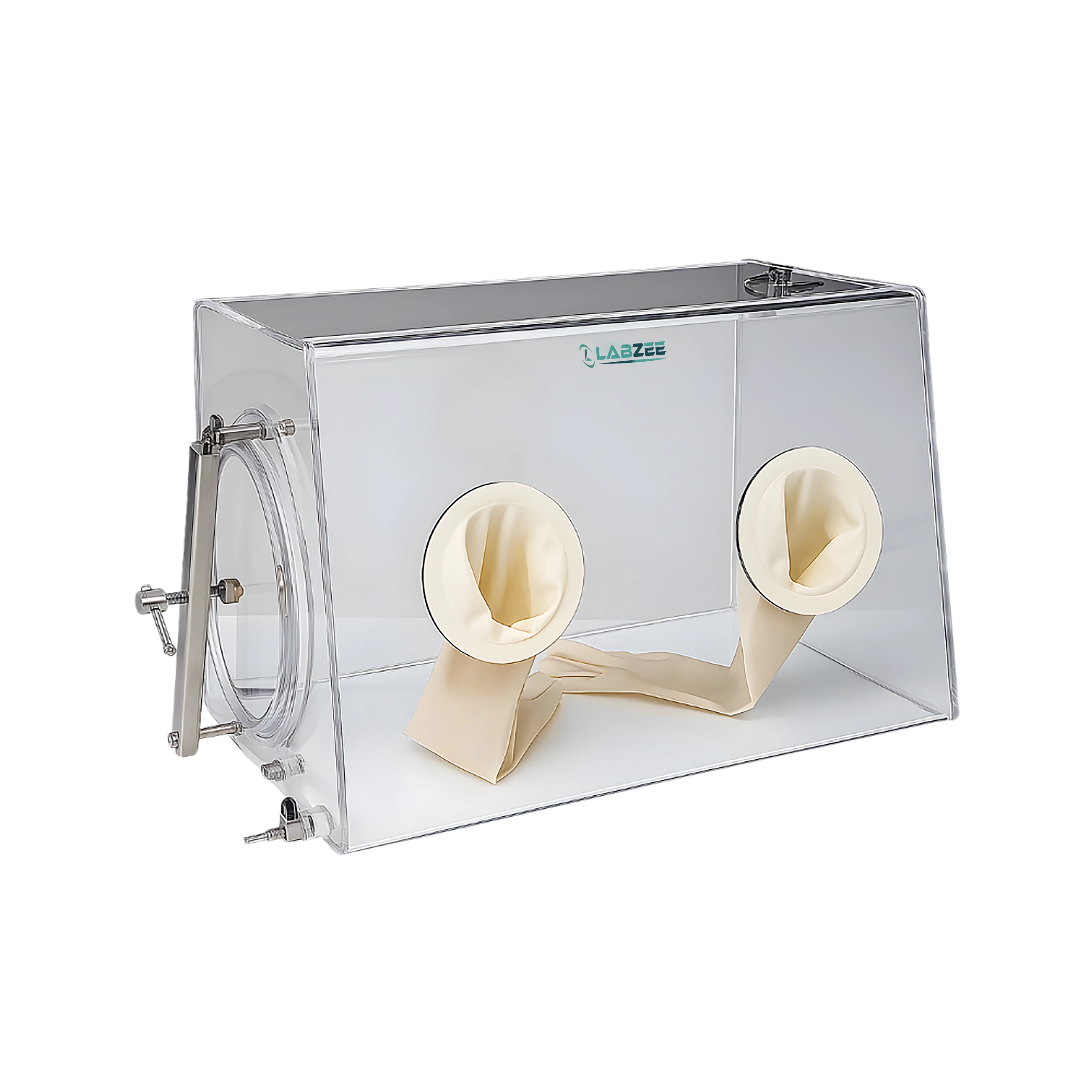
Four Glove Ports: Allows dual-operator workflows for complex procedures.
High-Clarity PMMA Structure: 10 mm thick acrylic body ensures durability, chemical resistance, and transparent visibility.
Seamless Enclosure: Leak-proof sealing maintains controlled conditions for contamination-sensitive procedures.
Contamination-Free Workspace: Provides isolated environment for sensitive material handling.
Round Door: Allows convenient loading and handling of larger samples.
• Pharmaceutical Industry: Used for sterile processes and controlled handling of air‑sensitive compounds.
• Microelectronics Industry: Supports handling of delicate components in isolated, particle‑free conditions.
• Chemical Industry: Suitable for precision processing of reactive substances and hazardous materials.
• Research Laboratories: Applied in high‑precision, contamination‑controlled academic and industrial workflows.
• Educational Labs: Used for safe demonstration of chemical reactions and biological procedures.
Frequently Asked Questions
1: What Safety Benefits Does the Acrylic Glove Box Provide?
The Acrylic Glove Box provides a physical barrier between the user and potentially harmful substances. It protects users from exposure to toxic chemicals, gases, or biological agents. At the same time, it shields samples from contamination. The sealed environment ensures both user safety and experimental integrity. It is an essential safety tool for sensitive work.
2: Is the Acrylic Glove Box Suitable for Educational Use?
Yes, the Acrylic Glove Box is perfect for use in schools and universities. Its transparent design allows students to observe lab activities clearly. Teachers can safely demonstrate chemical reactions or biological procedures. It is easy to set up and use. The glove box enhances learning while maintaining safety during hands-on instruction.
3: Can the Acrylic Glove Box Be Customized?
Yes, the Acrylic Glove Box can be customized based on lab requirements. Users can request different dimensions, glove types, extra ports, or unique gas inlet configurations. Customization enhances flexibility for research-specific tasks. It ensures that the glove box suits your exact needs. Manufacturers typically support a range of modifications.
4: What Types of Experiments Can Be Done in the Acrylic Glove Box?
The Acrylic Glove Box is versatile and supports a wide range of experiments. It is ideal for working with air-sensitive or moisture-sensitive materials. It’s commonly used in chemistry, biology, electronics, and materials science. Tasks like sample preservation, culture work, or soldering can be done easily. Its sealed environment makes it suitable for many applications.
5: What Gases Can Be Used Inside the Acrylic Glove Box?
Inert gases like nitrogen, argon, or helium are typically used in the Acrylic Glove Box. These gases help maintain a dry and oxygen-free internal environment. They are ideal for air-sensitive procedures and material storage. The stainless steel valves ensure safe gas exchange. Always follow appropriate gas handling and safety guidelines.
6: What Is an Acrylic Glove Box Used For?
An Acrylic Glove Box is used to create a sealed and controlled environment for conducting experiments. It helps isolate materials from air, moisture, dust, and contaminants. This makes it suitable for chemical, biological, or electronic research. Users can manipulate objects inside safely through attached gloves. It’s essential for clean and precise lab work.
7: What Materials Are Used in This Acrylic Glove Box?
The Acrylic Glove Box is made of clear, durable acrylic panels, providing high visibility and structural strength. It features latex gloves for hand access, which are soft and flexible. Gas inlet and outlet valves are made of stainless steel, offering durability and corrosion resistance. All materials are chosen for lab safety and reliability.
8: Is the Acrylic Glove Box Airtight?
Yes, the Acrylic Glove Box is designed to be airtight. The front door uses a sealing gasket and latches to prevent any air exchange with the outside. This ensures a stable atmosphere inside, which is crucial for sensitive tasks. Airtightness also protects both users and contents from contamination. It maintains the integrity of experiments.
9: How Do You Introduce Gas Into the Acrylic Glove Box?
Gas is introduced through the stainless steel inlet and outlet valves built into the Acrylic Glove Box. These valves allow you to purge the interior with inert gases like nitrogen or argon. This helps in creating a dry and oxygen-free environment. The process is straightforward and supports many types of scientific experiments. Pressure can be controlled safely.
10: Can the Acrylic Glove Box Be Used for UV Experiments?
Yes, the Acrylic Glove Box can support UV-based experiments. Its clear acrylic body allows limited UV transmission, which is useful for sterilization or polymer curing. However, compatibility depends on the wavelength of UV light used. It’s ideal for microbiology work or UV testing when used properly. Always follow safety guidelines when using UV light.
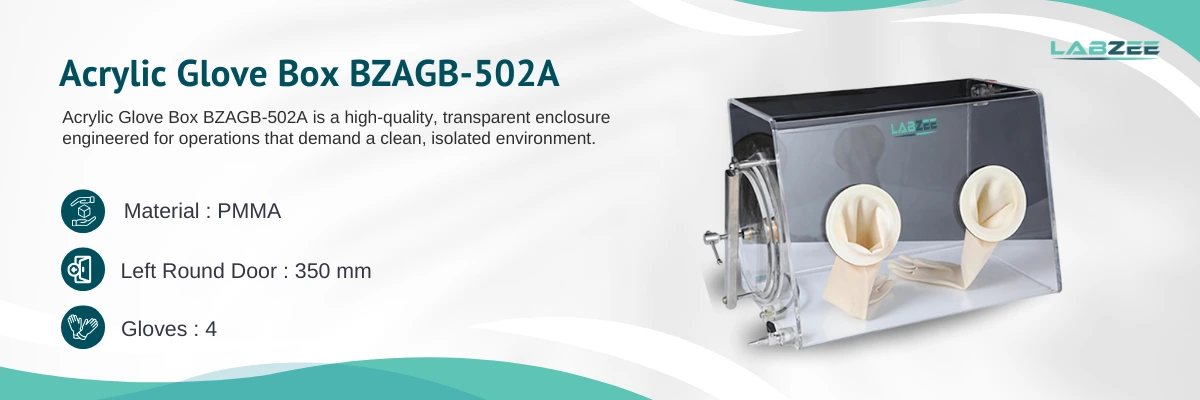

Labzee Acrylic Glove Box delivers contamination-free handling of moisture- and oxygen-sensitive materials with high precision. Built with high-clarity, chemical-resistant acrylic, it ensures clear visibility and a secure, sealed workspace. It supports controlled operations through glove ports and transfer systems. Each unit includes secure glove ports, high-performance airlocks, and optional gas purge functionality to maintain stable internal conditions. Multiple PMMA thickness options ensure durability and consistent performance in sensitive material handling tasks. ISO and CE certified, Labzee Acrylic Glove Boxes are designed to deliver superior performance, enhanced safety, and uncompromising consistency in critical laboratory operations.