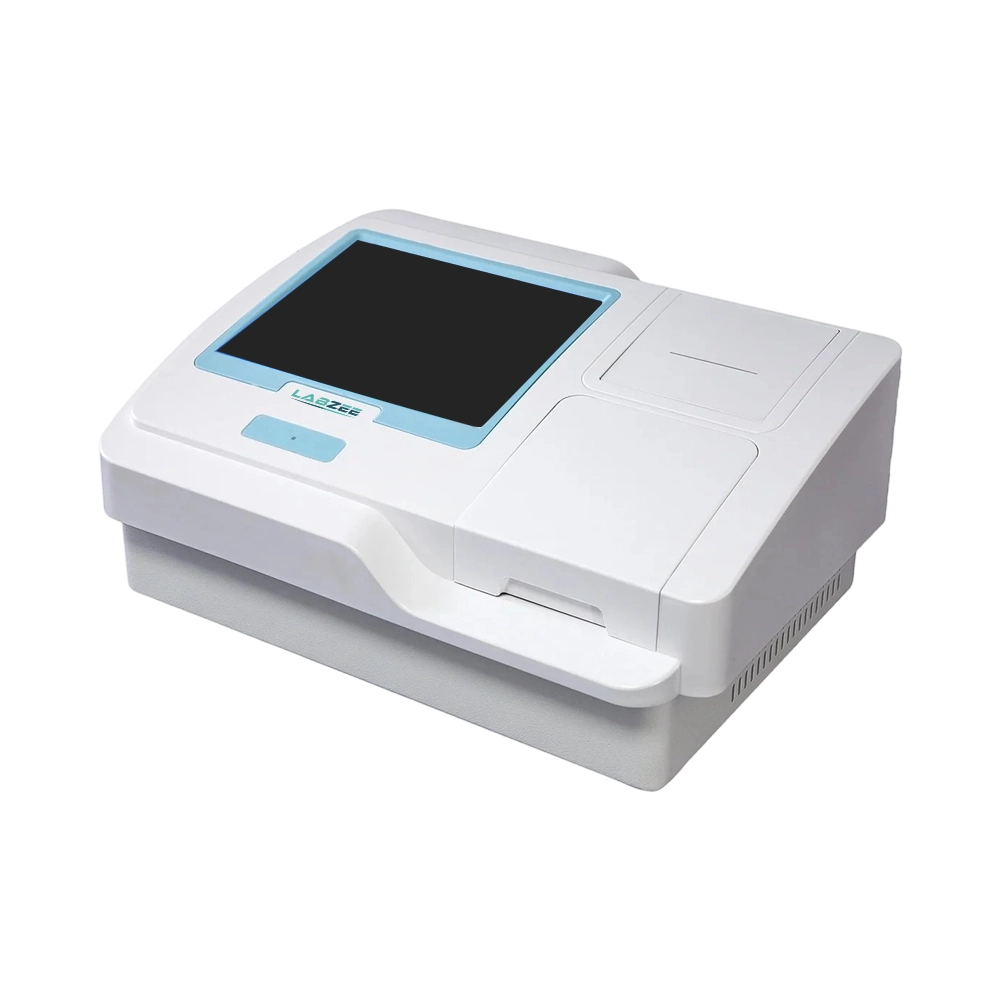
$ 3100
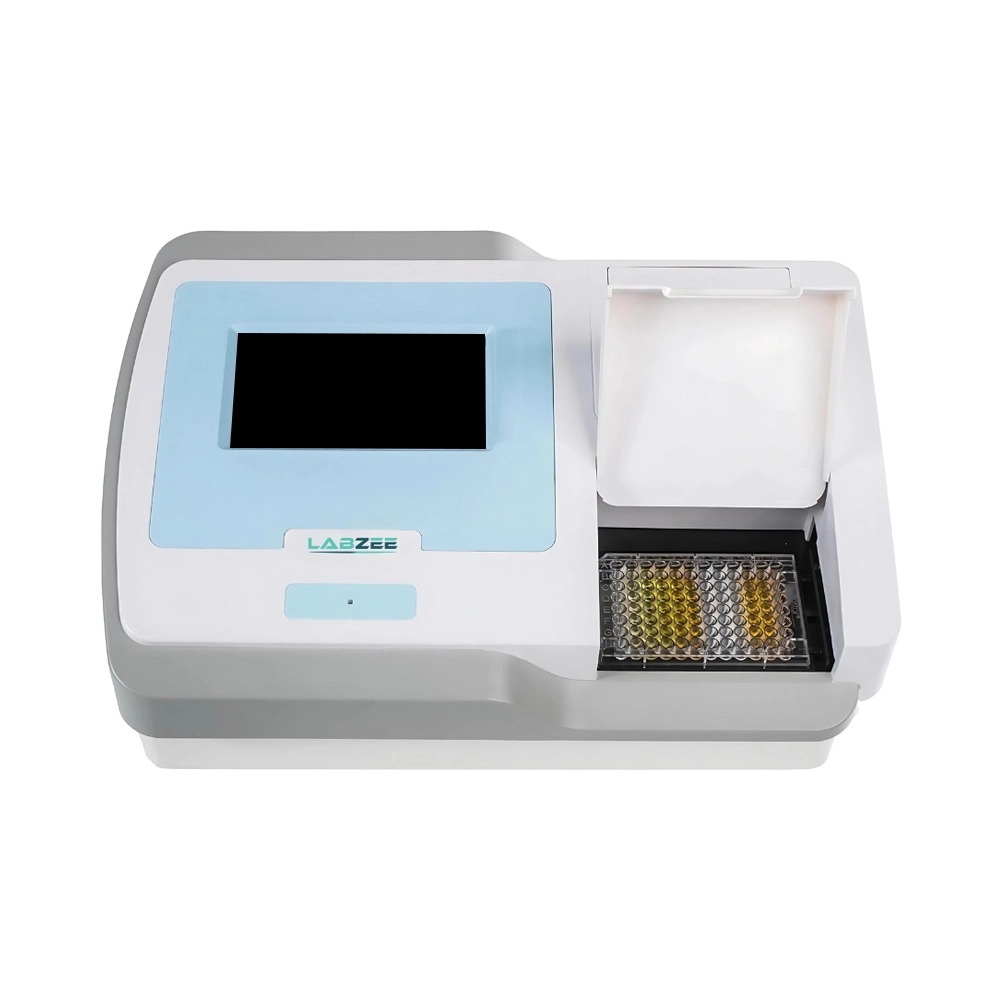
| Microplate Types | 96/ 48-well plate |
| Photodetector | Silicon photodiode |
| Light Source | LED Light |
| Wavelength Range | 400 nm to 800 nm standard |
| Standard Filters | 405, 450, 492, 630 nm and 4 optional |
| Reading Range | 0.000 to 4.000 A |
| Resolution | 0.001 A |
| Accuracy | ± 0.008 A |
| Reproducibility | ≤ 0.2% |
| Stability | ± 0.003 A |
| Reading Speed | Single wavelength ≤ 3s ; Double wavelength ≤ 6s |
| Shaking | Linear shaking, 3 speeds |
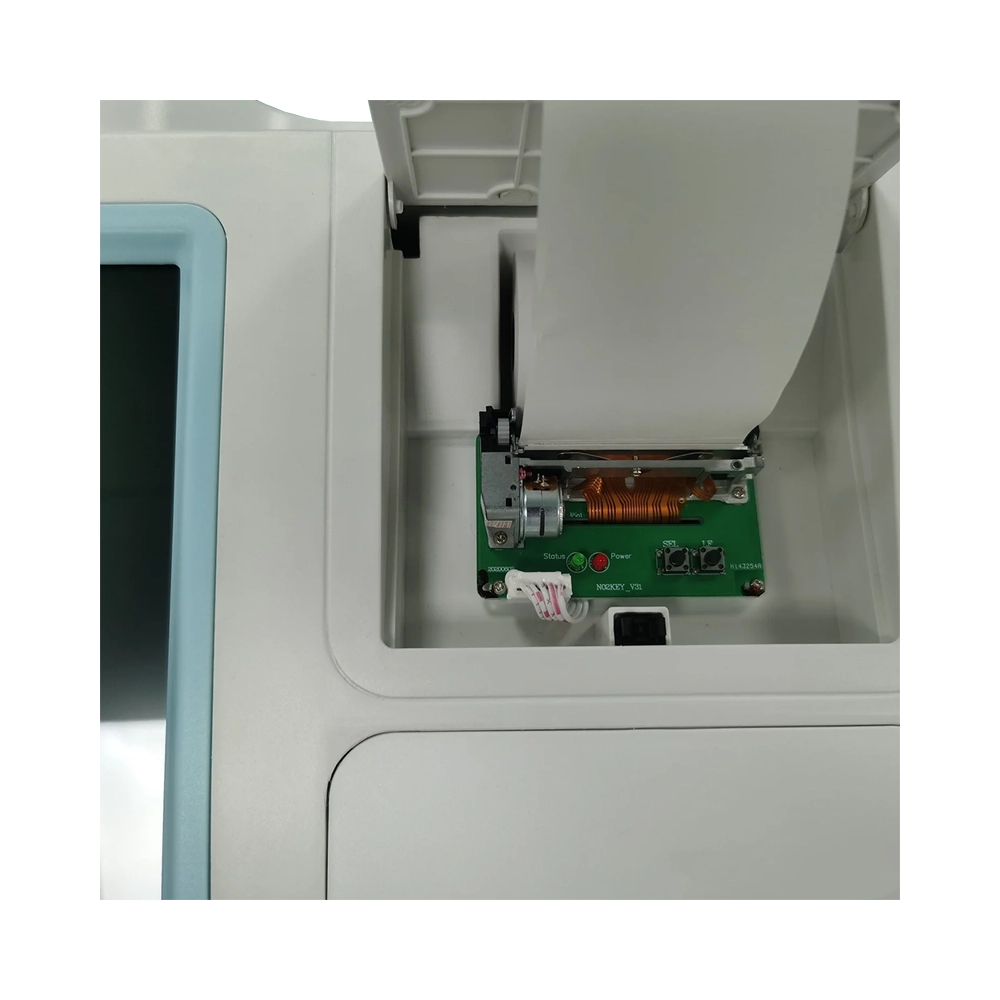
| Printer | Built-in Thermal printer, optional external printer |
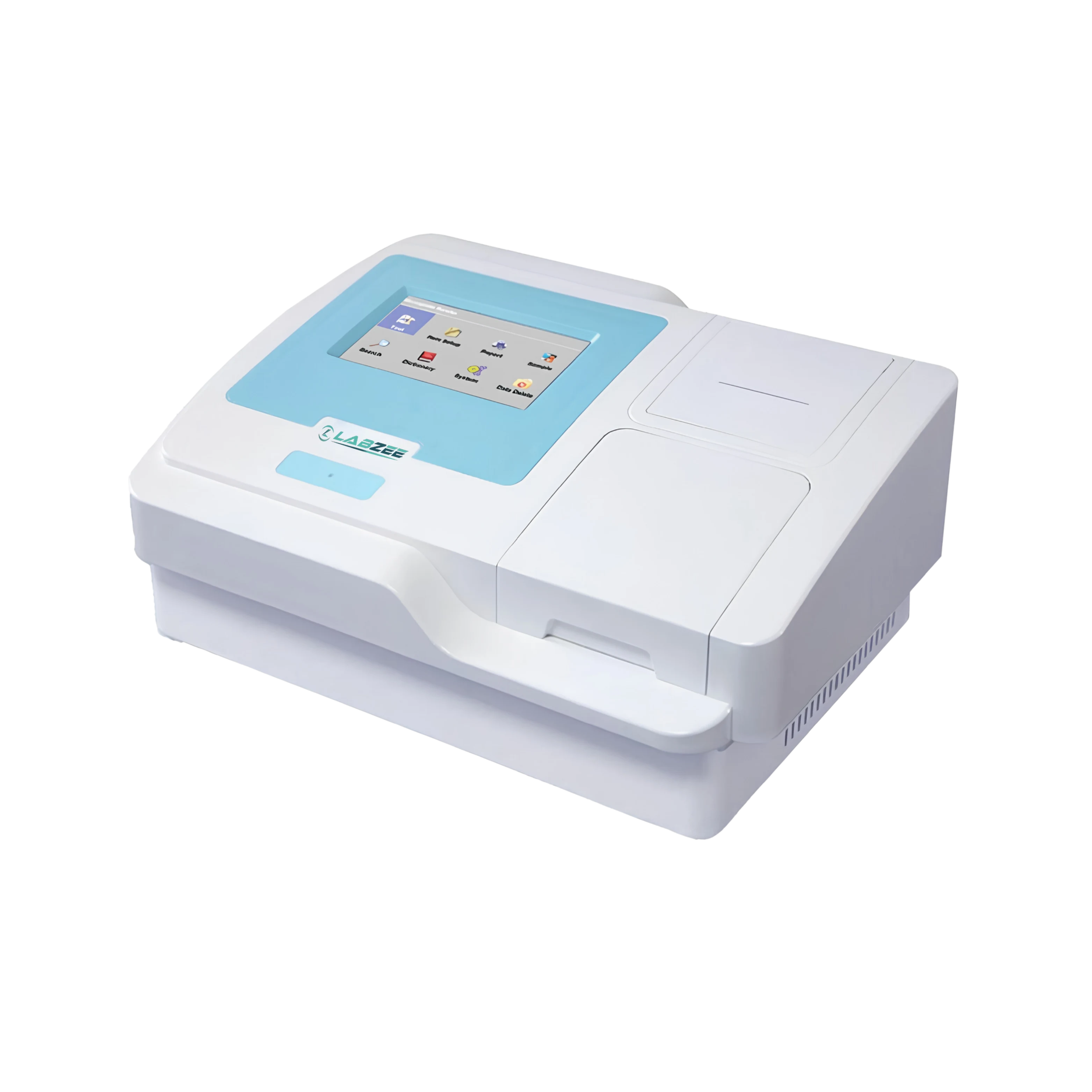
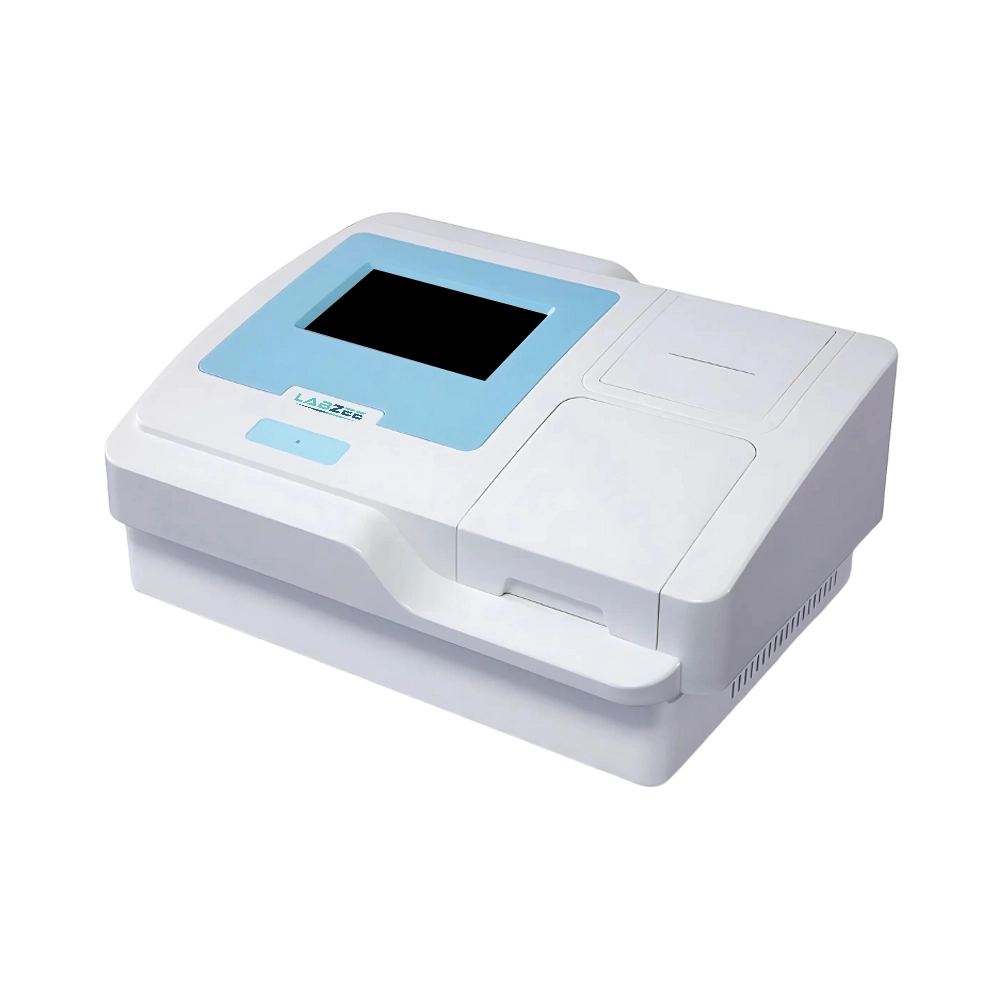
| Display | 10.4 inch Color LED |
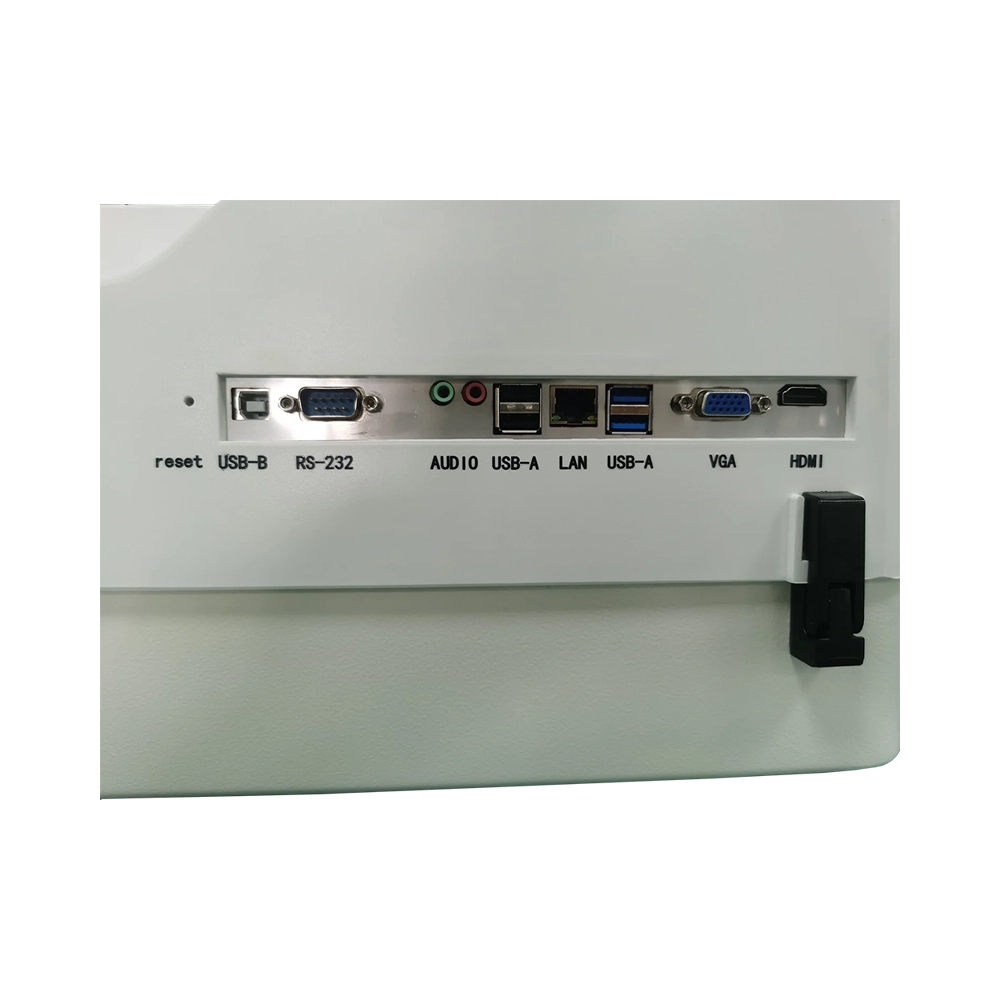
| Interface Connections | DVI, VGA, Network interface, USB, Audio interface, RS-232 |
| Net Weight | 8 Kg |
| Dimension | 460 × 350 × 197 mm |
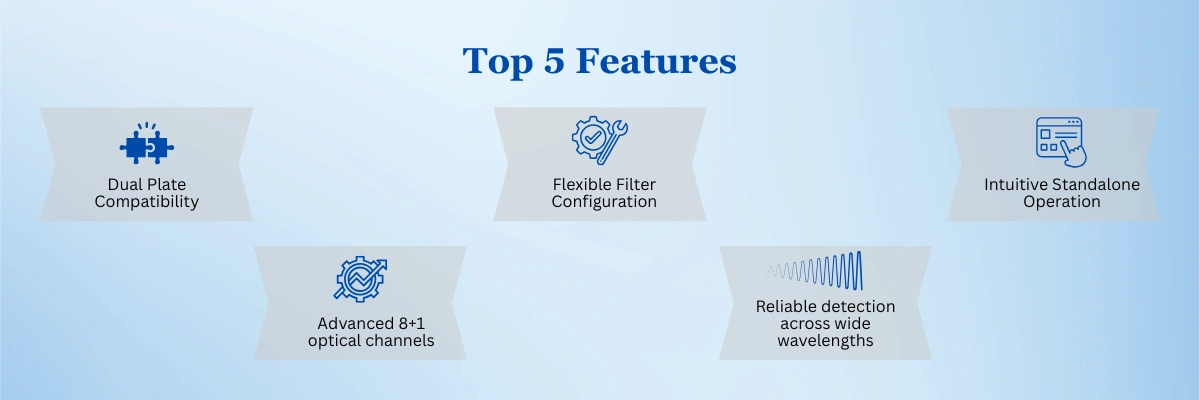
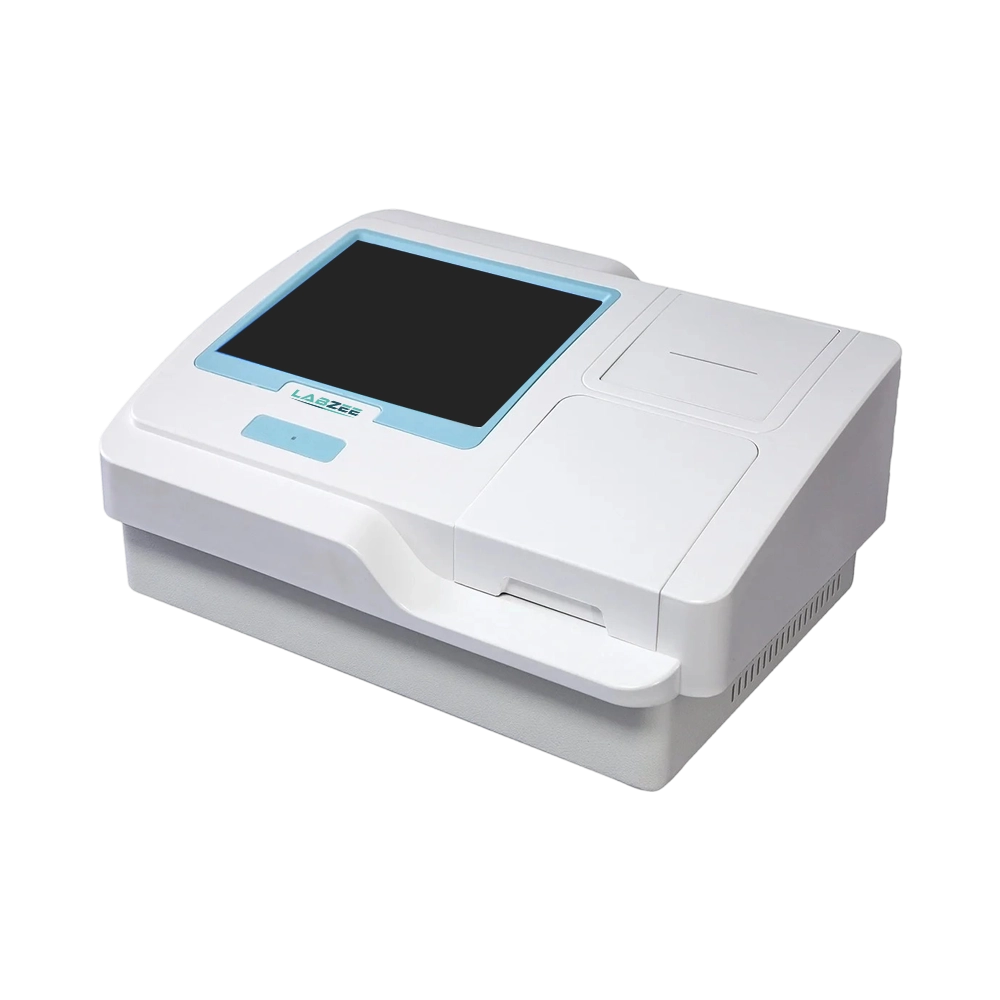
The Microplate Reader BZMPR-505 is ideal for ELISA-based biomarker detection in clinical and research labs. It accurately quantifies proteins, DNA, and RNA in various assay formats and supports both kinetic and endpoint assays for real-time enzymatic reaction monitoring.
Frequently Asked Questions
1: Can I use this BZMPR-505 completely offline, or does it require a PC connection to function?
You can operate the BZMPR-505 entirely offline thanks to its large 10.4-inch touchscreen interface. It supports full standalone control, printing, and data viewing without needing a PC - ideal for labs with limited digital infrastructure.
2: Can BZMPR-505 catch errors like bubbles or inconsistent sample volumes?
While it doesn’t have visual inspection features, the system’s high precision (±0.008 A accuracy, ? 0.2% reproducibility) often flags inconsistencies in absorbance data that can hint at pipetting or plate issues.
3: What if we lose power during a run? Will our data be lost?
The BZMPR-505 automatically stores data in real time. In the event of power failure, results are preserved and can be reviewed or exported once power is restored.
4: Is the BZMPR-505 quiet enough to use in a shared workspace?
Yes. The LED light source and solid-state design of BZMPR-505 produces minimal noise and no fan-based hum, making it ideal for open labs or teaching environments.
5: Can the BZMPR-505 store multiple datasets internally without immediate export?
Yes. The onboard memory allows storage of multiple datasets, which can be reviewed, printed, or exported later ideal if the network or PC isn't always connected.
6: What is a microplate reader and what is it used for?
A microplate reader is a laboratory instrument used to detect biological, chemical, or physical events in samples contained in microplates, commonly used for ELISA, absorbance, fluorescence, and luminescence assays.
7: Can one microplate reader support multiple assay types?
Yes, multimode microplate readers can handle various assays by combining multiple detection technologies in a single device.
8: What is the read speed and sensitivity of the instrument?
Read speeds vary from a few seconds per plate to less than 30 seconds for full plates. Sensitivity depends on the detection mode and optical system.
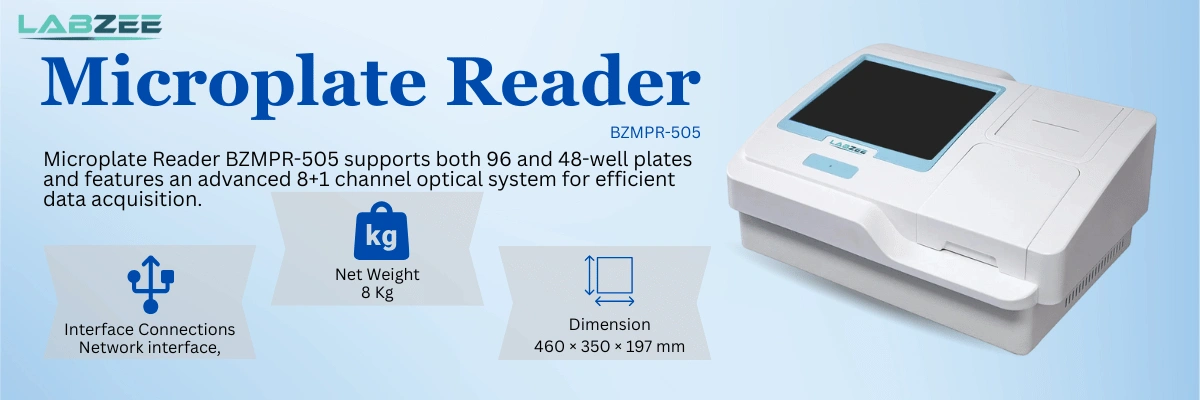
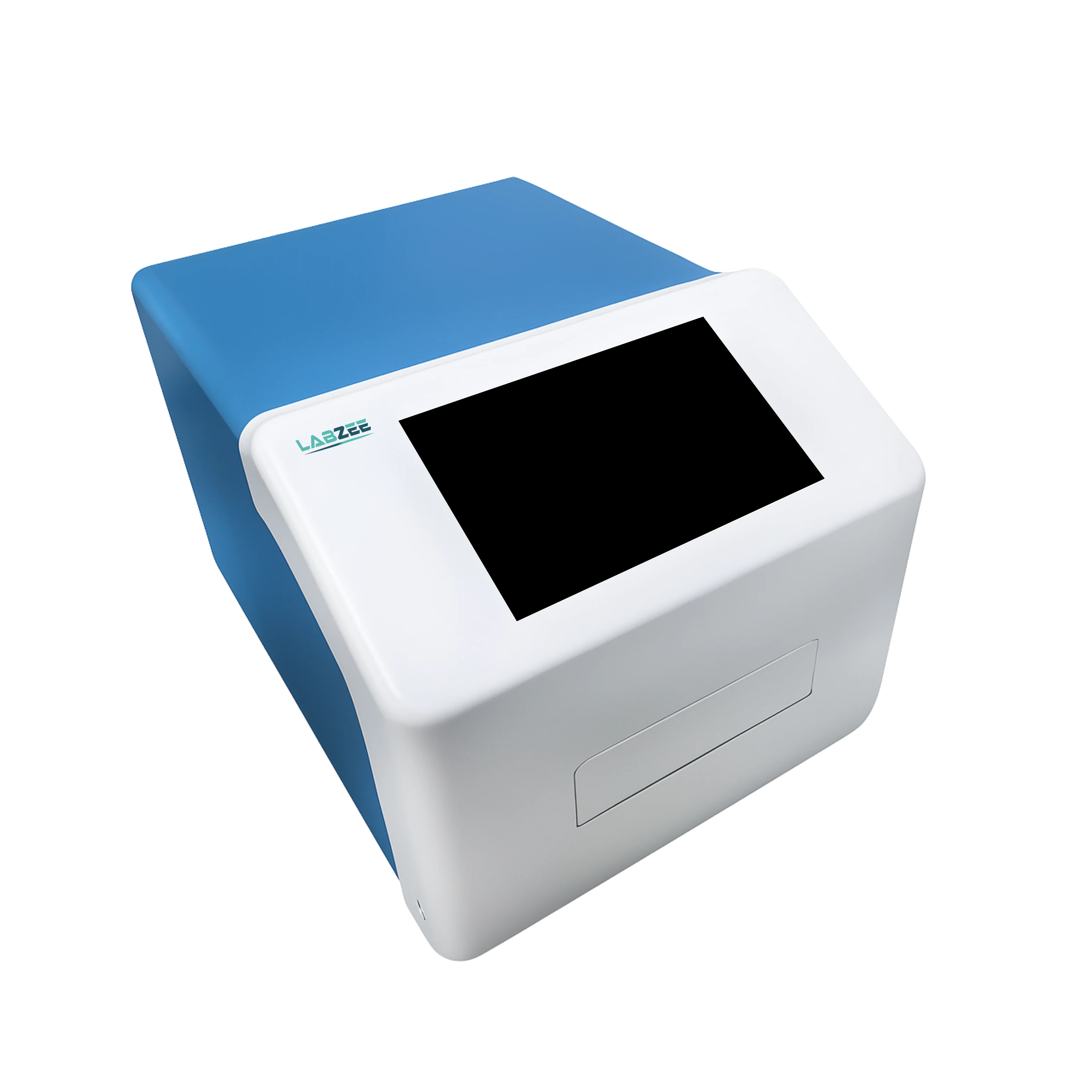
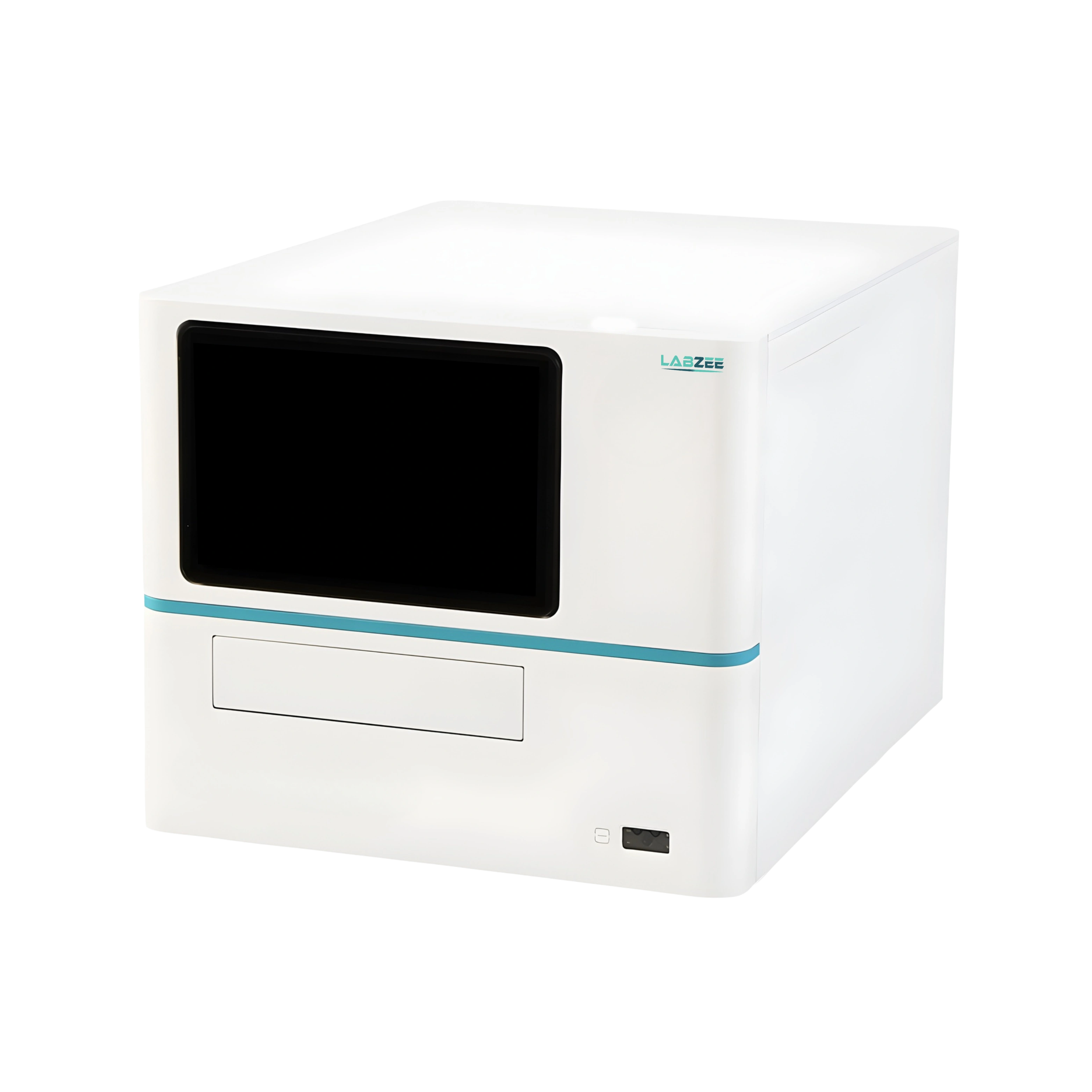
Labzee Microplate Readers deliver fast and accurate absorbance readings for efficient sample analysis in well plate formats. Their user-friendly interface and intuitive software enables easy protocol setup and seamless data management. They are equipped with advanced optical technology and precision engineering for consistent assay performance. Their durable design ensures long-term reliability with minimal maintenance requirements. These microplate readers are ideal for ELISA, protein quantification, and drug screening in research, diagnostics, and pharmaceutical labs.


Labzee Moisture Analyzers offer accurate and reliable moisture content measurement for industries like food, pharmaceuticals, and chemicals. They use advanced halogen heating technology for fast and precise results. These analyzers are built to be compact, durable, and suitable for daily use with consistent performance. Our moisture analyzers are helpful for quality control, compliance, and research, ensuring efficient processes and accurate results.

$ 2100
$ 2008
Labzee ELISA Analyzers are designed to detect and quantify biological molecules such as proteins, hormones and antibodies within a sample. Our ELISA Analyzers are optimized to detect even the minute quantities of analytes. These Analyzers have flexible plate formats that is it can read different plate formats such as 96 or 384 well plates. Our ELISA Analyzers detect and quantify disease biomarkers, including those for infectious diseases, autoimmune disorders, cancers, and hormone levels, aiding in diagnosis and treatment monitoring.

$ 19182
