Labzee Microplate Readers deliver fast and accurate absorbance readings for efficient sample analysis in well plate formats. Their user-friendly interface and intuitive software enables easy protocol setup and seamless data management. They are equipped with advanced optical technology and precision engineering for consistent assay performance. Their durable design ensures long-term reliability with minimal maintenance requirements. These microplate readers are ideal for ELISA, protein quantification, and drug screening in research, diagnostics, and pharmaceutical labs.
Microplate Type
Microplate Types
Input
Photodetector
Incubation Temperature
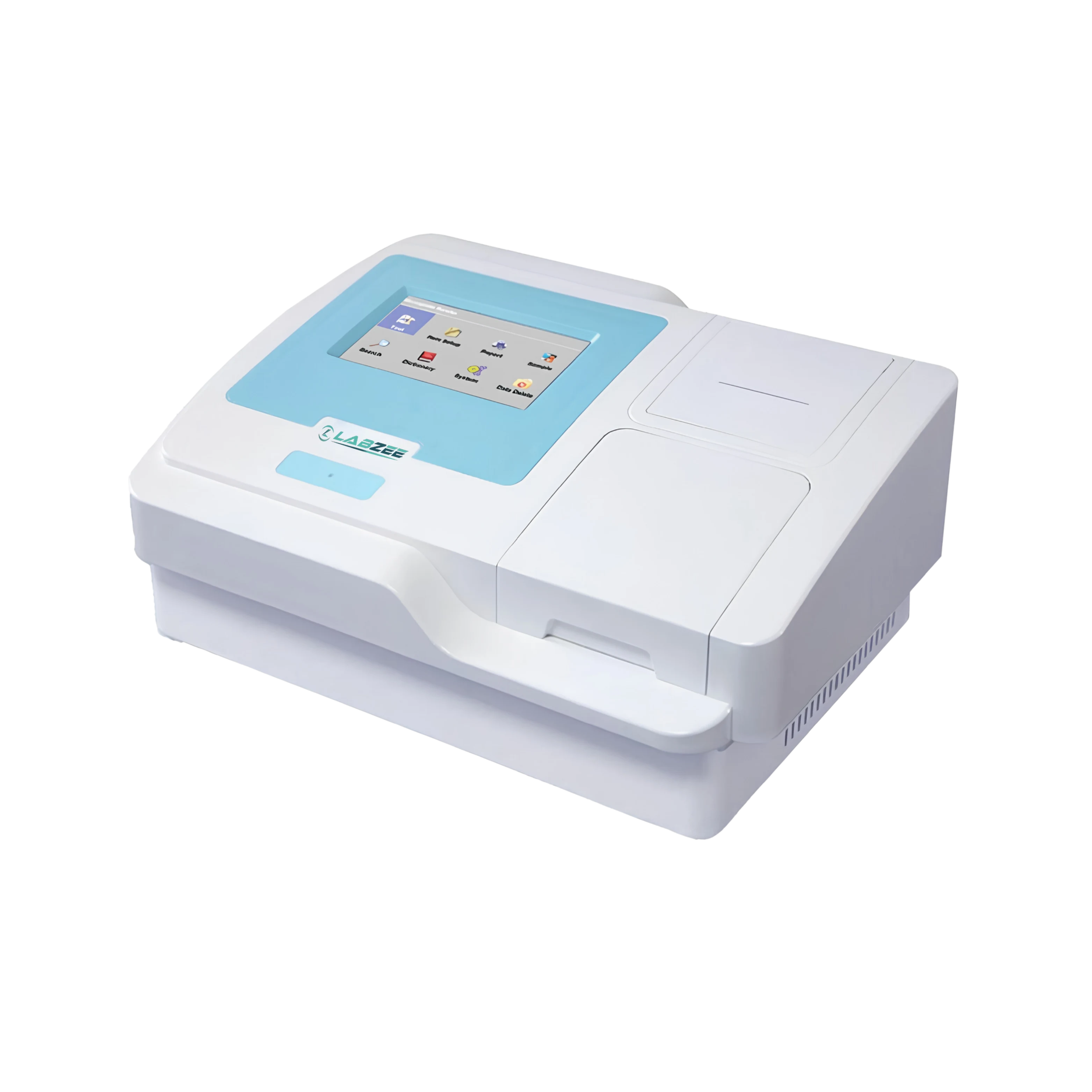
Input: ELISA reader software
Microplate Types: 96/ 48-well plate
Photodetector: Silicon photodiode
Light Source: 8V/50W controlled tungsten halogen lamp or LED light
$ 3077
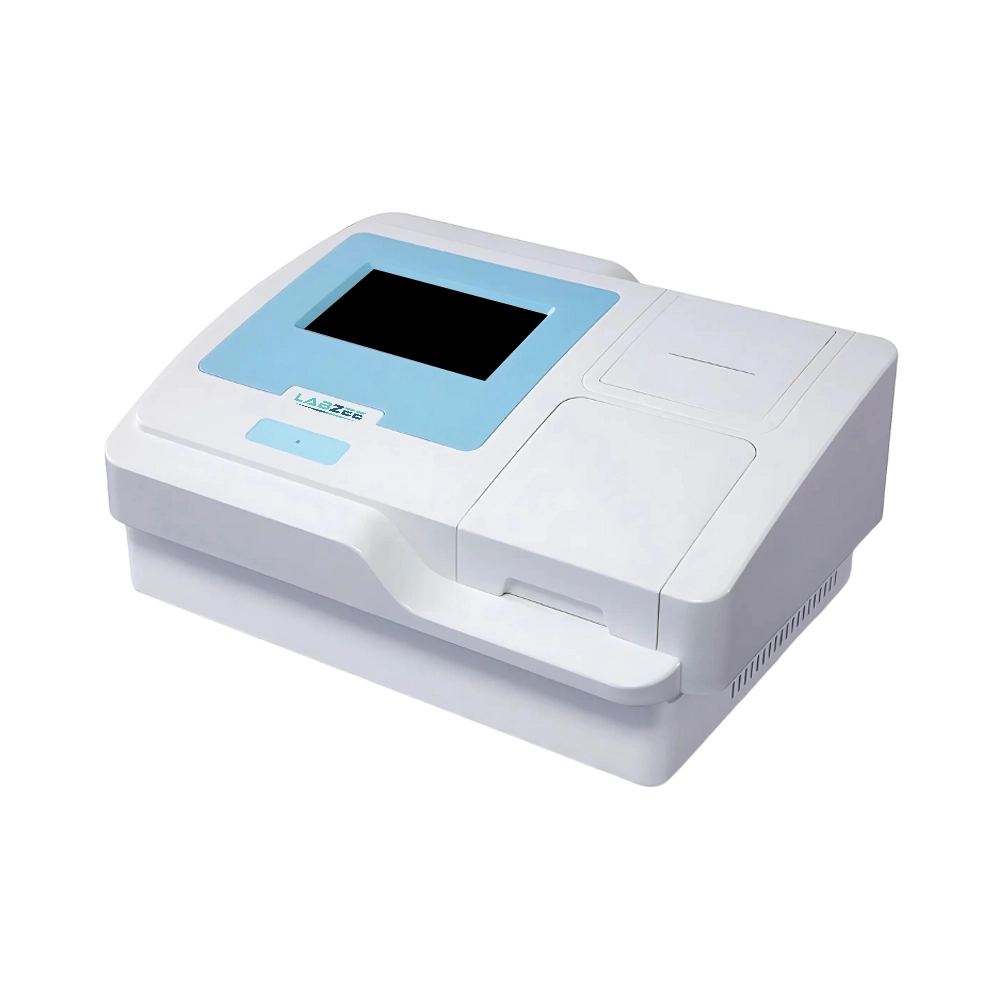
Microplate Types: 96/ 48-well plate
Photodetector: Silicon photodiode
Light Source: 8V/50W controlled tungsten halogen lamp
Wavelength Range: 400 nm to 800 nm
$ 2663

Microplate Types: 96/ 48-well plate
Photodetector: Silicon photodiode
Light Source: 8V/50W controlled tungsten halogen lamp
Wavelength Range: 400 nm to 800 nm
$ 5279
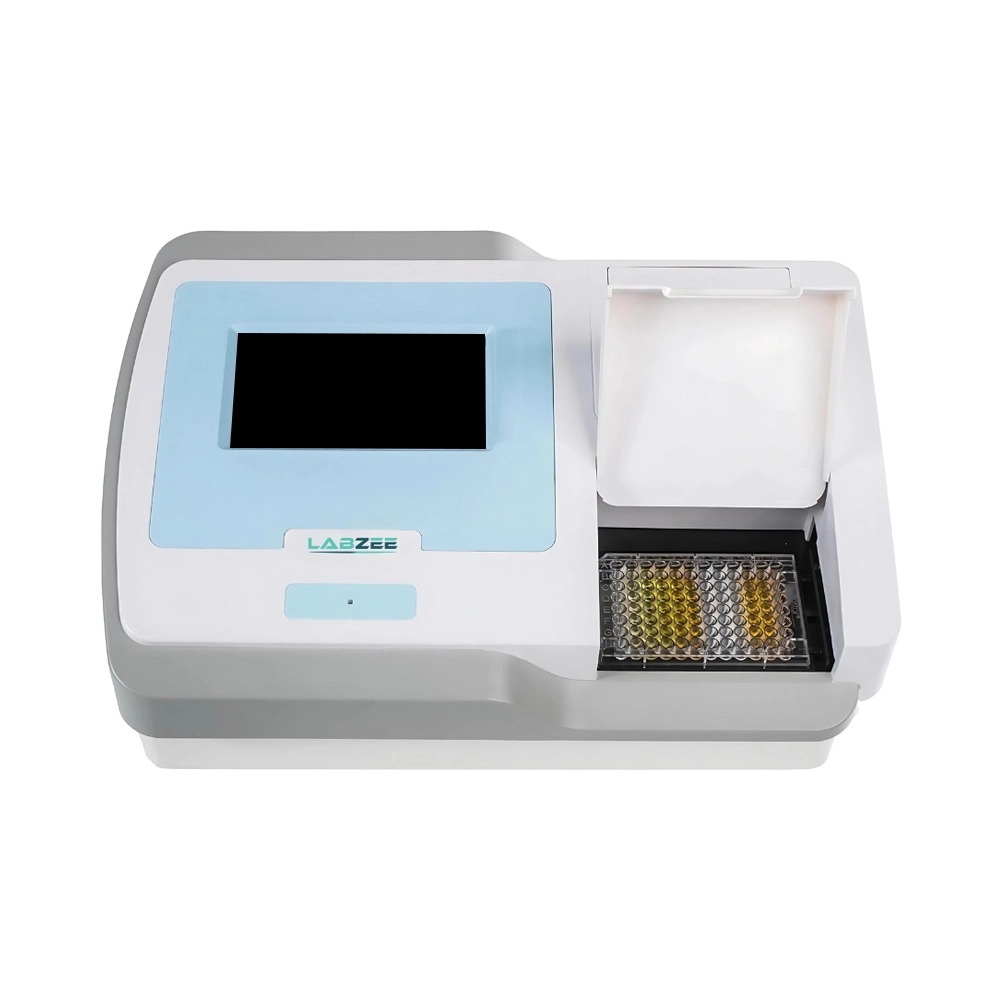
Microplate Types: 96/ 48-well plate
Photodetector: Silicon photodiode
Light Source: LED Light
Wavelength Range: 400 nm to 800 nm standard
$ 4227
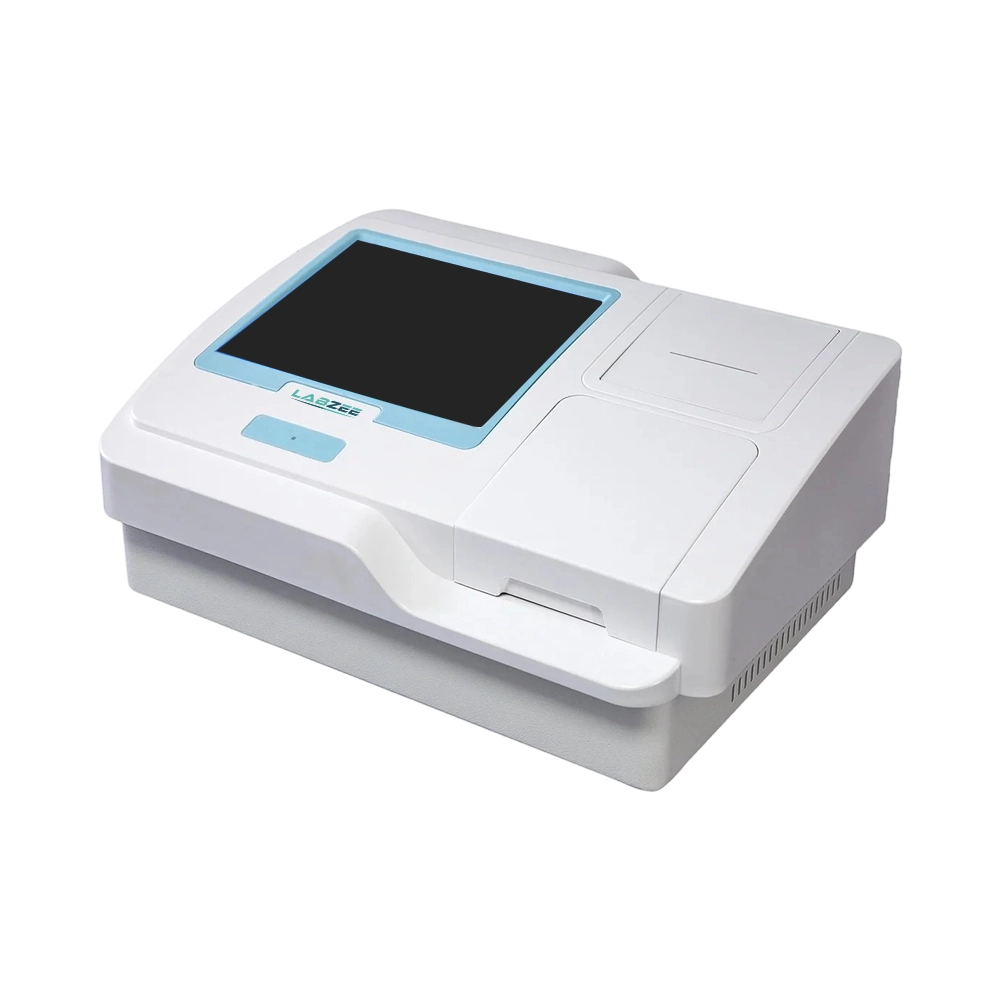
Microplate Types: 96/ 48-well plate
Photodetector: Silicon photodiode
Light Source: LED Light
Wavelength Range: 400 nm to 800 nm standard
$ 3100

Microplate Types: 96/ 48-well plate
Photodetector: Silicon photodiode
Light Source: LED Light
Wavelength Range: 400 nm to 720 nm
$ 2861
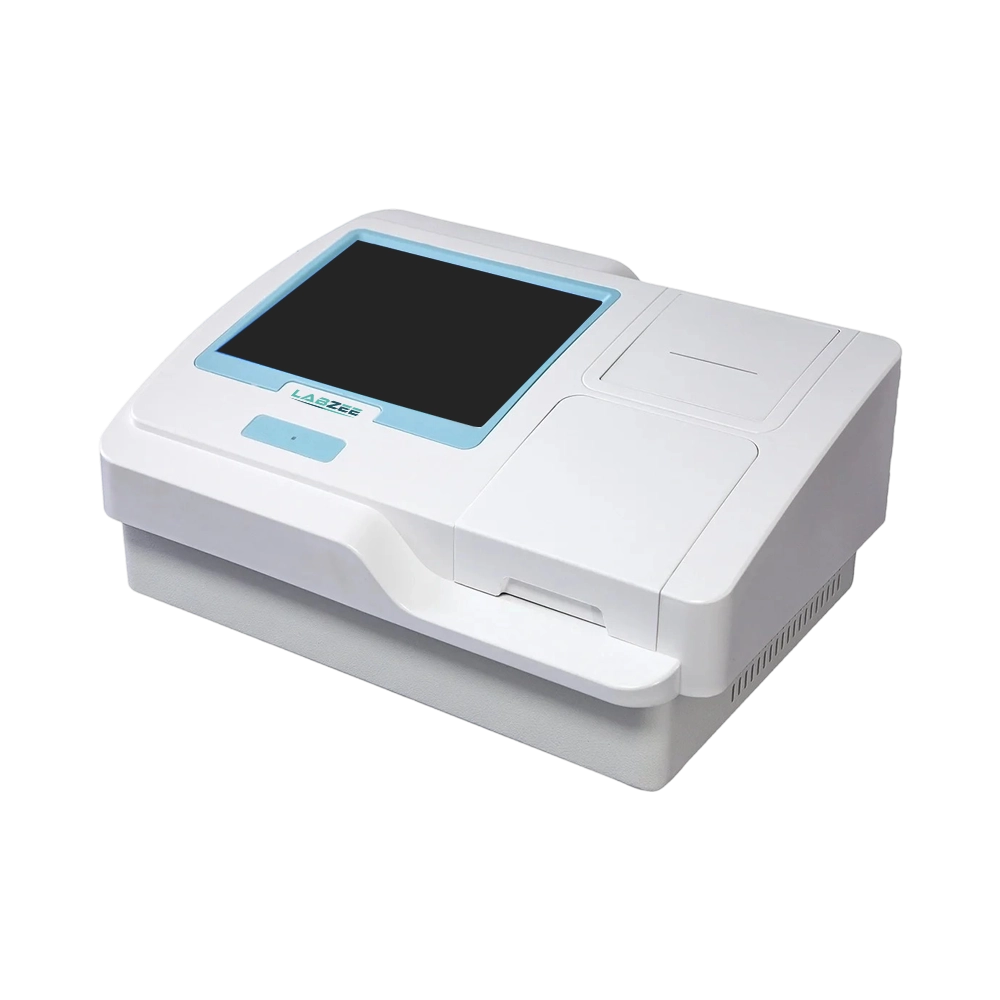
Microplate Types: 96/ 48-well plate
Photodetector: Silicon photodiode
Light Source: LED Light
Wavelength Range: 400 nm to 720 nm
$ 3468
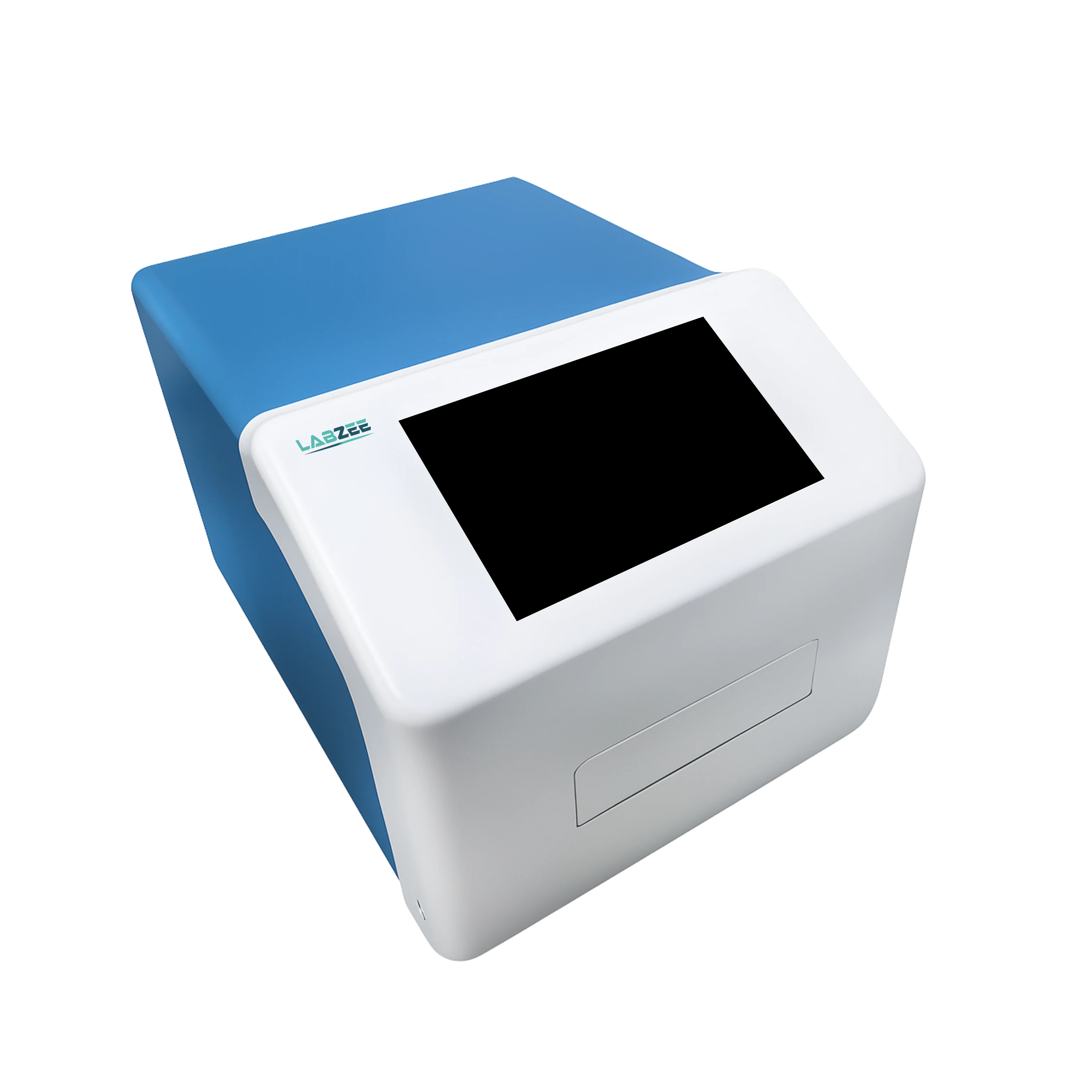
Microplate Types: 96 well
Wavelength Range: 190 to 1100 nm
Reading Range: 0.000 to 4.000 A
Wavelength Repeatability: ≤0.2 nm
$ 9338
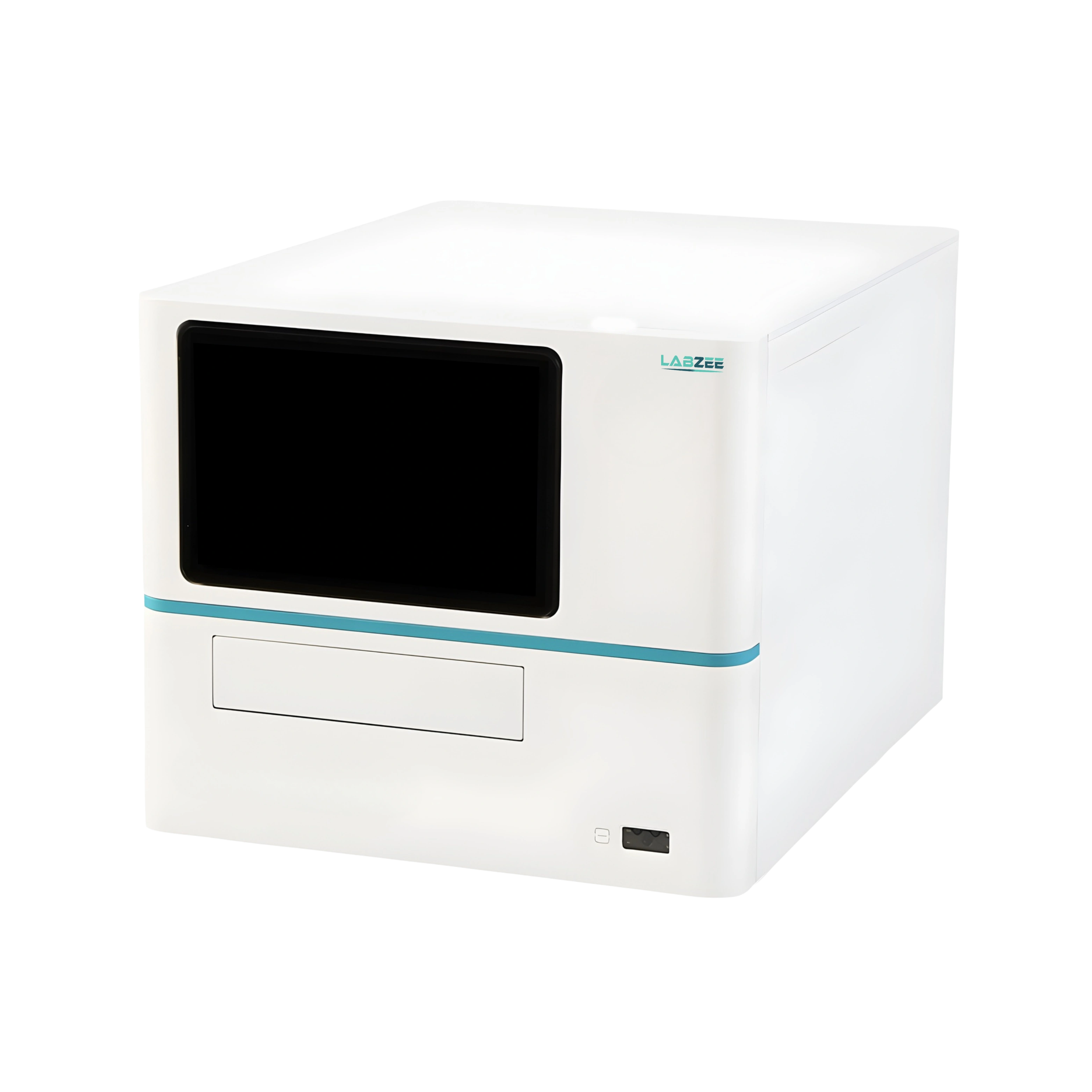
Microplate Type: 6 to 384 well
Wavelength Range: 200 to 1000 nm
Incubation Temperature: RT +4 °C to 45 °C
Accuracy: ±2 nm
$ 28980
Frequently Asked Questions
1: What is a microplate reader and what is it used for?
A microplate reader is a laboratory instrument used to detect biological, chemical, or physical events in samples contained in microplates, commonly used for ELISA, absorbance, fluorescence, and luminescence assays.
2: Can one microplate reader support multiple assay types?
Yes, multimode microplate readers can handle various assays by combining multiple detection technologies in a single device.
3: What is the read speed and sensitivity of the instrument?
Read speeds vary from a few seconds per plate to less than 30 seconds for full plates. Sensitivity depends on the detection mode and optical system.
