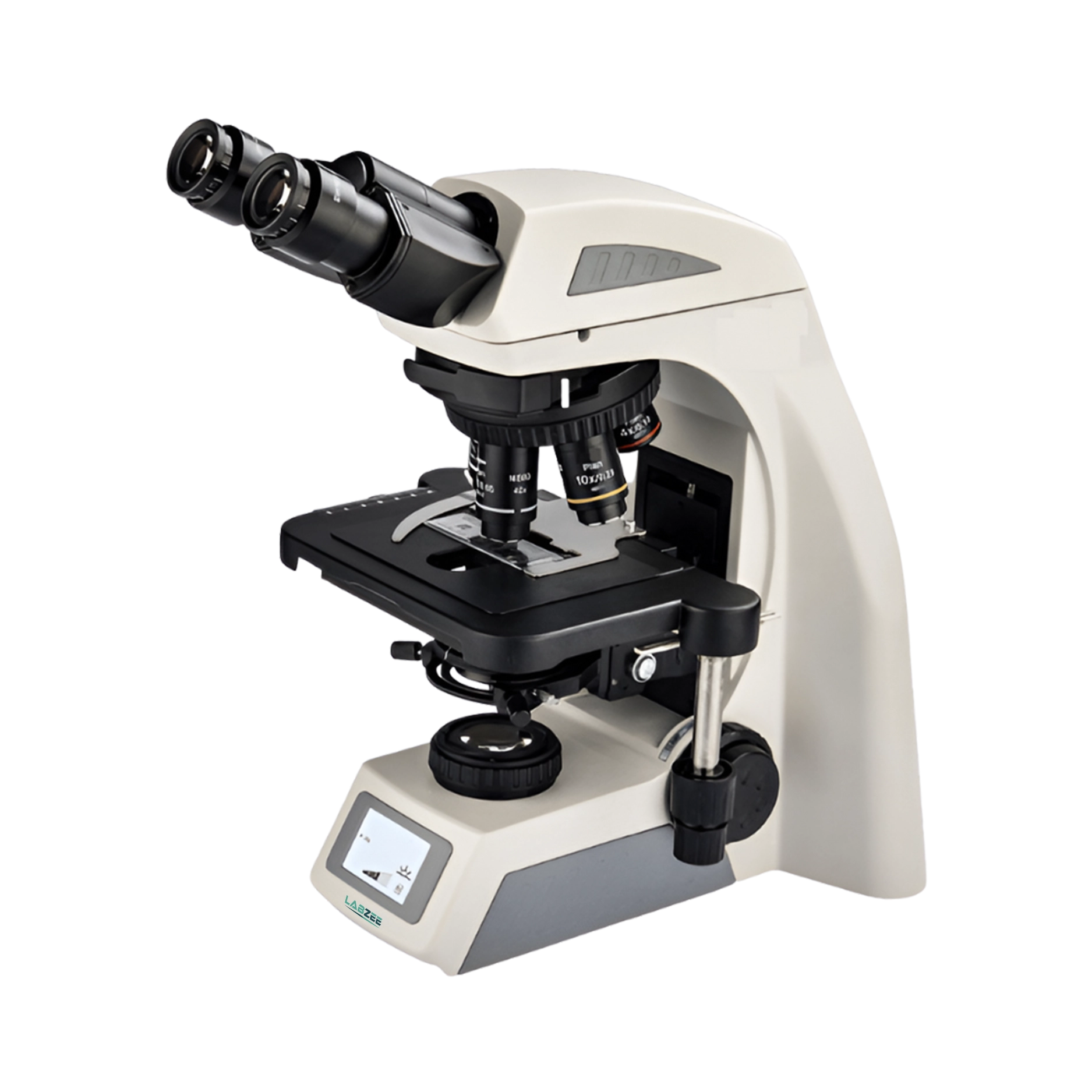
$ 2721
| Optical System | Infinity Optical System |
| Eyepiece | EW10X, 22 mm |
| Viewing Head | Seidentopf Binocular, 45° Inclined, 47-78 mm IPD |
| Objective | Plan Objective NIS45 |
| Nosepiece | Backward Quintuple, Non-coding |
| Stage Dimension | 230 × 150 mm |
| Stage Movement Range | 78 × 54 mm |
| Condenser | Abbe NA1.25, with Empty Plate |
| Focusing System | Coaxial Coarse and Fine Adjustment |
| Coarse Stroke | 37.7 mm/rotation |
| Fine Stroke | 0.2 mm/rotation |
| Fine Division | 0.002 mm |
| Movement Range | 30 mm |
| Illumination | 1W S-LED |
| Filter | Green |
| Packaging Dimension | 430 × 370 × 290 mm |
| Gross Weight | 7.2 Kg |
Backward Nosepiece
Fast Focusing Speed
LED Illumination System
Plan Objective Lens
Wide Viewing Field
Fine Adjustment Dial
Our Biological Microscope BZBS-504 is suitable for viewing stained tissue slides, analyzing blood smears, and inspecting plant cells. This Microscope supports high-precision educational and laboratory work. It finds applications in research institutes, university labs, medical centers, botanical units, and biological testing environments.
Frequently Asked Questions
1: What is the use of the diaphragm?
The diaphragm controls the amount of light passing through the specimen. Adjusting it helps in improving contrast.
2: Can you see plant cells clearly?
Yes, biological microscopes are perfect for observing plant cells, including cell walls, chloroplasts, and nuclei.
3: How do you prepare a wet mount slide?
Place a drop of water on the slide, add the specimen, then gently place a cover slip at an angle to avoid bubbles.
4: What’s the difference between coarse and fine focus knobs?
The coarse knob lets you bring the object into view, and the fine knob sharpens the image for better clarity.
5: Can you connect the microscope to a screen?
Yes, if it includes a camera or digital eyepiece, you can connect it to a screen or projector for group viewing.

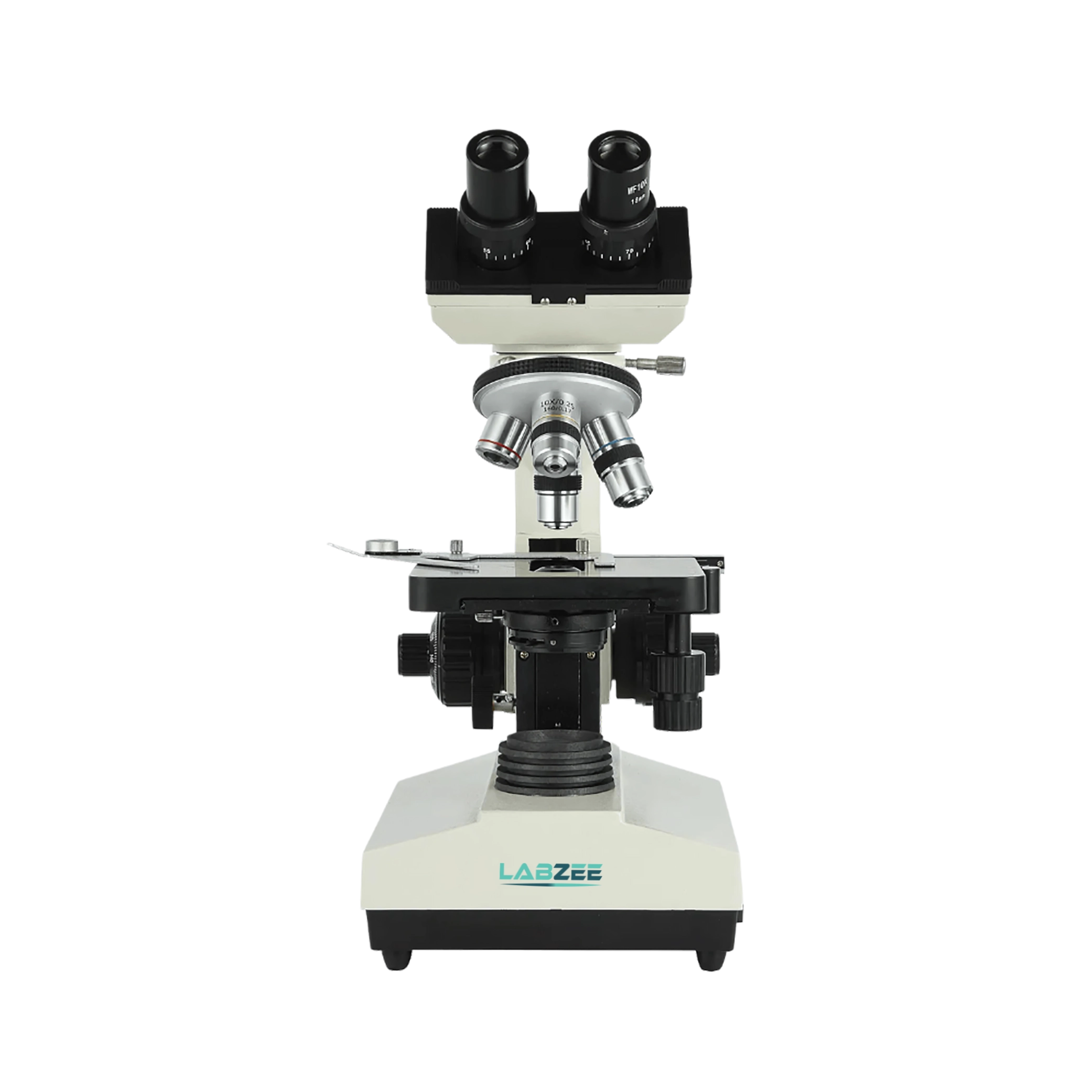


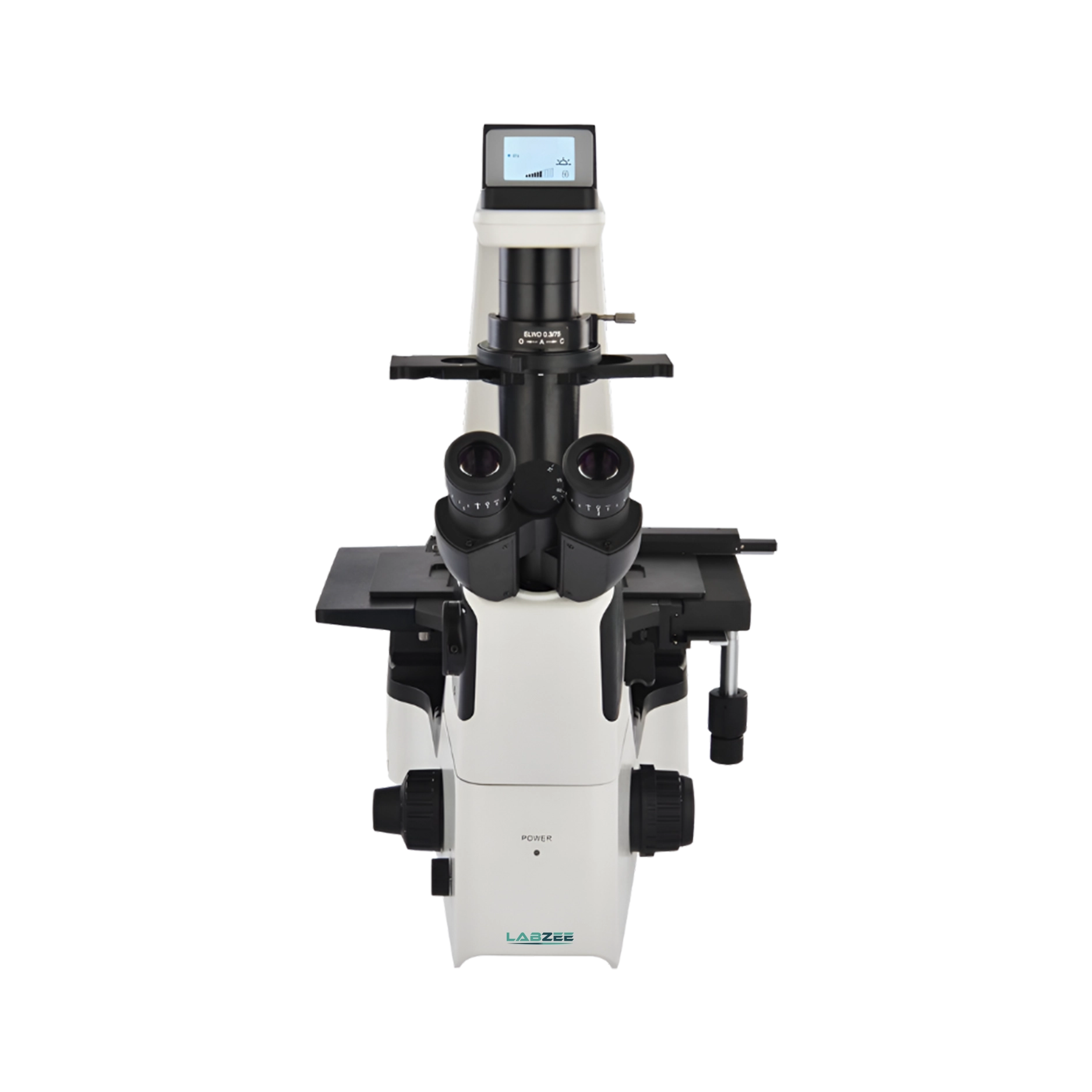
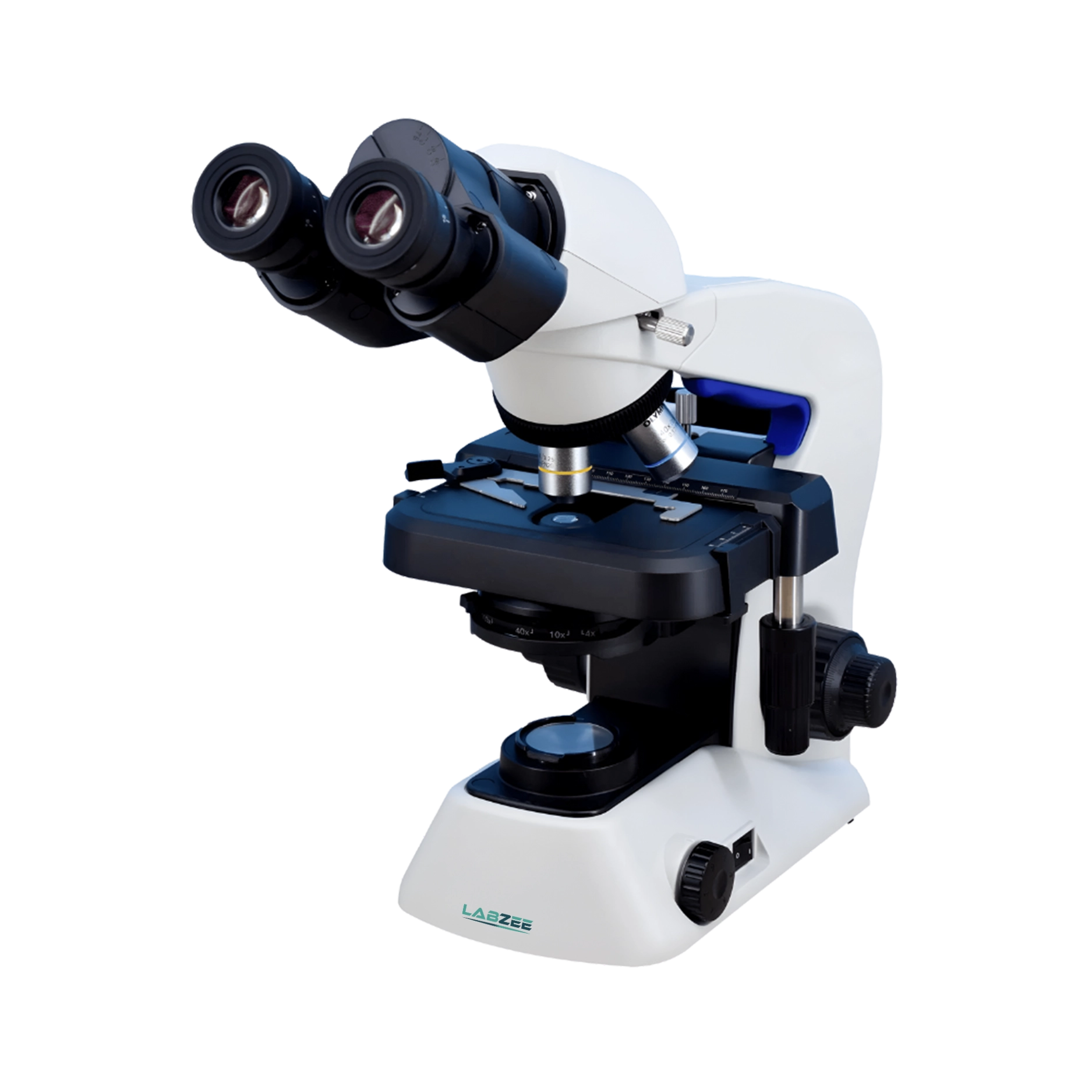


Labzee offers Stereo Zoom Microscopes designed for three-dimensional viewing of specimens with superior depth perception and clarity. They feature continuous zoom capabilities, high-quality optics, and adjustable magnification, making them ideal for observing fine surface details without the need for slide preparation. These microscopes provide long working distances, ergonomic designs, and optional digital camera integration for enhanced documentation. They ensure fatigue-free operation during extended use, thanks to their comfortable viewing angles and smooth focusing controls. Their precision and versatility make them a valuable tool in quality inspection, dissection, assembly, and research applications. Our Stereo Zoom Microscopes support various applications, including electronics inspection, medical dissection, entomology research, gemmology, and industrial quality control.

$ 1444

$ 1444
Labzee offers Metallurgical Microscopes designed for high-precision imaging and analysis of metal structures, composites, and other solid materials. They feature advanced optical systems, powerful magnification, and specialized lighting techniques to ensure accurate observation of microstructures. These microscopes are equipped with brightfield, darkfield, and polarized light options, making them ideal for metallurgical research and quality control. They come with durable construction, ergonomic designs, and digital imaging capabilities for efficient documentation and analysis. Their high-resolution imaging and robust performance make them essential tools in material science, manufacturing, and failure analysis. Our Metallurgical Microscopes support various applications, including metal structure analysis, industrial quality control, material science research, semiconductor inspection, and failure investigation.

$ 1628

$ 2422
