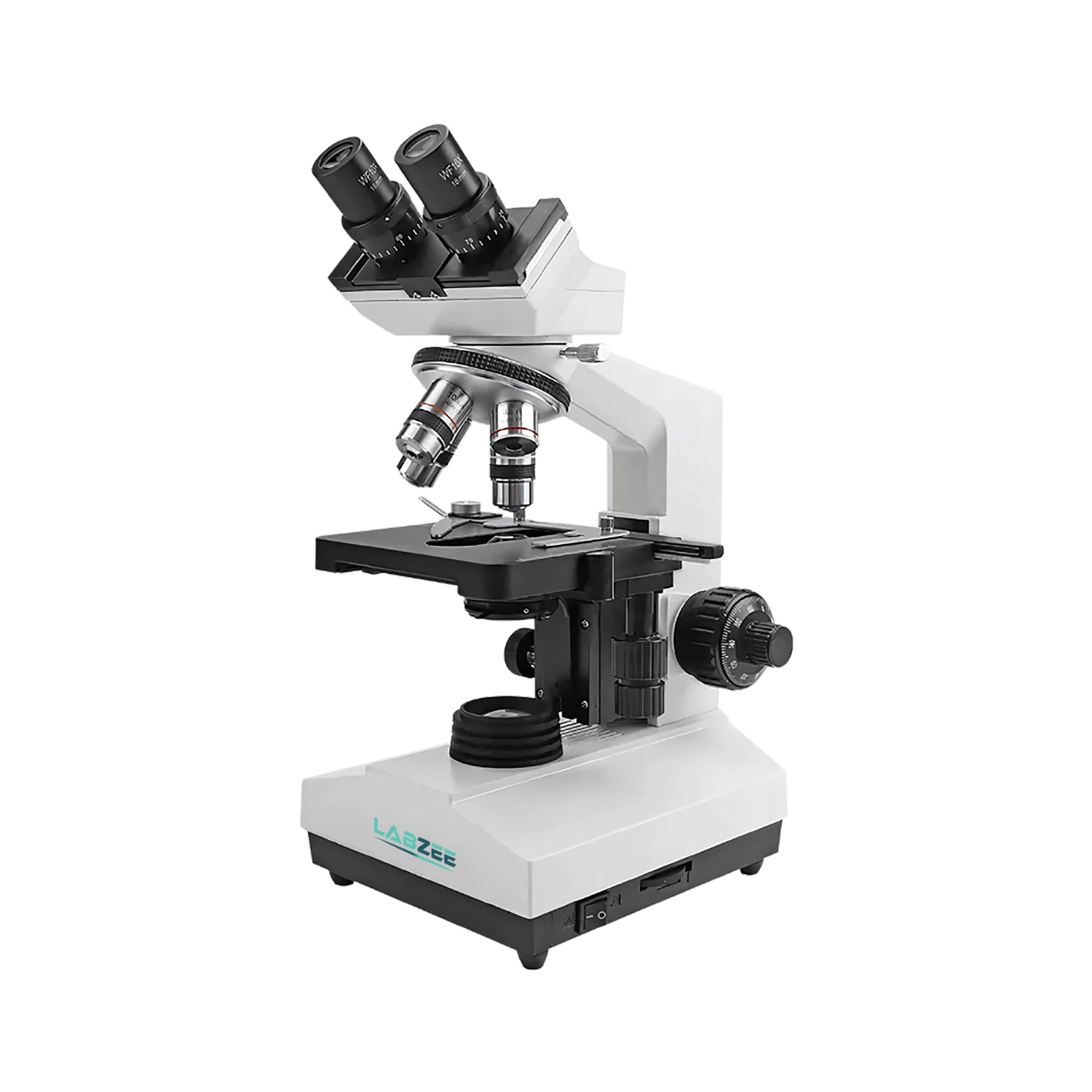
$ 2778
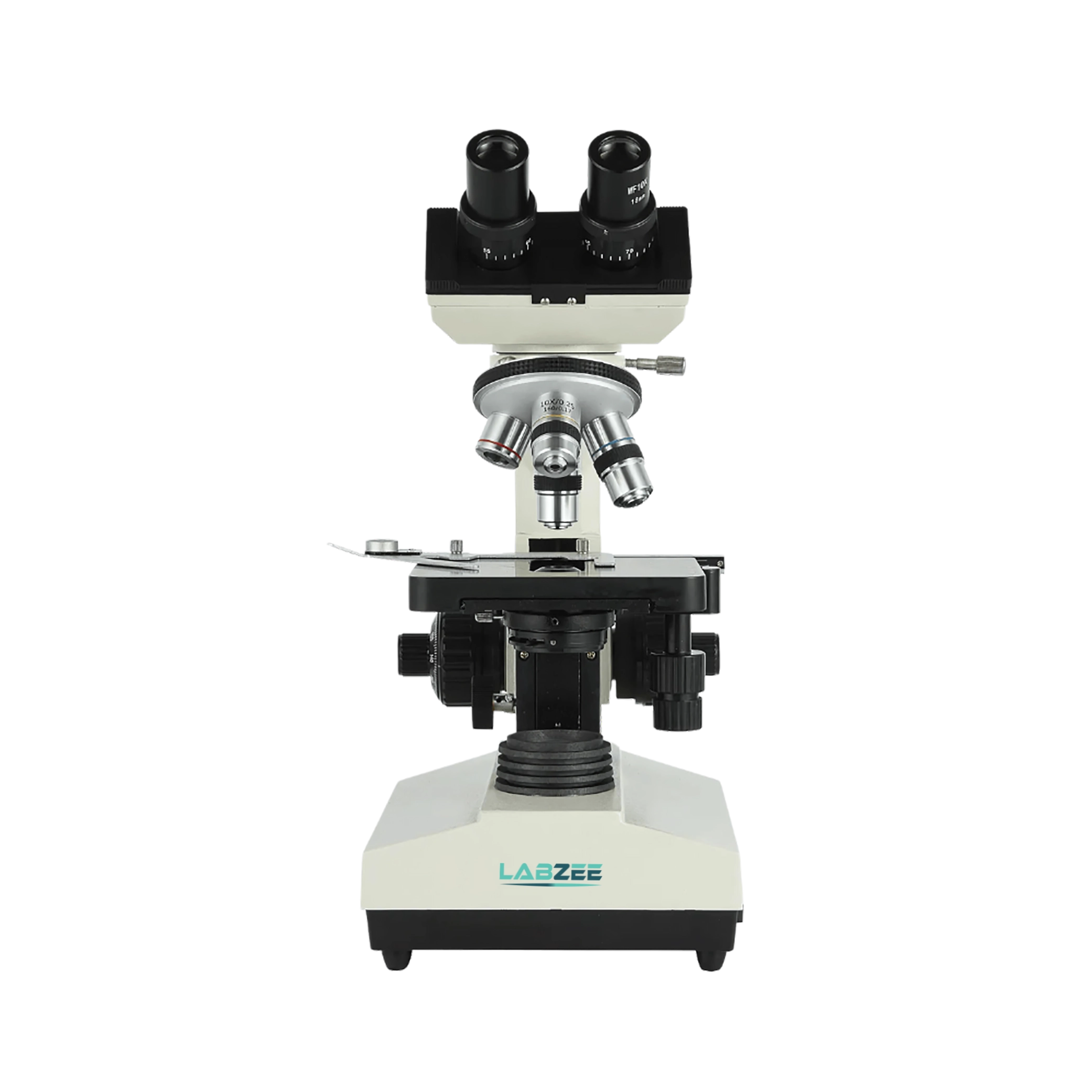
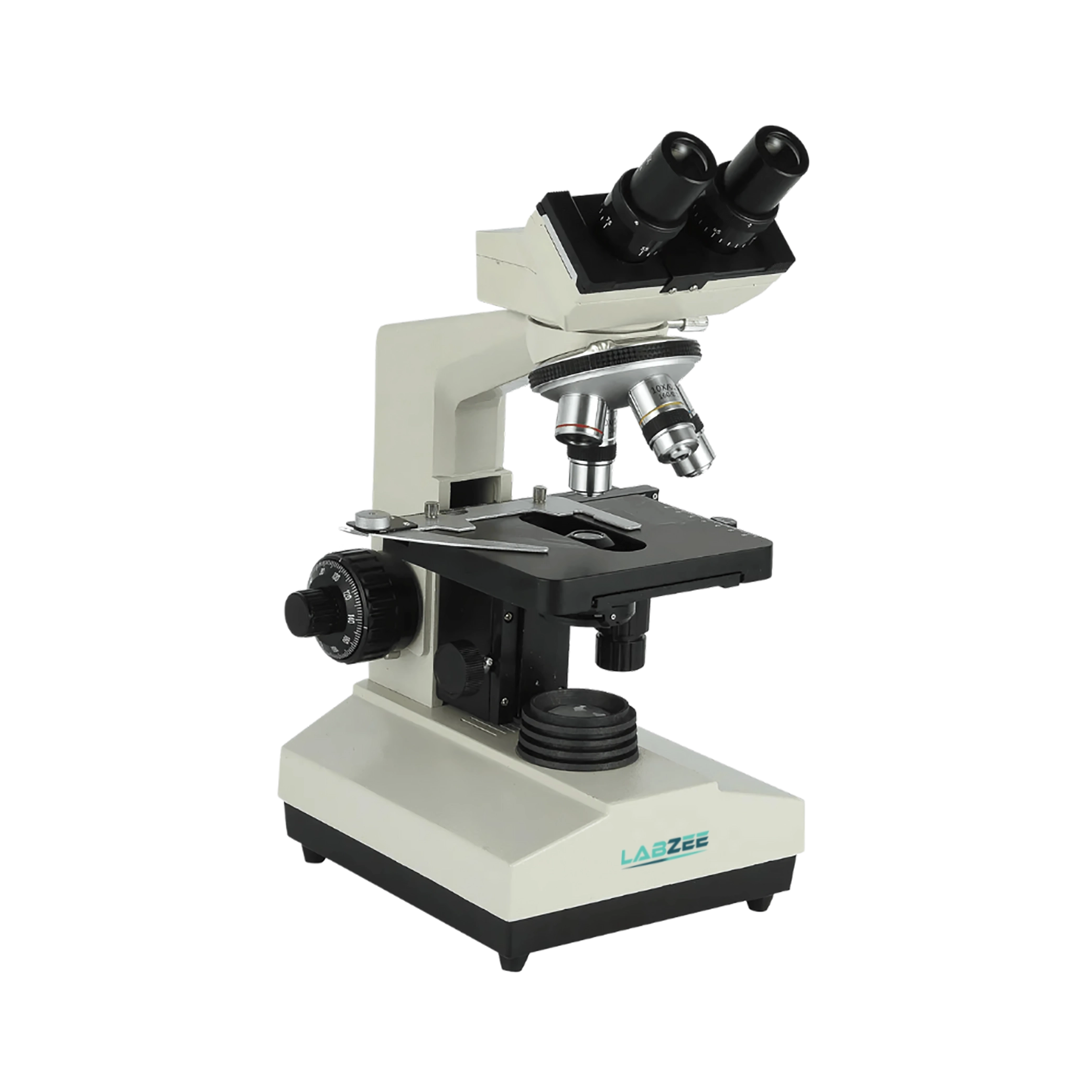
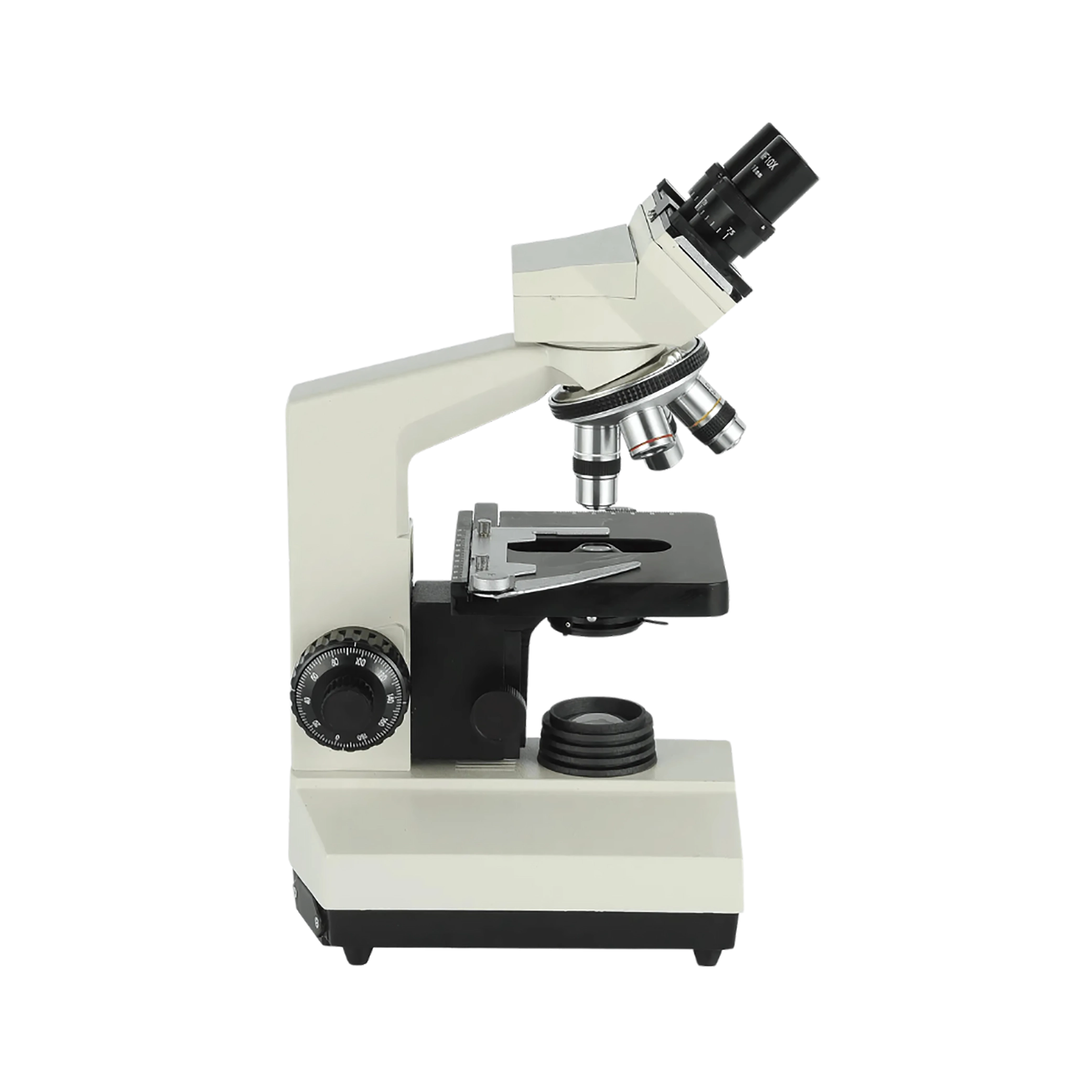
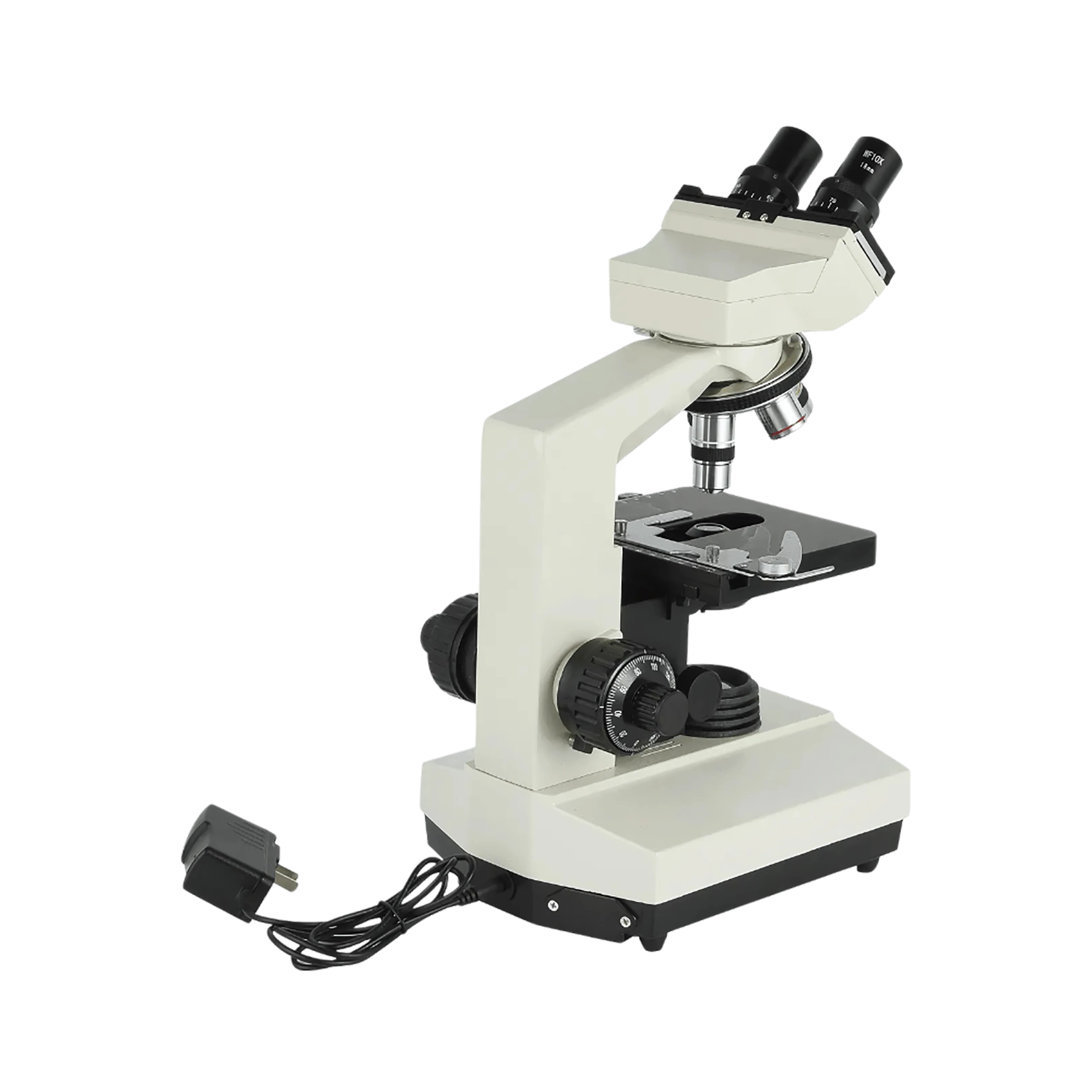
| Optical System | Infinity Colour Difference, Chromatic Aberration Correction System |
| Viewing Head | 30° Inclined Binocular Head, 360° Rotation |
| Interpupillary Distance | 54-75 mm |
| Eyepiece | PL10X/18 mm, PL10X/20 mm, WF15X/13 mm, WF20X/10 mm |
| Objective Lenses | Infinite Achromatic Objectives: 2X, 4X, 10X, 20X, 40X, 60X, 100X |
| Nosepiece | Internal Positioning Four-Hole, Five-Hole Nosepiece |
| Stage Dimension | 140 × 132 mm, 150 × 140 mm (Slide Clamp), 150 × 162 mm (Slide Clamp), Double-Layer Mechanical Stage. |
| Stage Moving Range | 76 × 50 mm |
| Precision | 0.1 mm |
| Focusing System | Coaxial Coarse and Fine Adjustment, Fine |
| Fine Adjustment Division | 0.002 mm |
| Condenser | NA 1.25 Phase Contrast with Plug-in Plate, Center Preset, Optional Dark Field Unit |
| Illumination | Halogen Lamp 6V 20W, or Adjustable Brightness LED Lamp, Single or Dual 3W |
| Camera Accessories | 0.35X, 0.5X, 0.65X, 1X C-Type Interface, Adjustable Focus |
| Digital Interface | USB3.0 Digital Head Optional, 16 MP or 20 MP, Wi-Fi, RJ45, Hotspot Mode Supported |
| Packaging Dimension | 40 × 50 × 60 cm |
| Gross Weight | 5 Kg |
Smooth Focus Adjustment
Comfortable Viewing Head
Enhanced Optical Clarity
Wide Eyepiece Range
Efficient Illumination Setup
Accurate Slide Navigation
Our Biological Microscope BZBS-502 is designed for a wide range of uses including slide analysis, cell biology research, and clinical diagnostics. It is also ideal for laboratory training, microbial evaluation, and quality control tasks in pharmaceutical and educational environments. This Microscope supports precision-driven work in applications like tissue analysis, protozoa studies, histological examinations, and other detailed microscopy-based investigations.
Frequently Asked Questions
1: What are the main parts of a Biological Microscope?
It includes the eyepiece, objective lenses, stage, focus knobs, and a built-in light source for viewing samples clearly.
2: What is the difference between monocular and binocular types?
Monocular microscopes have one eyepiece, while binocular microscopes have two, offering more comfort and better image depth.
3: How do I focus the microscope?
Place the slide on the stage and use the coarse and fine focus knobs to bring the sample into sharp view.
4: Can I take pictures using this microscope?
Yes, if it has a camera port or adapter, you can attach a digital or USB camera to capture and save images.
5: Is staining required for all samples?
Not always, but staining helps improve contrast when viewing transparent or colorless specimens like cells or tissues.


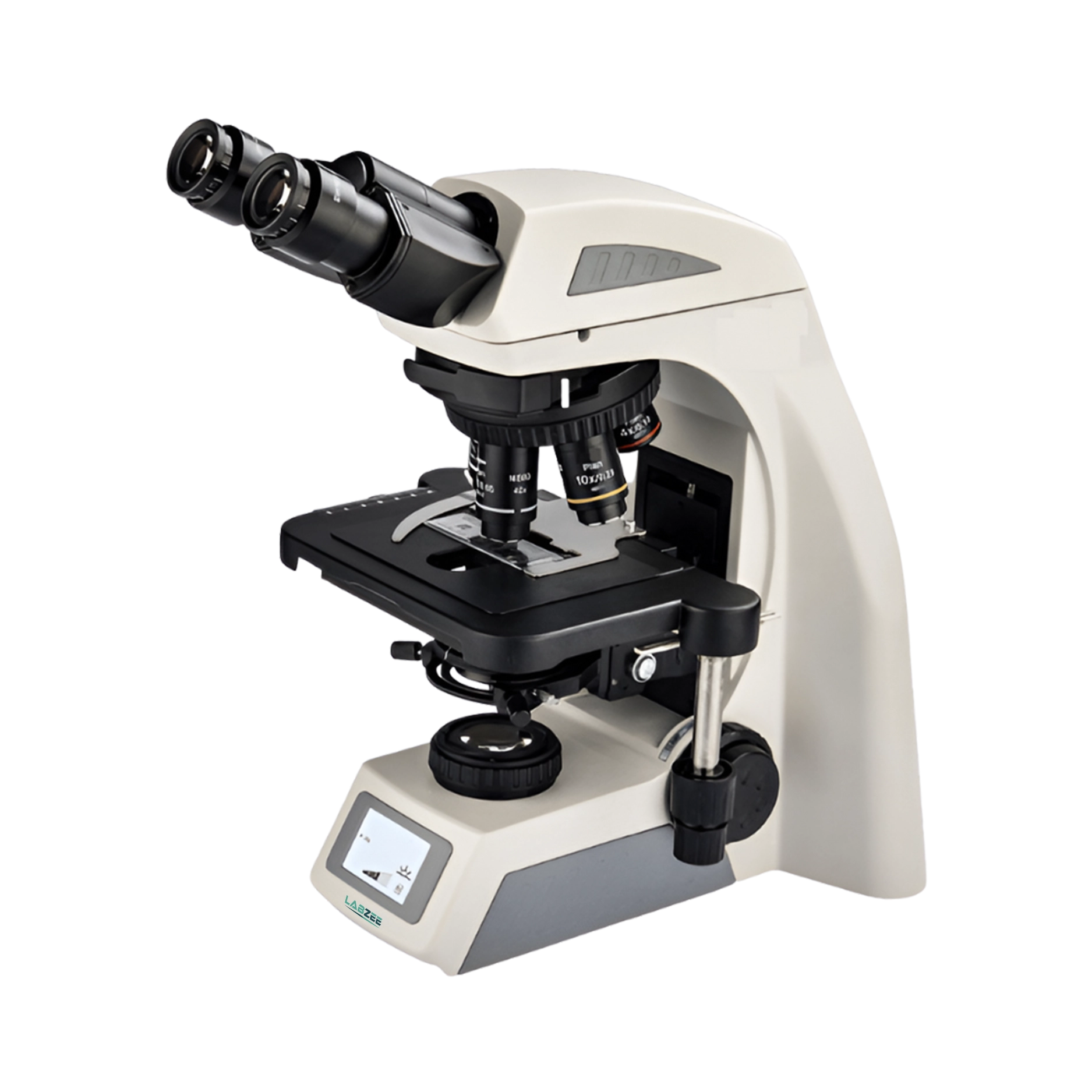

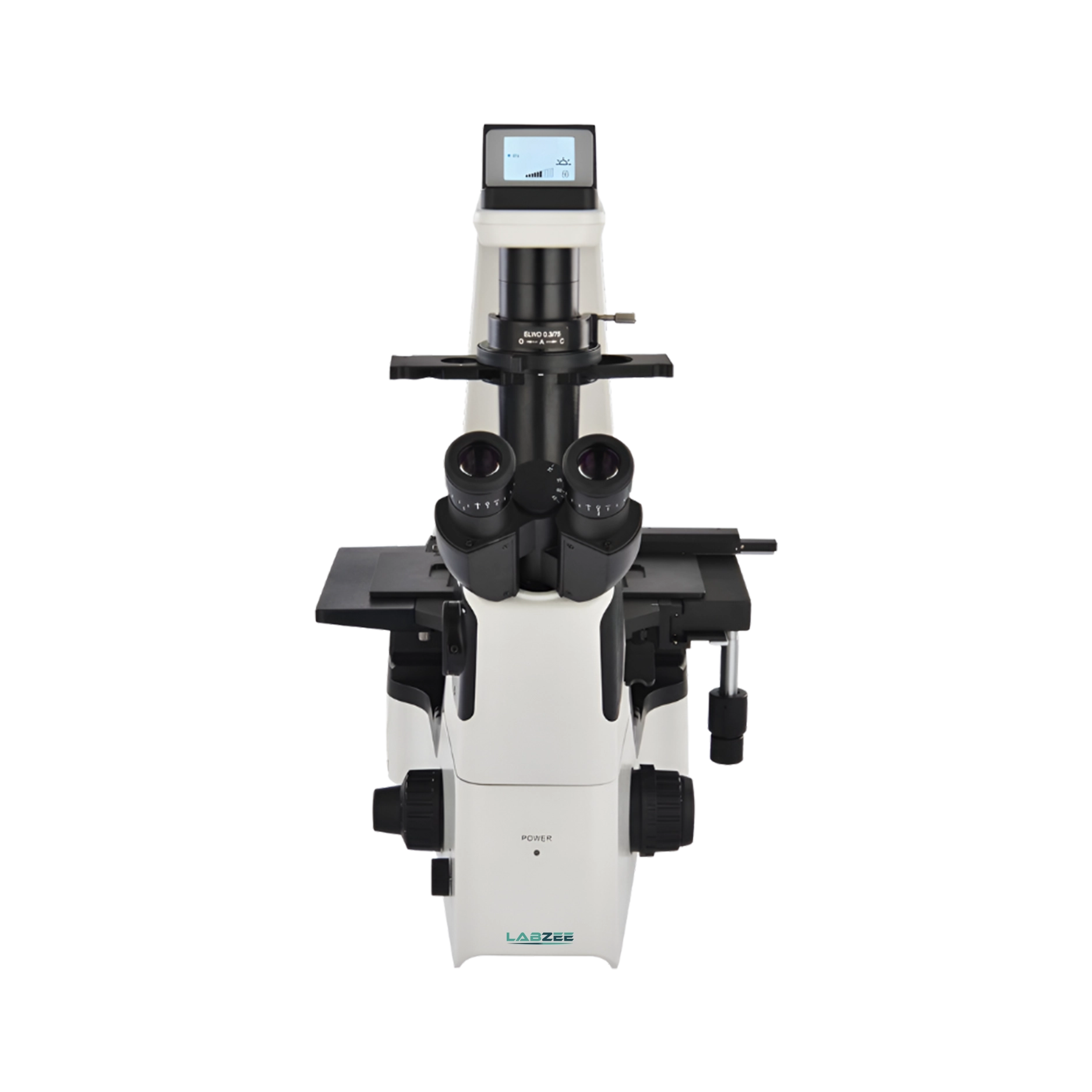
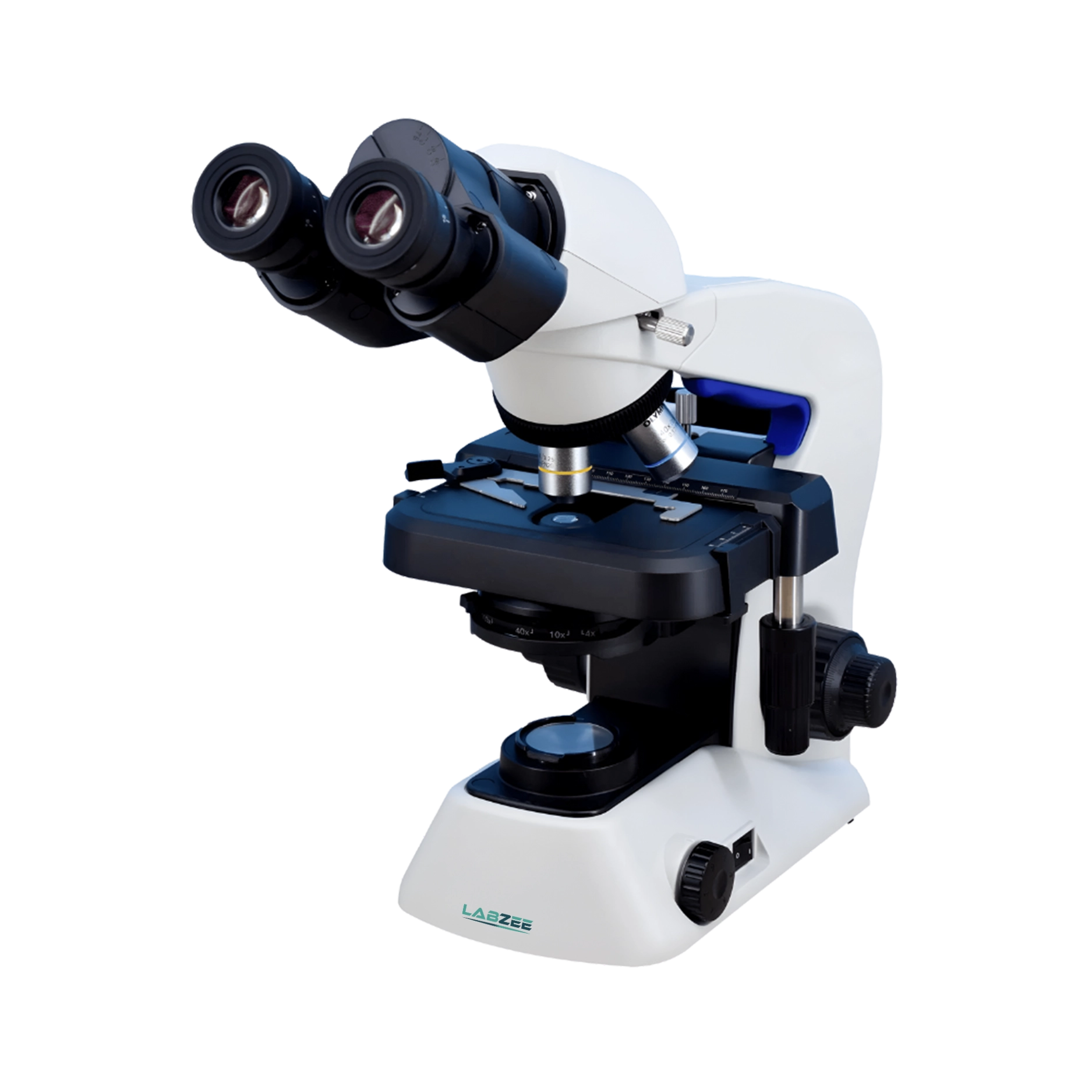


Labzee offers Stereo Zoom Microscopes designed for three-dimensional viewing of specimens with superior depth perception and clarity. They feature continuous zoom capabilities, high-quality optics, and adjustable magnification, making them ideal for observing fine surface details without the need for slide preparation. These microscopes provide long working distances, ergonomic designs, and optional digital camera integration for enhanced documentation. They ensure fatigue-free operation during extended use, thanks to their comfortable viewing angles and smooth focusing controls. Their precision and versatility make them a valuable tool in quality inspection, dissection, assembly, and research applications. Our Stereo Zoom Microscopes support various applications, including electronics inspection, medical dissection, entomology research, gemmology, and industrial quality control.

$ 1444

$ 1444
Labzee offers Metallurgical Microscopes designed for high-precision imaging and analysis of metal structures, composites, and other solid materials. They feature advanced optical systems, powerful magnification, and specialized lighting techniques to ensure accurate observation of microstructures. These microscopes are equipped with brightfield, darkfield, and polarized light options, making them ideal for metallurgical research and quality control. They come with durable construction, ergonomic designs, and digital imaging capabilities for efficient documentation and analysis. Their high-resolution imaging and robust performance make them essential tools in material science, manufacturing, and failure analysis. Our Metallurgical Microscopes support various applications, including metal structure analysis, industrial quality control, material science research, semiconductor inspection, and failure investigation.

$ 1628

$ 2422
