
$ 6601
| Optical System | NIS Infinite Optical System |
| Eyepiece | SW10X/22 |
| Viewing Head | Seidentopf Trinocular, Inclined 45° |
| Interpupillary Distance | 47-78 mm |
| Objective | 4X, 10X, 20X, 40X, 60X |
| Nosepiece | Sextuple, DIC Prism Slot |
| Condenser | Turret Type, NA 0.55, WD 26 mm |
| Transmission Lighting | Kohler Illumination, 12V/100W Halogen |
| Epi-Illumination | 100W Mercury Lamp, LED Fluorescent |
| Focusing Mechanism | Coarse & Fine Adjustment |
| Stage Type | Mechanical, 3 Layers |
| Stage Movement Range | 130 × 85 mm |
| Auxiliary Stage | Terasaki Plate, ϕ38 mm, ϕ54 mm Plate, 96-Hole Plate Tray |
| Intermediate Magnification | Multiplier 1X, 1.5X |
| Display | Microscope Use Status Display Screen |
| Packaging Dimensions | 40 × 50 × 60 cm |
| Gross Weight | 5 Kg |
Fluorescent Observation Ready
Multilayer Mechanical Stage
Integrated Display Interface
Dual Light Sources
Trinocular Head Support
Our Biological Microscope BZBS-508 is widely used in cell biology, molecular diagnostics, fluorescence-based visualization, tissue pathology, and academic research. It ensures excellent imaging accuracy across both live and fixed samples in varied lab conditions. The model is suitable for university labs, advanced research institutes, and clinical study setups.
Frequently Asked Questions
1: What makes a microscope "biological"?
A biological microscope is made for viewing living or prepared biological samples like cells and tissues. It uses transmitted light for clear magnified images.
2: Can you use it to study bacteria?
Yes, you can observe many types of bacteria, especially when stained. Higher magnification lenses help you see their shape and arrangement.
3: What is the stage used for?
The stage is the flat platform where you place your slide. It often has clips to keep the slide steady during observation.
4: What is the eyepiece used for?
The eyepiece, or ocular lens, is what you look through. It usually provides 10x magnification and works with the objective lenses for total zoom.
5: Do you need to clean the lenses regularly?
Yes, you should clean the lenses gently using lens paper to avoid scratches and keep the view clear and sharp.

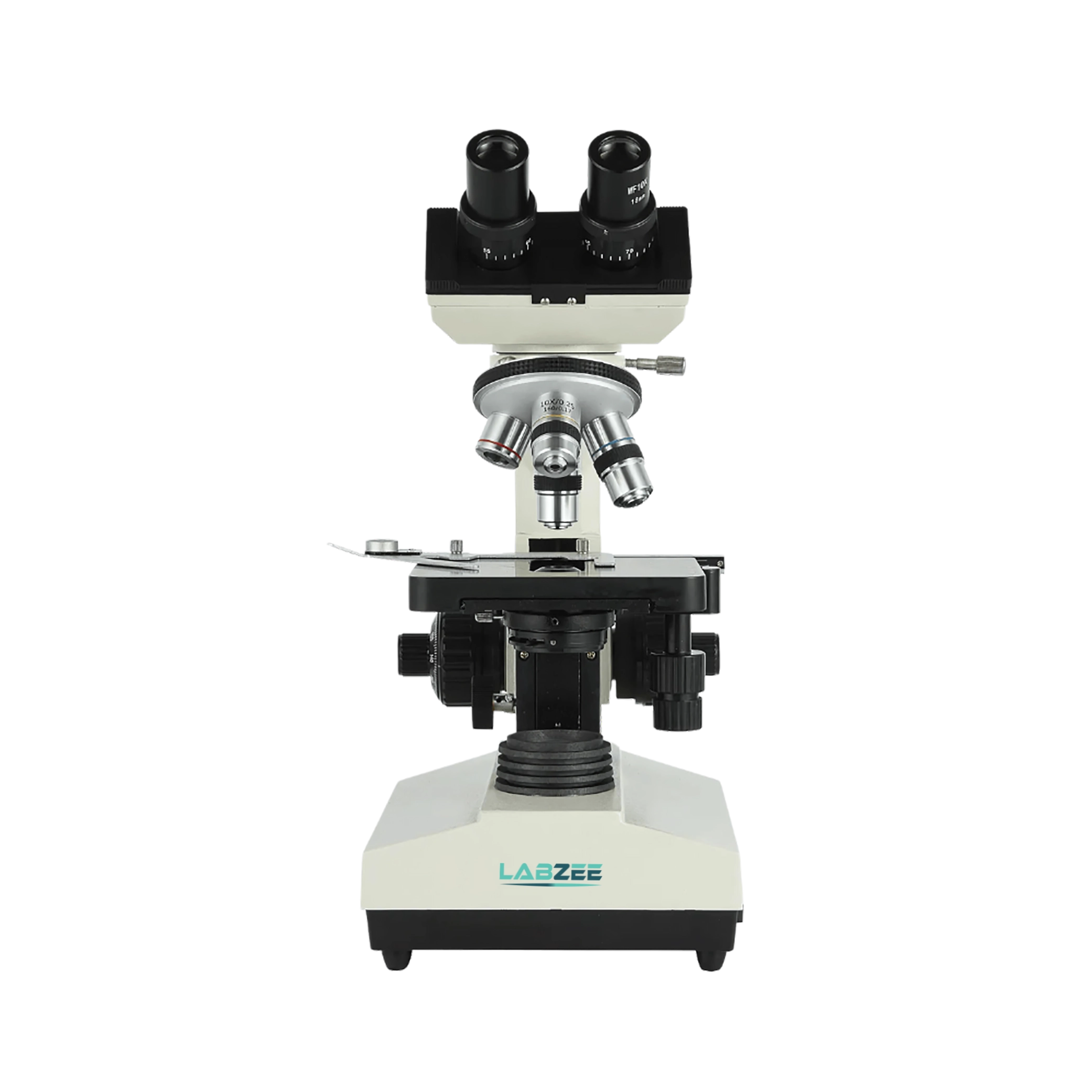

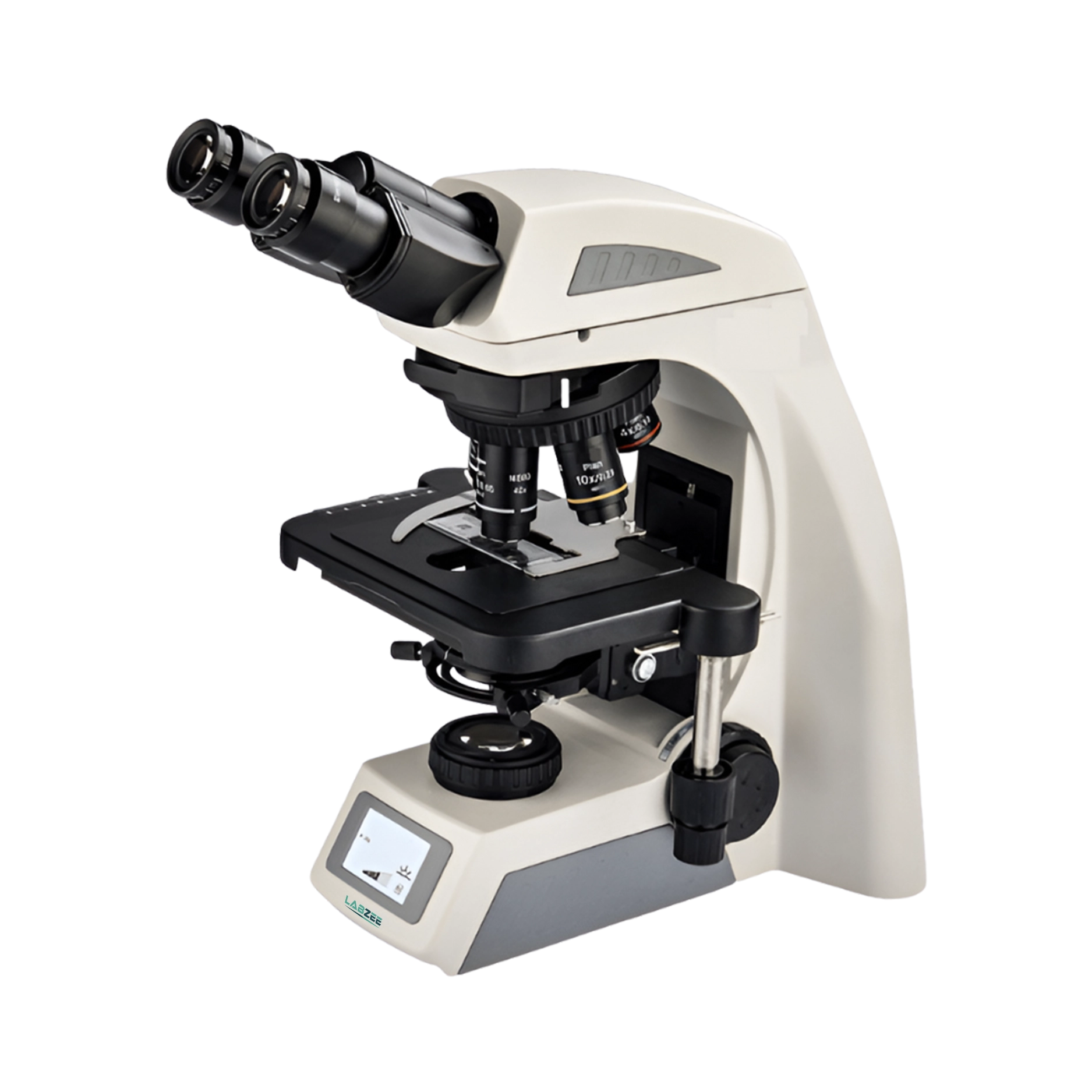

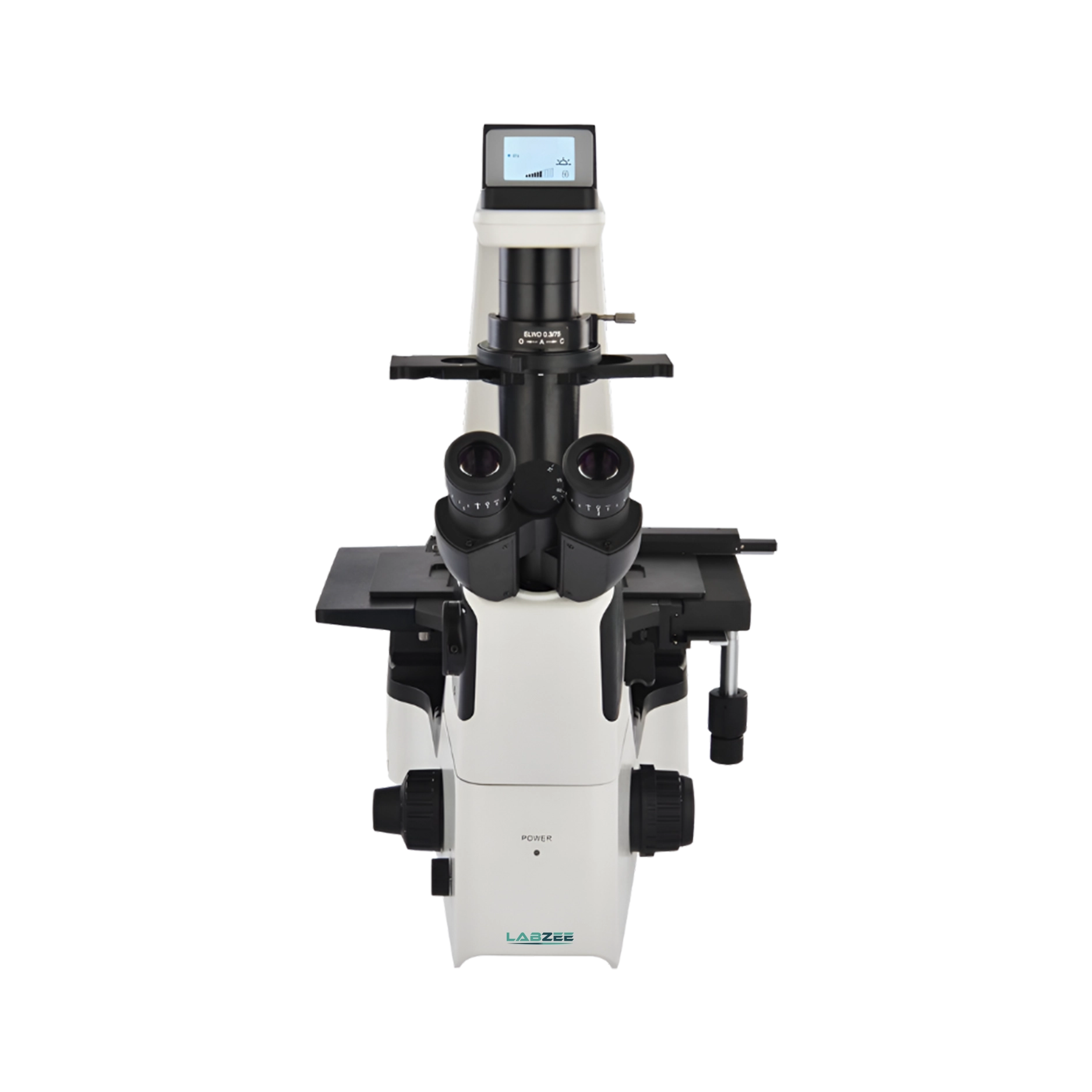
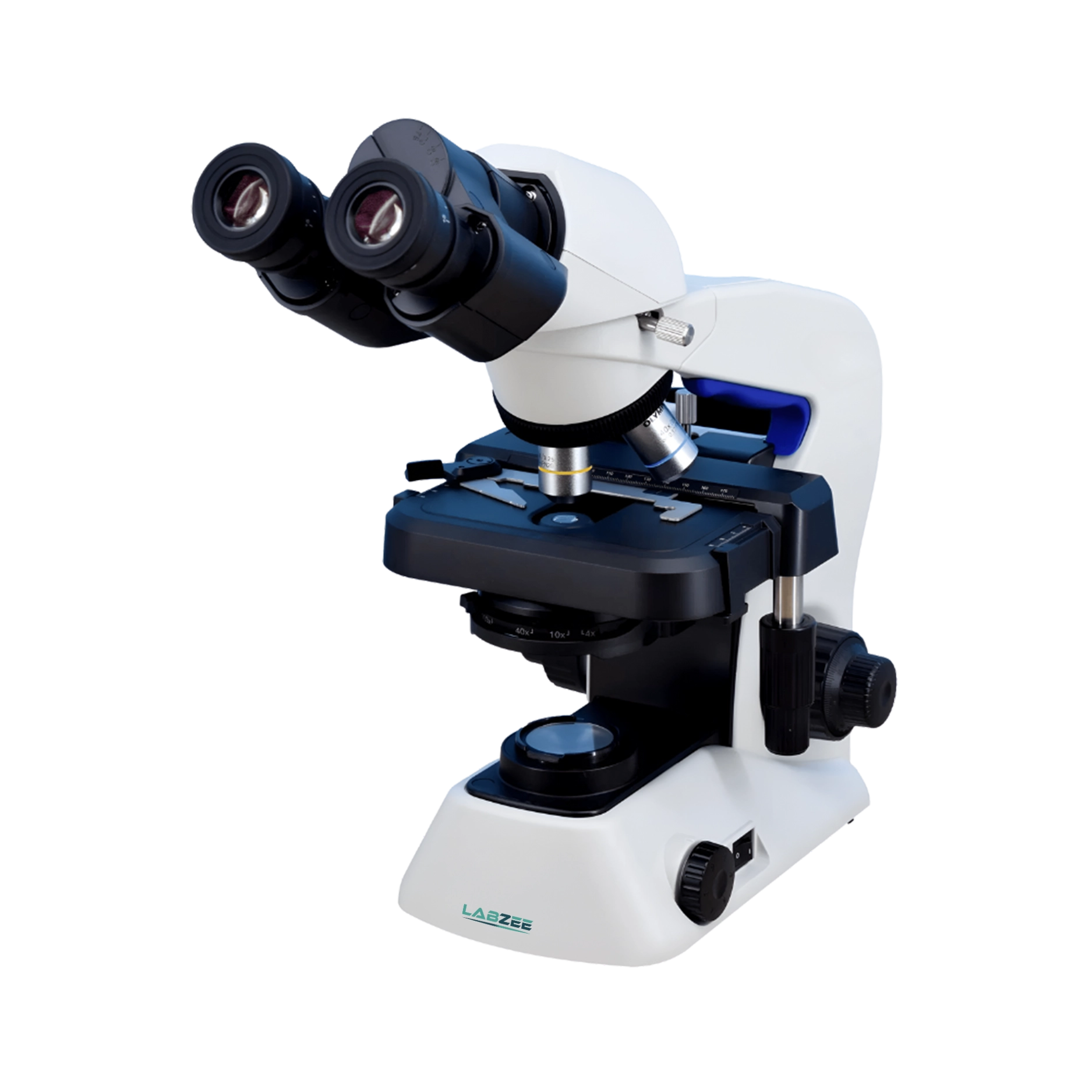

Labzee offers Stereo Zoom Microscopes designed for three-dimensional viewing of specimens with superior depth perception and clarity. They feature continuous zoom capabilities, high-quality optics, and adjustable magnification, making them ideal for observing fine surface details without the need for slide preparation. These microscopes provide long working distances, ergonomic designs, and optional digital camera integration for enhanced documentation. They ensure fatigue-free operation during extended use, thanks to their comfortable viewing angles and smooth focusing controls. Their precision and versatility make them a valuable tool in quality inspection, dissection, assembly, and research applications. Our Stereo Zoom Microscopes support various applications, including electronics inspection, medical dissection, entomology research, gemmology, and industrial quality control.

$ 1444

$ 1444
Labzee offers Metallurgical Microscopes designed for high-precision imaging and analysis of metal structures, composites, and other solid materials. They feature advanced optical systems, powerful magnification, and specialized lighting techniques to ensure accurate observation of microstructures. These microscopes are equipped with brightfield, darkfield, and polarized light options, making them ideal for metallurgical research and quality control. They come with durable construction, ergonomic designs, and digital imaging capabilities for efficient documentation and analysis. Their high-resolution imaging and robust performance make them essential tools in material science, manufacturing, and failure analysis. Our Metallurgical Microscopes support various applications, including metal structure analysis, industrial quality control, material science research, semiconductor inspection, and failure investigation.

$ 1628

$ 2422
