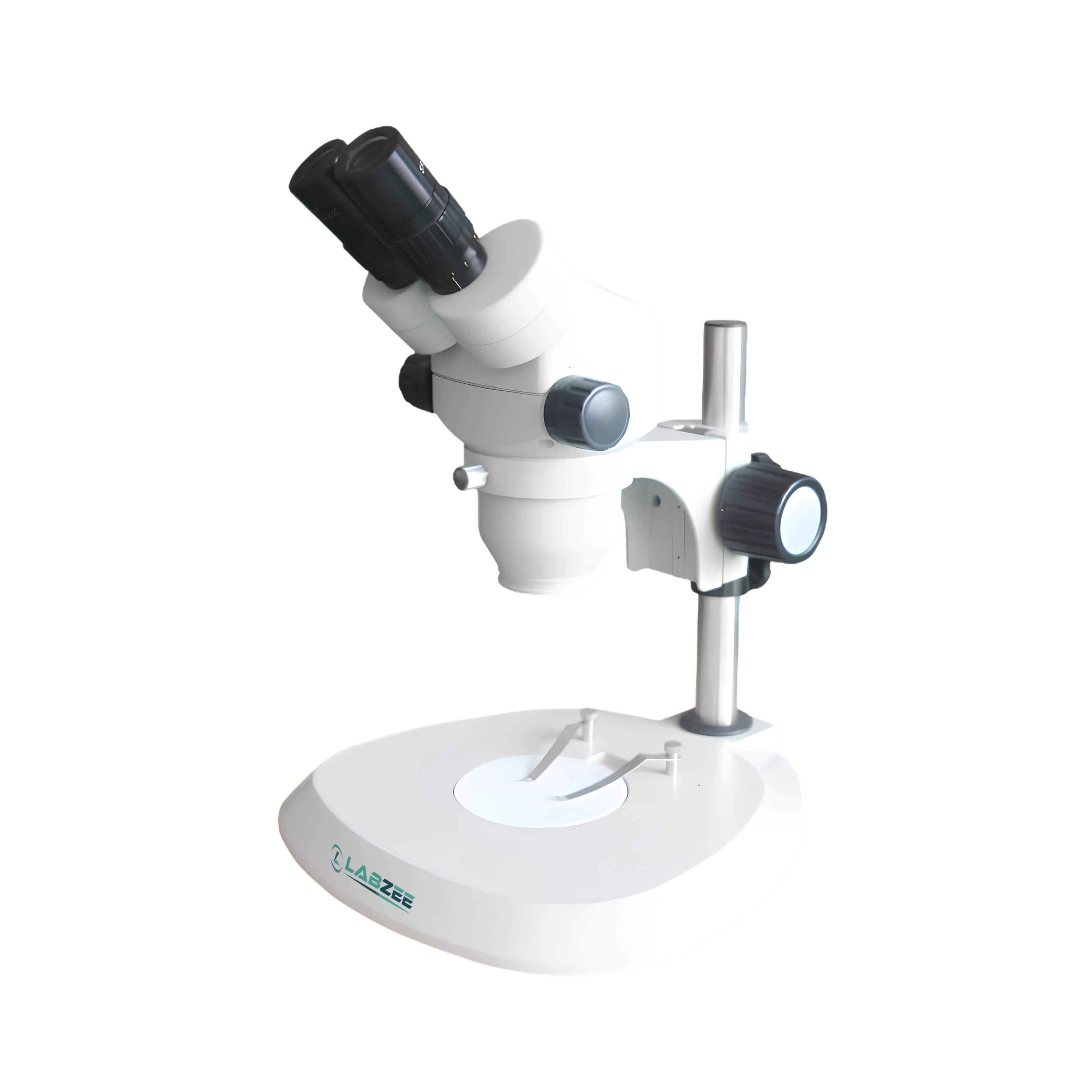
$ 3214
| Microscope Type | Optical Zoom Stereo Microscope |
| Objective | 0.7X–4.5X Zoom Objective |
| Zoom Ratio | 6.4X |
| Eyepiece | High eye-point and wide-field eyepiece WF10X/20mm |
| Optional Eyepiece | WF15X/15mm, WF20X/10mm, eyepiece with object micrometer |
| Magnification Range | 7X–45X (extendable to 3.5X–180X with optional accessories) |
| Zoom Driver | Horizontal Axial Driver Control Knobs |
| Working Distance | 100 mm effective distance (extendable to 30–165 mm) |
| Microscope Head | Binocular Observe Head, 45° inclined, 360° rotatable |
| Interpupillary Distance Adjustment | 54–76 mm |
| Diopter Adjustment | Bilateral ±6 diopter |
| Focus Adjustment Range | 50 mm |
| Drawtube Diameter | 76 mm |
| Stand Pillar Diameter | 32 mm |
| Stand Height | 240 mm |
| Working Board | Black & white working board, diameter 95 mm |
| Packaging Dimensions | 33 × 40 × 40 cm |
| Net Weight | 3.5 kg |
| Gross Weight | 6 kg |
• LED light source (illuminator)
• LED longhouse light accessory
• Optional eyepiece
• Working Distance: Provides a 100 mm effective distance for specimen positioning and handling.
• Rotatable Binocular Head: Features a 45° inclined head with 360° rotation for flexible viewing-position adjustment.
• Diopter Adjustment: Offers bilateral ±6 diopter adjustment for individual focusing during binocular observation.
• Focus Adjustment: Allows a 50 mm adjustment range for focusing on specimens at different positions.
• Interpupillary Adjustment: Supports a 54–76 mm adjustment range to accommodate different interpupillary distances.
• Horizontal Axial Driver: Enables horizontal control of the zoom objective for smooth magnification adjustment.
| Eyepiece | Total Magnification | Field of View |
|---|---|---|
| 10X Standard | 3.5X–22.5X (0.5X objective) | 57.1–8.9 mm |
| 7X–45X (1X objective) | 28.6–4.4 mm | |
| 10.5X–67.5X (1.5X objective) | 19–3 mm | |
| 14X–90X (2X objective) | 14.3–2.2 mm | |
| 15X Optional | 5.25X–33.75X to 21X–135X | 43.8–1.7 mm |
| 20X Optional | 7X–45X to 28X–180X | 28.6–1.1 mm |
Working distance with auxiliary objectives:
• Metallographic Inspection: Used for low-magnification observation of metallographic specimens before polishing and grinding.
• Weld Inspection: Applied to examine weld penetration depth and related surface features.
• Crack Measurement: Suitable for observing and measuring visible cracks in specimens.
• Semiconductor Inspection: Supports observation of semiconductor and glass components at low magnification.
• Material Surface Inspection: Enables examination of surface features in ceramics, minerals, composites, plastics, and metals.
Frequently Asked Questions
1: Can I upgrade lenses or parts?
Yes, you can often upgrade eyepieces, objective lenses, or add accessories like stands and cameras.
2: Is it good for quality control?
Yes, industries use it for inspecting product quality, surface defects, and assembly parts.
3: What is interpupillary adjustment?
This adjusts the distance between eyepieces to match the user’s eye distance for comfortable viewing.
4: Is it durable?
Yes, Stereo Zoom Microscopes are built with strong materials for long-term use in labs, schools, and industries.
5: Can the microscope be tilted or adjusted?
Yes, many Stereo Zoom Microscopes come with adjustable stands or tilting heads. This makes it easier to observe specimens from different angles.
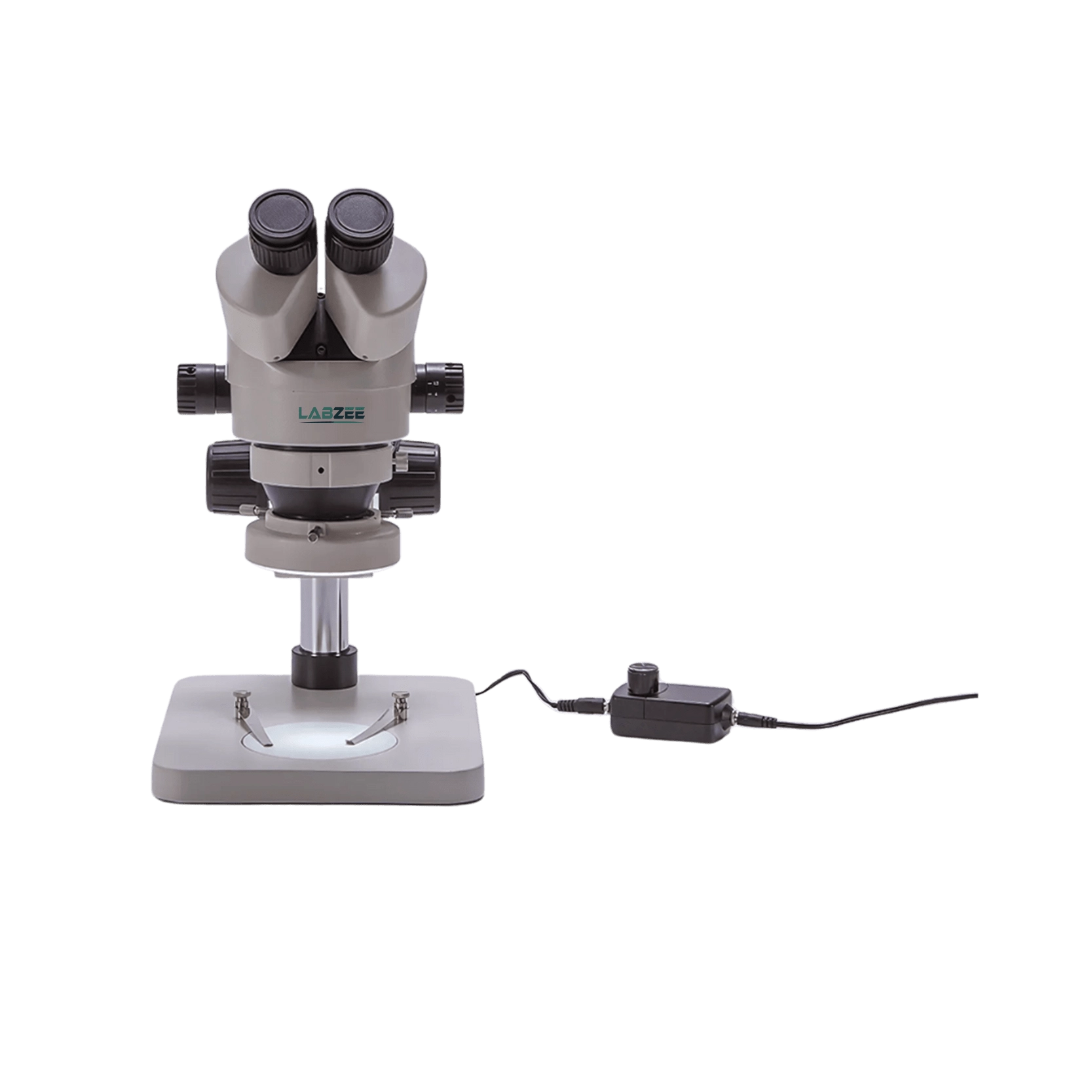
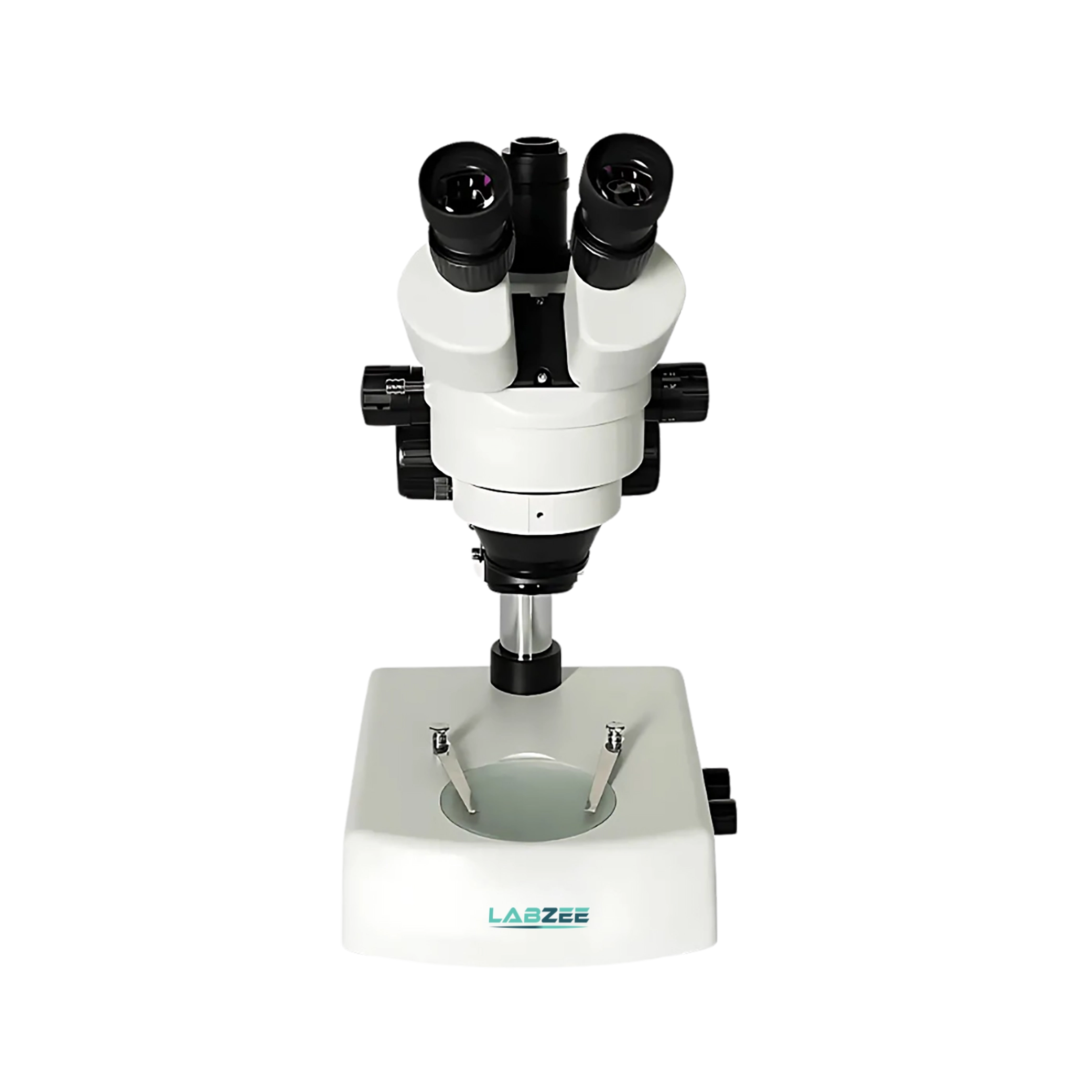
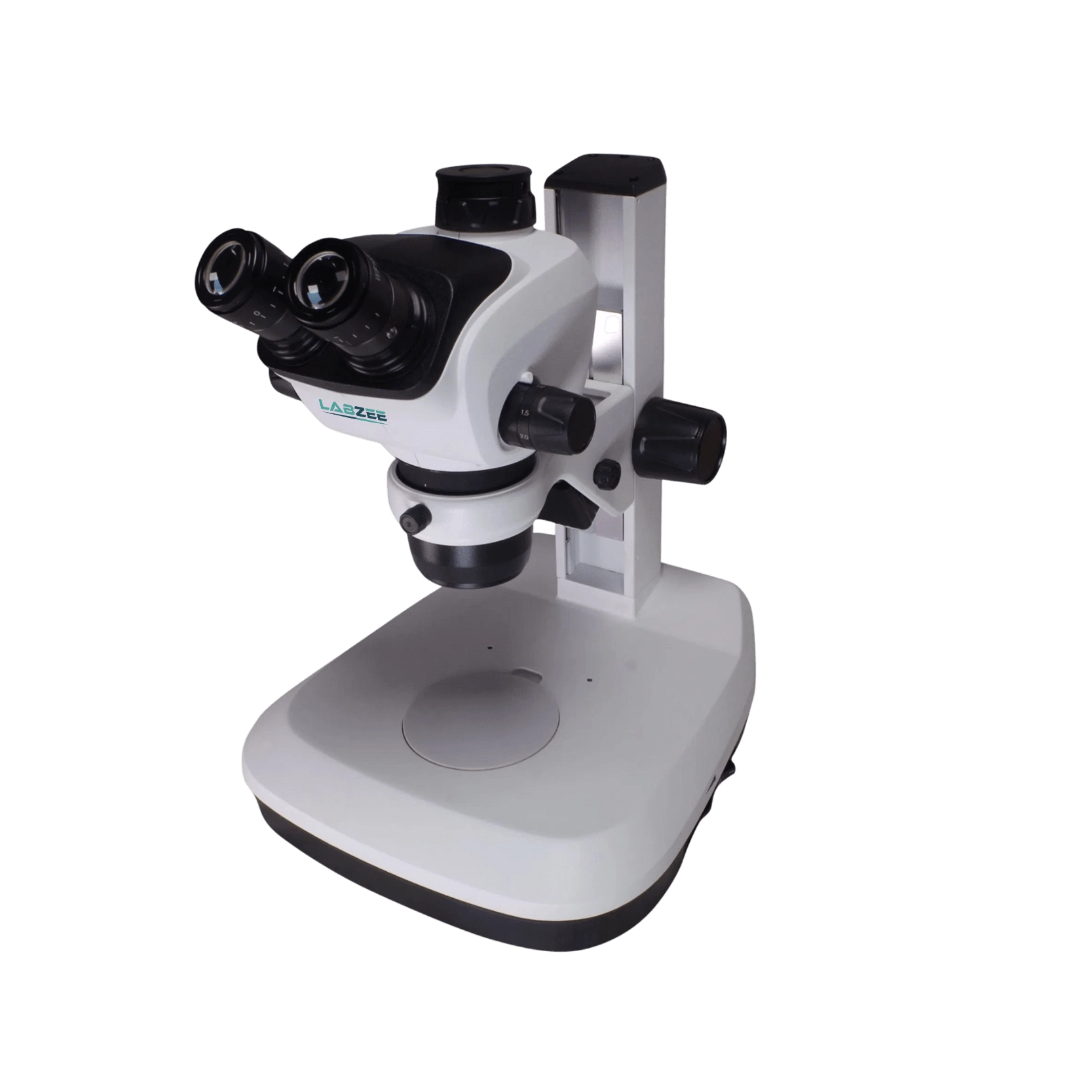
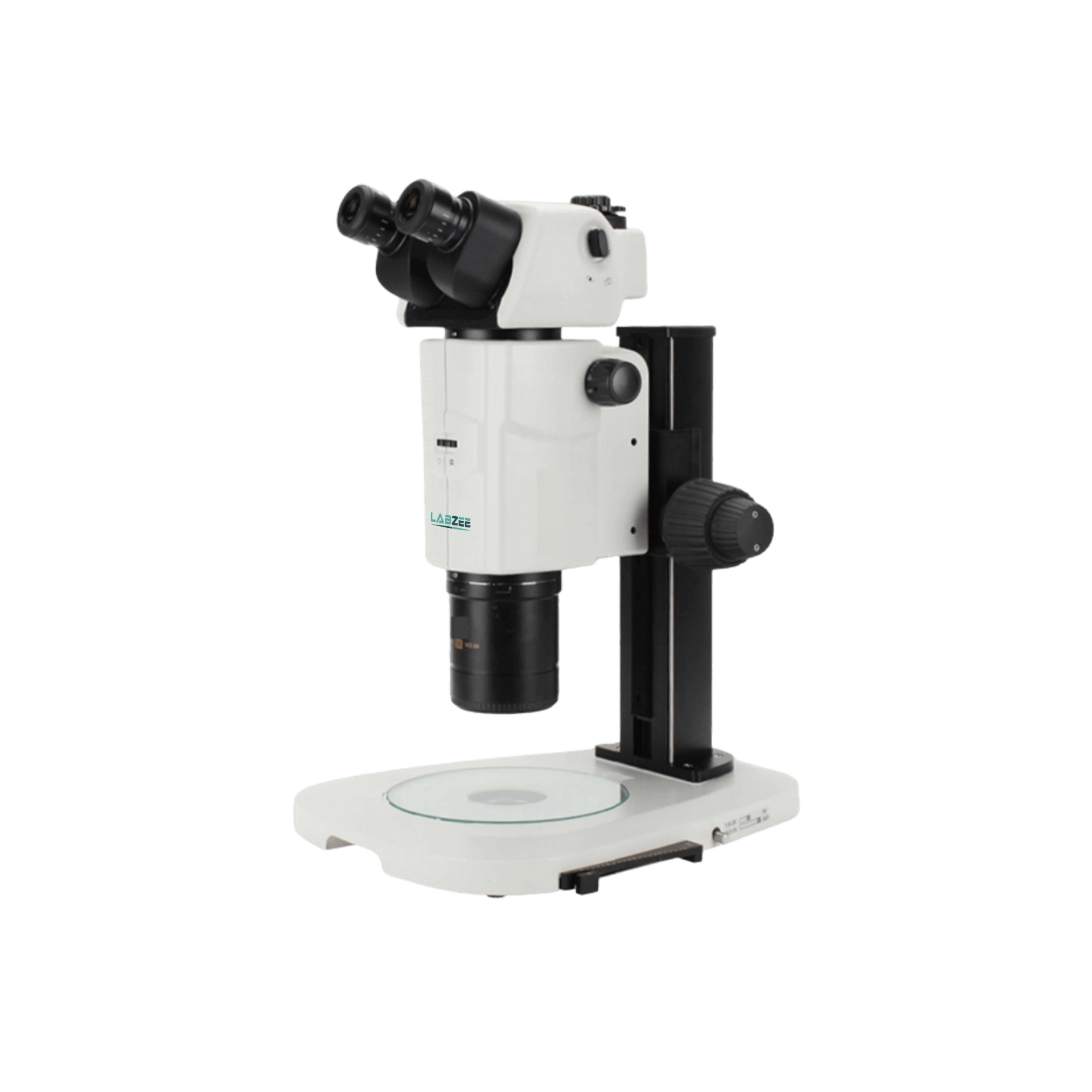
Labzee offers Stereo Zoom Microscopes designed for three-dimensional viewing of specimens with superior depth perception and clarity. They feature continuous zoom capabilities, high-quality optics, and adjustable magnification, making them ideal for observing fine surface details without the need for slide preparation. These microscopes provide long working distances, ergonomic designs, and optional digital camera integration for enhanced documentation. They ensure fatigue-free operation during extended use, thanks to their comfortable viewing angles and smooth focusing controls. Their precision and versatility make them a valuable tool in quality inspection, dissection, assembly, and research applications. Our Stereo Zoom Microscopes support various applications, including electronics inspection, medical dissection, entomology research, gemmology, and industrial quality control.





$ 1720
$ 1720
Labzee offers Metallurgical Microscopes designed for high-precision imaging and analysis of metal structures, composites, and other solid materials. They feature advanced optical systems, powerful magnification, and specialized lighting techniques to ensure accurate observation of microstructures. These microscopes are equipped with brightfield, darkfield, and polarized light options, making them ideal for metallurgical research and quality control. They come with durable construction, ergonomic designs, and digital imaging capabilities for efficient documentation and analysis. Their high-resolution imaging and robust performance make them essential tools in material science, manufacturing, and failure analysis. Our Metallurgical Microscopes support various applications, including metal structure analysis, industrial quality control, material science research, semiconductor inspection, and failure investigation.

$ 1628

$ 2422
