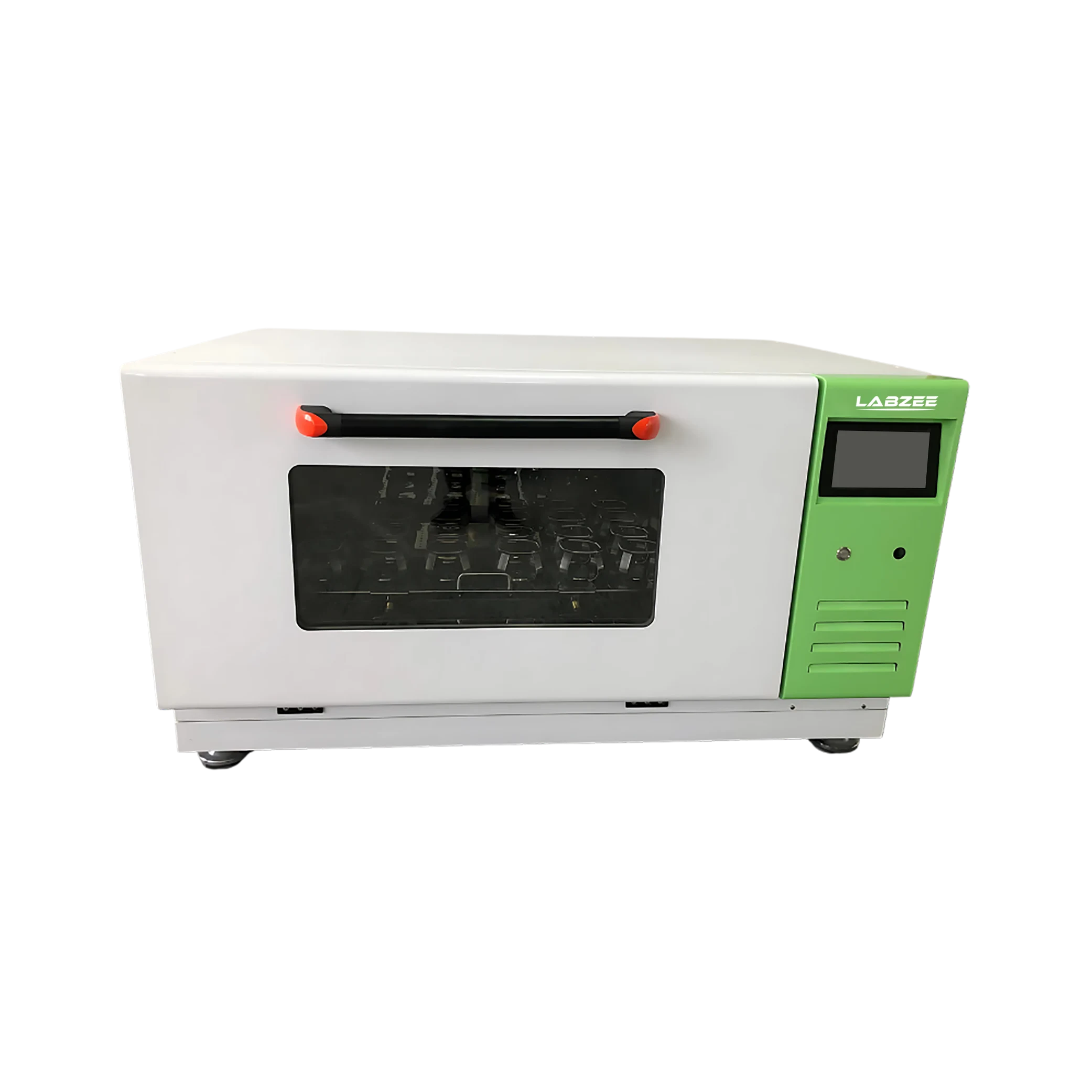
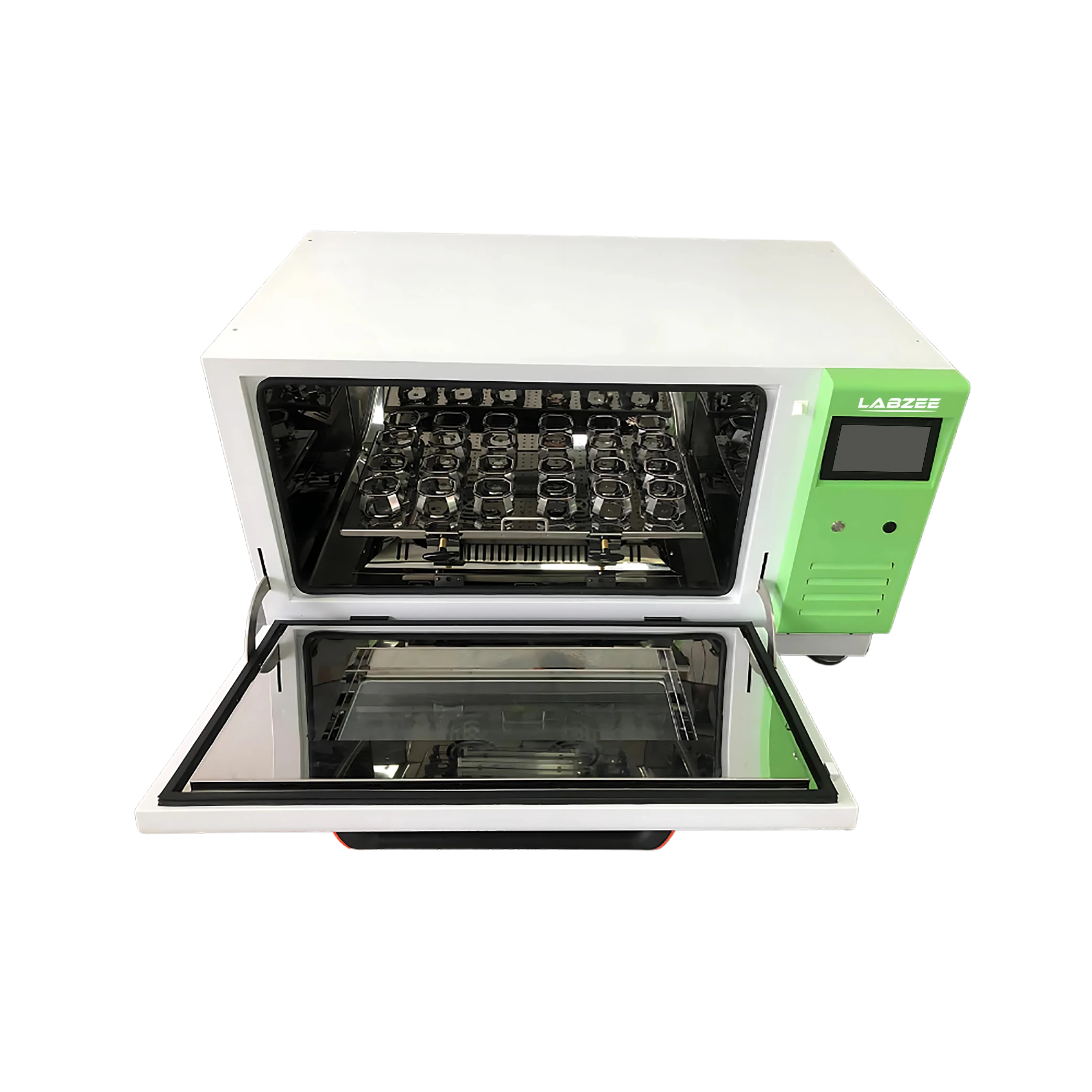
$ 8119
| Volume | 130 L |
| Shaking Speed | 60 to 280 rpm |
| Speed Accuracy | ±1 rpm |
| Swing Amplitude (Diameter) | 28 mm |
| Temperature Range | Ambient-15℃ to 60℃ (Min. Temp. 4℃) |
| Timing Range | 1 to 9999min |
| Temperature Accuracy | ±0.1 (Under Constant Temperature) |
| Temperature Uniformity | ±1 |
| CO2 Range | 0 to 20% |
| CO2 Control Accuracy | ± 0.1% (Imported Sensor) |
| Tray Dimension | 47.5×46.5 cm |
| Power Consumption | 2000W |
| Chamber Size (W×D×H) | 60×54×43 cm |
| Exterior Size (W×D×H) | 97.5×79.5×189 cm |
Flask Clamp (250ml) × 20 Pieces
7-inch Touchscreen Interface
Infrared CO2 Sensor with Inlet
Programmable Multi-Timing Control
Over-temperature Auto Shutoff
Automatic Defrost System
Data Logging USB Port
Labzee Multi-Layer Shaking Incubator BZLI-503 is ideal for Cell culture, fermentation, and hybridization processes in medical research, pharmaceutical development, biochemical analysis, and agricultural science.
Frequently Asked Questions
1: How does the incubator ensure contamination control?
Multi-Layer Shaking Incubator BZLI-503 integrates UV sterilization, a sealed chamber with double-door design, and auto-stop shaking upon door opening, minimizing contamination risk during operation or observation.
2: What kind of programmability does the system support?
The 7-inch touchscreen enables multi-segment programming, allowing users to define complex protocols with variable temperature, speed, and CO2 settings — all with timing and password protection for security and repeatability.
3: How does the system respond to temperature or sensor failures?
Multi-Layer Shaking Incubator BZLI-503 includes auto-shutdown, audible/visual alarms, and a backup mechanical thermostat that maintains basic heating in case of electronic control failure — ensuring sample safety.
4: How does the defrosting system work?
Multi-Layer Shaking Incubator BZLI-503 includes an automatic defrost function to maintain performance during extended operation without manual intervention.
5: What are the CO2 control specifications?
Multi-Layer Shaking Incubator BZLI-503 supports a CO2 range of 0 to 20%, controlled with high precision using an imported IR sensor with an accuracy of ±0.1%.
6: Can multiple units be stacked?
Yes, our Multi-Layer Shaking Incubator BZLI-503 is stackable up to 3 layers, with each layer having independent control over its temperature, CO2 level and shaking speed.
7: What is a Multi-Layer Shaking Incubator?
Multi-Layer Shaking Incubators are laboratory instruments designed for stackable incubation with precise shaking, temperature, and optional CO2 control, ideal for microbial, cell culture, and fermentation applications.
8: What are the available model capacities?
Our Multi-Layer Shaking Incubators are available in models ranging from 130 L/layer to 245 L/layer, allowing scalable, space-efficient solutions for different lab requirements.
9: What shaking speed range do they offer?
They provide orbital shaking speeds from 6–280 rpm with high precision for uniform sample agitation.
10: How is temperature controlled?
Temperature is precisely regulated using a PID microcomputer system, ensuring stable and consistent thermal conditions for sensitive samples.
11: Do they offer CO2 control?
Yes, CO2-enabled models feature a built-in CO2 inlet with infrared sensors, allowing accurate regulation up to 20% CO2 with ±0.1% control precision.
12: How is the incubator operated?
Our Multi-Layer Shaking Incubators feature large LCD or touchscreen interfaces with menu-based navigation, multi-segment programmable settings, real-time monitoring, and secure access via password protection.
13: Are the incubators energy-efficient?
Yes, their built-in compressors use eco-friendly refrigerants, delivering quiet, efficient cooling while maintaining precise environmental conditions.
14: What safety features do they include?
They come with automatic defrost, over-temperature auto shutdown, door-triggered auto-stop, and double-door designs for safe observation of samples.
15: Can multiple layers operate independently?
Yes, independent layer control is available, allowing each layer to maintain separate temperature and shaking parameters for flexible experimentation.
Labzee Multi-Layer Shaking Incubators offer space-saving, multi-layer incubation with precise control of shaking, temperature, and gas. They are available in models ranging from 130?L/layer to 245?L/layer, delivering uniform mixing and stable environmental conditions. These units feature large LCD displays with menu-based navigation, simplifying operation and real-time monitoring. Their built-in compressors use eco-friendly refrigerants, providing quiet and efficient cooling. Our Multi-Layer Shaking Incubators are ideal for medical, pharmaceutical, and agricultural research laboratories requiring incubation with precise environmental control.


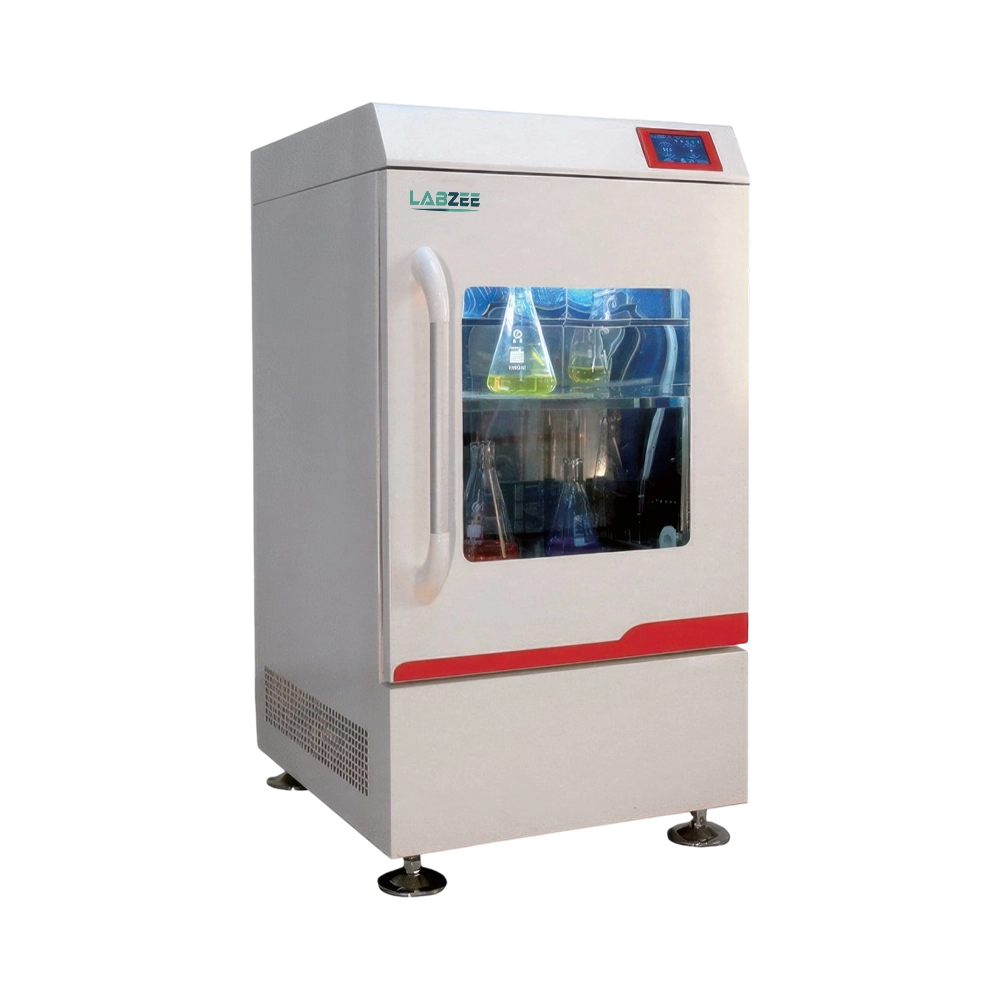
Labzee vertical incubator shakers deliver space-saving efficiency with powerful temperature and shaking performance for high-throughput labs. Their vertical stacking design optimizes floor space while maintaining independent control for each chamber. The are equipped with advanced microprocessor technology to ensure consistent thermal uniformity and precise shaking speed. Their user-friendly digital controls and clear displays simplify parameter monitoring and adjustments. Our vertical incubator shakers are ideal for laboratories with limited space and support demanding applications such as cell growth, fermentation, and protein production.
$ 5096

$ 2767
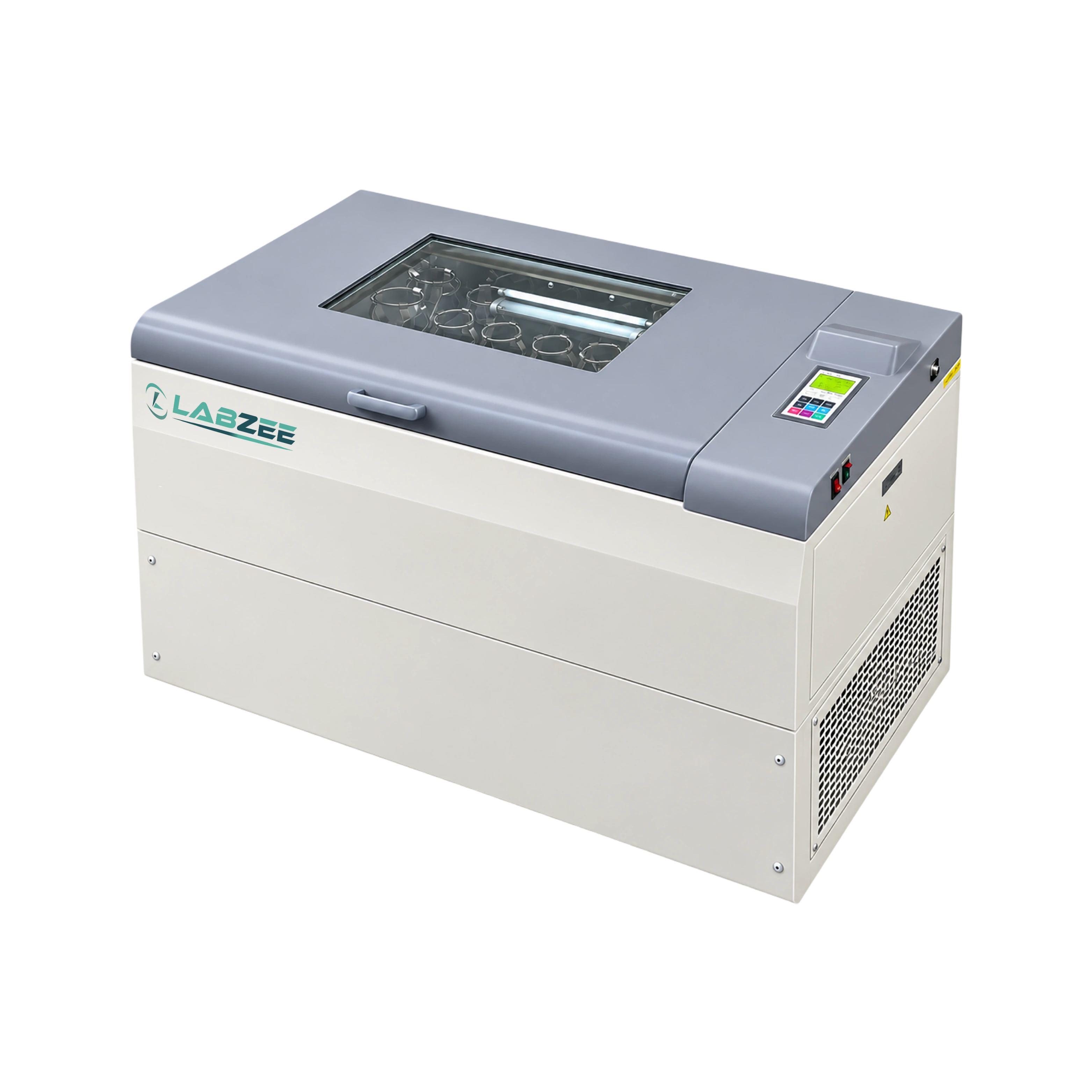
Labzee horizontal incubator shakers provide stable, uniform shaking and temperature control for a wide range of lab applications. Their broad platform design accommodates large flasks and high-volume cultures with ease. They provide advanced microprocessor controls to ensure precise speed, temperature, and timing for reproducible results. These offers intuitive digital interface for convenient operation and real-time monitoring. Our horizontal incubator shakers are perfect for microbial culture, hybridization, and biochemical studies requiring consistent agitation.
$ 6549
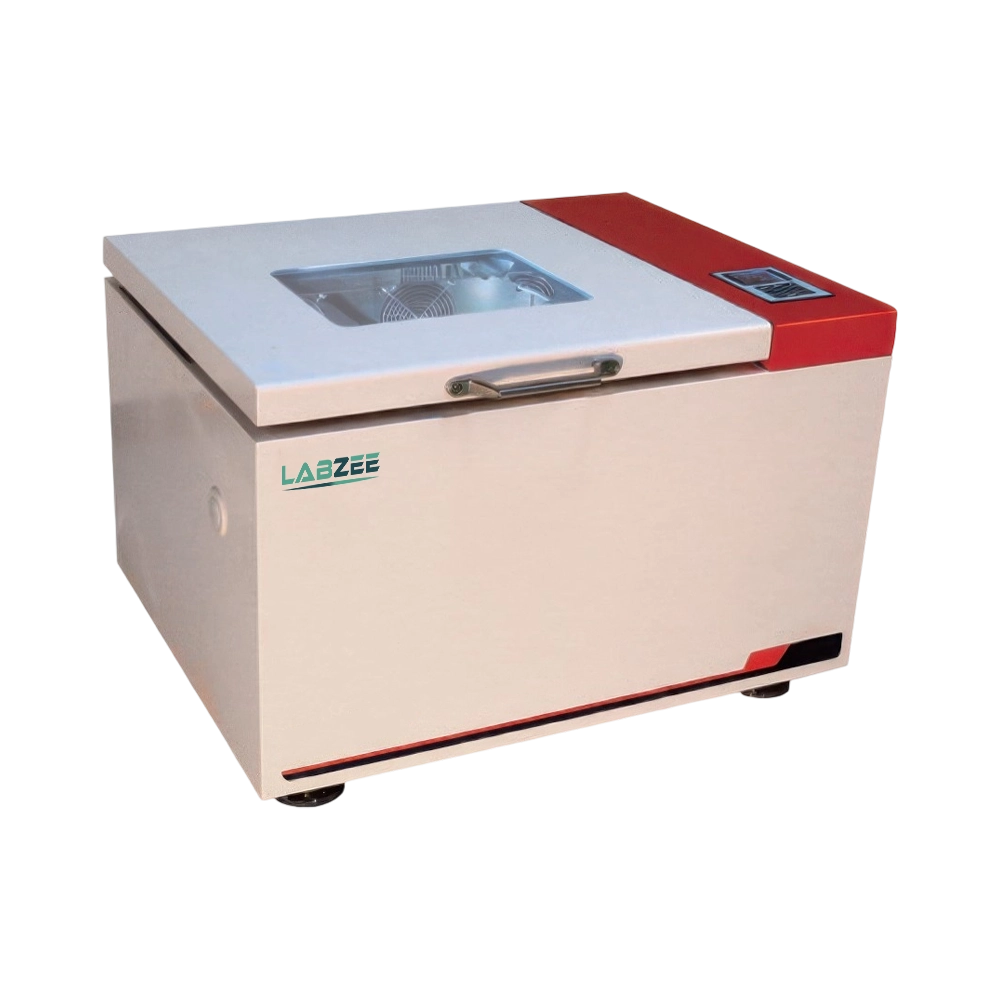
Labzee micro incubator shakers offer compact, reliable shaking and temperature control for small-scale laboratory needs. They are designed for benchtop use, support precise cultivation of cells, microbes, and small-volume cultures. Their advanced microprocessor technology ensures accurate speed, temperature, and timing control for reproducible experiments. They provide a user-friendly digital interface that allows seamless operation and real-time monitoring. Our micro incubator shakers are ideal for molecular biology, diagnostics, and enzyme reaction studies in space-constrained settings.
$ 4386
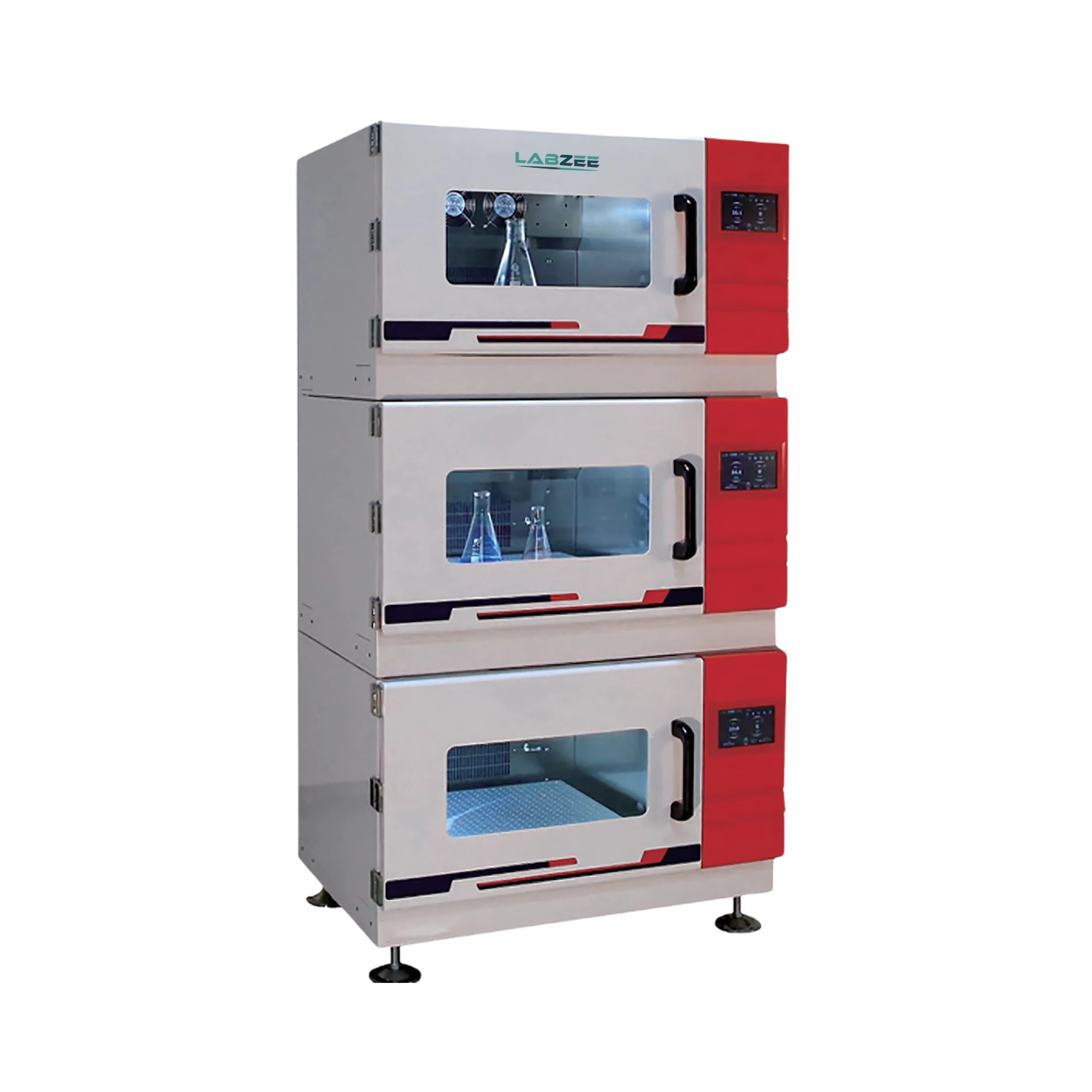
Labzee stackable incubator shakers deliver high-capacity shaking and incubation with a minimal footprint, perfect for scale-up in busy labs. They are designed for vertical stacking and maximize throughput without sacrificing valuable bench space. These units feature precise microprocessor control for consistent temperature, speed, and timing across all levels. Their intuitive digital interface ensures easy operation, data visibility, and experiment reproducibility. Our stackable incubator shakers are ideal for microbial culture, protein expression, and fermentation in high-volume research environments.
$ 13662

$ 17457
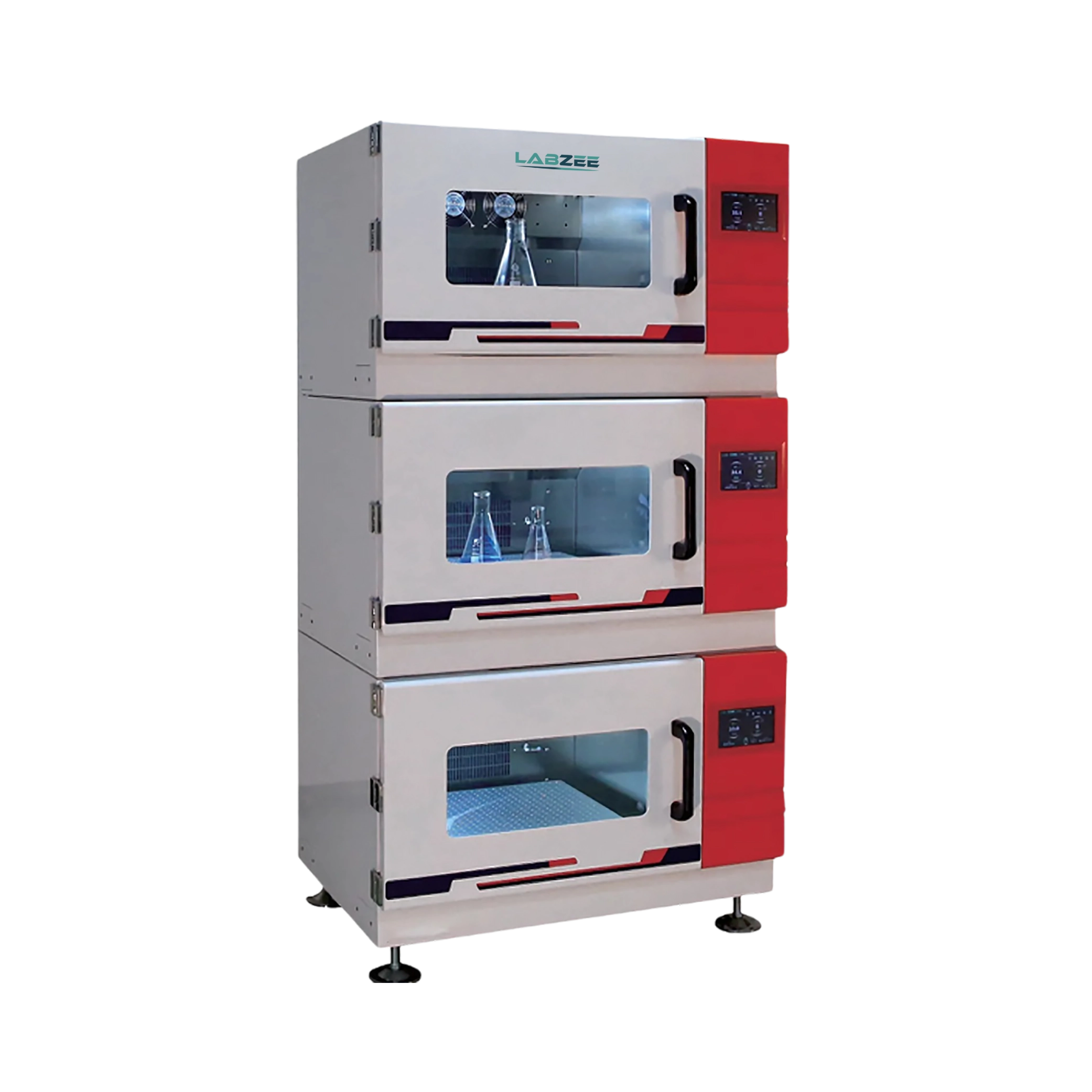
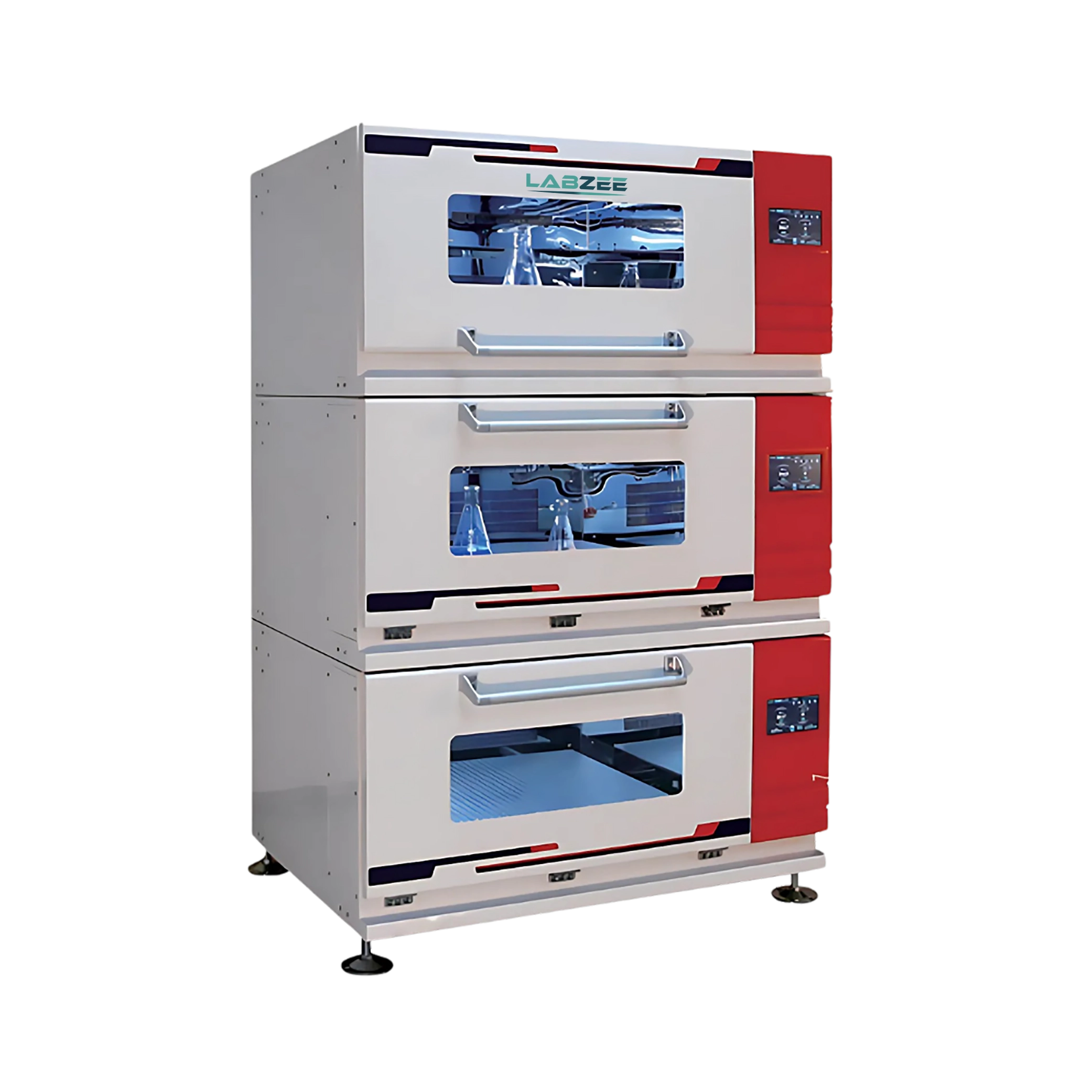
Labzee CO? incubator shakers provide precise CO? control combined with high-performance shaking for optimal cell culture growth. They are engineered for uniform gas distribution, temperature consistency and ensure ideal conditions for sensitive mammalian cells. Their stackable design conserves lab space while supporting high-throughput workflows. These have user-friendly digital interface that allows seamless control and monitoring of CO?, temperature, and agitation parameters. Our CO? incubator shakers is perfect for stem cell research, tissue engineering, and biopharmaceutical development and support advanced research demands.
$ 11466
$ 11360
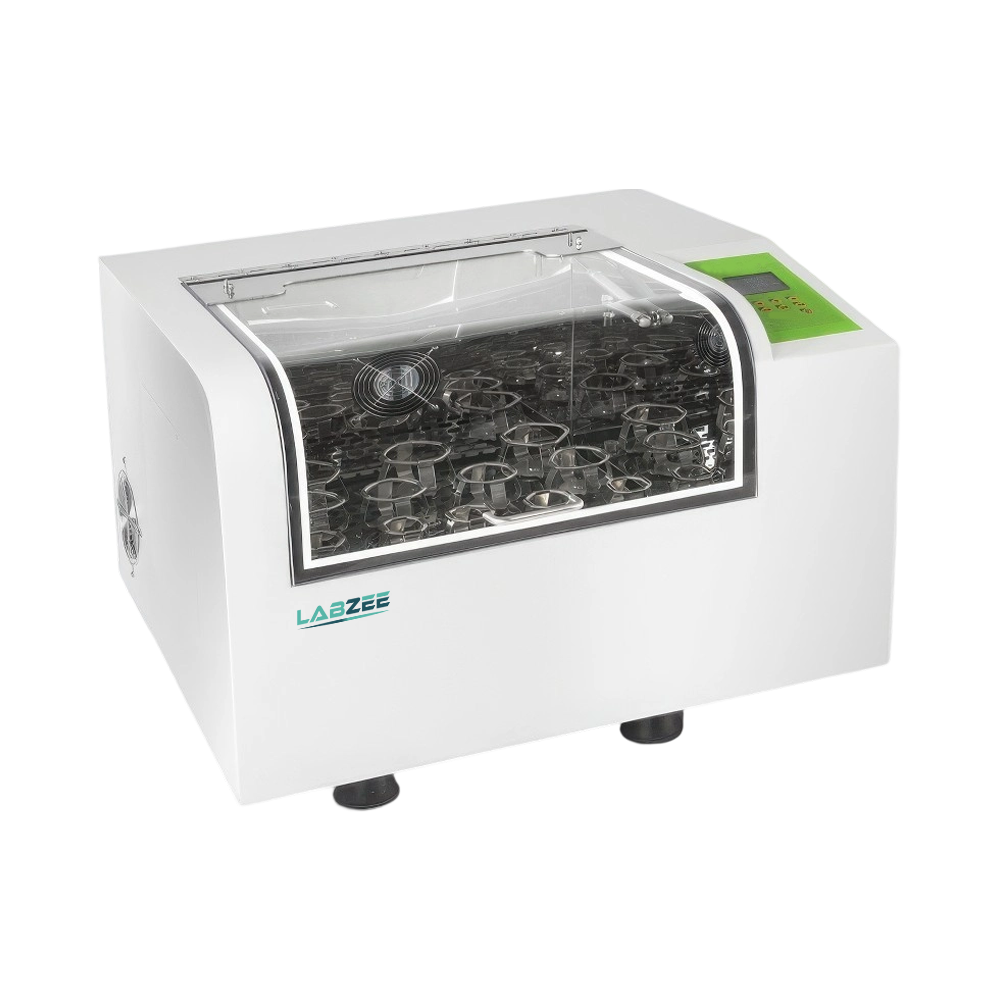
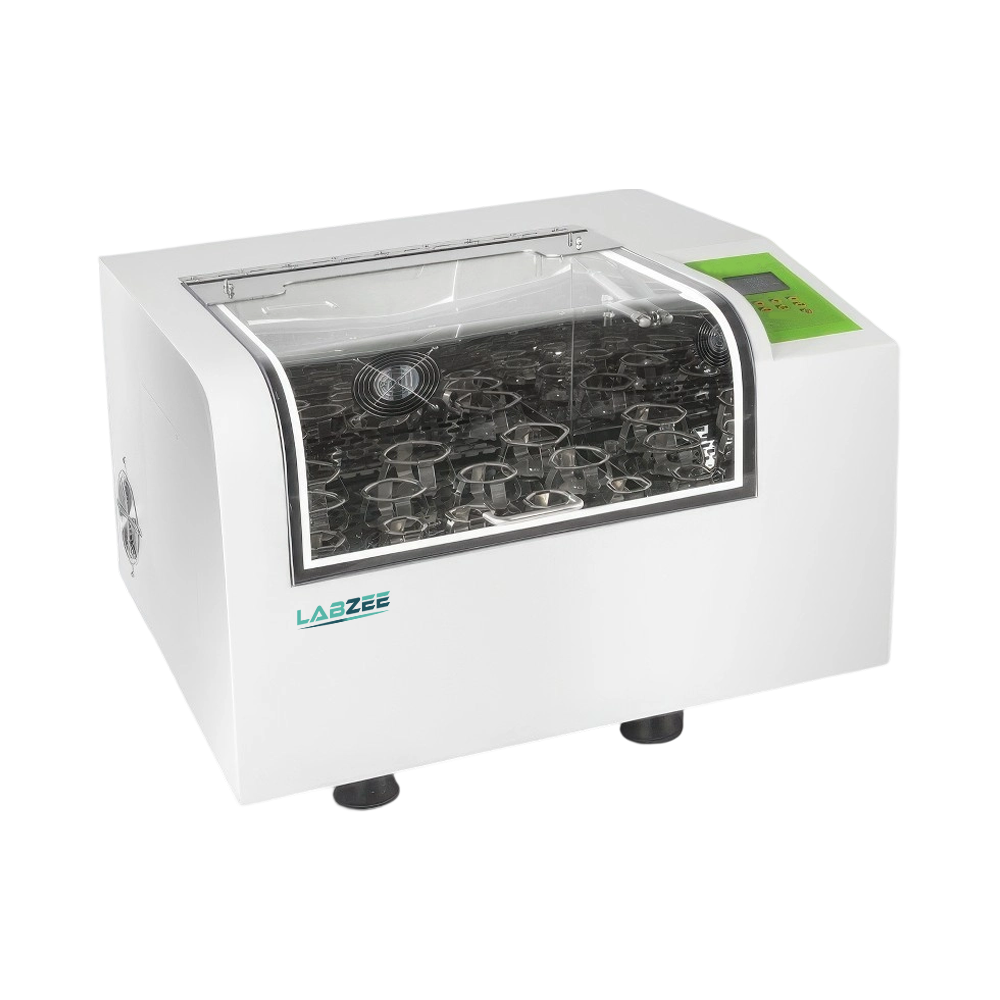
Labzee Benchtop Shaking Incubators are designed to deliver precise temperature control and consistent shaking in a compact format. They offer programmable settings with a 20–300 rpm shaking speed for flexible operation. These incubators feature digital LCD displays, intuitive controls, and built-in safety mechanisms to streamline operation and improve accuracy. Their brushless DC motors ensure smooth, quiet, and maintenance-free performance. Our Benchtop Shaking Incubators are ideal for demanding research and quality control applications.
$ 2275
$ 2879
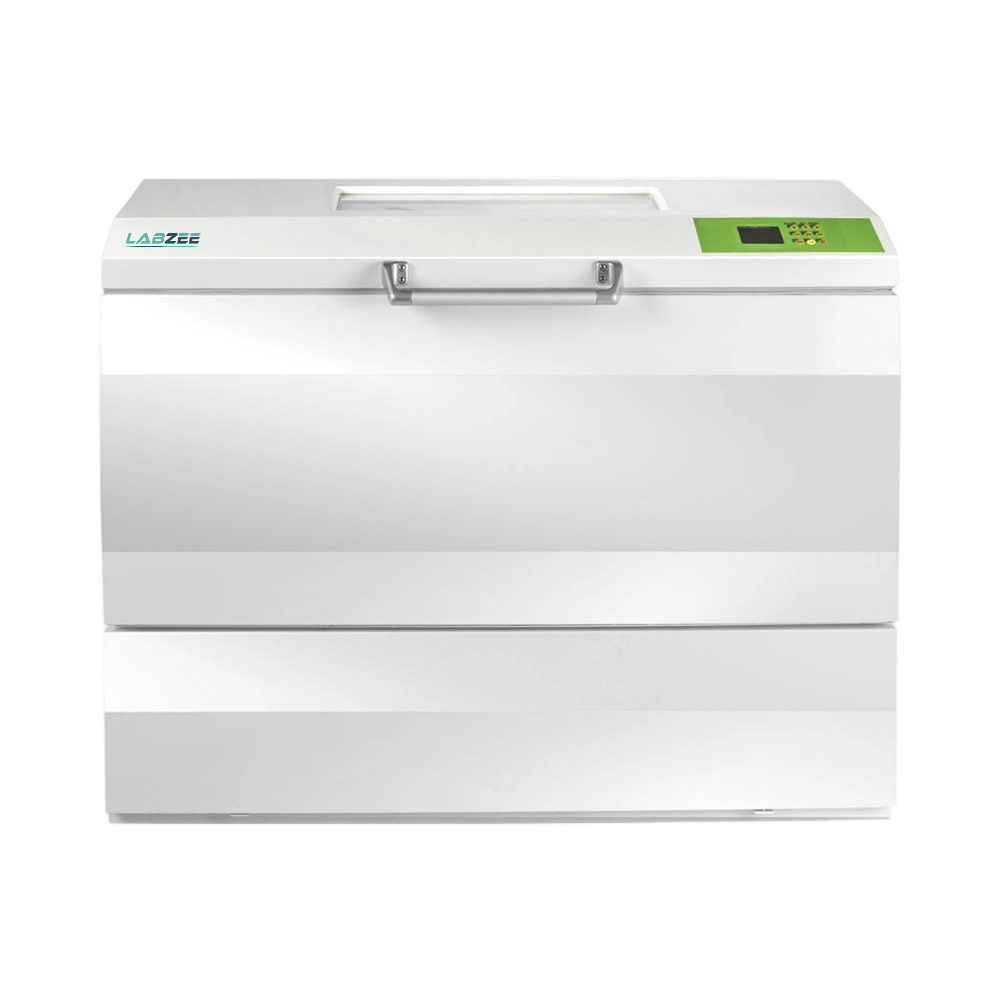
Labzee Floor Standing Shaking Incubators are designed for reliable temperature control and consistent sample agitation. They offer a wide temperature range of 4°C to 60°C, with precise PID regulation and adjustable shaking speeds to meet diverse experimental needs. Their user-friendly digital interfaces allow real-time monitoring of temperature, speed, and timing. They feature integrated UV sterilizers to maintain a contamination-free environment. Our Floor Standing Shaking Incubators are ideal for applications in microbiology, pharmaceutical research, and biotechnology laboratories.
$ 4690

$ 5118
