Autoclaves from Labzee offer steam sterilization of laboratory glassware, surgical instruments, dental tools, textiles inside a sealed chamber. The range covers laboratory autoclave, autoclave sterilizer designs, including benchtop autoclave, table top autoclave, vertical autoclave, horizontal autoclave, portable autoclave models, with Class B autoclave and pulse vacuum autoclave versions using pre-vacuum sterilization for thorough air removal. The steam sterilizer autoclave machine pairs pressure and temperature control with a drying cycle, safety features including door locks, pressure sensors, overheat protection, and automatic shut-off, supporting sterilization in research, healthcare, dental, clinical settings. ISO and CE-certified, Labzee autoclaves support safe, hygienic workflows through steam sterilization.

Chamber Capacity: 18L
Chamber Volume: Φ280×260mm
Working Pressure: 0.14 to 0.16MPa
Working Temperature: 126 ℃
$ 1444
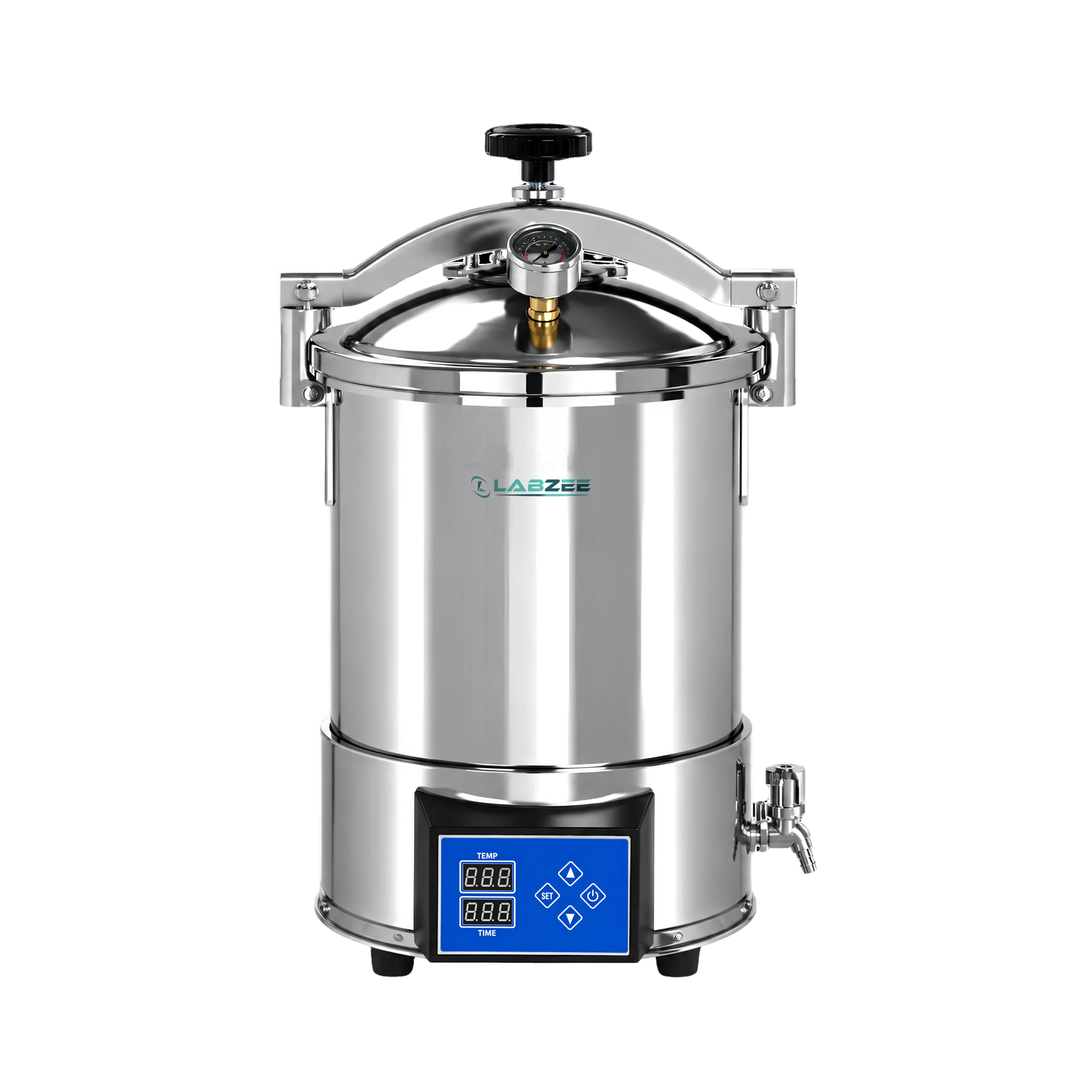
Chamber Capacity: 24L
Chamber Volume: Φ280×390mm
Working Pressure: 0.14 to 0.16MPa
Working Temperature: 126 ℃
$ 1502
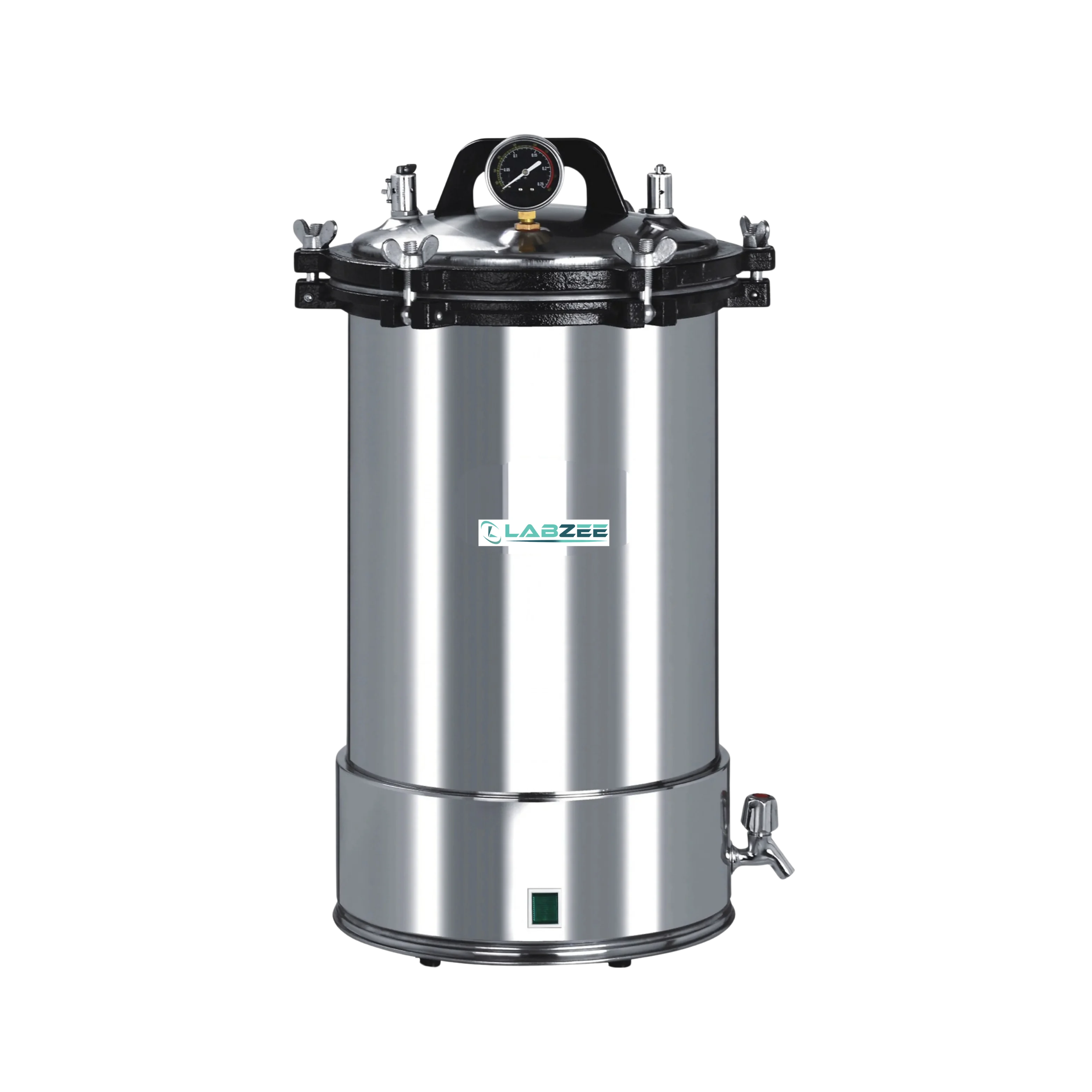
Chamber Capacity: 18L
Chamber Volume: Φ280×260mm
Working Pressure: 0.14 to 0.16MPa
Working Temperature: 126℃
$ 1318
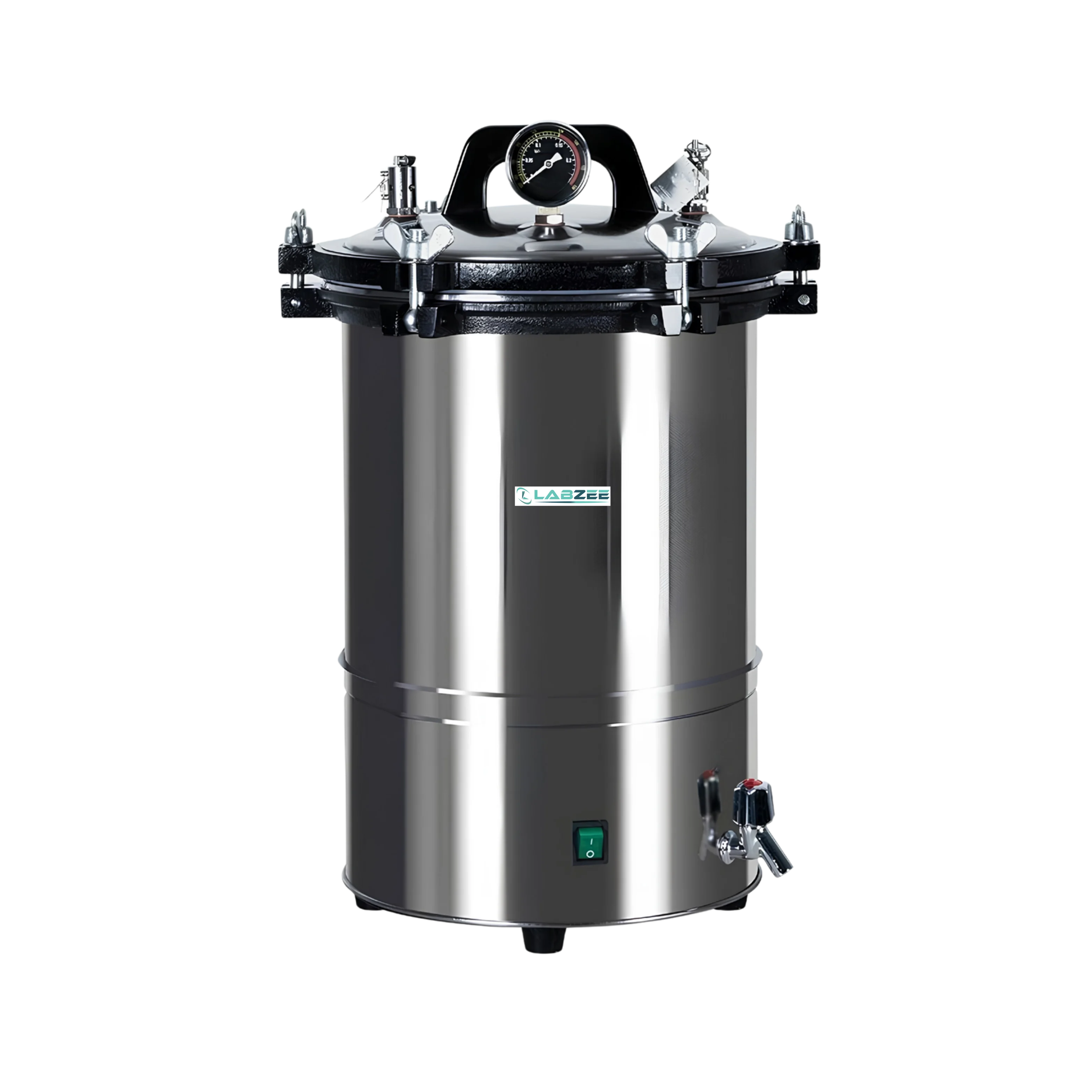
Chamber Capacity: 24L
Chamber Volume: Φ280×390mm
Working Pressure: 0.14 to 0.16MPa
Working Temperature: 126℃
$ 1364
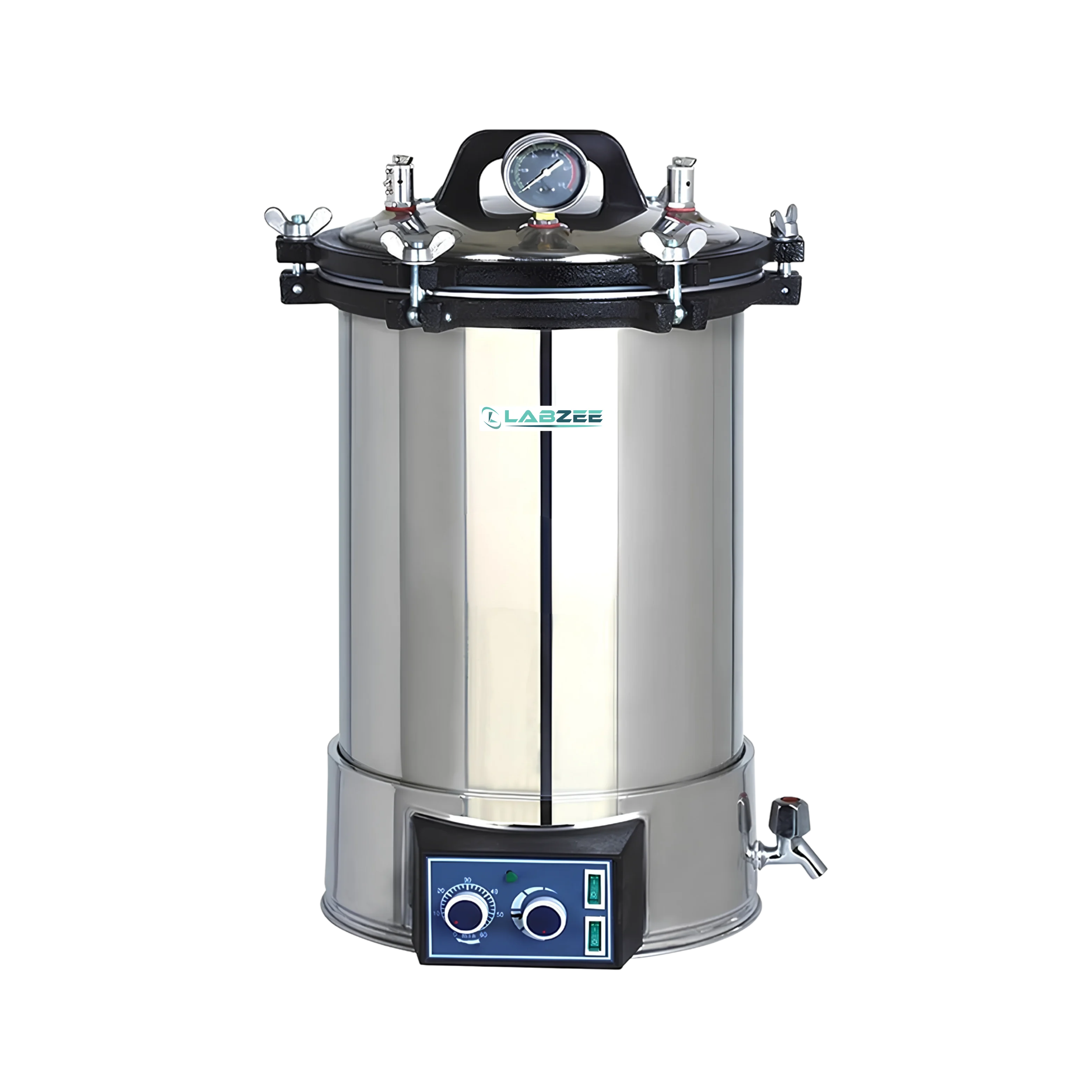
Chamber Capacity: 18L
Chamber Volume: Φ280×260mm
Working Pressure: 0.14 to 0.16MPa
Working Temperature: 126℃
$ 1364
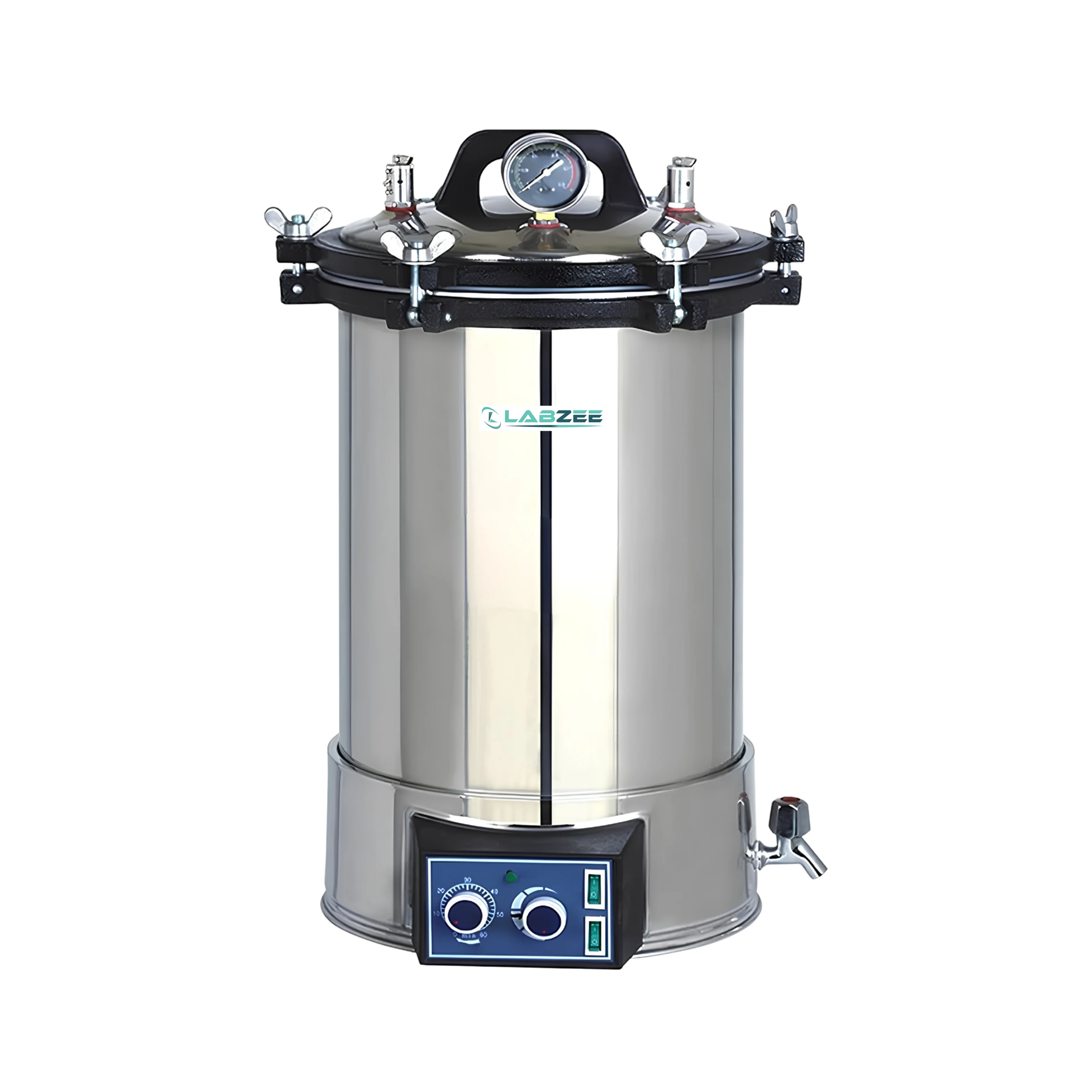
Chamber Capacity: 24L
Chamber Volume: Φ280×390mm
Working Pressure: 0.14 to 0.16MPa
Working Temperature: 126℃
$ 1433
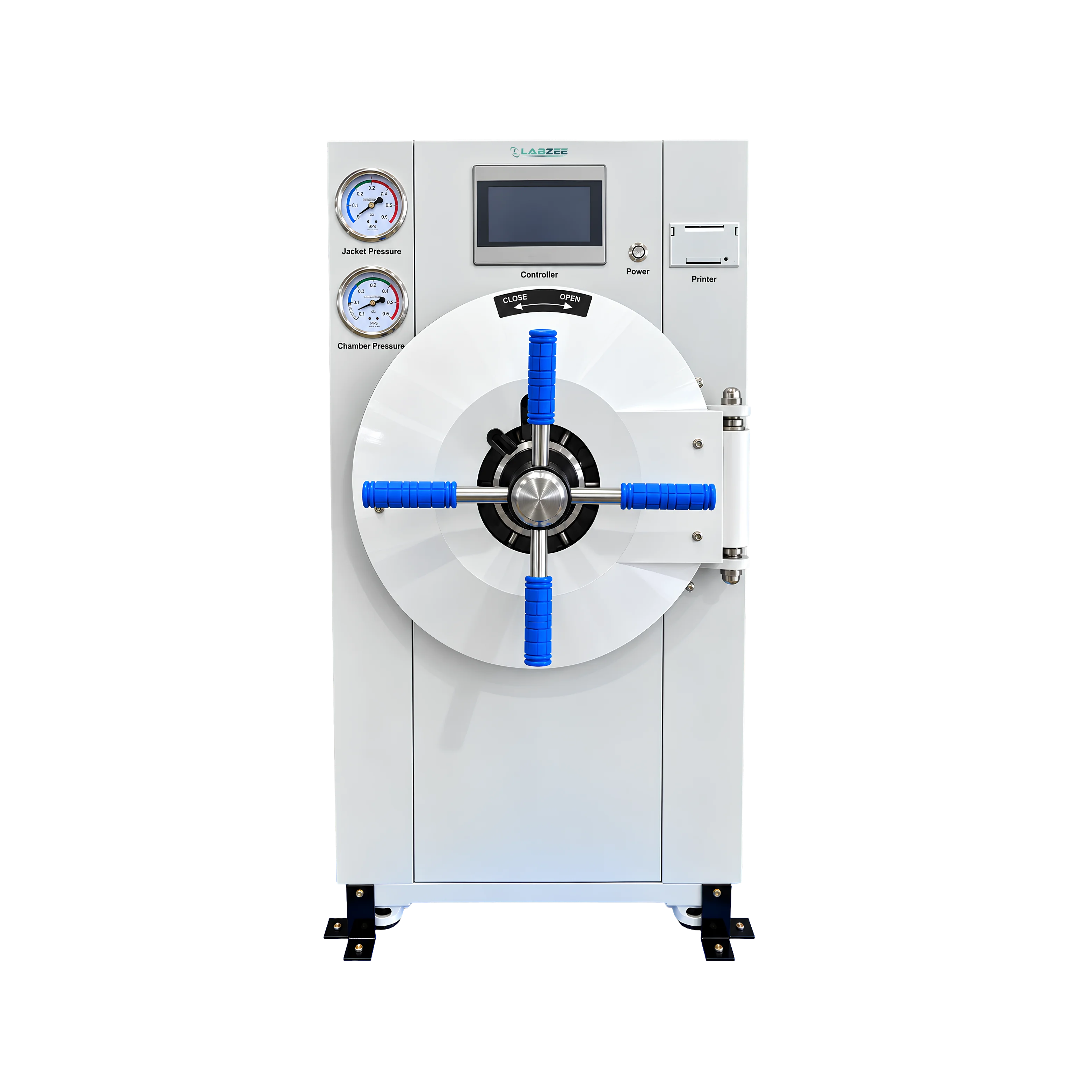
Chamber Capacity: 100L
Chamber Volume: Φ440×670mm
Maximum Working Pressure: 0.22Mpa
Maximum Working Temperature: 134℃
$ 11903
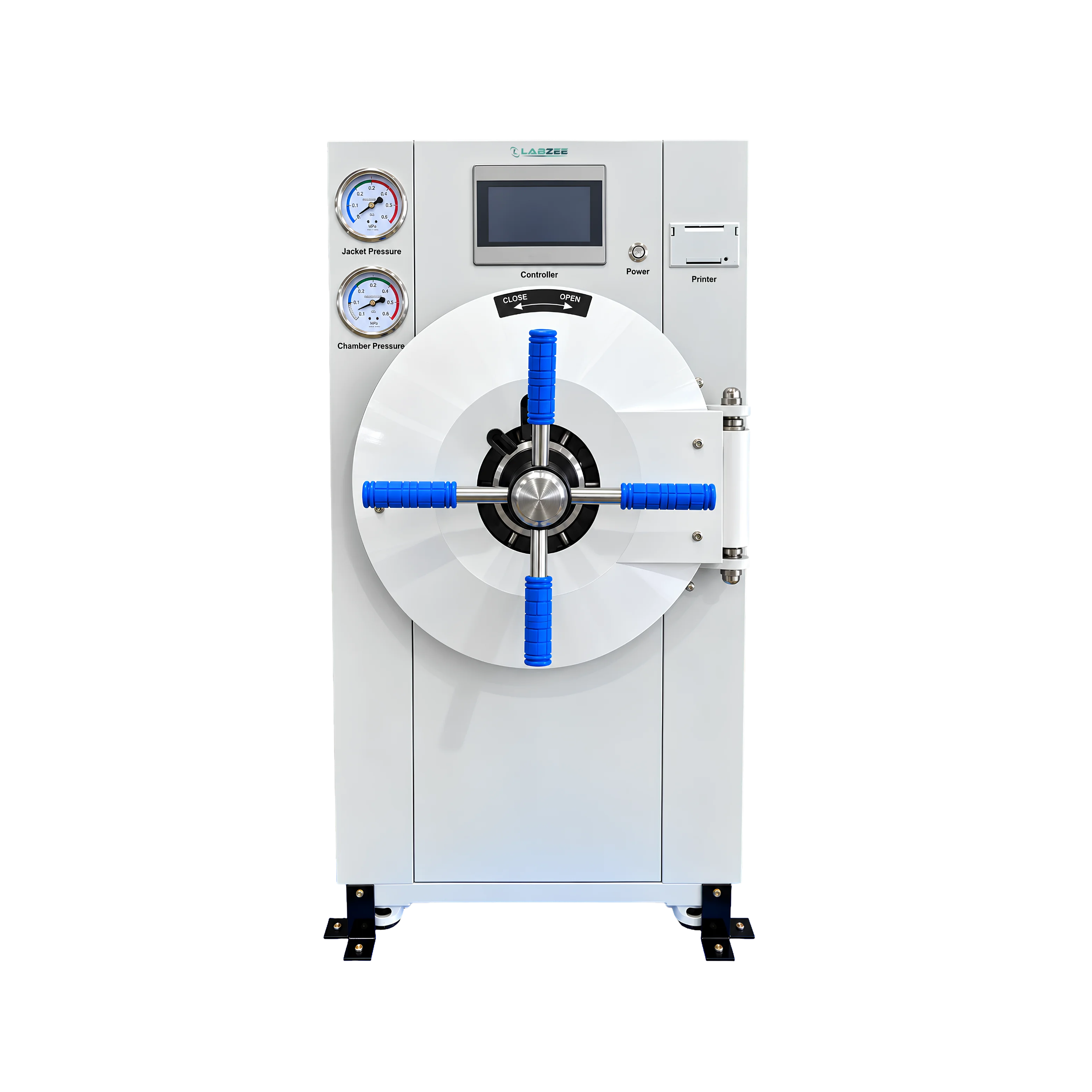
Chamber Capacity: 150L
Chamber Volume: Φ440×1000mm
Maximum Working Pressure: 0.22Mpa
Maximum Working Temperature: 134℃
$ 12305
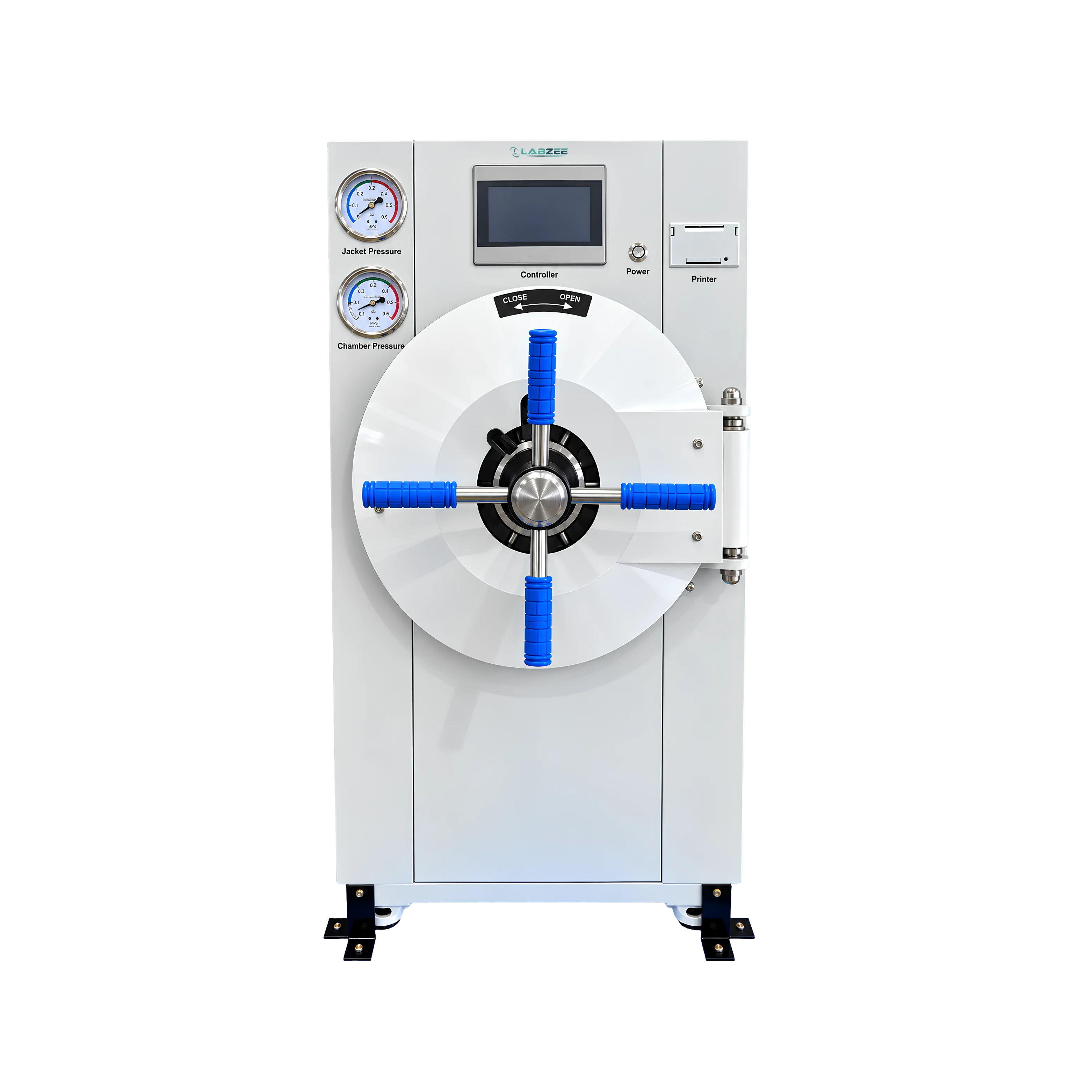
Chamber Capacity: 200L
Chamber Volume: Φ515×100mm
Maximum Working Pressure: 0.22Mpa
Maximum Working Temperature: 134℃
$ 14088
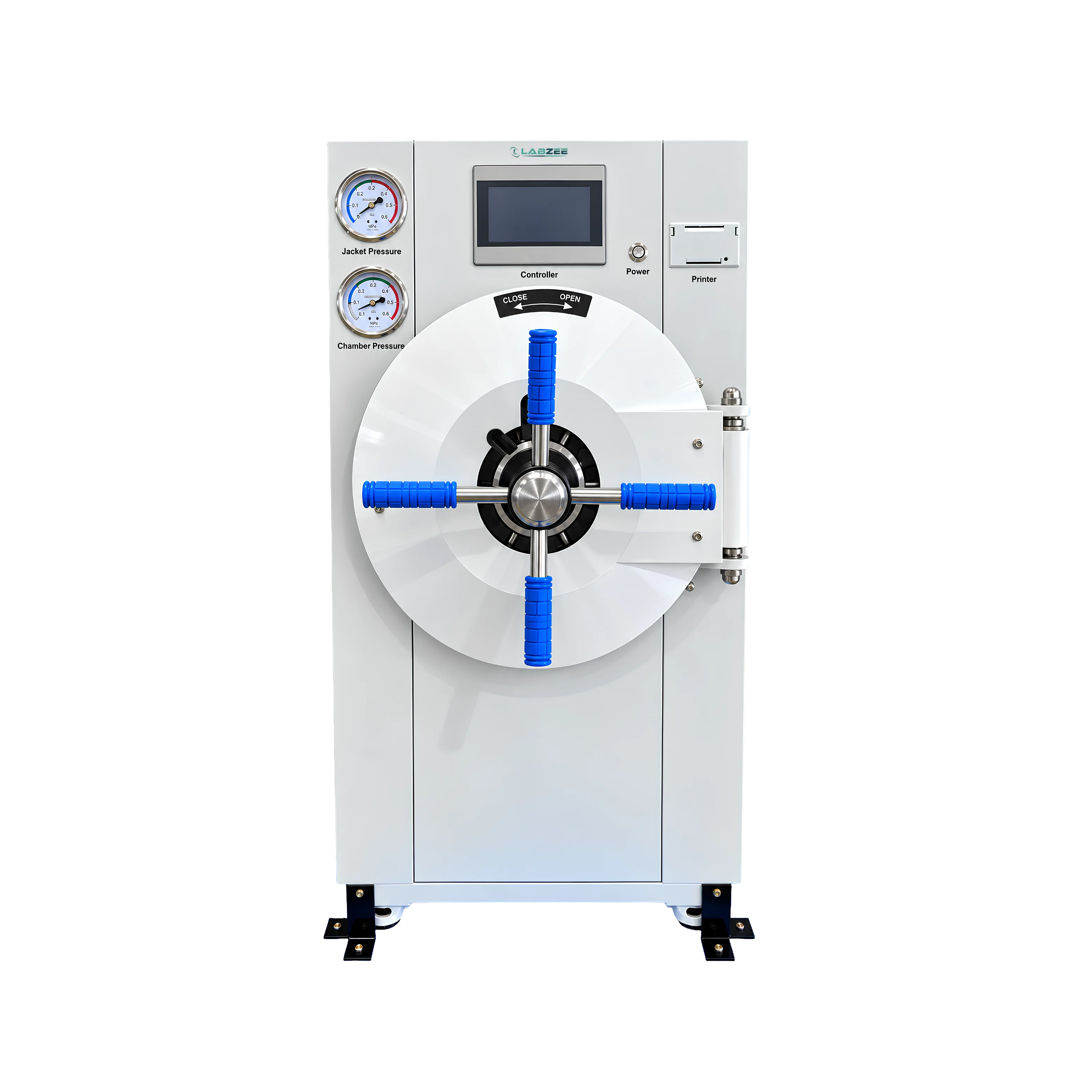
Chamber Capacity: 300L
Chamber Volume: Φ600×1080mm
Maximum Working Pressure: 0.22Mpa
Maximum Working Temperature: 134℃
$ 15698
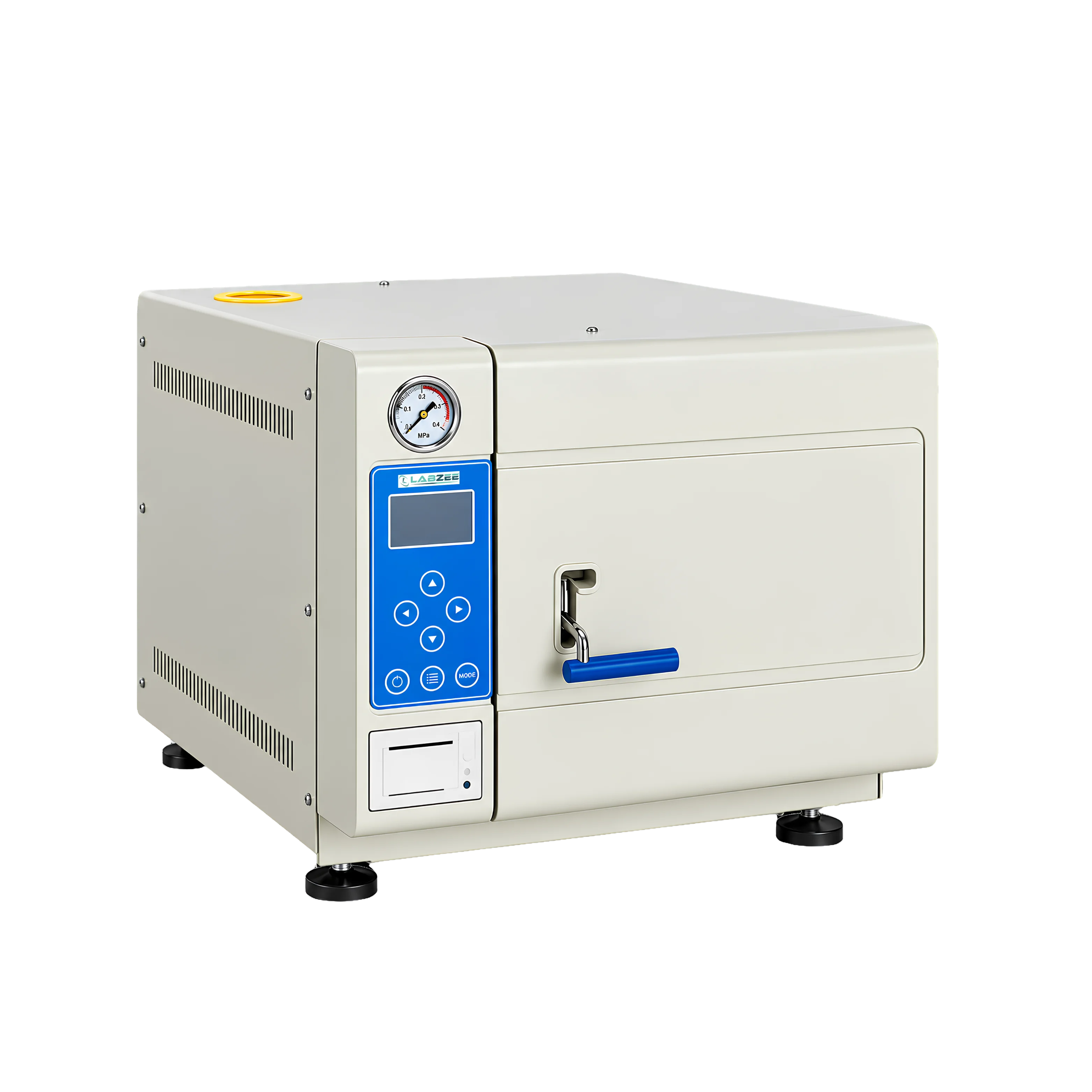
Sterilizing Chamber Volume: 35L φ300×500mm
Working Pressure: 0.22Mpa
Working Temperature: 134℃
Temperature Adjust Range: 105 to 134℃
$ 4687
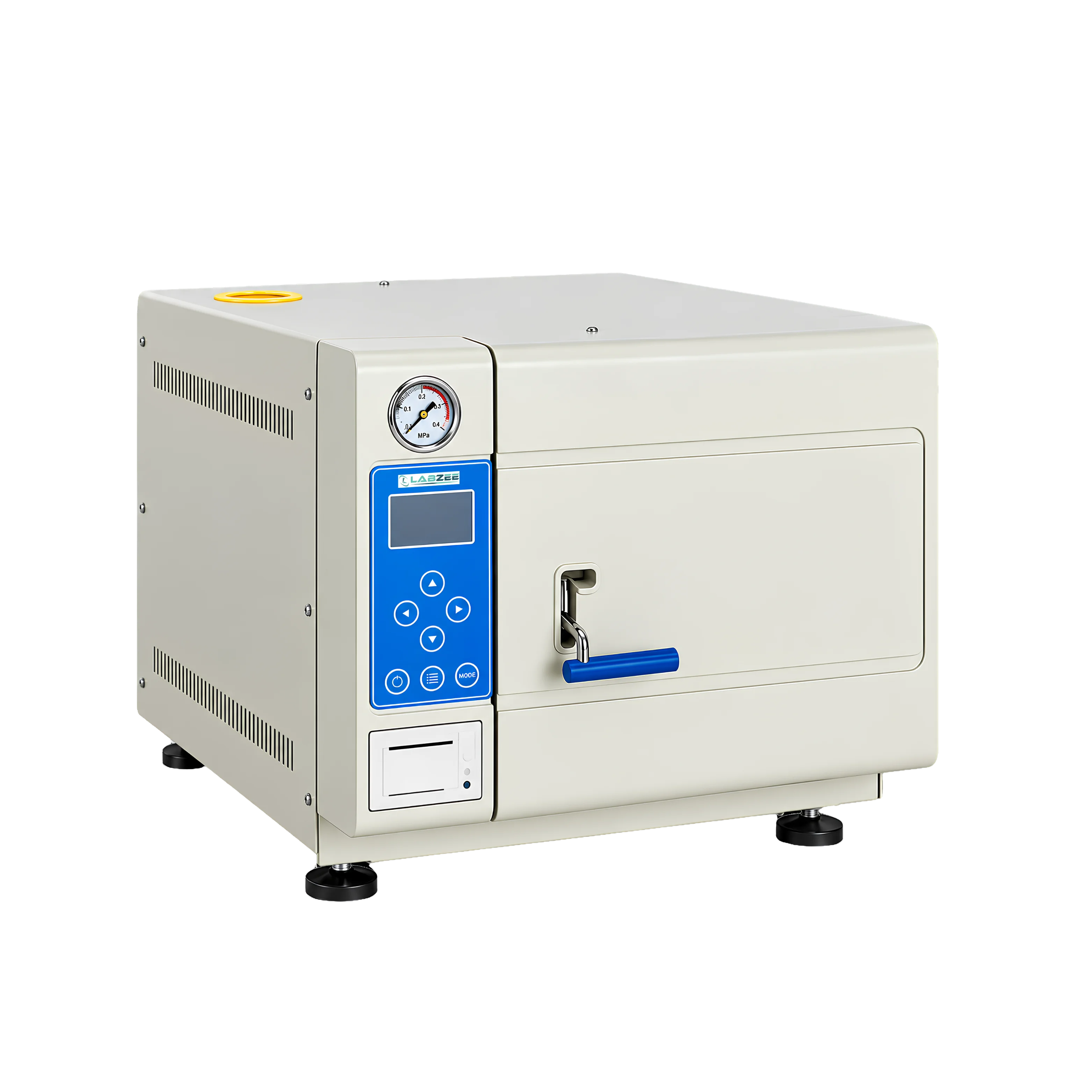
Sterilizing Chamber Volume: 50L φ340×550mm
Working Pressure: 0.22Mpa
Working Temperature: 134℃
Temperature Adjust Range: 105 to 134℃
$ 5060
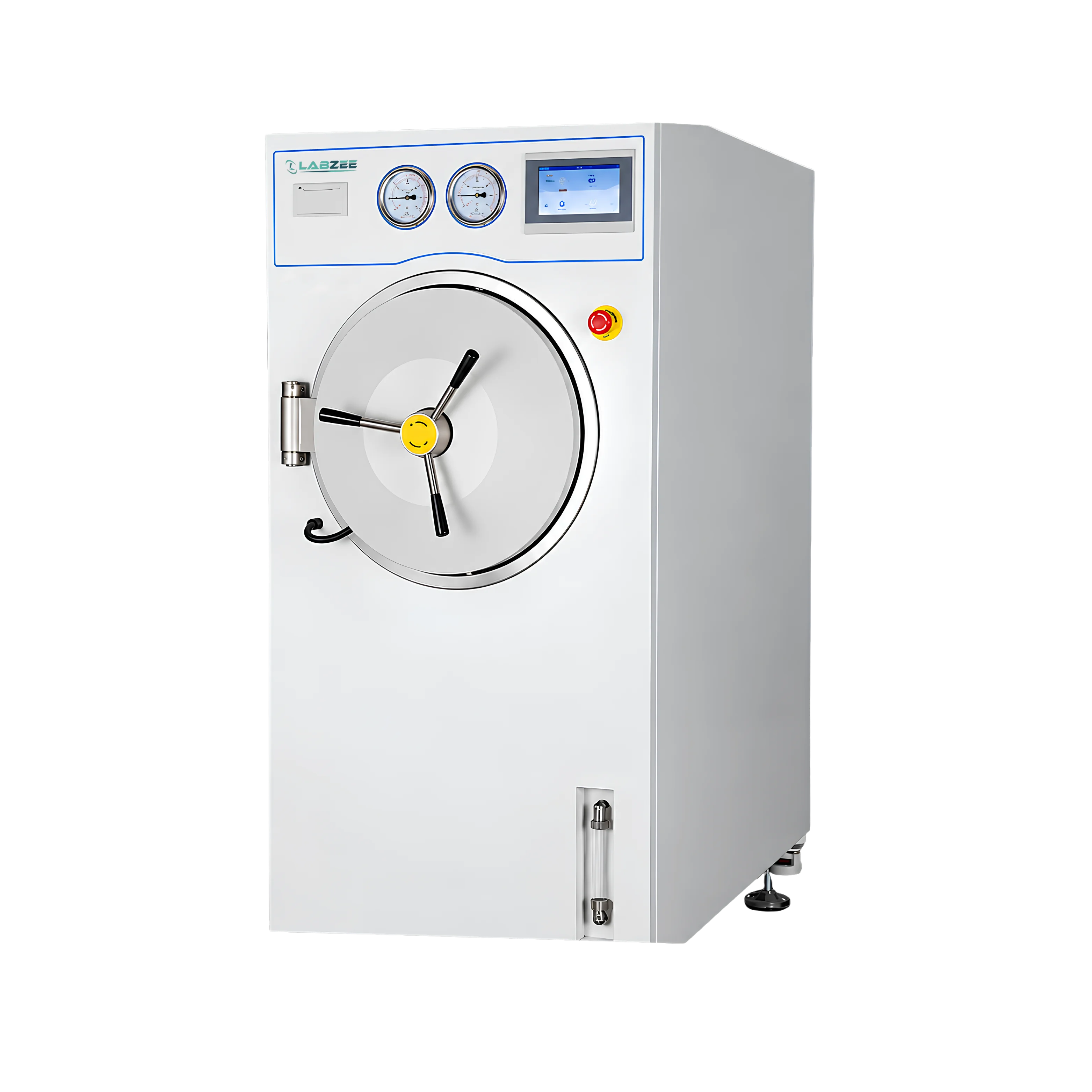
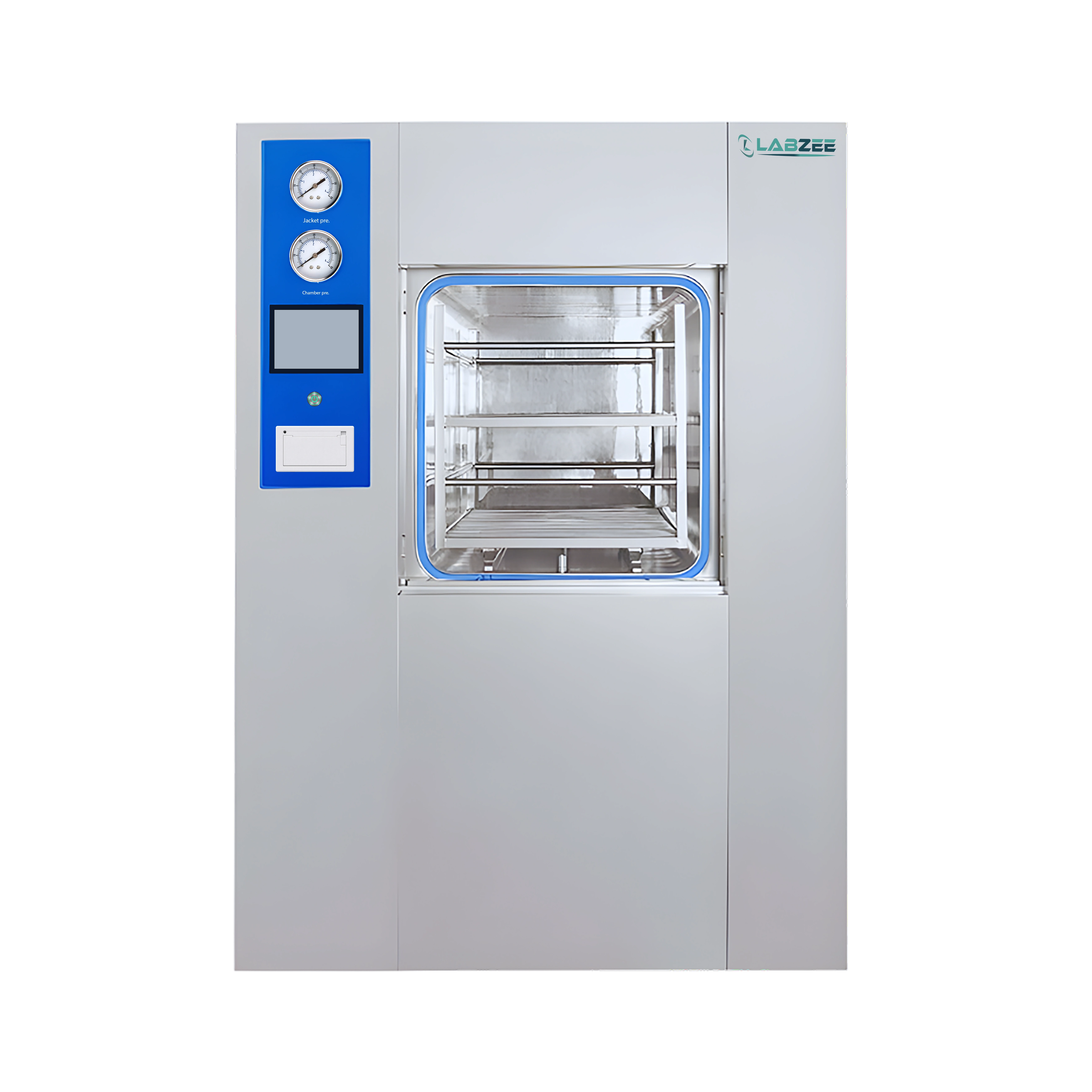
Capacity: 135 L
Sterilizing Temperature: 105℃ to 136℃
Temperature Accuracy: 0.1℃
Design Pressure: -0.1/0.25 MPa
$ 16181
Capacity: 360 L
Sterilizing Temperature: 134℃
Sterilizing Time: 30 Minutes
Max Water Consumption: 250 Kg/cycle
$ 859

Chamber: 60L
Volume: Φ396×490mm
Height After Rising (mm): 1310
Working Pressure: 0.22MPa
$ 6751
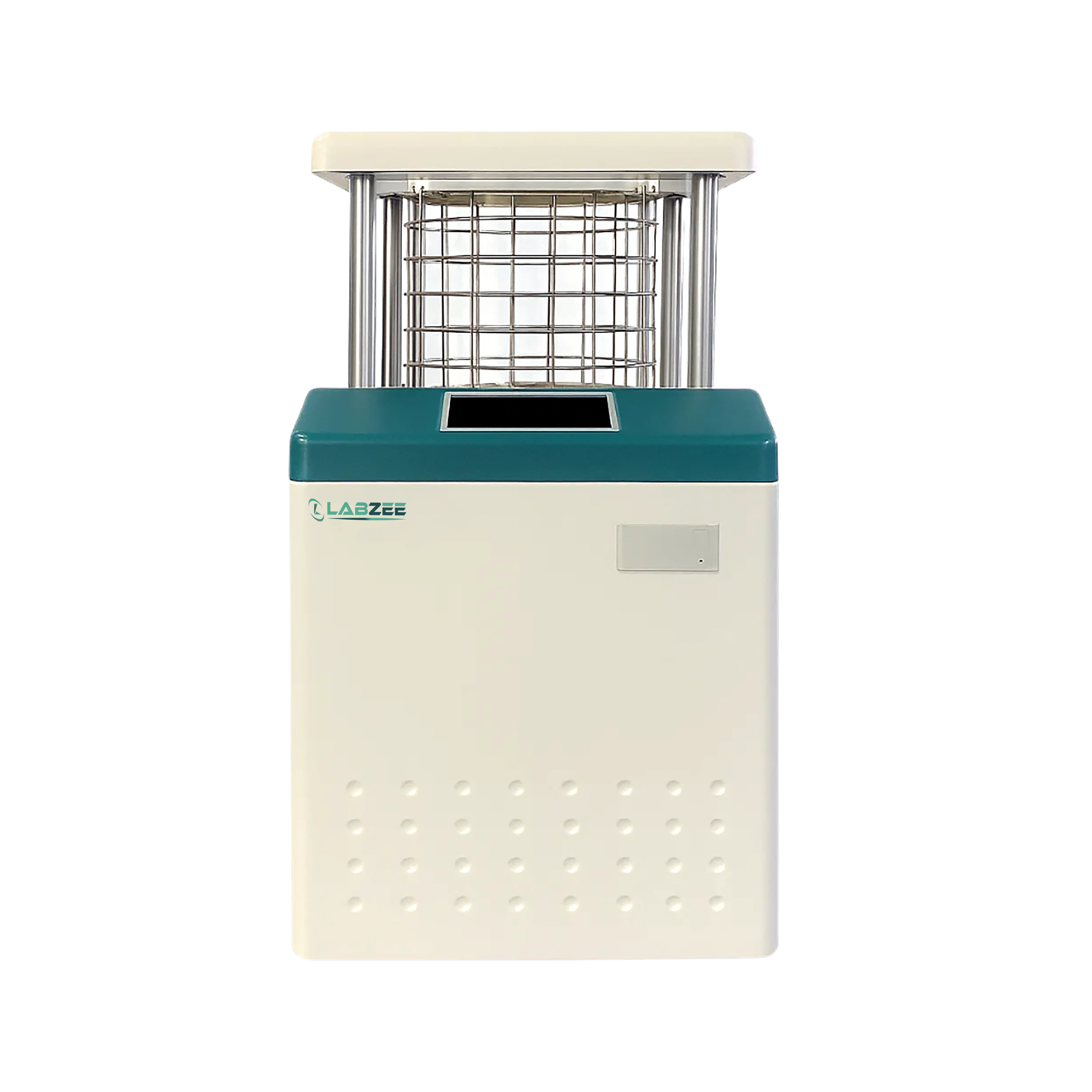
Chamber: 80L
Volume: Φ396×650mm
Height After Rising (mm): 1590
Working Pressure: 0.22MPa
$ 7372
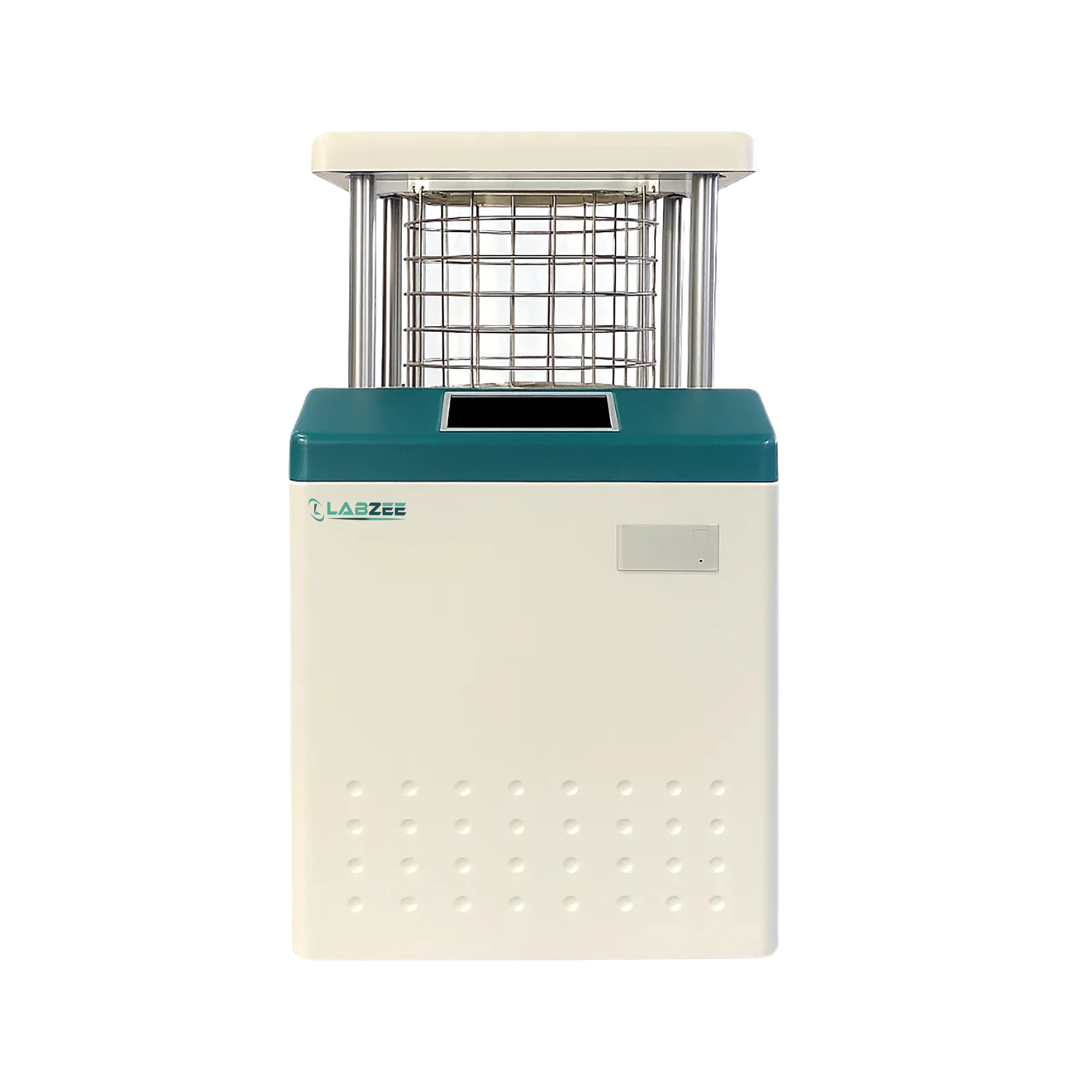
Chamber: 100L
Volume: Φ480×560mm
Height After Rising (mm): 1475
Working Pressure: 0.22MPa
$ 9373
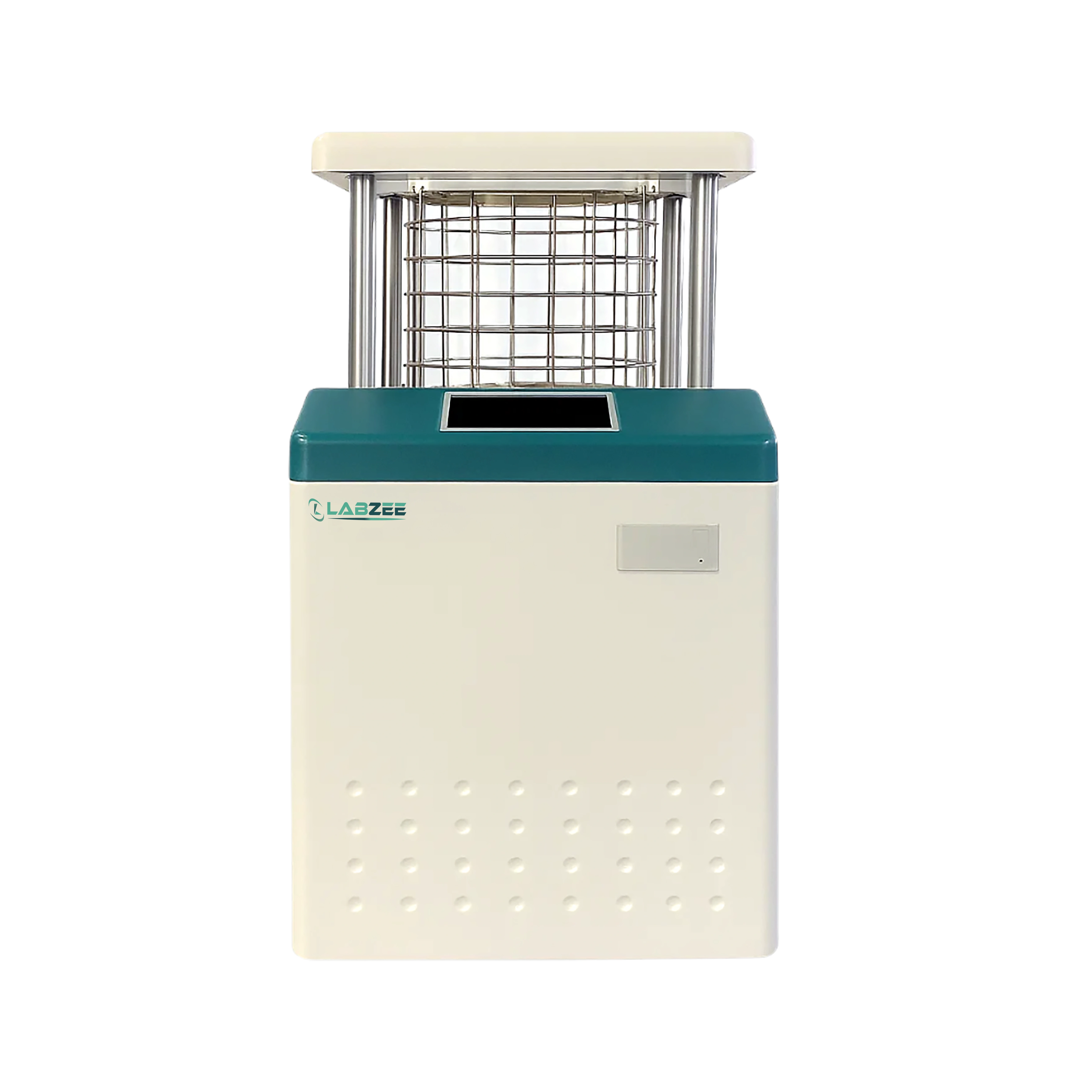
Chamber: 120L
Volume: Φ480×660mm
Height After Rising (mm): 1565
Working Pressure: 0.22MPa
$ 10534
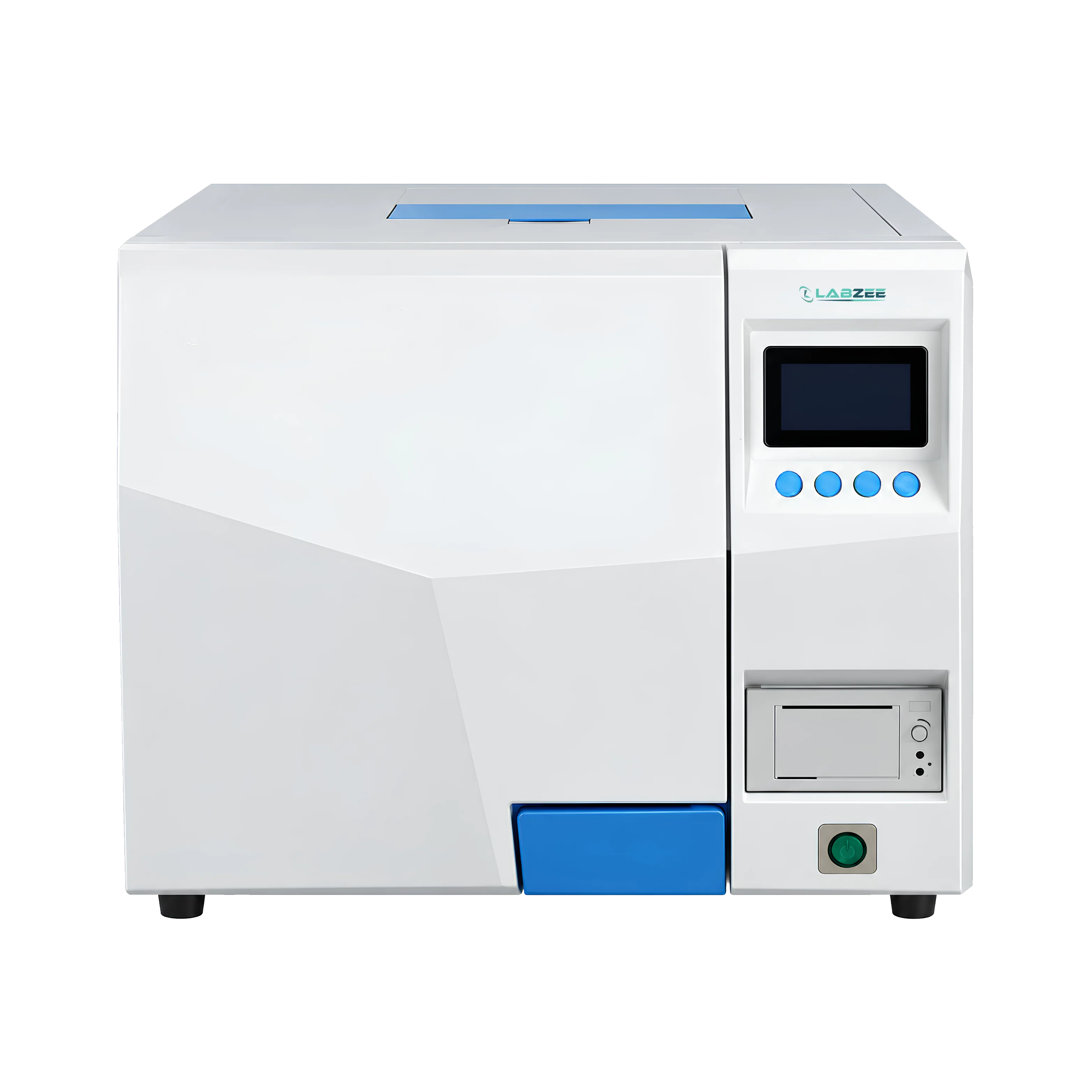
Capacity: 20L
Chamber Size: Φ250×360mm
Working Pressure: 0.22MPa
Working Temperature: 134℃
$ 2882
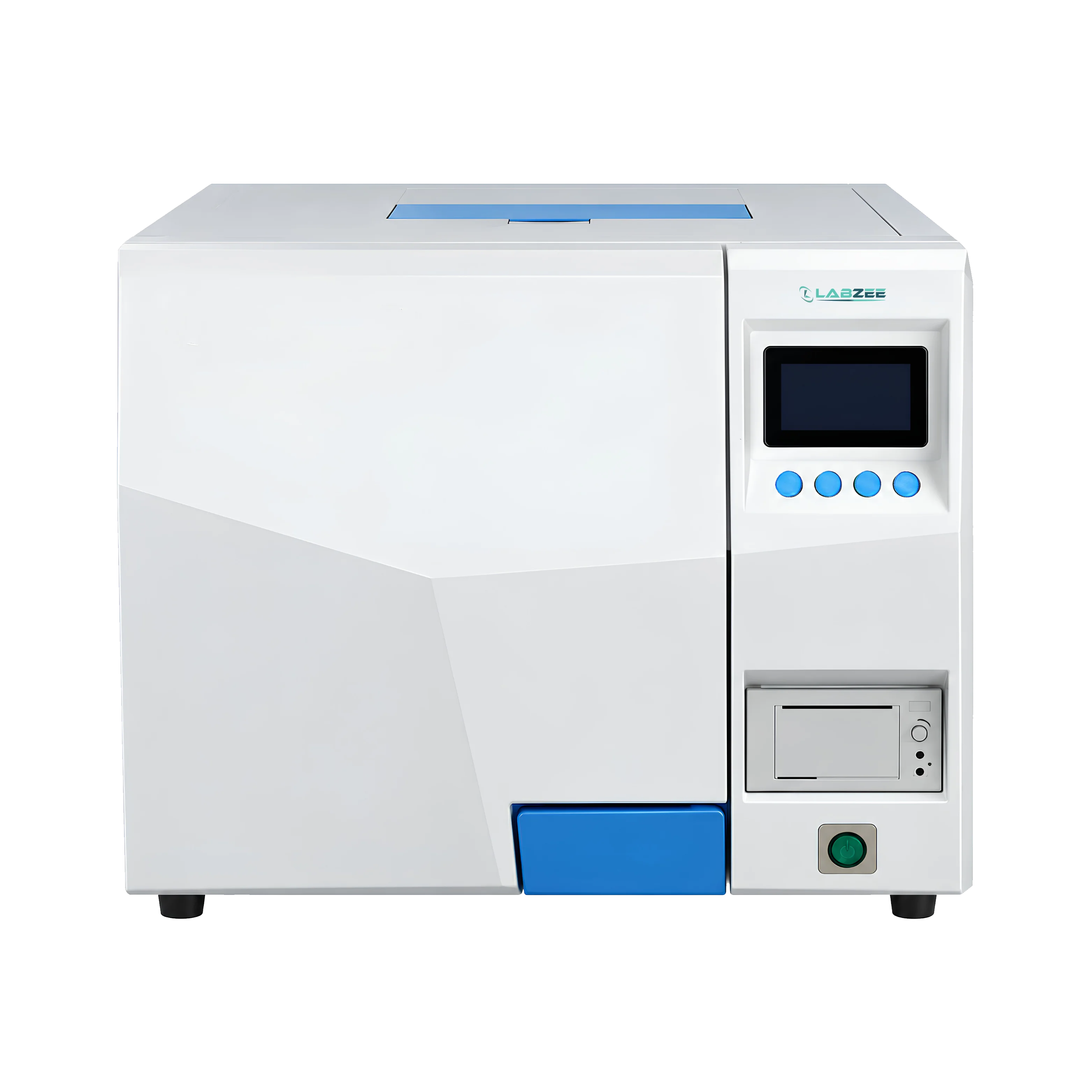
Capacity: 24L
Chamber Size: Φ250×470mm
Working Pressure: 0.22MPa
Working Temperature: 134℃
$ 3181
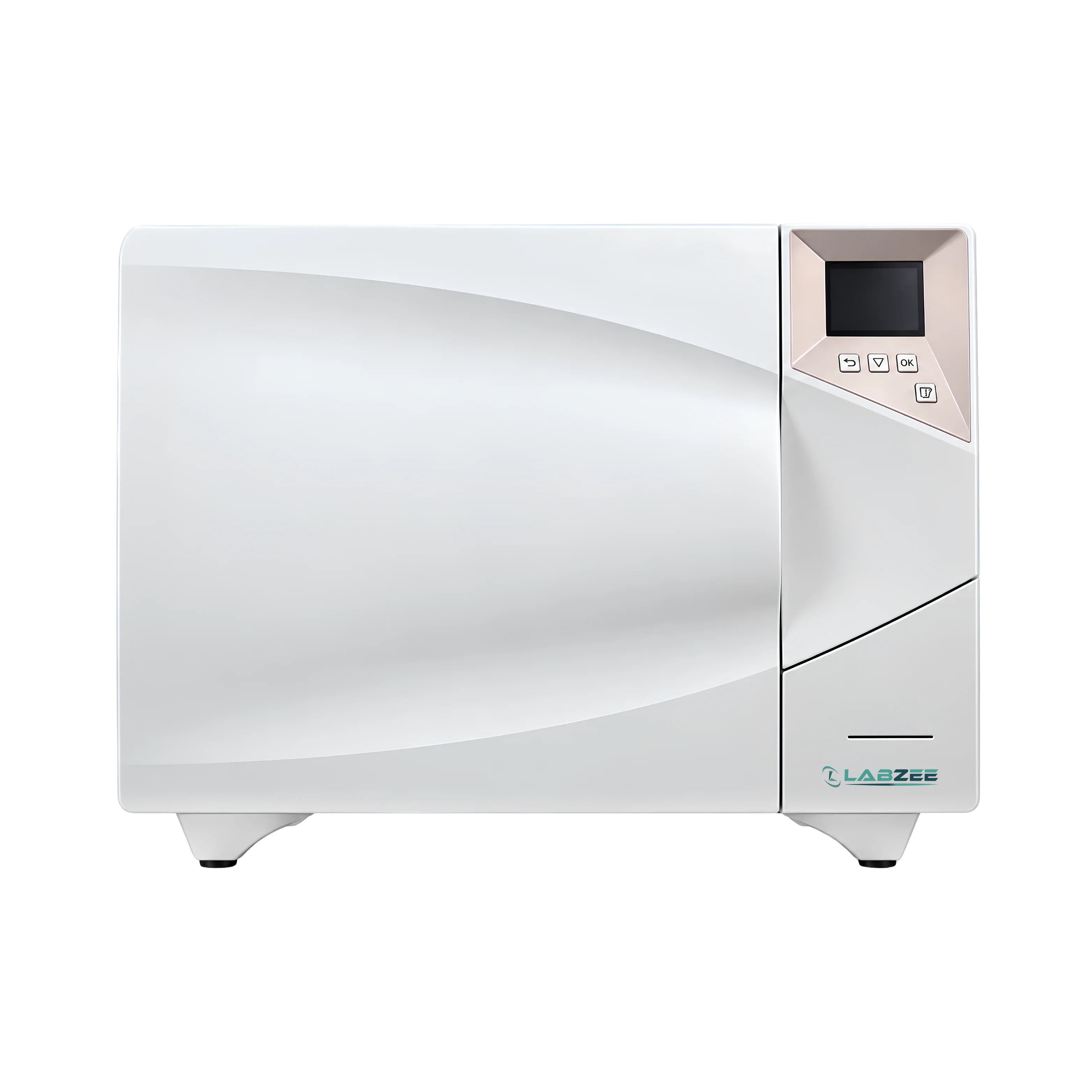
Capacity: 60 L
Chamber Material: Stainless Steel 304
Temperature Range: 105℃ to 136℃
Temperature Display Accuracy: 0.1℃
$ 6820
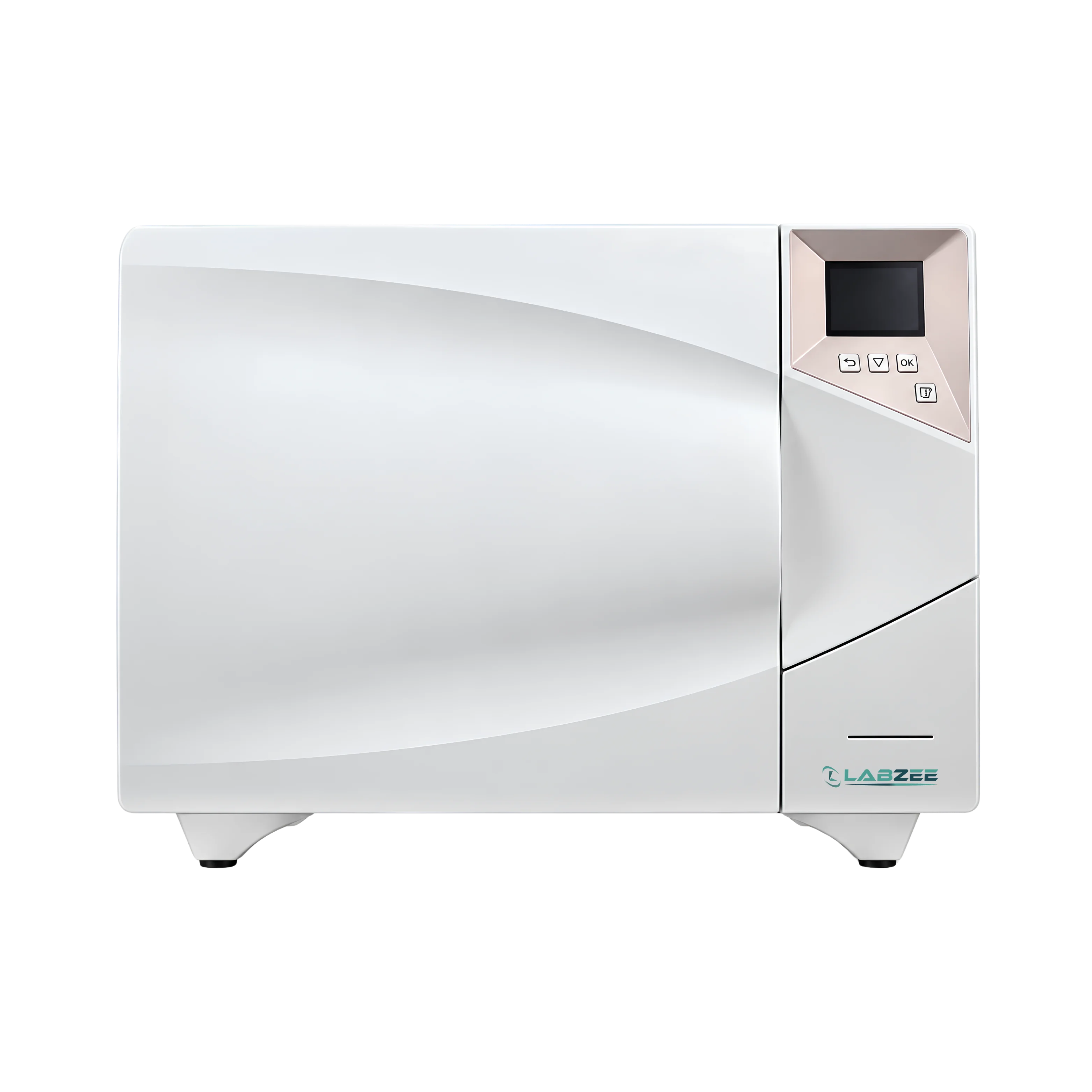
Capacity: 80 L
Chamber Material: Stainless Steel 304
Temperature Range: 105℃ to 136℃
Temperature Display Accuracy: 0.1℃
$ 7142
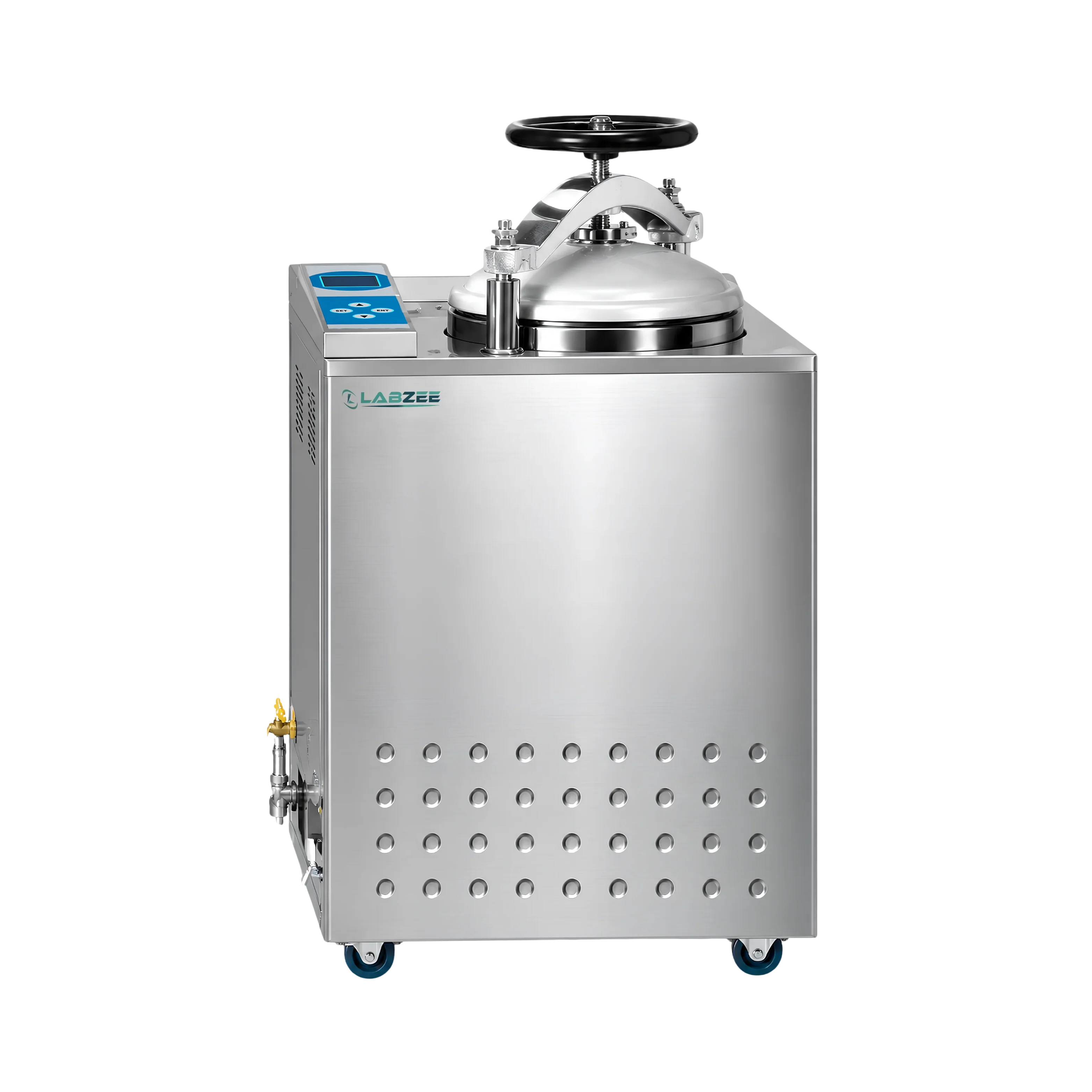
Chamber: 50L
Volume: Φ340×550mm
Working Pressure: 0.22Mpa
Working Temperature: 134℃
$ 5055
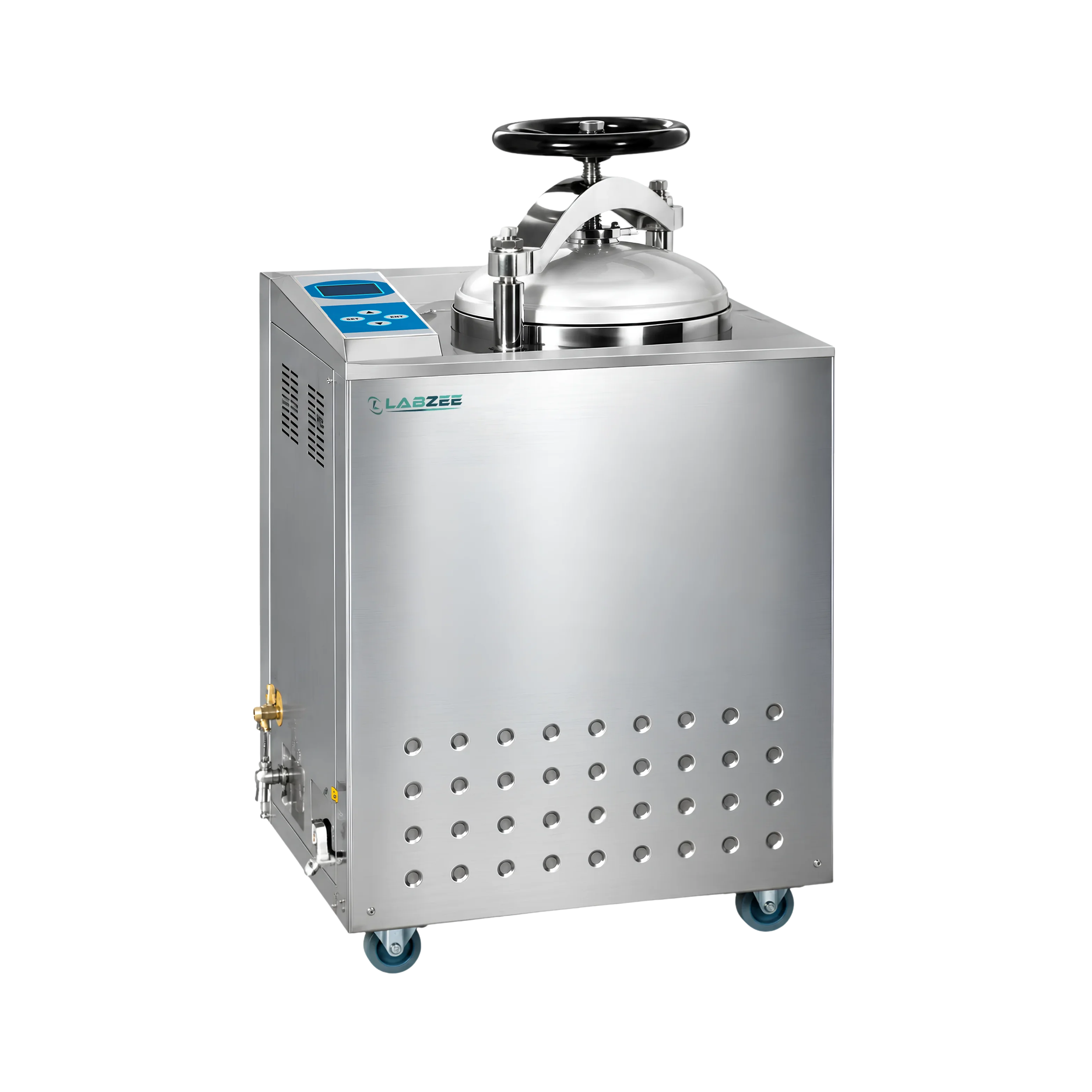
Chamber: 75L
Volume: Φ400×600mm
Working Pressure: 0.22Mpa
Working Temperature: 134℃
$ 5026
Frequently Asked Questions
1: What can be sterilized in an autoclave?
Autoclaves can sterilize surgical instruments, dental tools, laboratory glassware, textiles, and certain plastics - provided they can withstand high heat and pressure.
2: What safety features do autoclaves have?
Modern autoclaves are equipped with safety valves, automatic shut-off, door lock systems, pressure sensors, and overheat protection to ensure safe operation.
3: What is the drying function in an autoclave for?
The drying cycle ensures instruments are moisture-free after sterilization, preventing microbial re-growth and preserving packaging integrity.
4: How should an autoclave be maintained?
Regular maintenance includes cleaning the chamber, checking gaskets, draining the reservoir, and inspecting valves and filters. Annual calibration and servicing are recommended for optimal performance. Neglecting maintenance can compromise sterilization quality and reduce equipment lifespan
5: Is biological indicator testing necessary for autoclaves?
Yes, biological indicators (BIs) are essential to confirm sterilization effectiveness. They contain resistant spores to ensure the cycle kills even the toughest microbes. Routine BI testing is part of quality assurance in clinical, pharmaceutical, and research labs
