<p>Labzee Horizontal Autoclaves provide efficient and reliable sterilization for a wide array of laboratory and clinical applications. They are equipped with robust stainless-steel chambers designed for even steam distribution and high-pressure resistance. Their advanced control systems allow precise temperature and cycle programming with real-time monitoring. They include safety features like pressure locks and thermal protection for reliable, secure operation. Our Horizontal Autoclaves are perfect for sterilizing glassware, instruments, culture media, and other heat-resistant lab materials.</p>
Volume
Capacity
Design Pressure
Chamber Size
Working Pressure
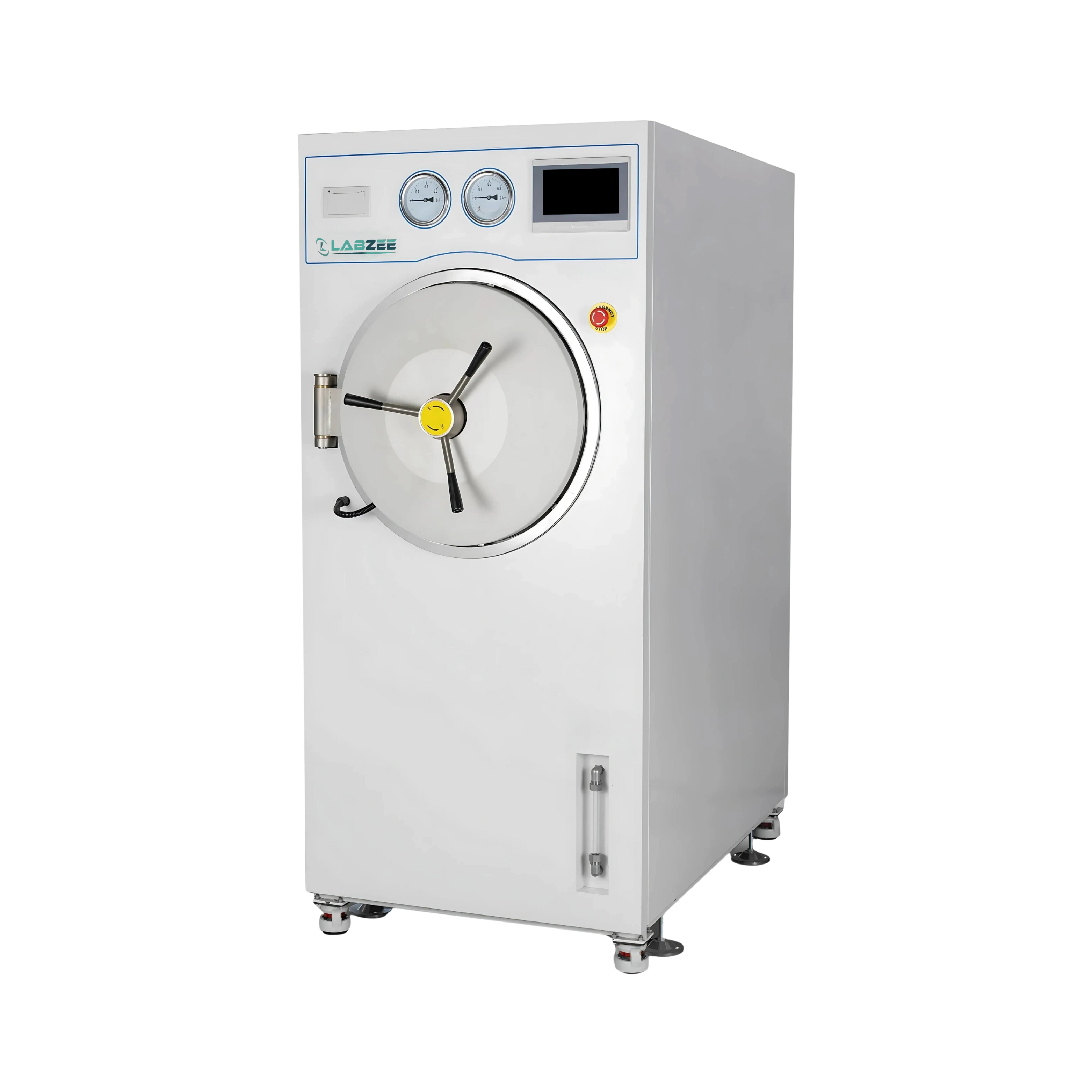
Volume: 135 L
Design Pressure: -0.1/0.3 MPa
Working Pressure: 0.23 MPa
Ultimate Vacuum: -0.096 MPa
$ 7889
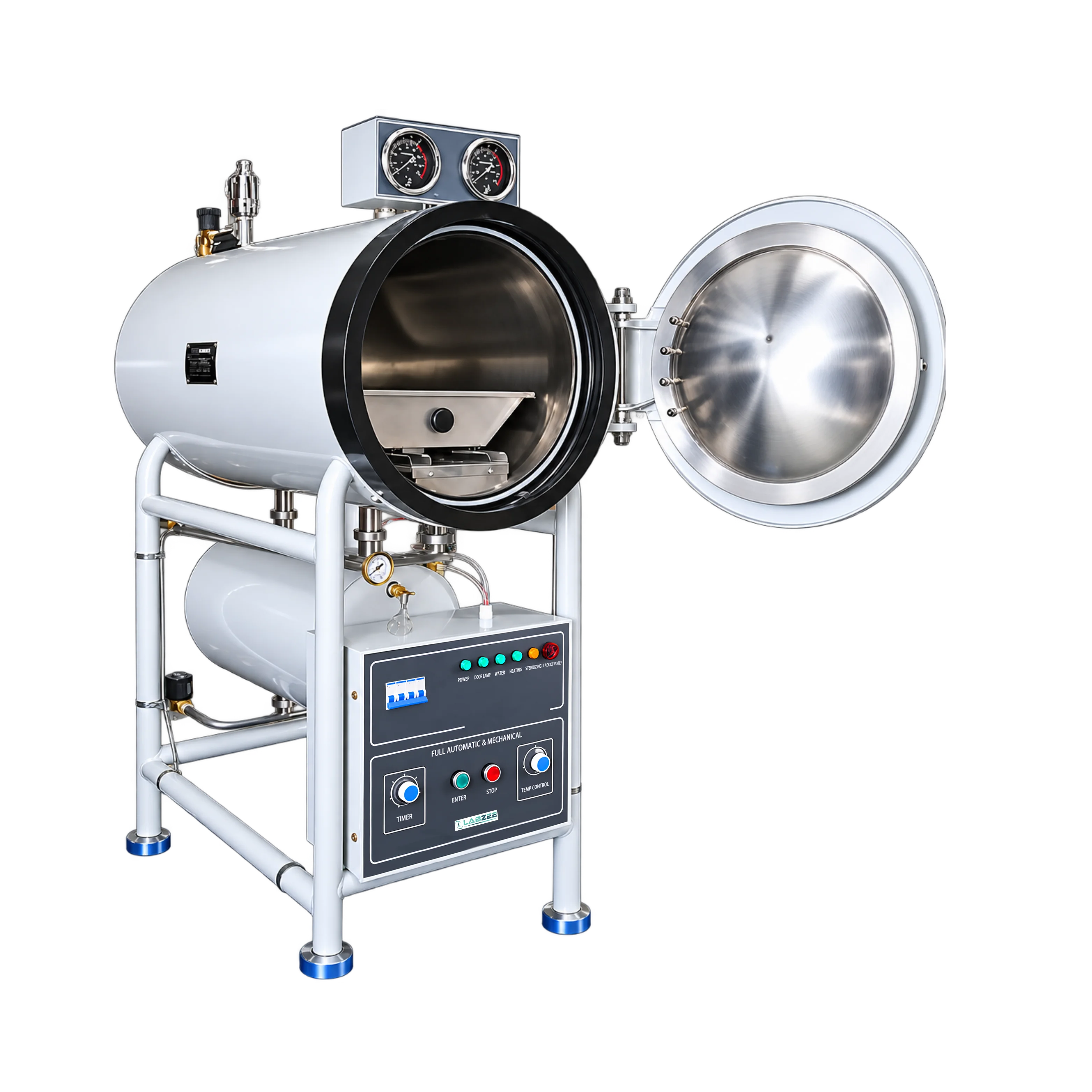
Capacity: 150 L
Chamber Size : Φ 440 × 1000 mm
Working Pressure : 0.22 MPa
Working Temperature : 134℃
$ 5711
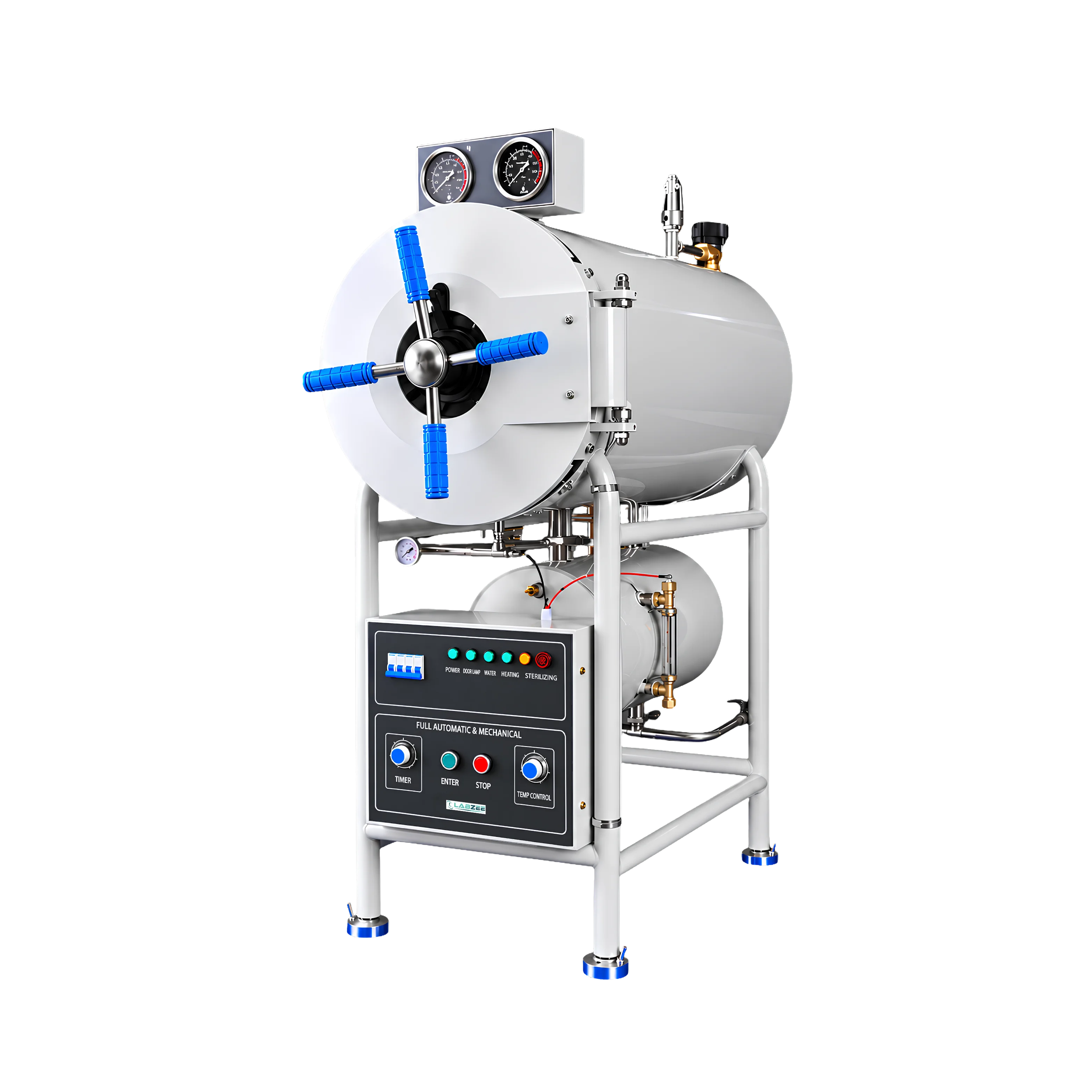
Capacity: 200 L
Chamber Size : Φ 515 × 1000 mm
Working Pressure : 0.22 MPa
Working Temperature : 134℃
$ 5451
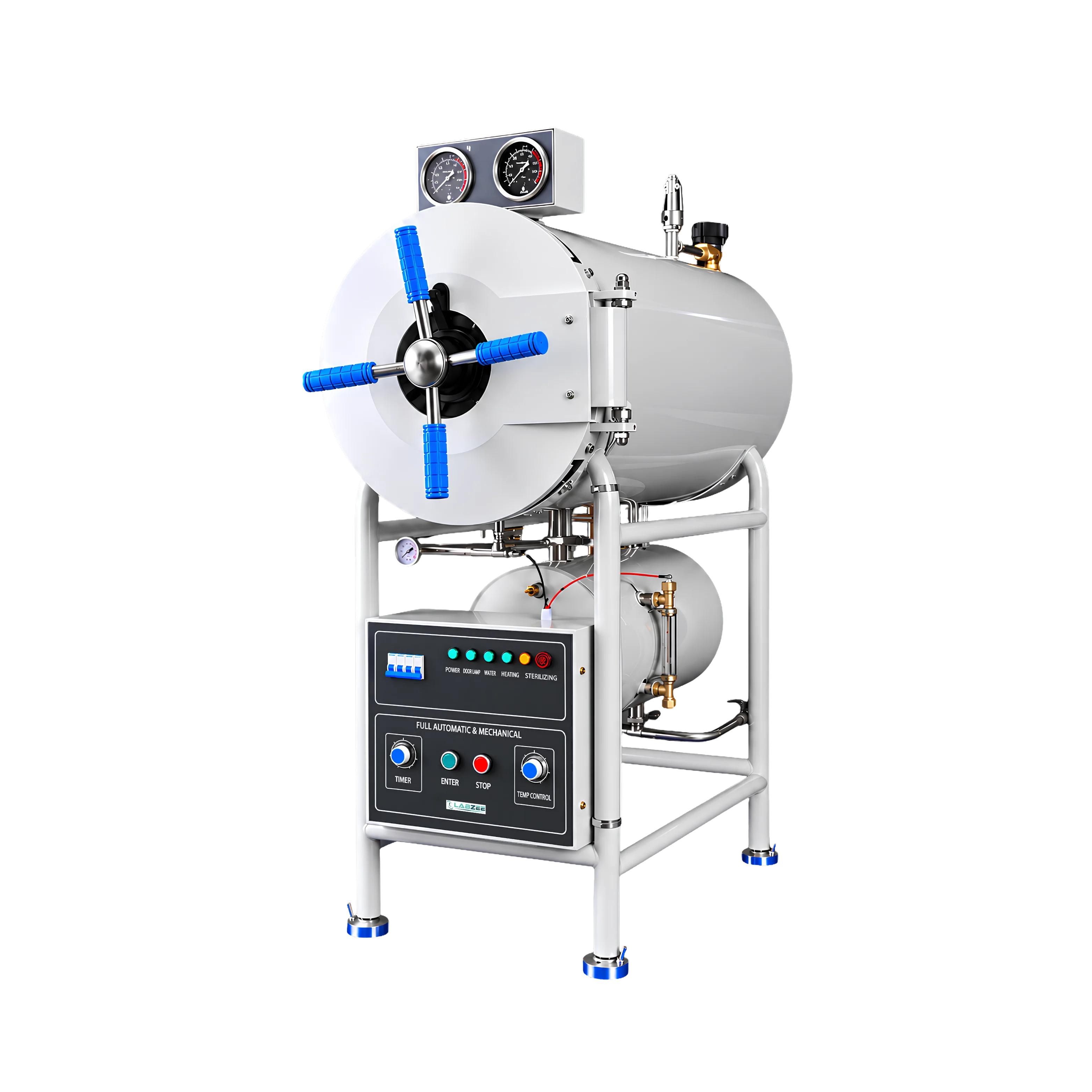
Capacity: 280 L
Chamber Size : Φ 600 × 1000 mm
Working Pressure : 0.22 MPa
Working Temperature : 134℃
$ 5900
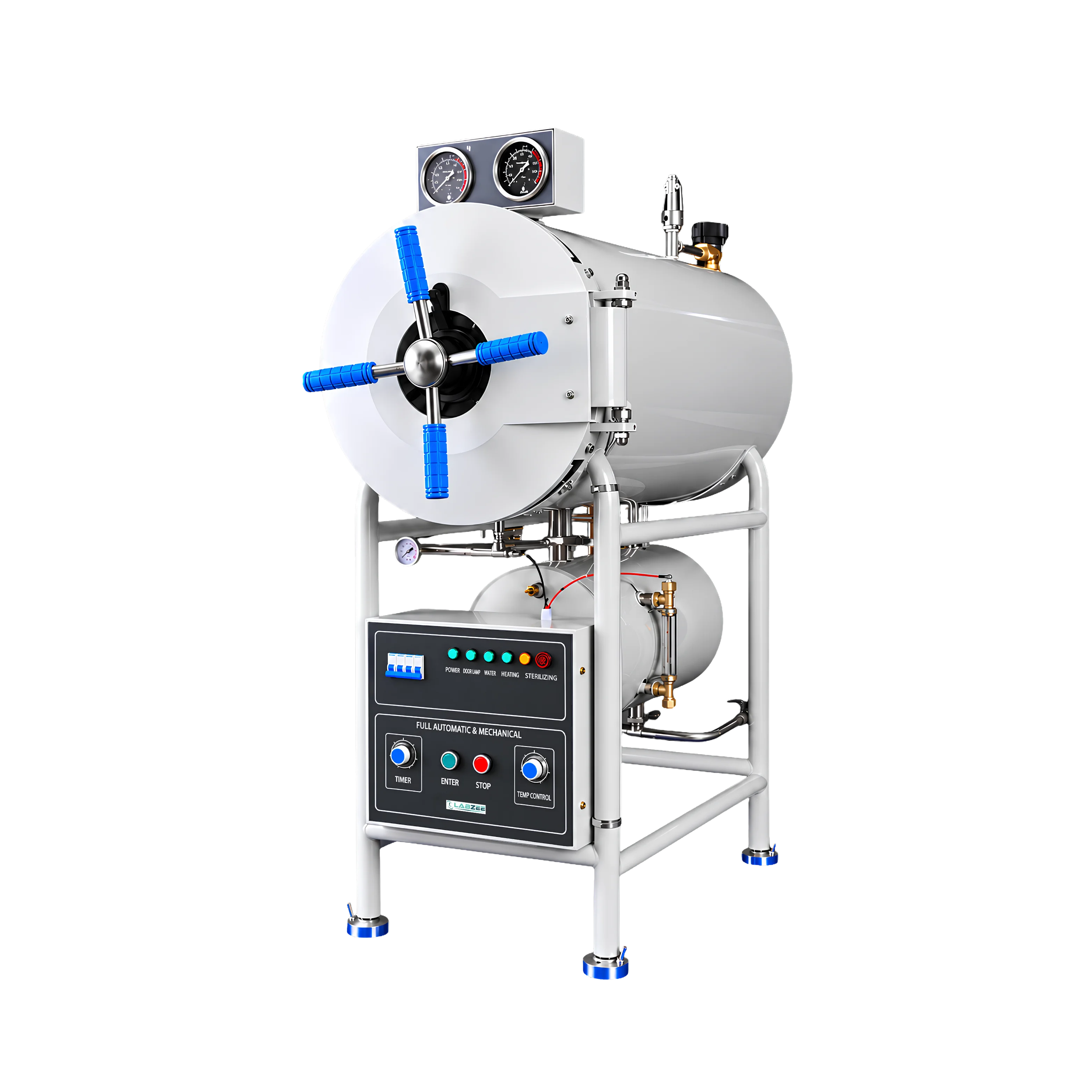
Capacity: 400 L
Chamber Size : Φ 700 × 1100 mm
Working Pressure : 0.22 MPa
Working Temperature : 134℃
$ 6912
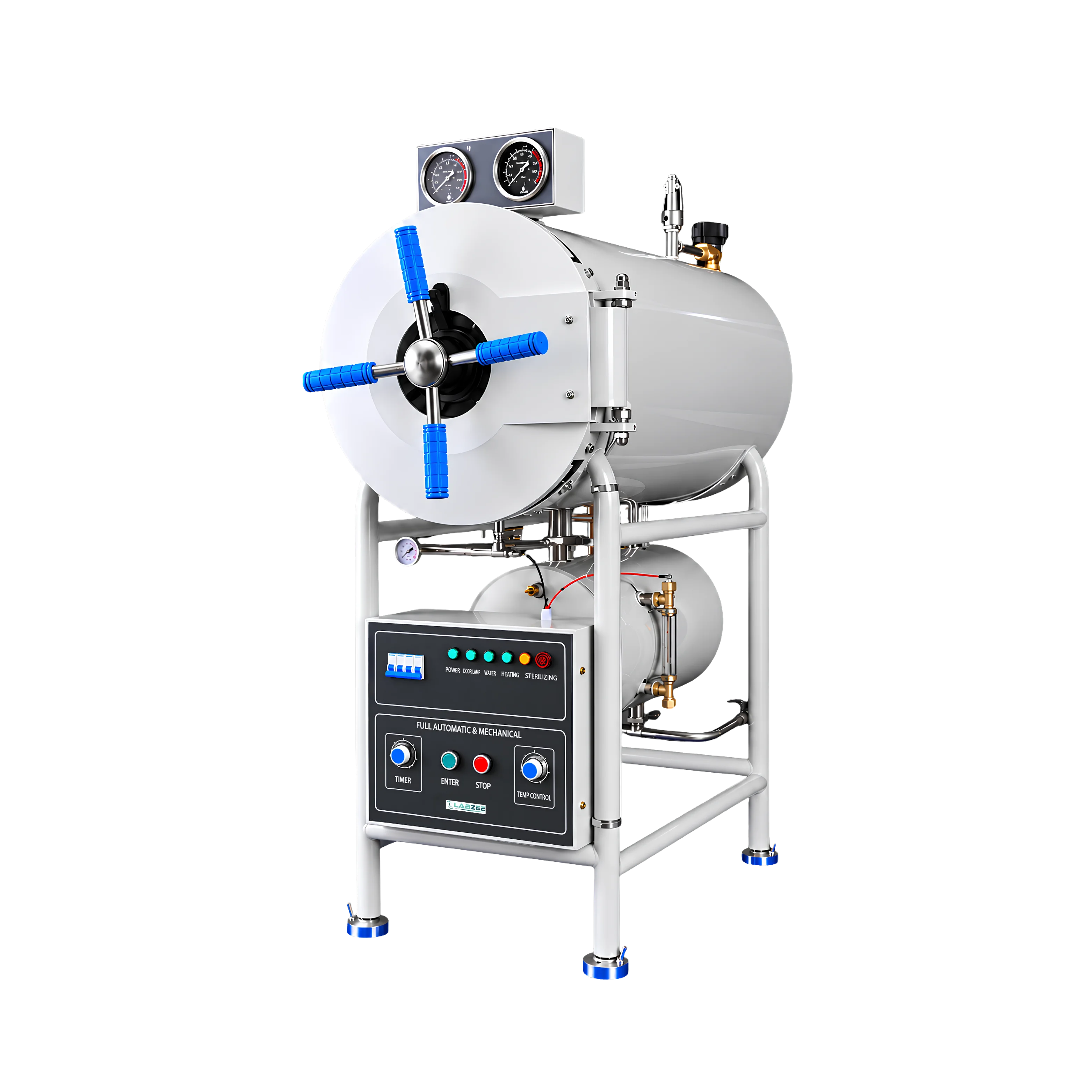
Capacity: 500 L
Chamber Size : Φ 700 × 1300 mm
Working Pressure : 0.22 MPa
Working Temperature : 134℃
$ 9039
Frequently Asked Questions
1: What is a horizontal autoclave and how does it differ from a vertical one?
A horizontal autoclave is a front-loading sterilizer designed to handle larger volumes and bulkier equipment. Unlike vertical autoclaves that are top-loading, horizontal units allow easier loading of trays and instruments on sliding racks. They are commonly used in hospitals, research labs, and industrial settings for high-throughput sterilization
2: What types of materials are suitable for sterilization in a horizontal autoclave?
Horizontal autoclaves can sterilize surgical tools, lab glassware, media, fabric, and biohazard waste. Items must be steam-compatible and able to withstand temperatures up to 134°C. Heat-sensitive or sealed materials should be avoided unless specified as autoclavable by the manufacturer
3: How does a horizontal autoclave ensure uniform sterilization?
It uses saturated steam under pressure, typically between 15–30 psi, to achieve uniform heat distribution throughout the chamber. Built-in temperature and pressure sensors monitor the environment, while vacuum systems remove trapped air to ensure thorough steam penetration. This ensures complete and consistent sterilization across all items
4: What safety features are included in a horizontal autoclave?
Modern horizontal autoclaves include multiple safety features like pressure interlocks, over-temperature protection, door safety locks, and steam release valves. Many also have alarms for cycle errors or incomplete sterilization. These features protect users and ensure reliable operation during each cycle.
5: What are the maintenance requirements for a horizontal autoclave?
Routine maintenance includes cleaning the chamber and trays, inspecting door seals, draining water reservoirs, and descaling steam generators. Periodic calibration and validation are essential for compliance with lab or hospital protocols. Regular checks ensure optimal performance and reduce downtime.
