Slide Printer from Labzee offers direct printing of identification text and barcodes onto microscope slides, eliminating the need for handwritten labels. Our laboratory slide printers support slide printing for histology and pathology workflows, with features for direct laser marking, automatic slide collection, automatic template selection, and 2D code scanning. The printers handle different slide identification requirements through automated printing and collection functions, allow organized slide processing and clear identification throughout laboratory workflows.
Slide Capacity per Load
Slide Collection Capacity
Printing Speed
Marking Range
Printing Resolution
Top Products
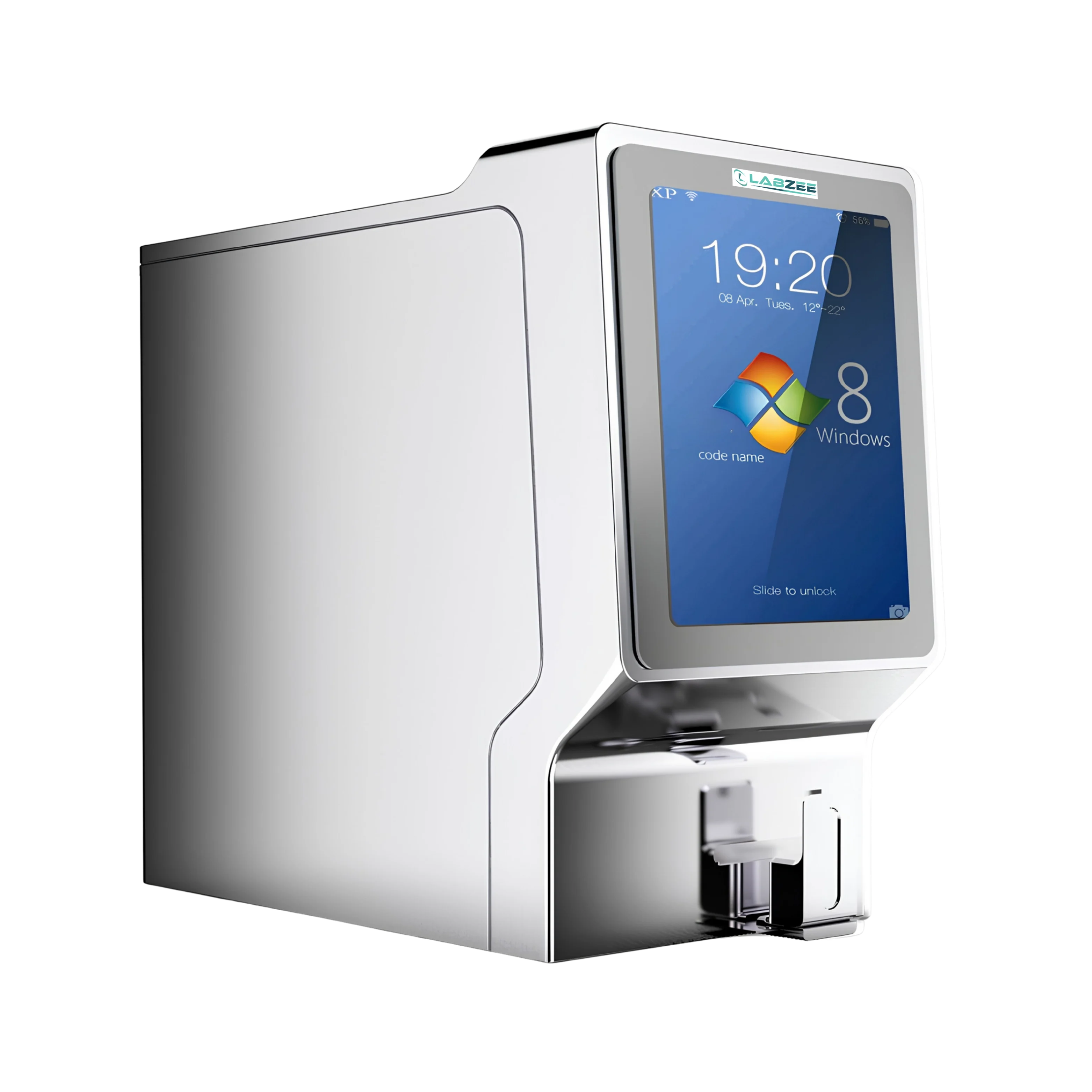
Slide Capacity per Load: ≥100 Slides
Slide Collection Capacity: ≥40 Slides (Station), ≥200 Slides (with Collector)
Printing Speed: ≤6 Seconds/Slide (≥10 Slides/Min)
Marking Range: 50 mm × 50 mm
$ 17227
Frequently Asked Questions
1: When is a Slide Printer used in laboratory workflows?
It is used before or after staining to print identifying information directly on slides. This eliminates labelling errors and speeds up sample processing. Slide printing ensures traceability and compliance.
2: Can it print barcodes as well as text?
Yes, most slide printers support alphanumeric text, 1D, and 2D barcodes. This allows integration with digital tracking systems and LIS. Barcode printing improves accuracy in high-volume labs.
3: Can any slide type be used with the printer?
No, Slide Printers typically require slides with a special printable coating or surface. Standard frosted, or specially prepared slides are commonly used. Always check slide compatibility with the specific model.
4: When should the printer ribbon or ink cartridge be replaced?
Replace it when print quality degrades or when the system alerts low supply. Using genuine consumables ensures longevity and print clarity. Regular checks help avoid printing interruptions.
5: Can it be integrated with LIS or other lab software?
Yes, many Slide Printers support integration with LIS and lab automation systems. This allows real-time printing based on digital worklists. Setup requires initial configuration but boosts efficiency.
