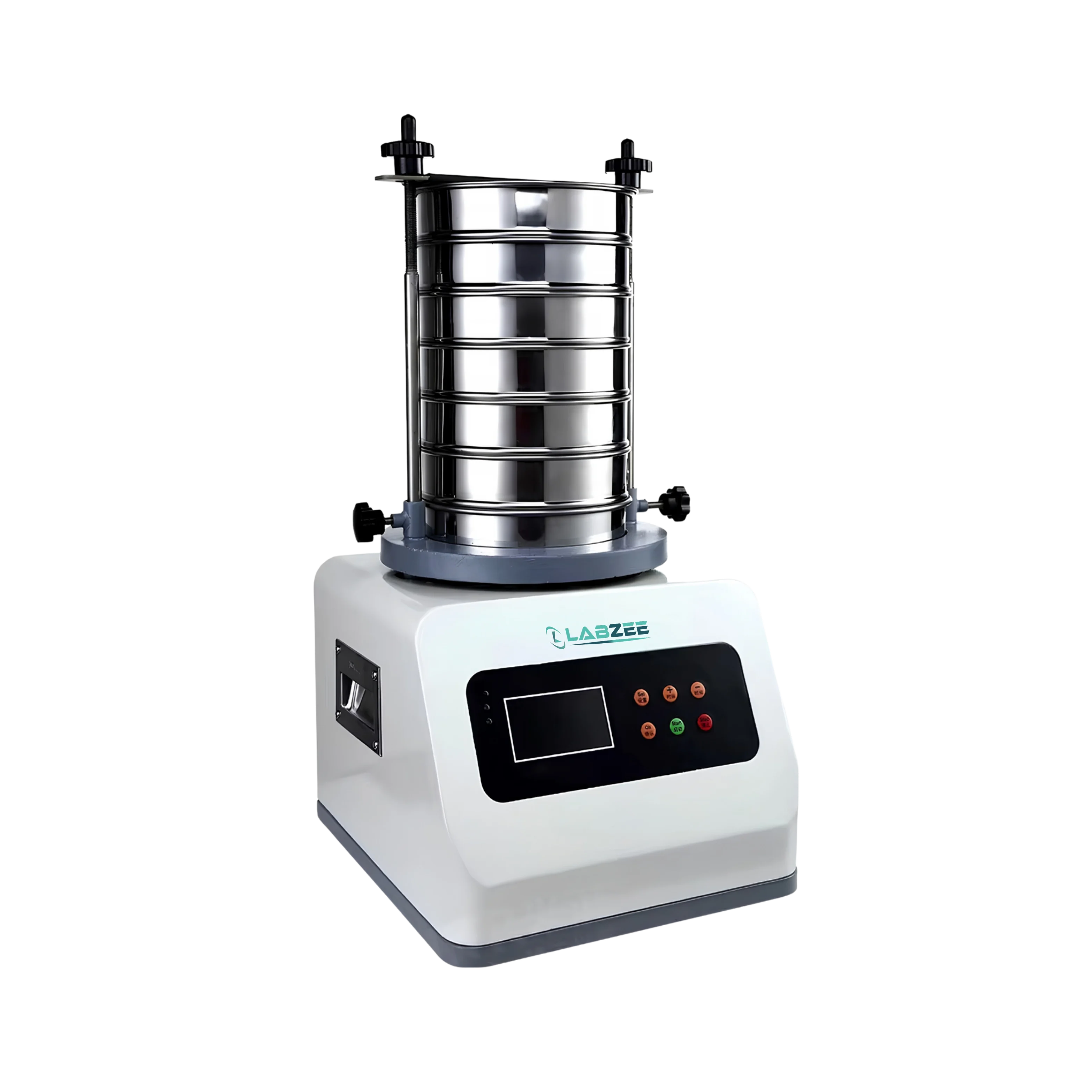
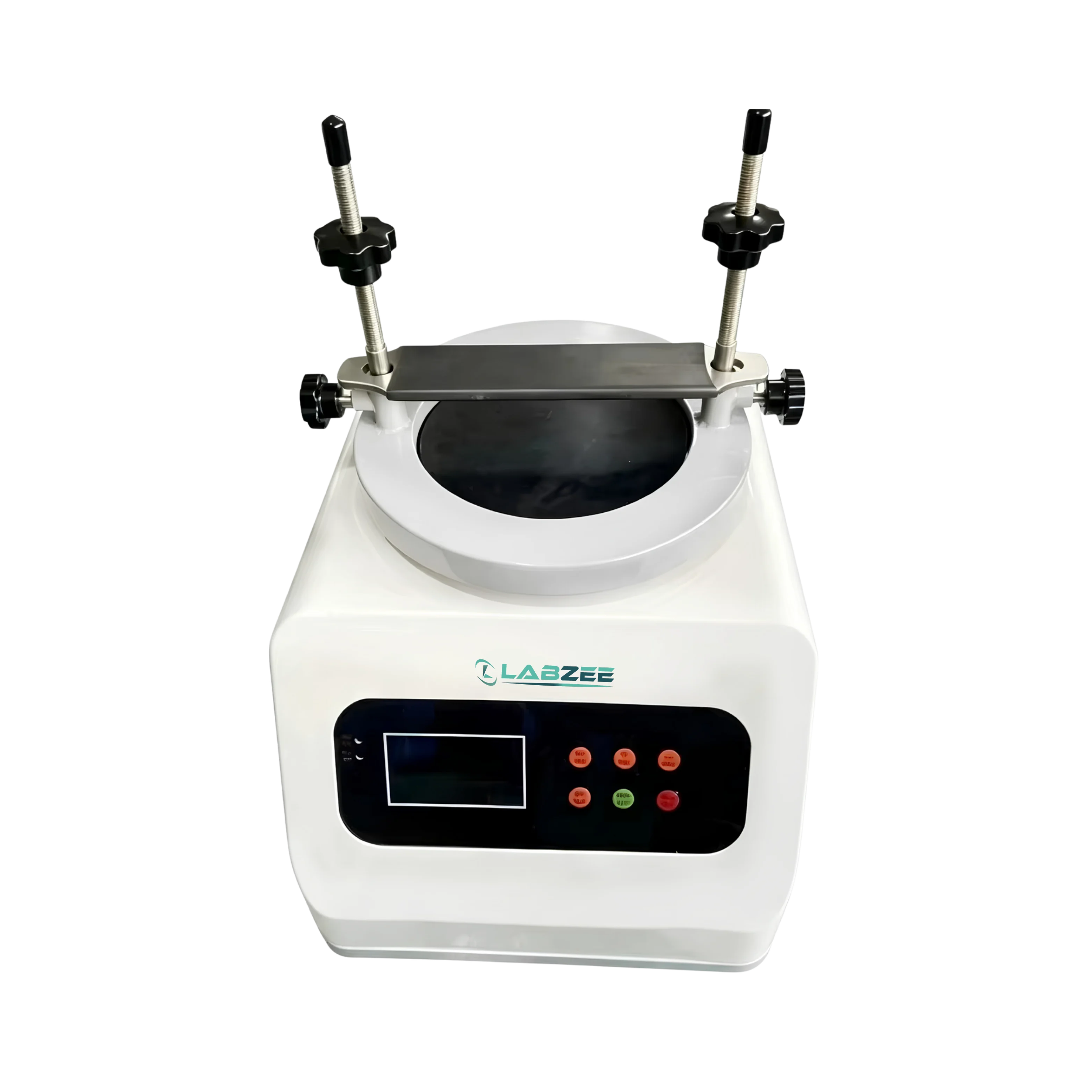
$ 2295
| Sieve Material | Stainless Steel |
| Vibrational Frequency | 3000-6000 times/min |
| Operation Timer | Digital Display, 1–99 minutes 59 seconds |
| Working Temperature Range | -15°C to 65°C |
| Sieve Diameter | 200 mm |
| Powder Sieve Diameter | 200 mm |
| Number of Sieve Layers | 1-7 layers (customizable) |
| Sieve Machine Speed | 1140 rpm |
| Load Capacity | 3 Kg |
| Amplitude Range | 0-3 mm (continuously adjustable) |
| Mesh Range | 20-1000 mesh |
| Sieving Class | Powder, Loose Particles, Suspended Matter |
| Sieve Type | Dry and Wet |
| Sieve Machine Power | 500 W |
| Power Consumption | 500 W |
| Dimension | 400 × 330 × 360 mm |
| Packaging Dimension | 500 × 430 × 460 mm |
| Net Weight | 31 Kg |
| Gross Weight | 55 kg |
| Accessories | Volume |
| Stainless steel Mesh | 12.5mm |
| 8mm | |
| 5.6mm | |
| 4.75mm | |
| 3.35mm | |
| 1.18mm | |
| 1.4mm | |
| 1mm | |
| 0.85mm | |
| 0.6mm | |
| 0.5mm | |
| 0.3mm | |
| 0.075mm |
• Multi-Layer Sieve Support: Accommodates 1–7 sieve layers, separating different particle size fractions.
• Fine Mesh Compatibility: Supports 20–1000 mesh, covering different particle size analysis requirements.
• Continuous Amplitude Control: Allows continuous adjustment from 0 to 3 mm, matching different sample requirements.
• Stainless Steel Sieve Frames: Features stainless steel sieve build, enabling easy cleaning.
• Compact Bench Design: Provides a compact design, fitting laboratory workbenches.
• Pharmaceutical R&D: Classifies powders by particle size during formulation and sample analysis.
• Metallurgy: Enables mesh-based particle separation for powder and material testing.
• Ceramic Laboratories: Screens fine powders to evaluate particle size distribution.
• Food Technology: Analyzes suspended matter and particulate content in food samples.
• Chemical Processing: Supports dry and wet sieving to separate and classify powdered samples.
Frequently Asked Questions
1: How does a vibratory sieve shaker work?
It uses controlled vibrations to move material across stacked sieves, helping you separate particles by size efficiently.
2: What industries commonly use vibratory sieve shakers?
You’ll find them in pharmaceuticals, food, construction, and research labs-anywhere accurate particle sizing is needed.
3: Can you run wet sieving with a vibratory shaker?
Yes, some models support wet sieving if you add a water spray system and use appropriate sieves.
4: How many sieves can you stack at once?
You can usually stack 5 to 8 sieves, depending on the model, giving you multiple separation levels in one run.
5: What power supply is typically required?
Most vibratory sieve shakers run on standard AC power but always check your model's voltage requirements.
6: What does a vibratory sieve shaker do?
A vibratory sieve shaker helps you separate particles by size using vibration. It ensures accurate and efficient particle size analysis.
7: Can you use multiple sieves at once?
Yes, you can stack multiple sieves to sort materials into different size ranges during a single operation.
8: Is the vibration intensity adjustable?
Most models let you adjust the vibration intensity, so you can match the settings to your material’s characteristics.
9: What materials can you test with it?
You can use it to test powders, granules, aggregates, and other bulk materials commonly used in labs and industries.
10: Is it easy to change or clean the sieves?
Yes, the sieves are easy to insert, remove, and clean, helping you switch materials or mesh sizes quickly.
11: Can you control both temperature and shaking speed on a Vertical Incubator Shaker?
Yes, these devices come with programmable controls that let you set precise temperature ranges and shaking speeds. This ensures stable and repeatable conditions for sensitive experiments or microbial cultivation.
Labzee Vibratory Sieve Shakers are designed for precise particle size analysis and efficient separation across a wide range of materials. They deliver consistent motion through advanced vibration mechanisms and adjustable amplitude settings for optimal sieving performance. These units accommodate various sieve sizes and stack configurations, making them suitable for both coarse and fine particle testing. Their user-friendly interfaces, durable construction, and low-maintenance design ensure long-term reliability in laboratory workflows. Our Vibratory Sieve Shakers are ideal for applications in pharmaceuticals, construction materials, mining, chemicals, and environmental testing.
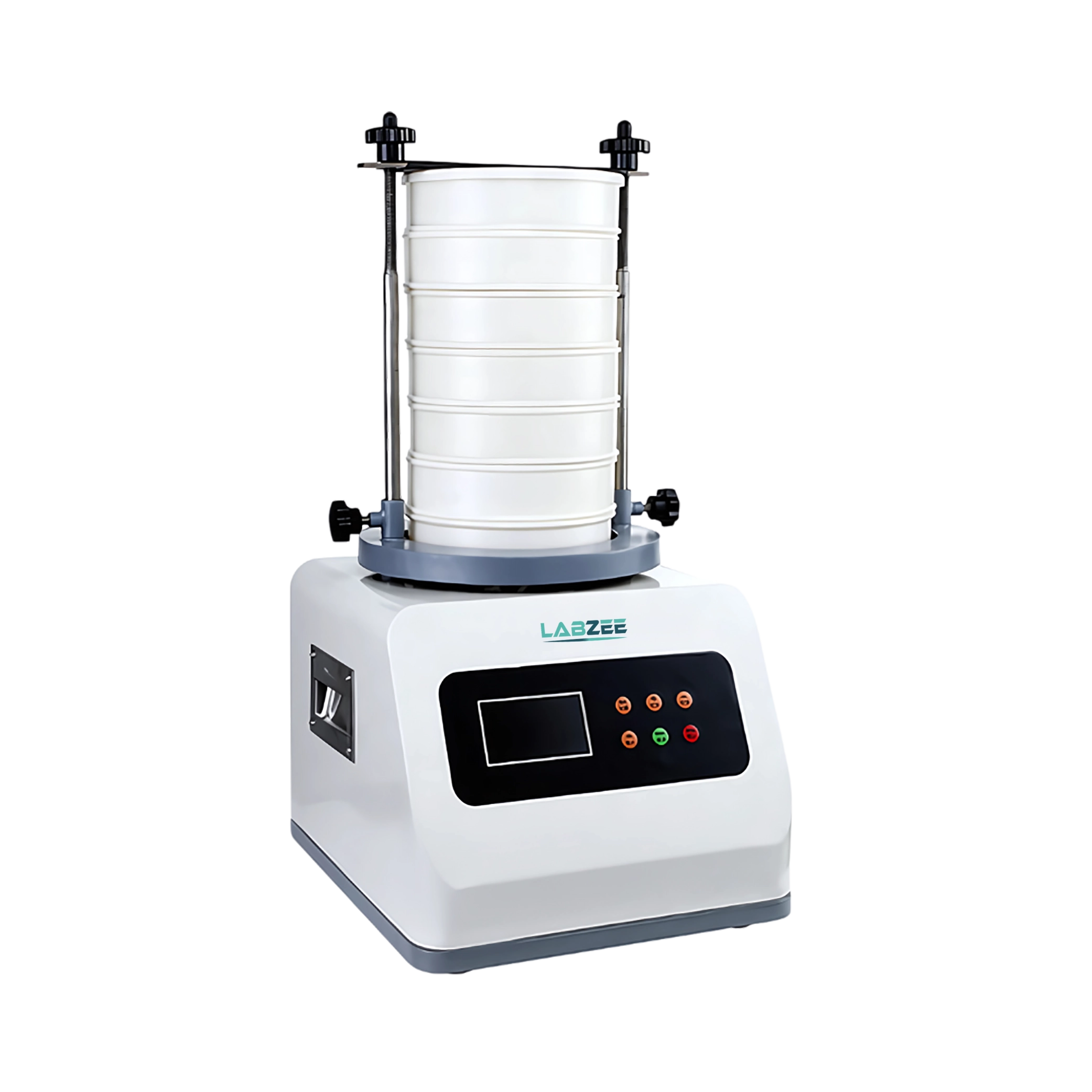
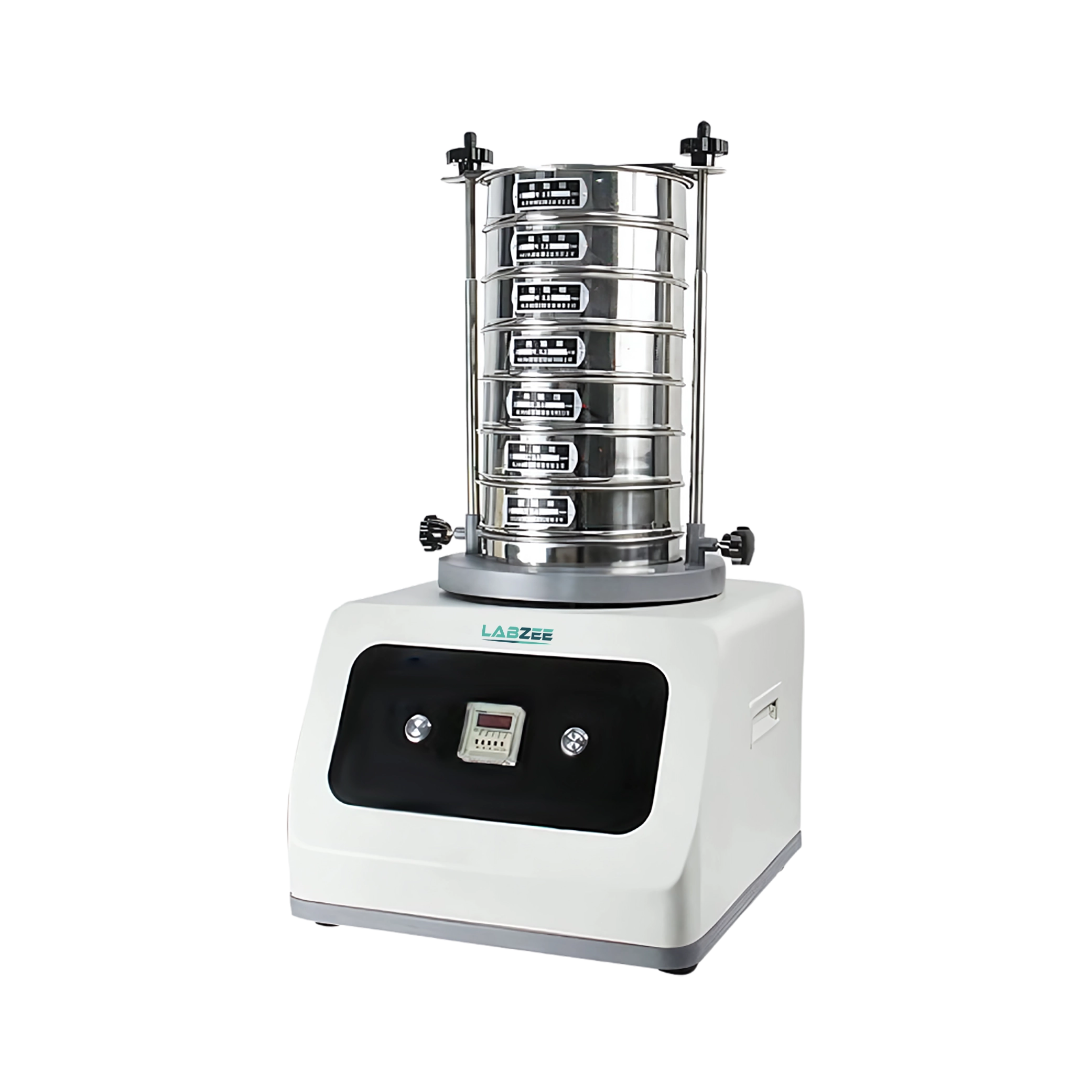

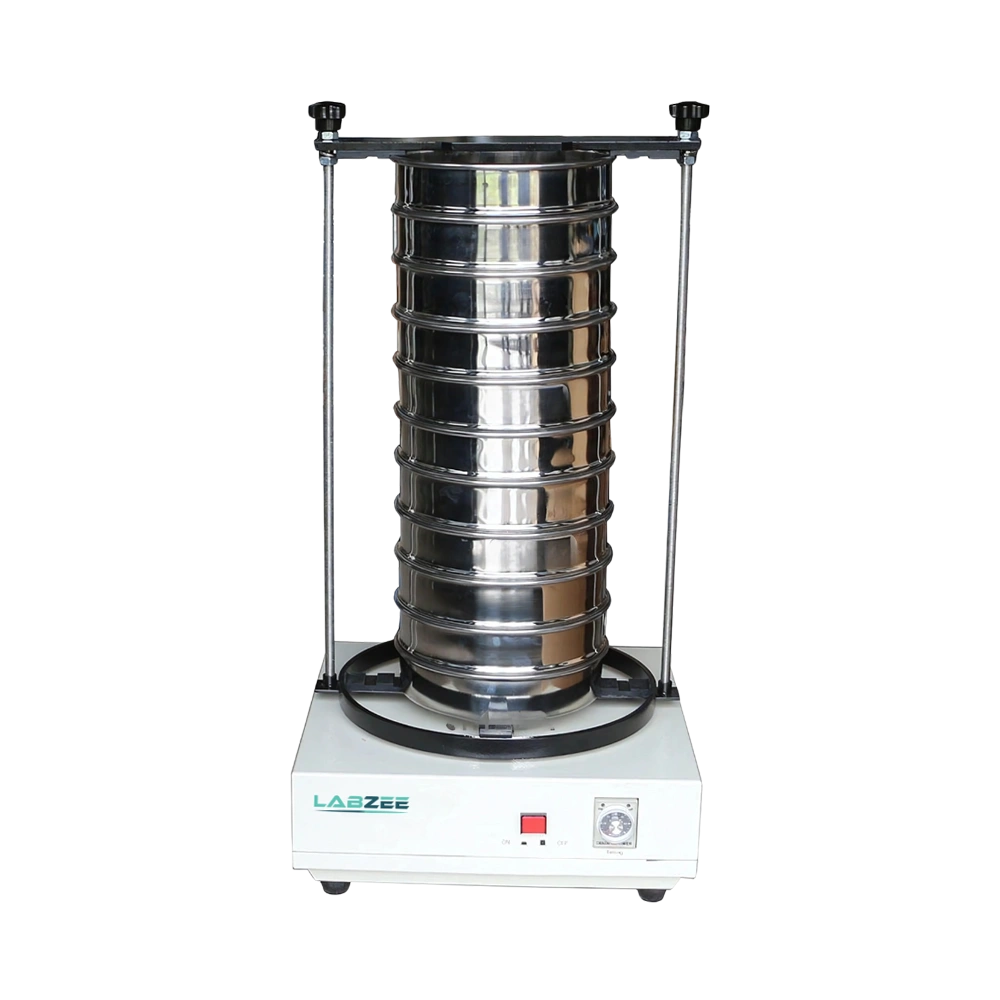
Labzee Test Sieve Shakers are precision instruments for accurate particle size analysis in laboratory environments. They utilize controlled mechanical vibrations to separate materials across different sieve sizes. These shakers include adjustable settings for time and vibration amplitude to ensure consistent performance. Their compact build and user-friendly interface make them easy to operate and fit into limited lab spaces. Our Test Sieve Shakers are ideal for use in pharmaceutical, food, chemical, and academic laboratories.

$ 1824
$ 2399
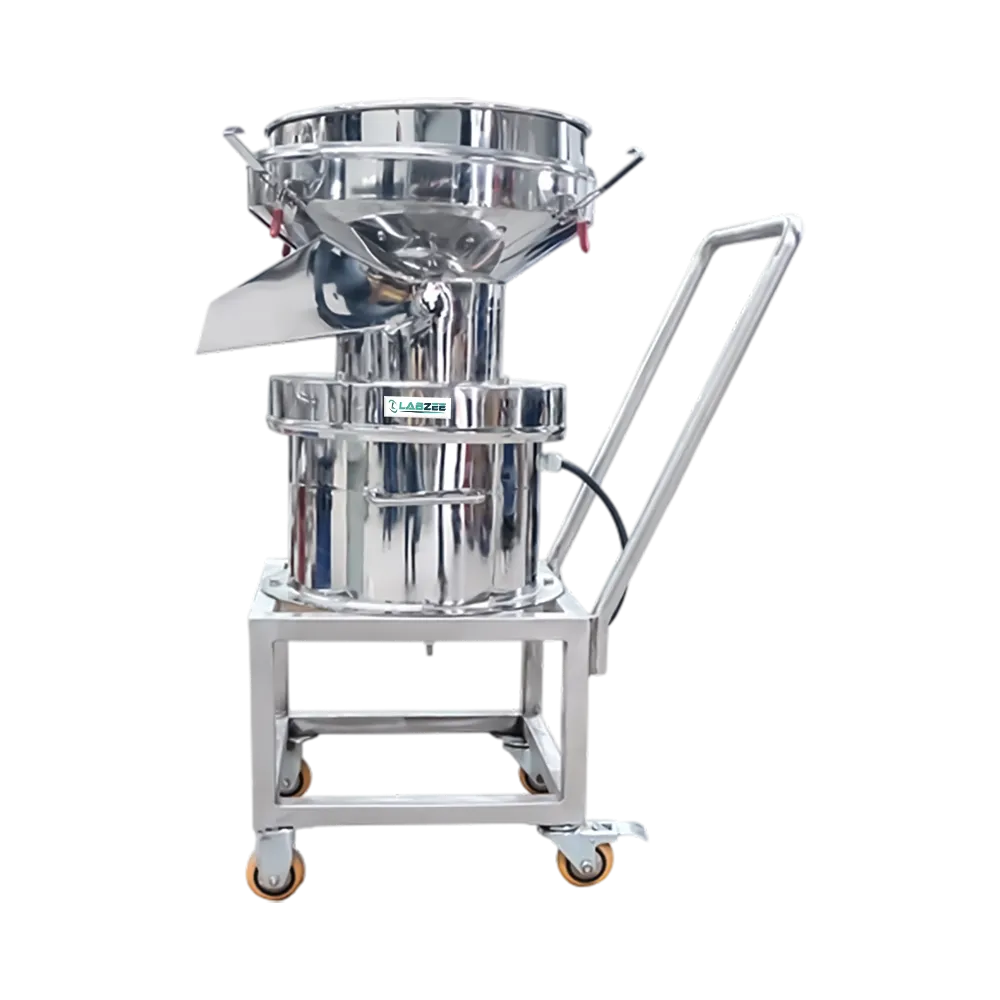
Rotary Sieve Shaker from Labzee provides circular sieve movement for separating and classifying powdered and granular materials by particle size. Our rotary sieve shakers provide particle size distribution through circular rotation and mechanical vibration to efficiently separate granular materials. Models with stainless steel sieves and multiple sieve layers support different sieve testing requirements. Rotary sieve shakers handle soil analysis, powder analysis, granule classification, and aggregate testing, providing organized particle size fractions for laboratory evaluation.

$ 1835
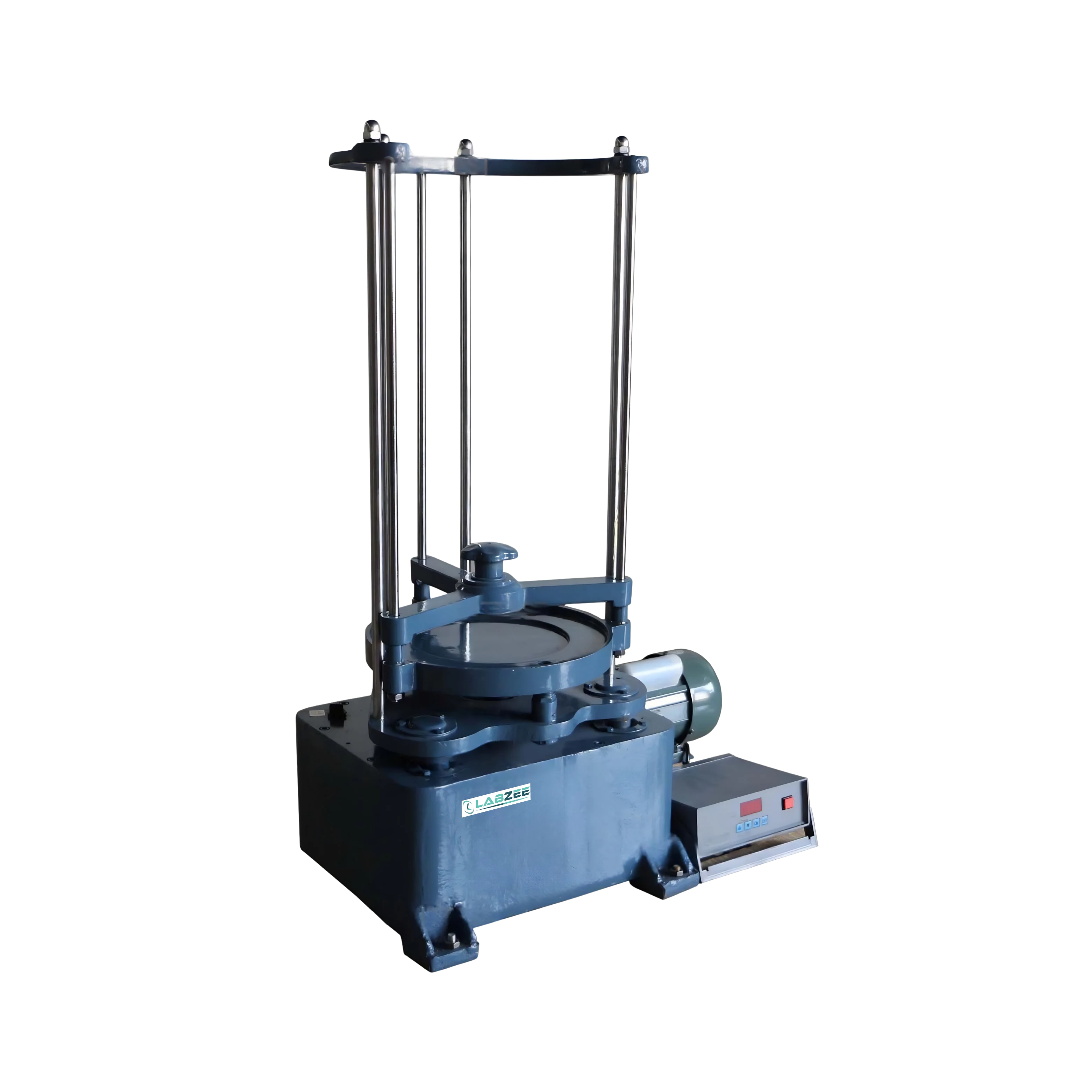
Mechanical Sieve Shaker from Labzee separates and classifies dry particulate materials according to particle size through mechanical shaking of stacked sieves. Our sieve shaker uses mechanical oscillation and impact action to move particles across the sieve mesh for particle size analysis and material classification, supporting repeatable sieving results. Multiple sieve layers allow different particle sizes to be separated during a single sieving process. Labzee Mechanical Sieve Shakers support laboratory testing and material analysis of powders, soil, and other dry particulate samples.
$ 2146
