$ 1709
| Detectable Gas | O₂ |
| Detection Principle | EC Sensor |
| Detecting Range | Oxygen: 0-100% VOL |
| Operating Pressure | 86 kPa - 106 kPa |
| Operating Temperature | -20°C to +50°C |
| Working Flow Rate | 500 mL/min |
| Response Time | < 20 s |
| Recovery Time | < 20 s |
| Sampling Mode | Pump Suction |
| Indicating Method | LCD Display |
| Resolution | 1% VOL |
| Measurement Error | Full Range ±3% |
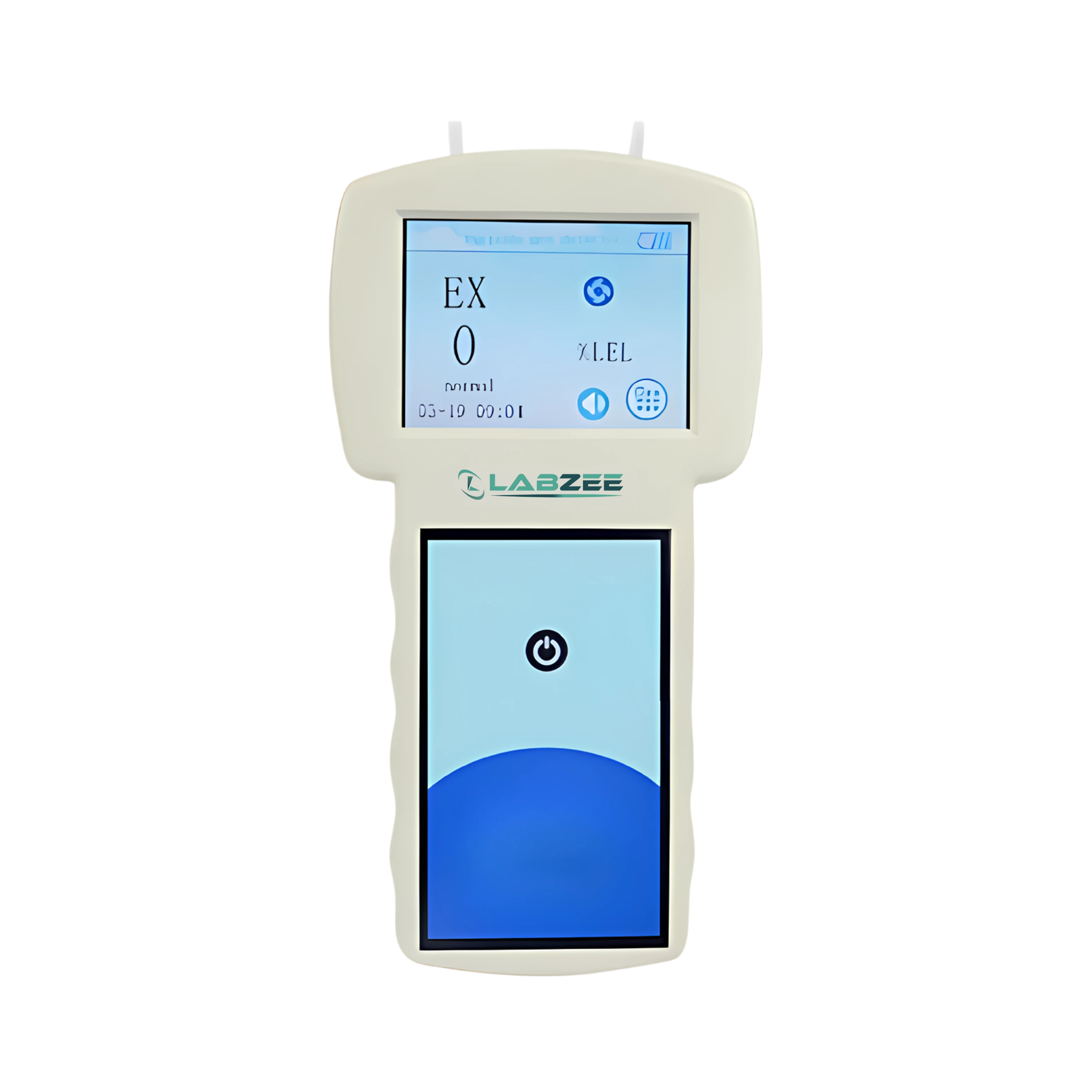
| Calibrating Method | Touch Screen Operation |
| IP Rating | IP65 |
| Battery | DC 7.4V, 2800 mAh |
| Product Dimension | 209 × 110 × 40 mm |
| Net Weight | ≤ 1000 g |
| Gross Weight | 1500 g |
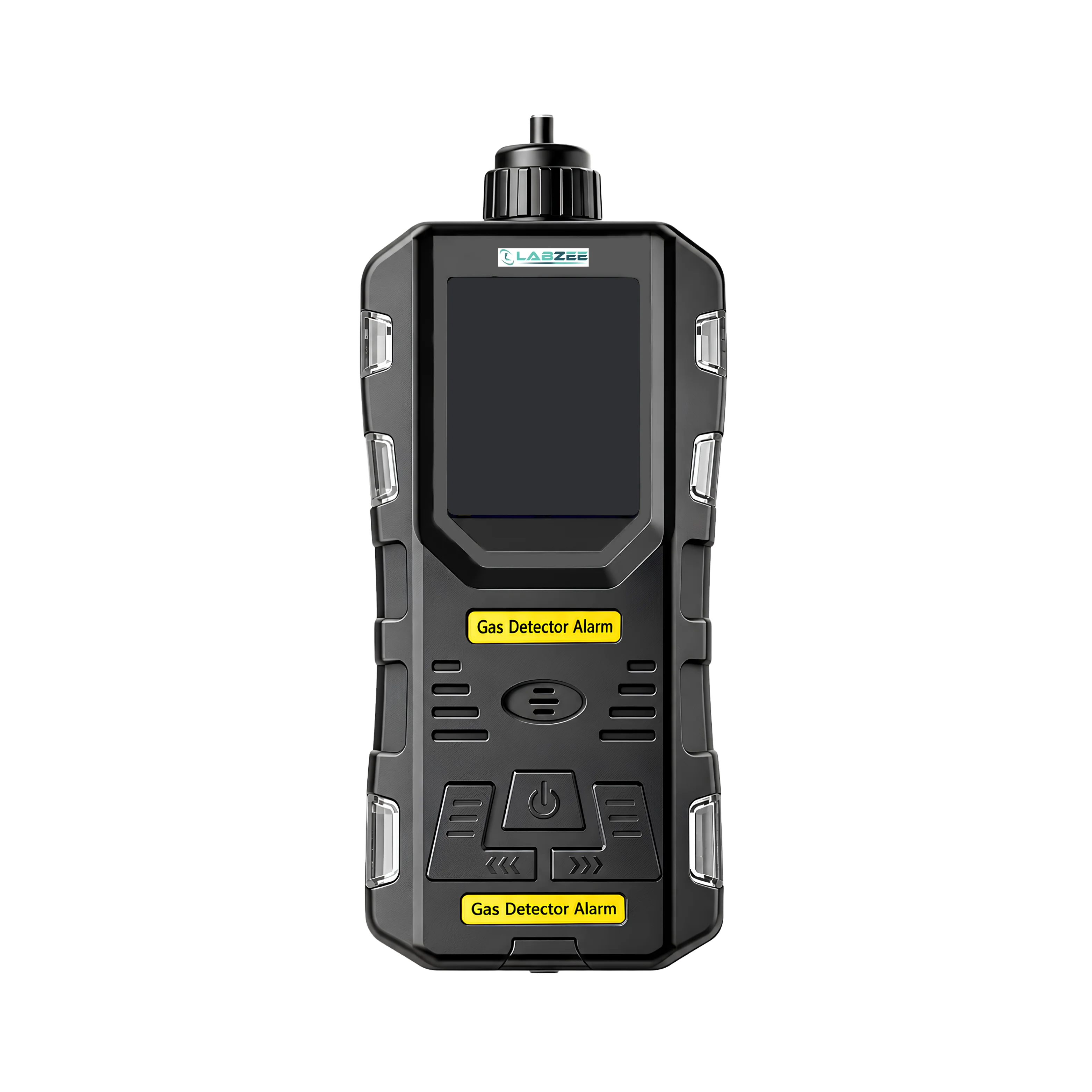
• Fast Oxygen Detection: Measures oxygen with an EC sensor across a 0–100% VOL range.
• Touch Screen LCD Display: Shows oxygen readings and handles calibration through the touch screen.
• Pump Suction Sampling: Draws gas samples through pump suction for oxygen measurement.
• Quick Response Time: Delivers a response time under 20 s for oxygen readings.
• Portable Design: Allows the detector to be carried to the sampling point.
• One-Button Switch: Powers the detector on and off with a single button.
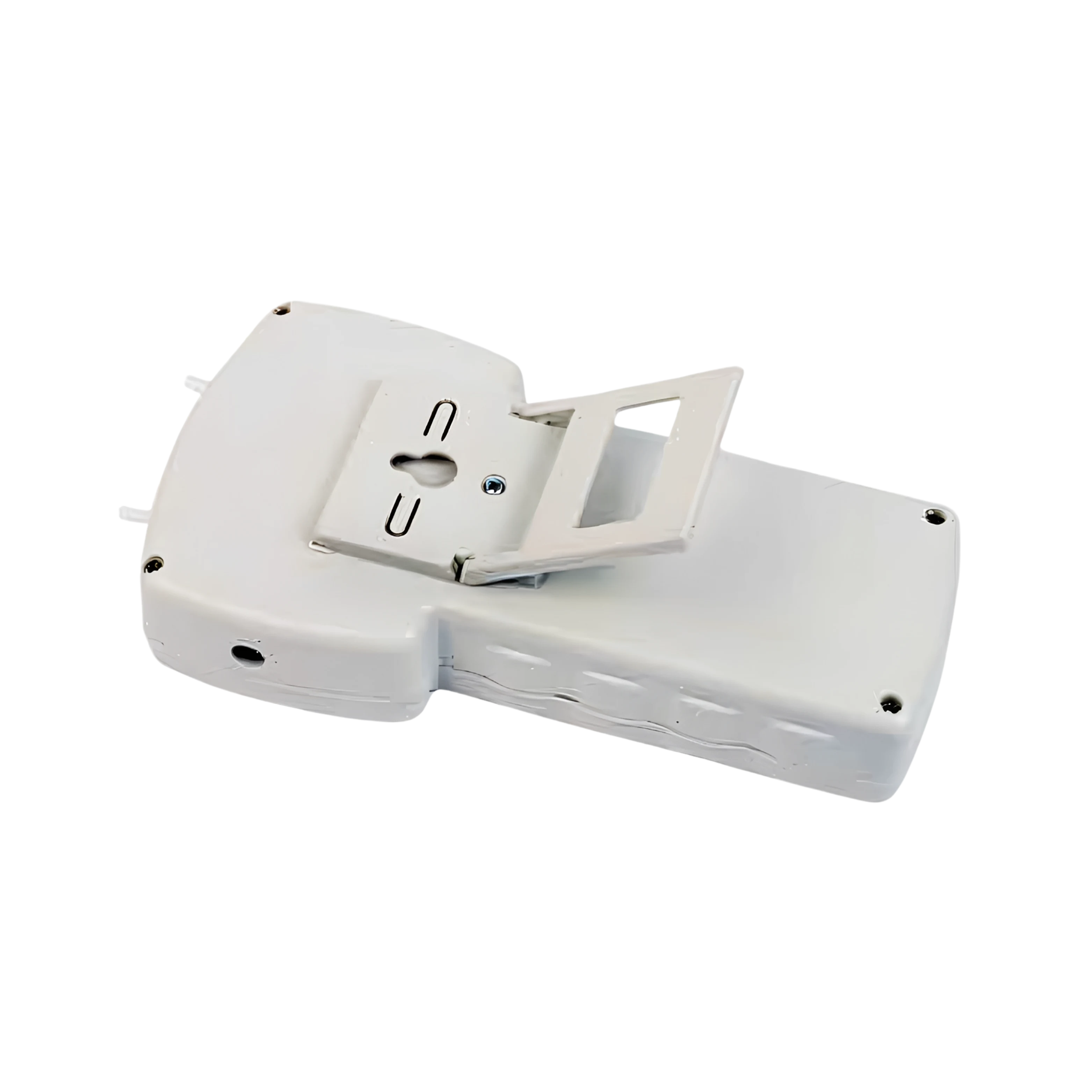
• Fold-Out Rear Stand: Provides support for positioning the detector.
• Laboratory Research: Detects oxygen concentration at the sampling point during laboratory work.
• Chemical Industry: Monitors oxygen levels around chemical processing areas.
• Metallurgy: Tests oxygen content in gas drawn from metal processing areas.
• Gas Industry: Reads oxygen percentage in gas drawn during gas handling.
• Electric Power: Determines the oxygen proportion in gas sampled around power generation areas.
Frequently Asked Questions
1: How long does a Portable Gas Detector battery last?
Battery life varies depending on the model and usage, but many devices offer 8 to 24 hours of continuous operation. Some advanced models include rechargeable batteries and real-time battery status indicators.
2: Can you calibrate a Portable Gas Detector yourself?
Yes, most models allow user calibration using standard gas mixtures. Regular calibration ensures accuracy and reliability, and many devices provide reminders when calibration is due.
3: What types of gases can a Portable Gas Detector sense?
These detectors can be configured to sense a wide range of gases, including carbon monoxide (CO), hydrogen sulfide (H?S), methane (CH?), oxygen (O?), ammonia (NH?), and volatile organic compounds (VOCs), depending on the sensor configuration.
4: Can you replace the sensors in a Portable Gas Detector?
Yes, the sensors in most detectors are replaceable and sometimes interchangeable, depending on the model. Replacing worn-out sensors extends the life of the device and maintains detection accuracy.
5: How do you know when gas levels are unsafe?
The detector emits alarms-flashing lights, loud beeps, and vibrations-when gas levels exceed safe thresholds. These alerts are immediate and designed to grab attention even in noisy environments.
6: Can you explain what a Portable Gas Detector is used for?
A Portable Gas Detector is a handheld device used to detect and monitor the presence of hazardous gases in the environment. It ensures safety in areas where gas leaks or toxic fumes could pose a risk to health or cause explosions, making it essential for industrial and confined space applications.
7: How does a Portable Gas Detector function?
The detector draws in air and uses sensors to identify the presence of specific gases like carbon monoxide, methane, hydrogen sulfide, and oxygen. It triggers alarms-audible, visual, or vibrational-when gas levels exceed safe limits, allowing users to take immediate action.
8: Can you detect multiple gases with one Portable Gas Detector?
Yes, many modern portable detectors are equipped with multi-gas sensors that can detect up to four or more gases simultaneously. This capability makes them highly versatile and suitable for various hazardous environments.
9: What industries commonly use Portable Gas Detectors?
Industries such as oil and gas, chemical manufacturing, mining, wastewater treatment, firefighting, and construction rely on portable gas detectors to ensure worker safety and compliance with safety regulations.
10: Can you use a Portable Gas Detector in confined spaces?
Absolutely, these detectors are ideal for confined space entry where ventilation may be limited, and toxic gas buildup is a risk. They help identify dangerous conditions before and during entry.
Labzee Portable Gas Detectors are designed for real-time monitoring of hazardous gases in confined spaces and industrial environments. They provide accurate detection using advanced sensor technology and fast response times for increased safety. These devices support multi-gas detection configurations, covering common gases such as CO, H?S, O?, and combustible gases. Their compact design, user-friendly interface, and robust construction make them ideal for field use and routine inspections. Our Portable Gas Detectors are widely used in chemical plants, mining, oil and gas facilities, firefighting, and environmental monitoring.