

$ 904
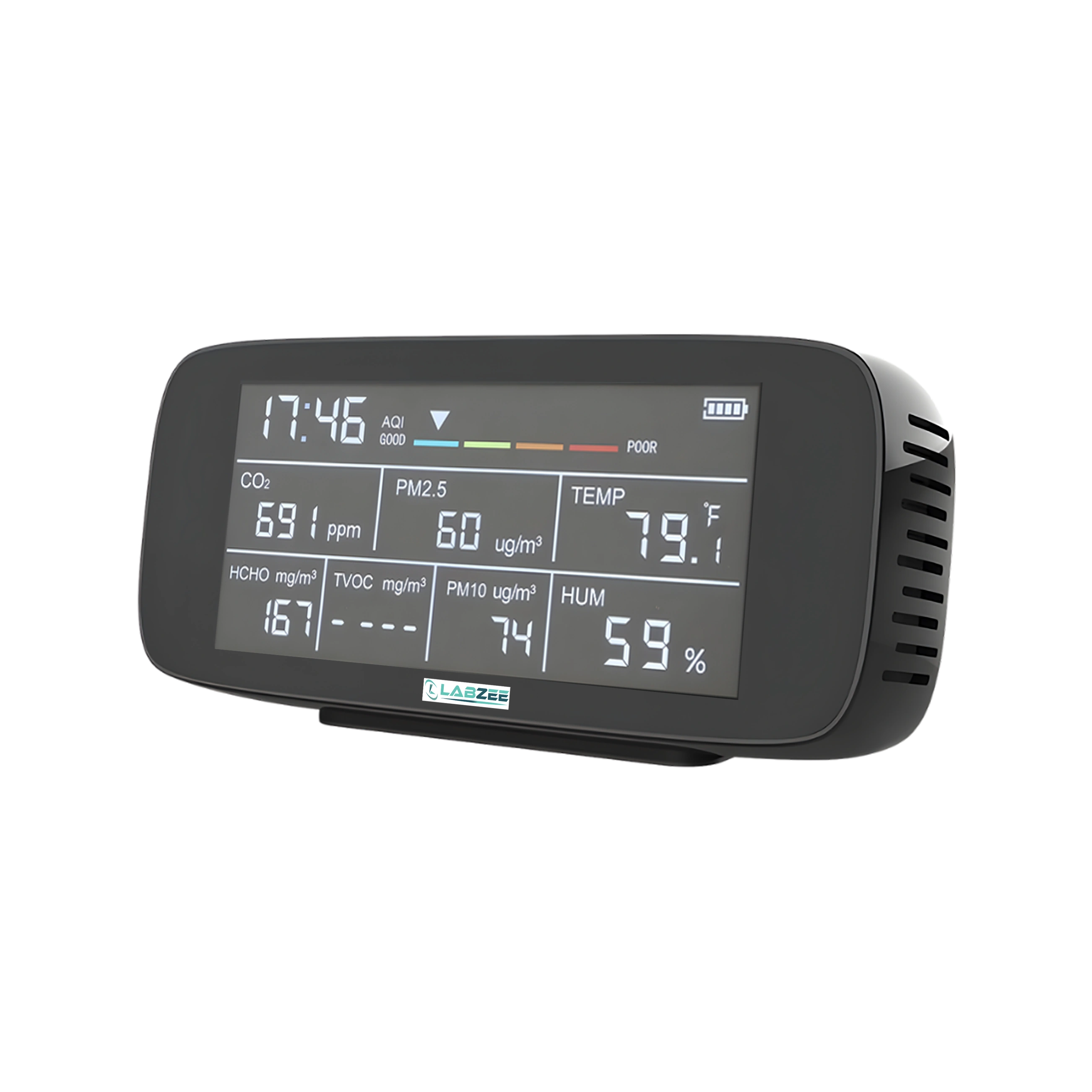
| Test Elements | CO₂, PM2.5, PM10, AQI, HCHO, TVOC, Temperature, Humidity, Clock |
| CO₂ Measuring Range | 400 to 5000 ppm |
| PM2.5/PM10 Measuring Range | 0 to 999 µg/m³ |
| HCHO Measuring Range | 0.001 to 1.999 mg/m³ |
| TVOC Measuring Range | 0.001 to 9.999 mg/m³ |
| Temperature Range | -10°C to 50°C (14°F to 122°F) |
| Storage Temperature | -10°C to 60°C (14°F to 140°F) |
| Humidity Range | 20% to 85% RH |
| Atmospheric Pressure | 12.5 PSI to 15.4 PSI |
| Sampling Time | 1.5 seconds |
| CO₂ Detection Method | Infrared (NDIR) |
| PM Detection Method | Laser Scattering |
| HCHO/TVOC Detection Method | Semiconductor Sensor |
| Display Method | LCD Screen |
| Power Source | 3000mAh |
| Product Dimension | 18.8×4.2 ×8.8cm |
| Package Dimension | 25×12×6cm |
| Net Weight | 331g (11.68oz) |
| Gross Weight | 1Kg |
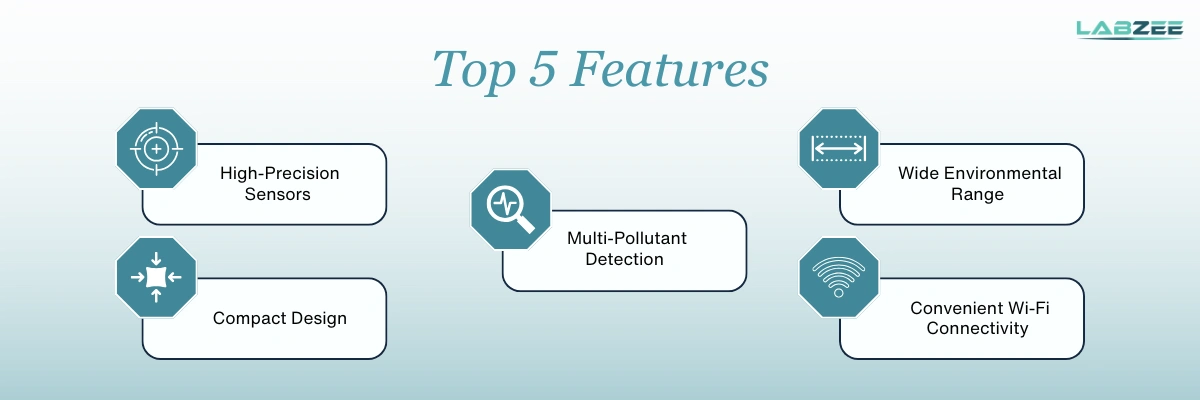
Fast Sampling: 1.5‑second response time for real‑time readings.
Multi‑Pollutant Detection: Measures multiple indoor air pollutants including gases, particles, and VOCs.
Large LCD Display: Digital screen with integrated clock shows real‑time readings and AQI.
Data Logging & Export: Internal memory for continuous logging; export via Wi‑Fi or USB.
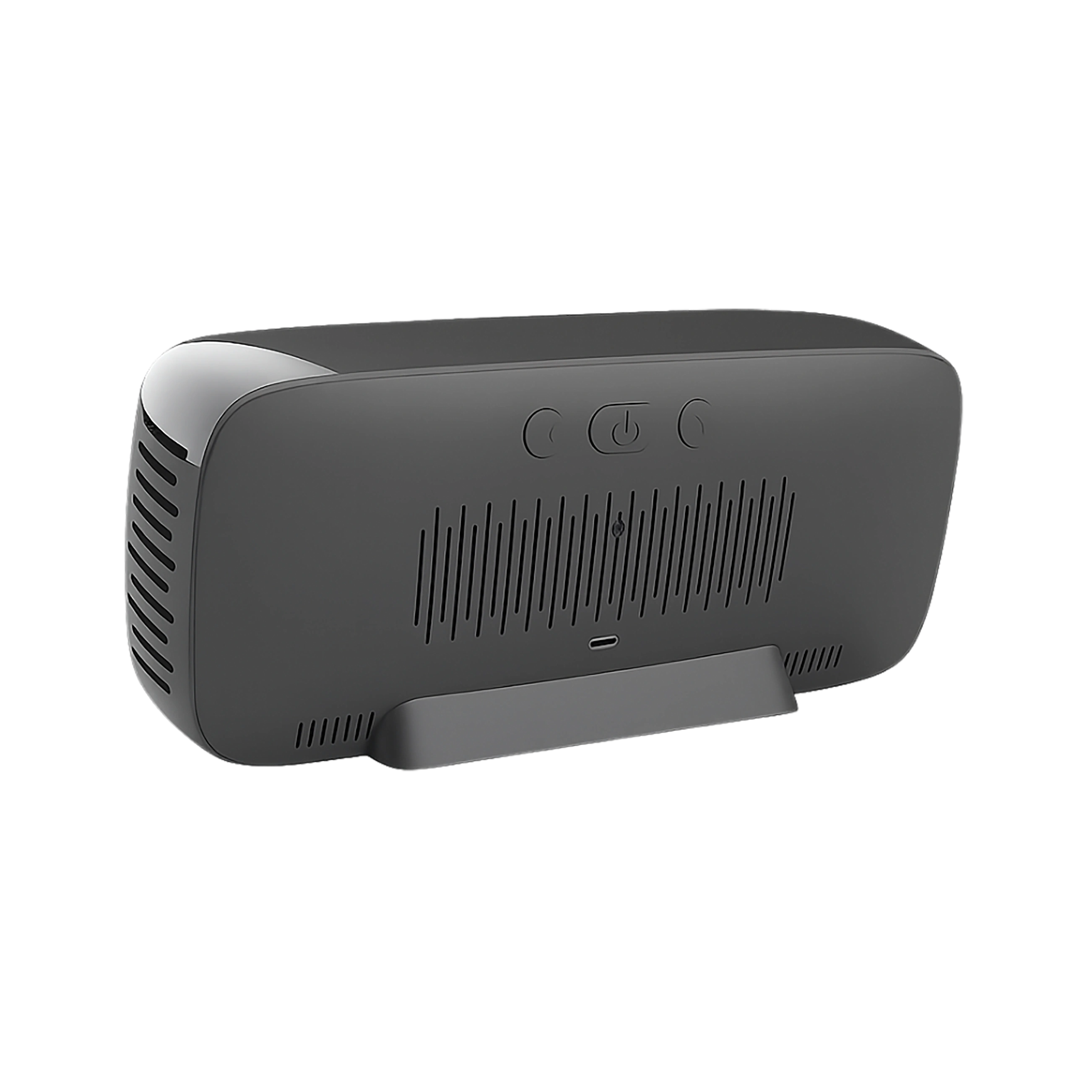
Portable & Rechargeable: Lightweight design with battery for cordless use anywhere.
• Homes & Apartments: Used for daily indoor air quality monitoring.
• Healthcare Facilities: Applied for tracking pollutants in hospitals and clinics.
• Schools & Universities: Designed for classroom and laboratory air assessment.
• Offices & Commercial Buildings: Suitable for ensuring healthy indoor environments.
• HVAC & Building Management: Intended for professionals monitoring air quality trends.
Frequently Asked Questions
1: What sensor technologies are used in the CO2 meter?
It employs infrared (NDIR) sensors for CO2, laser scattering for particulate matter, and semiconductor sensors for detecting HCHO and TVOC gases.
2: How accurate is the particulate matter detection?
It uses laser scattering technology to accurately measure PM2.5 and PM10 particles from 0 to 999 µg/m³.
3: How does the AQI calculation work?
The monitor calculates a real-time Air Quality Index (AQI) by analyzing all detected pollutants (PM2.5, CO2, VOCs etc.) and converts them into an easy-to-understand 0-500 scale, with color-coded alerts for unhealthy levels.
4: Why choose NDIR sensors for CO2 monitoring?
NDIR (Non-Dispersive Infrared) sensors deliver precise and stable CO2 readings with ±50 ppm accuracy. They’re highly durable and are resistant to cross-interference from other gases—making them ideal for long-term, low-maintenance air quality monitoring.
5: How quickly does the Air Quality Monitor provide air quality updates?
With a fast 1.5-second sampling rate, it delivers near real-time air quality data for immediate awareness.
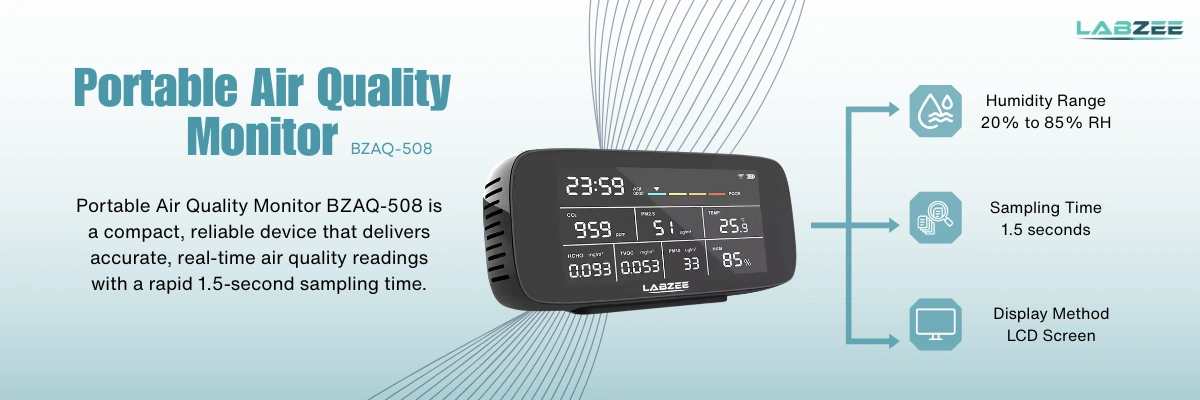
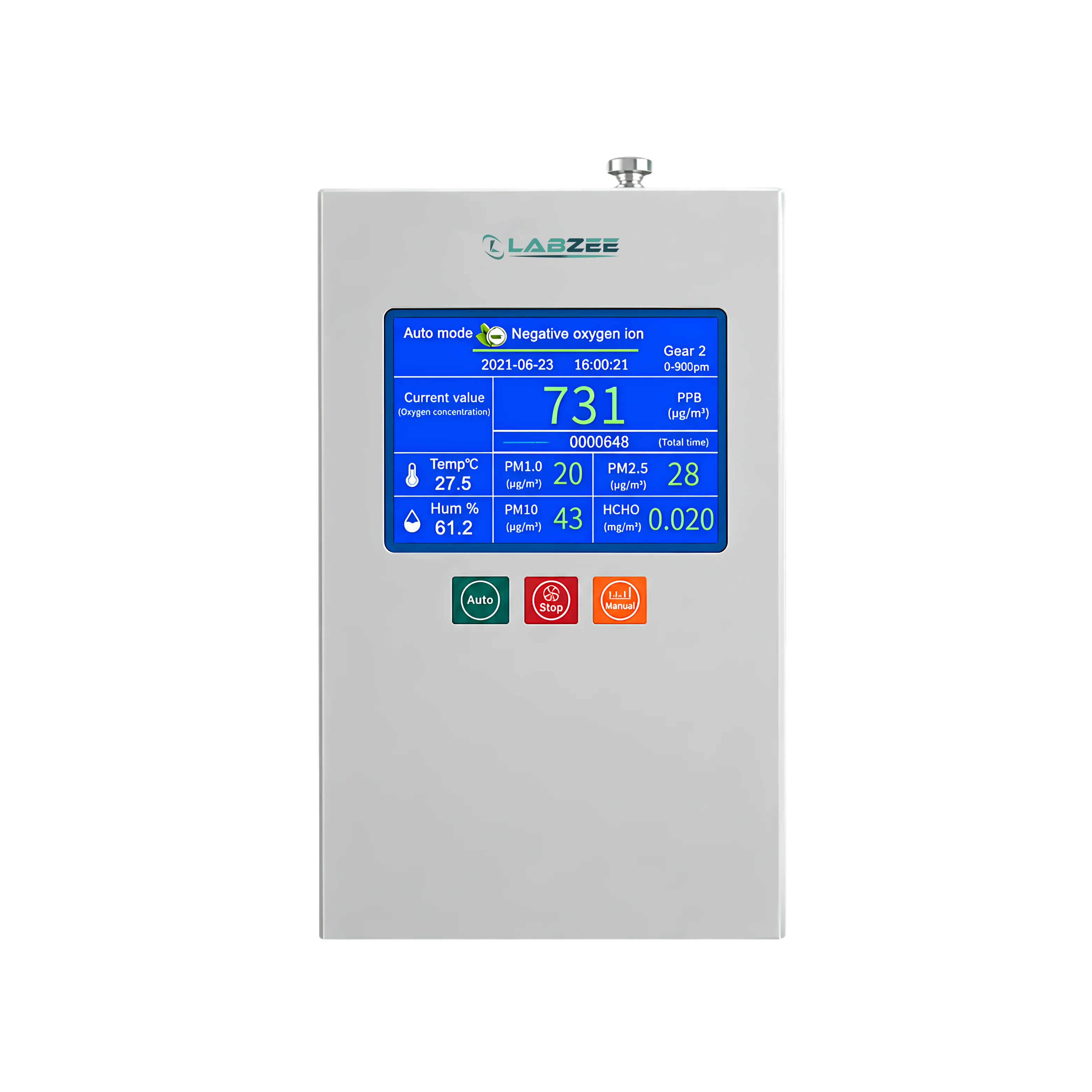
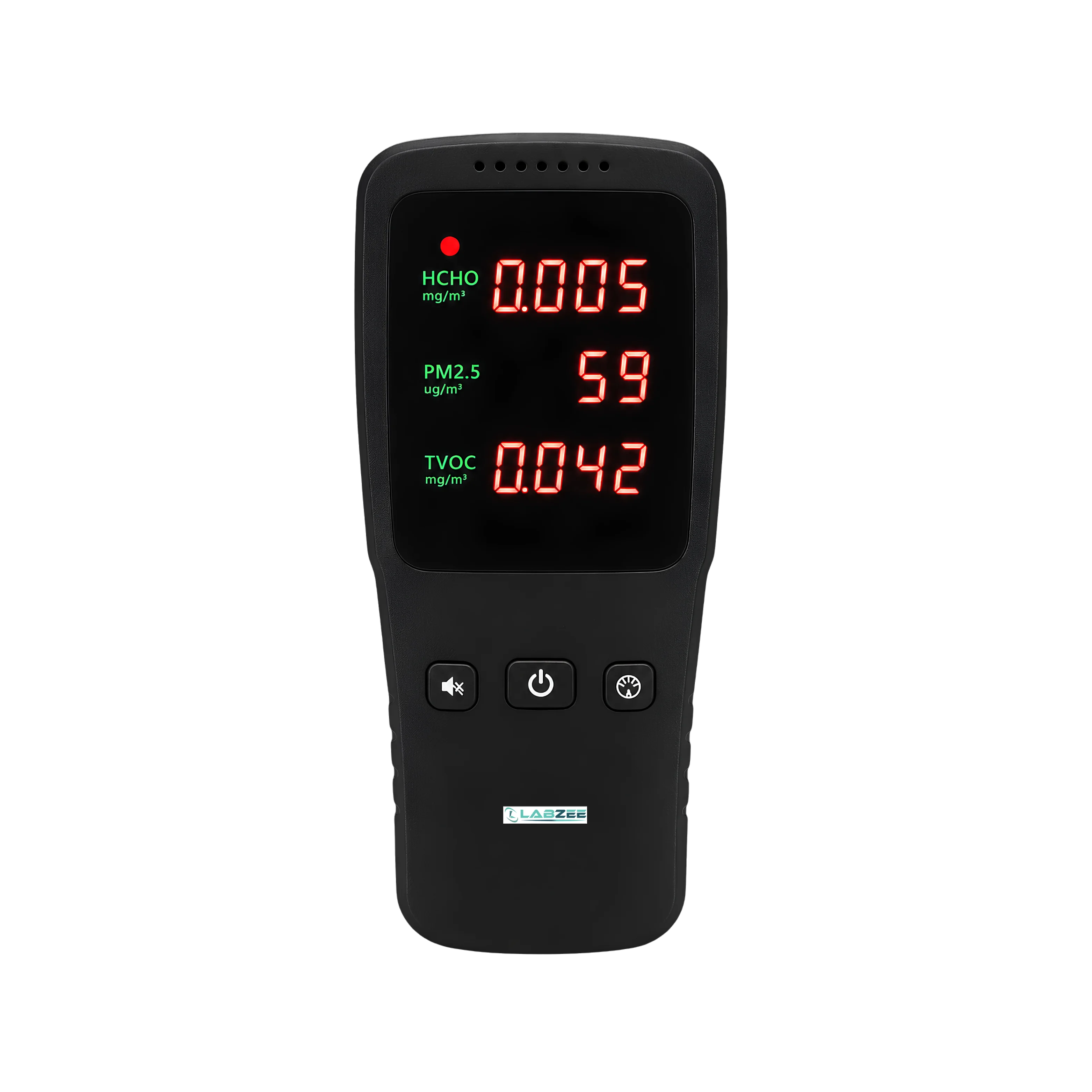
Labzee Portable Air Quality Monitors are multifunctional devices that accurately measure critical air parameters. They measure CO2, PM2.5/PM10, HCHO, TVOC, temperature, and humidity with clear, real-time readings on a digital LCD screen for immediate assessment. Our portable air monitors include an integrated clock and internal memory for continuous data logging. With simple USB export, they support trend analysis, long-term monitoring, and routine indoor air assessment, delivering accurate, consistent data for daily indoor use.
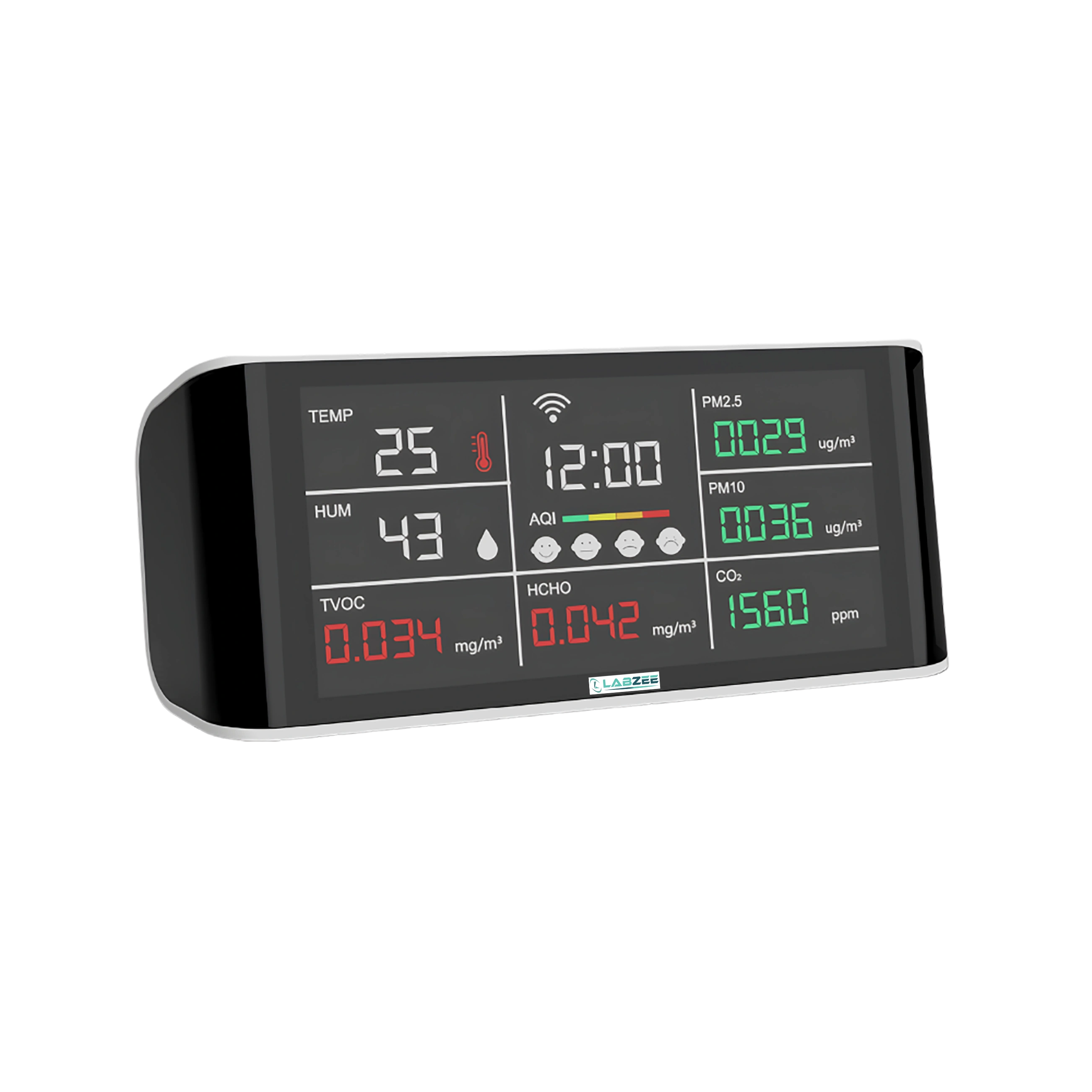
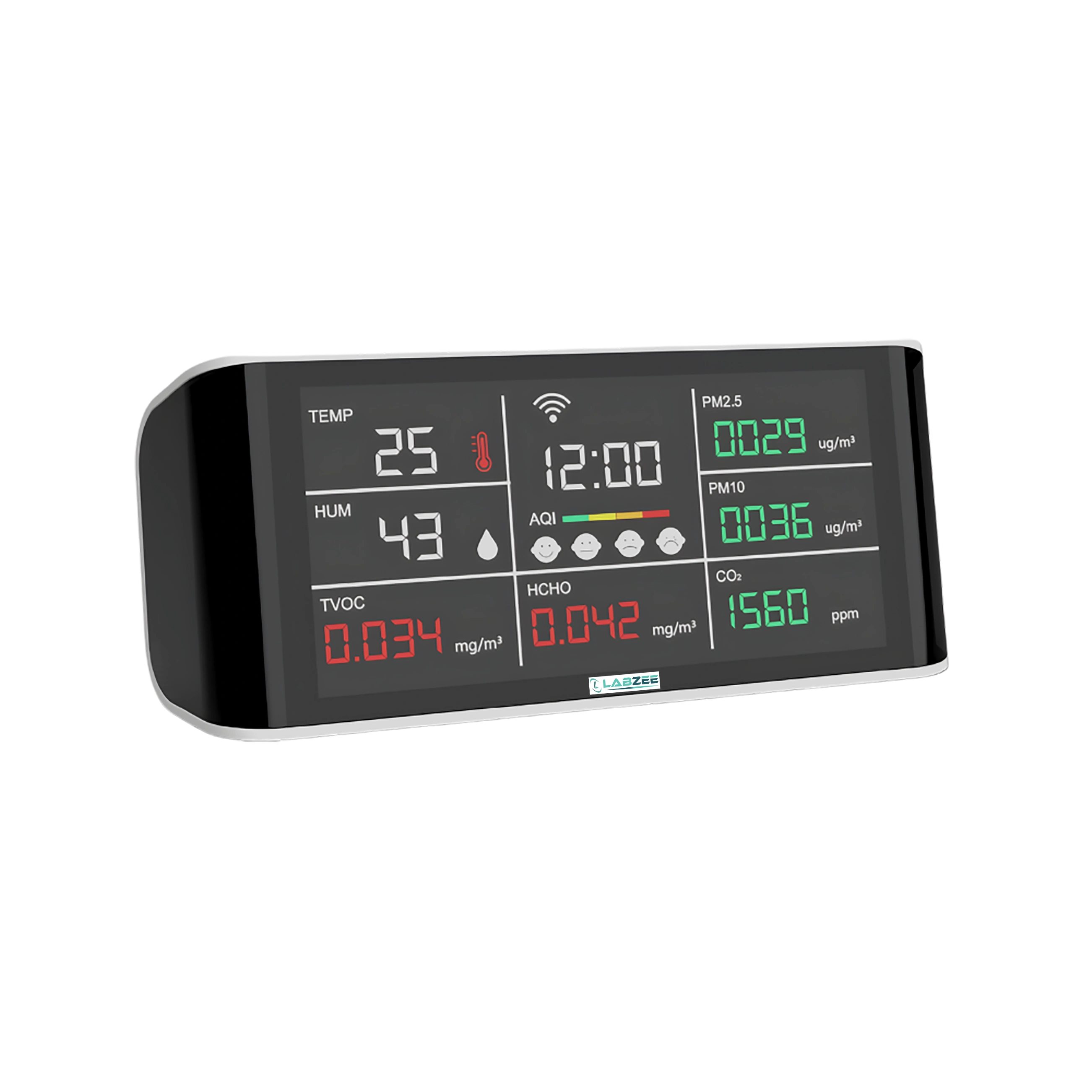
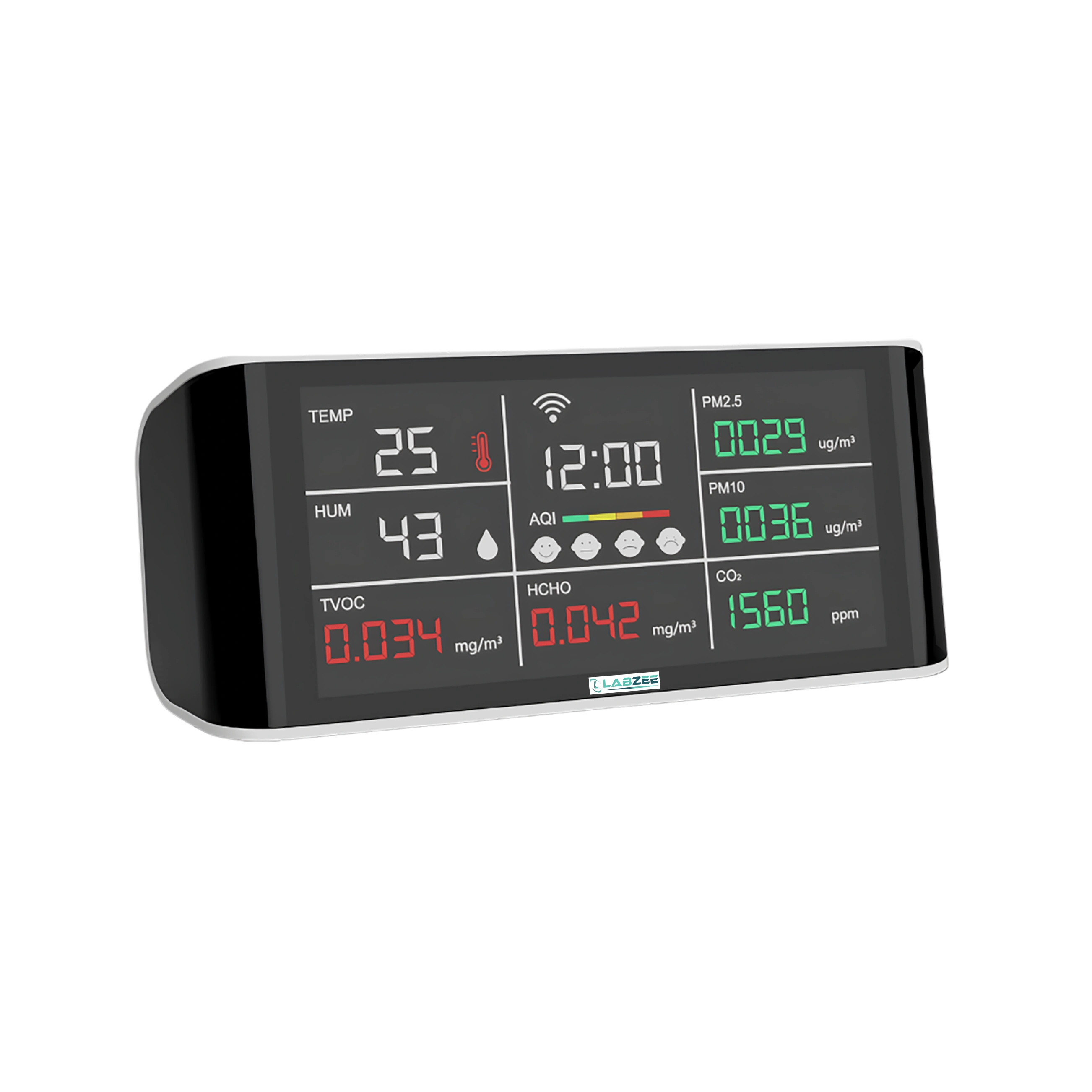
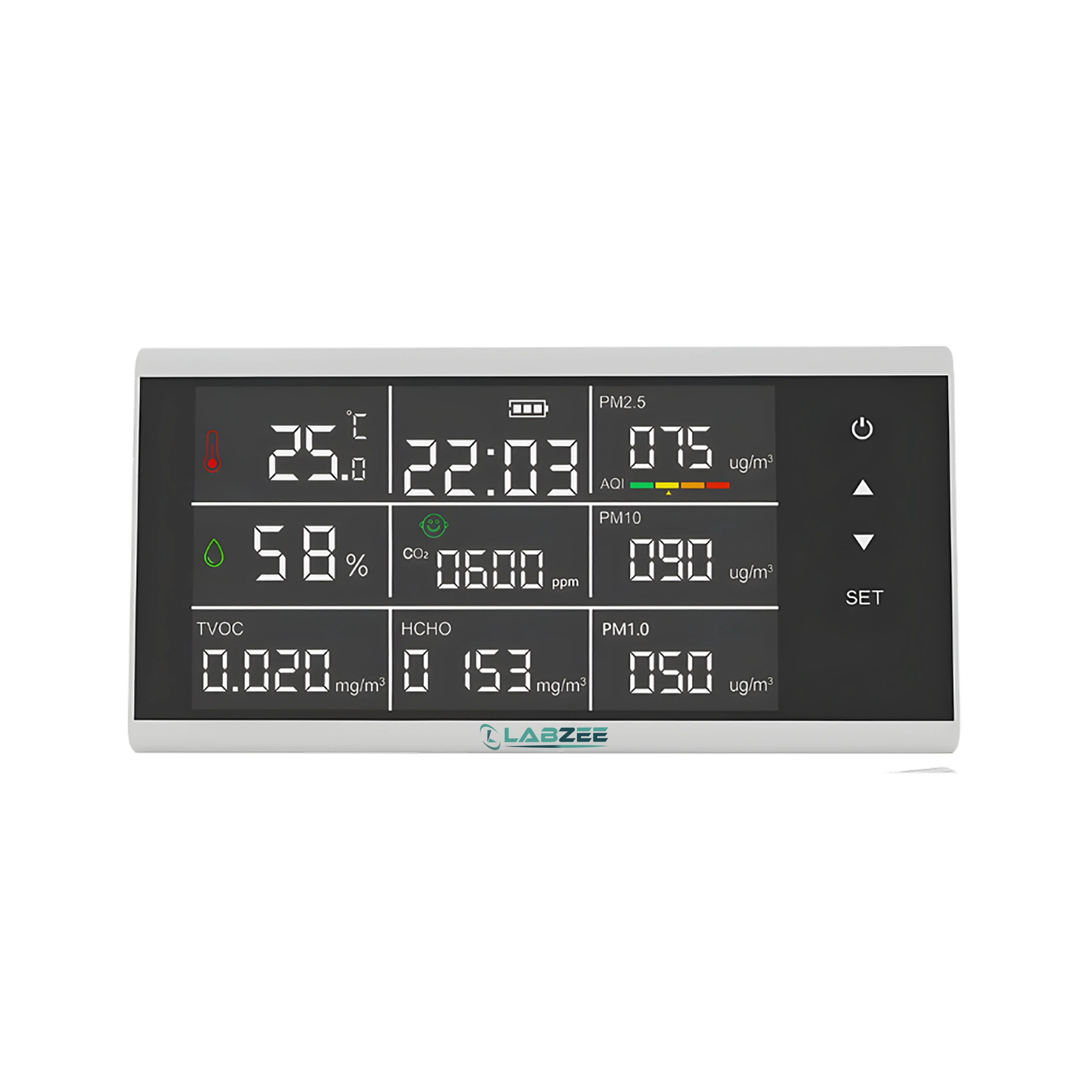
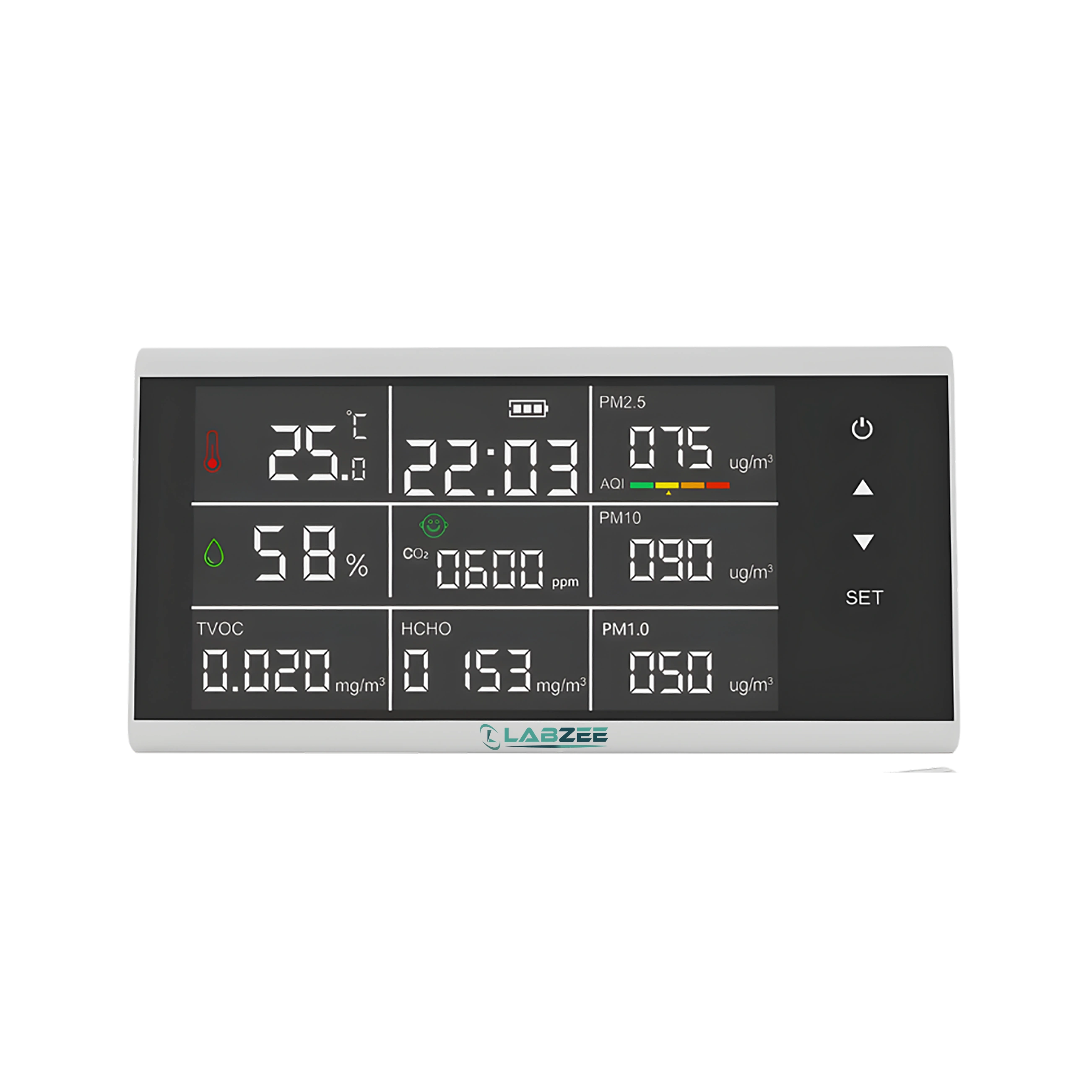
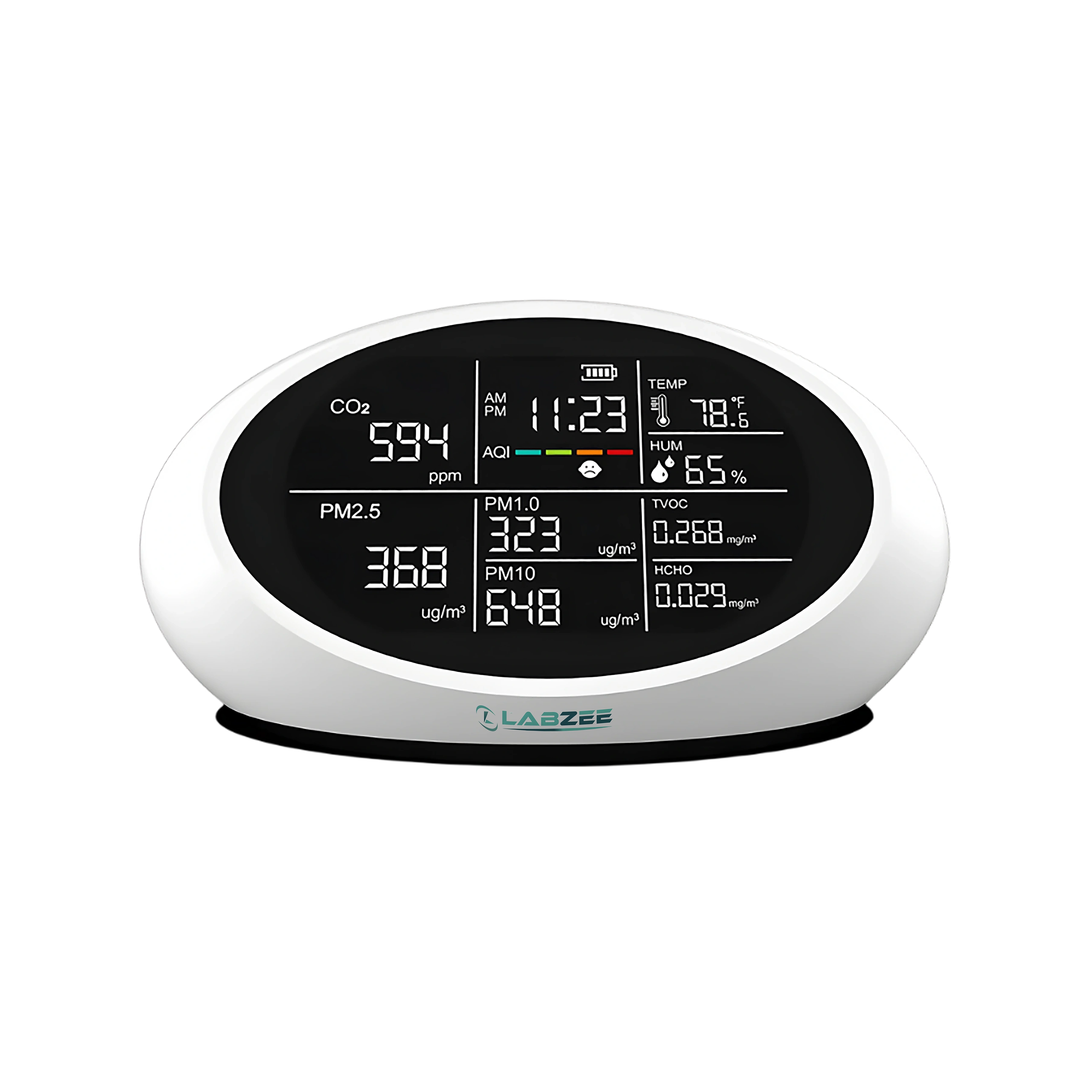
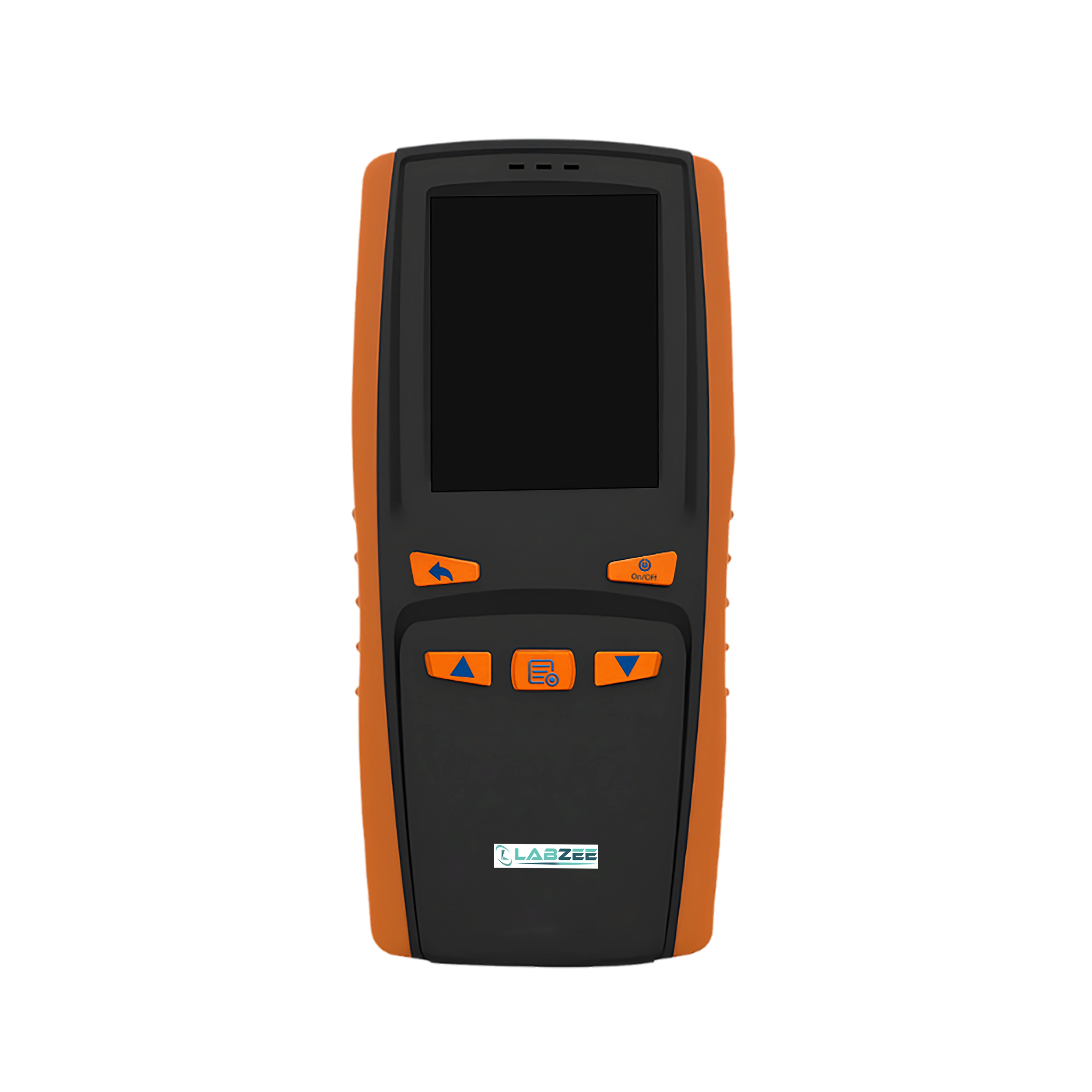
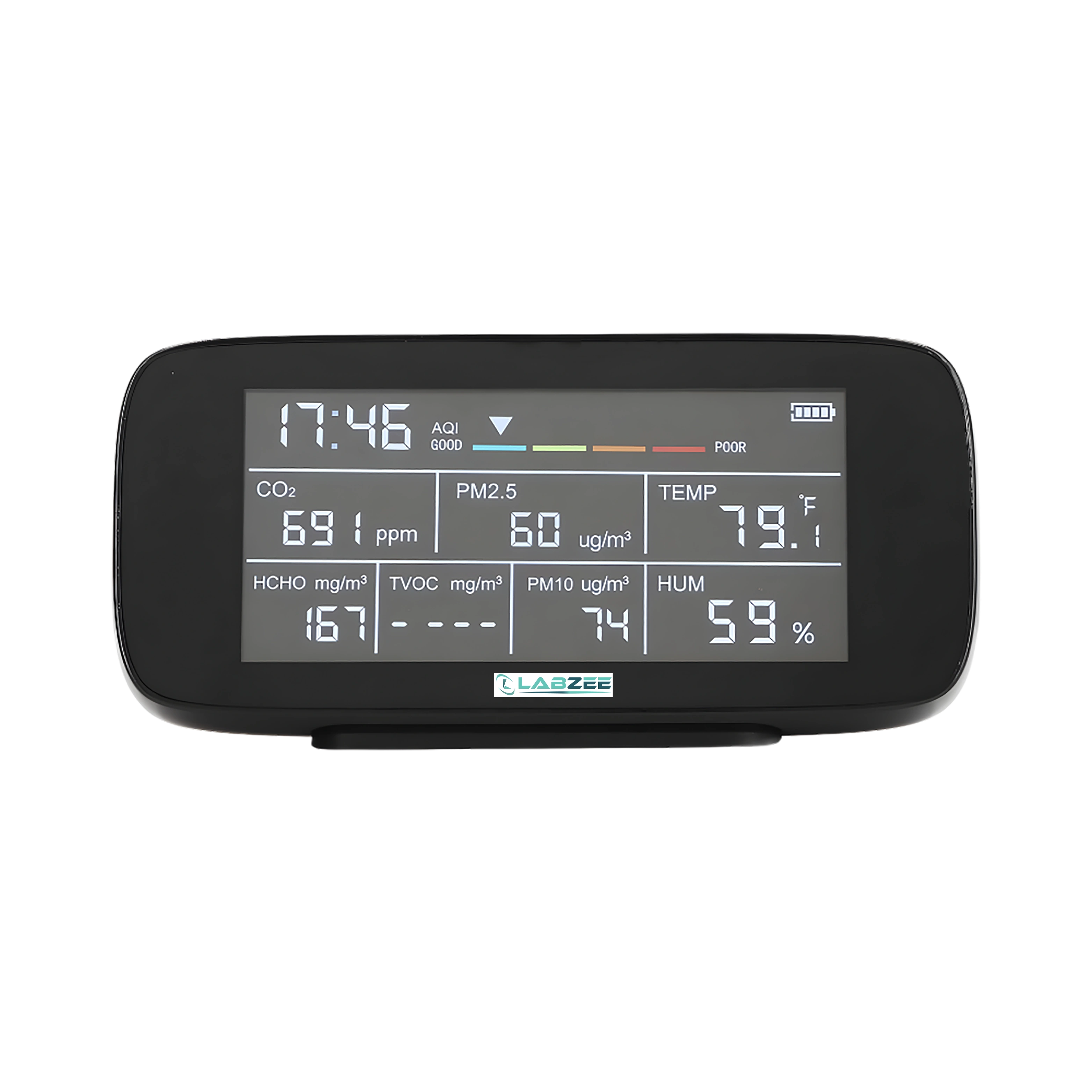
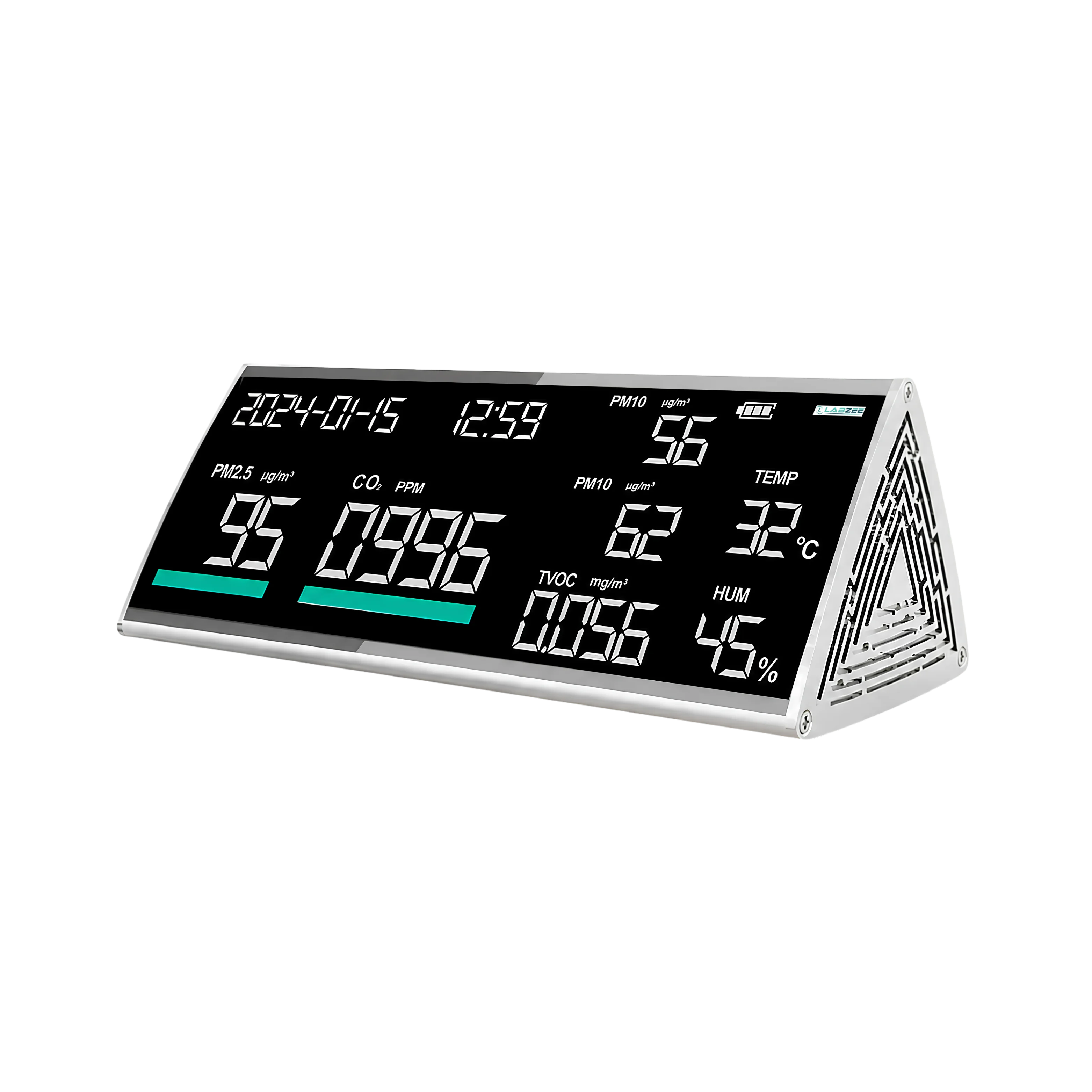
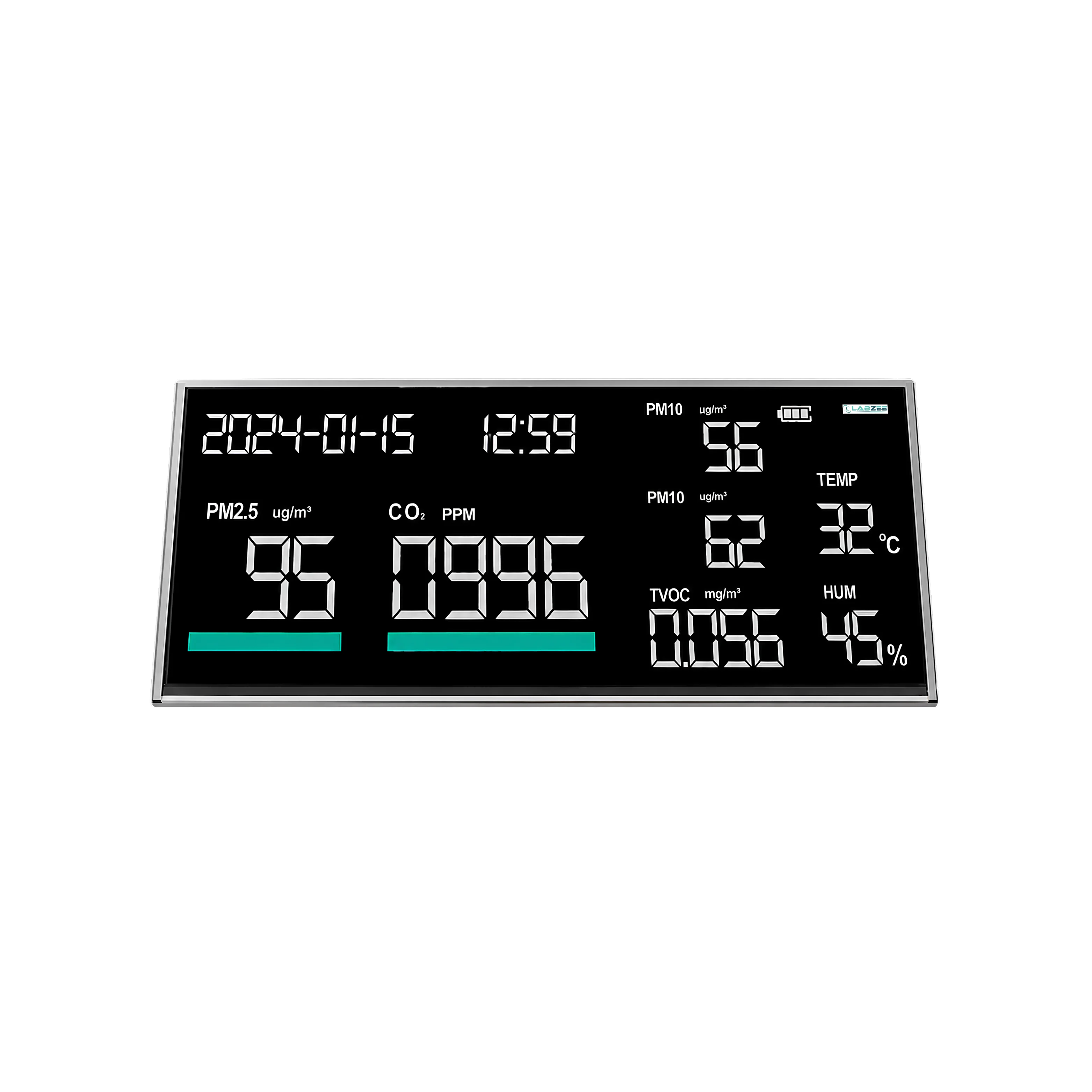
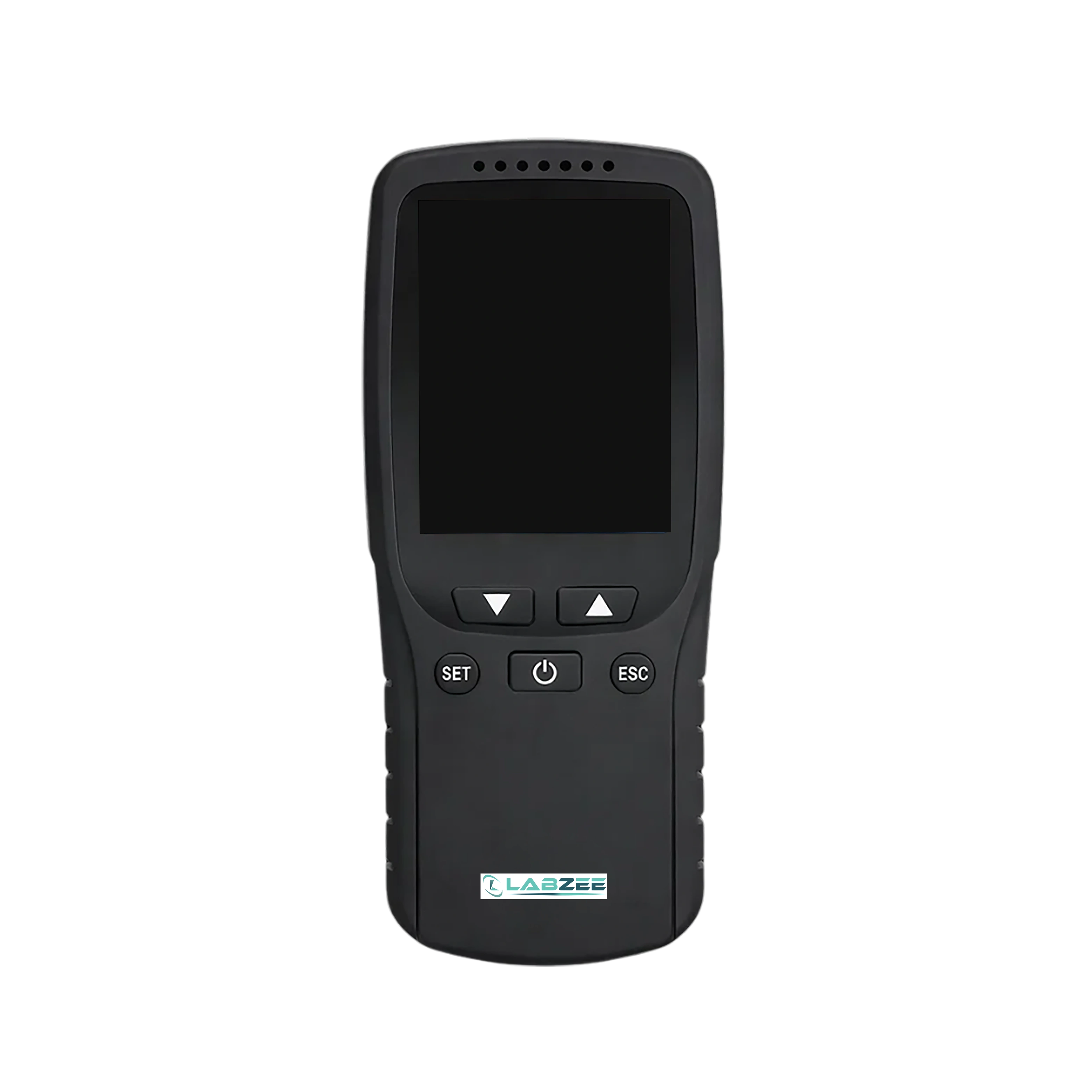
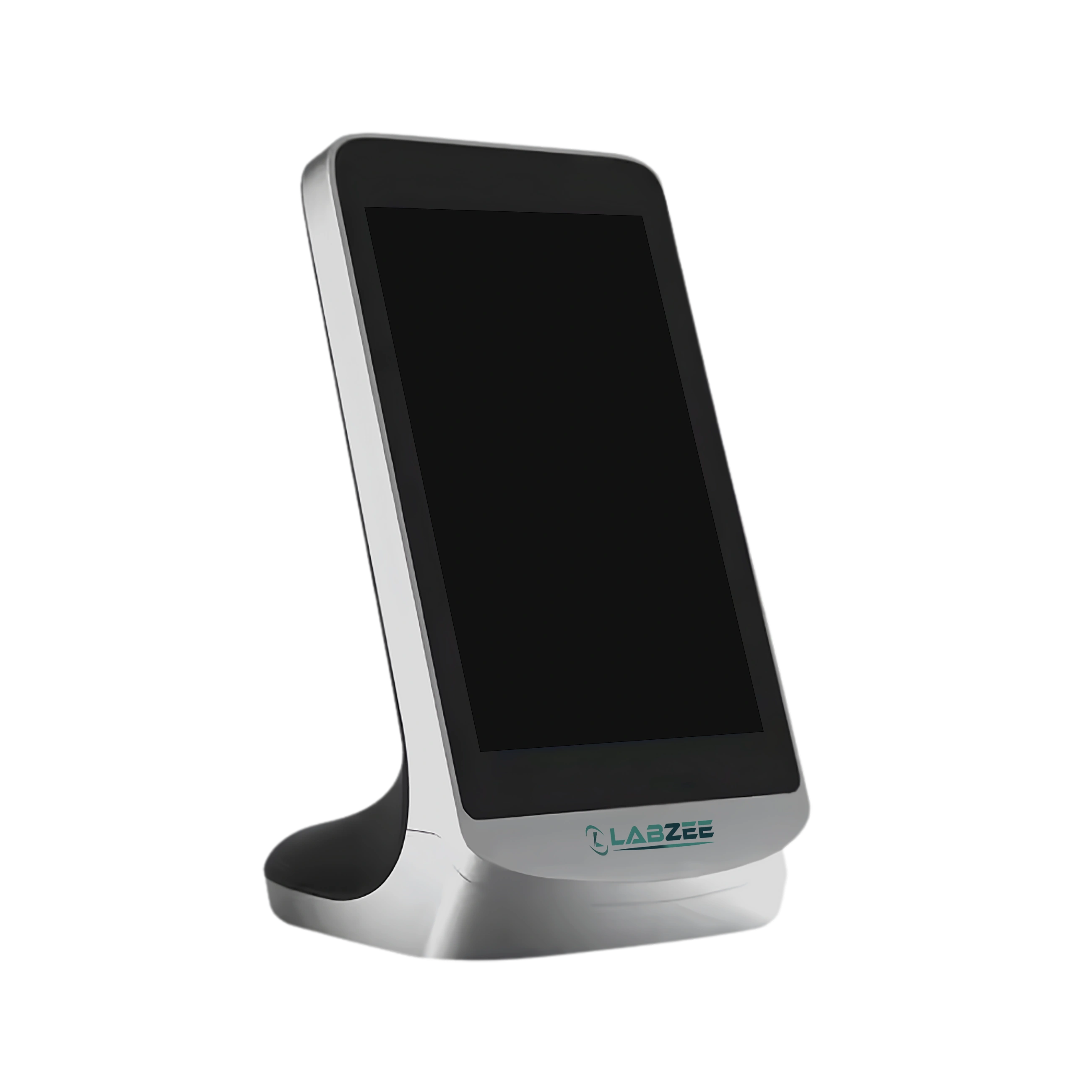
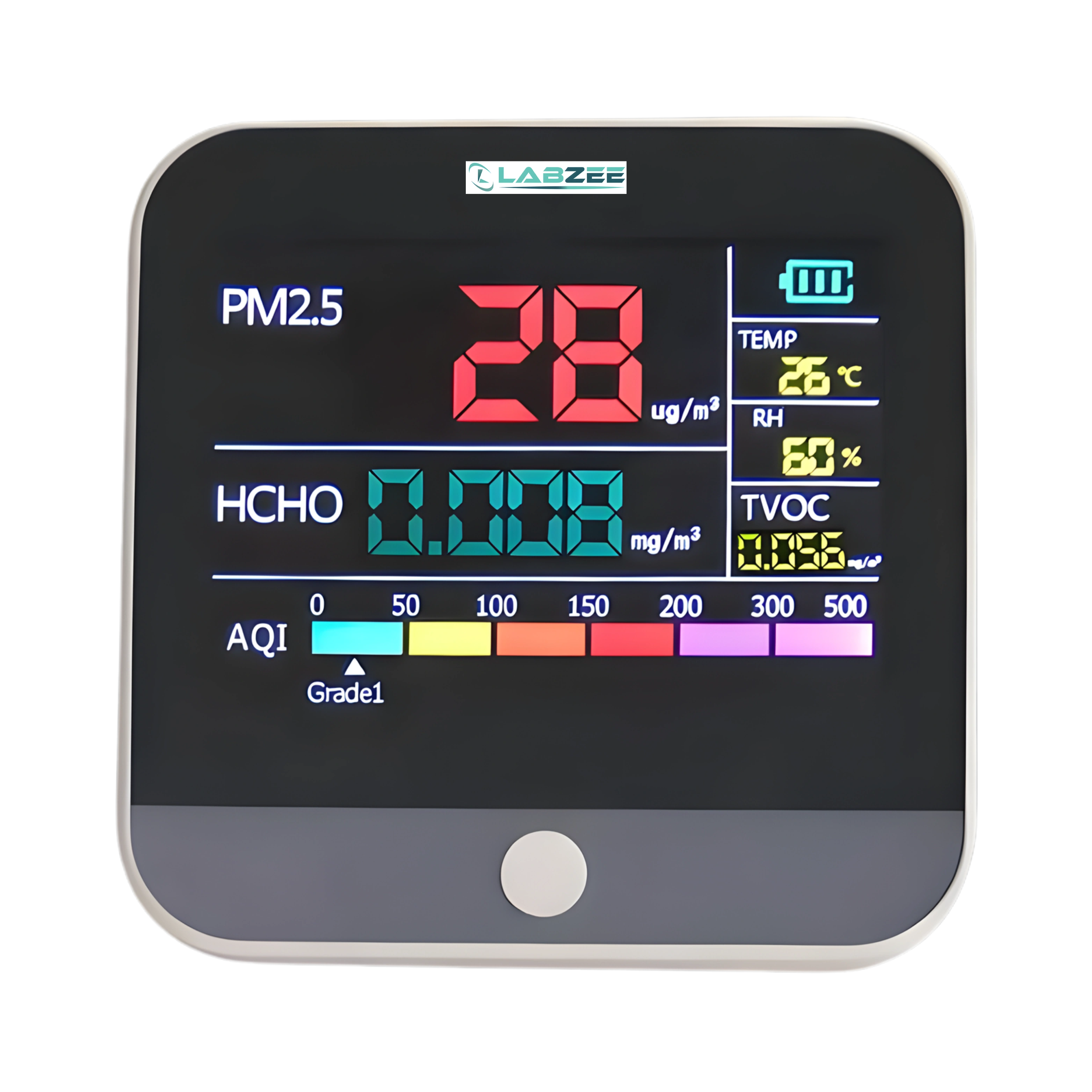
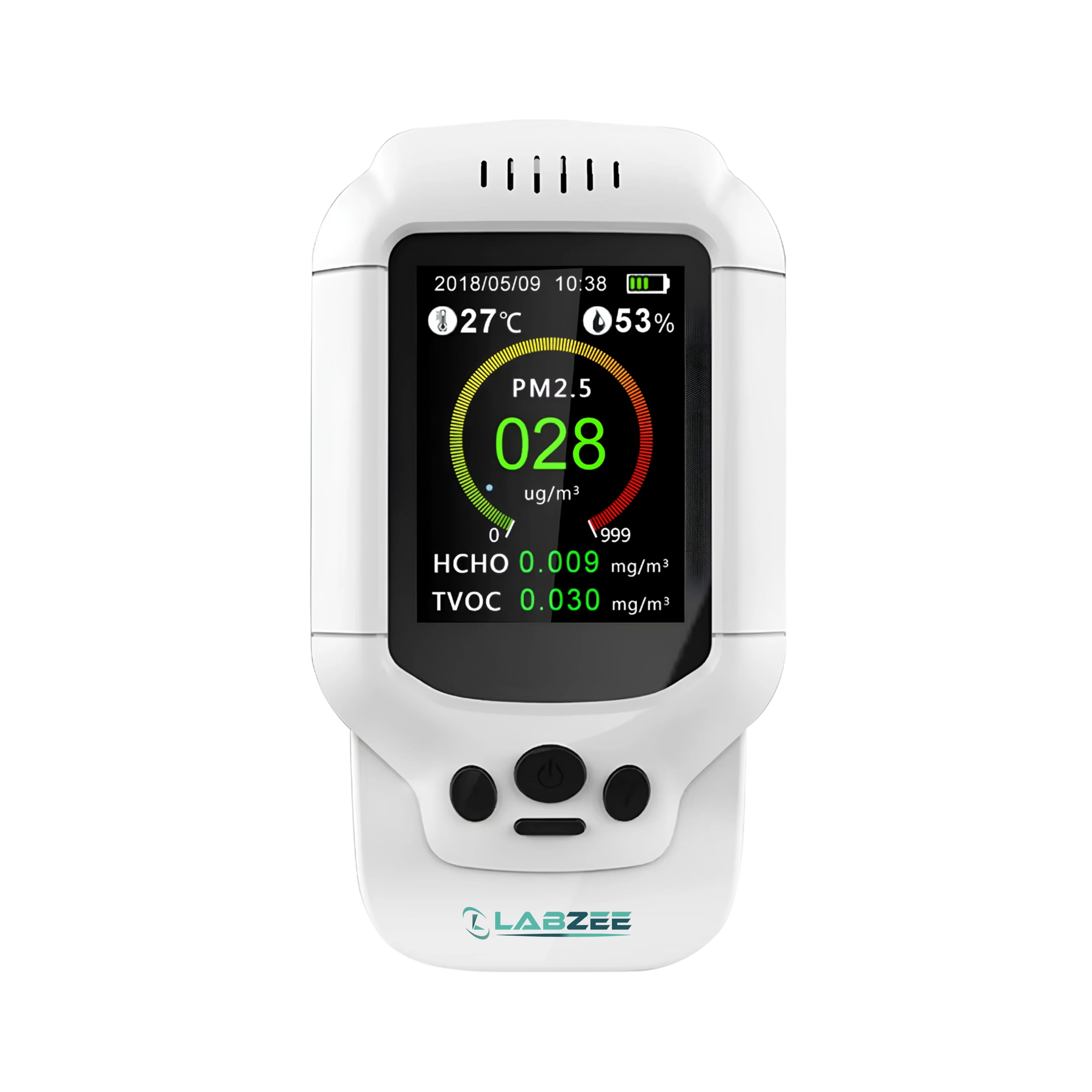

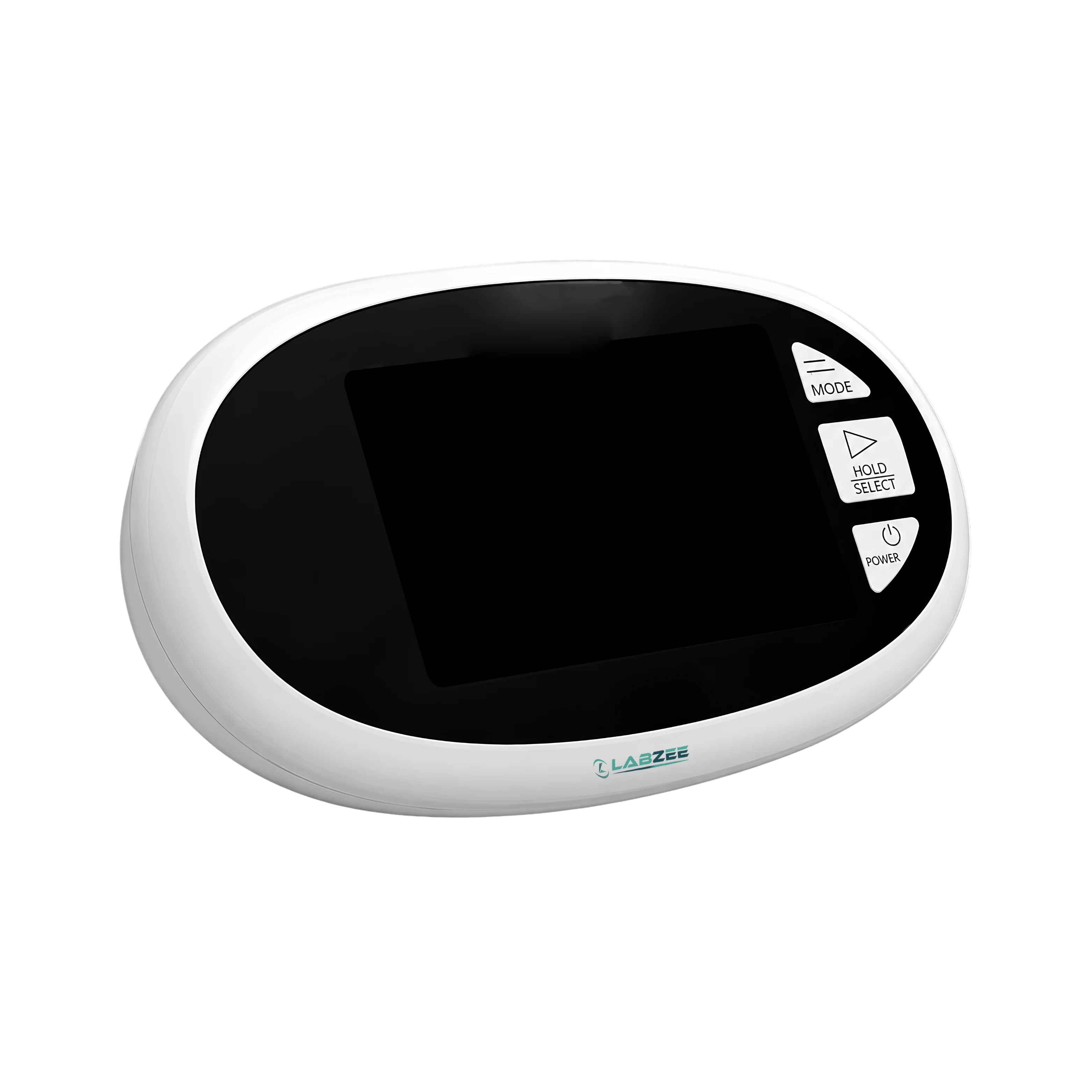
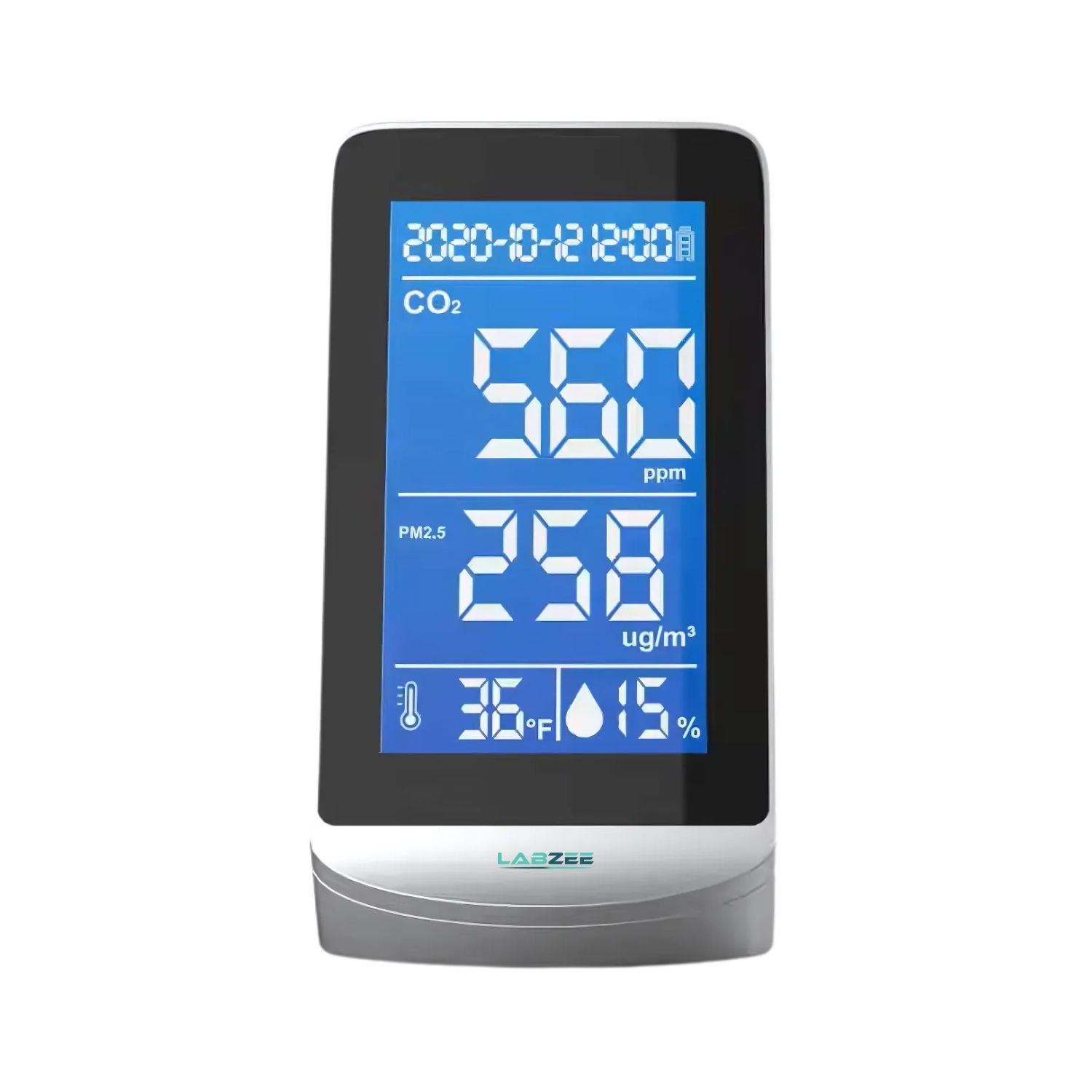
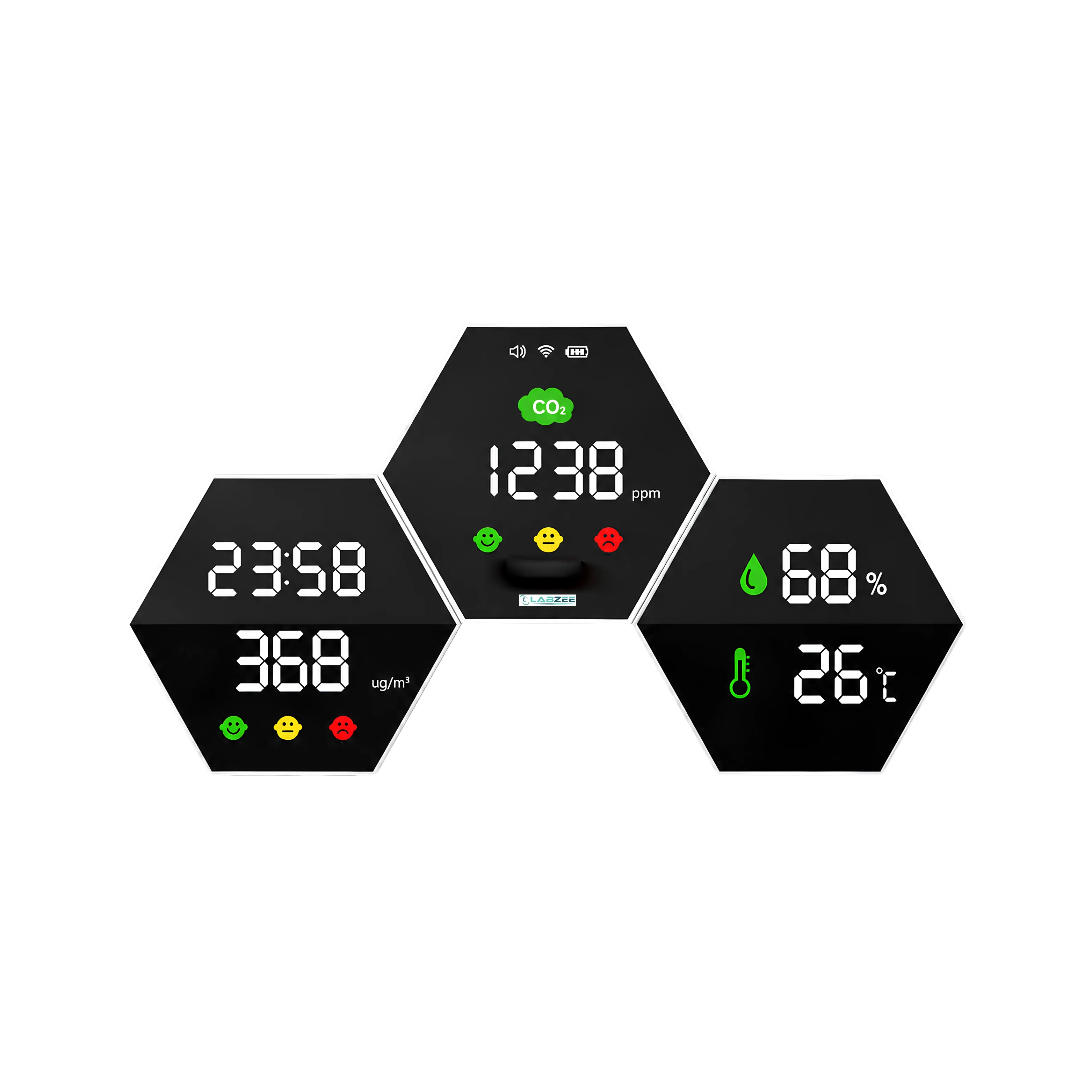
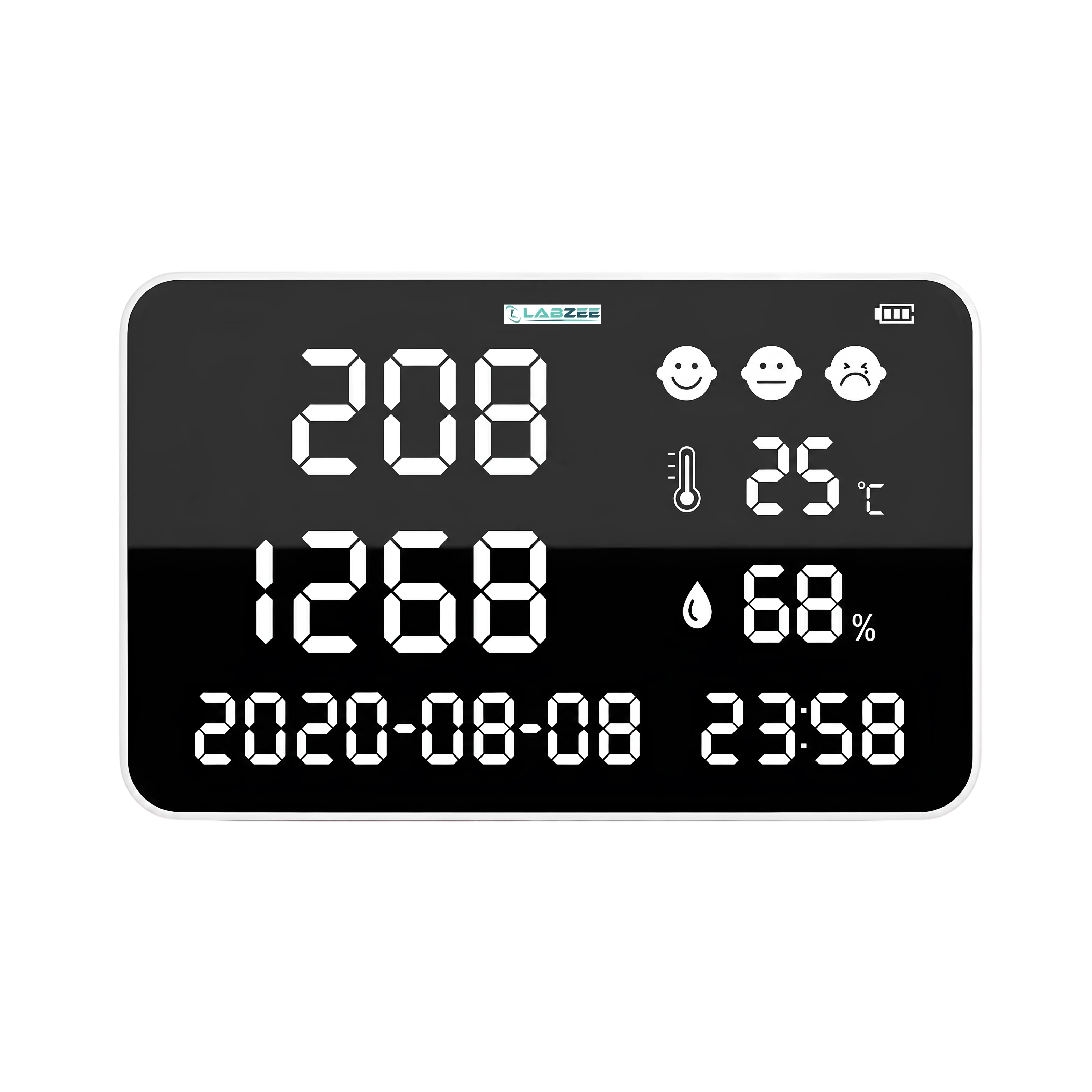
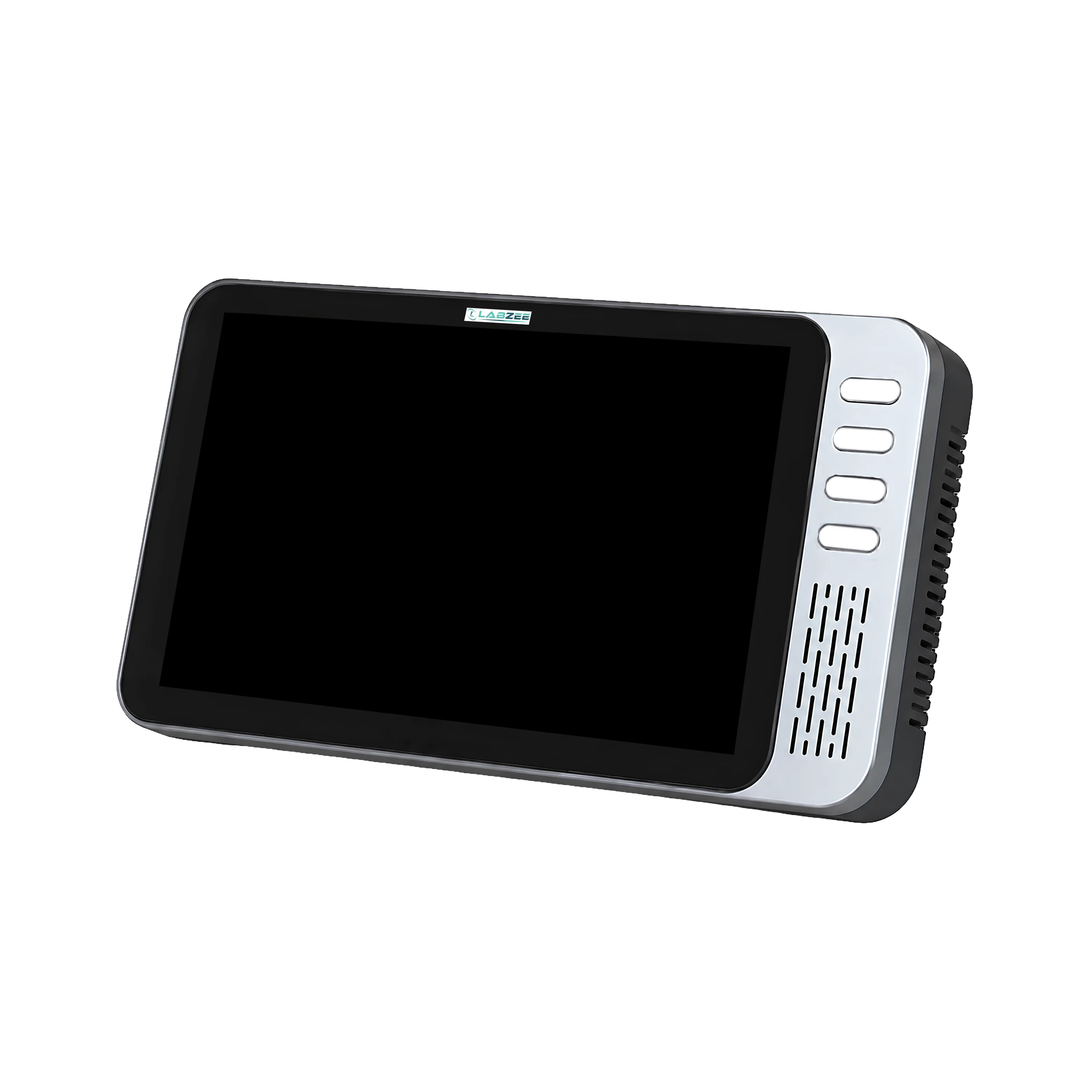

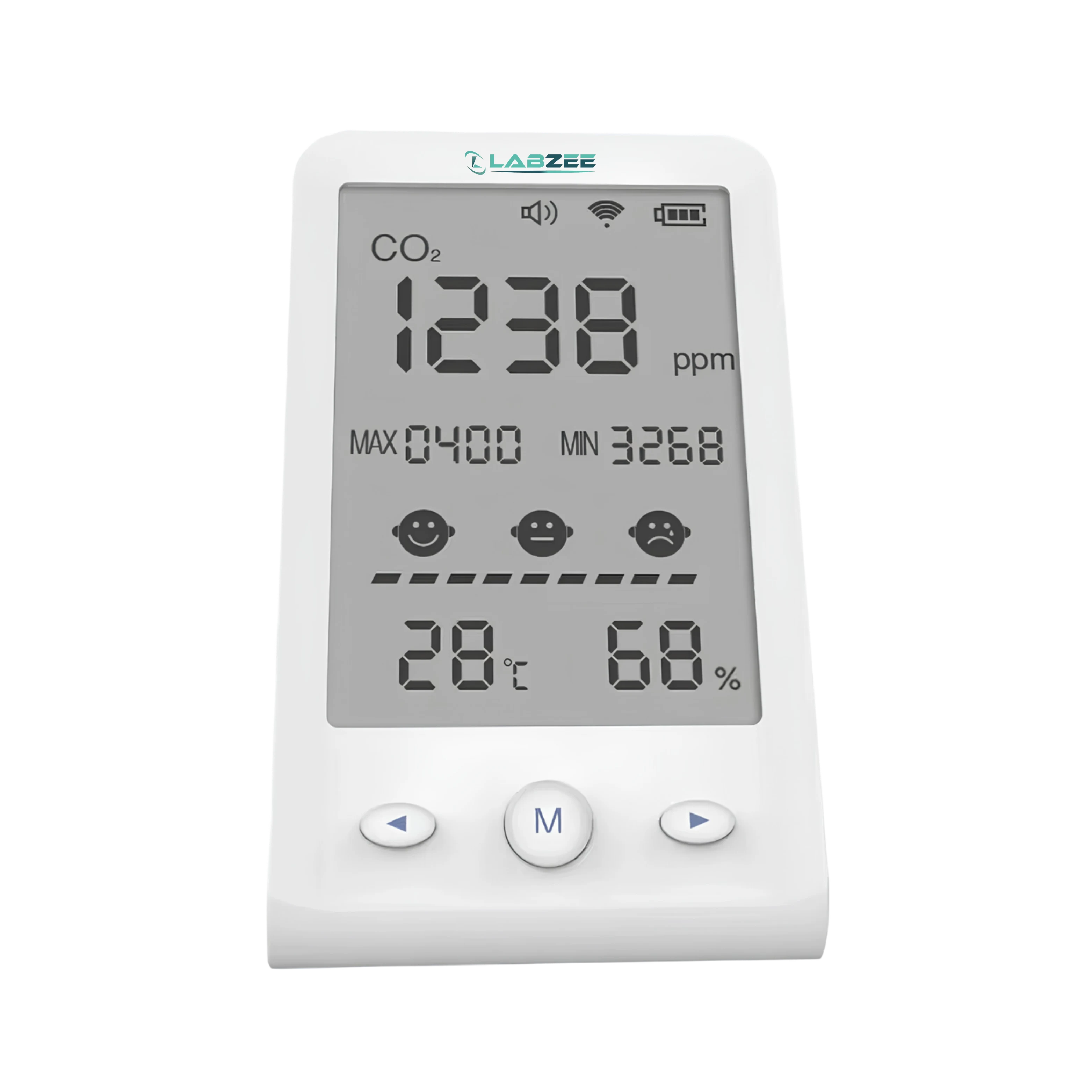
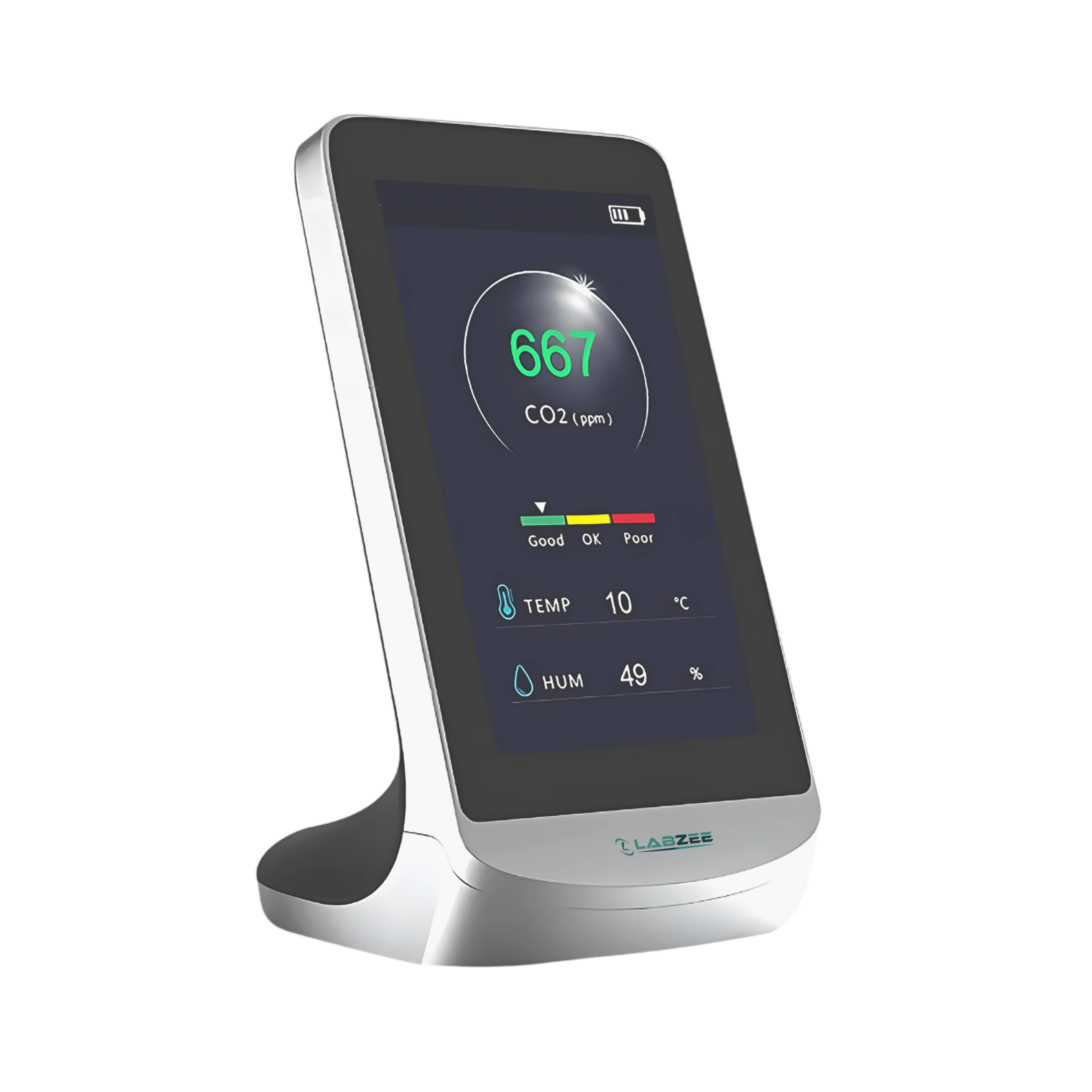
Labzee Portable CO2 Meters designed for the measurement of carbon dioxide, temperature, and humidity with clear, real-time readings on a digital display. Our CO2 testers use NDIR sensors to measure CO2 from 400 to 5000ppm and include color-coded indicators with an adjustable alarm at a 1000ppm threshold for unhealthy levels. They feature internal memory for continuous data logging and, with simple USB export, support trend analysis, long-term monitoring, and routine indoor air assessment, delivering accurate, consistent data for daily indoor use.
$ 846
$ 858
