$ 9163
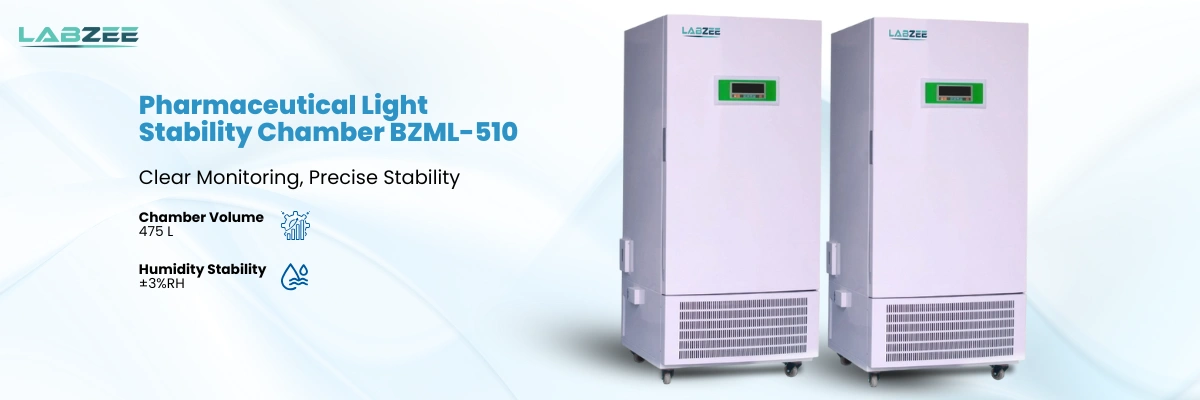
| Chamber Volume | 475 L |
| Temperature Range With Light | 10 to 60℃ |
| Temperature Range Without Light | 4 to 60℃ |
| Temperature Fluctuation | ±0.5℃ |
| Temperature Uniformity | ±2℃ |
| Operating Temperature | 5 to 30℃ |
| Humidity Range | 30 to 95% RH |
| Humidity Stability | ±3%RH |
| Light Intensity (LX) | 0 to 6000 LX (Step Control) |
| Timing Range | 1 to 99 Hours / Period |
| Sensor | PT100 Capacitance Sensor |
| Temp. And Humidity Adjusting | Balance Temperature And Humidity Adjusting |
| Power Consumption | 2900 W |
| Chamber Size (W×D×H) | 70×55×125 cm |
| Exterior Size (W×D×H) | 88×87×199.5cm |
3 Grids (Expandable to 12)
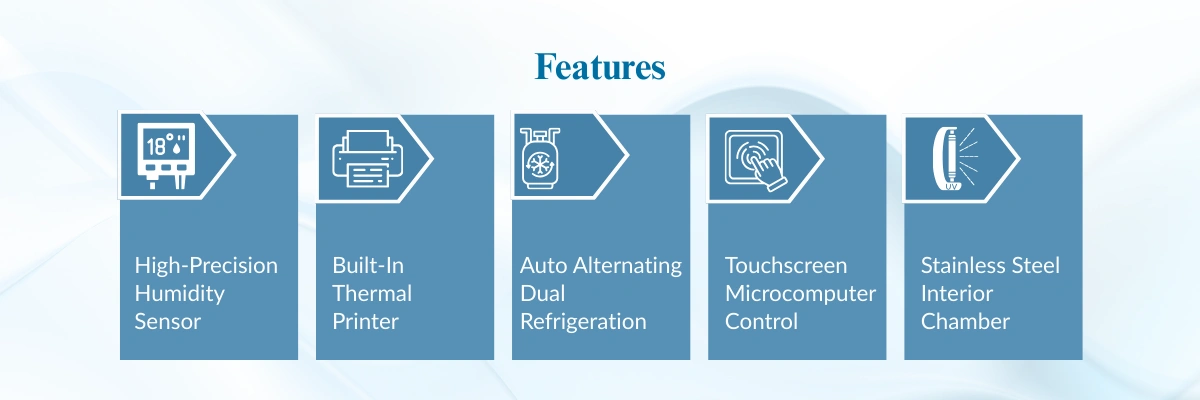
High-Precision Humidity Sensor
Stainless Steel Interior Chamber
Built-In Thermal Printer
Auto-Alternating Dual Refrigeration
Touchscreen Microcomputer Control
Stainless Steel Interior Chamber
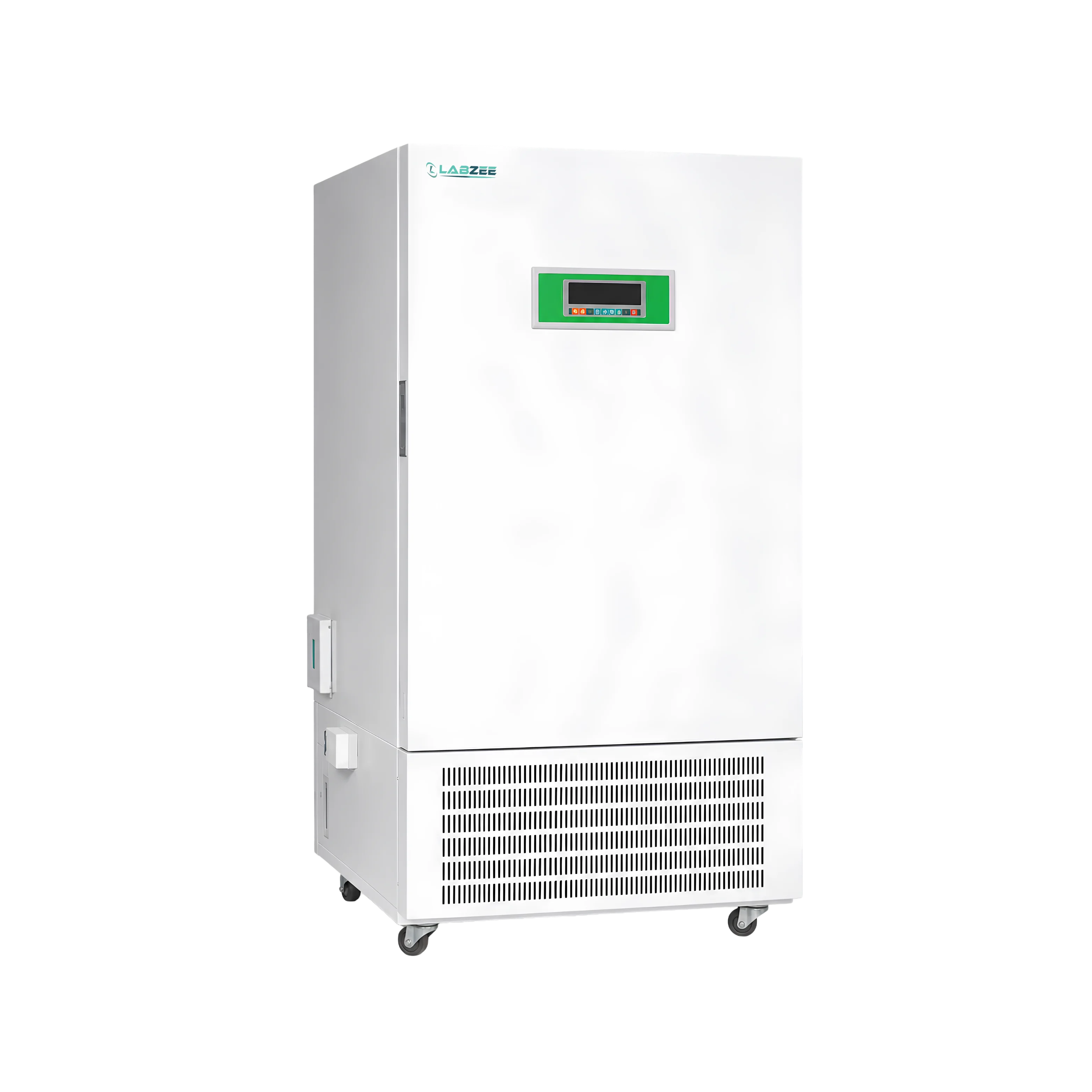
Labzee Pharmaceutical Light Stability Chamber BZML-510 is ideal for pharmaceutical stability testing, including accelerated aging, long-term storage, high humidity exposure, and photo stability assessments.
Frequently Asked Questions
1: How does the chamber maintain temperature and humidity stability?
Pharmaceutical Light Stability Chamber BZML-510 uses a PID microprocessor, PT100 sensor, and a dual refrigeration system to maintain ±0.5°C temperature fluctuation and ±3% RH humidity stability.
2: Does the chamber support data logging?
Yes, Pharmaceutical Light Stability Chamber BZML-510 includes a USB port for digital data logging and a built-in printer for real-time recording of operating parameters.
3: How is light intensity calibrated and maintained within the 0–6000 Lux range?
Pharmaceutical Light Stability Chamber BZML-510 uses a step-controlled lighting system that ensures consistent illumination levels through calibrated light sensors. The system allows for programmable Lux increments, ensuring exposure uniformity across all sample positions.
4: How does the chamber maintain environmental stability during extended photostability protocols?
Pharmaceutical Light Stability Chamber BZML-510 integrates a dual refrigeration system that switches automatically to avoid thermal drift during long-duration tests. Combined with a PID-controlled balance system and a PT100 capacitance sensor, it ensures ±0.5°C temperature stability and ±3% RH humidity precision throughout the test cycle.
5: How does the microcomputer controller handle multi-segment programming?
The touchscreen interface supports multi-segment programmable logic, allowing users to configure complex testing sequences with variable temperature, humidity, and light levels across time periods. This is especially useful for simulating accelerated, long-term, and intermediate stability conditions.
6: What redundancy or fail-safes are built into the system?
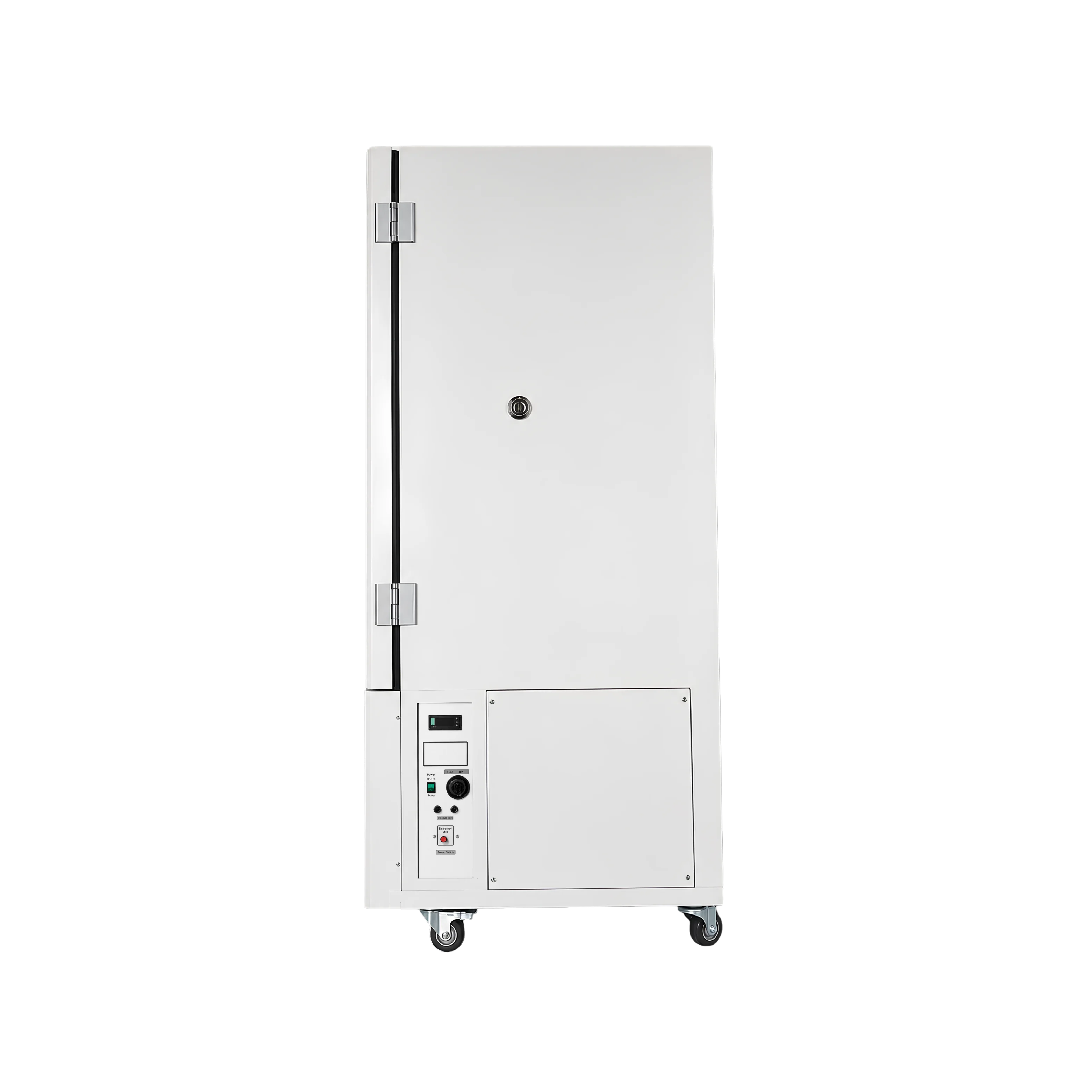
Pharmaceutical Light Stability Chamber BZML-510 includes a spare mechanical thermostat, leakage protection, and a temperature-limiting alarm that shuts off operation if thresholds are breached. These features ensure the chamber continues functioning or alerts the operator during component failure, avoiding test loss.
7: What are Pharmaceutical Light Stability Chambers used for?
Pharmaceutical Light Stability Chambers are used to test the photostability of pharmaceutical products, packaging materials, and raw ingredients under controlled light conditions.
8: What type of lighting is used inside the chambers?
Our Pharmaceutical Light Stability Chambers use UV and visible fluorescent lamps with programmable light intensity, often ranging from 0 to 6000 Lux, to simulate daylight exposure.
9: Can temperature and humidity be controlled during testing?
Yes. Our chambers provide precise temperature and humidity control, with tight tolerances (e.g., ±0.5°C and ±3% RH), even under illuminated conditions.
10: How is light intensity monitored and controlled?
Built-in light sensors continuously monitor UV and visible light levels. The system allows step-controlled or programmable light exposure for reproducibility and compliance.
11: What safety features are included in these chambers?
Safety features include temperature-limiting alarms, UV protection shields, auto-shutdown mechanisms, and system diagnostics.
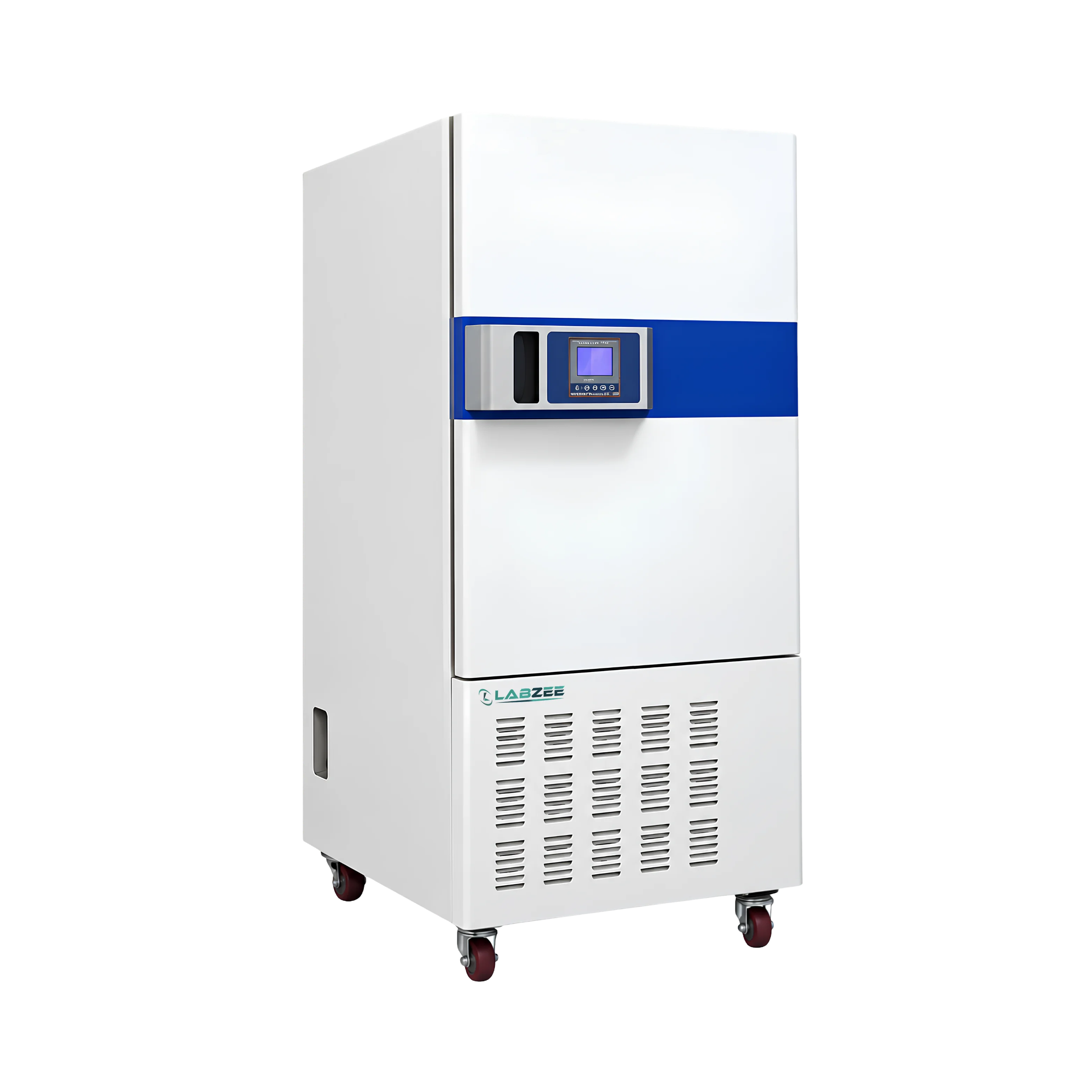
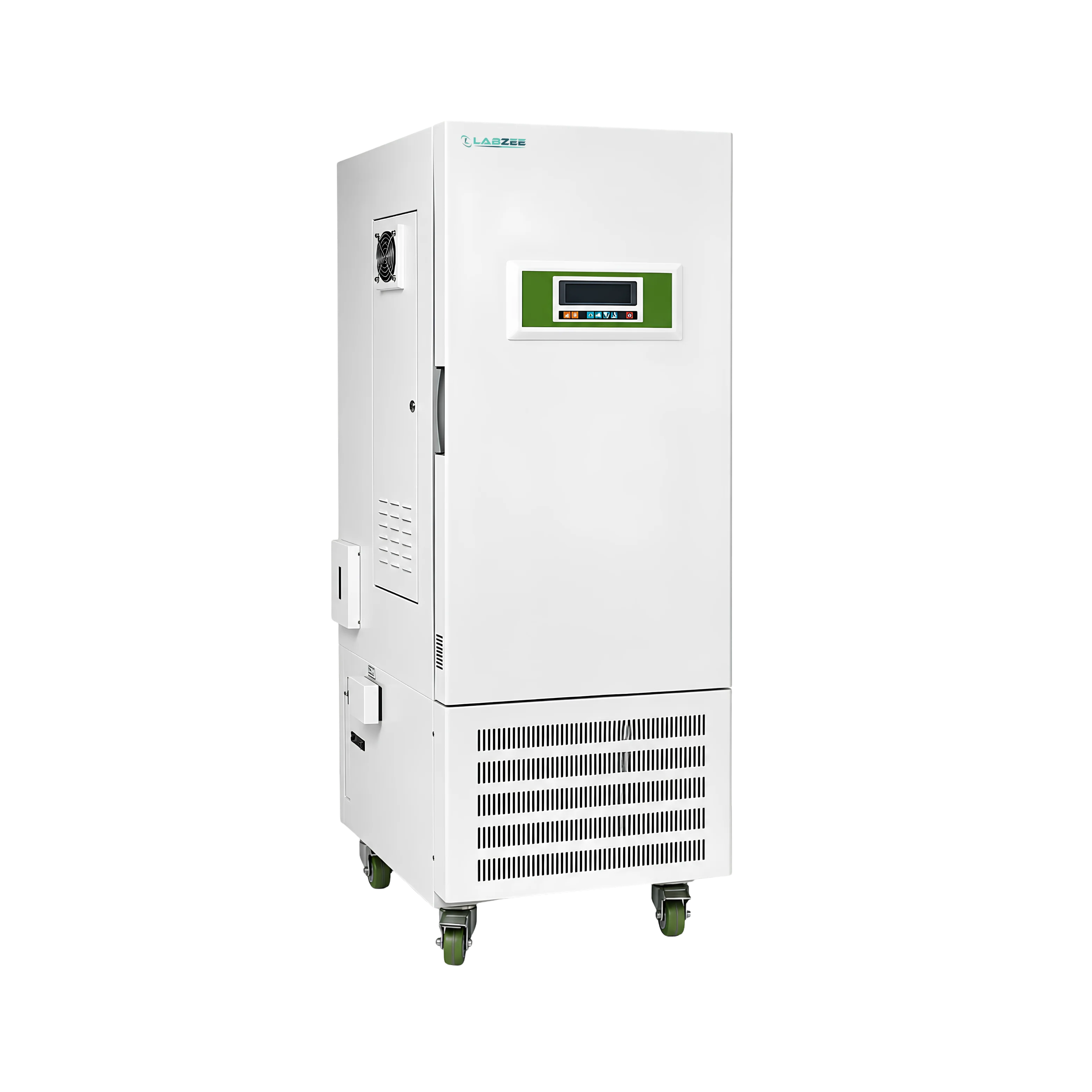
Labzee Pharmaceutical Light Stability Chambers are high-precision systems designed for controlled photostability testing, with chamber capacities ranging from 175 to 1075 litres. Their advanced PID microprocessors ensure precise temperature regulation, both with and without light exposure. The large LCD control panels feature an intuitive, menu-driven interface for real-time monitoring and easy parameter configuration. Our Pharmaceutical Light Stability Chambers are ideal for pharmaceutical research, product development, and quality assurance applications.
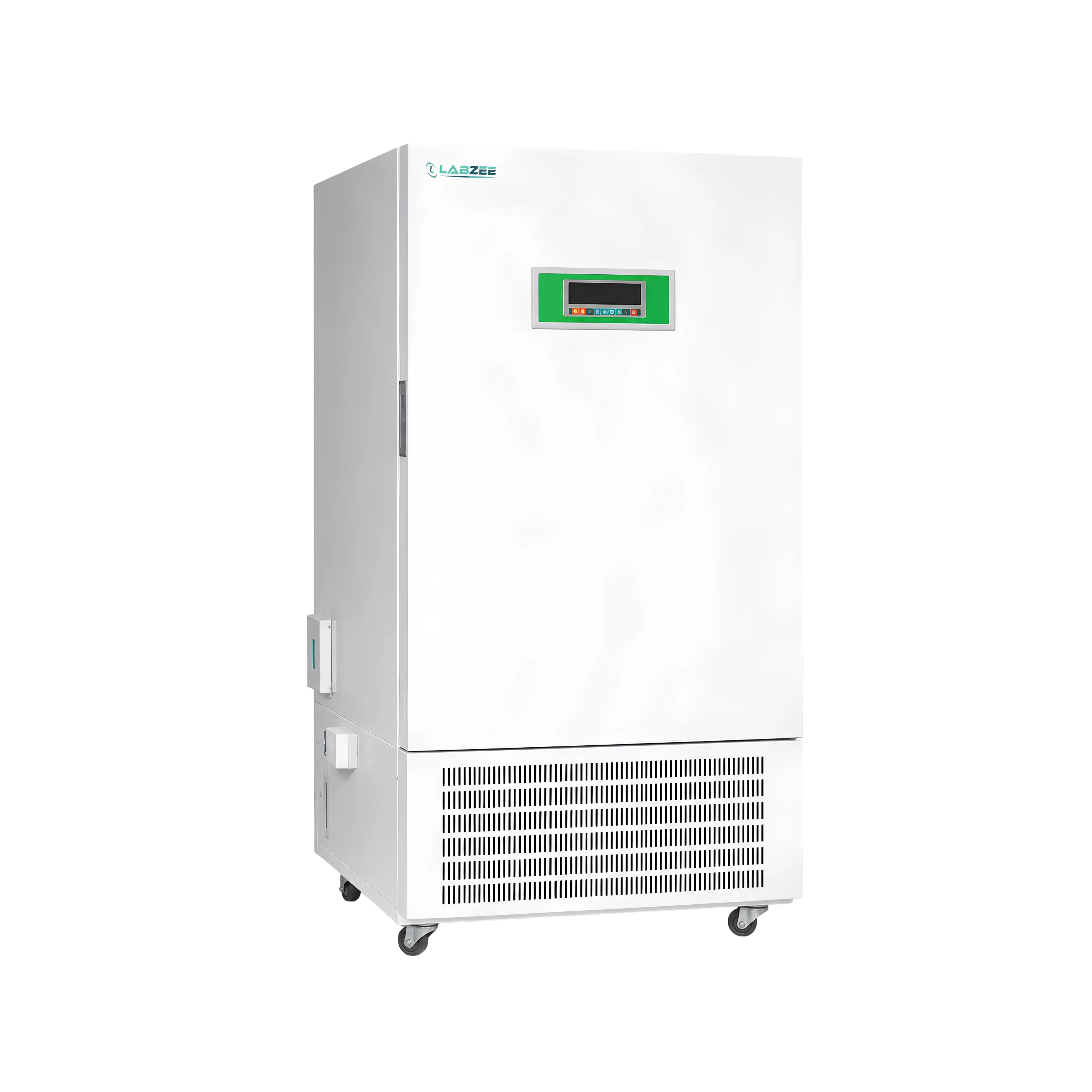
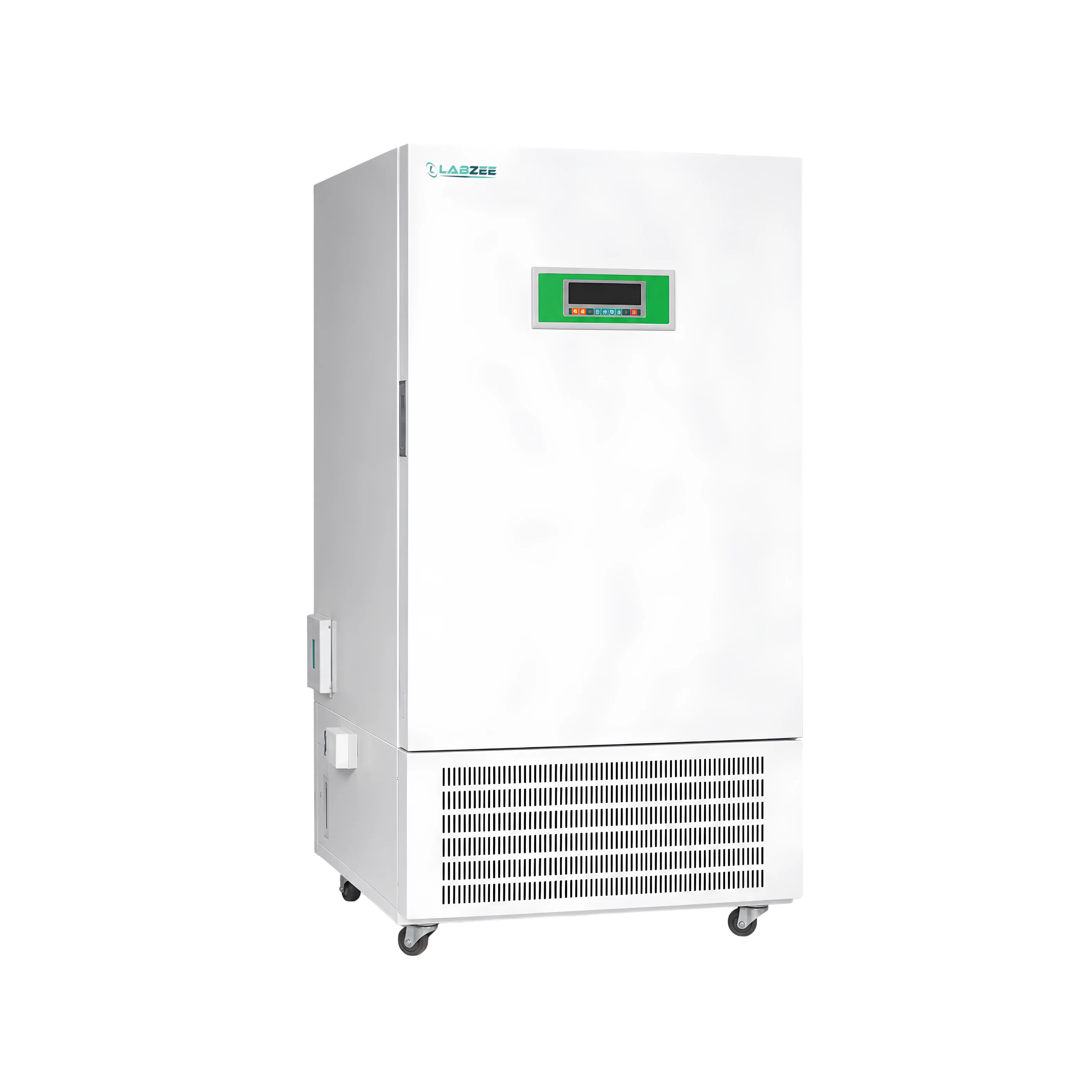
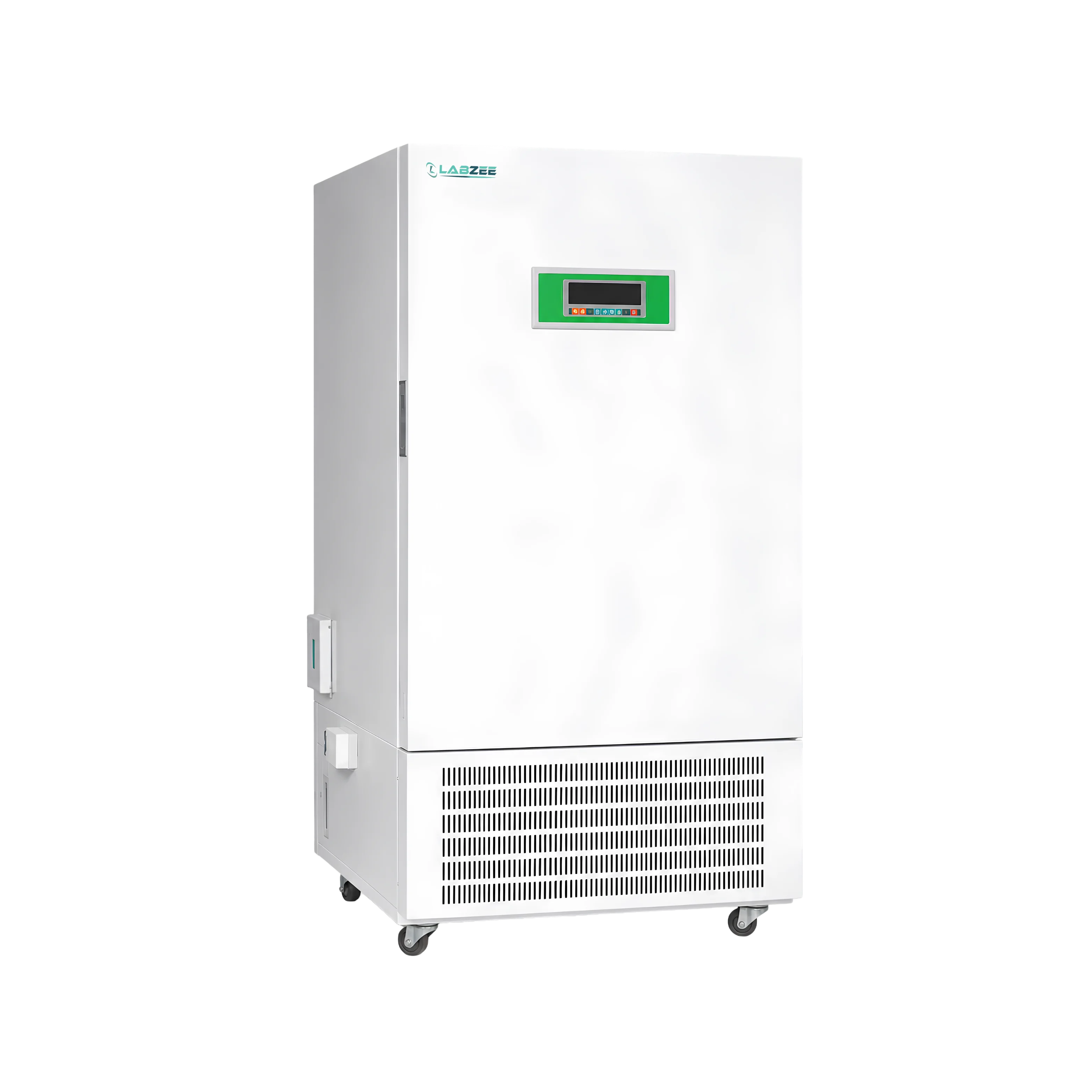
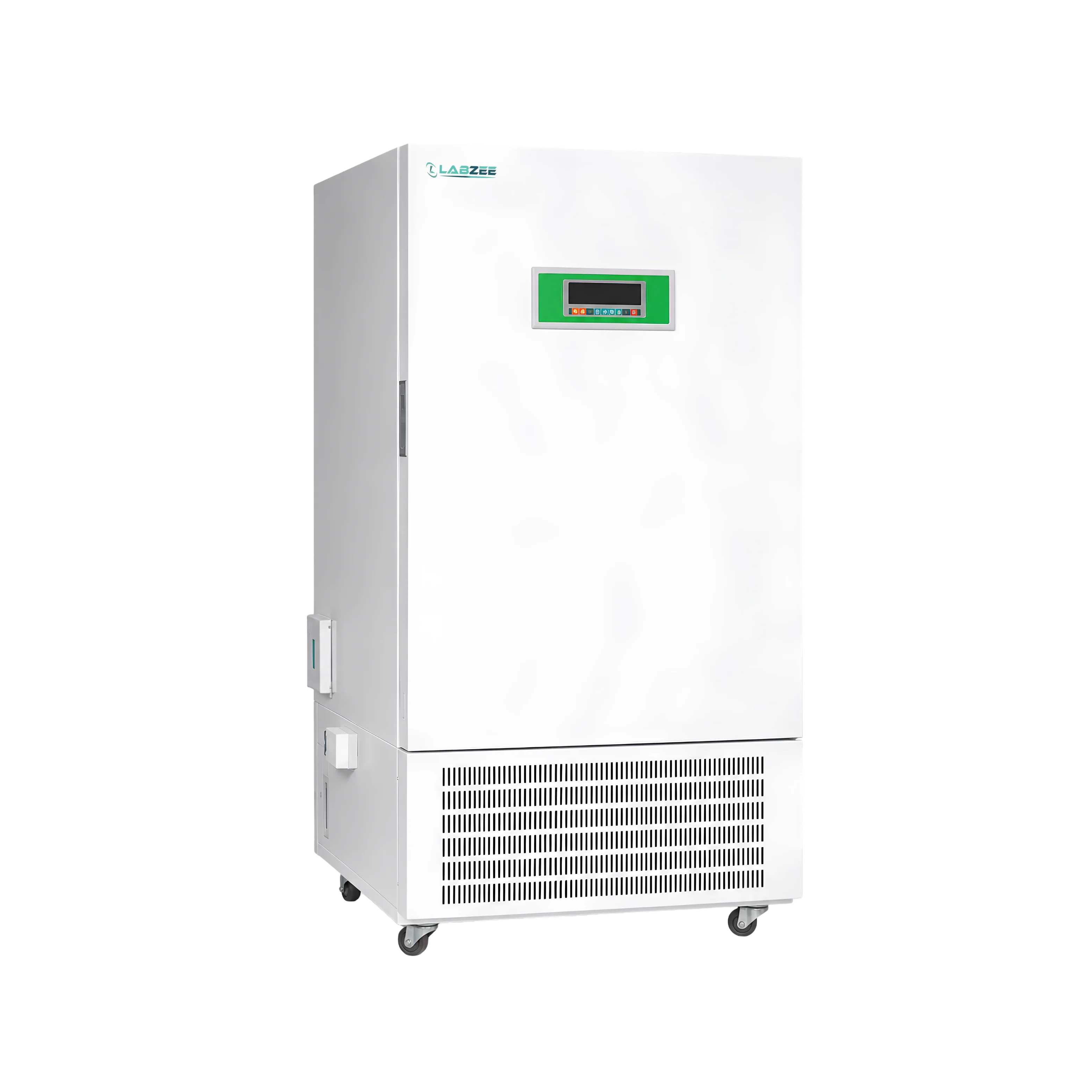
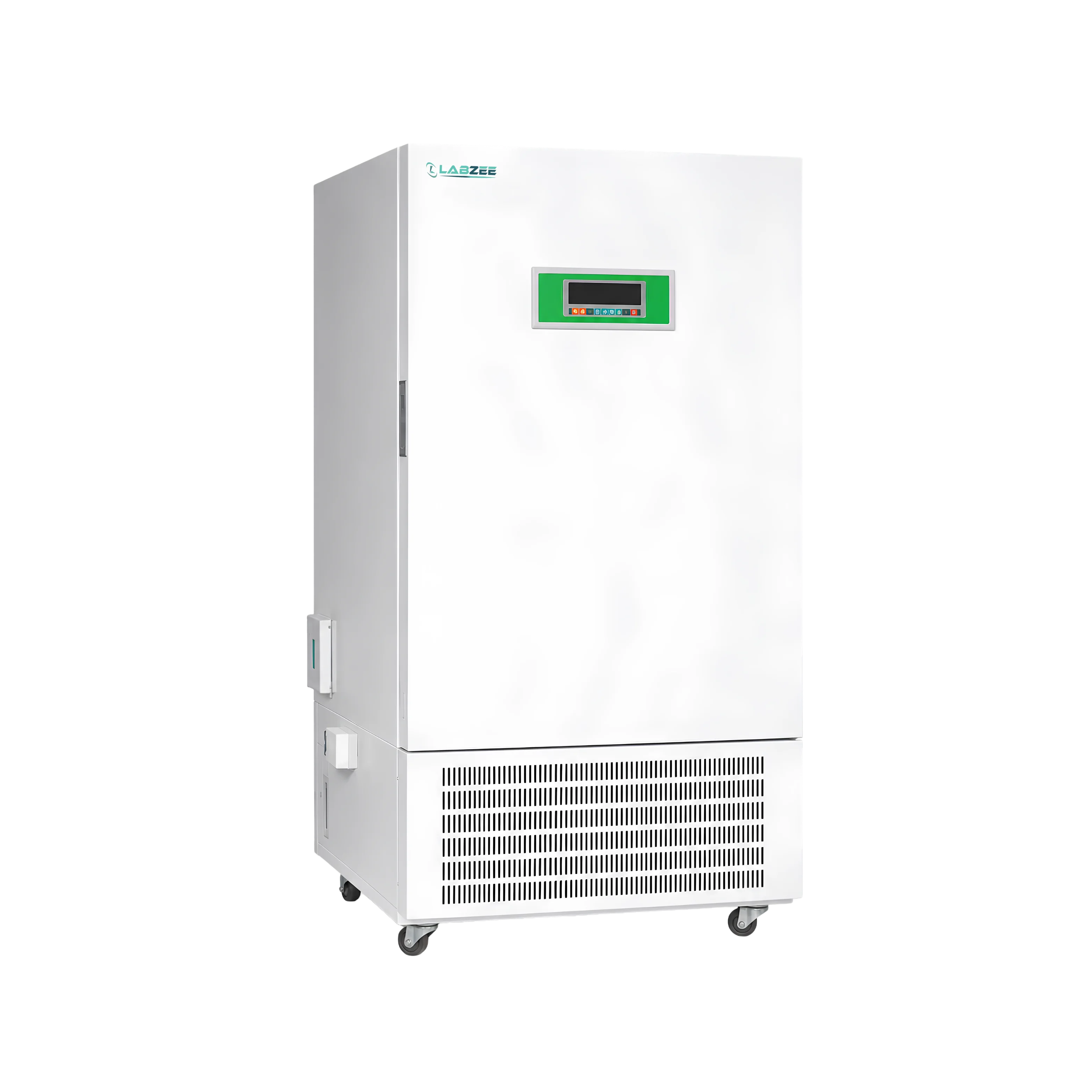
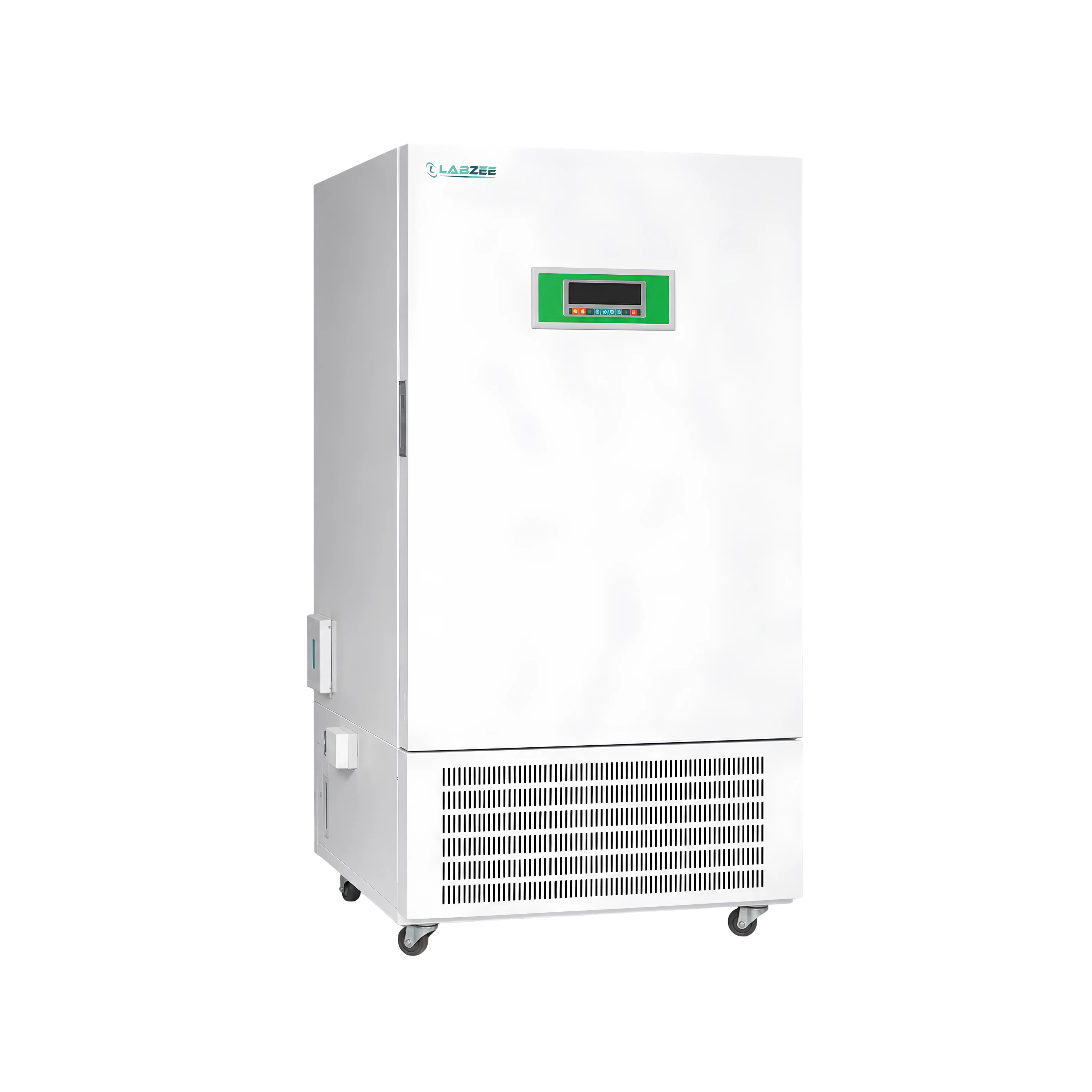
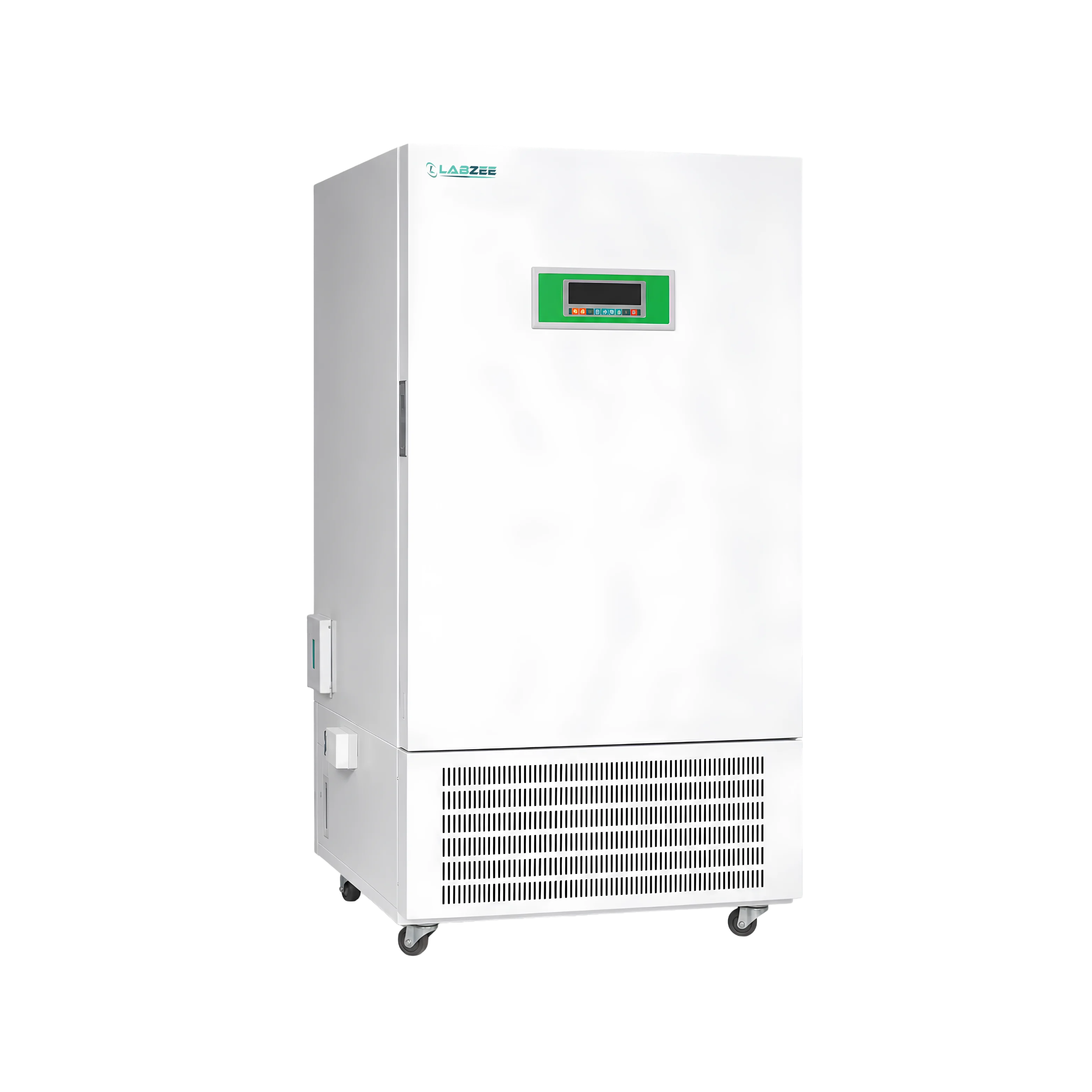
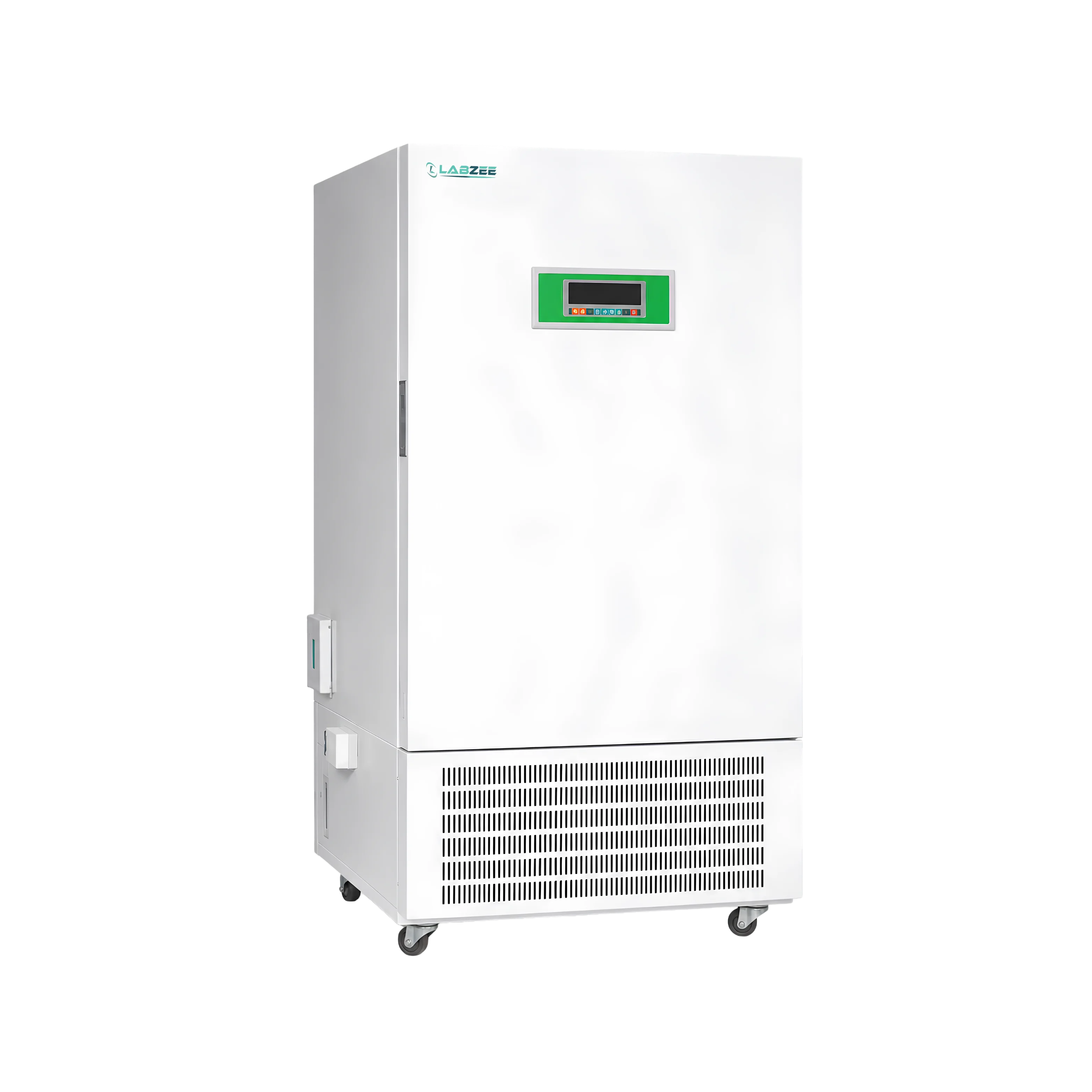
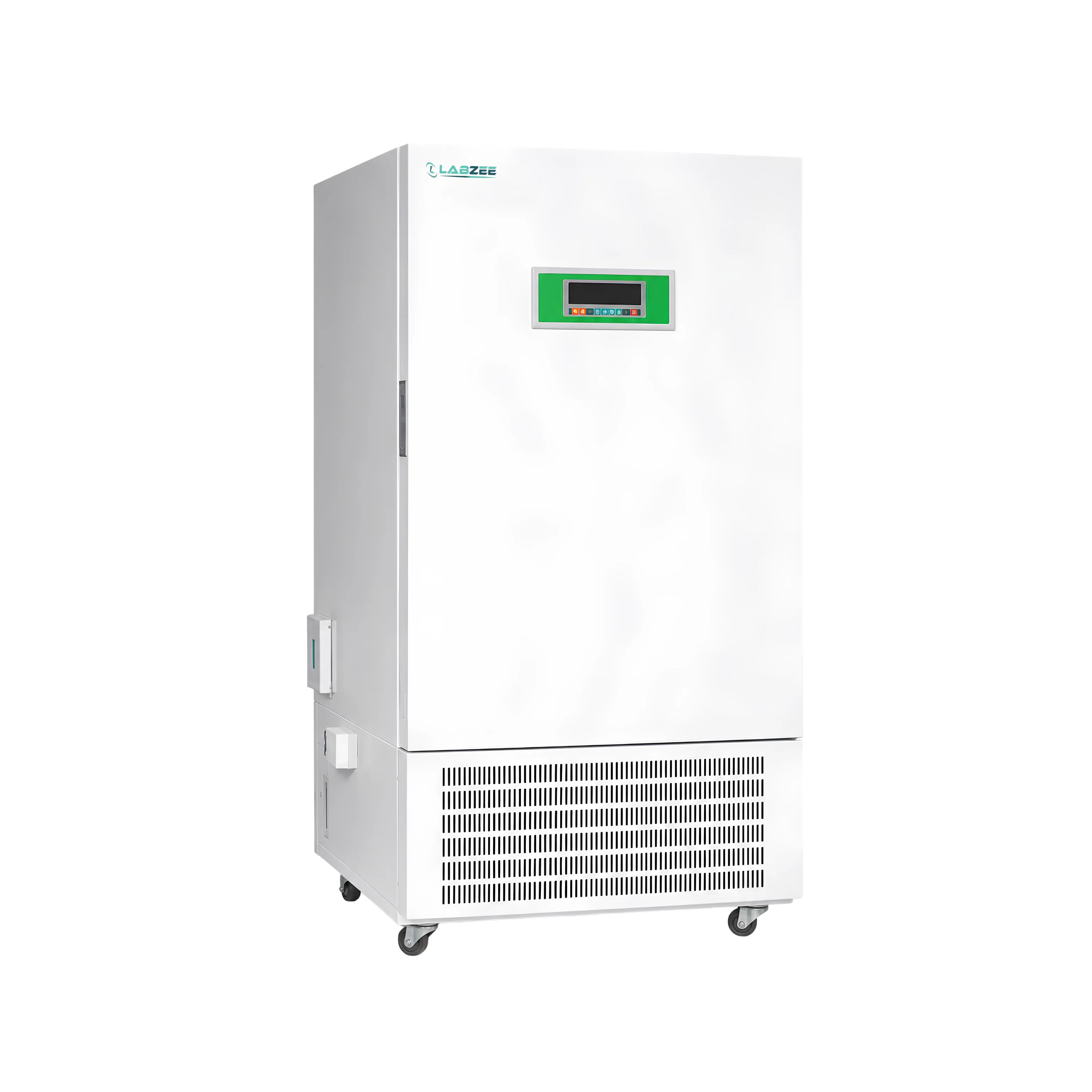
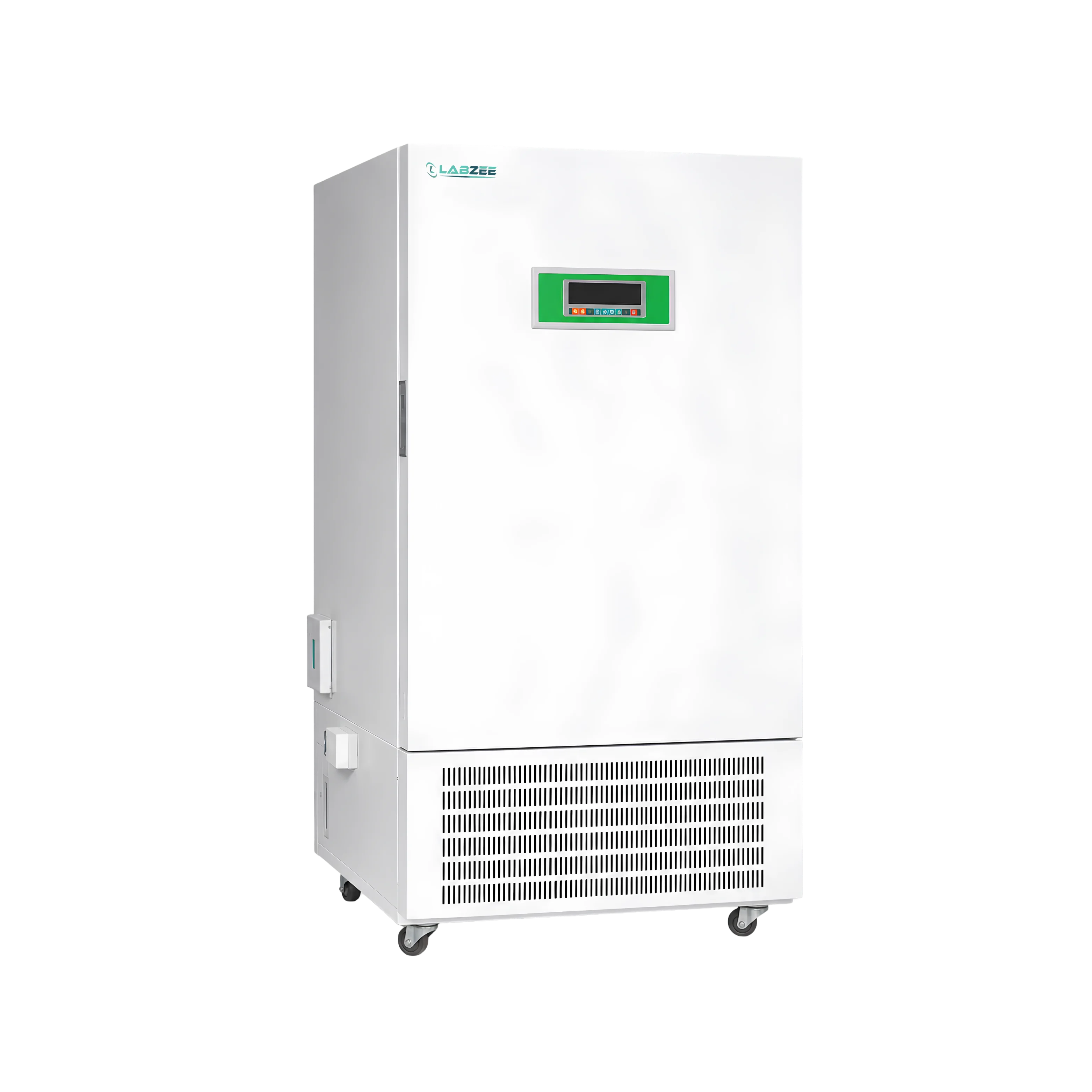
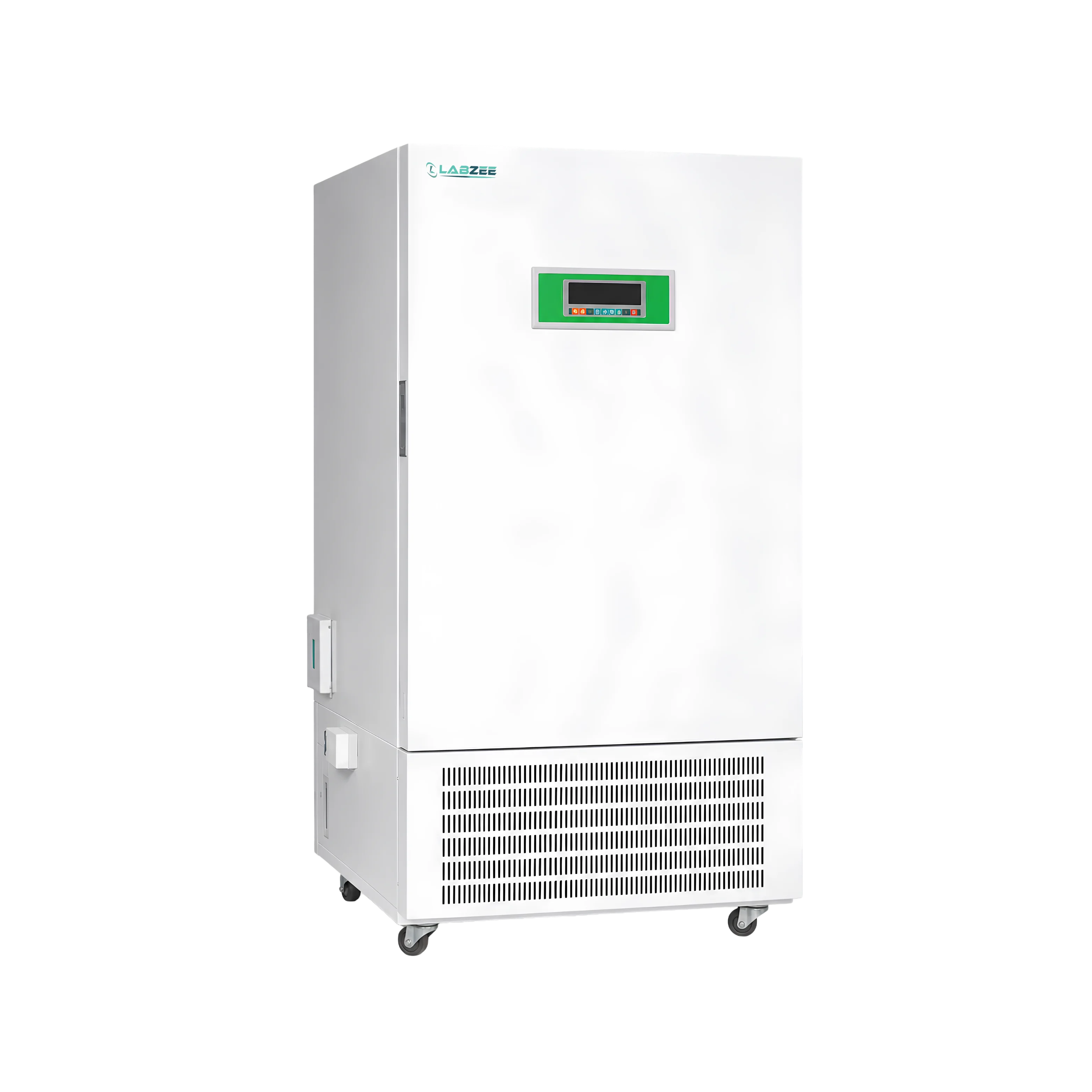
Temperature Humidity Chambers provide precise environmental control for testing and research applications across various industries. They ensure stable temperature and humidity levels essential for product stability, material testing, and scientific studies. Their durable stainless-steel construction enhances longevity and resistance to environmental fluctuations. These chambers feature advanced control systems that allow precise adjustments for specific testing requirements. Our Temperature Humidity Chambers support stability testing, material durability assessment, electronic component evaluation, seed germination studies, and research-based environmental simulations.
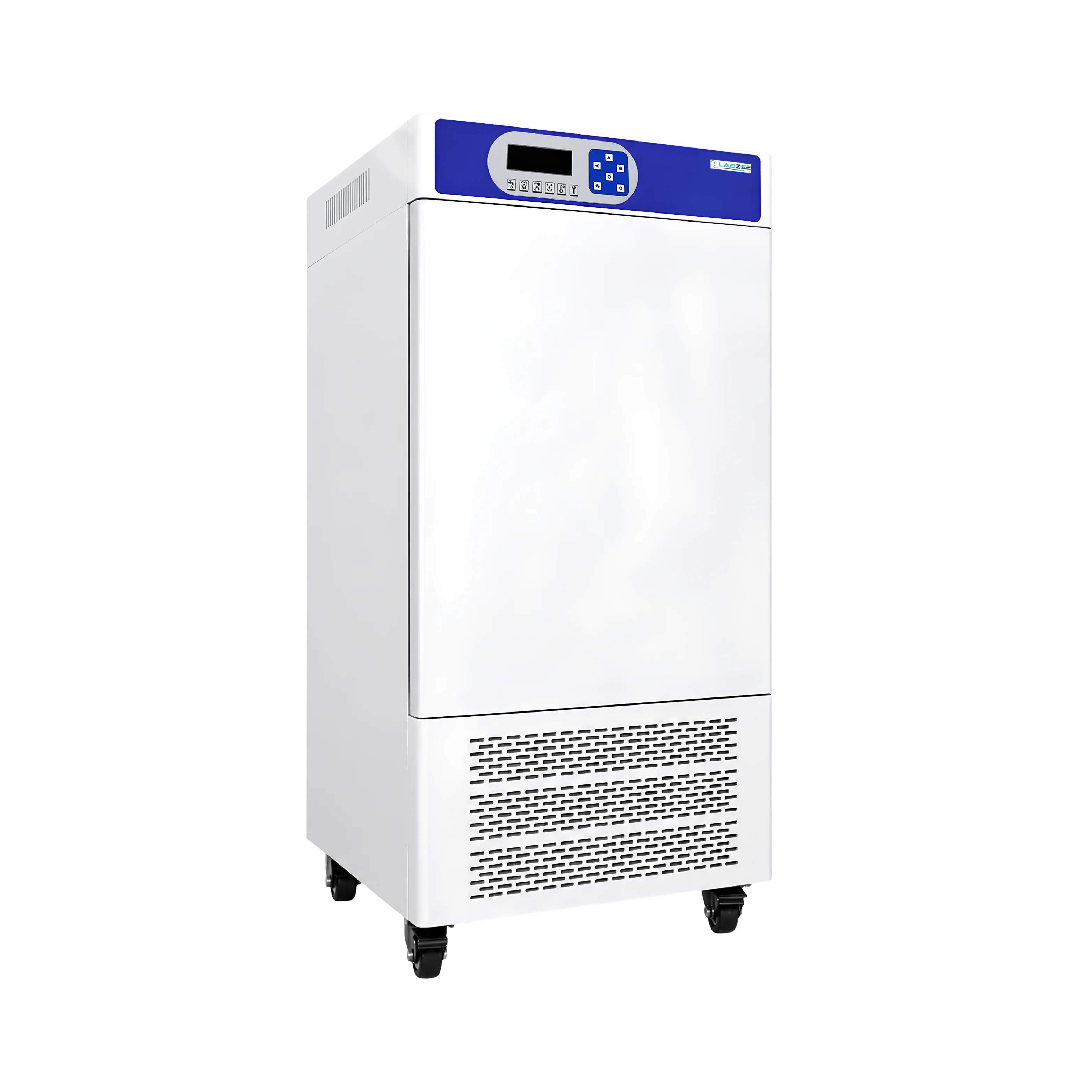
$ 4710
$ 3008
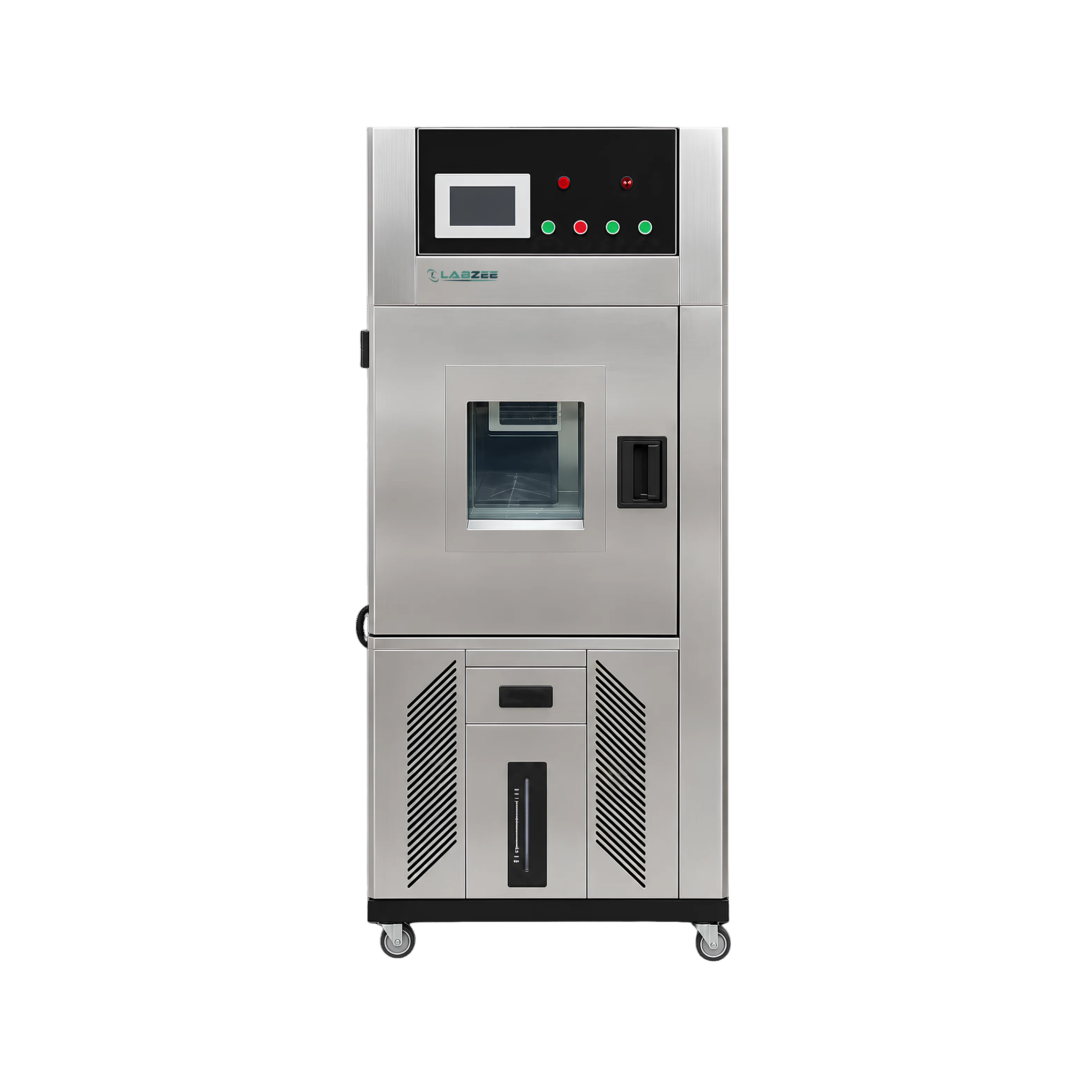
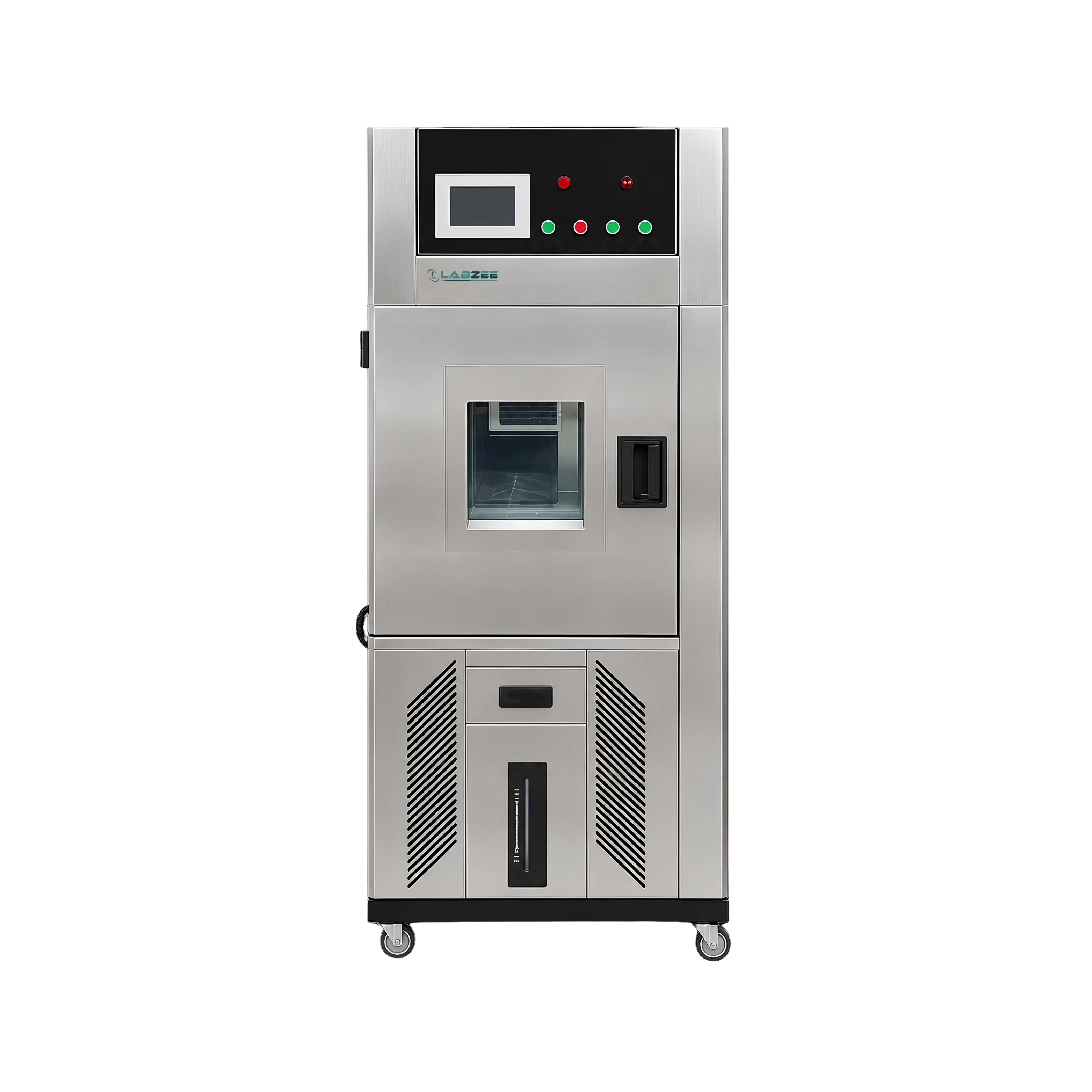
Labzee offers Temperature and Humidity Test Chambers designed to simulate precise environmental conditions for product testing and quality control. They regulate humidity and temperature to assess material durability and performance under varying climatic conditions. Their robust stainless-steel construction ensures durability and resistance to environmental fluctuations. These chambers feature advanced control systems that allow precise adjustments to meet diverse testing requirements. Their energy-efficient operation and reliable performance make them ideal for industrial, pharmaceutical, and research applications. Our Temperature and Humidity Test Chambers support electronic component testing, pharmaceutical stability studies, material aging analysis, automotive part durability testing, and packaging integrity assessments.
$ 4296
$ 4480
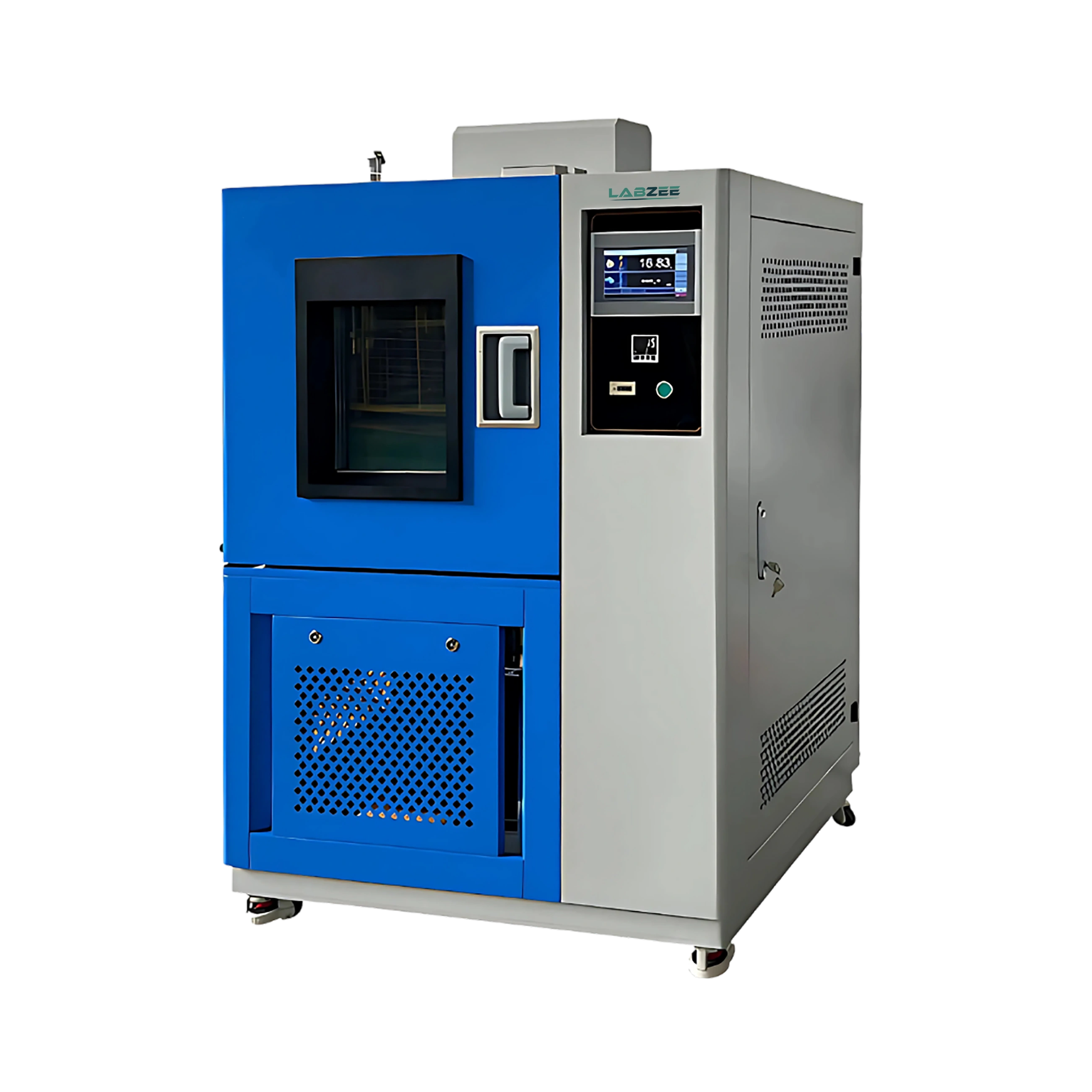
<p>Labzee Climatic Chambers are absolute for product testing, material aging, seed germination, and stability research because they provide accurate environmental control. These Climatic Chambers, which include programmable temperature, humidity, and illumination settings, guarantee accurate and reliable conditions. They have corrosion-resistant interiors, consistent airflow, programmed cycles, and user-friendly interface and also provide long-lasting performance. Our Climatic Chambers are ideal for labs and companies involving regulated environmental conditions.</p>

$ 5954
$ 6345
Labzee offers Plant Growth Chambers designed for precise environmental control in scientific and agricultural research. They regulate temperature, humidity, and light to create stable conditions essential for plant cultivation and experimentation. Their durable stainless-steel construction ensures longevity and resistance to environmental fluctuations. These chambers feature advanced control systems that allow precise adjustments for specific growth requirements. Their energy-efficient operation and reliable performance make them an ideal choice for research institutions and laboratories. Our Plant Growth Chambers support seed germination, crop research, genetic studies, stress physiology experiments, and tissue culture propagation.
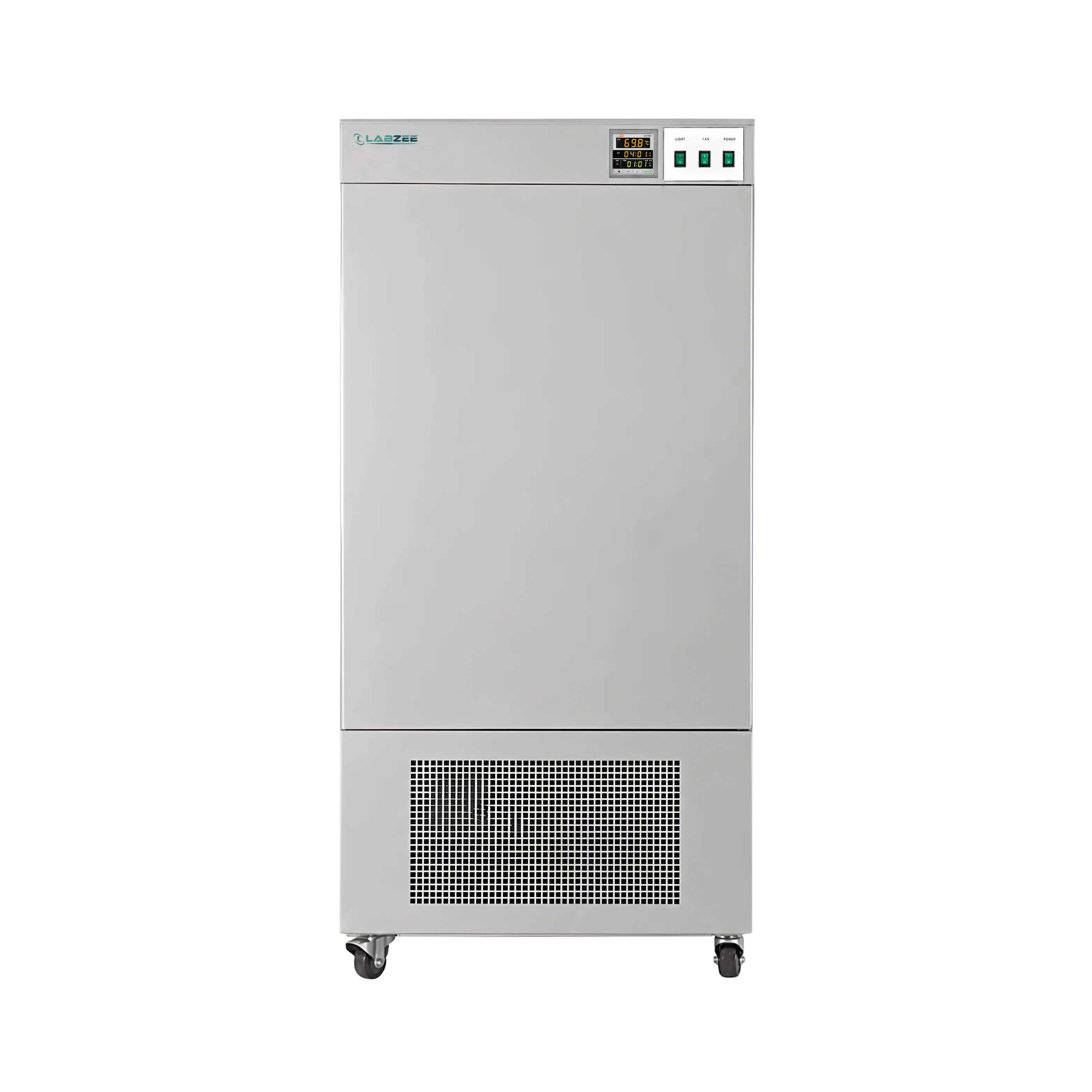
$ 3491
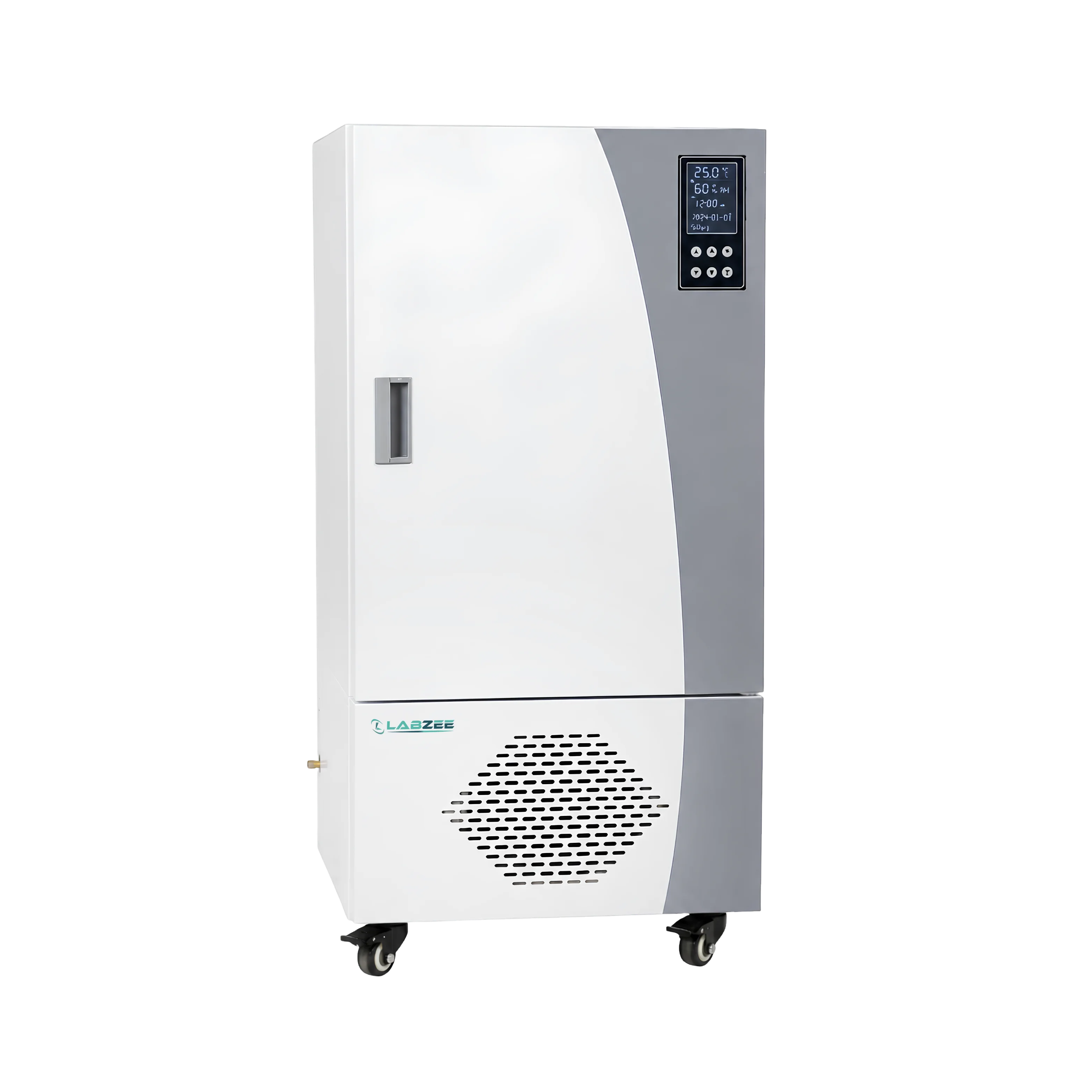
$ 4319
Labzee Pharmaceutical Stability Chambers offer accurate and reliable environmental control across a range of pharmaceutical and laboratory applications. They provide precise temperature control from 0°C to 60°C, with chamber capacities ranging from 175 litres to 1075 litres. The combination of a high-efficiency airflow system and powerful JAKEL circulation fans ensures even temperature and humidity distribution throughout the chamber. Our Pharmaceutical Stability Chambers deliver dependable performance across a wide range of controlled environment applications.
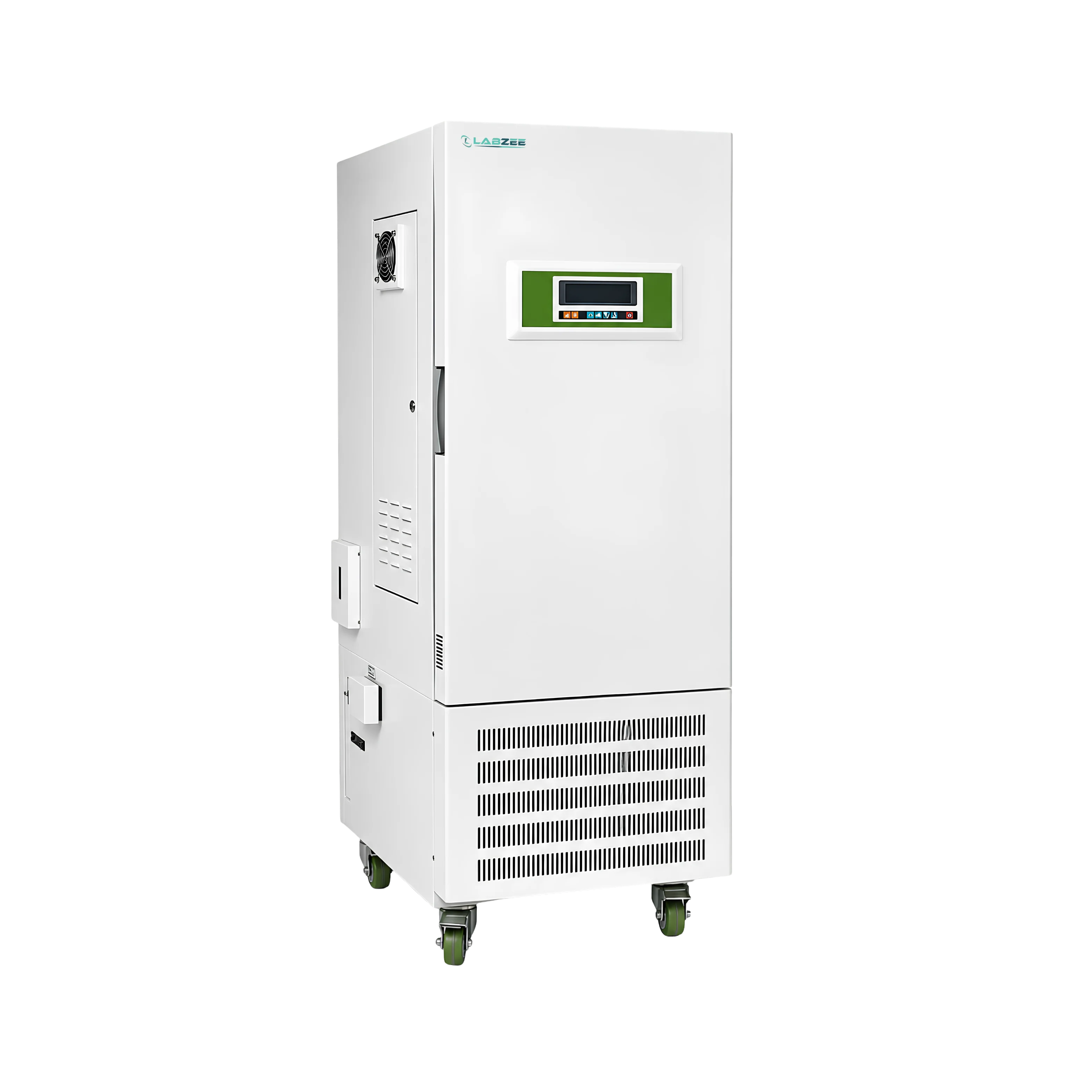
$ 5188
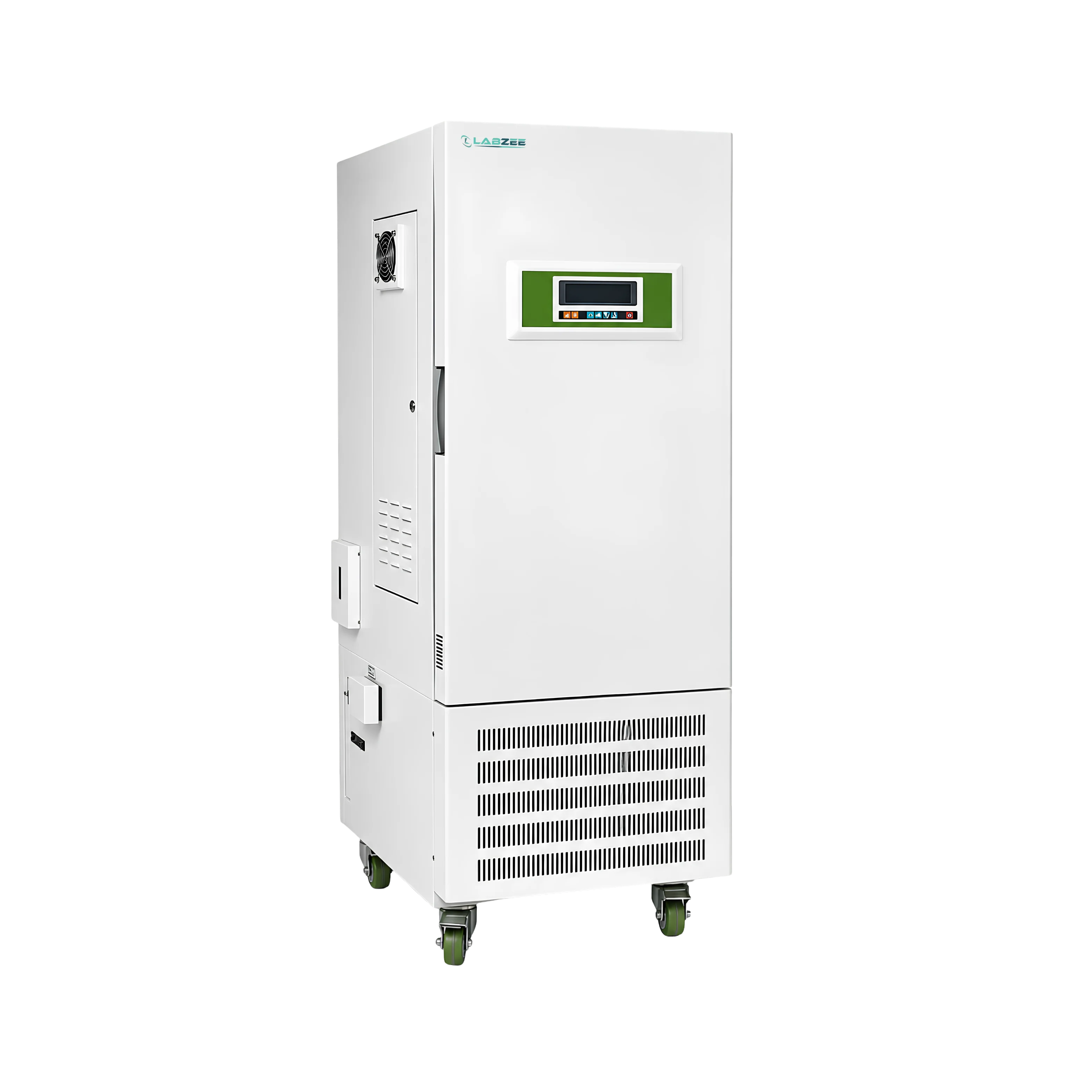
$ 5220
<p>Labzee Automated Environmental Chambers are high-performance units designed for precise temperature and humidity control, with capacities ranging from 175L to 1075L. These chambers are equipped with large LCD screens for real-time monitoring and intuitive operation. Their integrated PID control systems ensure highly accurate and stable regulation of both temperature and humidity. Our Automated Environmental Chambers are ideal for laboratories requiring environmental simulation, long-term stability testing, and controlled sample storage.</p>
$ 4327

$ 4939
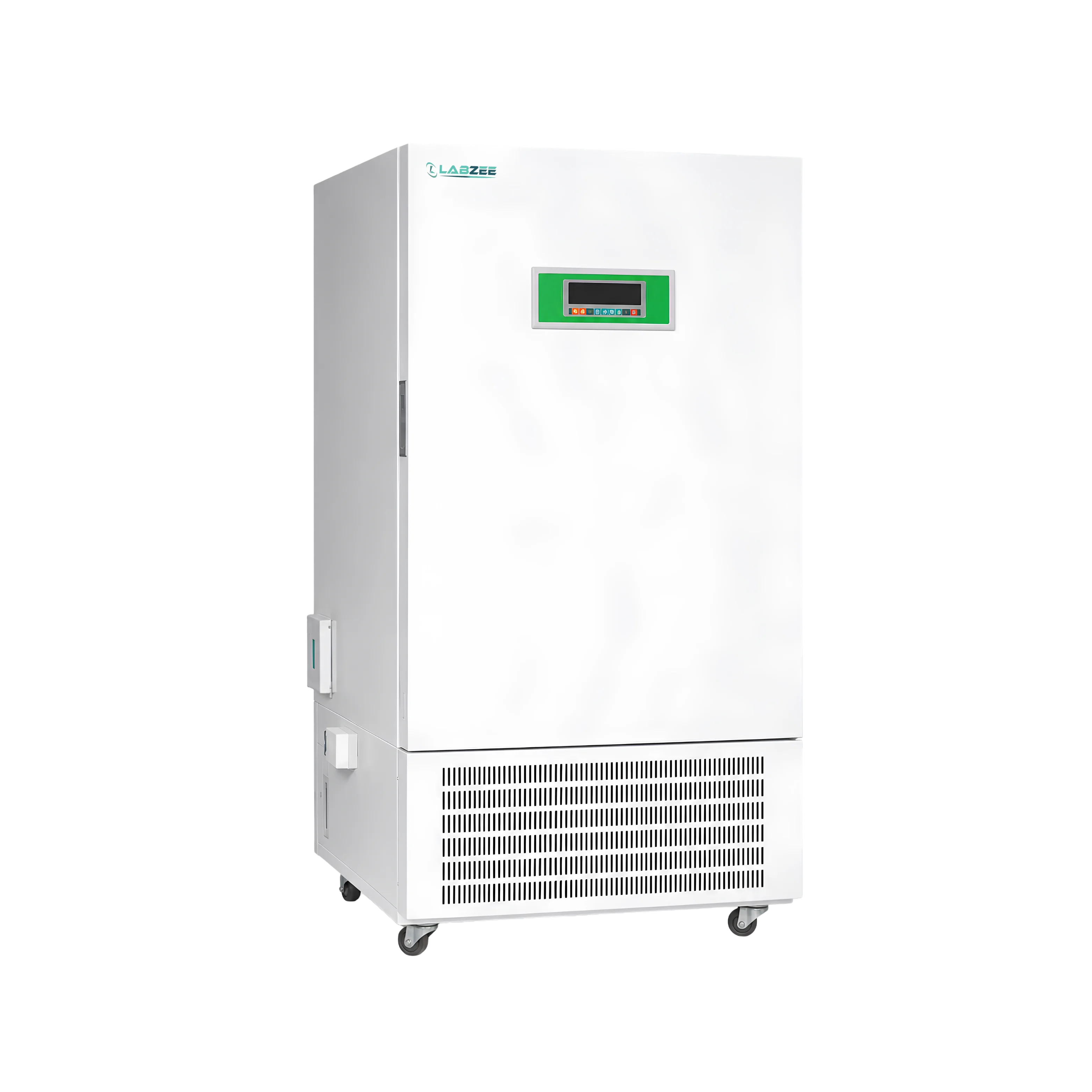
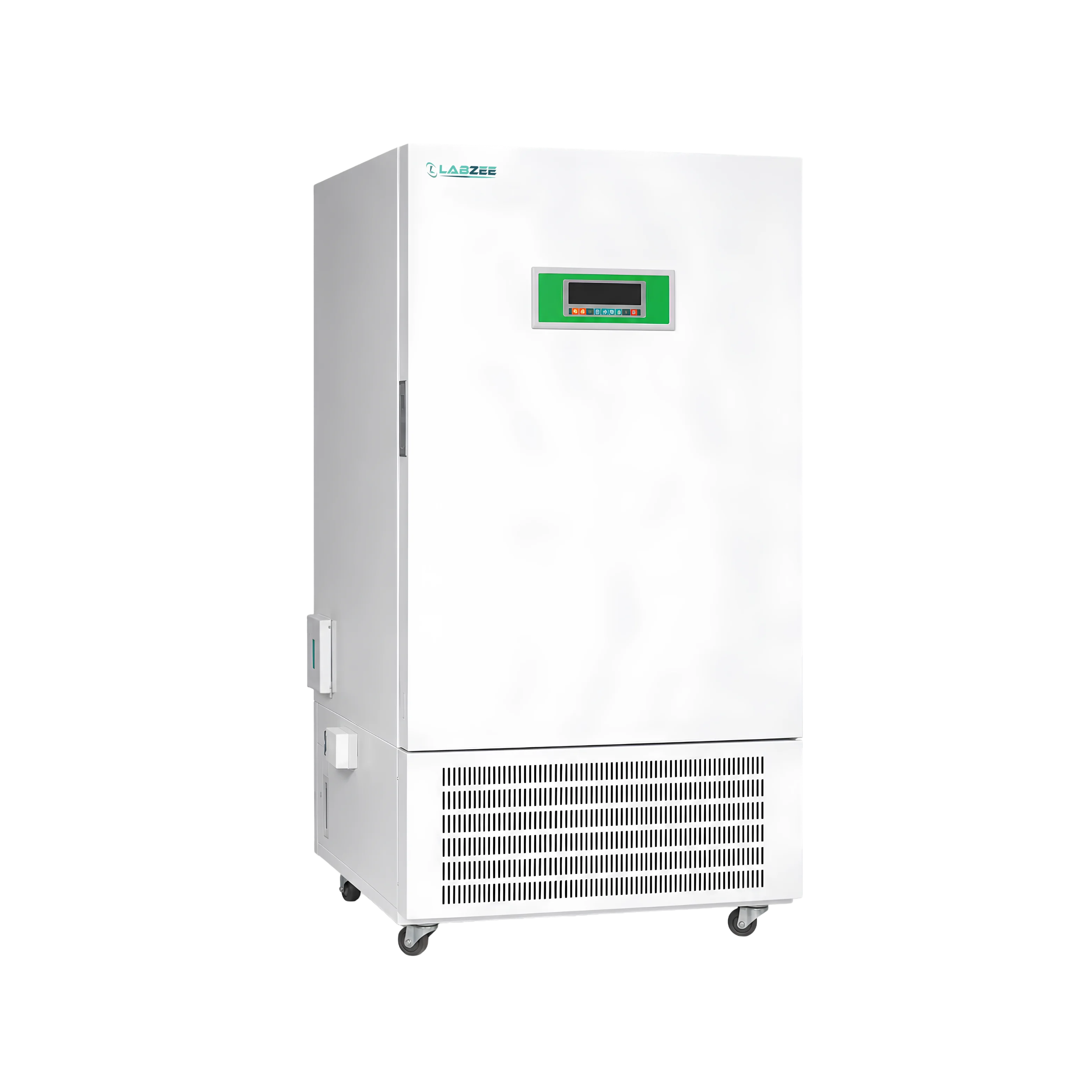
<p>Labzee Digital Climate Chambers are engineered to deliver advanced environmental simulation across a wide range of chamber sizes, from 175L to 1675L. They feature a broad temperature range from 0°C to 55°C (10°C to 55°C with lighting), ensuring precise and stable climate control. Their user-friendly LCD interfaces support multi-segment environmental programming for flexible and accurate control. Our Digital Climate Chambers are ideal for laboratories requiring reliable, programmable climate control across a wide range of experimental conditions.</p>
$ 4910
$ 5743
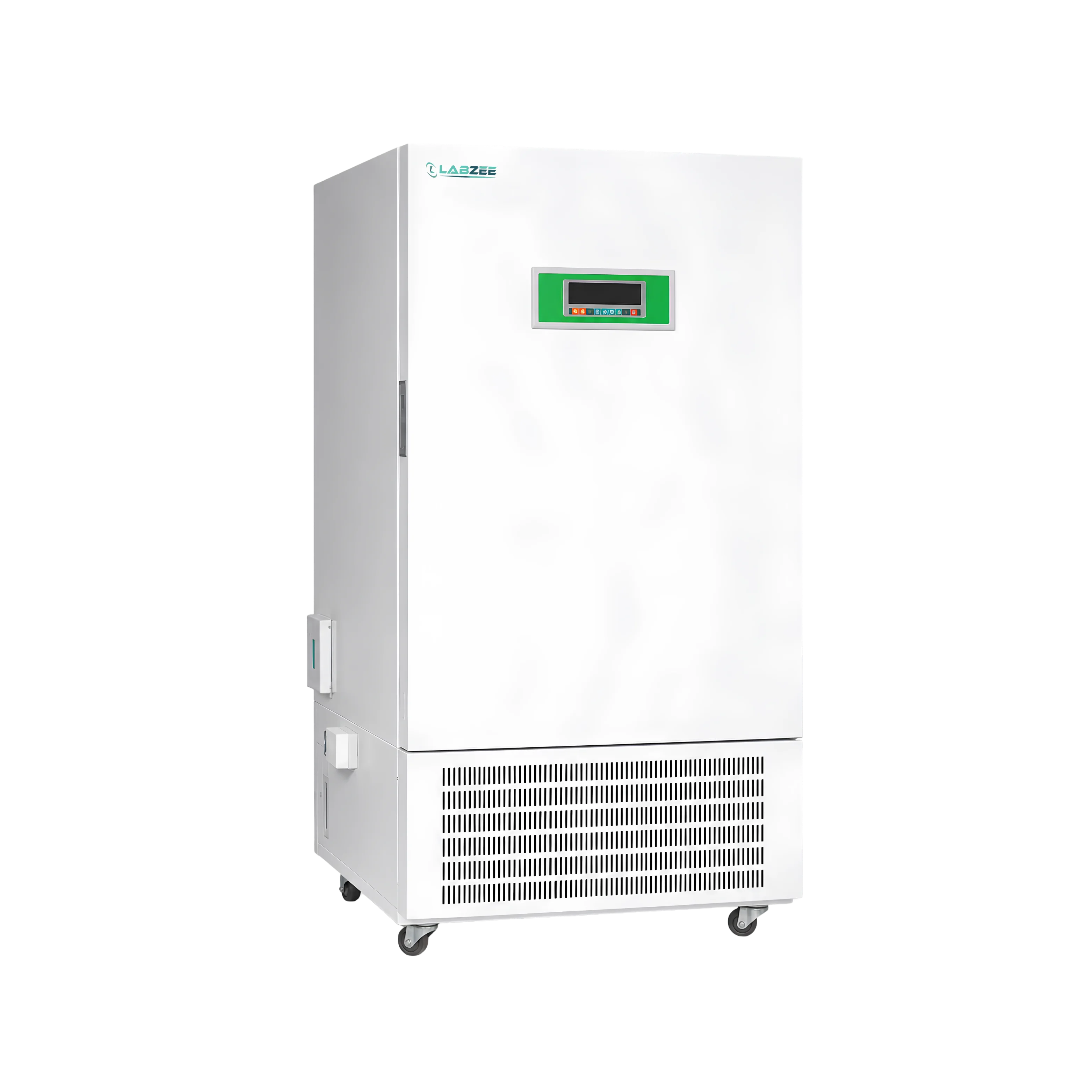
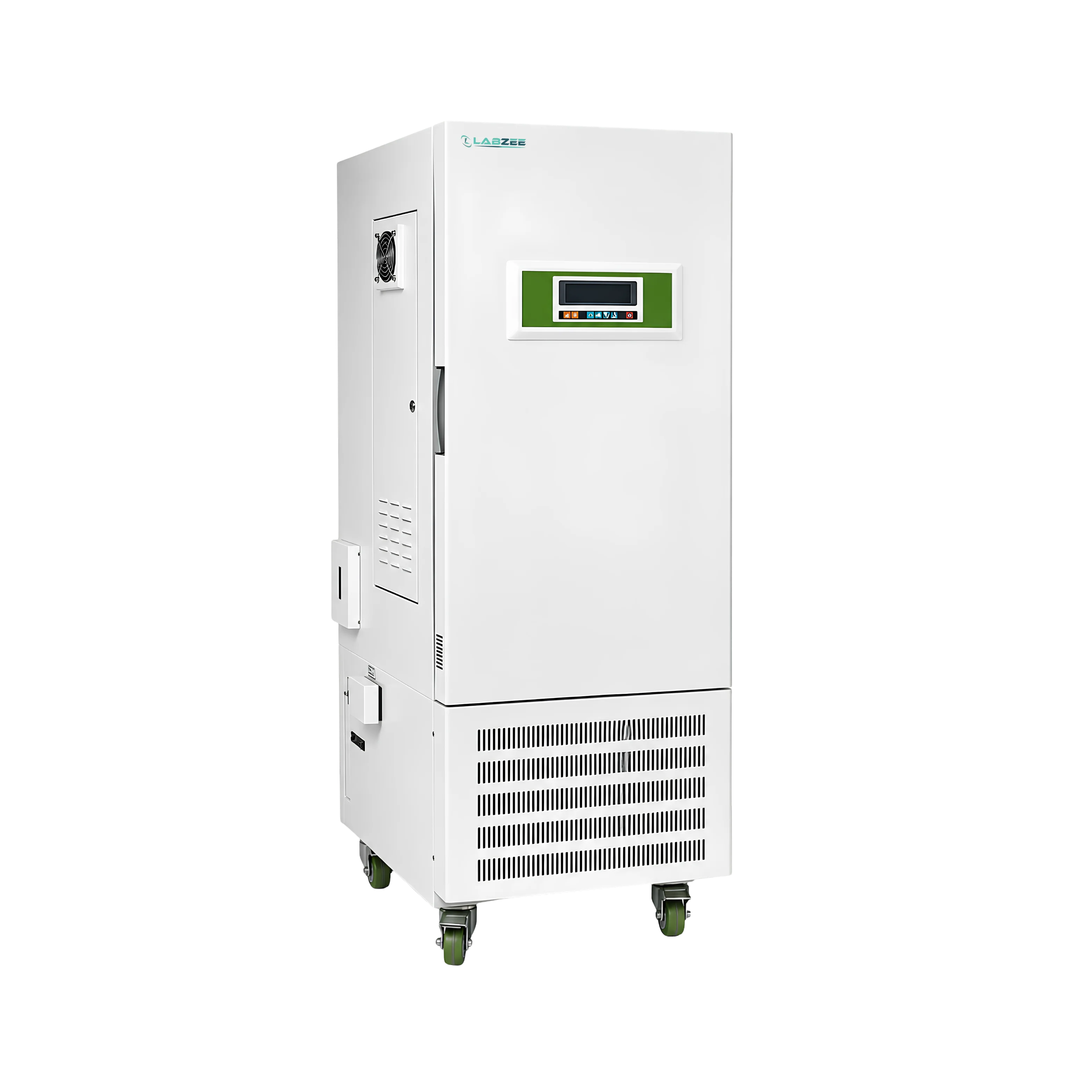
Labzee Light Growth Chambers deliver precise environmental control for light-dependent cultivation, research, and testing. These chambers offer 175L–1675L capacities with temperature settings of 0–55°C, or 10–55°C with lighting. The LCD interface supports multi-segment programming to simulate natural day-night cycles. Their dual refrigeration systems operate in alternating cycles to ensure reliable, long-term performance. Our Light Growth Chambers are ideal for laboratories, research institutes, agricultural development, and pharmaceutical testing environments that demand controlled, repeatable conditions.
$ 4354
$ 5464
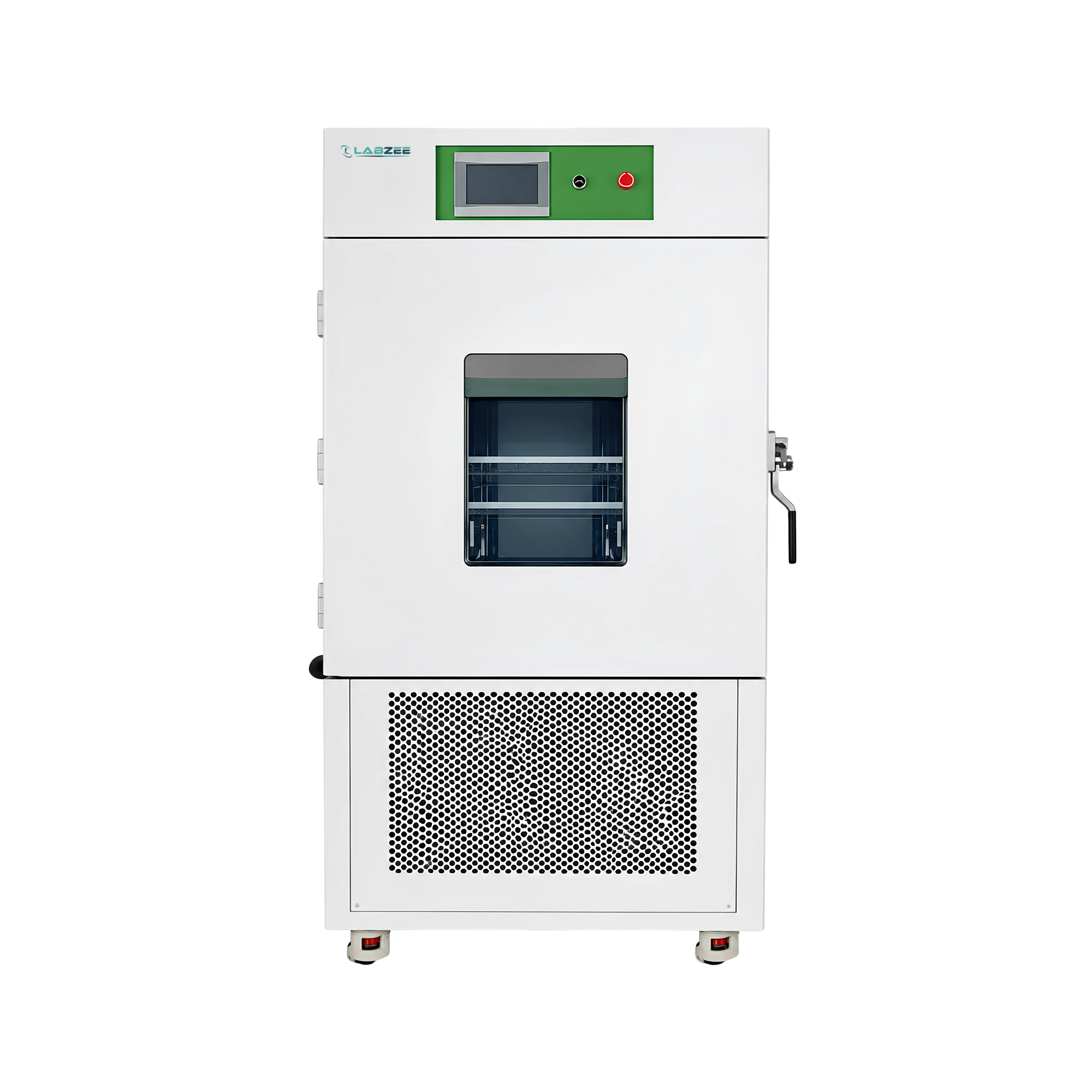
Labzee Dynamic Climate Chambers offer precise simulation of temperature and humidity conditions with stainless steel chambers ranging from 120L to 504L. They provide a wide operational range covering both low and high temperatures along with controlled humidity to meet diverse testing needs. These chambers feature an intuitive touchscreen interface with PID control for accurate parameter setting and monitoring. Their dual-level water monitoring system enhances safety by preventing dry heating. Our Dynamic Climate Chambers are ideal for laboratories, industries, and research institutions requiring reliable climate simulation and humidity control.
$ 12151

$ 13133
