Horizontal Stainless Steel Ball Mill Jar from Labzee offers a milling container for planetary ball mills, holding samples with grinding balls during wet or dry grinding. Each ball milling jar is made from SS 304 or SS 316L, giving corrosion-resistant walls, polished surfaces, low sample contamination across routine runs. The flat-bottom horizontal design spreads grinding energy evenly, so a mill jar suits ceramic, battery, or alloy powder preparation. Metallurgy labs choose these jars for repeatable batch milling. Labzee manufactures stainless steel ball mill jars with leak-proof lids, available from small to large sizes, giving uniform jar milling output across batch scales.
Volume
Height
Wall Thickness
Cover Thickness
Internal Diameter
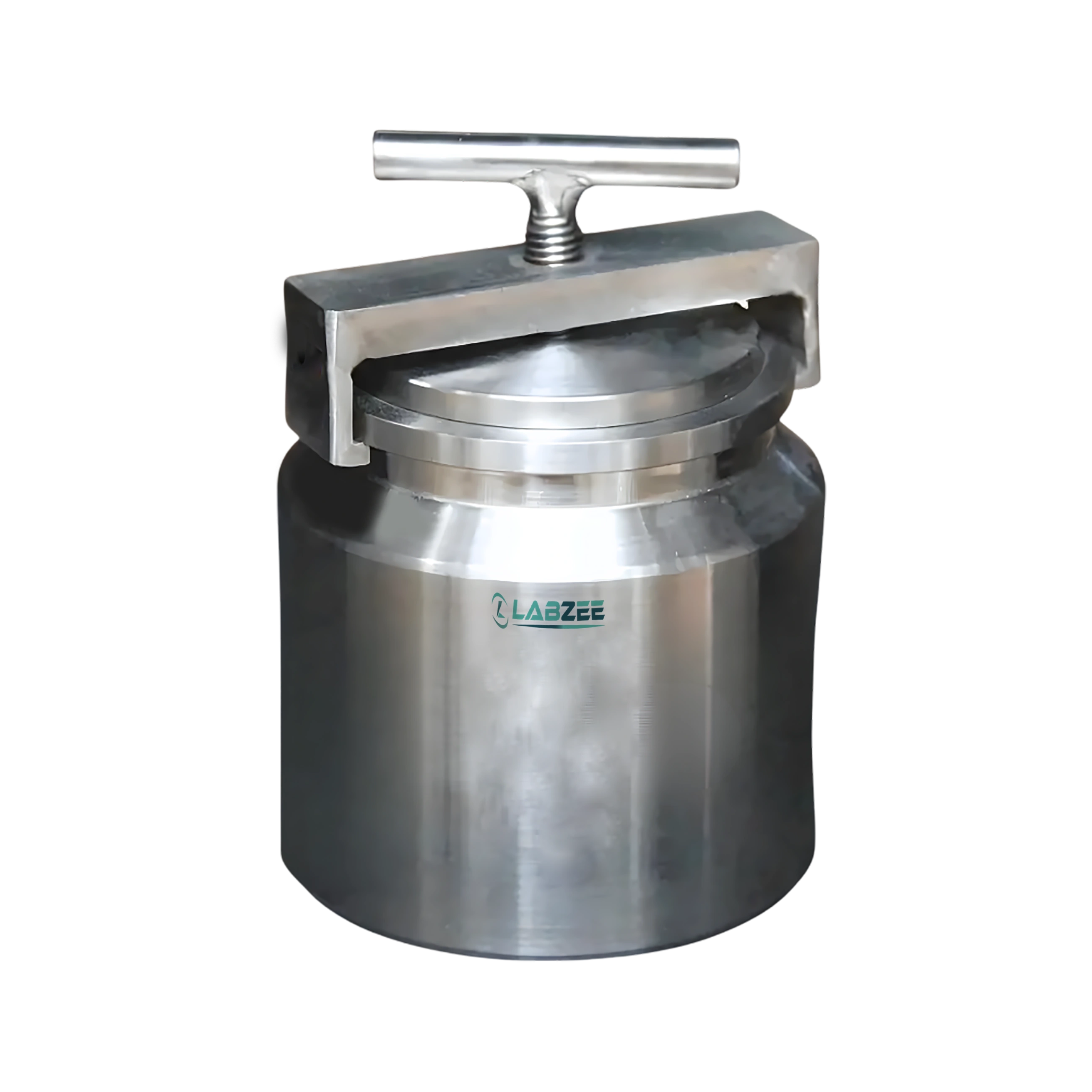
Volume: 500 ml
Height: 109 mm
Wall Thickness: 6 mm
Cover Thickness: 11 mm
$ 1157
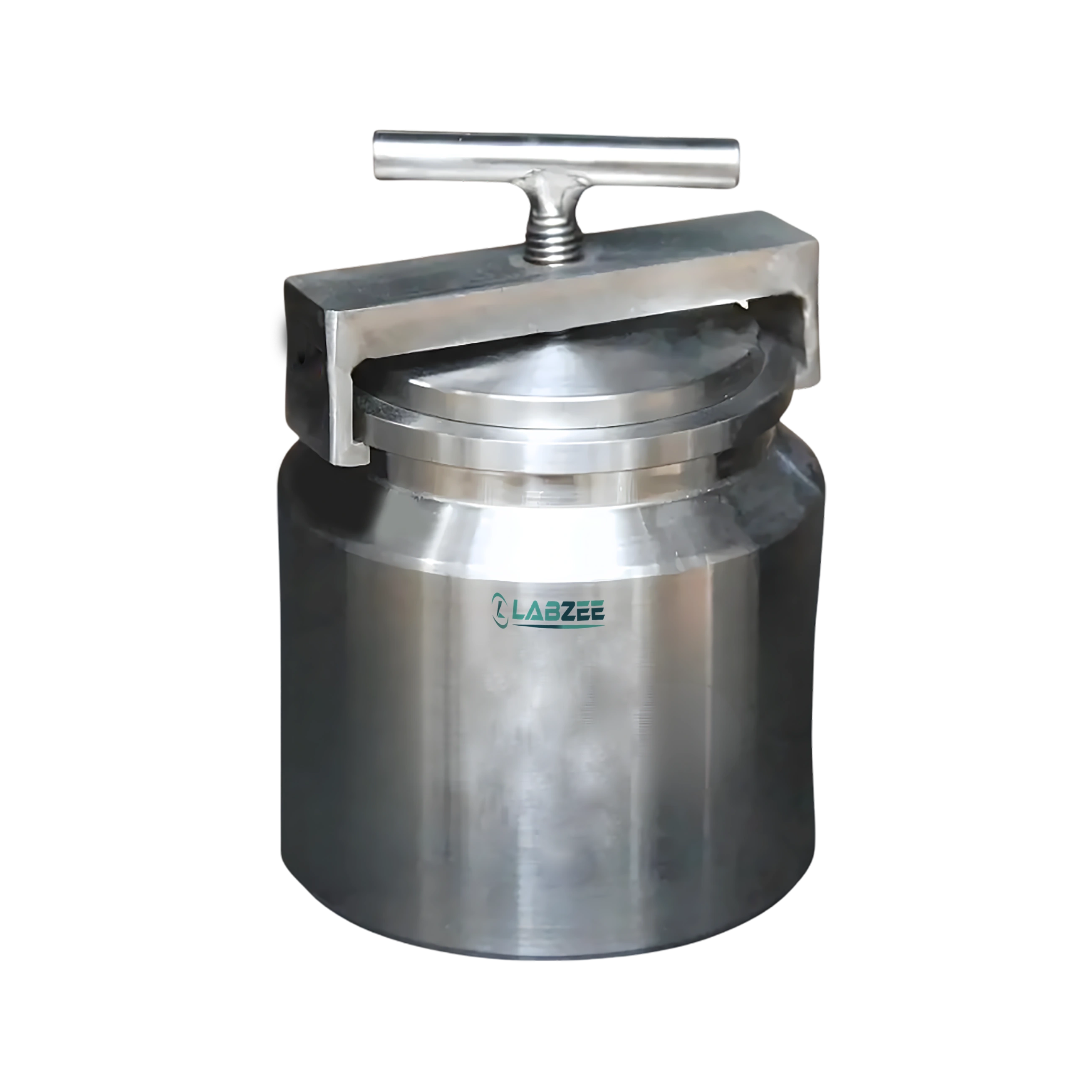
Volume: 1 L
Height: 133 mm
Wall Thickness: 6 mm
Cover Thickness: 11 mm
$ 1318

Volume: 2 L
Height: 163 mm
Wall Thickness: 6.5 mm
Cover Thickness: 12 mm
$ 1444
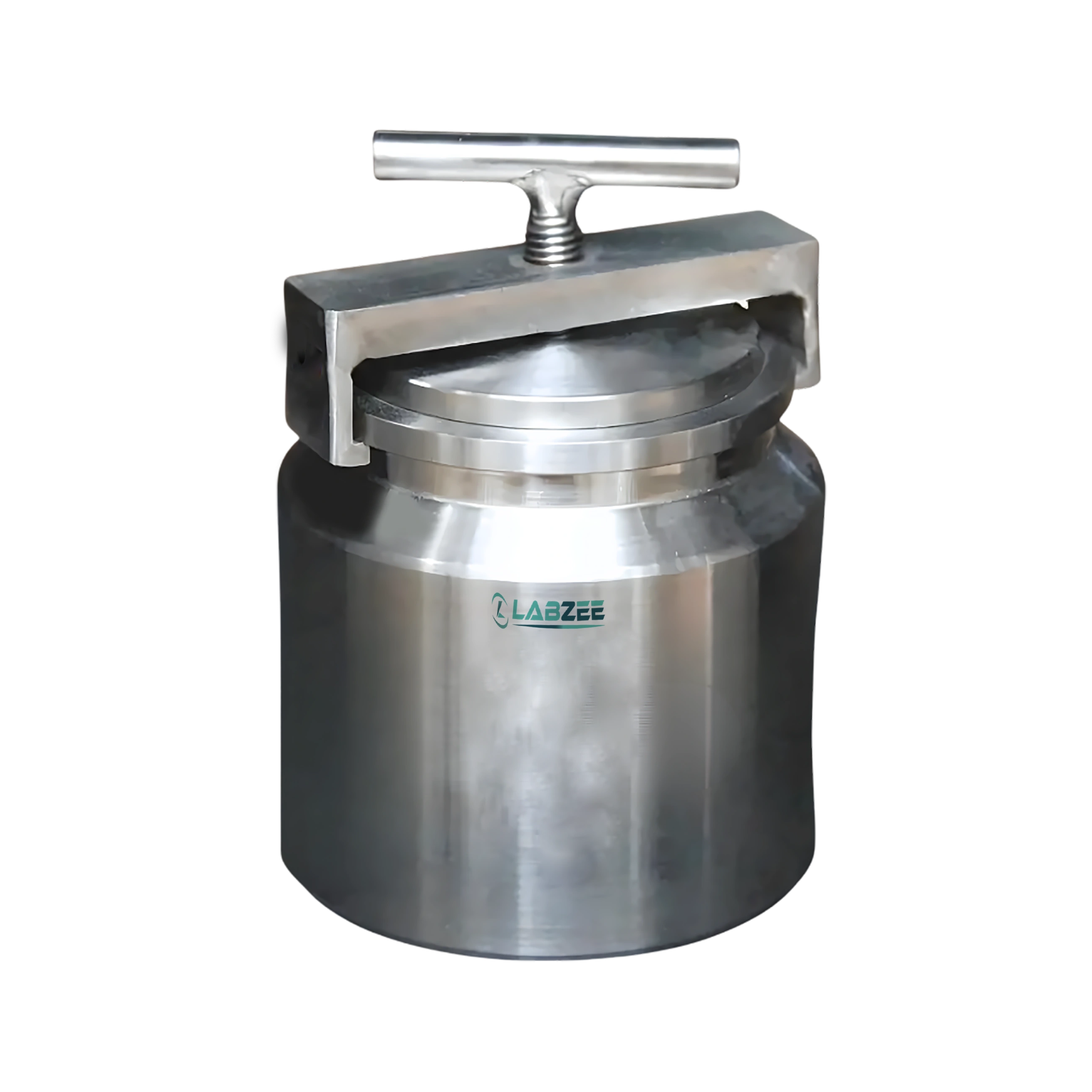
Volume: 3 L
Height: 205 mm
Wall Thickness: 6.5 mm
Cover Thickness: 13 mm
$ 1490
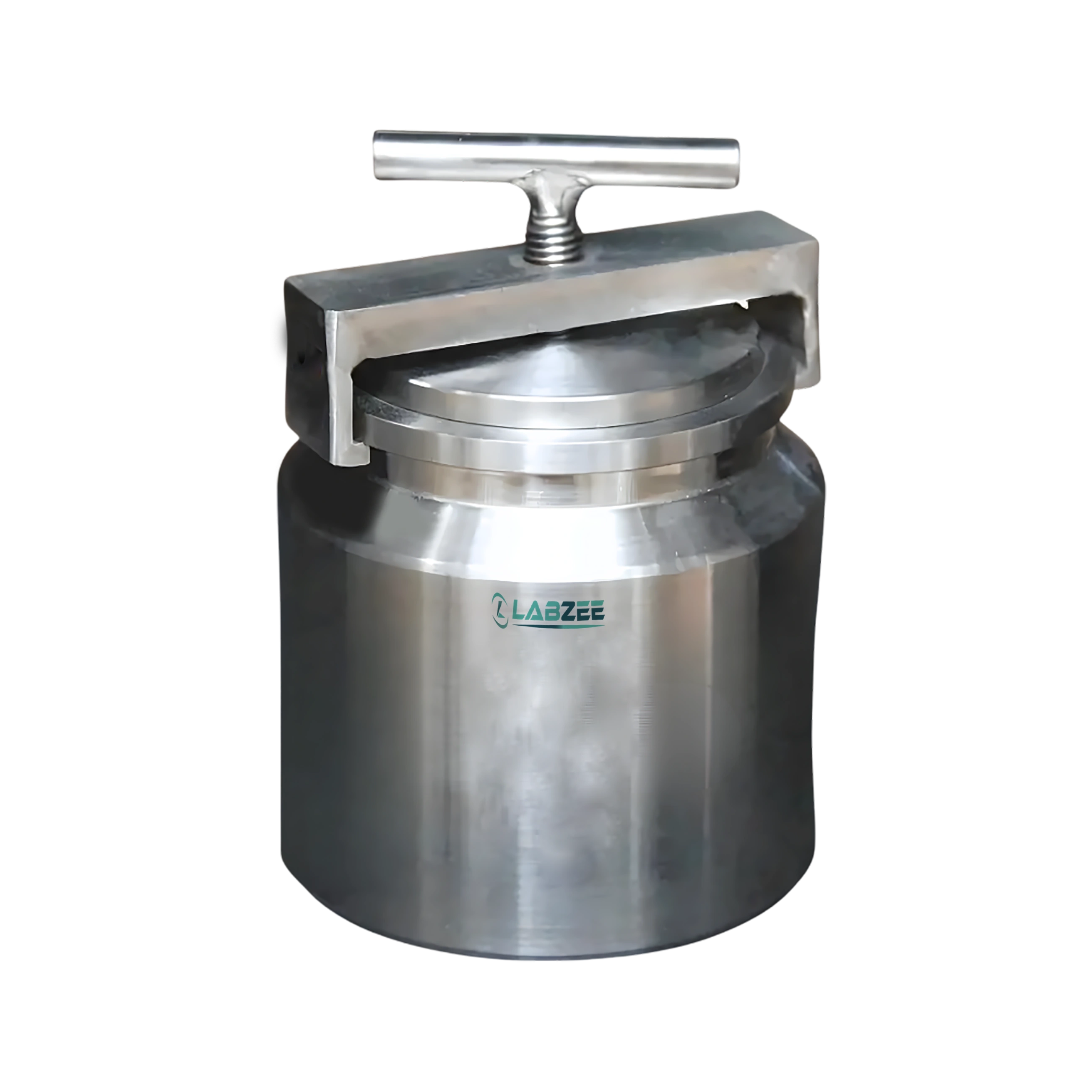
Volume: 5 L
Height: 240 mm
Wall Thickness: 7 mm
Cover Thickness: 13 mm
$ 1548
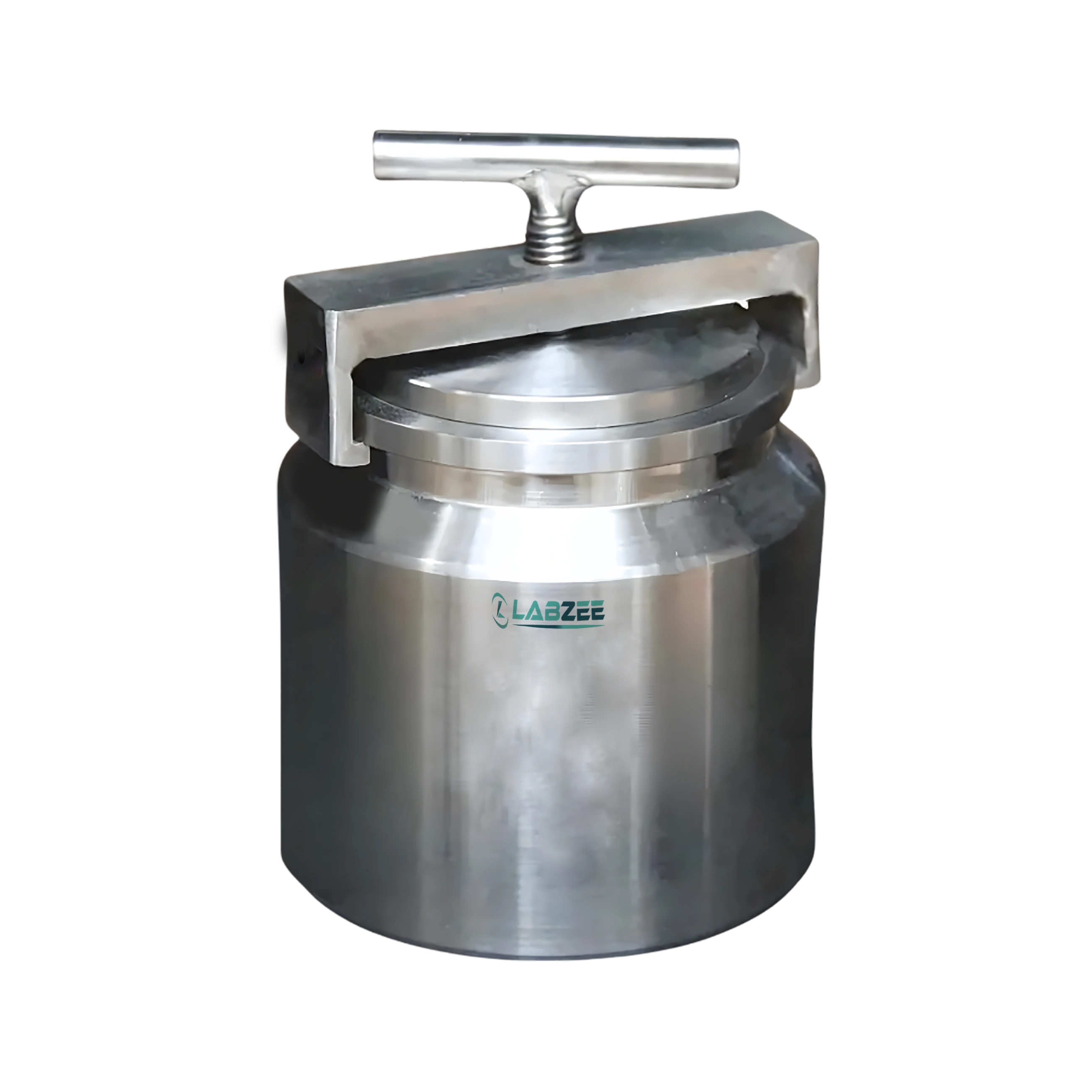
Volume: 10 L
Height: 289 mm
Wall Thickness: 7 mm
Cover Thickness: 13 mm
$ 2238
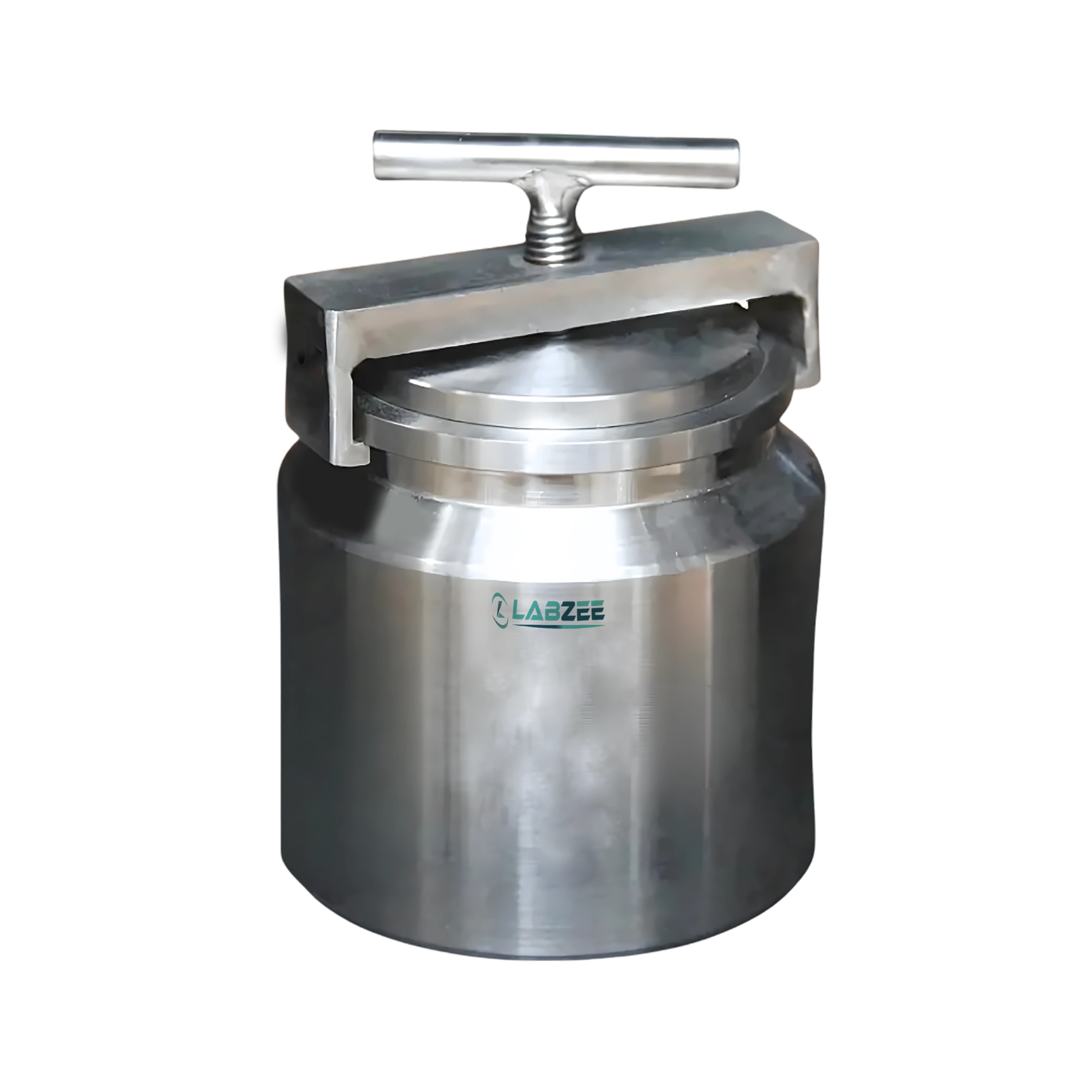
Volume: 15 L
Height: 278 mm
Wall Thickness: 7.5 mm
Cover Thickness: 15 mm
$ 2491
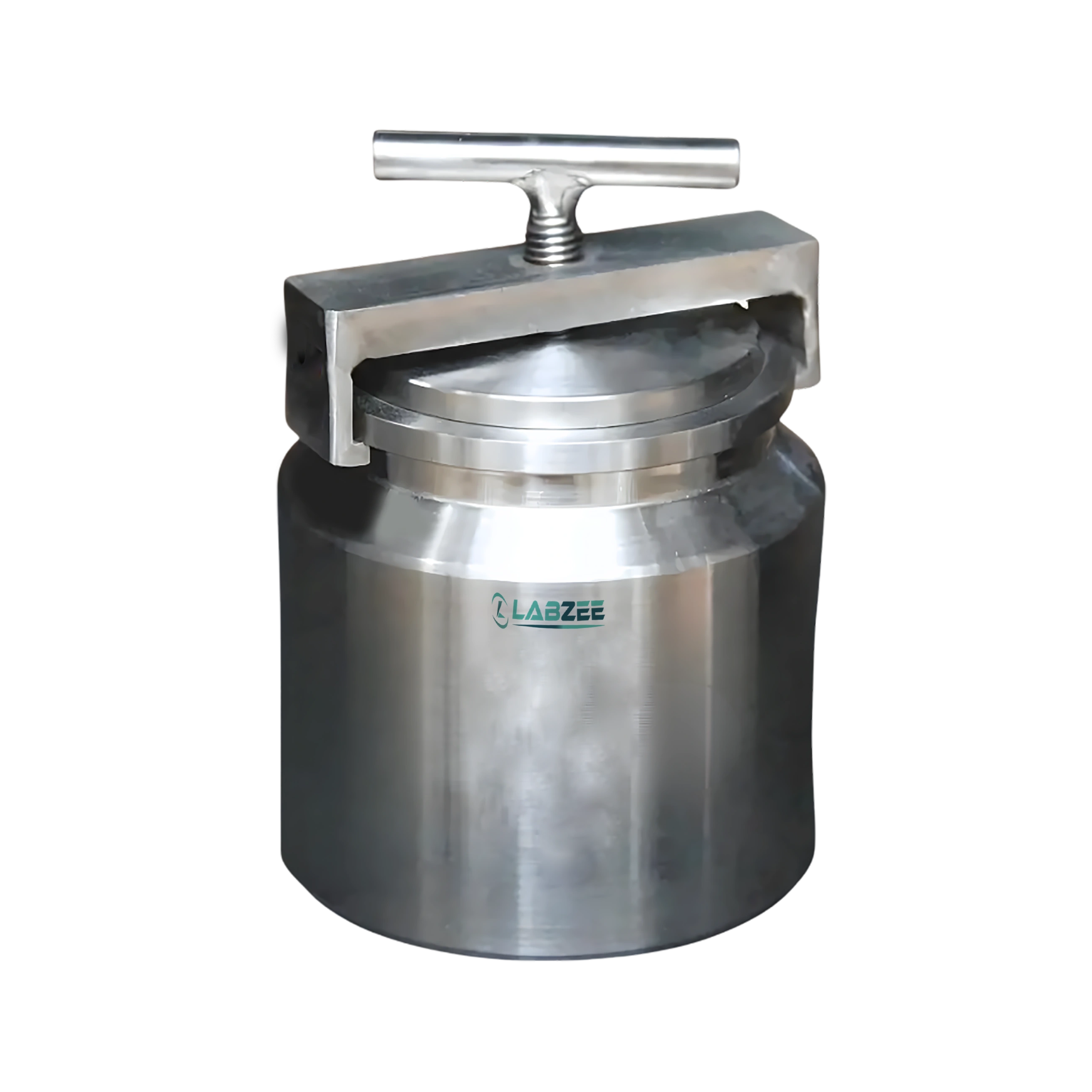
Volume: 20 L
Height: 335 mm
Wall Thickness: 6.5 mm
Cover Thickness: 15 mm
$ 2686
Frequently Asked Questions
1: When should a Horizontal Stainless-Steel Ball Mill Jar be used?
This jar is ideal when high mechanical strength and resistance to impact or corrosion are required. It's commonly used for alloying, powder mixing, and grinding hard materials.
2: Can it be used for both wet and dry grinding applications?
Yes, the stainless-steel jar supports both wet and dry milling processes. Its leak-proof design makes it suitable for solvent-based or aqueous grinding without risk of spillage.
3: Is the material of the jar safe for sensitive samples?
Stainless steel minimizes contamination and is safe for many samples, although it is not recommended for applications requiring non-metallic or ultra-pure environments.
4: What precautions are needed for long-term usage?
Avoid corrosive agents incompatible with steel, regularly inspect for dents or weld stress, and ensure the sealing mechanism is intact for safe milling.
5: How should the Horizontal Stainless-Steel Ball Mill Jar be cleaned?
It can be cleaned using standard lab detergents, ultrasonic baths, or solvents. Avoid abrasive pads that may damage the polished inner surface.
