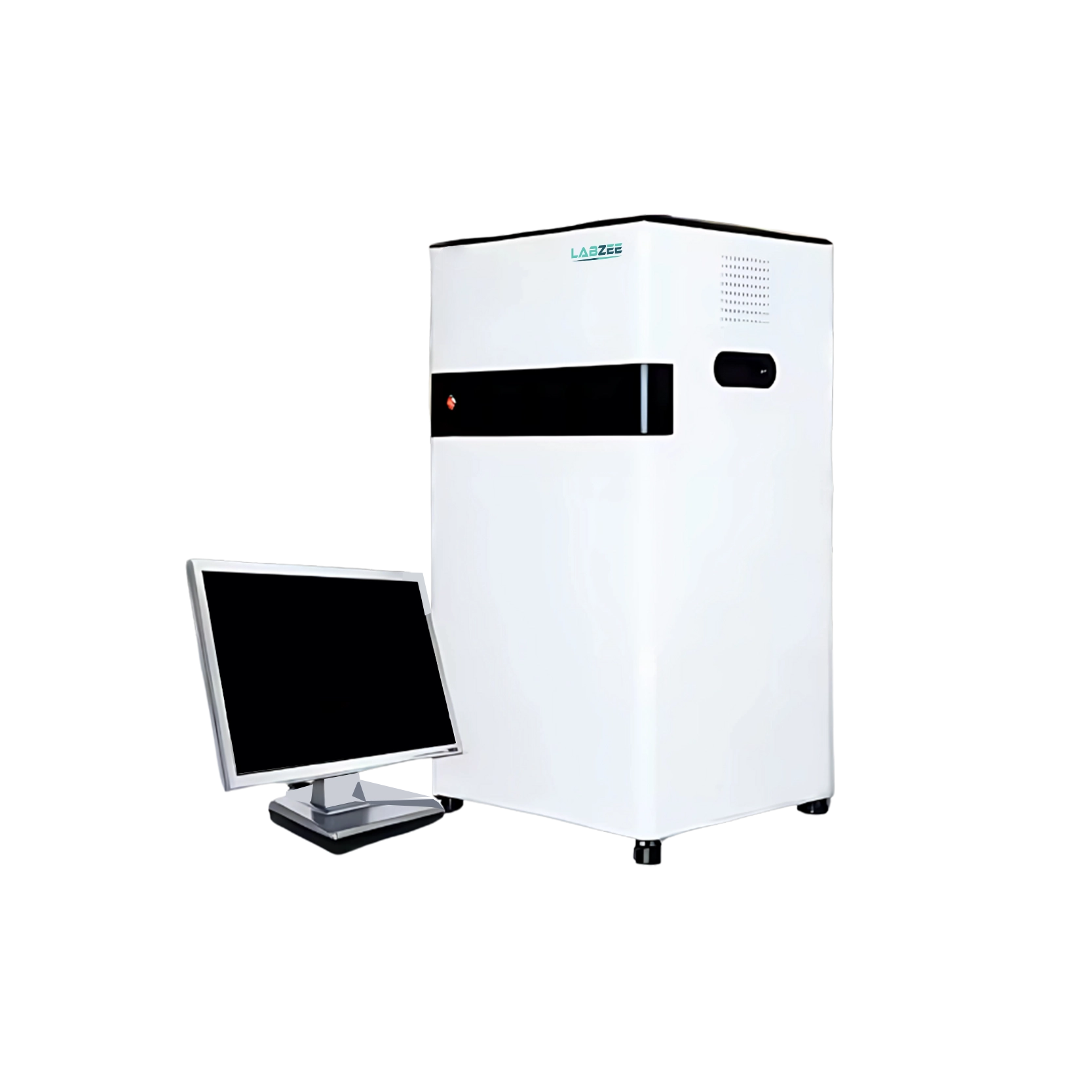
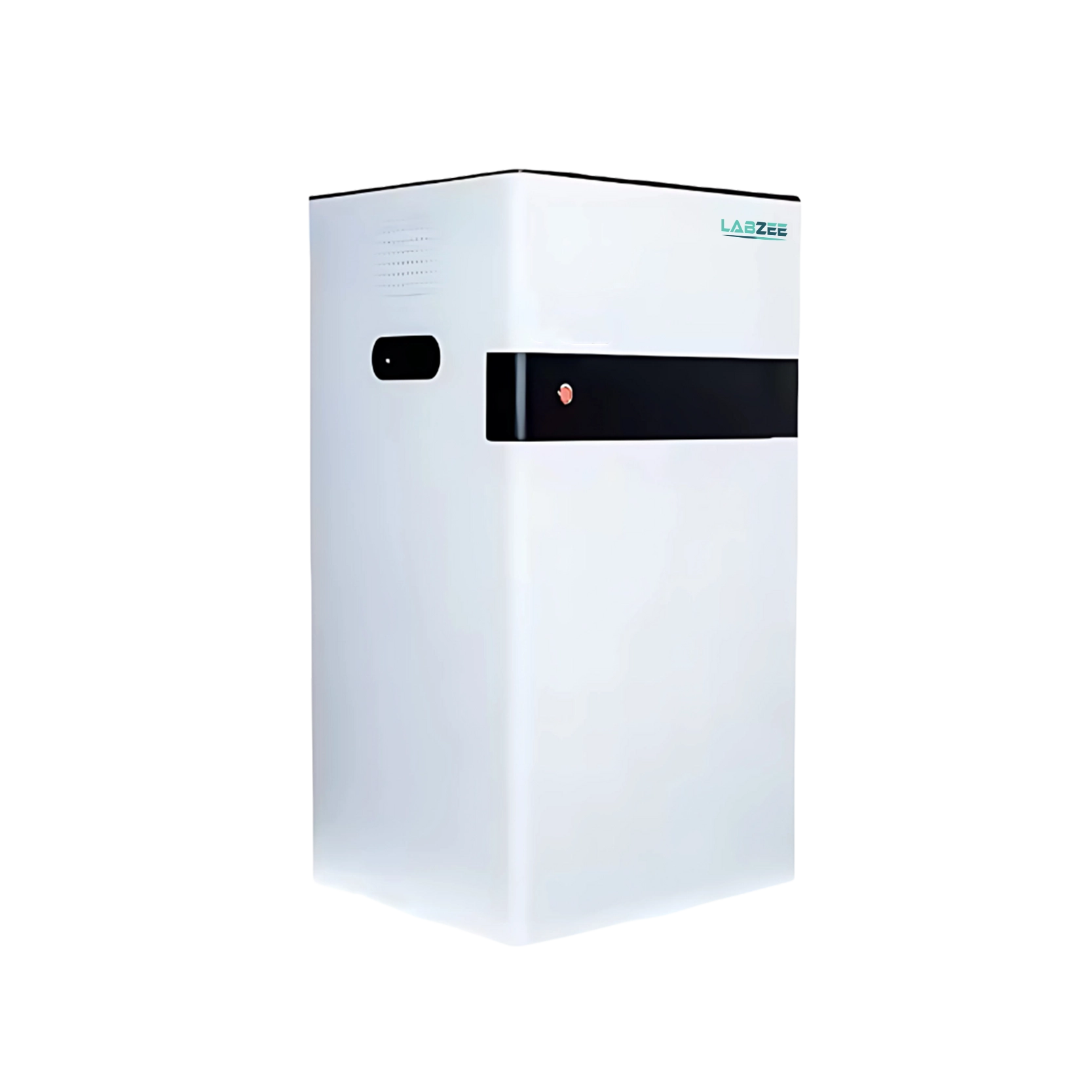
$ 5722
| Camera Resolution | 20 megapixels, 4800 × 4440 |
| Dynamic Range | 4.8 OD |
| Pixel Density | 16 bits (65536 Grey scale) |
| Motorized Lens | F1.2 motorized lens |
| Lens Resolution | 20 megapixels |
| Lens Control | Numeric Focus controlled via Software |
| UV Light Source | 302nm as standard, Image Area: 21 x 26cm,(Optional 254nm, 365nm) |
| White LED Light Source | Real white LED transmission, Image Area:19 x 26cm |
| Optional Blue LED Light Source | Optional Blue LED transmission, Image Area:19 x 26cm |
| Filter System | Standard filter for gel doc application |
Blue LED transmission
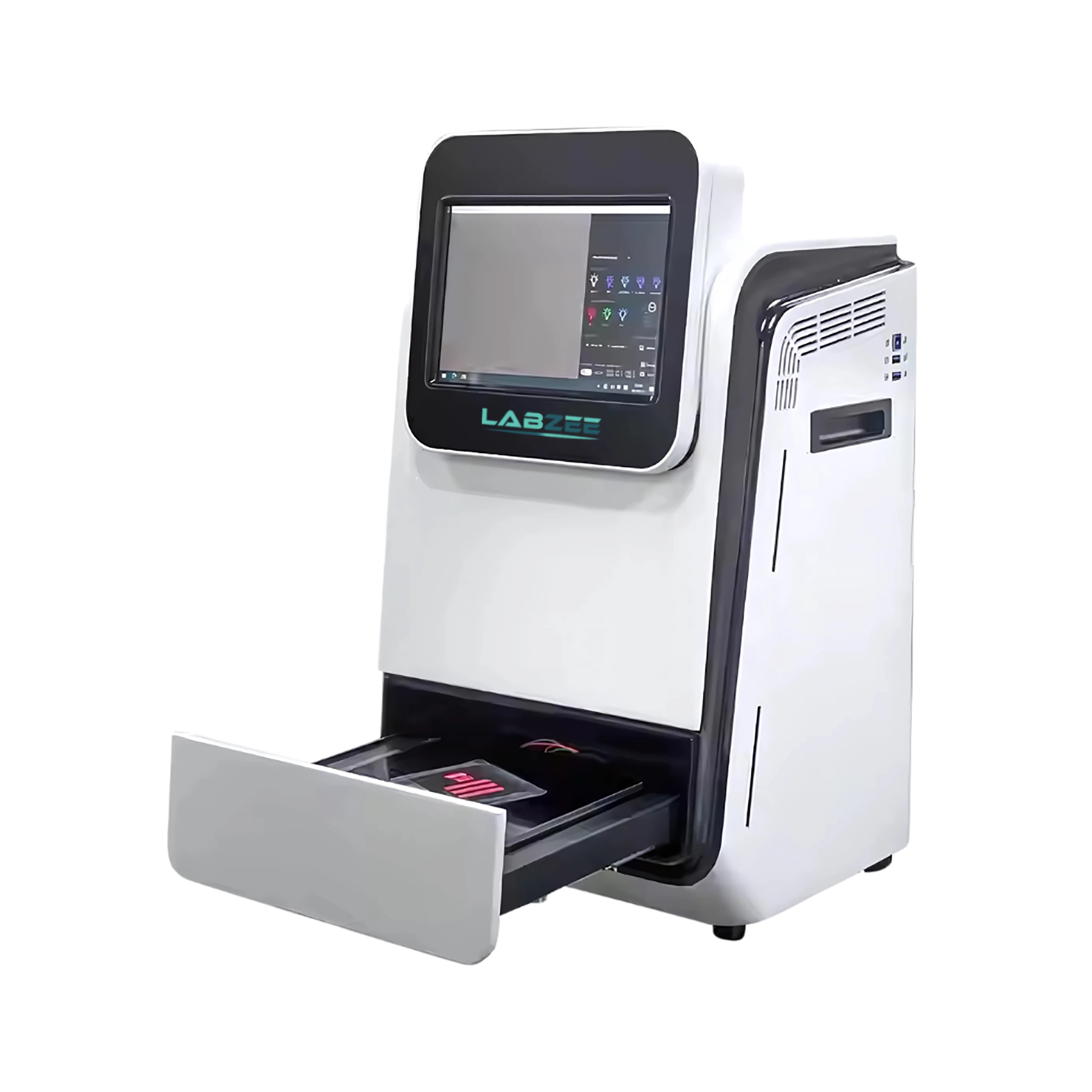
The Gel Doc System BZGDS-502 is optimized for high-clarity, high-precision imaging of DNA, RNA, and protein gels. Its integrated UV tube transilluminator and dedicated fluorescence filter enhance signal detection, making it highly effective for a broad spectrum of gel documentation applications.
Frequently Asked Questions
1: Does BZGDS-502 supports blue light imaging for non-UV dyes like SYBR Safe?
Yes, the BZGDS-502 supports an optional blue LED light source, which is ideal for imaging non-UV fluorescent stains, reducing DNA damage and extending gel usability.
2: What types of file formats does BZGDS-502 support for saving images?
The BZGDS-502 software allows saving in multiple formats including TIFF for high-resolution scientific analysis and JPEG/PNG for routine documentation or sharing.
3: Can I upgrade the BZGDS-502 later, like add blue LED or other filters?
Yes, BZGDS-502 is modular and can be upgraded with additional light sources (e.g., blue LED, 254/365 nm UV) and filter sets depending on your experimental needs.
4: Can BZGDS-502 handle high-throughput imaging needs in a busy lab?
Yes. With fast image acquisition, real-time preview, and automated focus/exposure settings, our BZGDS-502 can process multiple gels quickly ideal for high-volume labs or shared core facilities.
5: Does the BZGDS-502 support remote monitoring or cloud backup?
While it doesn’t natively offer remote imaging, the data can be saved to a networked folder or cloud service via the connected PC, allowing easy sharing and backup.
6: What types of gels can I image?
You can image agarose gels (e.g., DNA stained with Ethidium Bromide or SYBR Safe), polyacrylamide gels, and protein gels stained with Coomassie Blue or silver stain.
7: Does the system require a darkroom?
No. Gel Doc systems are self-contained with light-tight enclosures, so no separate darkroom is required.
8: What light sources are used for illumination?
Most Gel Docs include UV transilluminators. Some also feature white light or blue light (for non-toxic dyes) as additional options.

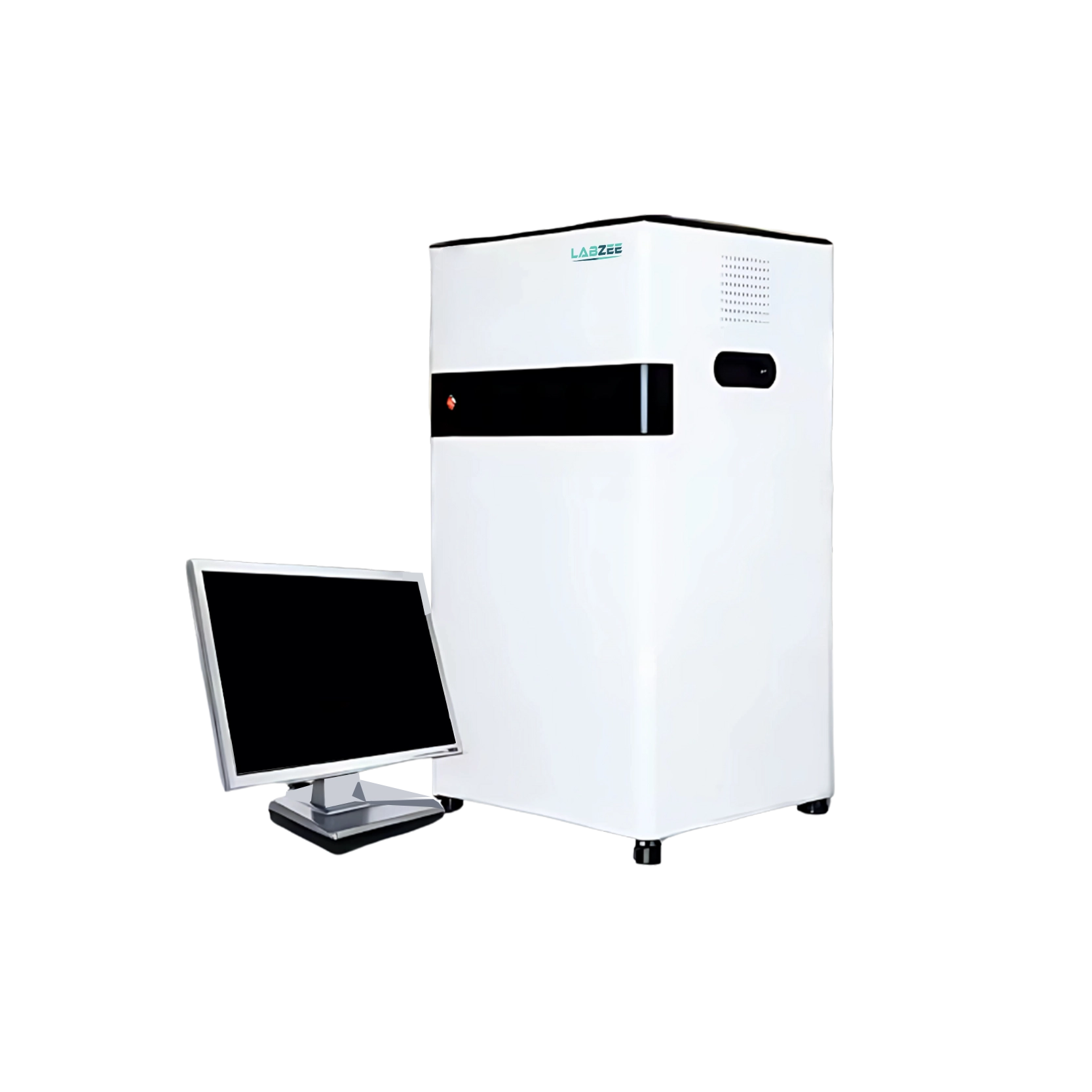
Labzee Gel Doc Systems offers versatile imaging solutions for nucleic acid and protein analysis. They commonly support multiple illumination sources like UV and visible light to visualize various staining methods. These systems feature integrated cameras with optimized optics to capture clear and quantifiable images of gels. They provide user-friendly software package tools for image acquisition, analysis and documentation. Our Gel Doc Systems are perfect for molecular biology and biochemistry labs for the process of visualizing and analyzing electrophoresed samples.

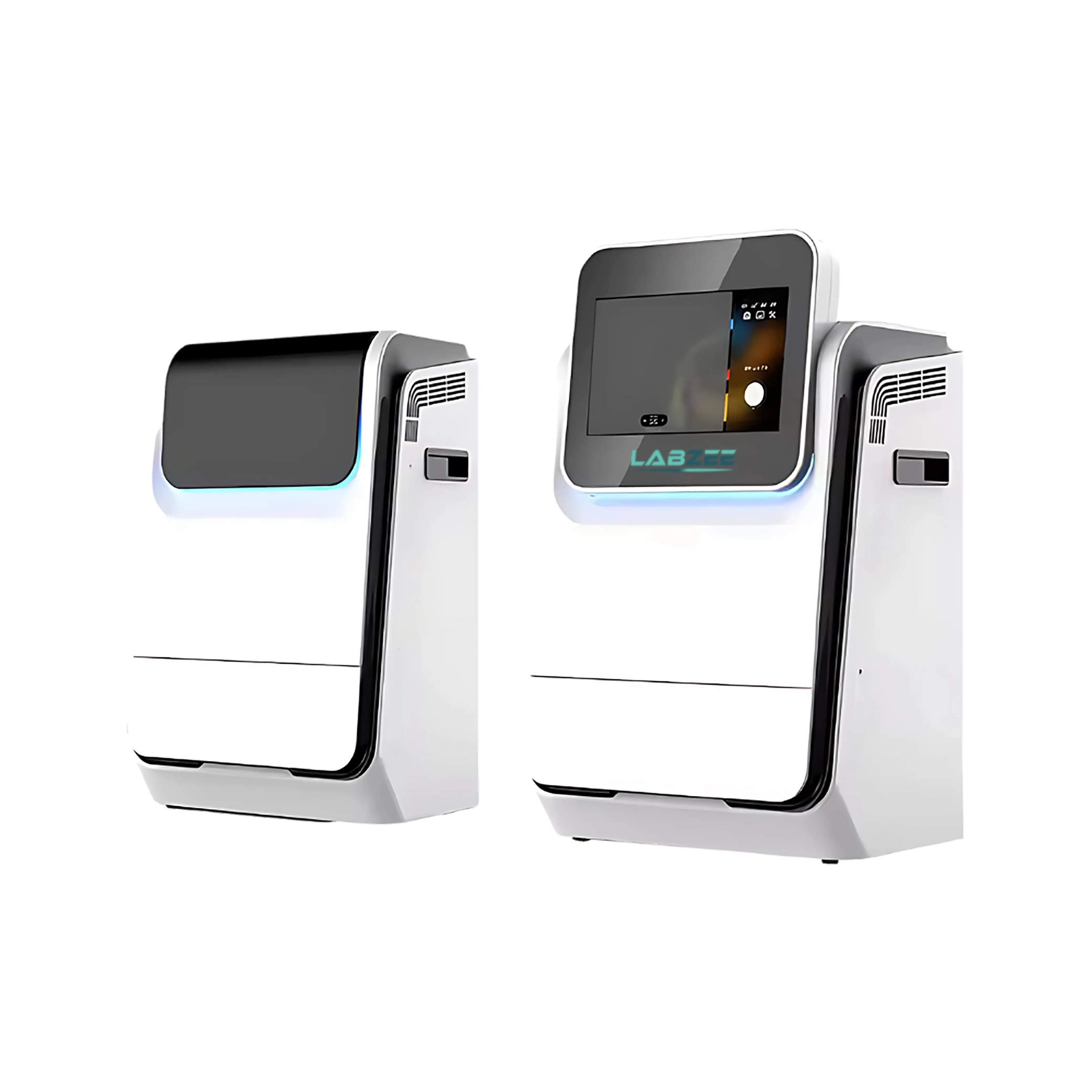
Labzee Multifunctional Imagers offer versatile imaging solutions for a wide range of laboratory applications. They support multiple detection modes including fluorescence, chemiluminescence, and UV imaging. These are equipped with high-resolution cameras and advanced optics, they deliver precise and reproducible results. They feature user-friendly software and customizable settings for efficient workflows. Our Multifunctional Imagers are ideal for applications in molecular biology, protein analysis, and gel documentation across research and clinical labs.
$ 15640
$ 18629
Labzee Chemiluminescence Imagers offer advanced imaging solutions for chemiluminescence-based applications in laboratory settings. They support multiple detection modes, including chemiluminescence, fluorescence, and UV imaging. These are equipped with high-resolution cameras and sophisticated optics for precise, clear and reproducible results. Featuring user-friendly software with customizable settings, they streamline workflows and enhance efficiency. Our Chemiluminescence Imagers are perfect for applications in molecular biology, protein analysis, and gel documentation across research and clinical labs.

$ 10605

$ 14030
