Labzee Gel Doc Systems offers versatile imaging solutions for nucleic acid and protein analysis. They commonly support multiple illumination sources like UV and visible light to visualize various staining methods. These systems feature integrated cameras with optimized optics to capture clear and quantifiable images of gels. They provide user-friendly software package tools for image acquisition, analysis and documentation. Our Gel Doc Systems are perfect for molecular biology and biochemistry labs for the process of visualizing and analyzing electrophoresed samples.
Camera Resolution
Dynamic Range
Quantum Efficiency
Pixel Density
Sensitivity
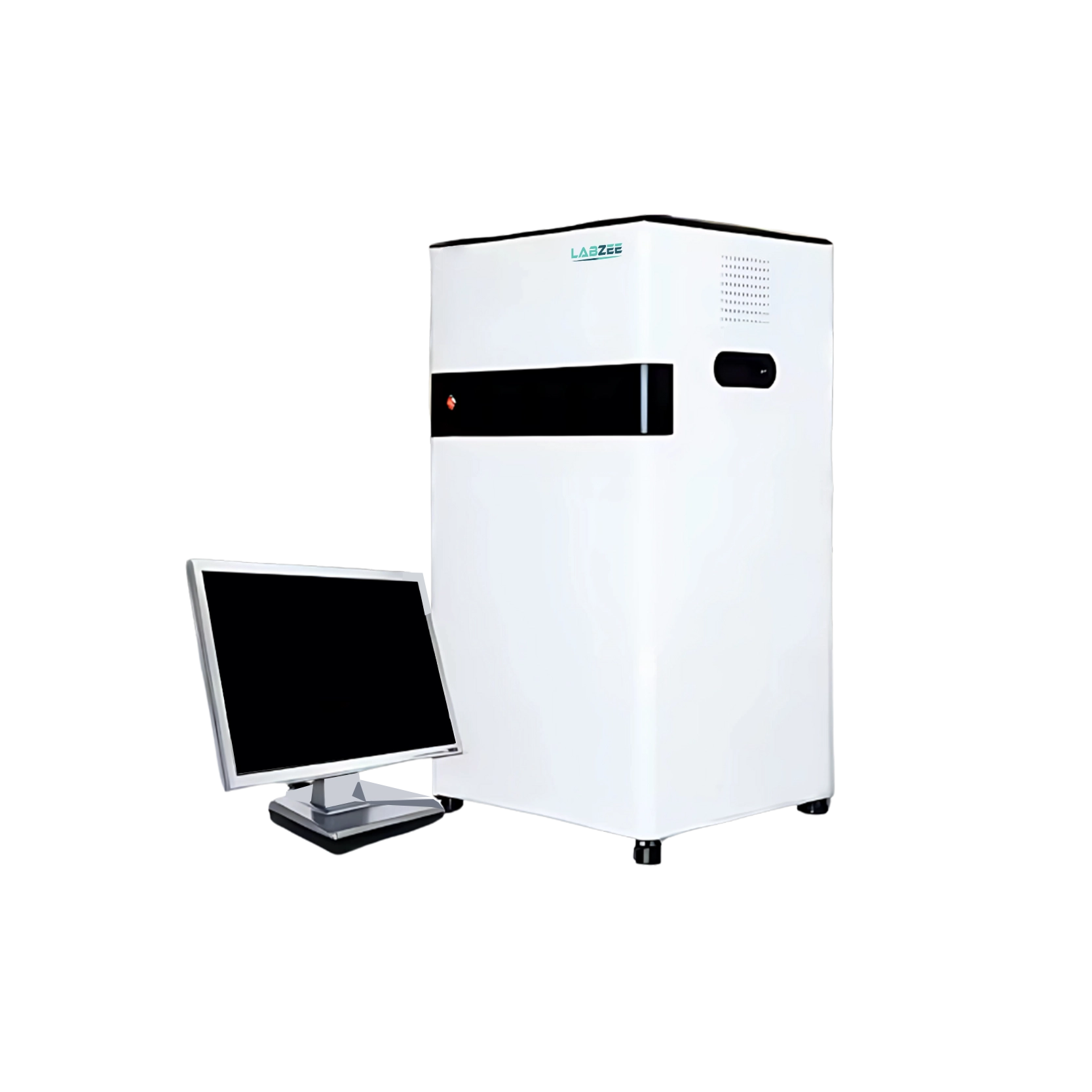
Camera Resolution: 5 megapixels, 2592 × 1944
Dynamic Range: 4.8 OD
Pixel Density: 16 bits (65536 Grey scale)
Motorized Lens: F1.2 motorized lens
$ 5734
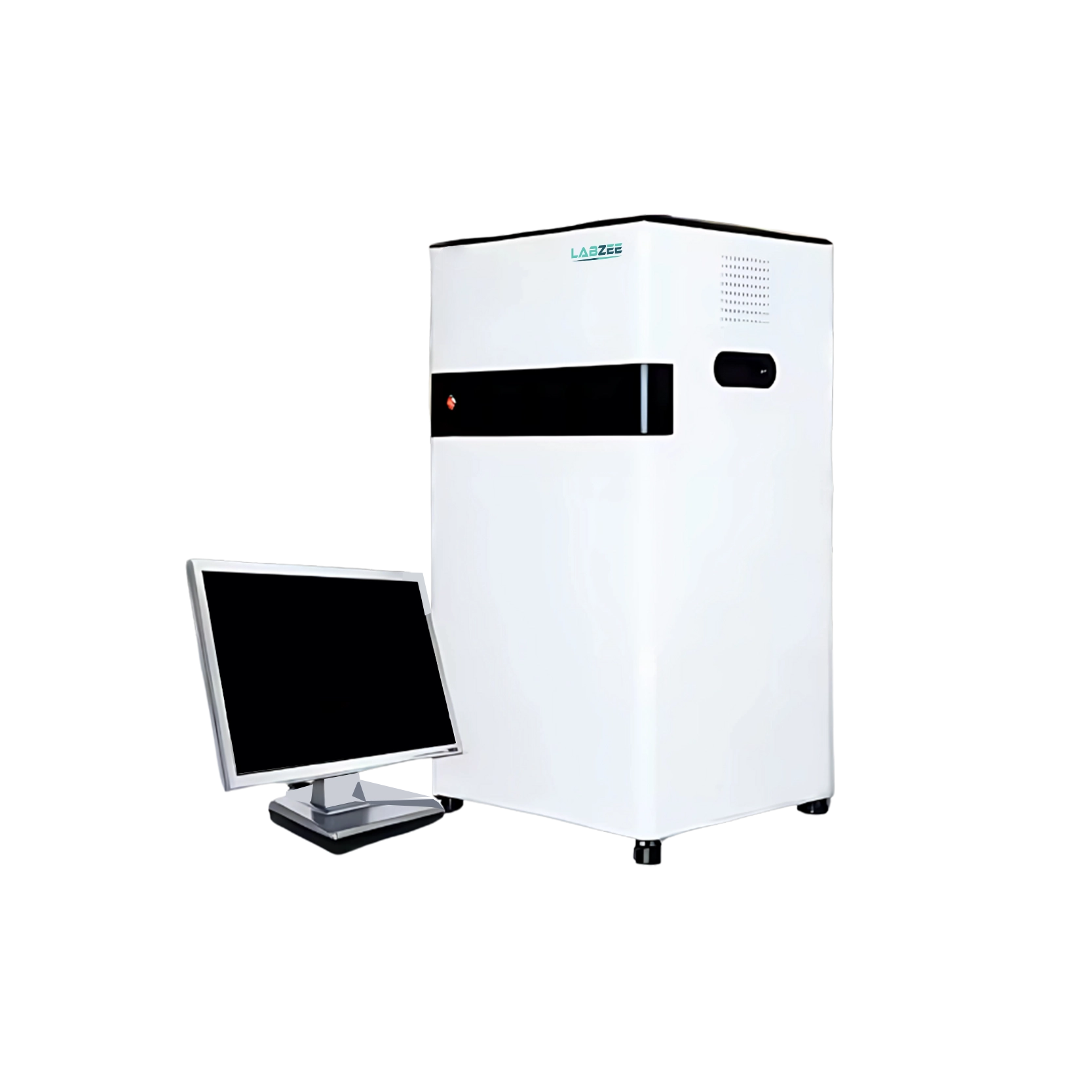
Camera Resolution: 20 megapixels, 4800 × 4440
Dynamic Range: 4.8 OD
Pixel Density: 16 bits (65536 Grey scale)
Motorized Lens: F1.2 motorized lens
$ 5722

Camera Resolution: 6.3 megapixels, 3072 × 2048
Pixel Density: 16 bits (65536 Grey scale)
Quantum Efficiency: 97%
Sensitivity: Lower than 5pg EB stained DNA
$ 5175
Frequently Asked Questions
1: What types of gels can I image?
You can image agarose gels (e.g., DNA stained with Ethidium Bromide or SYBR Safe), polyacrylamide gels, and protein gels stained with Coomassie Blue or silver stain.
2: Does the system require a darkroom?
No. Gel Doc systems are self-contained with light-tight enclosures, so no separate darkroom is required.
3: What light sources are used for illumination?
Most Gel Docs include UV transilluminators. Some also feature white light or blue light (for non-toxic dyes) as additional options.
