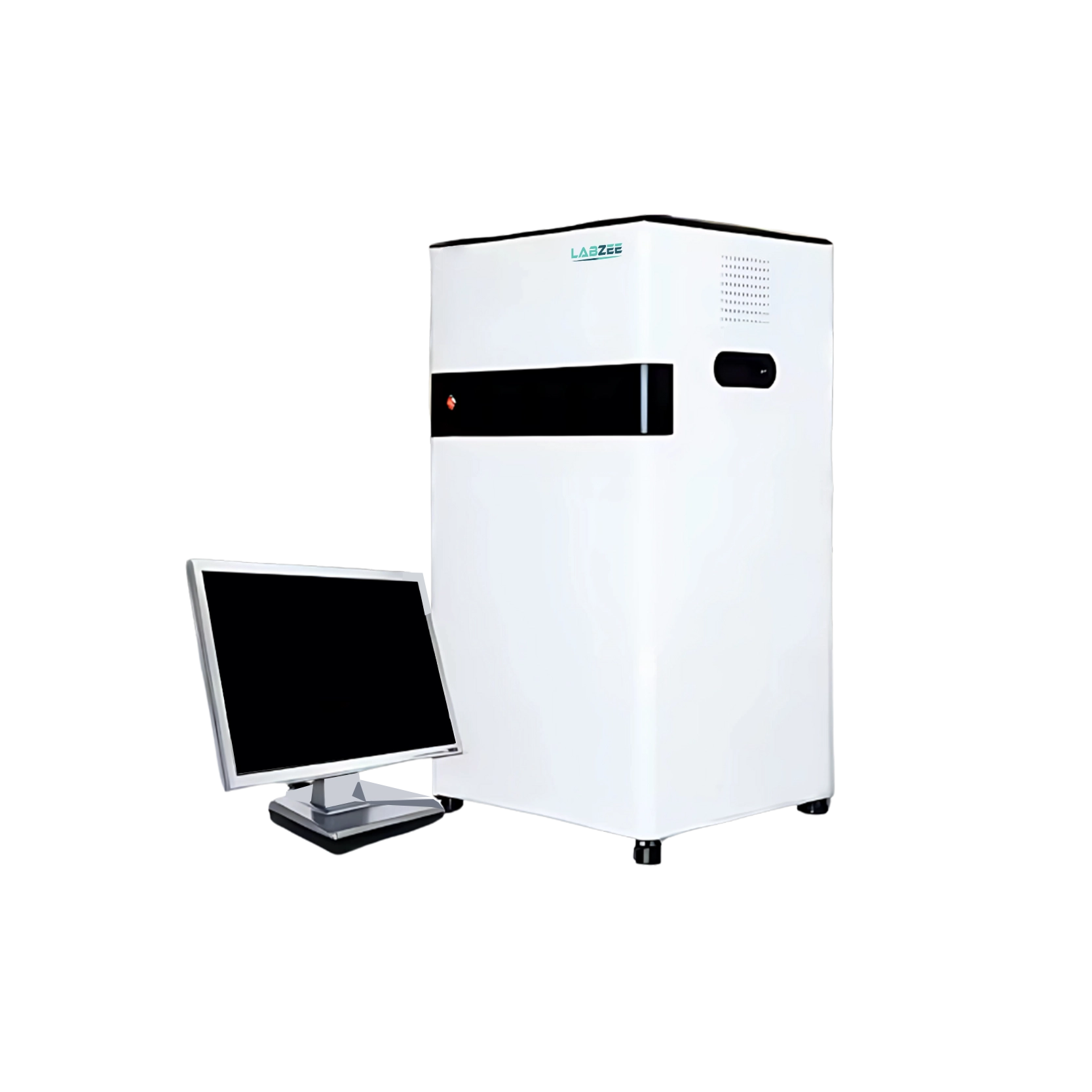
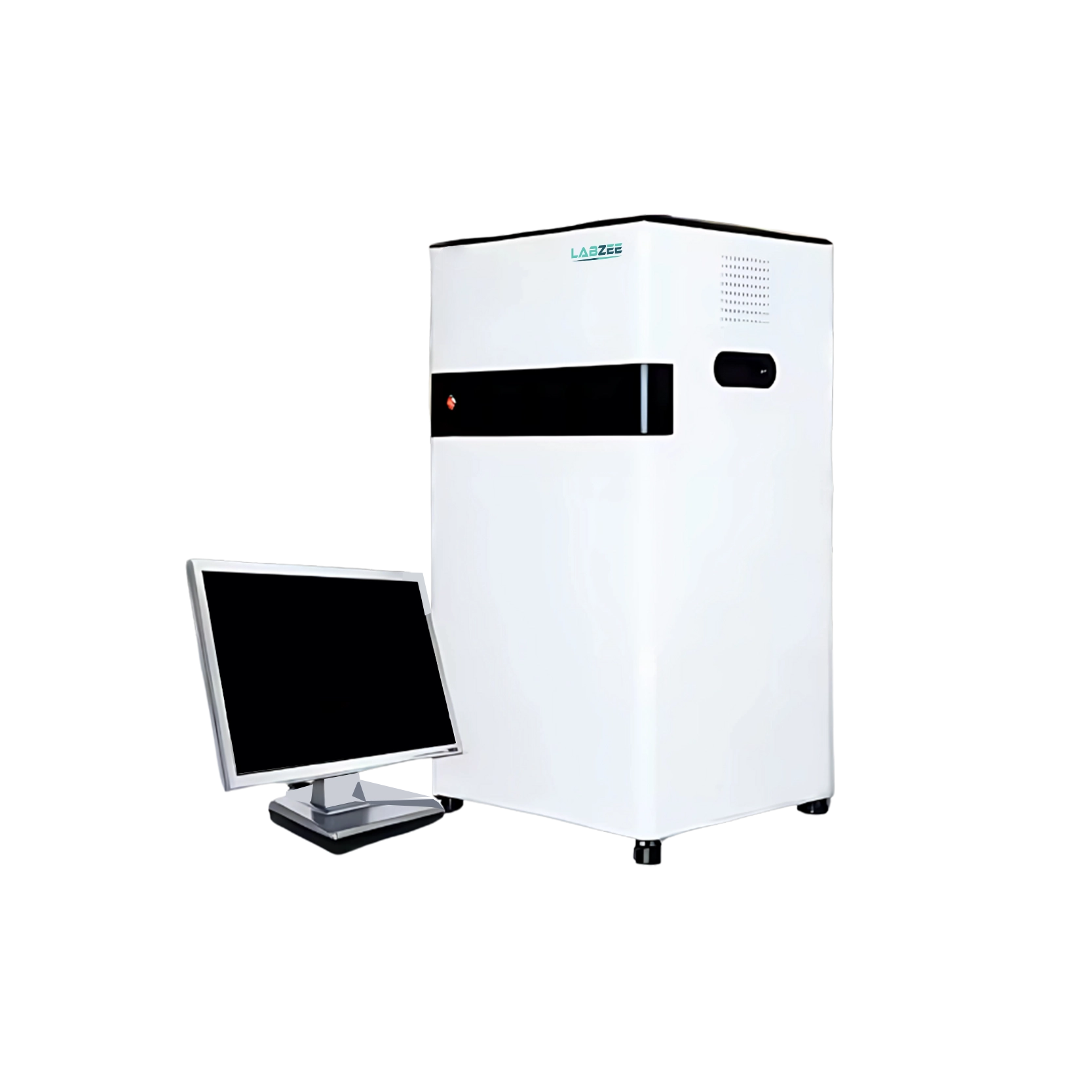
$ 5734
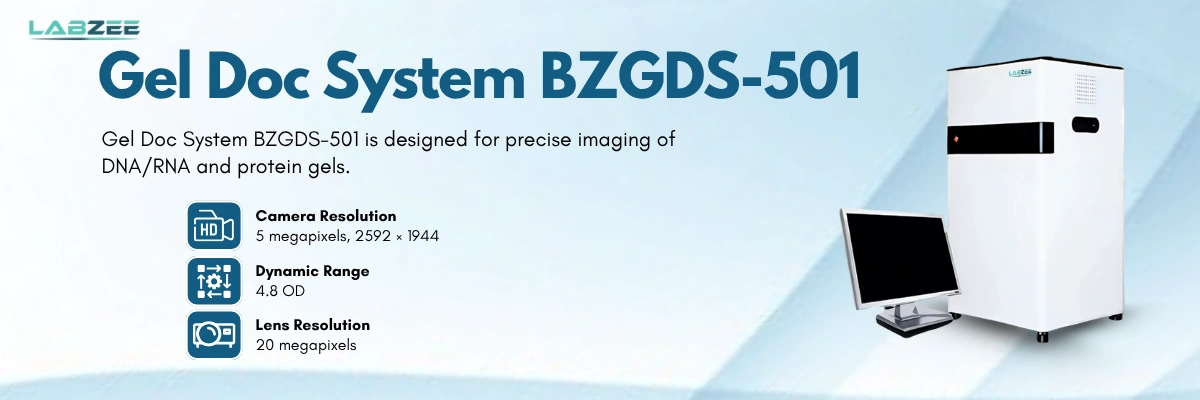
| Camera Resolution | 5 megapixels, 2592 × 1944 |
| Dynamic Range | 4.8 OD |
| Pixel Density | 16 bits (65536 Grey scale) |
| Motorized Lens | F1.2 motorized lens |
| Lens Resolution | 20 megapixels |
| Lens Control | Numeric Focus controlled via Software |
| UV Light Source | 302nm as standard, Image Area: 21 x 26cm,(Optional 254nm, 365nm) |
| White LED Light Source | Real white LED transmission, Image Area:19 x 26cm |
| Optional Blue LED Light Source | Optional Blue LED transmission, Image Area:19 x 26cm |
| Filter System | Standard filter for gel doc application |
| Dimension | 430 × 360 × 700 mm |
| Packaging Dimension | 500 × 550 × 880 mm |
| Net Weight | 21 Kg |
| Gross Weight | 26 Kg |
• Blue LED transmission
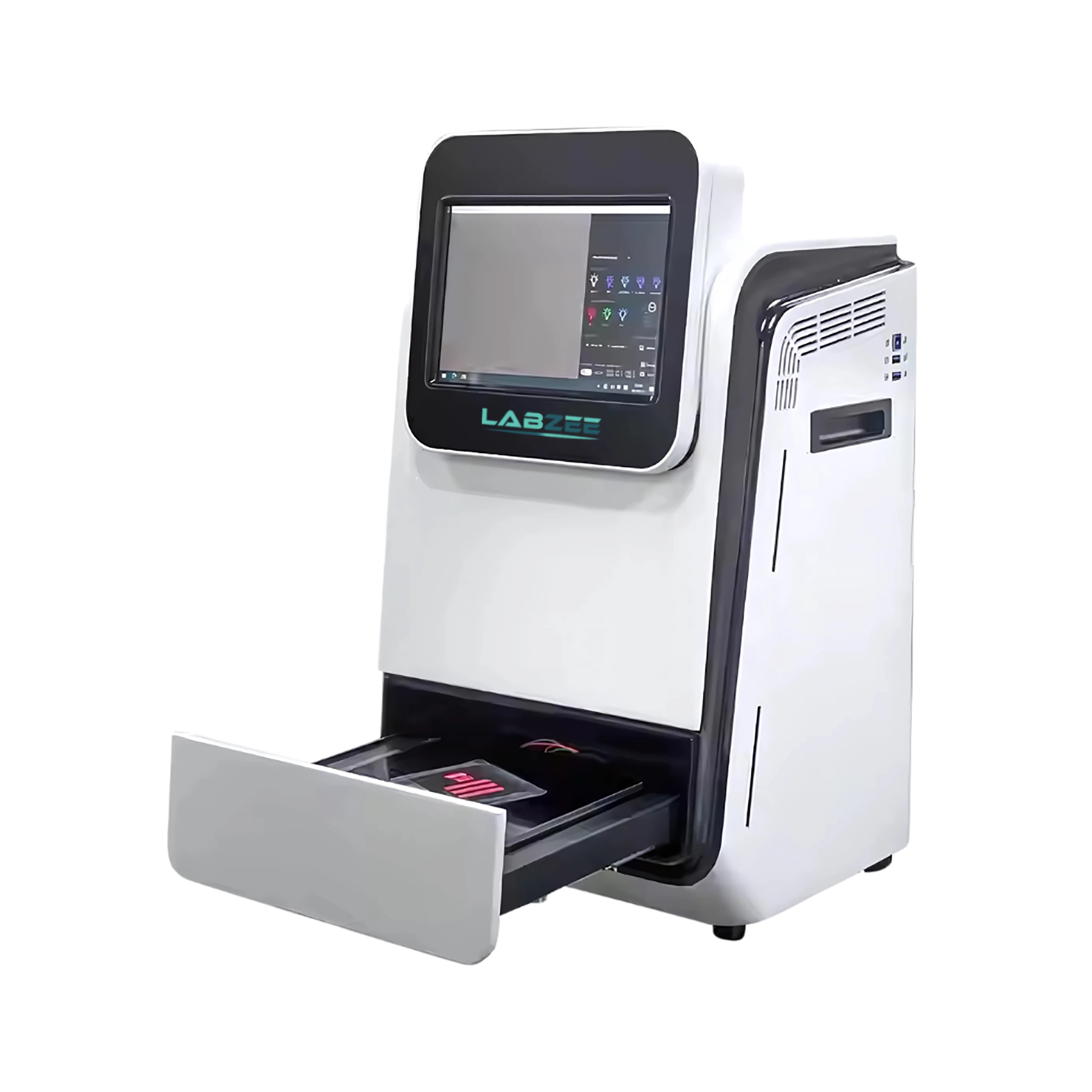
The Gel Doc System BZGDS-501 is ideal for imaging DNA/RNA and protein gels with high clarity and precision. The built-in UV tube transilluminator and specialized filter enhance fluorescence signals, making it highly effective for a wide range of gel documentation applications.
Frequently Asked Questions
1: Can I capture both DNA and protein gels with the BZGDS-501?
Yes, the BZGDS-501 is optimized for imaging DNA, RNA, and protein gels using its versatile illumination system (UV, real white, and optional blue LED lighting).
2: Is the BZGDS-501 compatible with safe dyes like SYBR Safe or GelGreen?
Yes. With optional blue LED lighting, BZGDS-501 is perfectly suited for non-toxic, UV-free imaging of safe stains, protecting both users and samples.
3: Is the BZGDS-501 user-friendly for beginners or teaching labs?
Definitely. BZGDS-501 is designed with intuitive software, auto-focus, and numeric control, ideal for both advanced research and educational purposes.
4: Does BZGDS-501 require darkroom conditions to work properly?
No darkroom is needed. The enclosed imaging cabinet and controlled lighting ensure consistent results in any lab lighting condition.
5: What materials are compatible with this BZGDS-501 gel doc?
The BZGDS-501 is compatible with agarose, polyacrylamide, SDS-PAGE, and even nitrocellulose or PVDF membranes used in blot documentation (with appropriate lighting and filters).
6: What types of gels can I image?
You can image agarose gels (e.g., DNA stained with Ethidium Bromide or SYBR Safe), polyacrylamide gels, and protein gels stained with Coomassie Blue or silver stain.
7: Does the system require a darkroom?
No. Gel Doc systems are self-contained with light-tight enclosures, so no separate darkroom is required.
8: What light sources are used for illumination?
Most Gel Docs include UV transilluminators. Some also feature white light or blue light (for non-toxic dyes) as additional options.
Labzee Gel Doc Systems offers versatile imaging solutions for nucleic acid and protein analysis. They commonly support multiple illumination sources like UV and visible light to visualize various staining methods. These systems feature integrated cameras with optimized optics to capture clear and quantifiable images of gels. They provide user-friendly software package tools for image acquisition, analysis and documentation. Our Gel Doc Systems are perfect for molecular biology and biochemistry labs for the process of visualizing and analyzing electrophoresed samples.

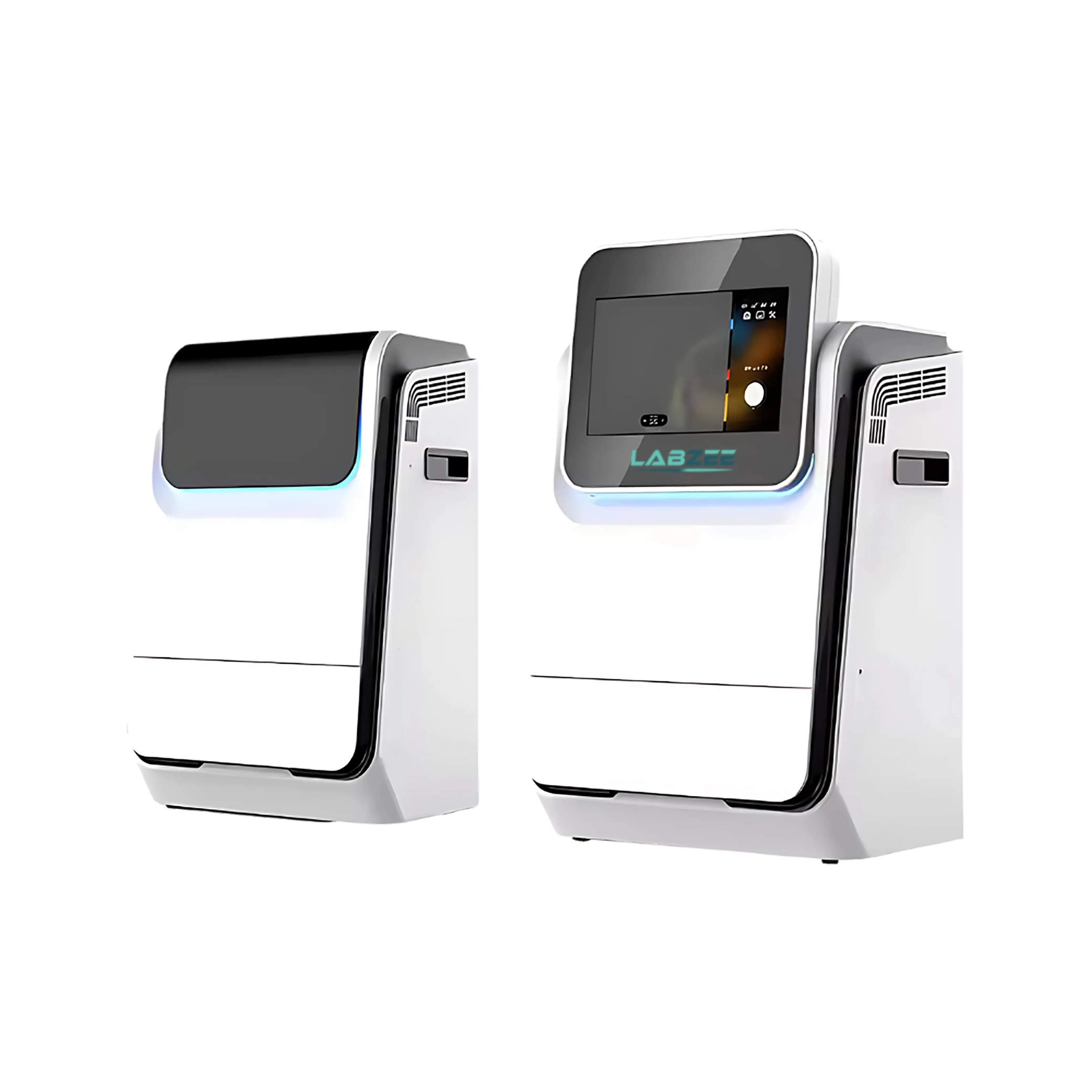
Labzee Multifunctional Imagers offer versatile imaging solutions for a wide range of laboratory applications. They support multiple detection modes including fluorescence, chemiluminescence, and UV imaging. These are equipped with high-resolution cameras and advanced optics, they deliver precise and reproducible results. They feature user-friendly software and customizable settings for efficient workflows. Our Multifunctional Imagers are ideal for applications in molecular biology, protein analysis, and gel documentation across research and clinical labs.
$ 15640
$ 18629
Labzee Chemiluminescence Imagers offer advanced imaging solutions for chemiluminescence-based applications in laboratory settings. They support multiple detection modes, including chemiluminescence, fluorescence, and UV imaging. These are equipped with high-resolution cameras and sophisticated optics for precise, clear and reproducible results. Featuring user-friendly software with customizable settings, they streamline workflows and enhance efficiency. Our Chemiluminescence Imagers are perfect for applications in molecular biology, protein analysis, and gel documentation across research and clinical labs.

$ 10605

$ 14030
