


$ 1587
| Temperature Range | Room temp. +5 to 105°C |
| Temperature Setting Range | 25 to 105°C |
| Temperature Control Accuracy | 25 to 90: ± 0.3°C, 90 to 105: ± 0.6°C |
| Temperature Uniformity at 37℃ | ± 0.2°C |
| Operating Temperature | +10 to 40°C |
| Operating Humidity | < 80% |
| Time Setting Range | 0 to 99h 59min |
| External Sensor | Yes |
| Display | LED |
| Power | 200 W |
| Dimension | 290 × 210 × 120 mm |
| Weight | 3.2 Kg |
External Temperature Sensor
Overheating Protection
Sound Reminder Function
High Stability and Uniformity
Interchangeable Block Options
The Dry Bath BZDB-603 is used for precise sample incubation, reagent preparation, and enzyme reactions. Ideal for molecular biology, clinical, pharmaceutical, and food testing labs. Its accurate temperature control and safety features ensure reliable, contamination-free operation.
Frequently Asked Questions
1: How does the external PT1000 sensor improve temperature accuracy in the BZDB-603?
The PT1000 sensor in the BZDB-603 provides real-time feedback, allowing for more precise and stable temperature monitoring directly at the sample level.
2: Is the Dry Bath BZDB-603 easy to operate for new users?
Yes, the BZDB-603 features a simple knob adjustment and a clear LED display, making it user-friendly even for beginners.
3: Is the lid removable on the Dry Bath BZDB-603, and what is its purpose?
Yes, the lidded block on the BZDB-603 helps preserve heat and prevents sample contamination, and it can be removed when not needed.
4: Does the BZDB-603 support continuous operation for long experiments?
Yes, the Dry Bath BZDB-603 is designed for stable, continuous operation without compromising temperature accuracy.
5: How does the sound reminder function work on the BZDB-603?
The BZDB-603 emits an audible alert once the target temperature is reached or if an error occurs, helping users stay informed without constant monitoring.
6: What are the common applications of dry baths in laboratories?
Dry baths are widely used for enzyme reactions, nucleic acid denaturation, sample thawing, incubation, and other temperature-sensitive protocols in research, clinical, and industrial labs.
7: Can dry baths accommodate different tube sizes?
Yes, most dry baths support interchangeable blocks to fit various tube sizes such as 0.2 mL, 0.5 mL, 1.5 mL, 2 mL, 15 mL, and 50 mL tubes, depending on the model.
8: How do dry baths differ from water baths?
Dry baths use metal blocks and don’t require water, eliminating contamination risks and maintenance issues common with water-based systems.


Labzee Dry Baths offer rapid and reliable heating for a wide range of laboratory sample applications. They feature precision-engineered thermal blocks for uniform heat distribution and accurate control. These devices include digital displays and adjustable settings for quick temperature adjustments. Their versatile block options support different tube sizes, ensuring flexible and efficient workflows. Our Dry Baths are ideal for enzyme reactions, sample thawing, nucleic acid denaturation, and routine lab protocols.
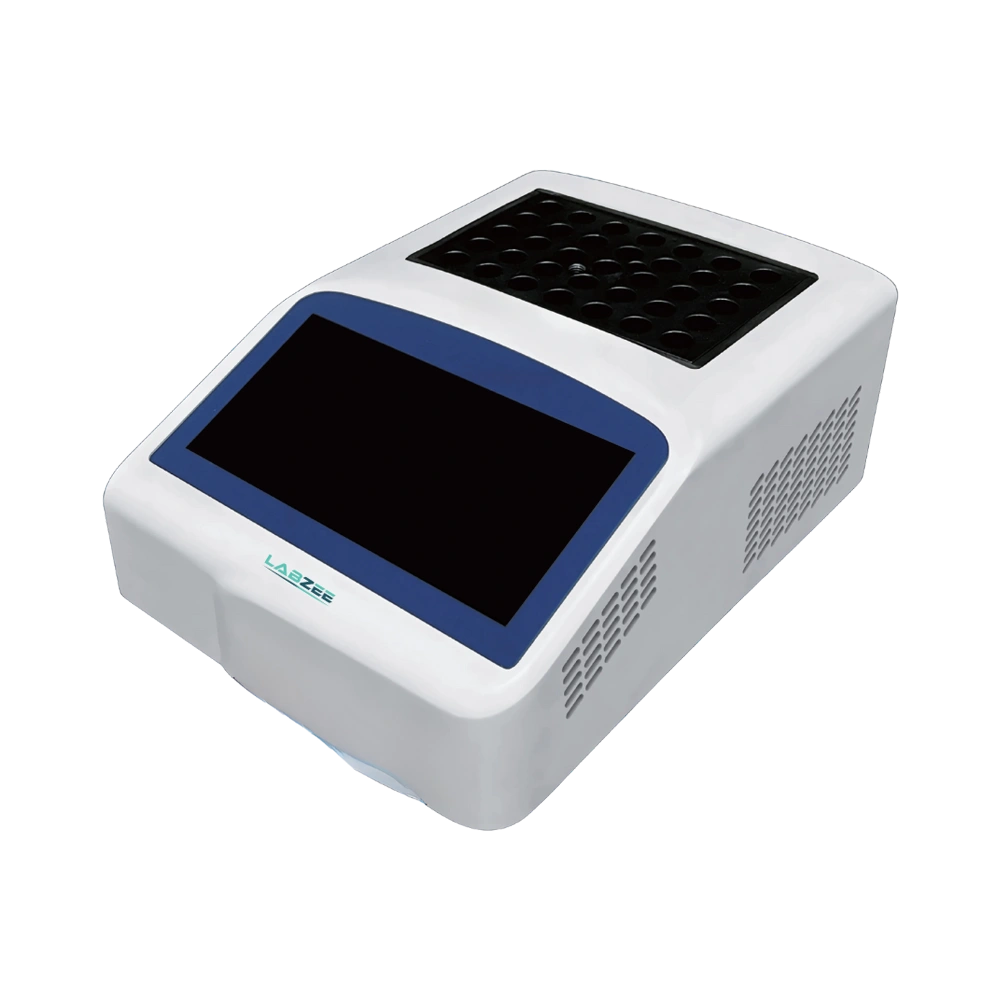


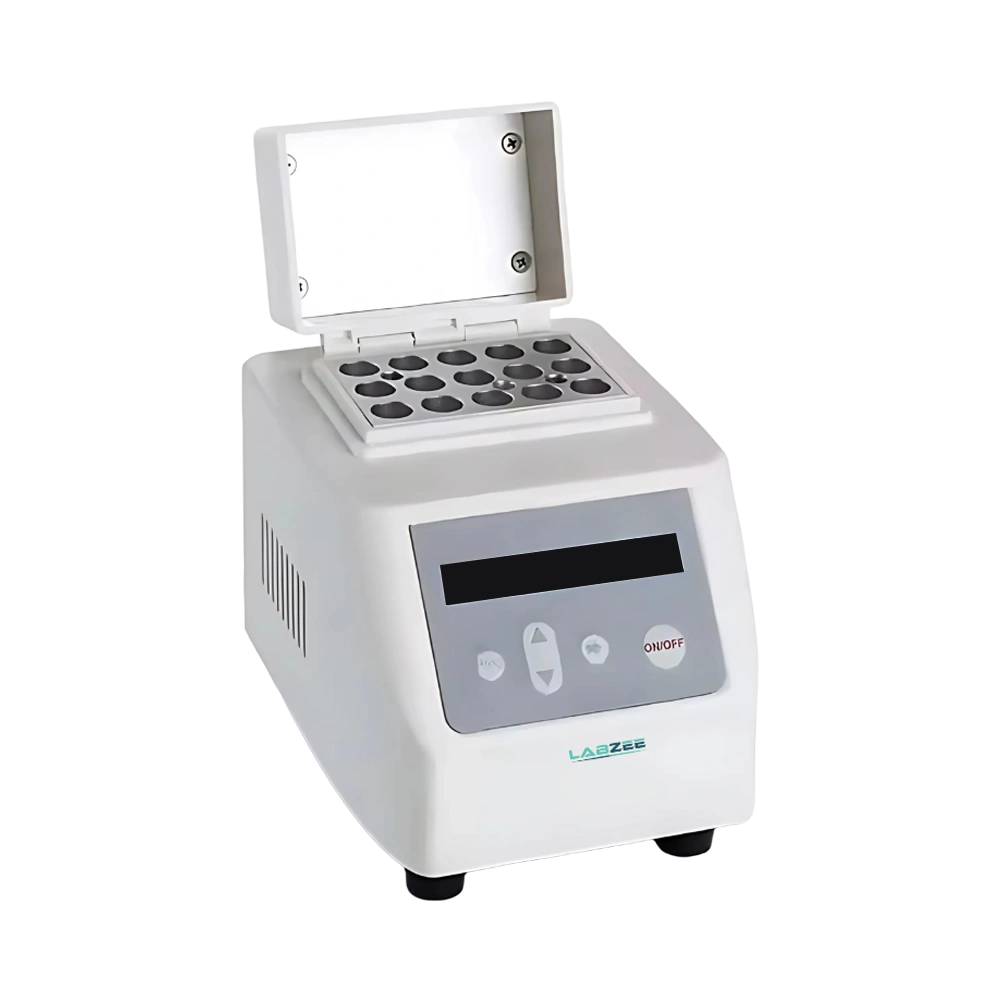
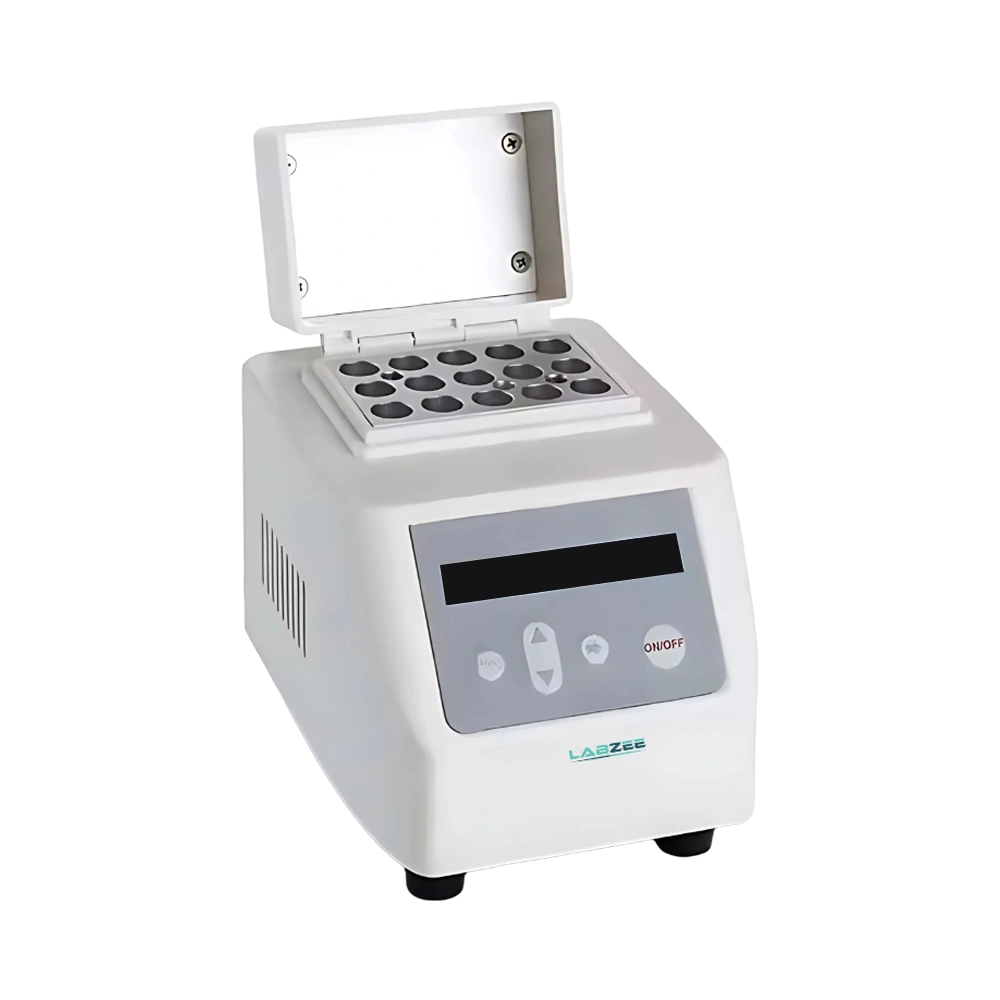
Labzee Mini Dry Baths deliver reliable and efficient heating in a compact design for limited bench spaces. They feature precision thermal blocks that ensure even heat distribution across all samples. Their user-friendly digital interface allows easy temperature setting and real-time monitoring. These are compatible with multiple block types and support various tube sizes for versatile use. Our Mini Dry Baths are perfect for quick sample incubation, enzyme reactions, and routine lab tasks.
$ 1449
$ 1370
Labzee Constant Temperature Metal Baths offer precise, stable temperature control using high-conductivity metal blocks for dry, contamination-free heating and cooling. Our constant temperature equipment provides temperature ranges from 15°C or 25°C below room temperature up to 100°C, with a timer from 1 min to 99 h 59 min, speed adjustment from 300 to 2000 RPM for mixing during incubation, and program editing and storage. These benchtop units combine heating, cooling, and mixing with an LCD display for consistent thermal and agitation control in temperature-sensitive protocols.
$ 3192

$ 4509
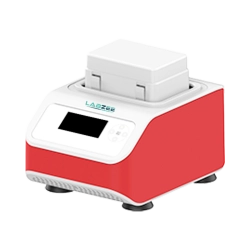
Labzee shock metal bath is an advanced lab tool for quickly changing metal temperatures during testing and processing. It has digital controls that are easy to use, allowing for quick temperature adjustments. Constructed from durable materials, it can handle heavy use and extreme temperatures. Safety features like over-temperature and low-liquid level protection, ensure secure operation. The simple interface makes it easy to monitor, making our shock metal bath a reliable choice for labs and industrial environments that need consistent temperature changes.
$ 3238
Labzee Constant Temperature Water and Oil Baths are designed for precise temperature-controlled heating to maintain samples and reagents at a stable temperature for incubation and testing. Our laboratory water and oil bath models are available in multiple capacities with temperature ranges from room temperature up to 300°C. Each unit features a durable stainless-steel tank, a high-brightness LCD display, PID microprocessor control, and an external sensor for stable regulation. Safety includes over-temperature alarms, low liquid level protection, and automatic shut-off, with internal or external circulation ensuring uniform heat distribution – saving time and ensuring consistent results for water or oil applications.

$ 2205

$ 2353
Labzee Cryogenic Baths are designed for ultra -low temperature, which provides precise and stable cooling for sensitive samples. These Cryogenic Baths are made from corrosion-resistant stainless steel. Our Cryogenic Baths uses advanced cooling systems and cryogenic liquids such as liquid nitrogen or specialized refrigerants, these baths are essential for applications requiring temperatures far below freezing. These Cryogenic Baths are essential for applications requiring temperatures far below freezing. Our baths are used for preserving biological specimens, such as cells, tissues and genetic materials.

$ 2974

$ 3353
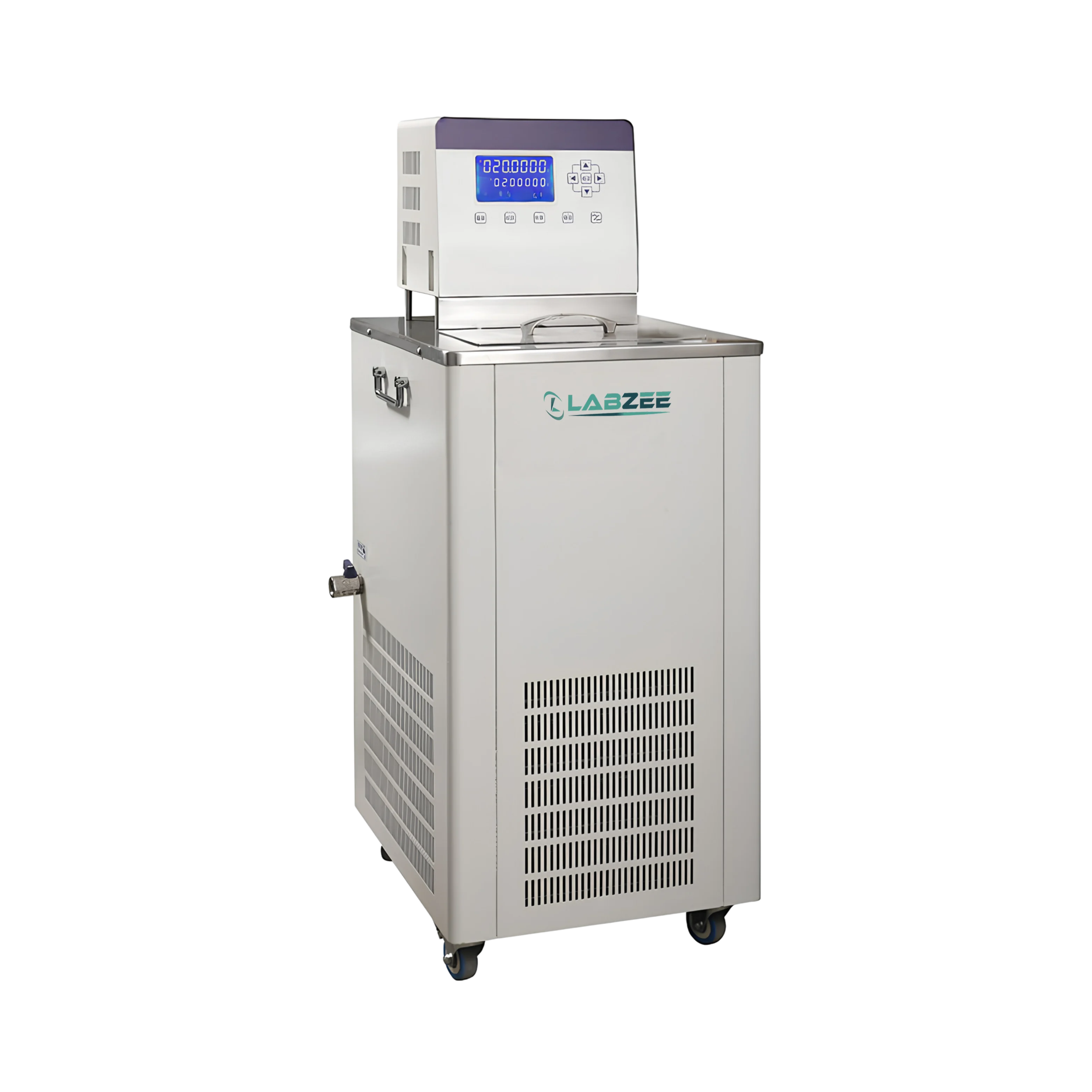
Labzee High-Temperature Circulator Baths provide precise PID temperature control for stable heating and uniform thermal performance. Our lab circulator baths are designed for accurate thermal regulation from RT to 300°C with ±0.05°C stability and strong circulation pumps for uniform heat distribution. Available in 5 L, 10 L, 15 L, 20 L, 30 L, and 50 L capacities, these units feature LCD controls, stainless steel build for durability and corrosion resistance, adjustable heating rates, internal and external circulation options, and safety protections. ISO-CE certified, Labzee circulator baths are built for temperature control, reduced downtime, and safe operation – helping to achieve consistent results in every run.
$ 5337

$ 3503
Our ultra-high-precision temperature thermostatic bath is designed for precise temperature control in scientific and industrial applications. It uses advanced technology to maintain accuracy and stability, making it ideal for fields like pharmaceuticals and research. One can easily set and adjust temperatures for experiments and processes. Labzee’s ultra-high-precision temperature thermostatic bath built to be safe and durable, making it perfect for labs and industries where maintaining accurate temperature is essential for reliable results and product quality.

$ 2813

$ 3031
Labzee Recirculation Baths are high-performance temperature control systems built with durable stainless steel. They operate within a wide temperature range of -40°C to 200°C, making them suitable for various thermal regulation tasks. These baths utilize a closed-loop thermal fluid system to ensure precise and stable temperature control. Their user-friendly design includes liquid level alarms, digital controls, and self-diagnosis features for efficient operation. Our Recirculation Baths are ideal for biotech, chemical, and laboratory applications requiring accurate temperature management.

$ 4250
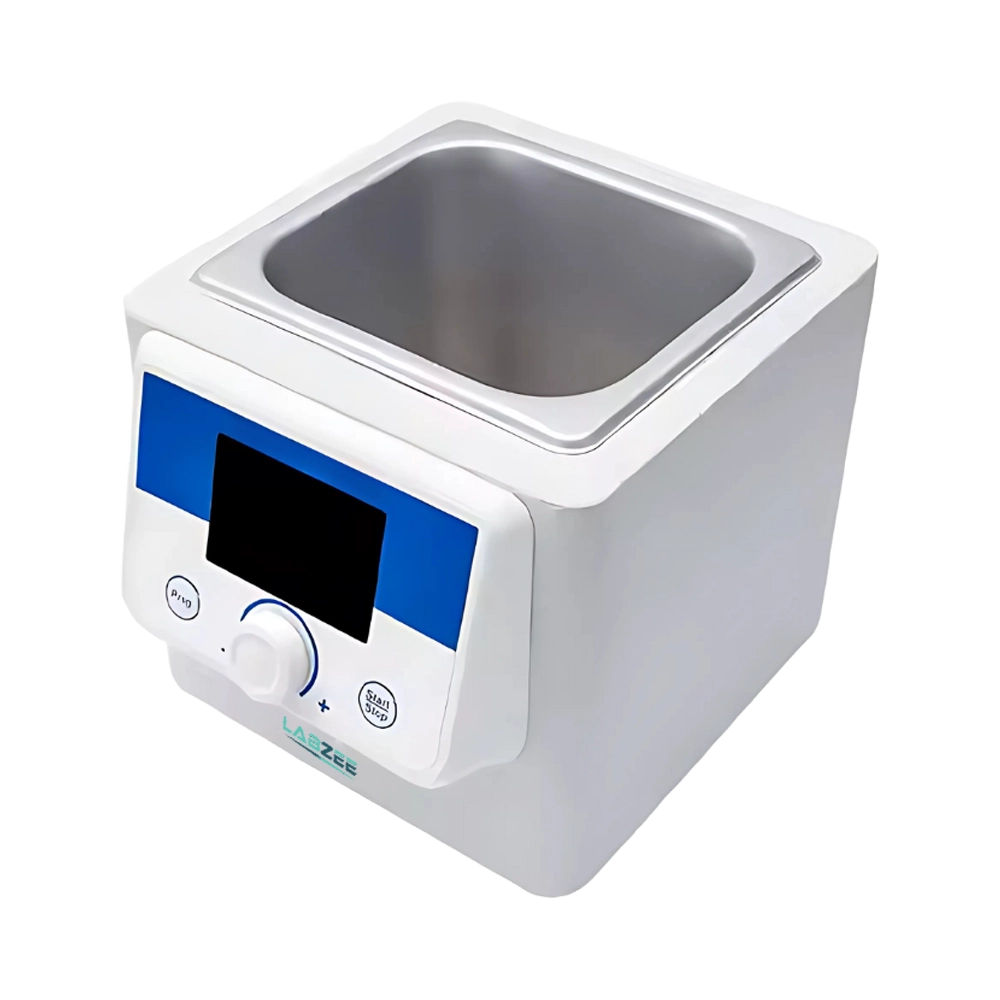
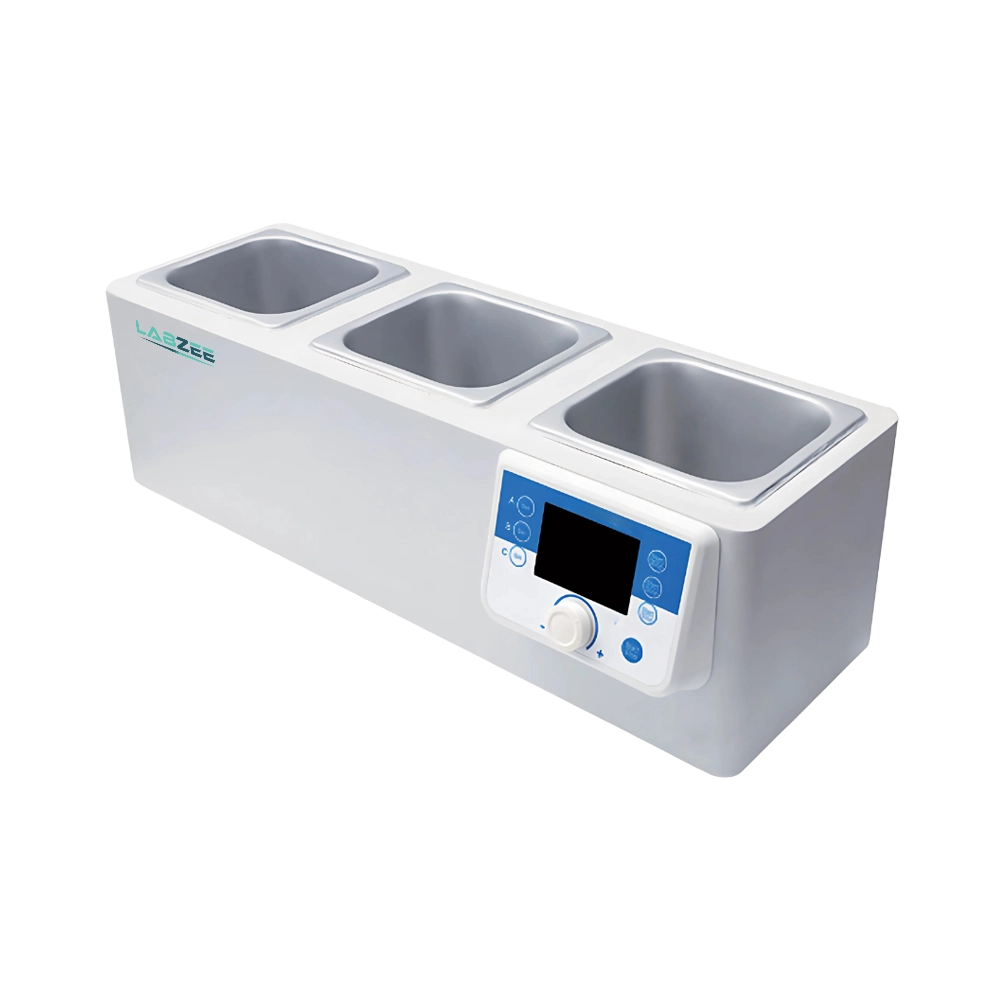
Labzee Thermostatic Water Baths deliver precise temperature control for consistent sample incubation across laboratory protocols. They feature advanced PID controllers and digital displays for real-time temperature monitoring and accuracy. Their corrosion-resistant stainless-steel interiors ensure durability, easy cleaning, and long-term reliability. They include over-temperature protection and low-water level alarms for uninterrupted operation. Our thermostatic water bath is perfect for molecular biology, clinical diagnostics, and quality control testing environments.
$ 1410
$ 1628
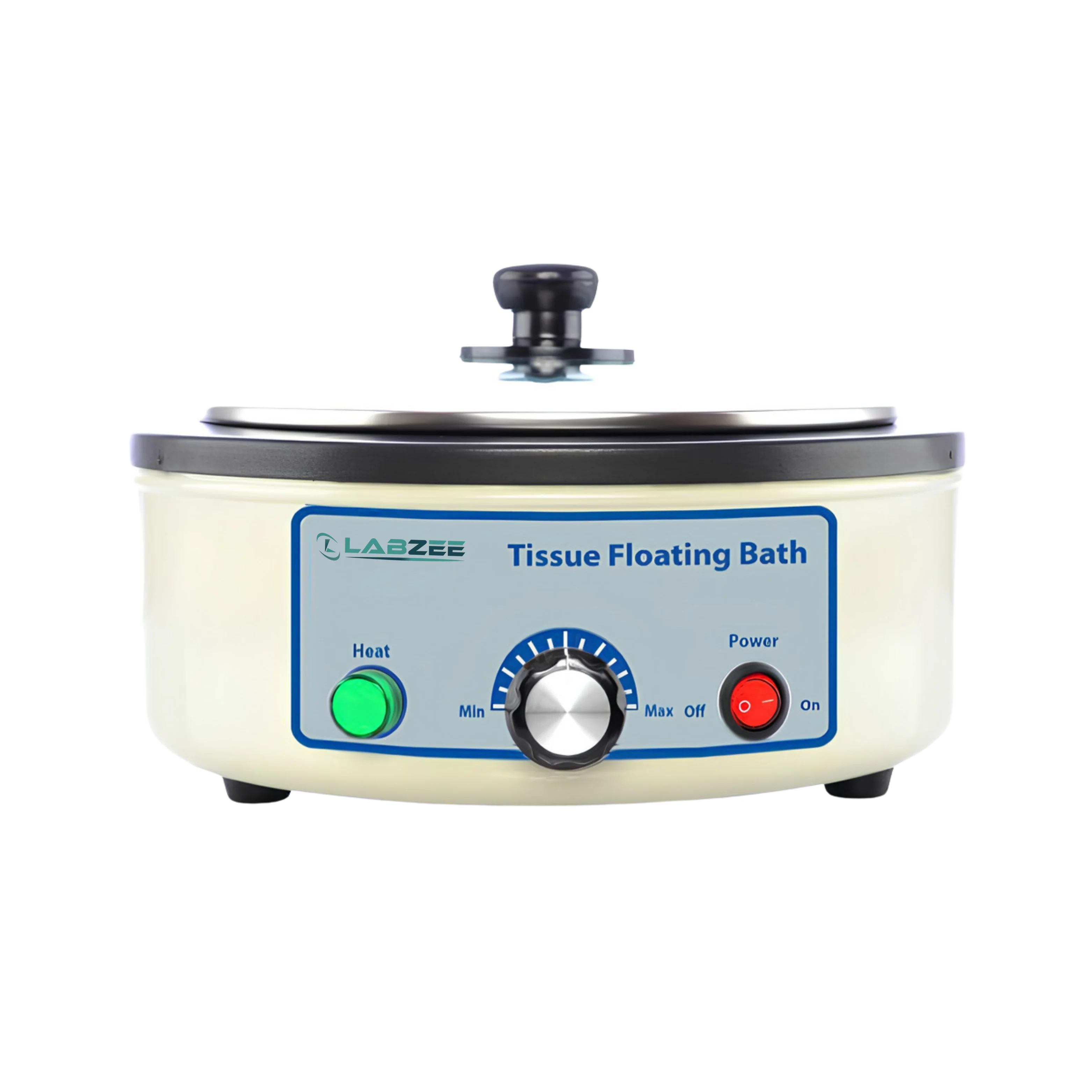
Tissue Floating Water Bath from Labzee offers warming, stretching, and flattening of paraffin tissue sections before slide mounting in histology laboratories. The benchtop histology water bath works as a tissue flotation bath, using even heat circulation, stable temperature holding, a corrosion-free basin, a black non-stick interior for reduced glare. A fiberglass insulated body prevents heat loss, with a glass lid supporting easy cleaning for histopathology, tissue embedding, research biology, medical diagnostics workflows.
$ 1479
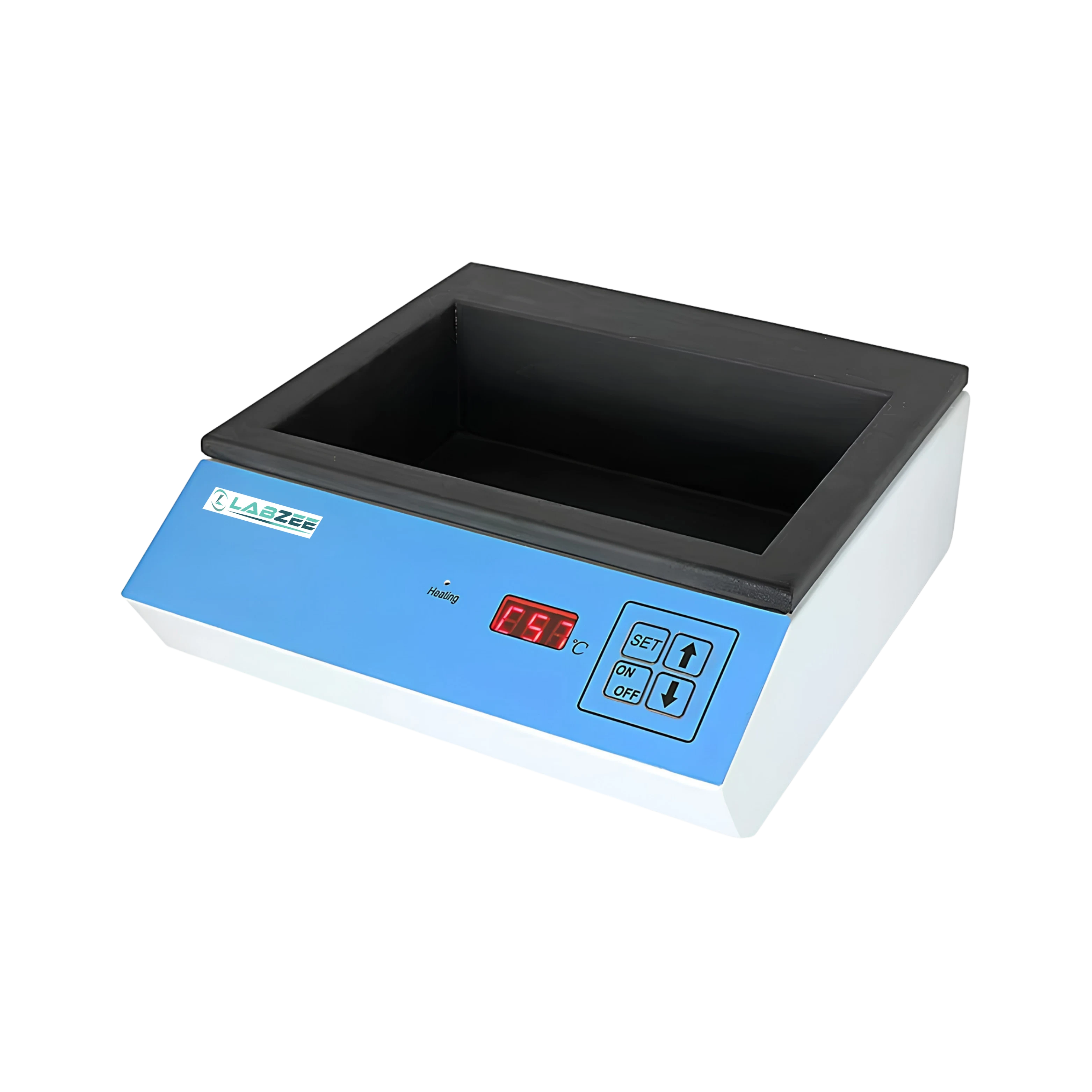
Tissue Water Bath from Labzee, a laboratory instrument used in histology to float, stretch, and flatten thin tissue sections after microtome sectioning. Our tissue water baths provide a warm water surface that allows tissue sections to relax and helps remove wrinkles or folds before slide mounting. Digital temperature regulation supports temperature adjustment, and heat distribution supports uniform warming across the water surface. Dark surfaces provide clear contrast for visibility when observing tissue sections on the water surface during tissue section preparation for routine laboratory workflows.
$ 1467
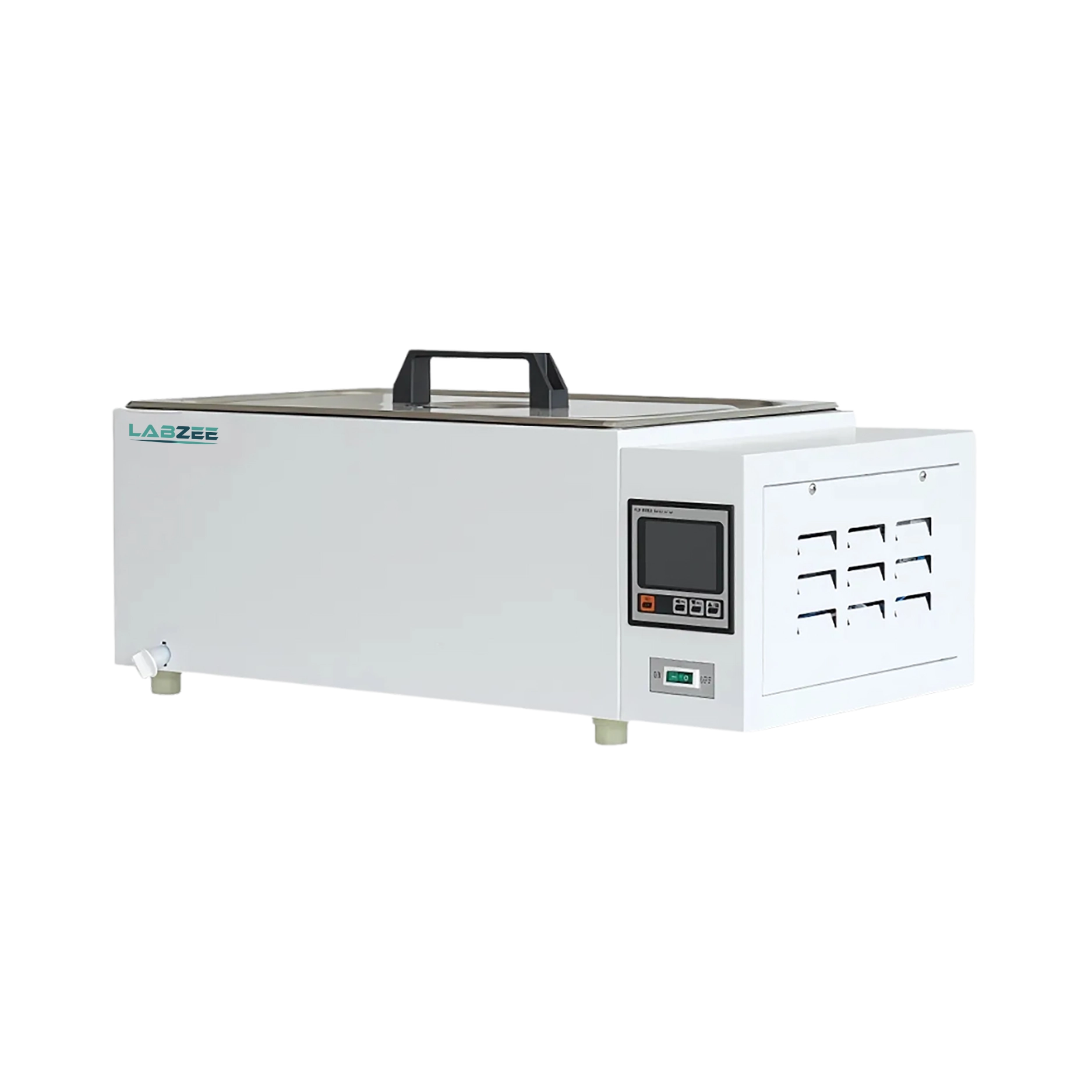
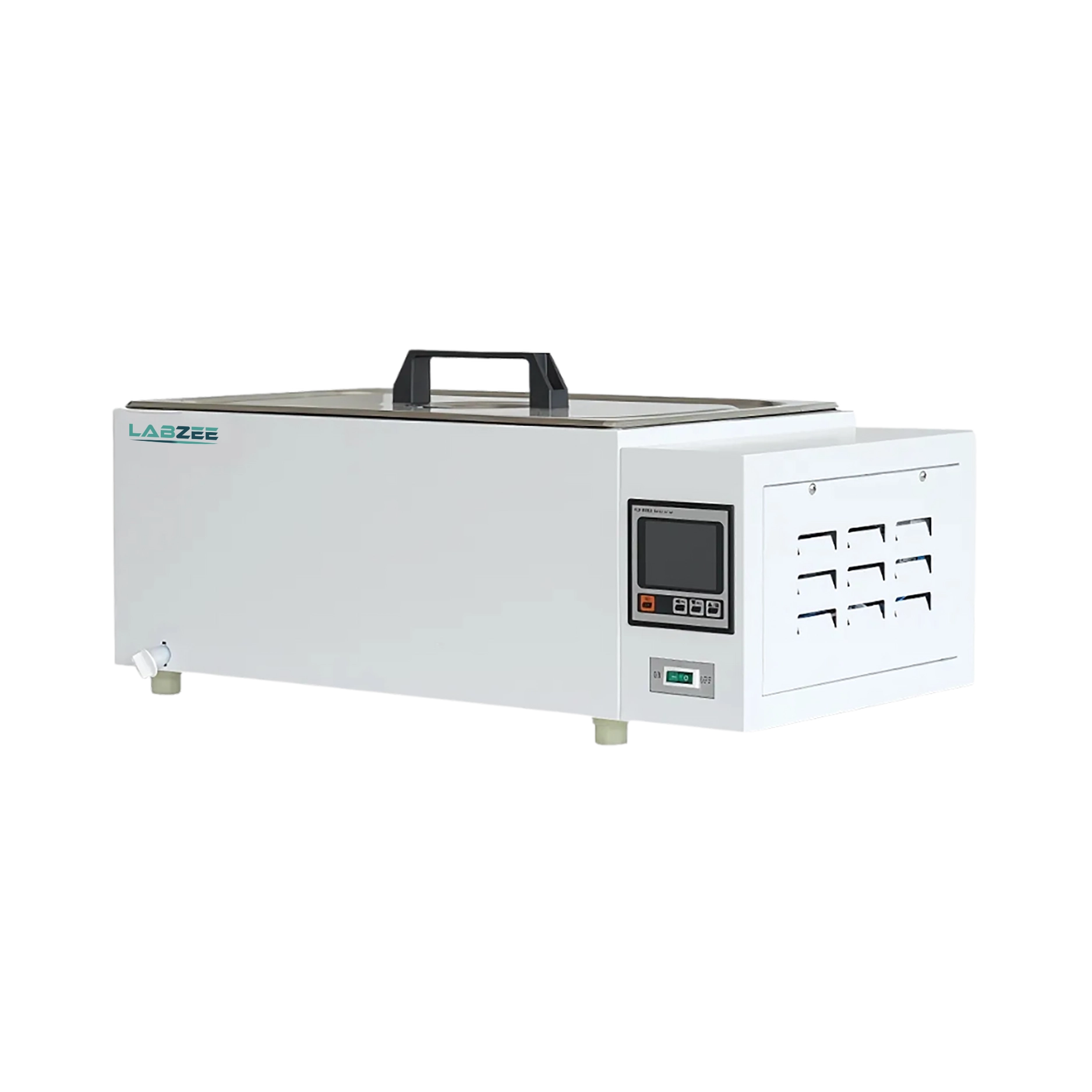
Labzee Digital Water Baths are precision-engineered to deliver accurate and consistent temperature control for a wide range of laboratory applications. They offer a stable temperature range from RT+5°C to 95°C, ensuring reliable thermal performance. These water baths are available in different sizes and capacities to support a variety of lab workflows. Their user-friendly LCD displays allow easy setting and real-time monitoring of temperature and timer functions. Our Digital Water Baths are ideal for temperature-sensitive applications in biological, pharmaceutical, and industrial laboratories.
$ 1200
$ 1364
