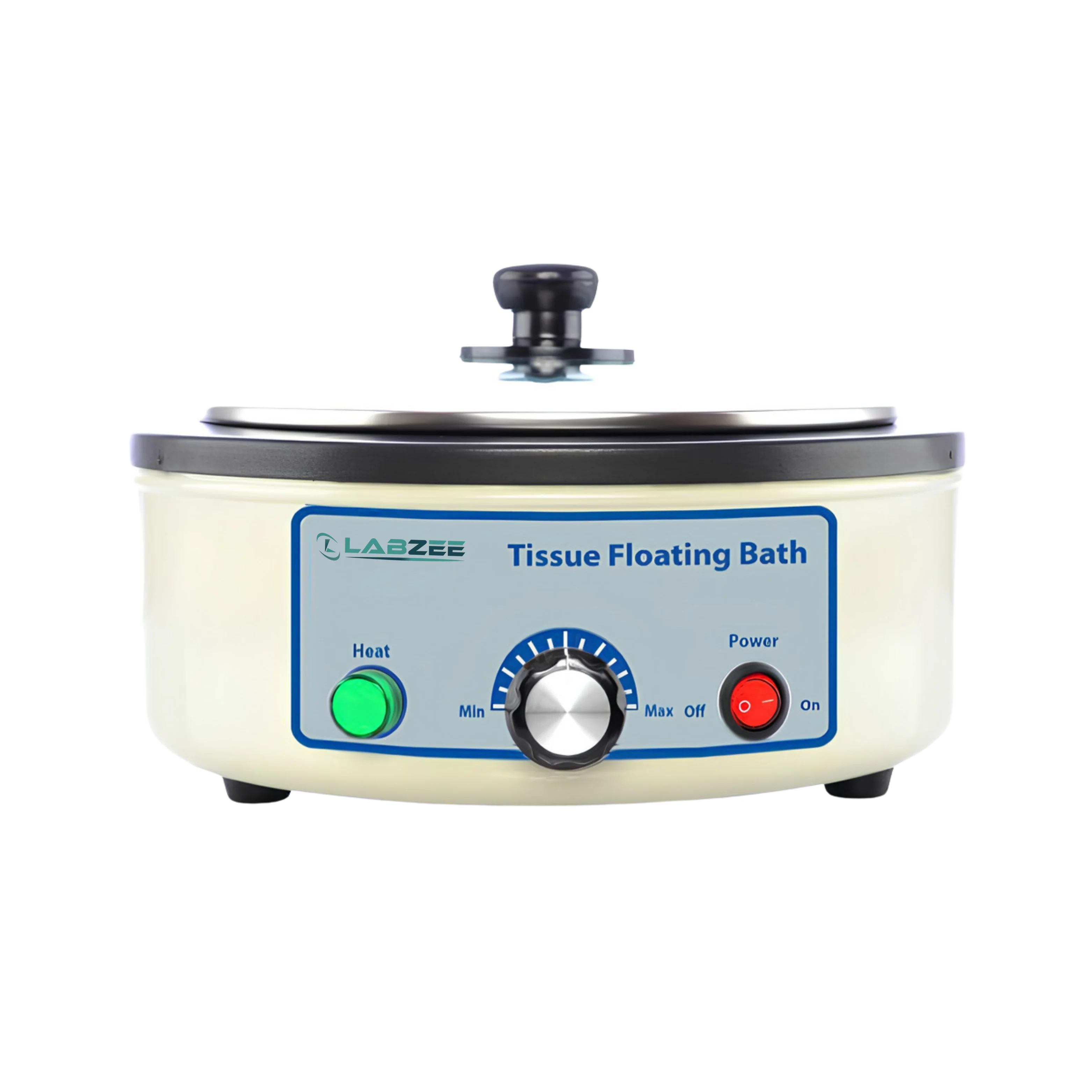
$ 1479
| Capacity | 2.5 L |
| Temperature Range | Room temperature to 75 °C |
| Power Consumption | 400 W |
| Interior Dimension | 210 × 65 mm |
| Exterior Dimension | 270 × 210 mm |
| Package Dimension | 340 × 350 × 160 mm |
| Net Weight | 3 Kg |
| Gross Weight | 4 Kg |
| Package Type | Wooden case |
• Non-Stick Interior: Reduces glare with a black non-stick coated interior for clearer visibility.
• Top Ledge: Provides space for preheating or evaporating remaining water.
• Insulated Body: Prevents heat loss through a durable fiberglass insulated body.
• Glass Lid: Supports easy cleaning with a glass lid.
• Even Heat Circulation: Circulates heat evenly through the bath.
• Corrosion-Free Basin: Withstands water contact with a corrosion-free basin.
• Stable Temperature Holding: Holds the set temperature consistently.
• Compact Bench Design: Fits a laboratory benchtop with a compact footprint.
• Simple Slide Recovery: Allows easy pickup of slides from the bath.
• Tissue Embedding: Used for flattening paraffin tissue sections before mounting them onto slides.
• Histopathology: Applied in histopathology laboratories requiring flattened sections.
• Research Biology: Designed for research biology laboratories preparing tissue samples.
• Medical Diagnostics: Supports medical diagnostics with consistent sample preparation.
• Histology Laboratories: Suited to routine section preparation in histology laboratories.
Frequently Asked Questions
1: What is the temperature range supported by the Tissue Floating Water Bath BZTFB-501?
The Tissue Floating Water Bath BZTFB-501 allows you to control the temperature from room temperature up to 75?°C, enabling optimal conditions for section floating in various lab environments.
2: How does this model improve tissue section preparation?
It ensures even and stable heat across the surface, allowing paraffin sections to flatten uniformly. This reduces wrinkles and folds, which enhances slide clarity and sample quality.
3: What is the basin capacity and how is it designed for usability?
With a 2.5?L basin capacity, the unit is designed with a wide, shallow interior that simplifies the process of placing and retrieving tissue sections, making it user-friendly for lab technicians.
4: Which labs typically use the Tissue Floating Water Bath BZTFB-501?
It is commonly used in histology and pathology labs, research institutes, and educational settings where precise tissue processing is required as part of diagnostic or training workflows.
5: Is the device safe and easy to operate for new users?
Yes, the Tissue Floating Water Bath BZTFB-501 features a simple design and energy-efficient control system. It is safe for routine use and ideal for both beginner and experienced lab professionals.
6: When is a Tissue Floating Water Bath used in histology?
It is used after microtomy to float and flatten tissue ribbons cut from paraffin blocks. The warm water helps smooth the sections before transferring them to slides. This step ensures wrinkle-free and uniform slide mounting.
7: Can any water be used in the bath?
While distilled water is recommended to avoid mineral buildup, clean tap water may be used temporarily. Using distilled water extends equipment life and improves section quality. Regular cleaning is essential regardless of water type.
8: Can the temperature be adjusted for different tissues?
Yes, most models allow digital temperature adjustments typically between 30°C to 50°C. This range supports various tissue types and section thicknesses. Avoid overheating to prevent section damage.
9: When should the water be changed?
Water should be changed daily or after each session to prevent contamination. Floating debris and paraffin residues can affect clarity and sample quality. Clean water ensures better visibility and smoother operation.
10: Can slides be left in the bath for long periods?
No, extended immersion may cause tissue distortion or detachment from the slide. Tissue should be mounted promptly after flattening. Prolonged exposure may compromise staining and morphology.
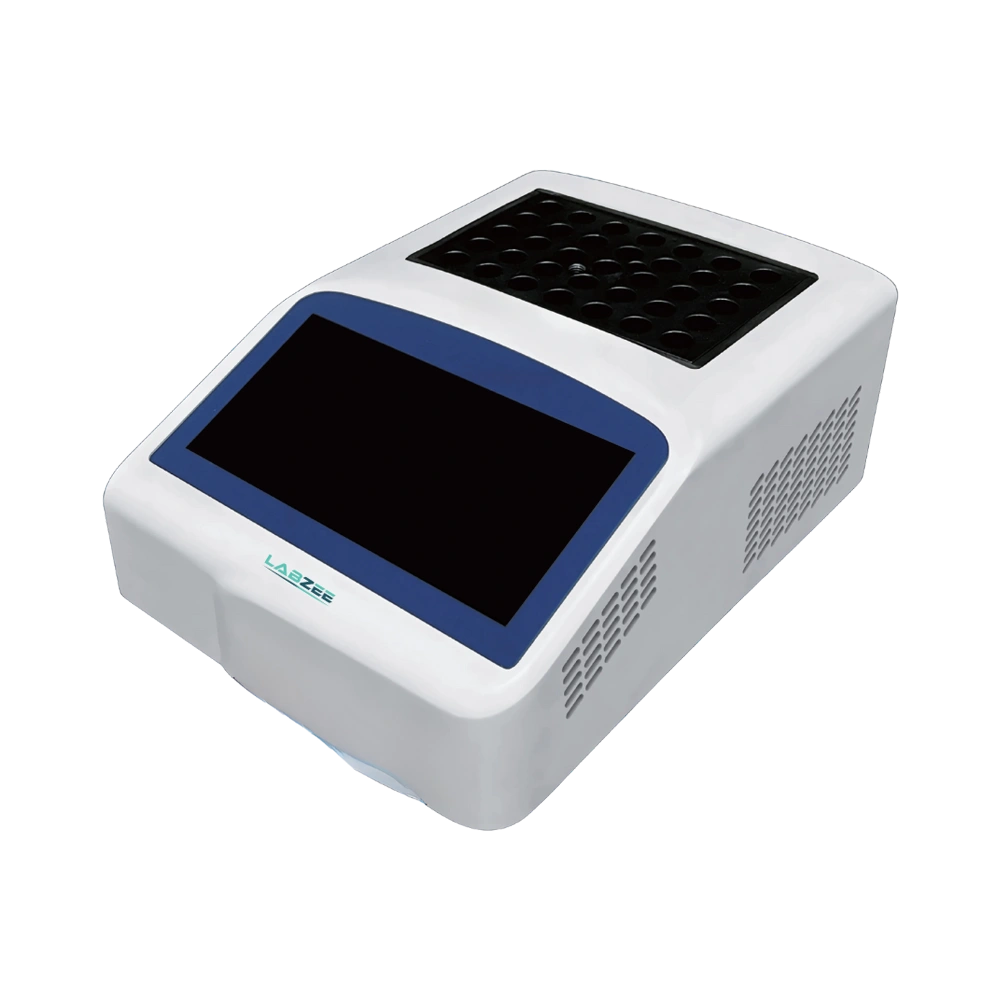
Labzee Dry Baths offer rapid and reliable heating for a wide range of laboratory sample applications. They feature precision-engineered thermal blocks for uniform heat distribution and accurate control. These devices include digital displays and adjustable settings for quick temperature adjustments. Their versatile block options support different tube sizes, ensuring flexible and efficient workflows. Our Dry Baths are ideal for enzyme reactions, sample thawing, nucleic acid denaturation, and routine lab protocols.
$ 1122

$ 1278
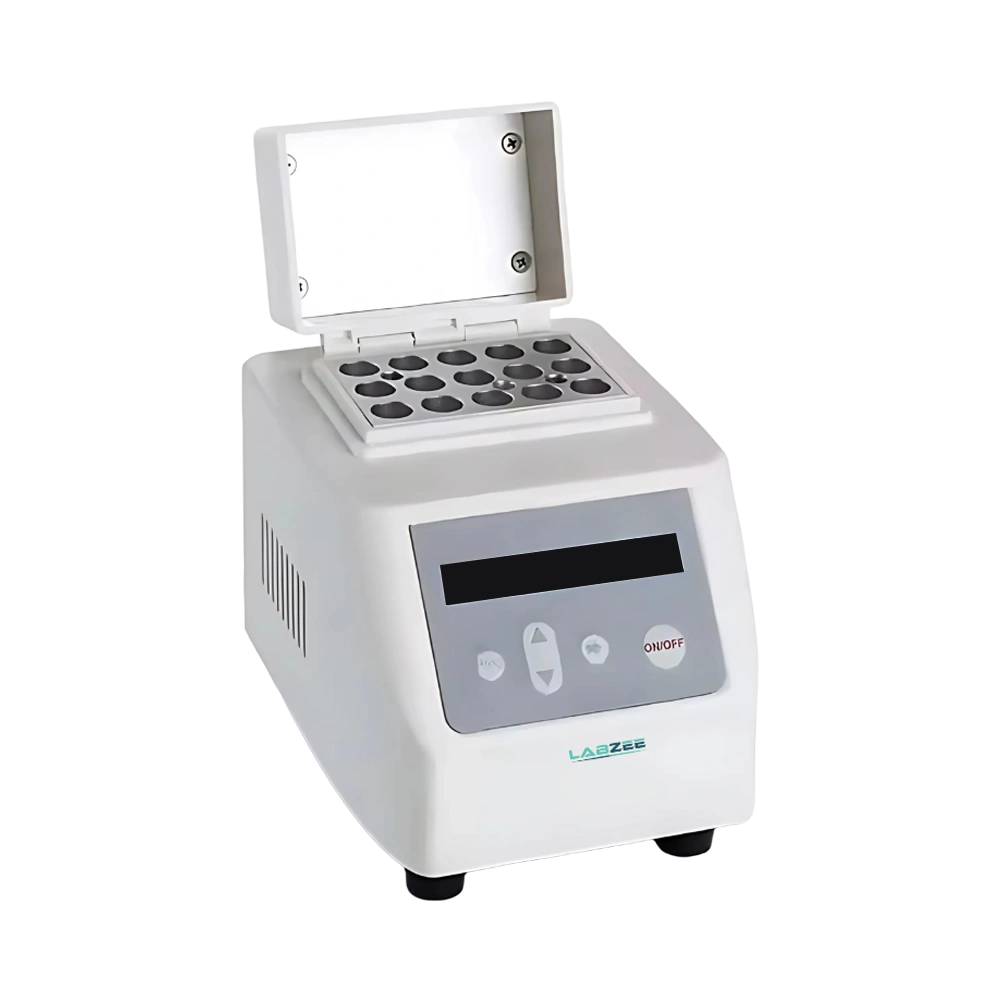
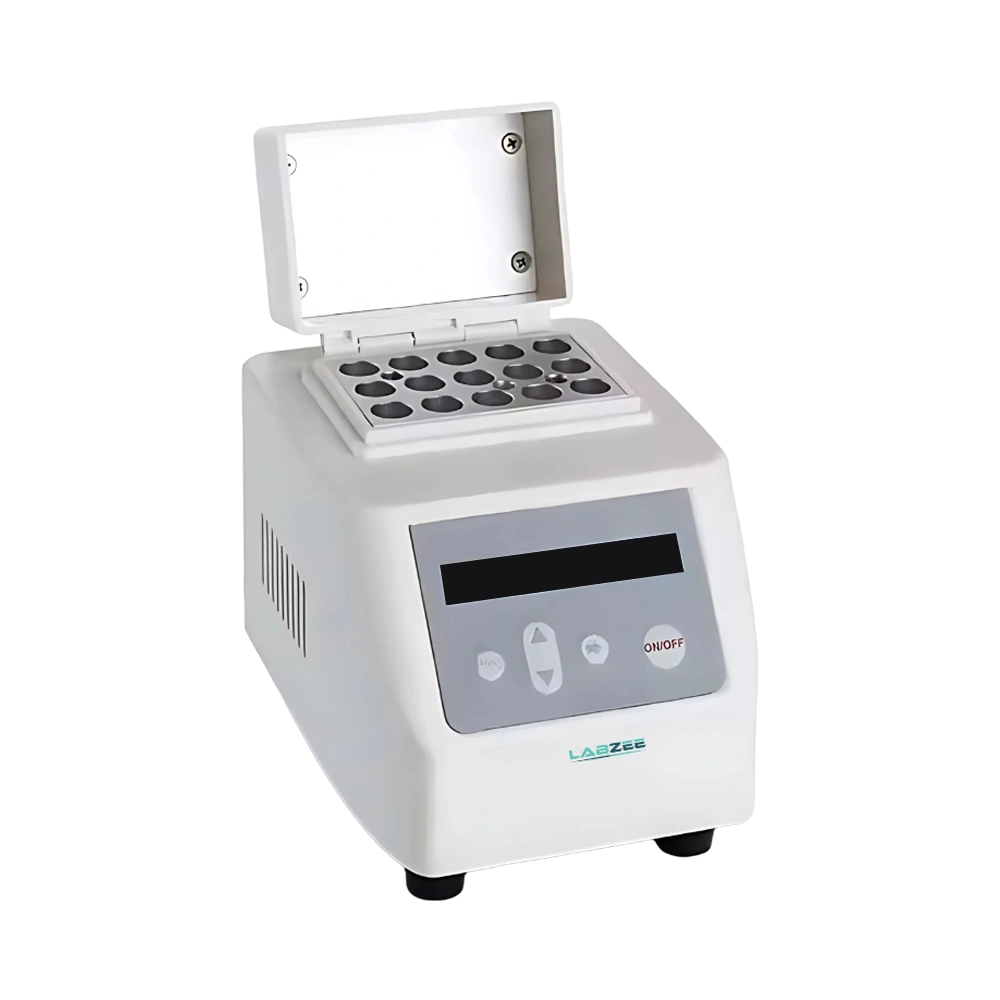
Labzee Mini Dry Baths deliver reliable and efficient heating in a compact design for limited bench spaces. They feature precision thermal blocks that ensure even heat distribution across all samples. Their user-friendly digital interface allows easy temperature setting and real-time monitoring. These are compatible with multiple block types and support various tube sizes for versatile use. Our Mini Dry Baths are perfect for quick sample incubation, enzyme reactions, and routine lab tasks.
$ 1449
$ 1370
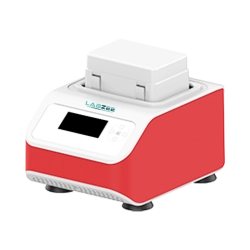
Labzee Constant Temperature Metal Baths offer precise, stable temperature control using high-conductivity metal blocks for dry, contamination-free heating and cooling. Our constant temperature equipment provides temperature ranges from 15°C or 25°C below room temperature up to 100°C, with a timer from 1 min to 99 h 59 min, speed adjustment from 300 to 2000 RPM for mixing during incubation, and program editing and storage. These benchtop units combine heating, cooling, and mixing with an LCD display for consistent thermal and agitation control in temperature-sensitive protocols.
$ 3192

$ 4509
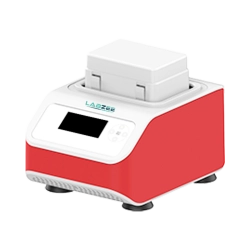
Labzee shock metal bath is an advanced lab tool for quickly changing metal temperatures during testing and processing. It has digital controls that are easy to use, allowing for quick temperature adjustments. Constructed from durable materials, it can handle heavy use and extreme temperatures. Safety features like over-temperature and low-liquid level protection, ensure secure operation. The simple interface makes it easy to monitor, making our shock metal bath a reliable choice for labs and industrial environments that need consistent temperature changes.
$ 3238
Labzee Constant Temperature Water and Oil Baths are designed for precise temperature-controlled heating to maintain samples and reagents at a stable temperature for incubation and testing. Our laboratory water and oil bath models are available in multiple capacities with temperature ranges from room temperature up to 300°C. Each unit features a durable stainless-steel tank, a high-brightness LCD display, PID microprocessor control, and an external sensor for stable regulation. Safety includes over-temperature alarms, low liquid level protection, and automatic shut-off, with internal or external circulation ensuring uniform heat distribution – saving time and ensuring consistent results for water or oil applications.

$ 2205

$ 2353
Labzee Cryogenic Baths are designed for ultra -low temperature, which provides precise and stable cooling for sensitive samples. These Cryogenic Baths are made from corrosion-resistant stainless steel. Our Cryogenic Baths uses advanced cooling systems and cryogenic liquids such as liquid nitrogen or specialized refrigerants, these baths are essential for applications requiring temperatures far below freezing. These Cryogenic Baths are essential for applications requiring temperatures far below freezing. Our baths are used for preserving biological specimens, such as cells, tissues and genetic materials.

$ 2974

$ 3353
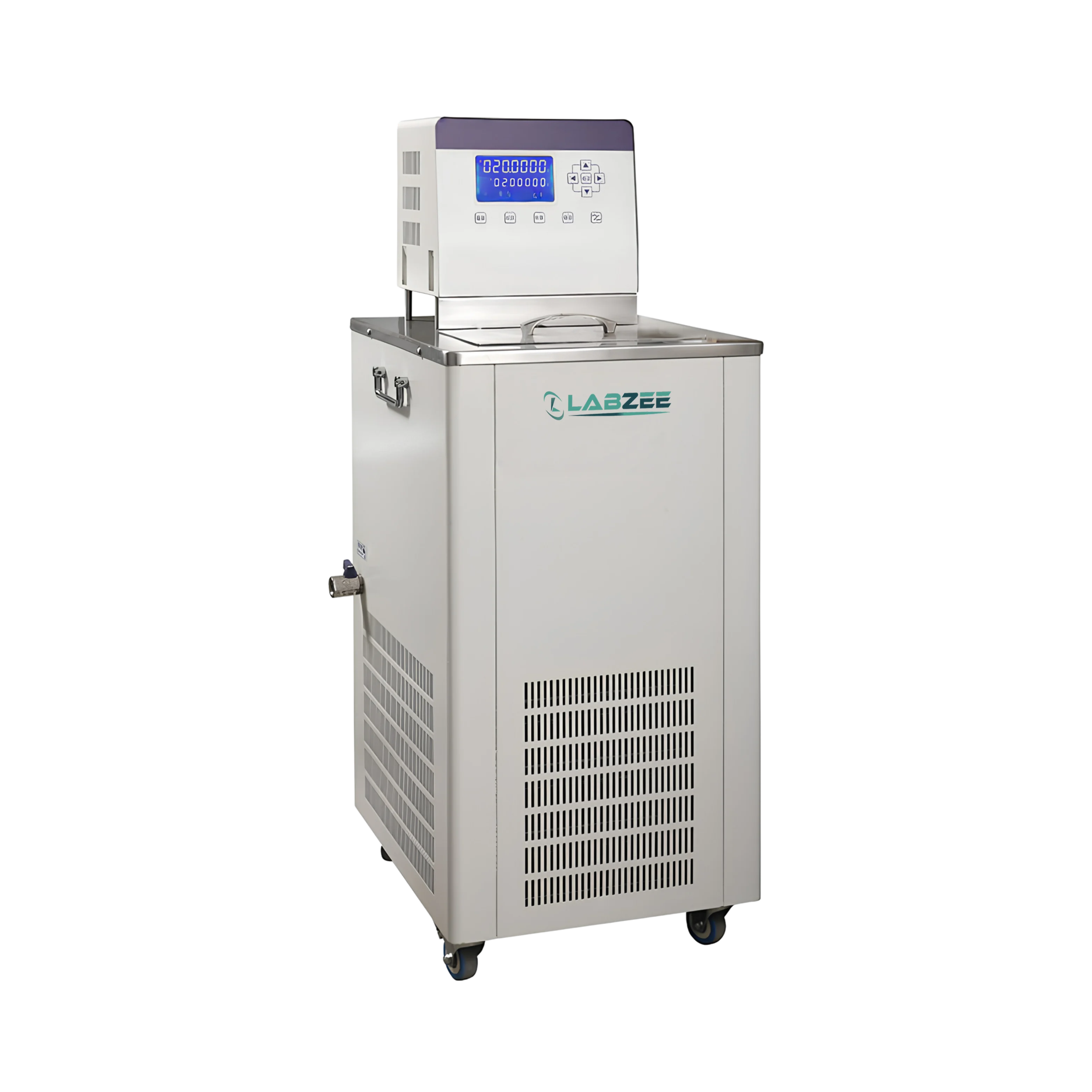
Labzee High-Temperature Circulator Baths provide precise PID temperature control for stable heating and uniform thermal performance. Our lab circulator baths are designed for accurate thermal regulation from RT to 300°C with ±0.05°C stability and strong circulation pumps for uniform heat distribution. Available in 5 L, 10 L, 15 L, 20 L, 30 L, and 50 L capacities, these units feature LCD controls, stainless steel build for durability and corrosion resistance, adjustable heating rates, internal and external circulation options, and safety protections. ISO-CE certified, Labzee circulator baths are built for temperature control, reduced downtime, and safe operation – helping to achieve consistent results in every run.
$ 5337

$ 3503
Our ultra-high-precision temperature thermostatic bath is designed for precise temperature control in scientific and industrial applications. It uses advanced technology to maintain accuracy and stability, making it ideal for fields like pharmaceuticals and research. One can easily set and adjust temperatures for experiments and processes. Labzee’s ultra-high-precision temperature thermostatic bath built to be safe and durable, making it perfect for labs and industries where maintaining accurate temperature is essential for reliable results and product quality.

$ 2813

$ 3031
Labzee Recirculation Baths are high-performance temperature control systems built with durable stainless steel. They operate within a wide temperature range of -40°C to 200°C, making them suitable for various thermal regulation tasks. These baths utilize a closed-loop thermal fluid system to ensure precise and stable temperature control. Their user-friendly design includes liquid level alarms, digital controls, and self-diagnosis features for efficient operation. Our Recirculation Baths are ideal for biotech, chemical, and laboratory applications requiring accurate temperature management.

$ 4250
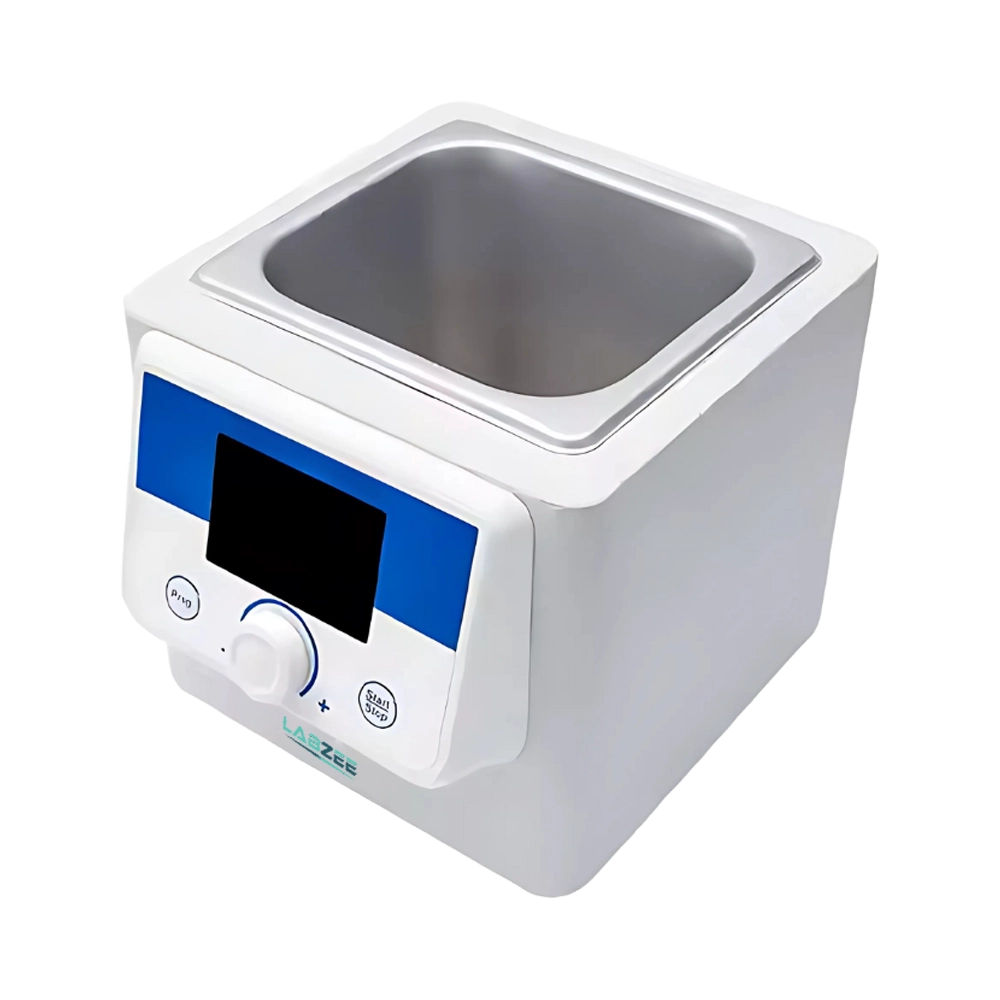
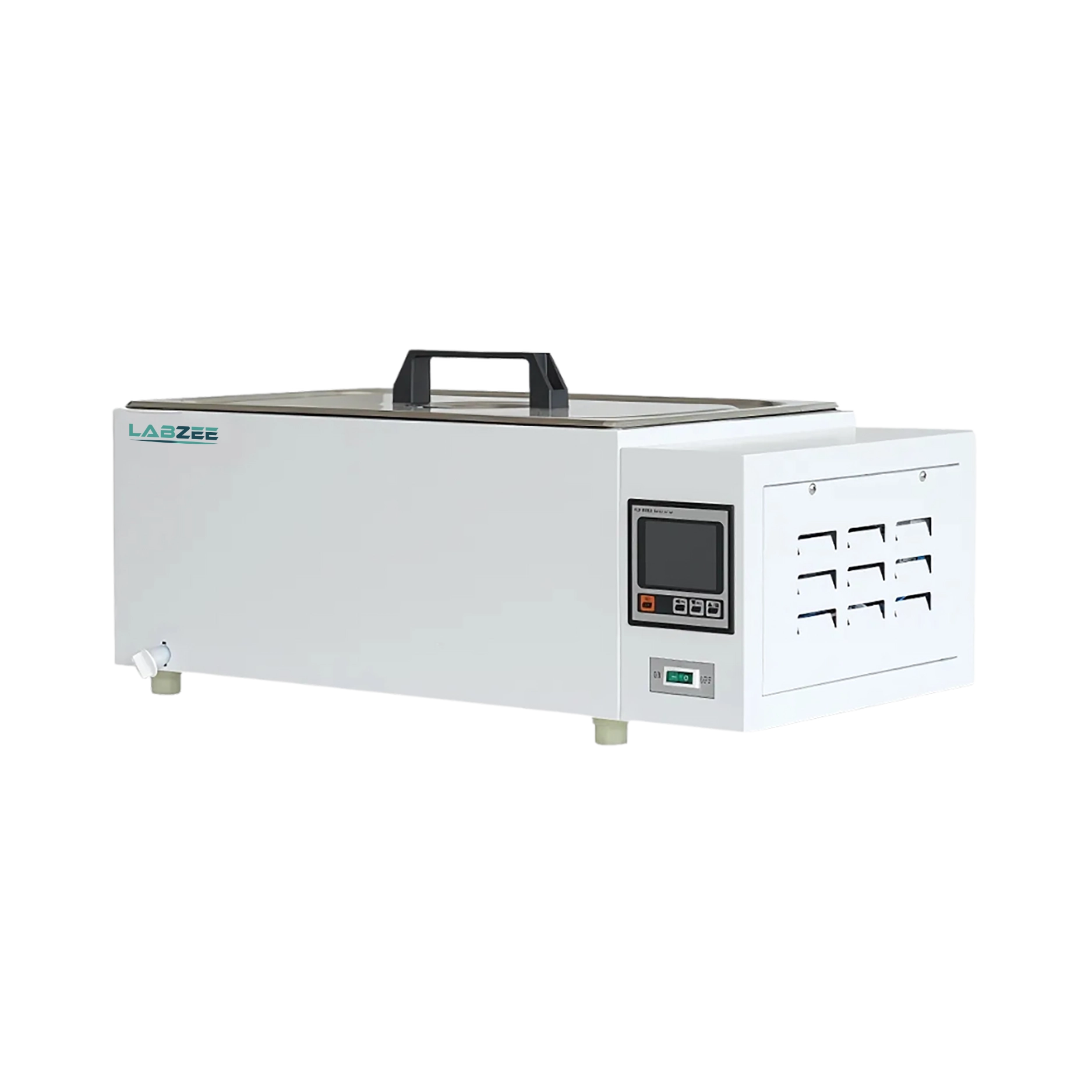
Labzee Thermostatic Water Baths deliver precise temperature control for consistent sample incubation across laboratory protocols. They feature advanced PID controllers and digital displays for real-time temperature monitoring and accuracy. Their corrosion-resistant stainless-steel interiors ensure durability, easy cleaning, and long-term reliability. They include over-temperature protection and low-water level alarms for uninterrupted operation. Our thermostatic water bath is perfect for molecular biology, clinical diagnostics, and quality control testing environments.
$ 1410
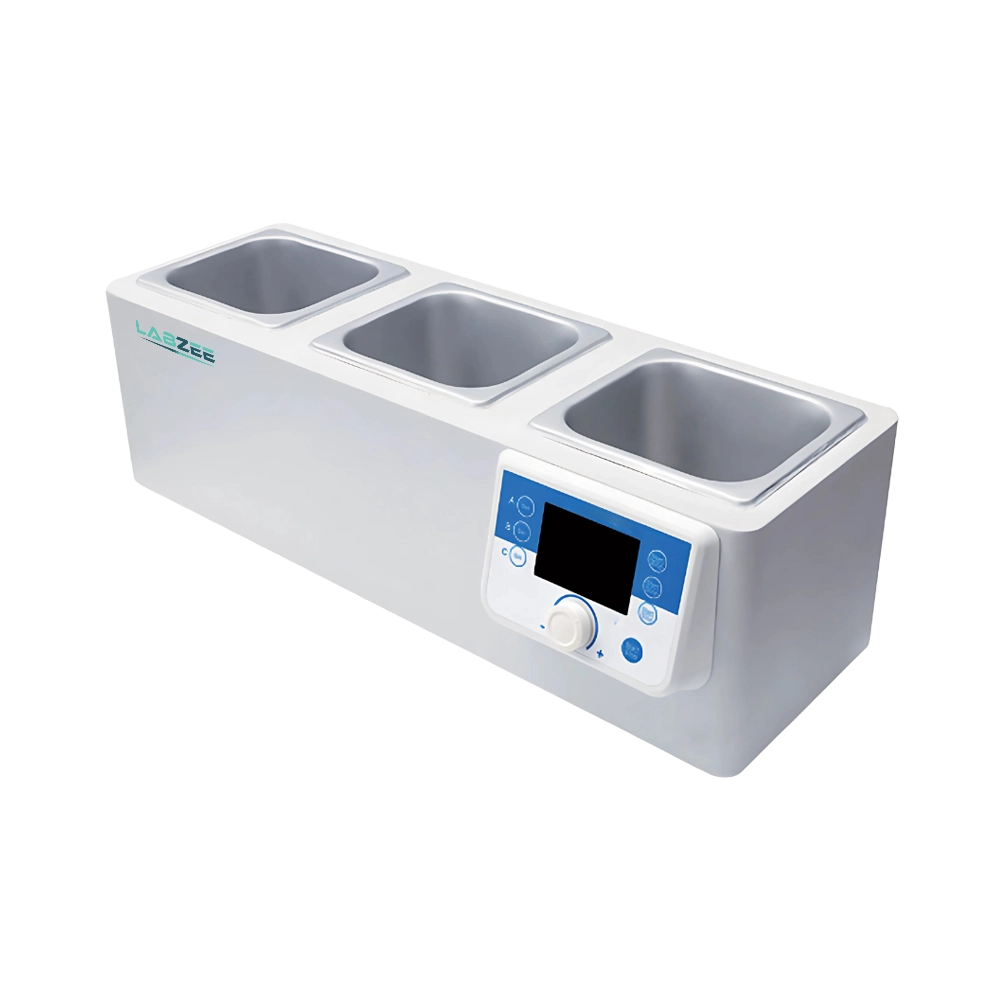
$ 1628
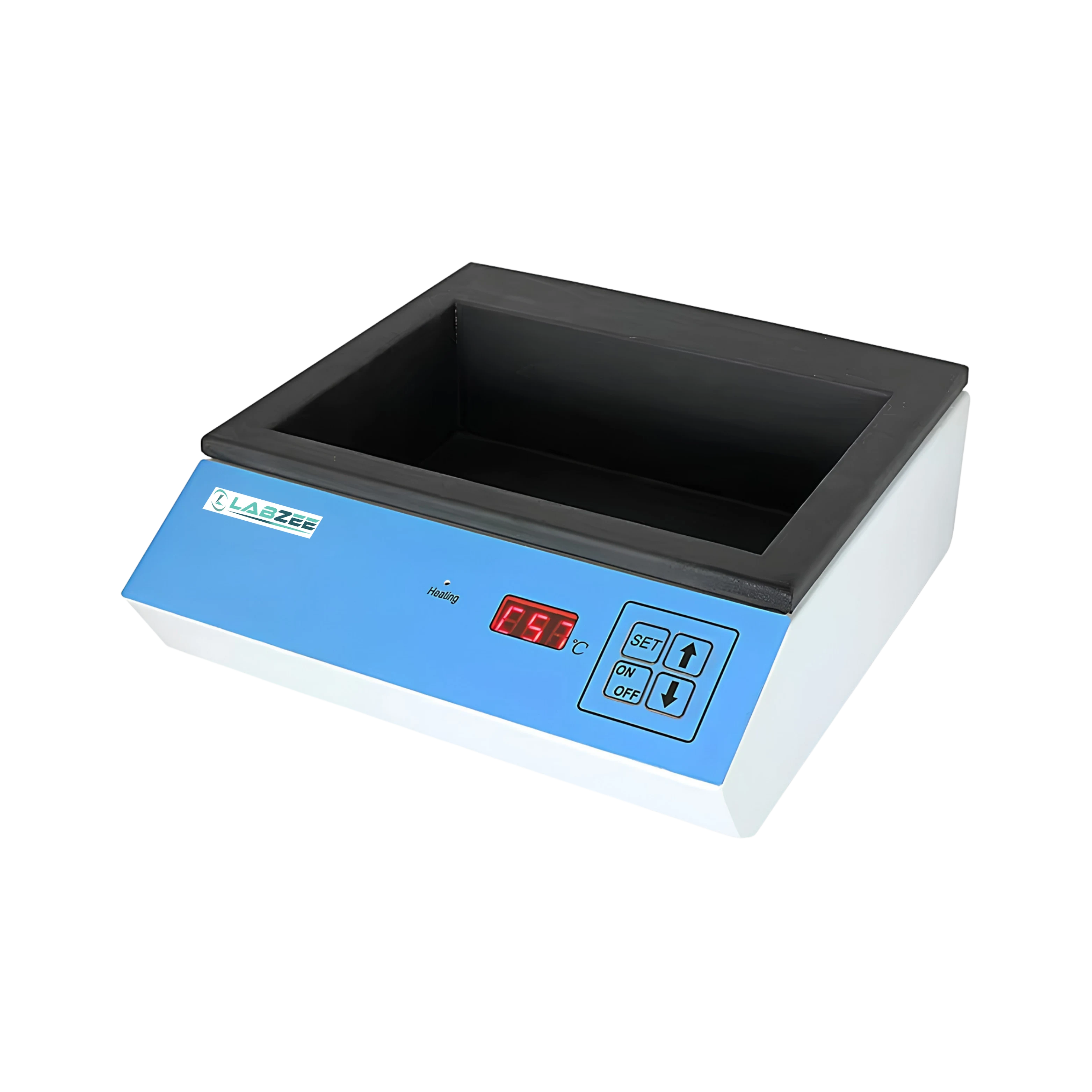
Tissue Water Bath from Labzee, a laboratory instrument used in histology to float, stretch, and flatten thin tissue sections after microtome sectioning. Our tissue water baths provide a warm water surface that allows tissue sections to relax and helps remove wrinkles or folds before slide mounting. Digital temperature regulation supports temperature adjustment, and heat distribution supports uniform warming across the water surface. Dark surfaces provide clear contrast for visibility when observing tissue sections on the water surface during tissue section preparation for routine laboratory workflows.
$ 1467
Labzee Digital Water Baths are precision-engineered to deliver accurate and consistent temperature control for a wide range of laboratory applications. They offer a stable temperature range from RT+5°C to 95°C, ensuring reliable thermal performance. These water baths are available in different sizes and capacities to support a variety of lab workflows. Their user-friendly LCD displays allow easy setting and real-time monitoring of temperature and timer functions. Our Digital Water Baths are ideal for temperature-sensitive applications in biological, pharmaceutical, and industrial laboratories.
$ 1200
$ 1364
