$ 17078
| Sample Sites | 115 |
| Sample Volume | 2 - 55 μL |
| Liquid Level Sensor | Digital, Anti-Collision, Probe Blocking Detection |
| Testing Speed | 600 tests/hour |
| Testing Method | One-point/two-point terminal, two-point rate, rate A method |
| Reagent Sites | 90 |
| Reagent Volume | 20 - 350 μL, 1 μL per step |
| Reagent Bottle | 20 ml, 70 ml, 100 ml |
| Storage Temp | 2°C - 8°C |
| Reaction Cuvette Sites | 120 |
| Reaction Temperature | 37°C |
| Temperature Accuracy | ±0.1°C |
| Reaction Volume | 150 - 450 μL |
| Wavelength Range | 340 - 800 nm |
| Cuvette Type | Plastic |
| Cuvette Light Path | 6 mm |
| Test Principle | Colorimetry |
| Light Source | 20W/12V Quartz Halogen Tungsten Lamp |
| Absorbance Range | 0 - 3.3 Abs |
| Contamination Rate | <0.1% |
| Quality Control | Manual & Auto QC |
| Auto Flushing | Yes |
| Interface | RJ45 Ethernet |
| Power Consumption | 2000 VA |
| Product Dimension | 1048 × 817 × 1168 mm |
| Net Weight | 260 Kg |
Adult aerobic bottle
Paediatric aerobic bottle
Anaerobic bottle
50 bottles
High-Throughput Processing: Supports rapid handling of large sample volumes for continuous testing workflows.
Intelligent Reagent Management: Enables controlled reagent handling for optimized analytical performance.
Contamination Control: Minimizes carryover risk and supports sample integrity during processing.
Automated Flushing System: Supports efficient probe cleaning and reduced residual interference.
Data Connectivity: Enables streamlined data transfer and laboratory workflow integration.
Clinical Diagnostics: Used for blood culture testing and infection screening workflows.
Hospital Microbiology: Supports microbial detection and culture-based analysis.
Sepsis Investigation: Applied in bloodstream infection detection studies.
Pharmaceutical Research: Used in microbial monitoring and analytical studies.
Laboratory Pathogen Detection: Supports identification workflows for bacterial and fungal growth.
Frequently Asked Questions
1: Can it detect all types of bacteria?
It detects most common bacteria and fungi found in bloodstream infections. However, some rare or slow-growing organisms may need special methods.
2: Is the process automated?
Yes, modern blood culture systems are fully automated. They provide continuous monitoring and reduce the need for manual checks.
3: How many samples can it process at once?
Depending on the model, the system can handle anywhere from a few to several hundred bottles at once. This makes it suitable for both small and large labs.
4: Is it safe to use?
Yes, the system is designed with safety features to prevent contamination or exposure to infectious material. Proper training ensures safe operation.
5: Does it need special bottles?
Yes, only specific blood culture bottles designed for the system should be used. These bottles contain growth media to support microbial growth.
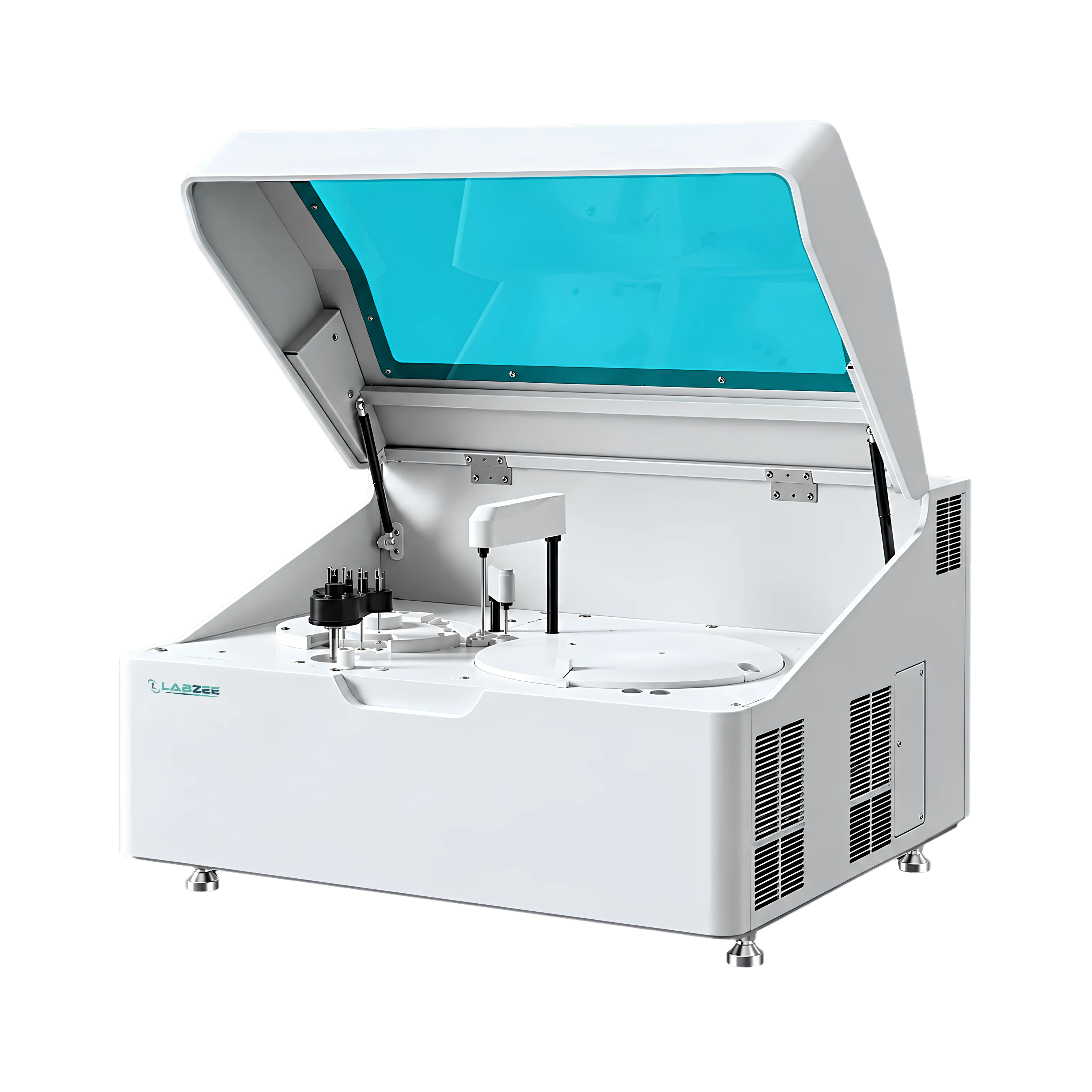
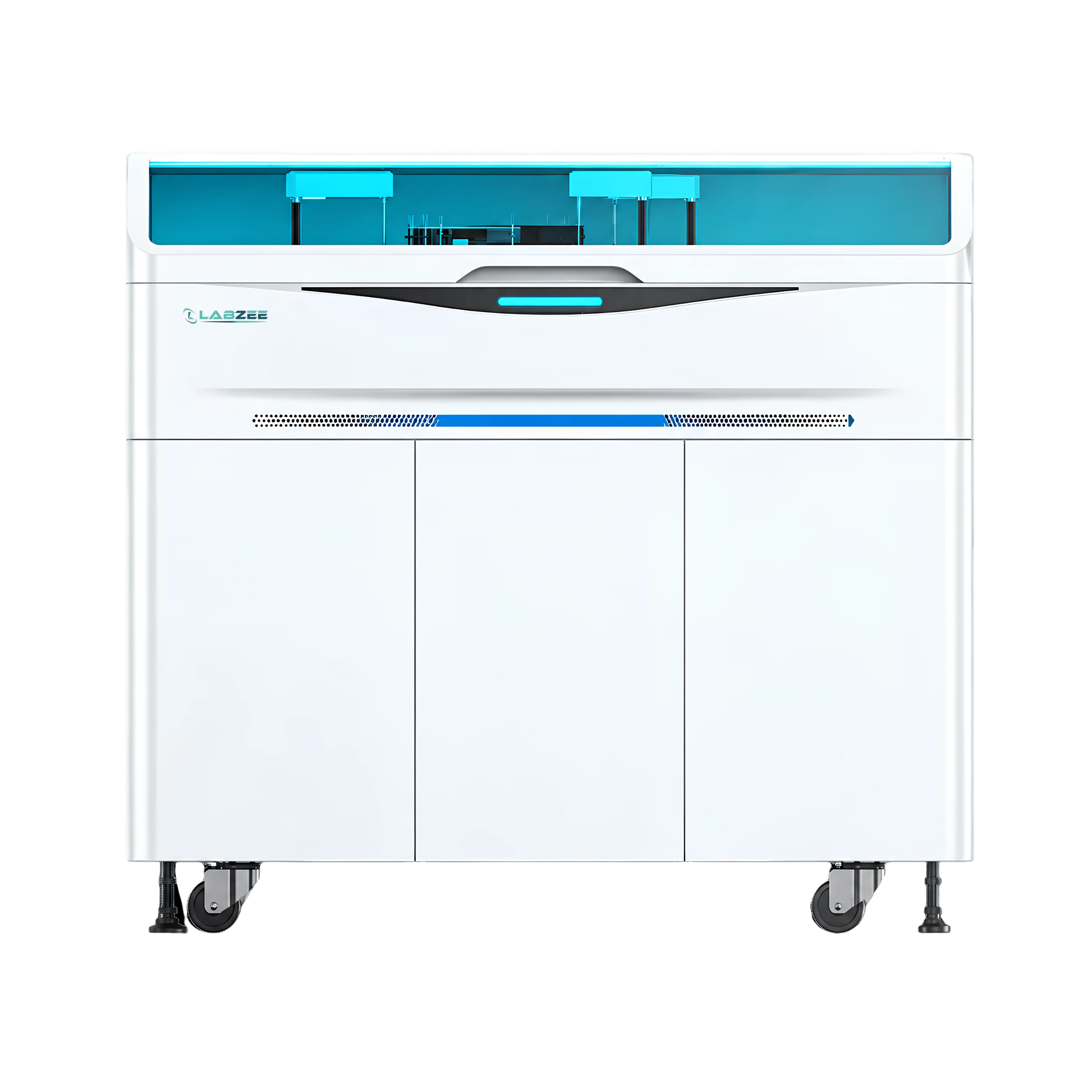
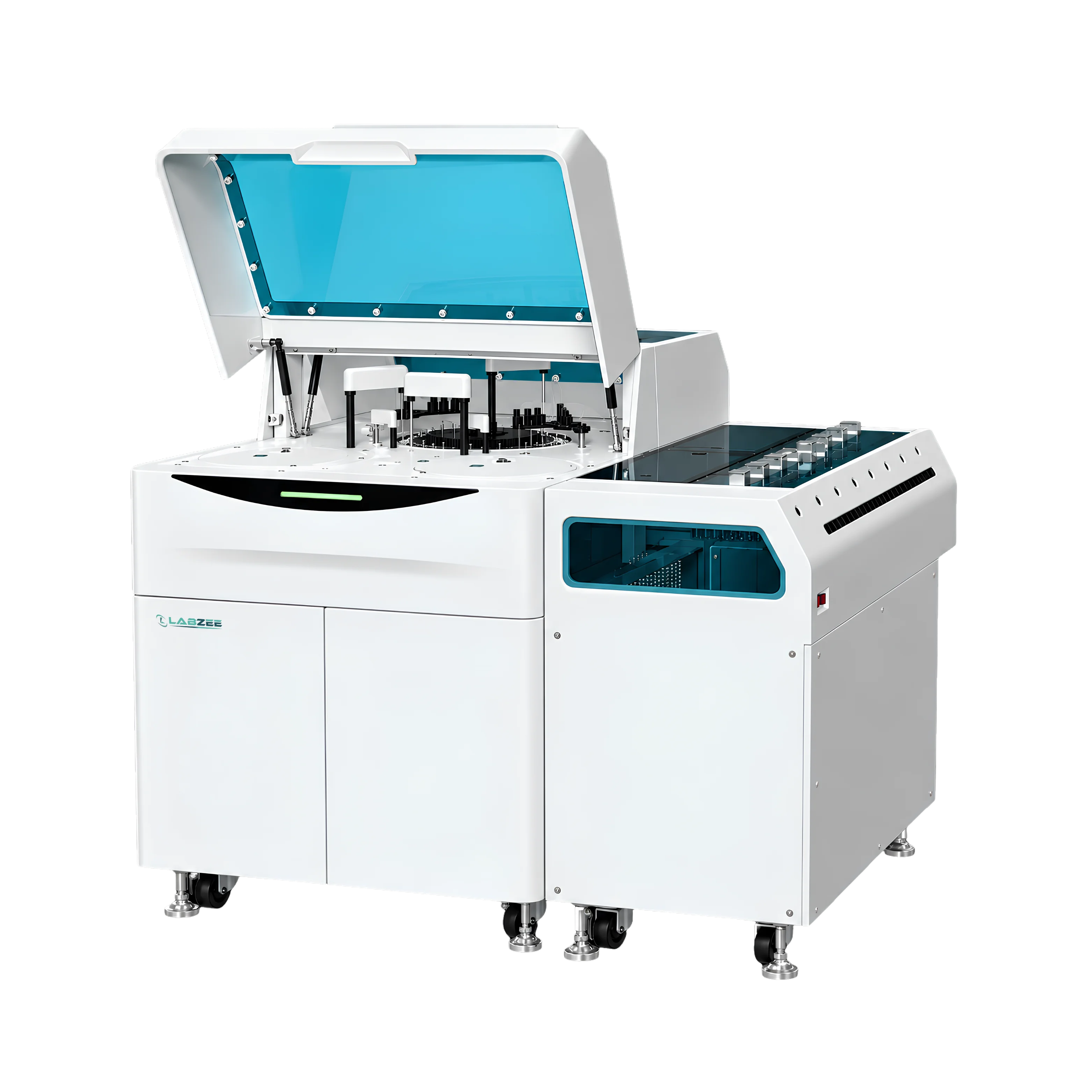
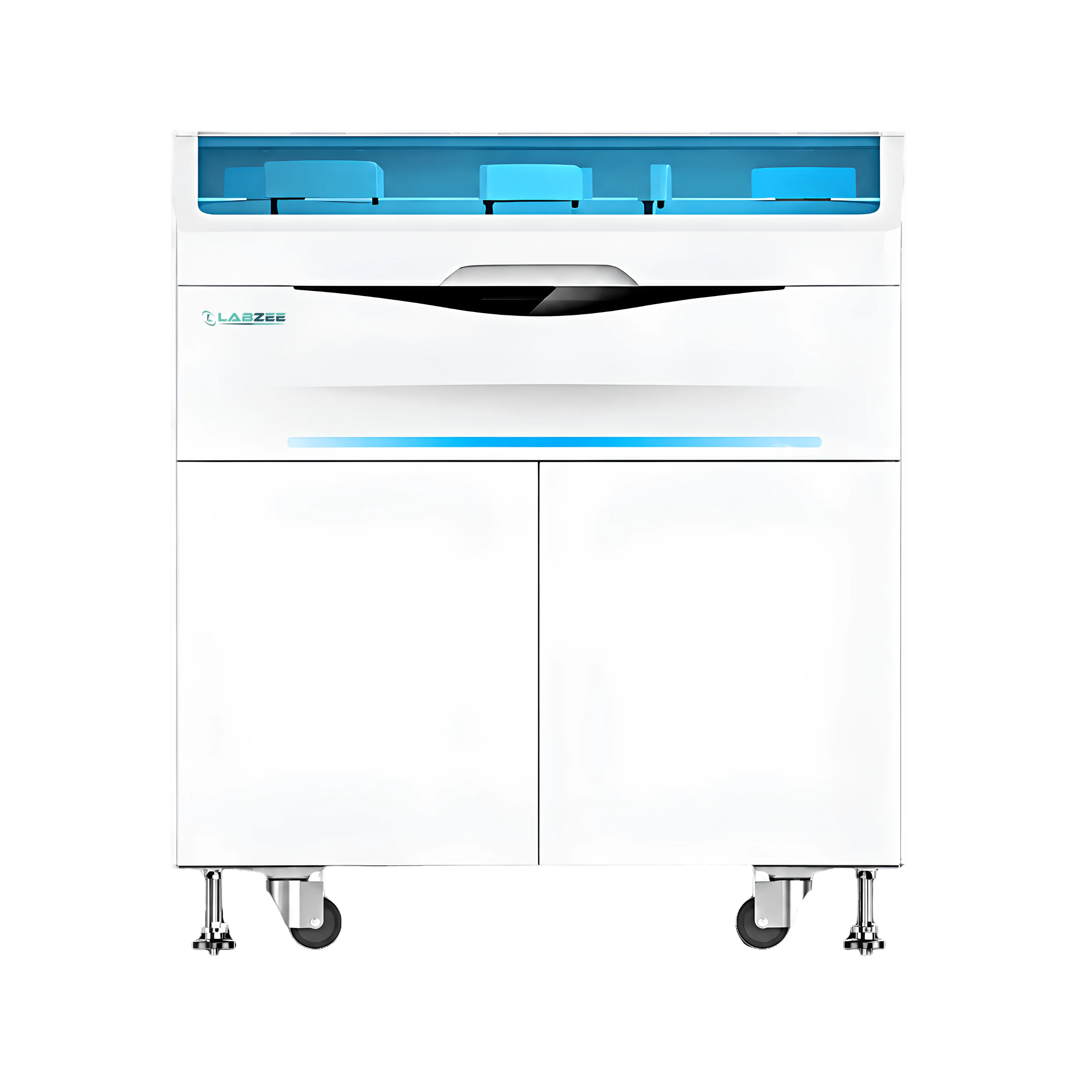
Labzee Blood Culture Units are advanced diagnostic equipment used for detecting bacterial and fungal infections in blood samples. Our units provide automated monitoring, precise incubation control, and real-time detection for accurate microorganism identification. Available in multiple sample volumes and operating under controlled temperature conditions for optimal growth. ISO- and CE-certified, Labzee Blood Cultures deliver workflow efficiency, diagnostic accuracy, and faster time-to-results for clinical microbiology labs.