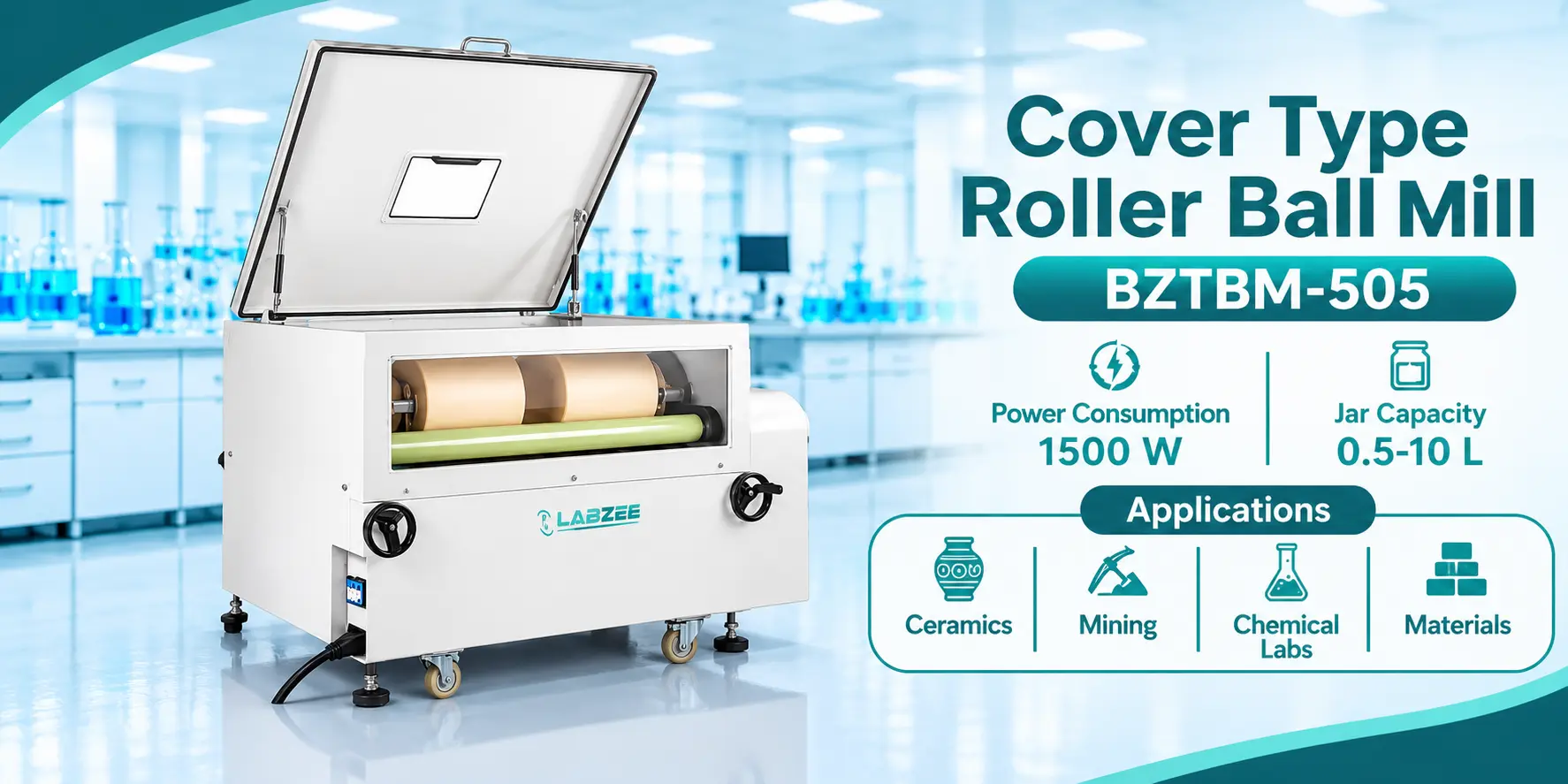
Moving specimen processing from a manual bench to an automated instrument reshapes how a histology lab runs its day. This guide sets out ten practical gains a lab sees from an automatic tissue processing machine such as the Enclosed Tissue Processor BZCTP-502, and where each one shows up in real work.
Processing sits between fixation and embedding, moving tissue through the core tissue processing steps of dehydration, clearing, and paraffin infiltration. The role of a tissue processor in histopathology is central, so how these steps are run shapes the slides that follow. Done by hand, the work ties up staff, varies with attention, and exposes people to reagent fumes. An automated tissue processor carries the load through the same chemistry on a timed, controlled schedule, which is the root of the benefits that follow. The gains are less about any single feature and more about what steady, hands-off processing does for the whole lab.
Tissue processor diagram: cassettes moving through the station sequence on a set schedule
Add a labelled flow of the automated processing cycleA fixed schedule holds time, temperature, and agitation steady, so blocks come out the same whether the load runs on a Monday or a Friday.
Loading at the end of the day and collecting processed tissue the next morning turns idle hours into finished work without staff on hand.
Large cassette baskets let a tissue processing lab clear a full caseload in one scheduled run rather than several manual sittings.
An enclosed design captures and manages clearing-agent vapour, which matters most for a machine left running while the room is empty.
On a power or fluid interruption, the tissue is held safe under fluid until the cycle resumes, so one fault does not spoil a whole load.
Scheduled rotation and sealed stations stretch reagent life and cut the manual pouring that a busy tissue processing lab would otherwise repeat.
Separate programs for small biopsies and larger specimens mean a histology tissue processor can match the run to the tissue rather than a single fixed cycle.
Logged cycles record what conditions each load met, which supports quality review and makes tracing an issue a quick check.
Automating the fluid changes frees technologists for grossing, embedding, and microtomy, and removes a common source of manual error.
Even infiltration produces well-supported tissue that sections thinly and holds together through staining, lifting downstream slide quality.
The gains above assume a unit matched to the work. When comparing options in tissue processing equipment, a lab looks past the benefit list to the features that deliver it, and a few points are worth checking before a decision.
Match basket size to typical daily volume with a little headroom, rather than to a peak that rarely arrives, so cycles stay efficient.
Confirm how a tissue processor machine protects specimens during an interruption and how it manages fumes, since both shape safe overnight running.
Look at how simply stations are filled, rotated, and cleaned; daily handling of tissue processor equipment adds up over a working week
The BZCTP-502 belongs to the wider group of histology laboratory equipment used to prepare specimens for sectioning, which spans enclosed and open processors, embedding centres, and the microtomes downstream. Buyers weighing this category usually compare cassette capacity, reagent handling, fume containment, specimen protection, and schedule flexibility. A tissue processor device chosen well fits the volume and safety needs of the lab rather than the headline cassette count.
You can see how Labzee arranges its instruments across laboratory disciplines on the Labzee home catalogue, and the full set of processor models is laid out on the tissue processor category page for side-by-side review. Reading across the category first makes it easier to line up capacity, containment, and reagent handling with how the lab actually works.

A short comparison shows why the ten gains land the way they do once a lab looks at the two approaches across the Labzee processor range.
| Consideration | Manual processing | Automated processor |
|---|---|---|
| Staff time | Tied to the bench through each change | Freed once a run is loaded |
| Consistency | Varies with attention | Held by a timed schedule |
| Overnight running | Impractical | Suited to unattended loads |
| Fume exposure | Open handling | Contained and managed |
| Record keeping | Manual notes | Logged automatically |