Labzee offers Benchtop Low-Speed Refrigerated Centrifuges designed for gentle yet efficient separation of biological and clinical samples at controlled temperatures. They feature a compact benchtop design, adjustable speed and temperature settings, and multiple rotor options to accommodate various tube sizes. These centrifuges ensure sample integrity with consistent cooling and smooth acceleration and braking functions. They operate with low noise levels and include safety features like imbalance detection and lid-locking systems for secure use. Their energy-efficient refrigeration and user-friendly interface make them ideal for temperature-sensitive applications. Our Benchtop Low-Speed Refrigerated Centrifuges support various applications, including clinical diagnostics, blood component separation, cell harvesting, biochemical analysis, and routine laboratory sample processing.
Maximum Capacity
Maximum Speed
Max Capacity
Speed Range
Maximum RCF
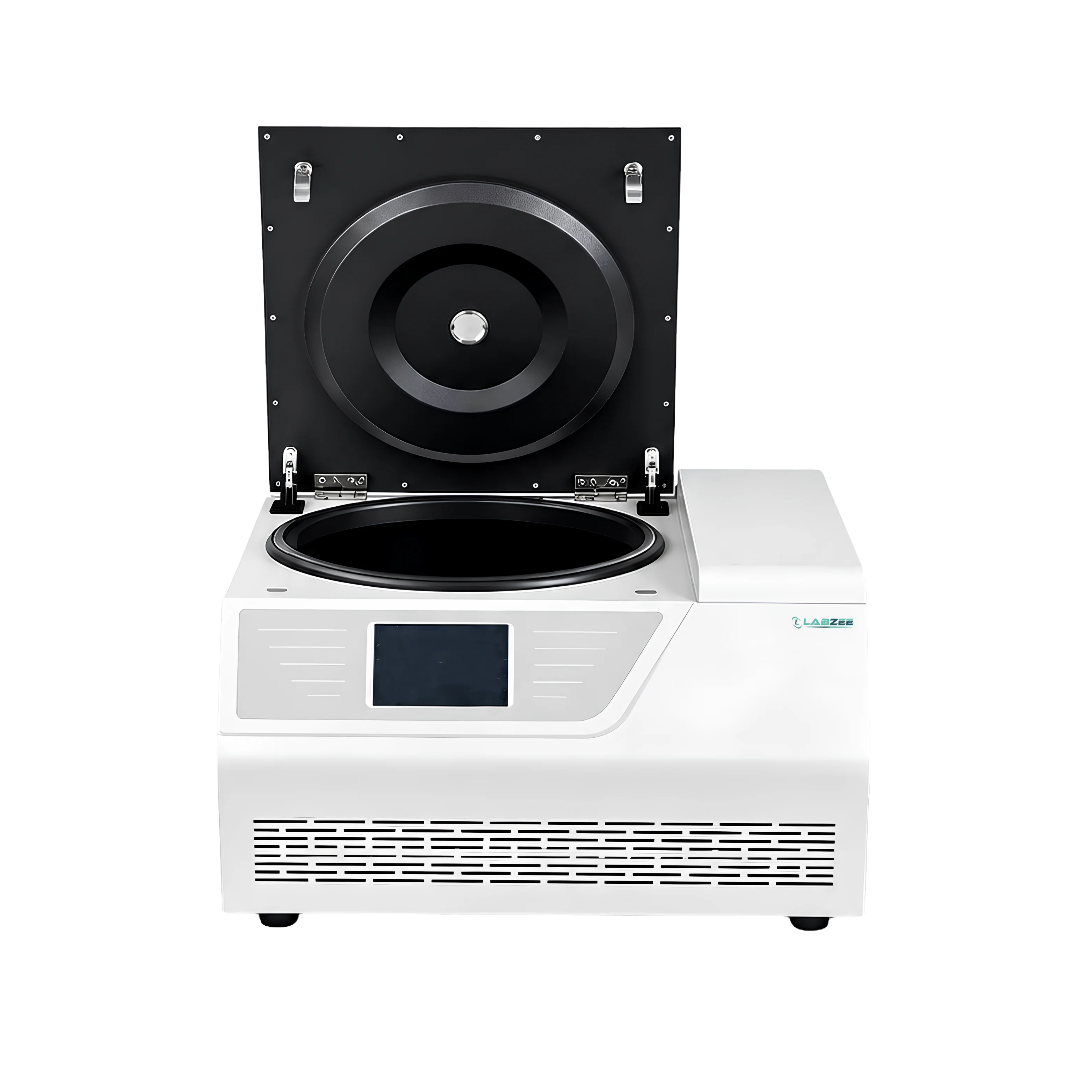
Maximum Speed: 6000 rpm
Maximum RCF: 5123 × g
Maximum Capacity: 4 × 300 ml
Temperature Range: -20°C to +40°C
$ 5635
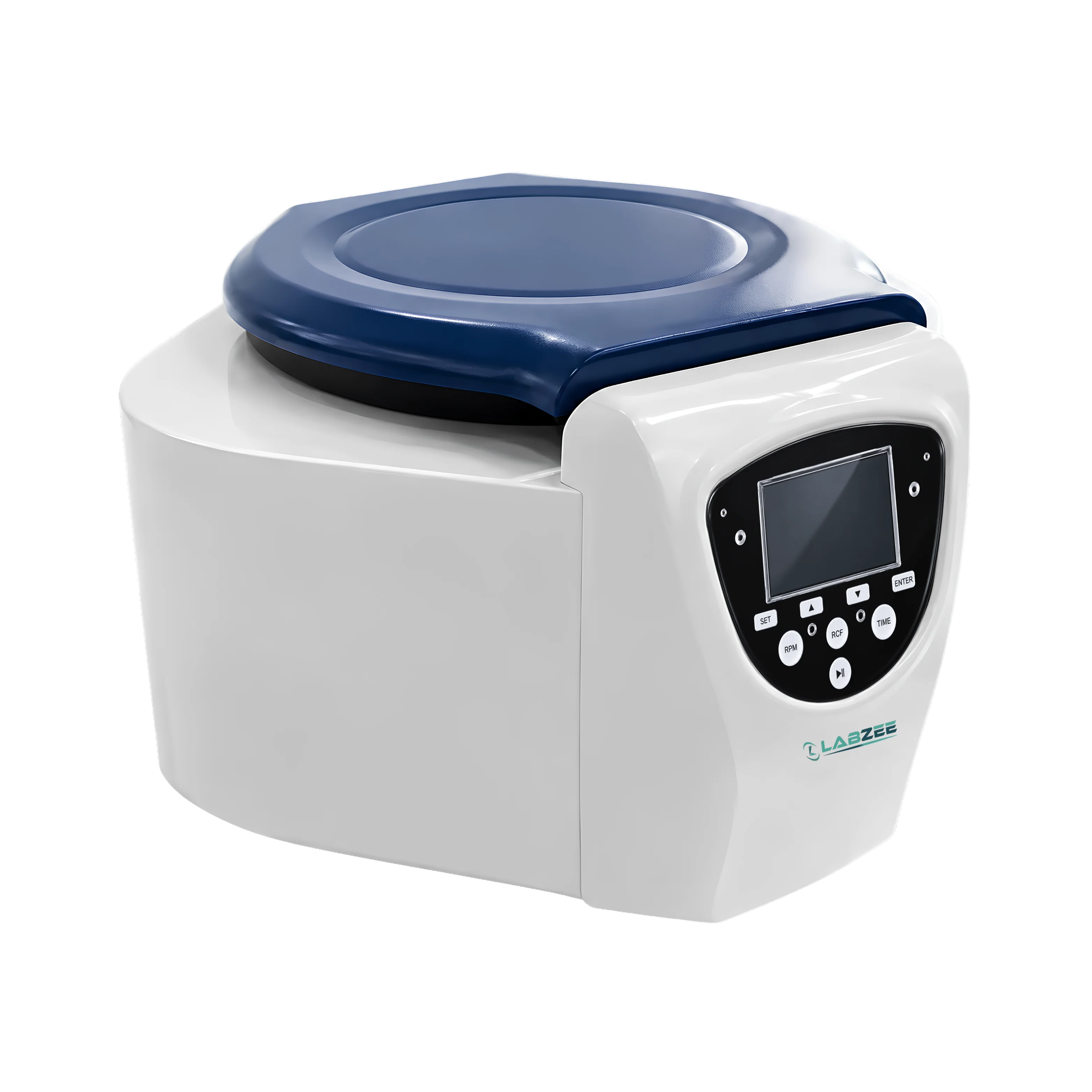
Max Capacity: 4 × 100 ml
Max Speed: 6000 rpm
Max RCF: 4800 × g
Timer Range: 1 min - 99 h 59 min 59 Seconds
$ 2353
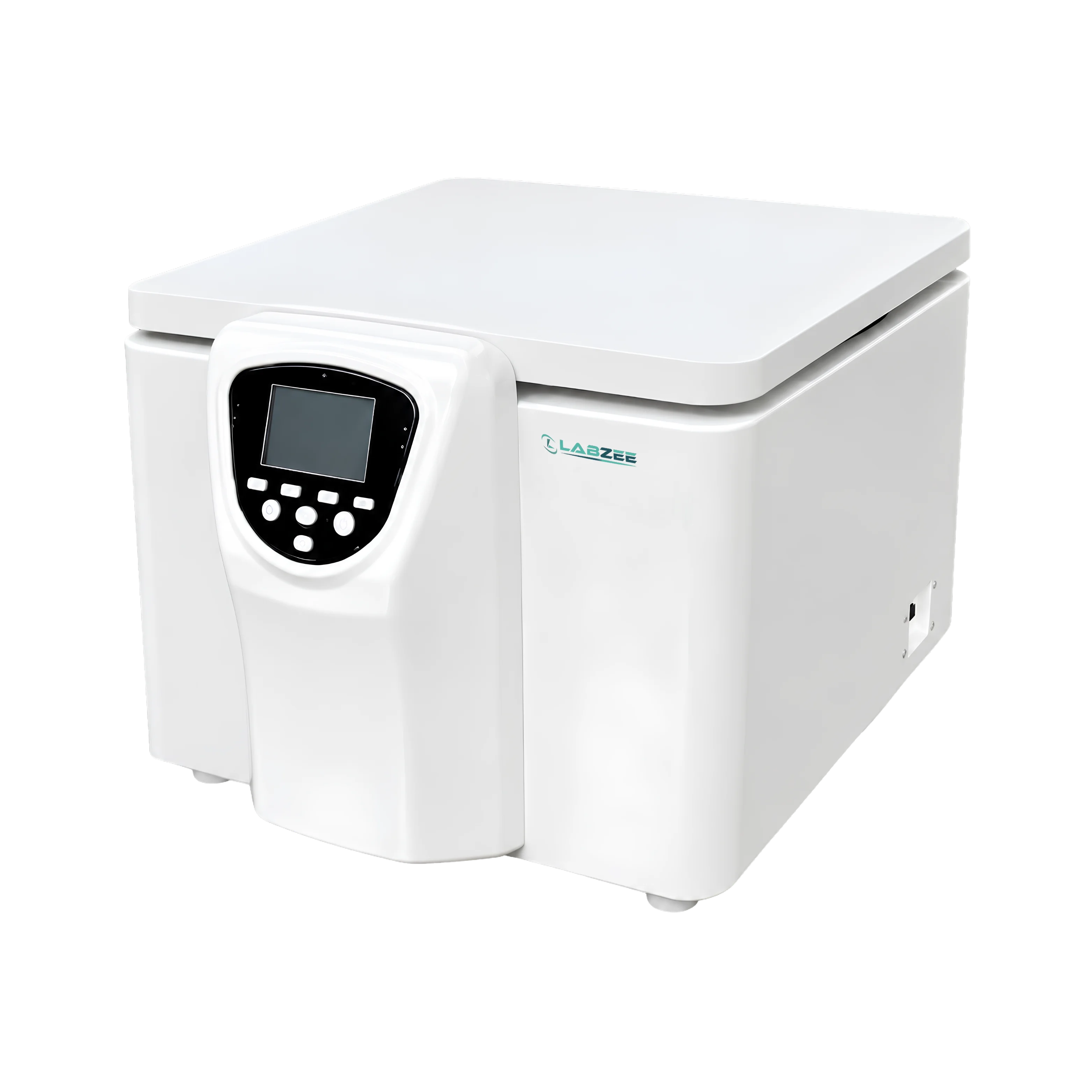
Maximum Speed: 5000 rpm
Maximum RCF: 5201 × g
Maximum Capacity: 4 × 750 ml
Temperature Range: -20°C to +40°C
$ 10723
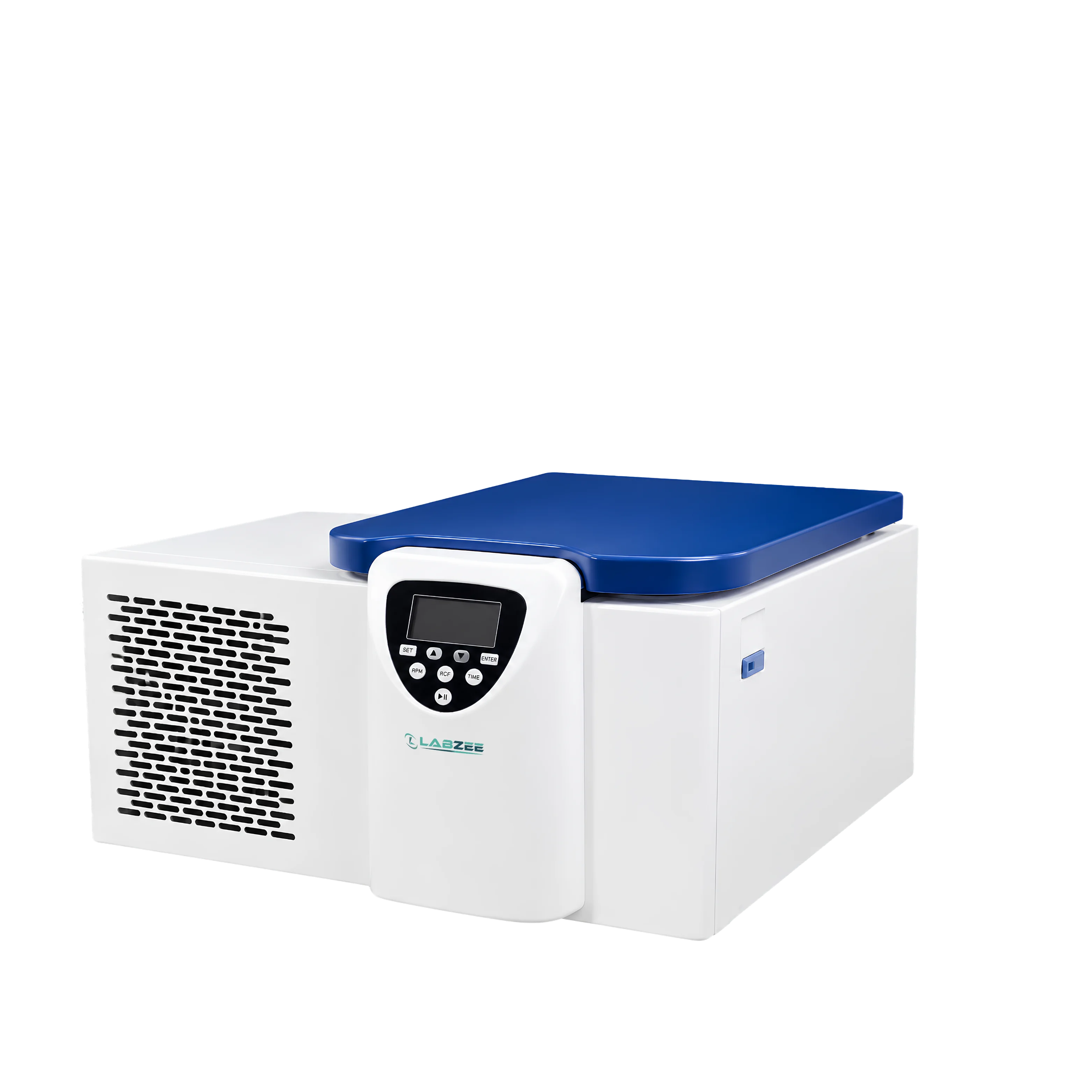
Maximum Capacity: 4×300 ml
Speed Range: 5500 rpm
Relative Centrifugal Field (RCF ×g): 4800×g
Compressor System: R404a
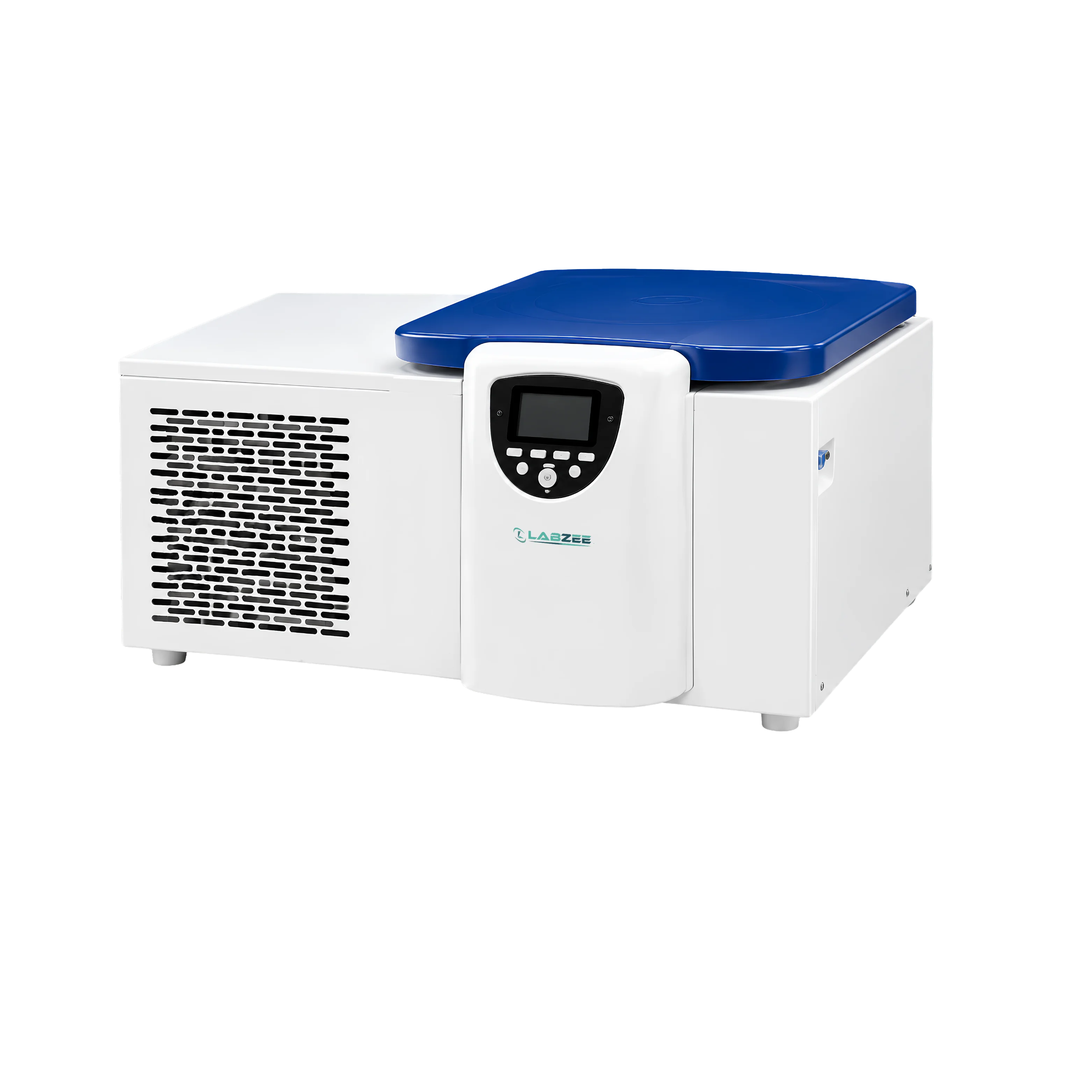
Maximum Capacity: 4×300 ml
Speed Range: 6500 rpm
Relative Centrifugal Field (RCF ×g): 4800×g
Compressor System: R404a
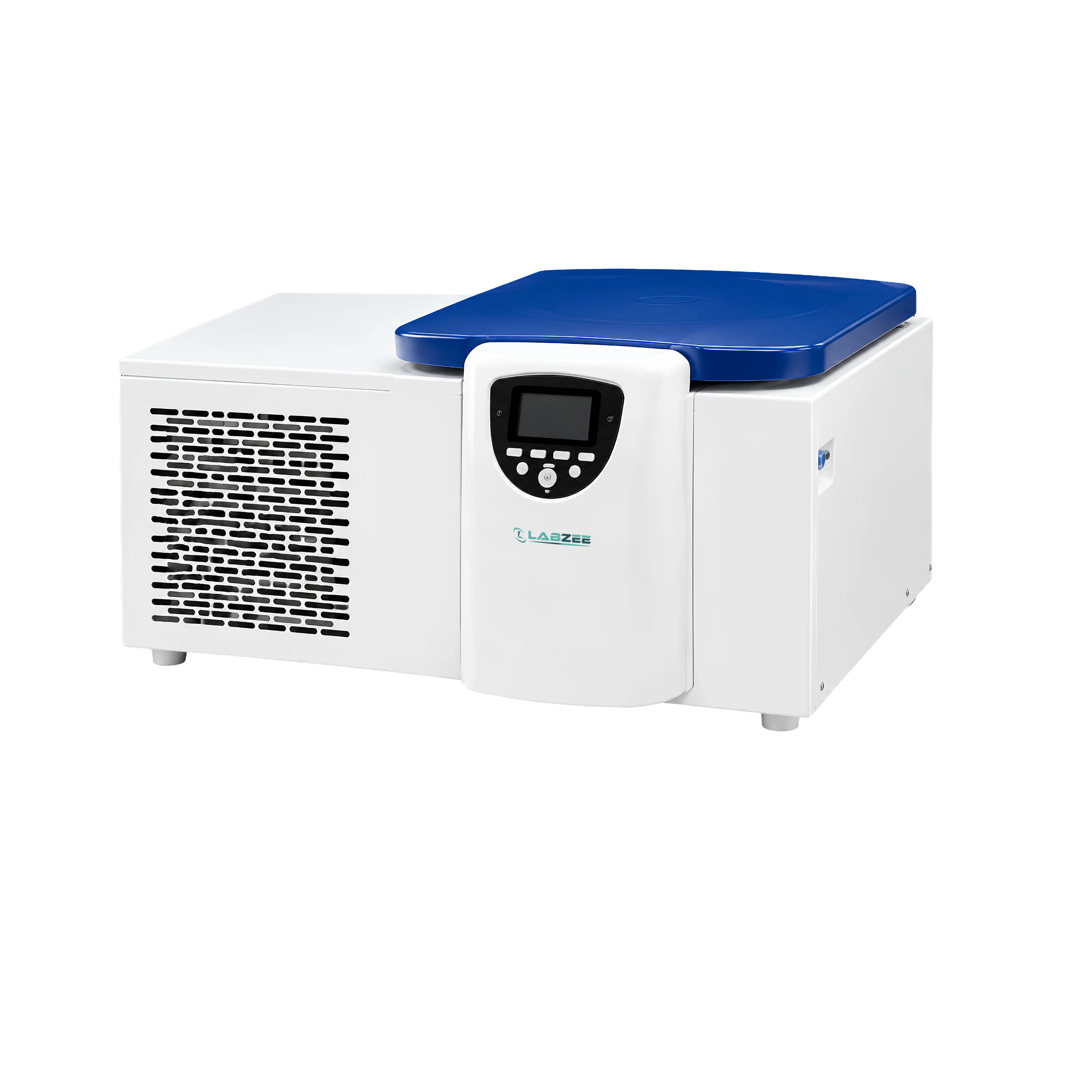
Maximum Capacity: 4×300 ml
Speed Range: 8000 rpm
Relative Centrifugal Field (RCF ×g): 6142×g
Compressor System: R404a
Frequently Asked Questions
1: What is a benchtop low speed refrigerated centrifuge used for?
You can use it to separate biological samples like blood, cells, or proteins at lower speeds. The refrigeration keeps sensitive samples cool during spinning. It's ideal for clinical and research labs.
2: Can you adjust the temperature during centrifugation?
Yes, most models let you set and maintain a specific temperature. This helps protect heat-sensitive samples. The cooling usually works even when the rotor isn't spinning.
3: What speed range can you expect from this centrifuge?
These centrifuges typically operate at speeds up to 6,000 rpm. That’s enough for common lab applications without damaging delicate samples. Always check the rotor compatibility too.
4: How many sample tubes can you run at once?
It depends on the rotor size, but you can often spin 4 to 24 tubes. Many models support various tube types and sizes. You just need to use the right rotor adapter.
5: Is it safe to use with biological samples?
Yes, it’s built with safety features like lid locking and imbalance detection. Some models also have aerosol-tight rotors. This protects you and your samples during use.
