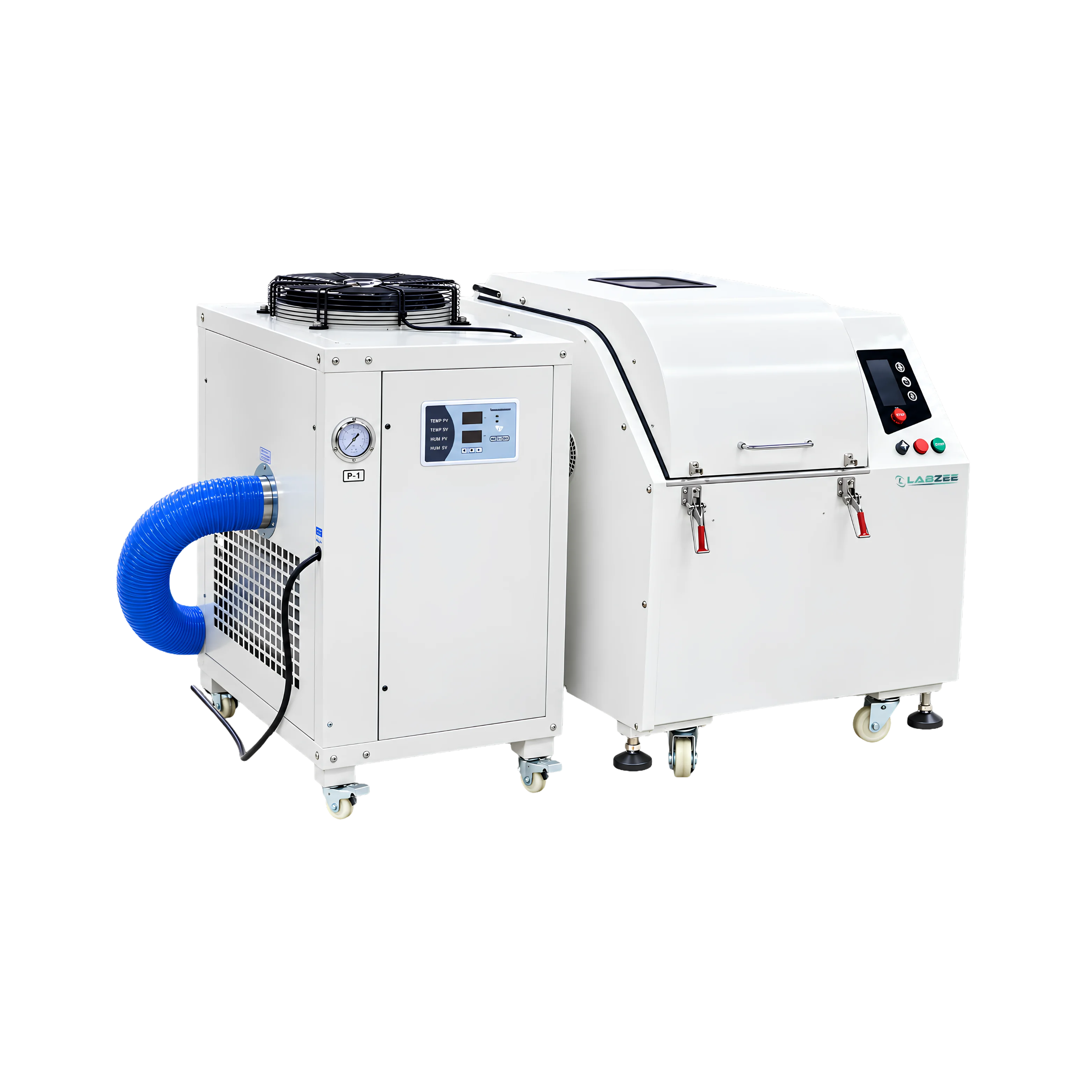
Labzee offers Temperature-Controlled Planetary Ball Mills designed for high-precision grinding, mixing, and homogenization of materials under regulated temperature conditions. They feature programmable temperature control, high-speed rotation, and multiple grinding stations to ensure uniform particle size reduction and prevent heat-sensitive material degradation. These mills support both wet and dry milling and are compatible with various jar materials and sizes. They operate with low noise and vibration, offering consistent performance for advanced sample preparation. Their intelligent temperature management and user-friendly interface make them ideal for critical research and industrial applications. Our Temperature-Controlled Planetary Ball Mills support various applications, including nanomaterial synthesis, thermally sensitive compound processing, pharmaceutical research, material science development, and chemical sample preparation.
Jar Capacity
Grinding Jar Capacity
Grinding Jar Size
Feed size
Vacuum Jar Capacity
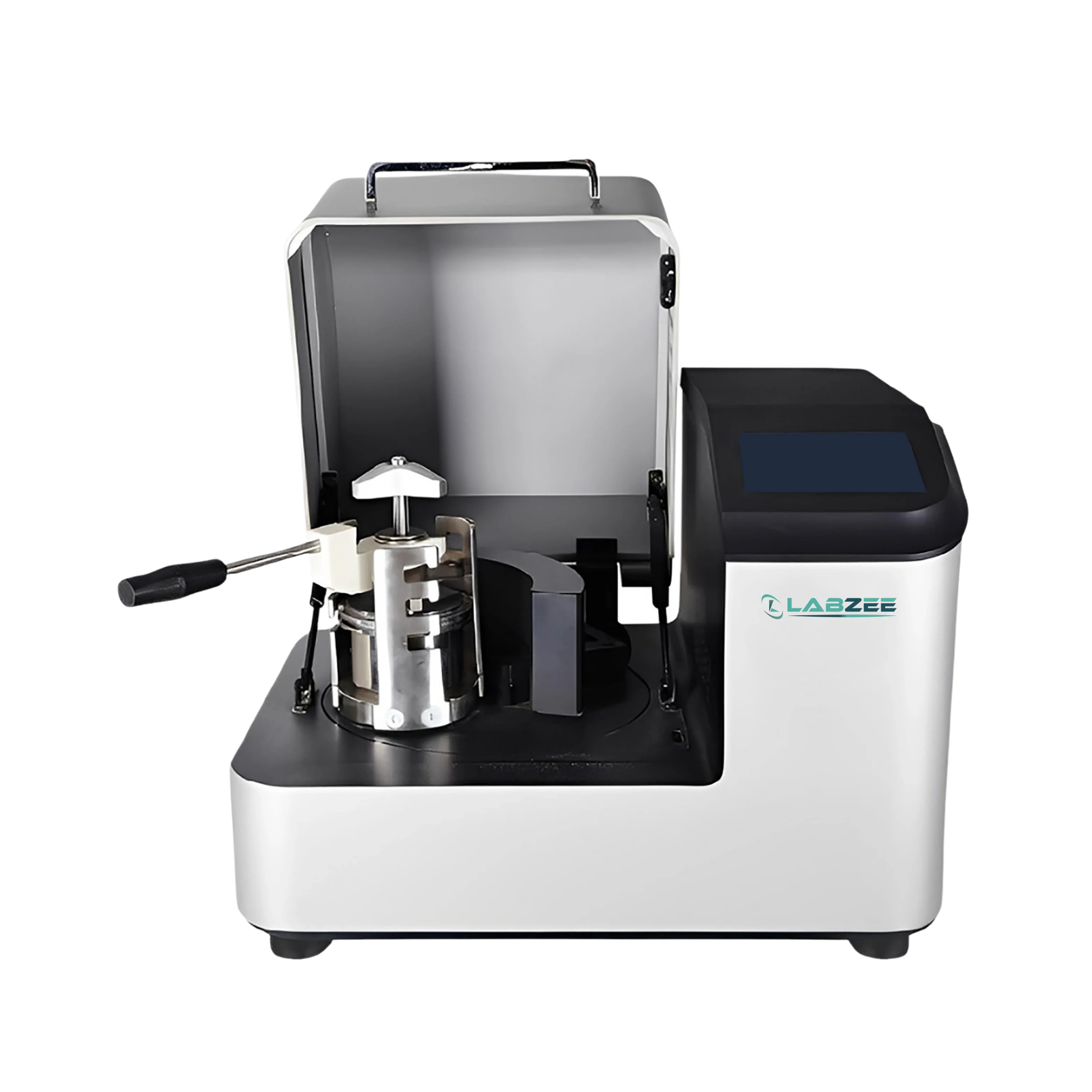
Feed size: < 10 mm
Final fineness: < 0.1 μm
Speed: 100 to 650 rpm
Speed ratio: 1: -2
$ 14654
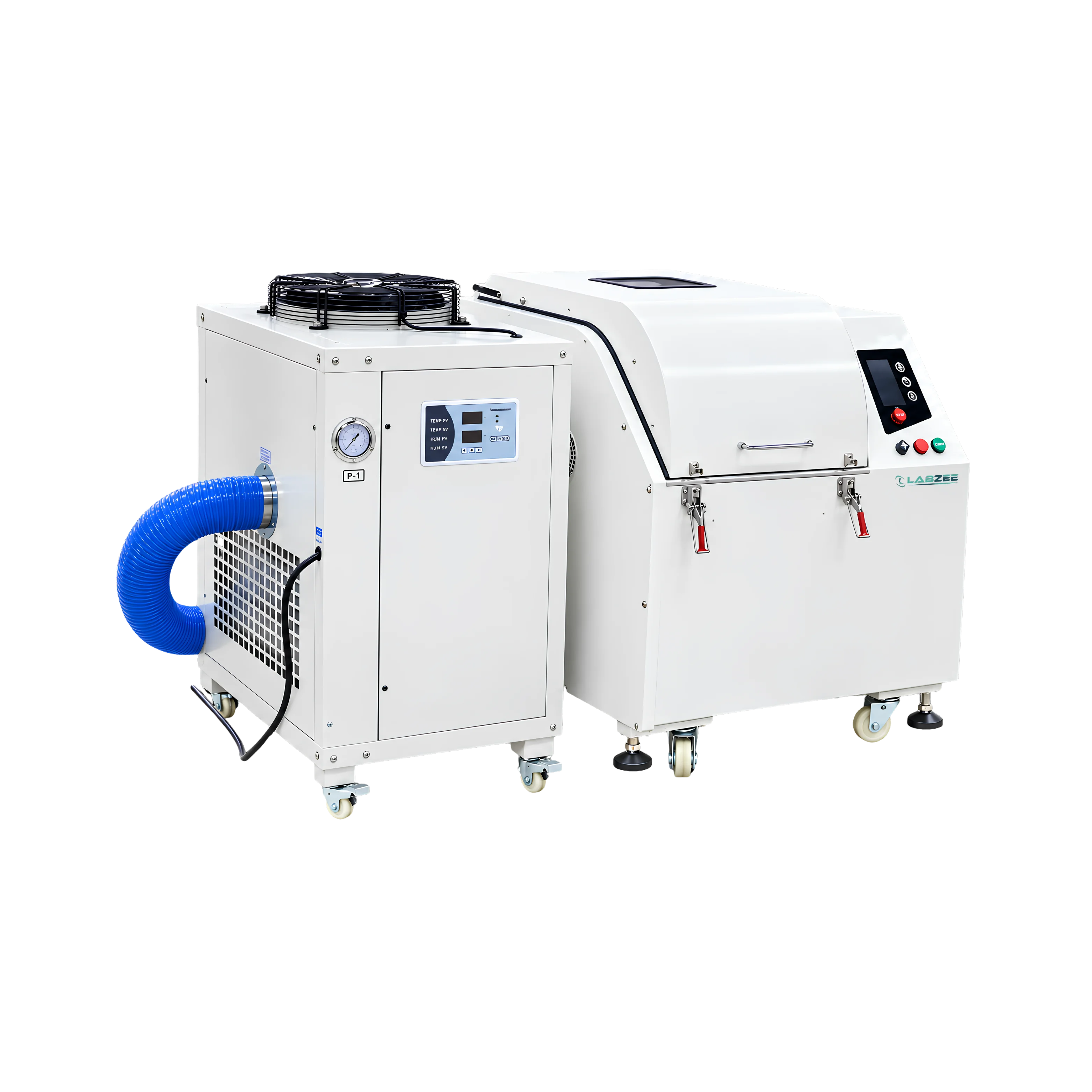
Grinding Jar Capacity: 50–1000 mL
Vacuum Jar Capacity: 50–500 mL
No. of Grinding Stations: 4
Revolution Speed: 5–400 r/min
$ 5055
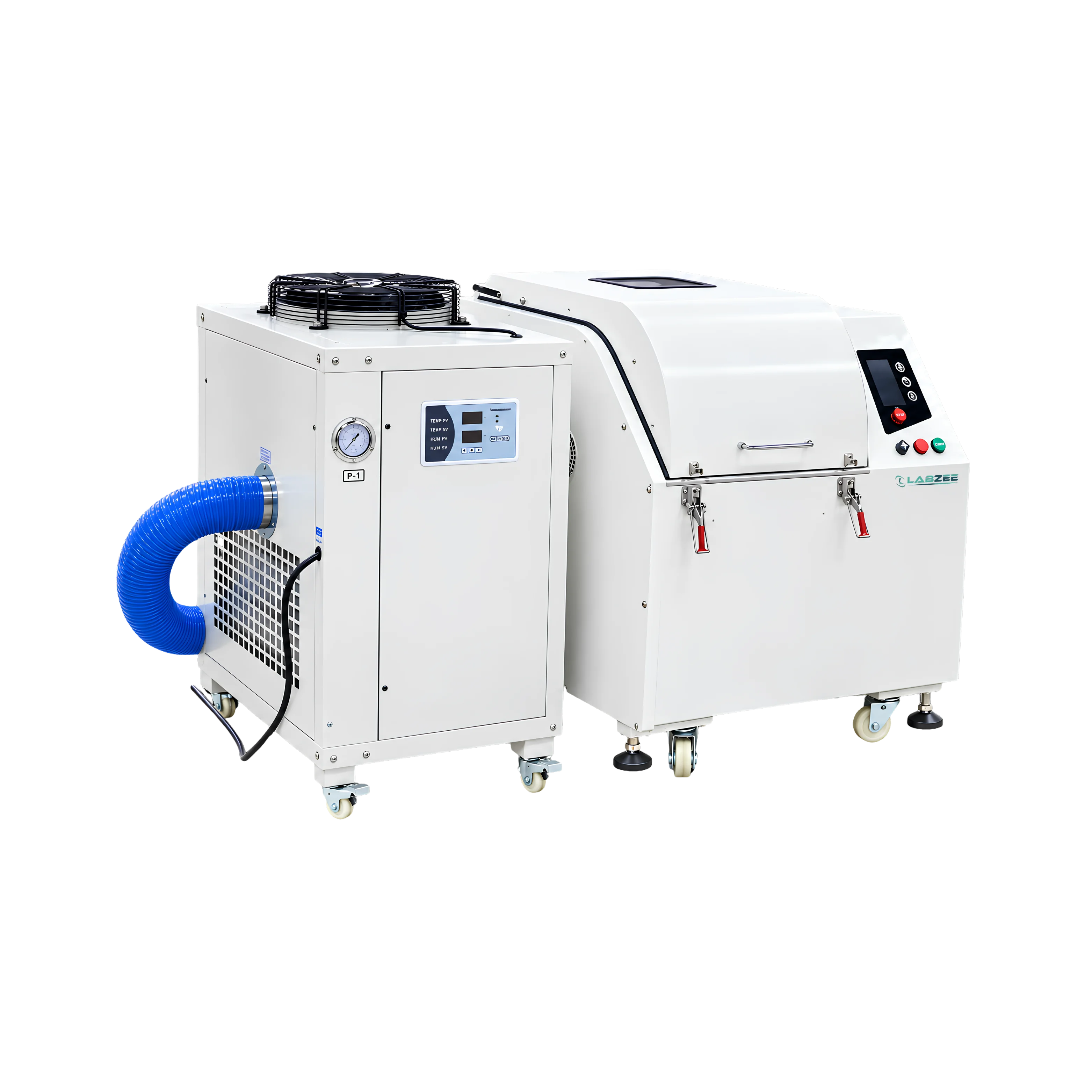
Grinding Jar Size: 0.5-2 L
Vacuum Jar Size: 0.5-2 L
Sun Wheel Speed: 5-320 rpm
Ball Mill Jar Speed: 10-640 rpm
$ 5693
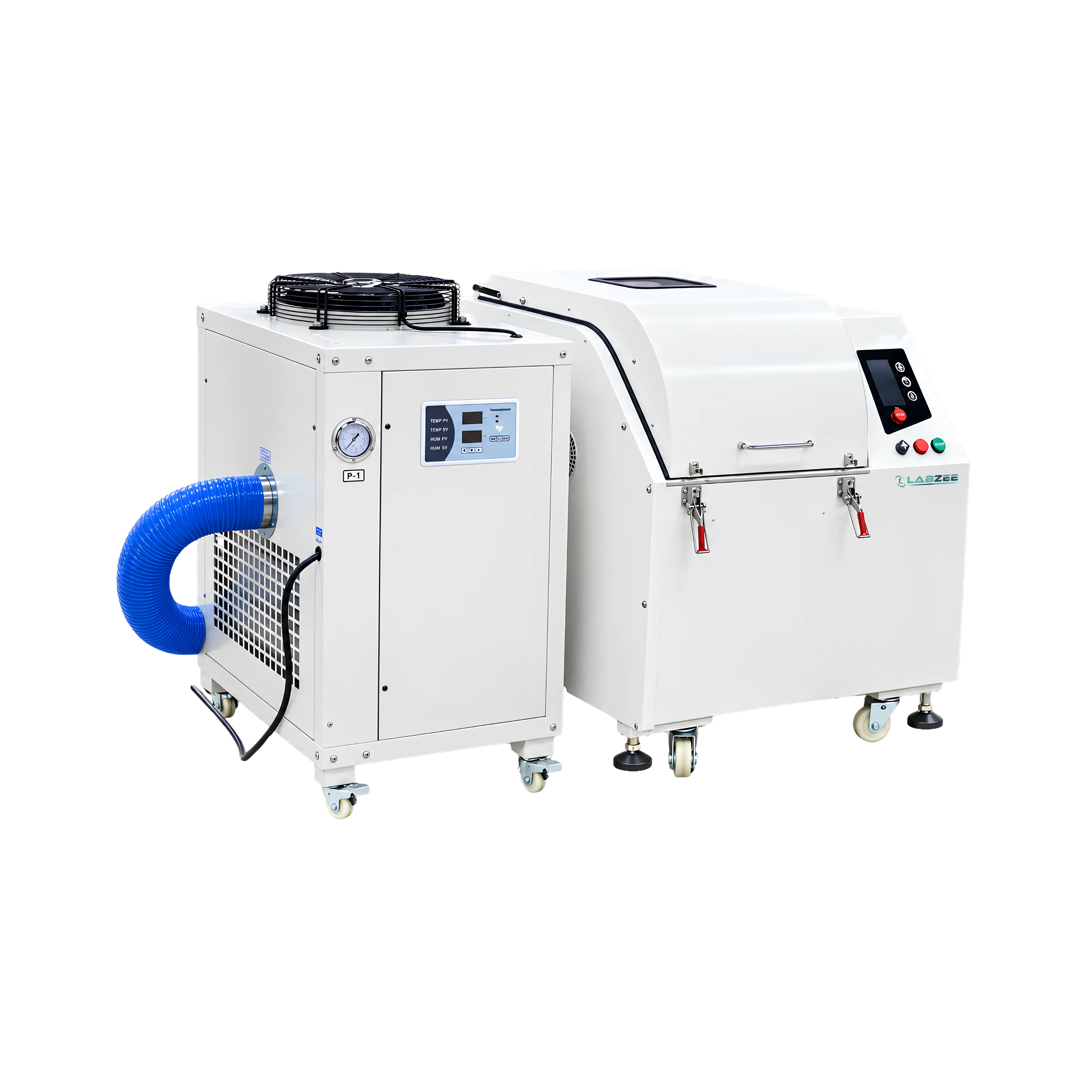
Grinding Jar Size: 1-3 L
Vacuum Jar Size: 1-3 L
Sun Wheel Speed: 5-320 rpm
Ball Mill Jar Speed: 10-640 rpm
$ 5693
Jar Capacity: 1-5 L
Vacuum Jar Capacity: 1-5 L
Sun Wheel Speed: 5-230 rpm
Ball Mill Jar Speed: 10-460 rpm
$ 8786
Frequently Asked Questions
1: What is a Temperature-Controlled Planetary Ball Mill?
A Temperature-Controlled Planetary Ball Mill is a high-precision grinding system equipped with a built-in temperature control mechanism. It enables regulated heating or cooling during milling to maintain sample integrity and enhance reaction efficiency.
2: Why is temperature control important in planetary ball milling?
Controlling temperature prevents overheating, which can degrade heat-sensitive materials, alter chemical reactions, or affect particle size. It also enables temperature-dependent synthesis and material modifications.
3: How is temperature regulated in this Planetary Ball Mill?
Temperature is regulated through integrated systems such as water circulation, cooling fans, or built-in heating elements. Users can set and monitor the temperature to match specific processing needs.
4: What types of materials benefit from temperature-controlled milling?
Materials like polymers, pharmaceuticals, composites, and reactive powders benefit greatly from temperature control to avoid decomposition, maintain uniformity, or trigger controlled phase transformations.
5: Can both heating and cooling be achieved in this machine?
Yes, most Temperature-Controlled Planetary Ball Mills support both heating and cooling functions, allowing precise thermal management across a wide range of materials and applications.
