$ 4360
| Volume | 1000 mL |
| Stirring Speed Range | 0 to 1800r/min |
| Maximum Operating Temperature | 300℃ |
| Temperature Control Accuracy | 1℃ |
| Design Pressure | 22Mpa |
| Heating Power | 1.5 KW |
| Product Dimension | 60 × 45 × 60 cm |
| Package Dimension | 62 × 52 × 66 cm |
| Net Weight | 45 Kg |
| Gross Weight | 53 Kg |
Extra Gaskets
Magnetically Coupled Mechanical Stirring
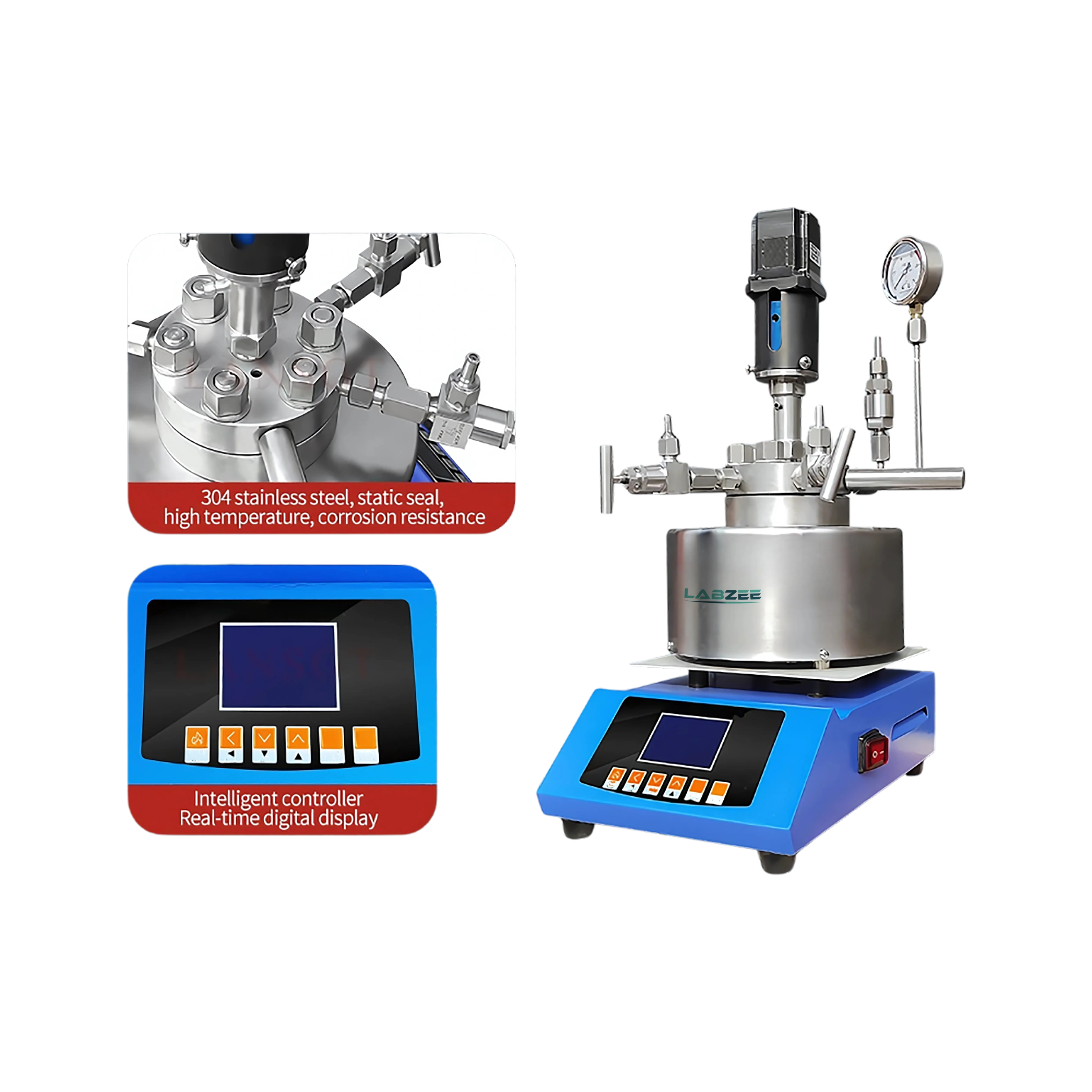
Real Time Digital Display
Non-Contact Stirring Mechanism
Explosion Proof Valve
Static Sealing Structure
Stirring Shaft Cooling
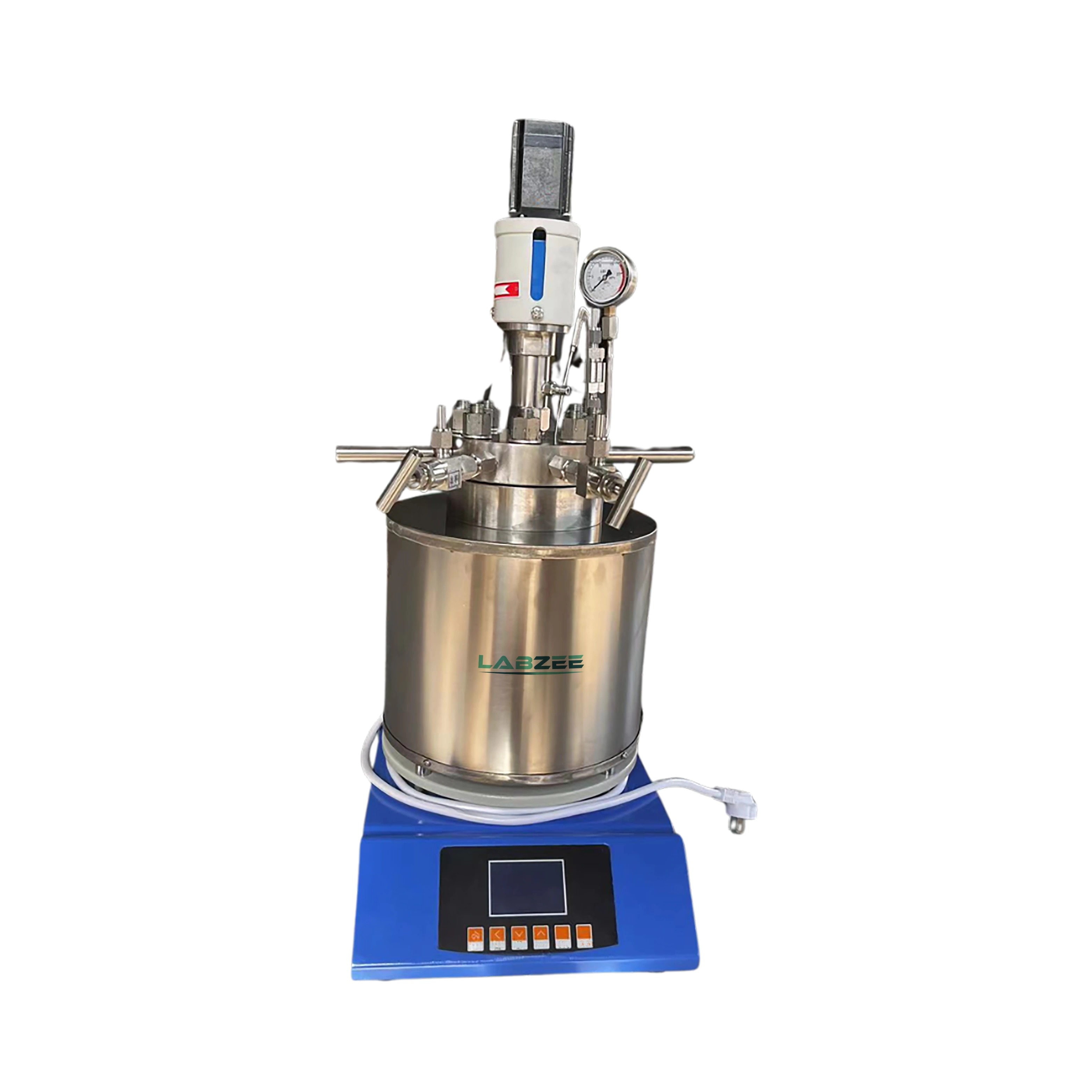
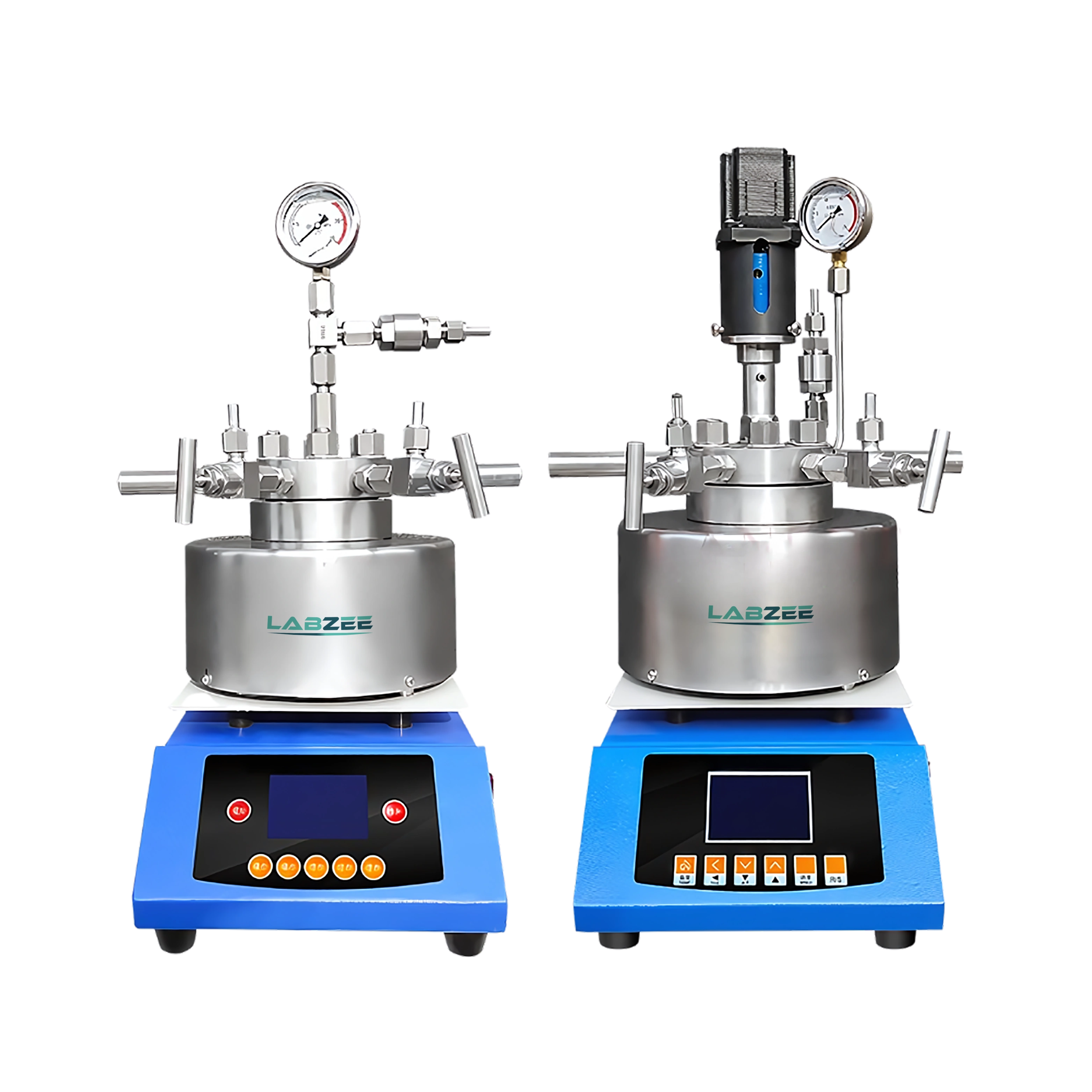
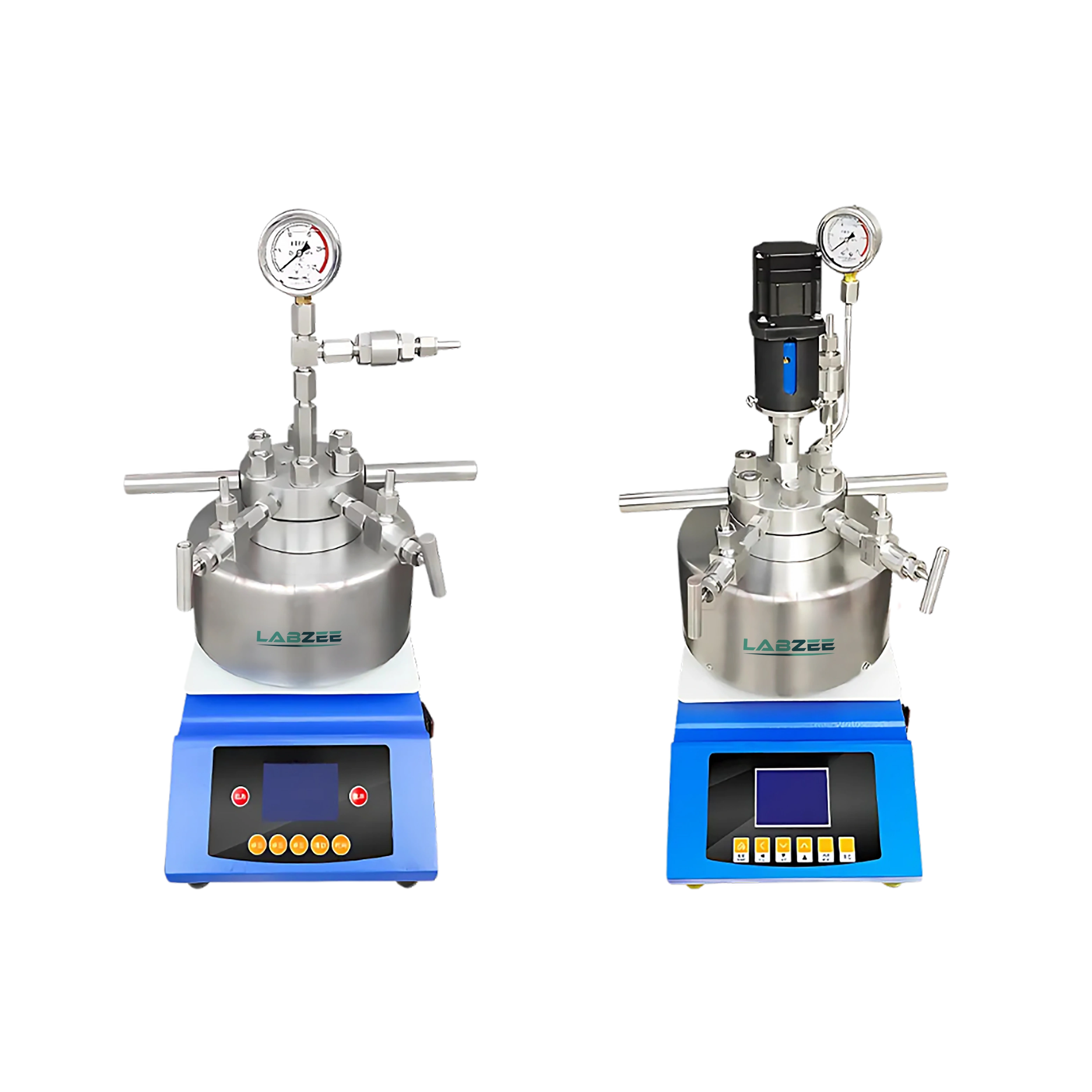
Labzee Stainless Steel Lab Reactor BZSSR-501 is ideal for secure, leak-proof processing in petroleum, chemical, organic synthesis, polymer, and food industries, supporting reactions including vulcanization, fluorination, and oxidation.
Frequently Asked Questions
1: What is the maximum operating capacity and pressure of the BZSSR-501?
Stainless Steel Lab Reactor BZSSR-501 has a 1,000 mL capacity and is designed to operate safely up to 22 MPa, making it suitable for demanding high-pressure reactions.
2: How precise is the temperature control?
Stainless Steel Lab Reactor BZSSR-501 offers ±1°C temperature control accuracy, enabling consistent thermal conditions for sensitive reactions up to 300°C.
3: How does the magnetic non-contact stirring system improve performance?
The magnetically coupled non-contact stirring mechanism eliminates direct shaft penetration, ensuring leak-free operation and preventing contamination of the reaction medium.
4: What safety features are included in this reactor?
Stainless Steel Lab Reactor BZSSR-501 is equipped with a static sealing structure and explosion-proof valve to prevent hazardous leaks and ensure safe operation under high pressure and temperature.
5: Is the stirring speed adjustable?
Yes, Stainless Steel Lab Reactor BZSSR-501 offers a variable stirring speed range from 0 to 1800 r/min, allowing users to optimize mixing intensity for different reaction requirements.
6: Can the reactor operate continuously under high load?
Yes, the stirring shaft cooling system and robust sealing design allow continuous high-load operation without compromising performance or safety.
7: What is the maximum operating pressure and temperature of Stainless-Steel Lab Reactors?
Stainless-Steel Lab Reactors are designed to operate safely up to 22 MPa and 300°C, providing precise control over demanding experimental conditions.
8: What role does shaft cooling play in Stainless Steel Lab Reactors operation?
What role does shaft cooling play in Stainless Steel Lab Reactors operation?
9: What are Stainless Steel Lab Reactors used for?
Labzee Stainless Steel Lab Reactors are used for chemical reactions that require elevated pressure and temperature, including catalysis, hydrogenation, polymer synthesis, and advanced material research.
10: Can Stainless Steel Lab Reactors be integrated with process monitoring or automation systems?
Yes, they feature digital parameter monitoring and can be configured with external sensors, automated data logging, and feedback controls. This allows integration into advanced laboratory workflows and scalable industrial pilot setups.
11: What advantages does precise temperature control offer in Stainless Steel Lab Reactors?
Accurate temperature control (±1°C) is critical for reproducibility in sensitive processes such as catalytic hydrogenation and polymerization. It minimizes deviations, prevents side reactions, and allows researchers to replicate experiments with consistent yields.
