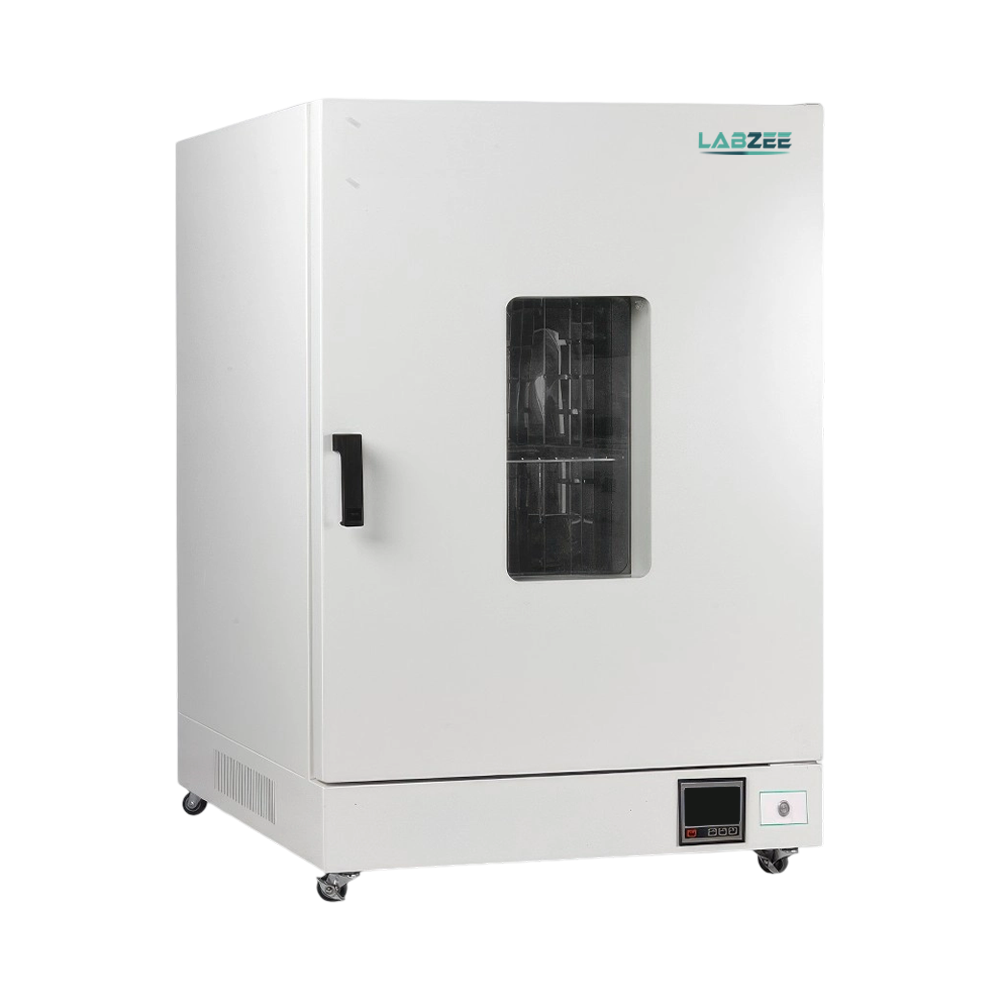
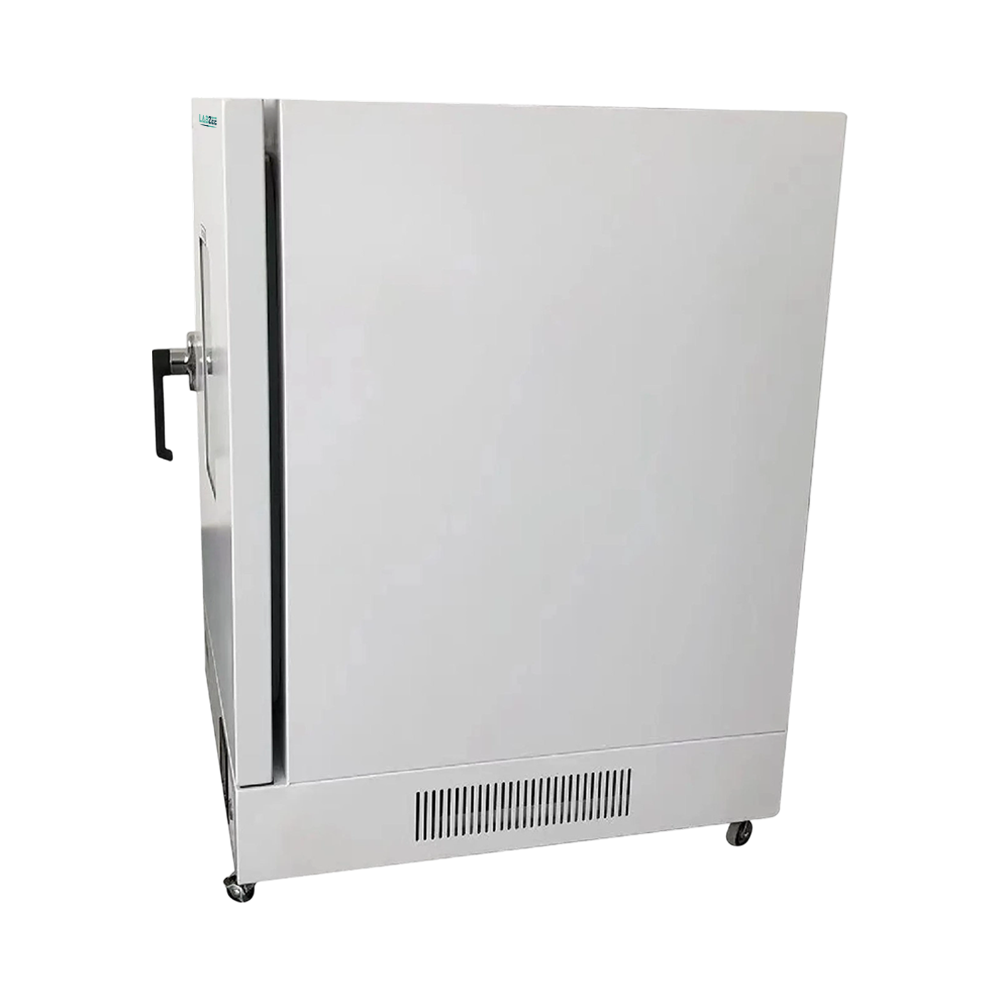
$ 1405
| Chamber Volume | 31.5 L |
| Temperature Range | RT +5°C to 300°C |
| Temperature Fluctuation | ±1°C |
| Temperature Uniformity | ±2.5 % |
| Temperature Resolution | 0.1℃ |
| Timing Range | 1 to 9999 minutes |
| Power Consumption | 950W |
| Chamber Size (W×D×H) | 30×30×35 cm |
| Exterior Size (W×D×H) | 45×47×70 cm |
| Package Dimension | 53×53×77 cm |
| Net Weight | 29 Kg |
| Gross Weight | 37 Kg |
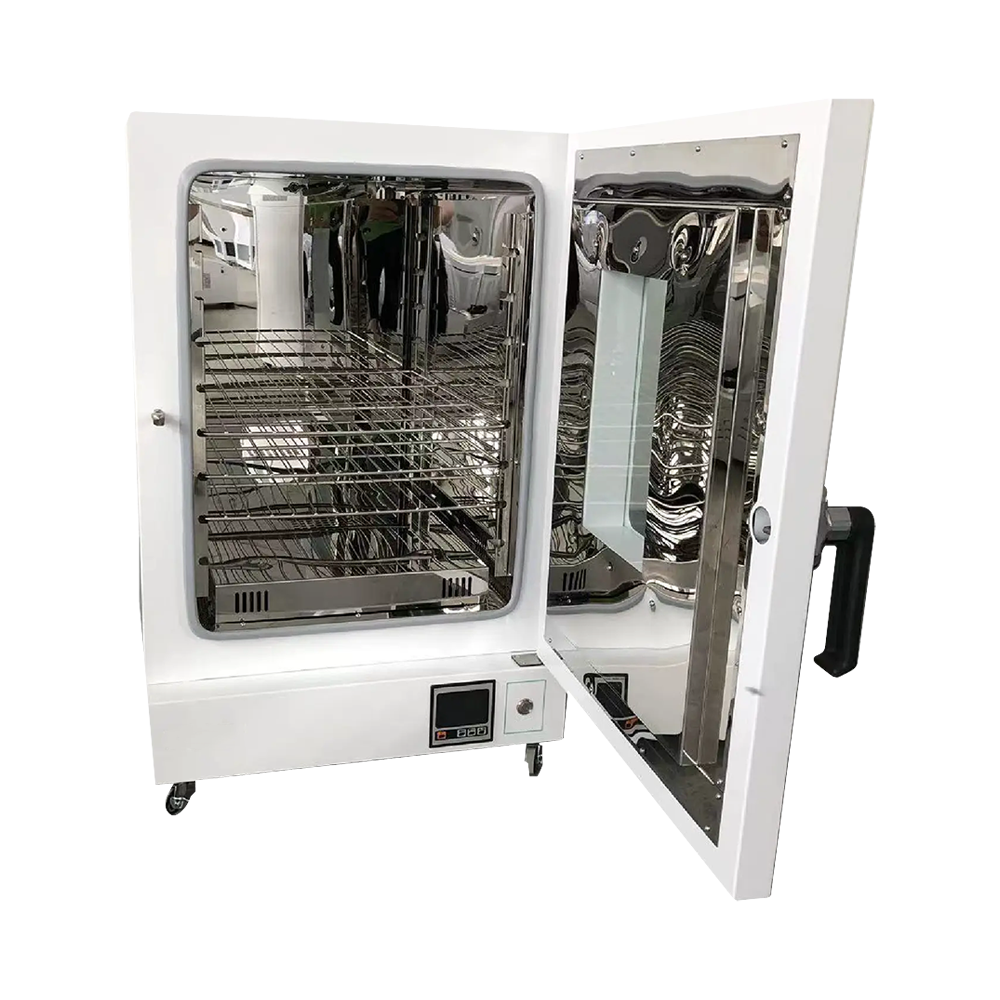
2 Perforated Shelves (Expandable to 5)
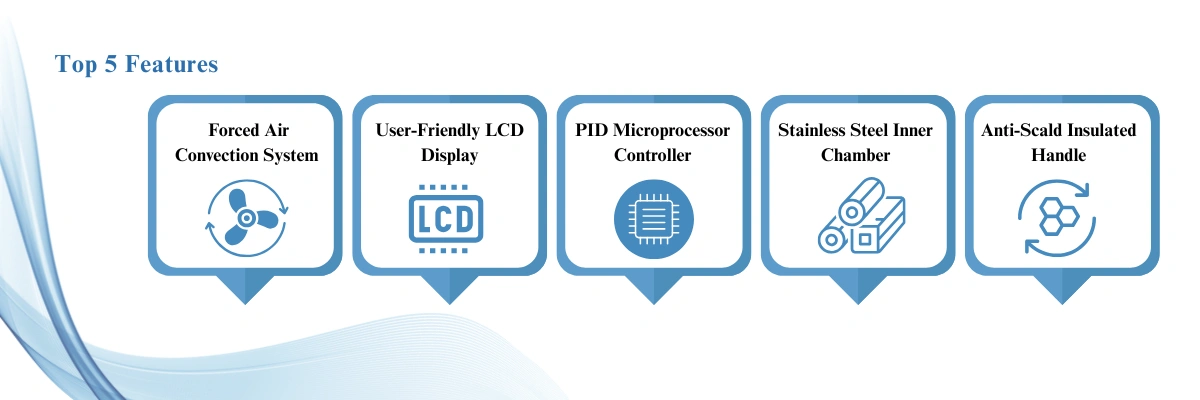
Forced Air Convection System
User-Friendly LCD Display
PID Microprocessor Controller
Stainless Steel Inner Chamber
Anti-Scald Insulated Handle
Built-In Data Printer
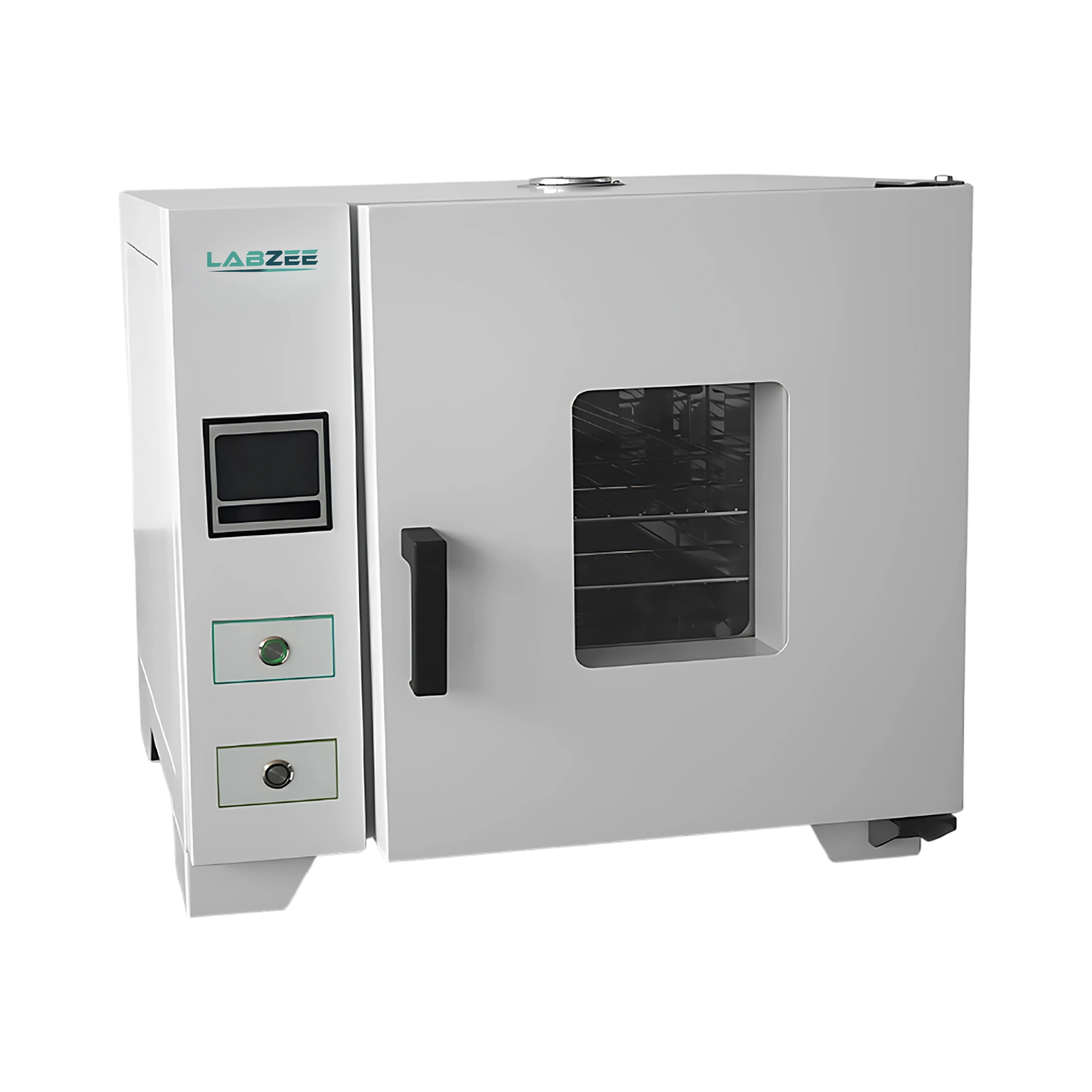
Labzee Floor Standing Air-Drying Oven BZAO-507 is ideal for precise drying, sterilization, thermal testing, and heat treatment of samples in laboratories across pharmaceutical, chemical, electronics, food, and research industries.
Frequently Asked Questions
1: How does the Floor Standing Air-Drying Oven BZAO-507 maintain temperature uniformity across the chamber?
Floor Standing Air-Drying Oven BZAO-507 uses a forced air convection system combined with a PID microprocessor controller to achieve ±2.5% uniformity, ensuring consistent heat distribution throughout the chamber.
2: What is the impact of chamber load on temperature stability and recovery time?
Heavy or unevenly distributed loads may slightly affect airflow efficiency; however, the BZAO-507's system is optimized for fast thermal recovery and stability even with partial airflow obstruction.
3: Can the Floor Standing Air-Drying Oven BZAO-507 be integrated into a laboratory monitoring system?
Yes, with the optional RS485 interface, it supports remote control, real-time monitoring, and data logging integration into LIMS or building management systems.
4: How does the mechanical thermostat backup function in case of electronic failure?
If the primary PID control system fails, the mechanical thermostat acts as a fail-safe, maintaining pre-set temperature limits to prevent thermal damage to samples.
5: How does the unit respond to temperature deviations beyond user-defined thresholds?
The Floor Standing Air-Drying Oven BZAO-507 features an alarm system that activates visual and/or audible alerts when temperature deviates beyond the user-set safety limits, helping prevent sample degradation.
6: What is a floor standing air-drying oven used for?
Floor standing air-drying ovens are used for thermal drying, sterilization, baking, and heat treatment in laboratories and industrial settings. They are ideal for processes requiring uniform temperature distribution and controlled airflow, such as material testing, sample drying, and component curing.
7: How does forced air convection improve drying performance?
Forced air convection circulates heated air uniformly throughout the chamber, reducing drying time and ensuring consistent temperature distribution. This minimizes hot or cold spots, which is crucial for the reproducibility of sensitive processes.
8: What types of materials can be processed in these ovens?
These ovens can accommodate a wide range of materials, including glassware, metal parts, powders, textiles, and heat-stable biological samples. However, they are not suitable for flammable or volatile substances unless the model is specifically rated for such use.
9: What temperature range is typically supported?
Most of our Floor Standing Air-Drying Ovens offer temperature ranges from ambient +5°C up to 200–300°C, depending on the model. Higher-end units feature precise control with minimal temperature fluctuation and excellent uniformity.
10: Can the oven maintain long-duration heating cycles?
Yes, our ovens are designed for extended operation with programmable timers (often ranging from 1 to 9999 minutes), making them suitable for prolonged drying or curing cycles.
11: Is the temperature calibration adjustable?
Yes. Most models include a PID controller with offset adjustment, allowing users to calibrate the system against external temperature standards or compensations required for specific sample conditions.
12: Are there safety features for over-temperature protection?
Absolutely. Standard features often include over-temperature protection alarms, automatic shutoff, and safety thermostats to prevent overheating and protect both samples and users.
13: What is the typical construction material of the inner chamber?
The inner chamber is typically made of corrosion-resistant stainless steel, which ensures chemical resistance, thermal durability, and ease of cleaning.
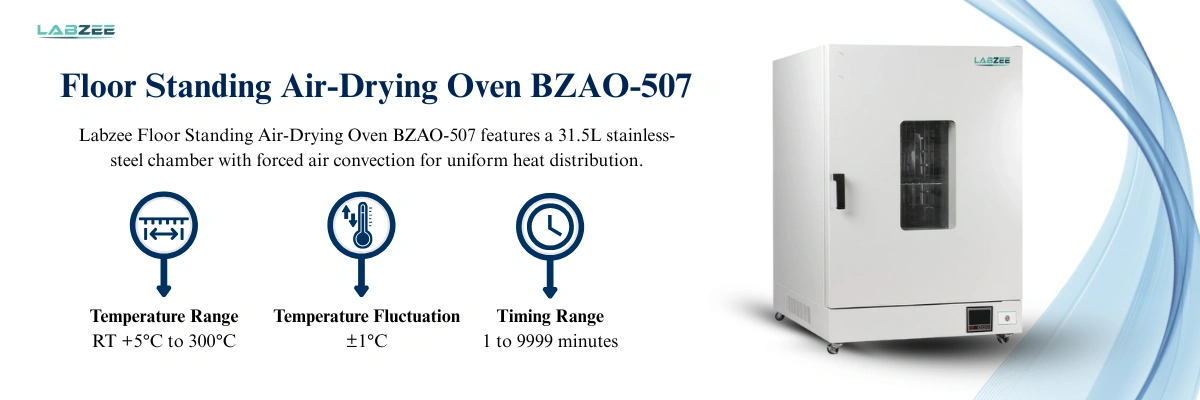
Labzee Floor Standing Air-Drying Ovens are advanced thermal processing systems designed for laboratory and industrial use. They offer chamber capacities ranging from 32 to 624 litres, with corrosion-resistant stainless steel interiors and high-efficiency forced air convection. They come equipped with user-friendly PID microprocessor controllers and large LCD screens for accurate monitoring and control. Our Floor Standing Air-Drying Ovens are ideal for drying, curing, and heat treating a wide range of materials in demanding research and production settings.
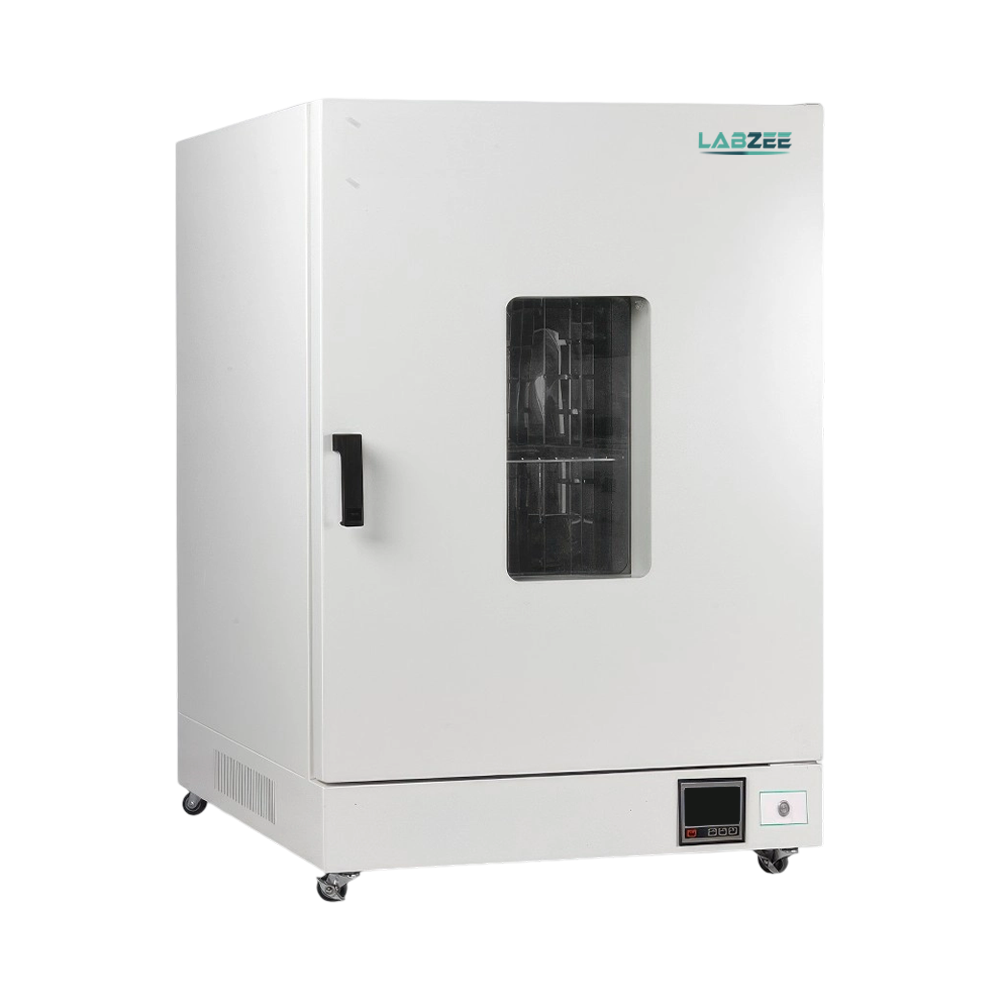

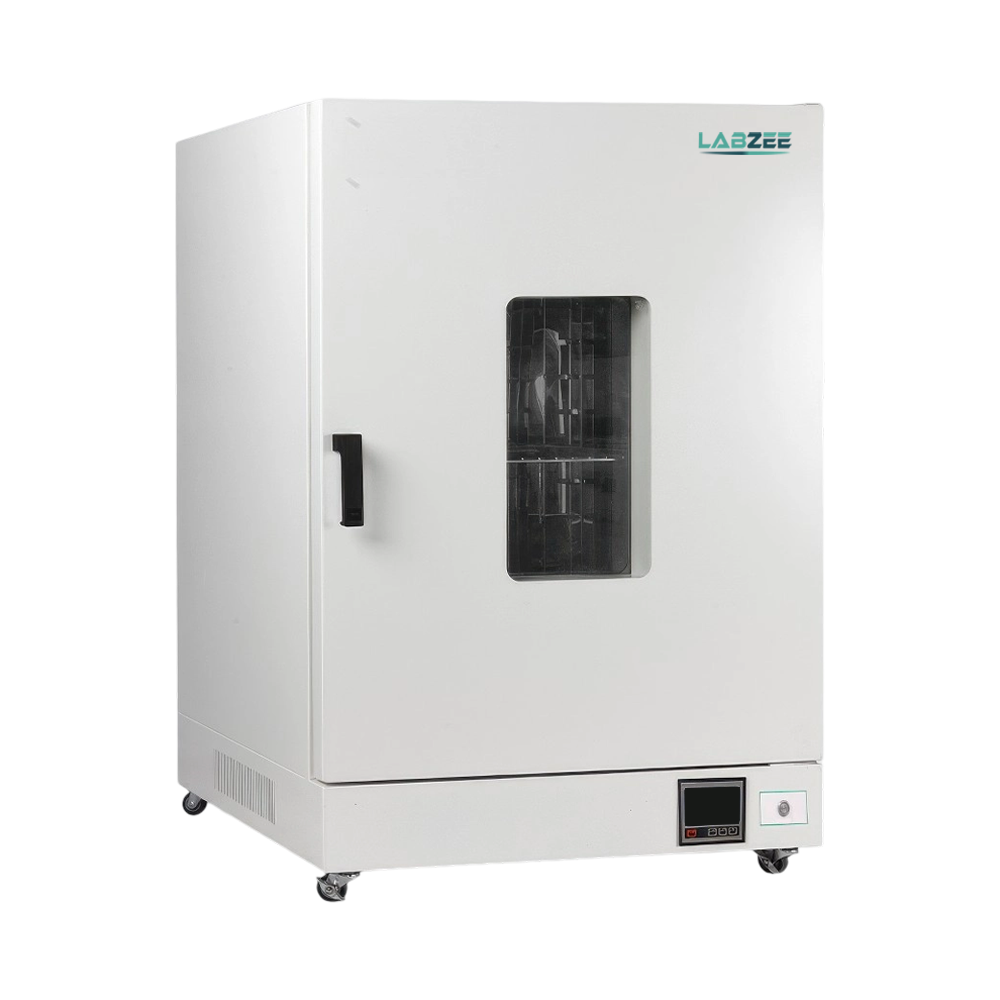
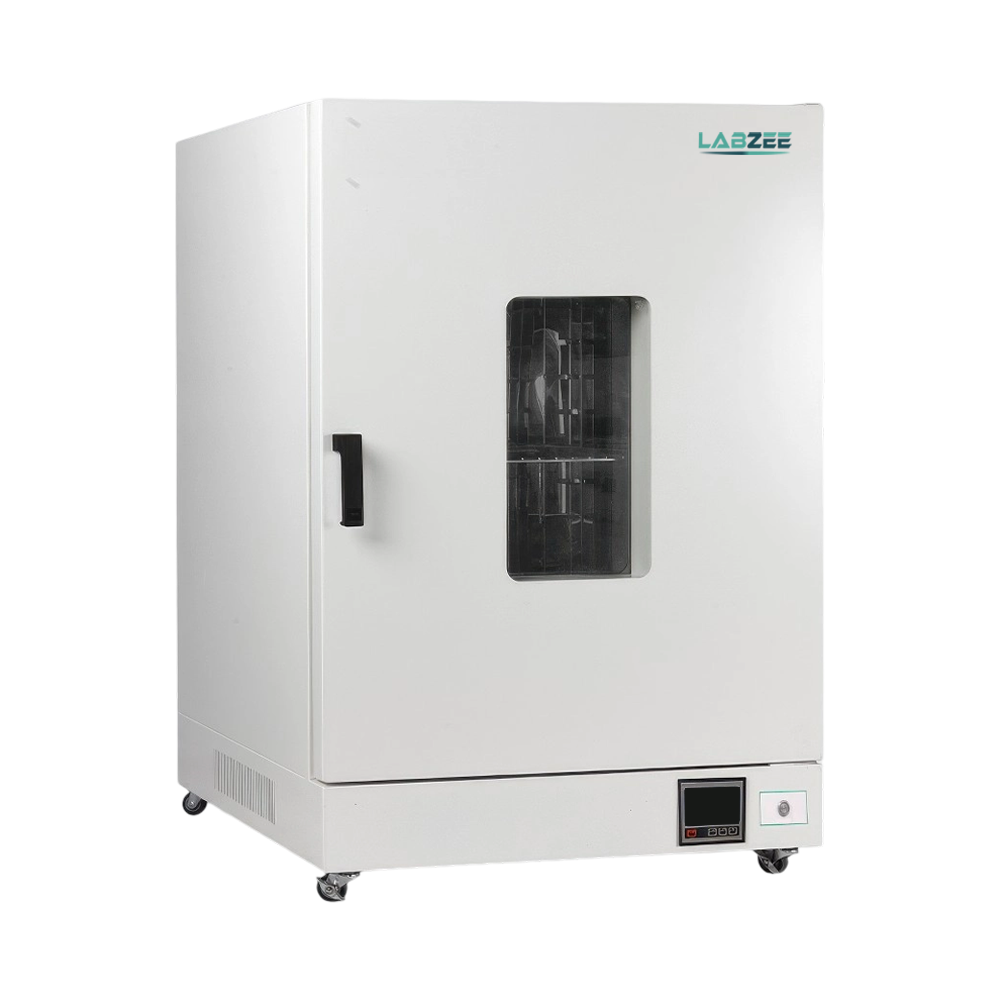
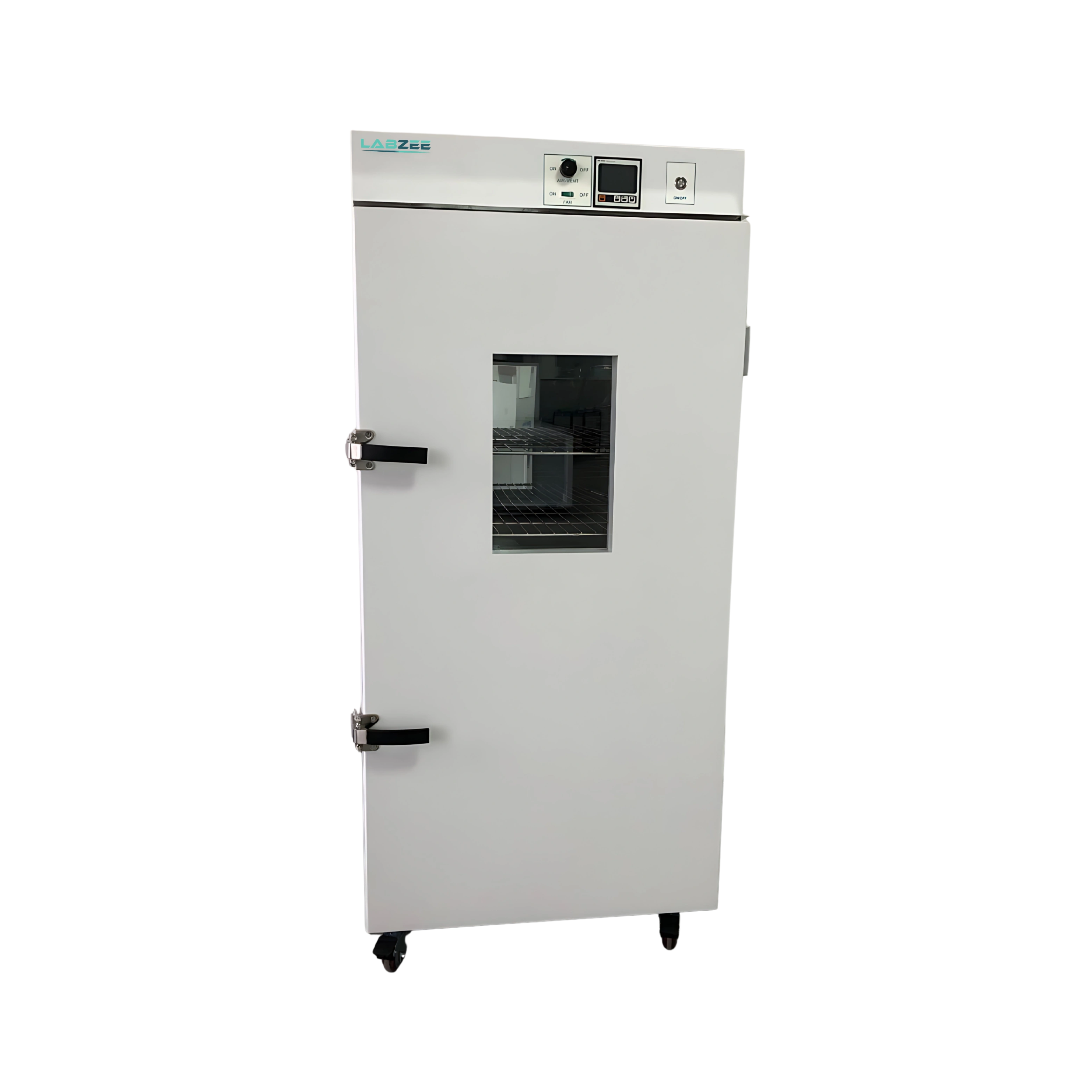
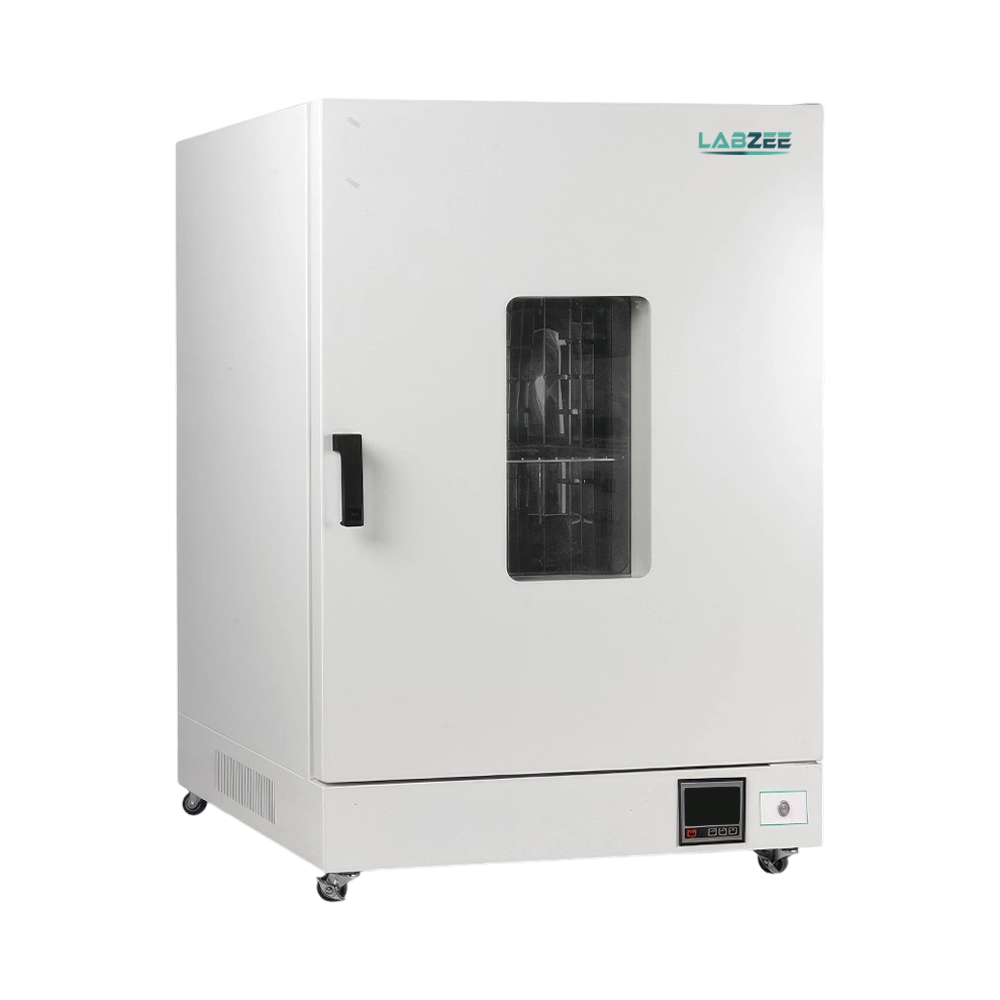
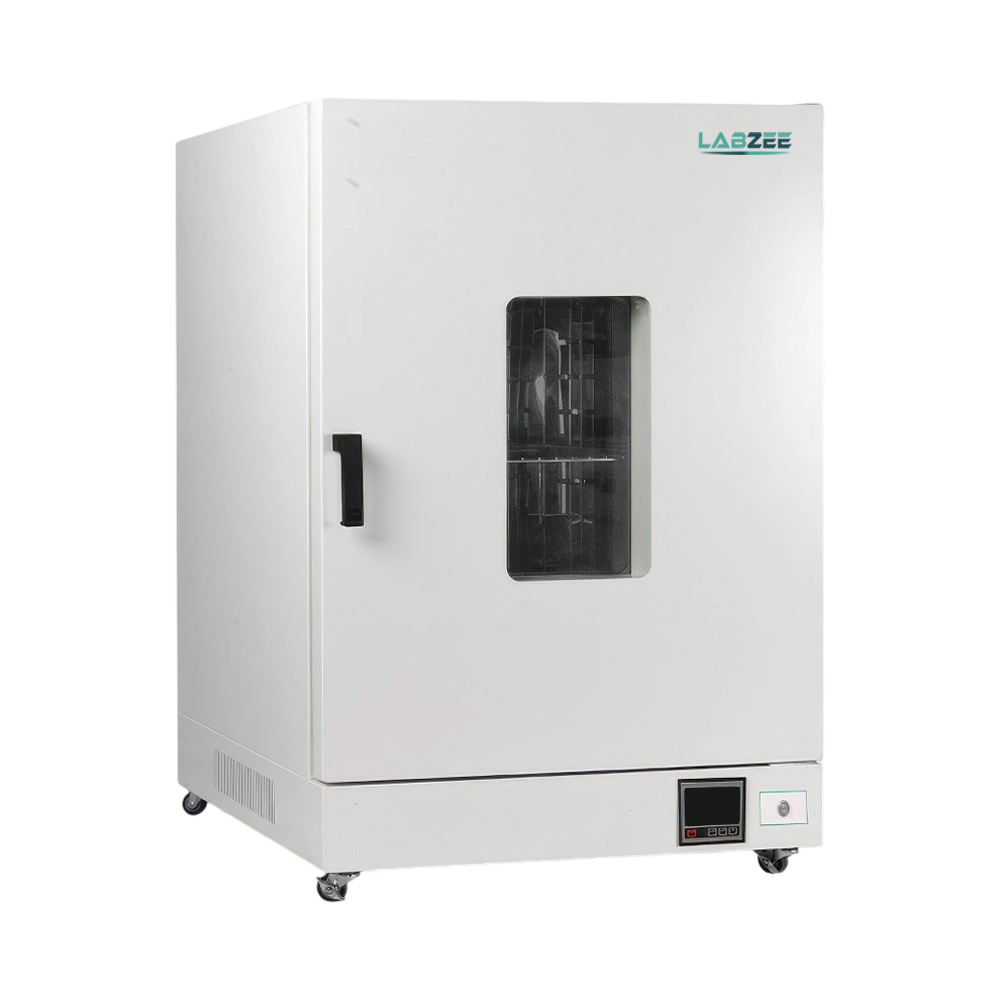
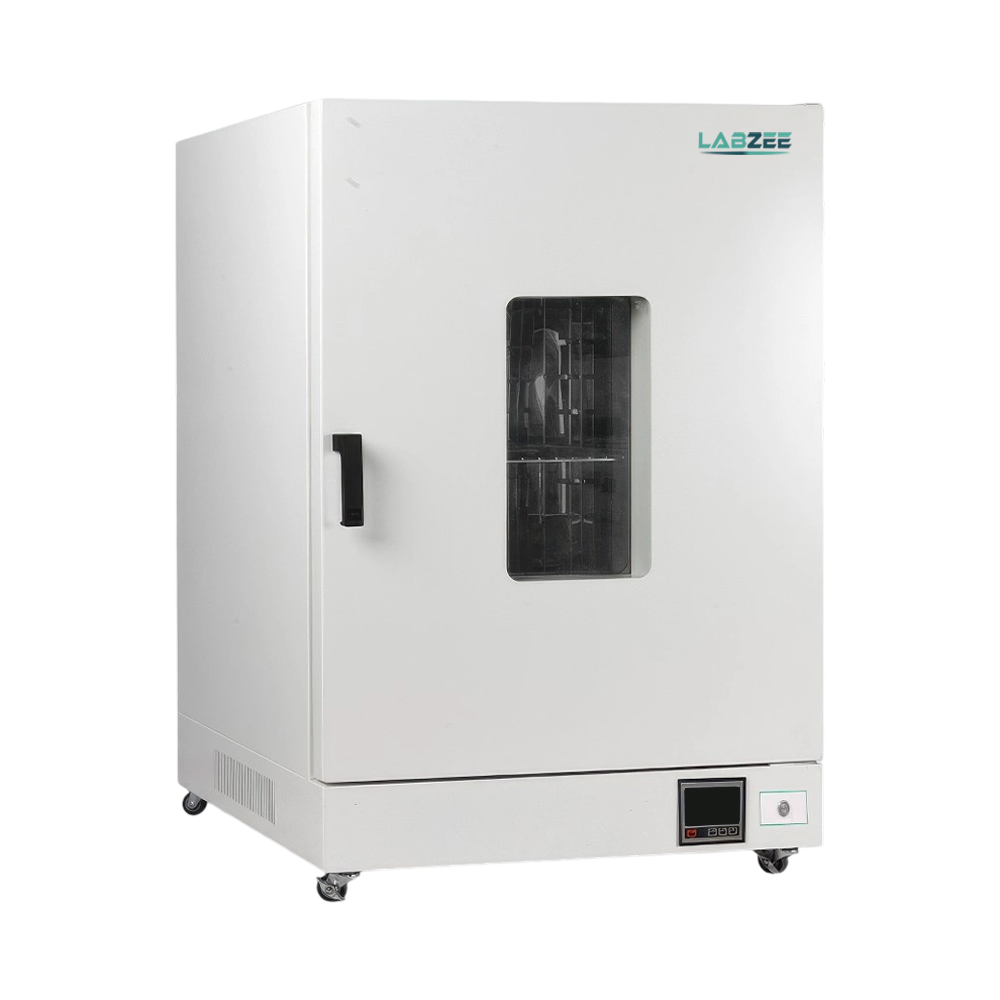

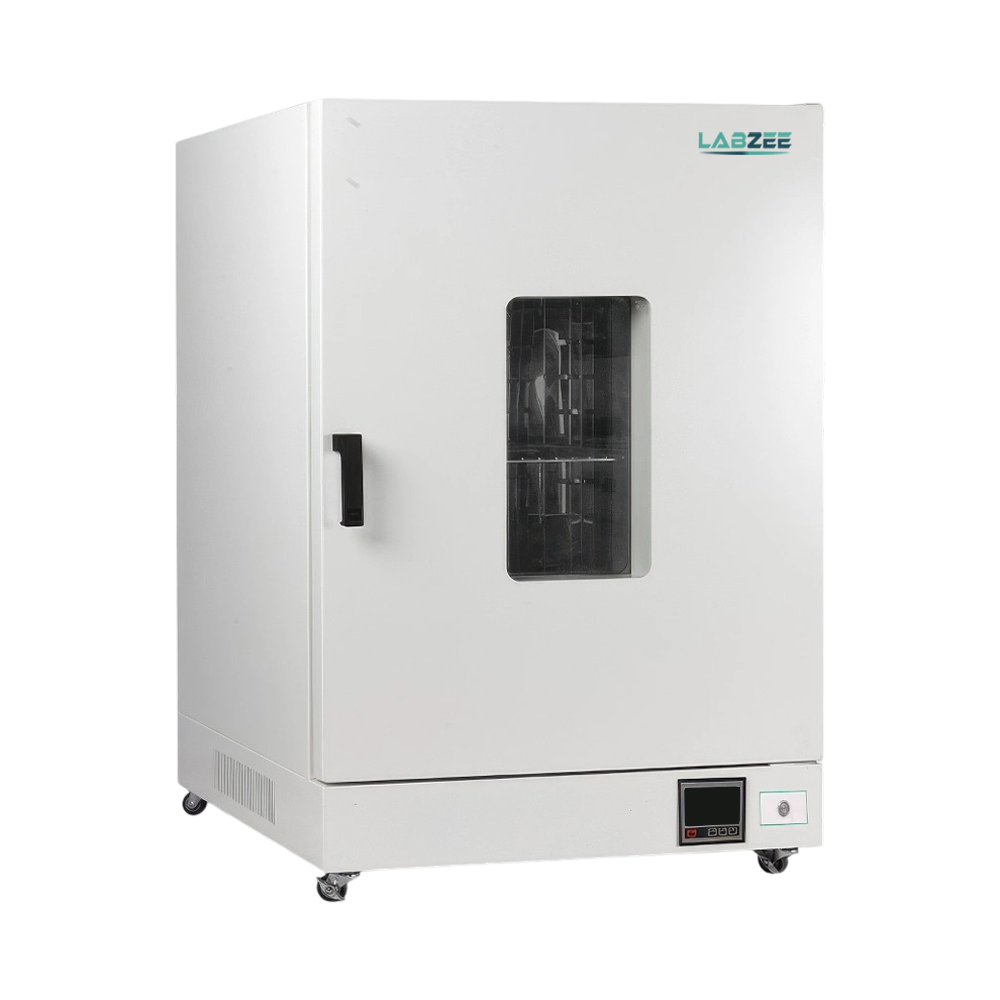
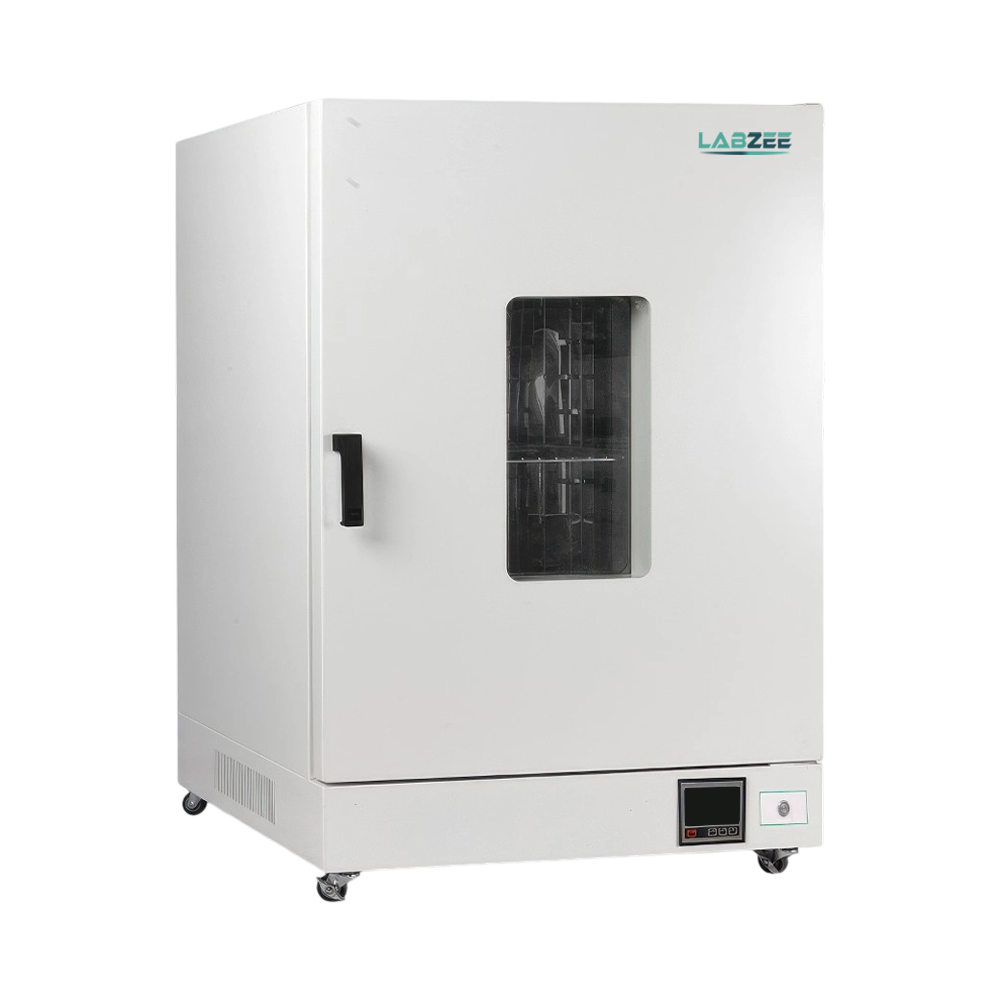
Labzee Forced Convection Ovens ensure precise and uniform heating with advanced air circulation for consistent temperature distribution. Their user-friendly digital controls offer reliable temperature regulation, making them ideal for drying, sterilization, and sample preparation. The durable stainless-steel interiors and efficient insulation enhance energy efficiency and long-lasting performance. They have adjustable shelves and large viewing windows for monitoring processes. Our Forced Convection Ovens provide reliable, secure operation, making them an excellent choice for laboratory environments.

$ 1605
$ 3652

$ 1444

$ 2088
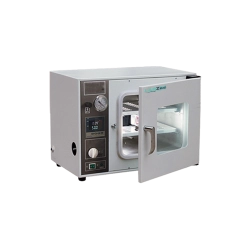
Labzee Vacuum Drying Ovens are designed for precise drying and heat treatment of sensitive materials under vacuum conditions. A transparent viewing window and customizable options, like adjustable shelves, enhance usability. Their advanced temperature regulation and vacuum capabilities minimize oxidation and protect delicate samples. Our energy-efficient and user-friendly Vacuum Drying Ovens are trusted solution for accurate and controlled drying.
$ 1881
$ 2491
Labzee Precision Ovens are designed for high-accuracy applications, offering precise temperature control from 50°C to 250°C. They are made with durable stainless steel ensuring even heat distribution for consistent results. These oven features advanced heating technology, adjustable shelves, LED displays, and safety mechanisms, making them ideal for laboratories that require reliability and precision. They are perfect for sensitive experiments and processes requiring controlled temperature environments.
$ 3427

$ 2502
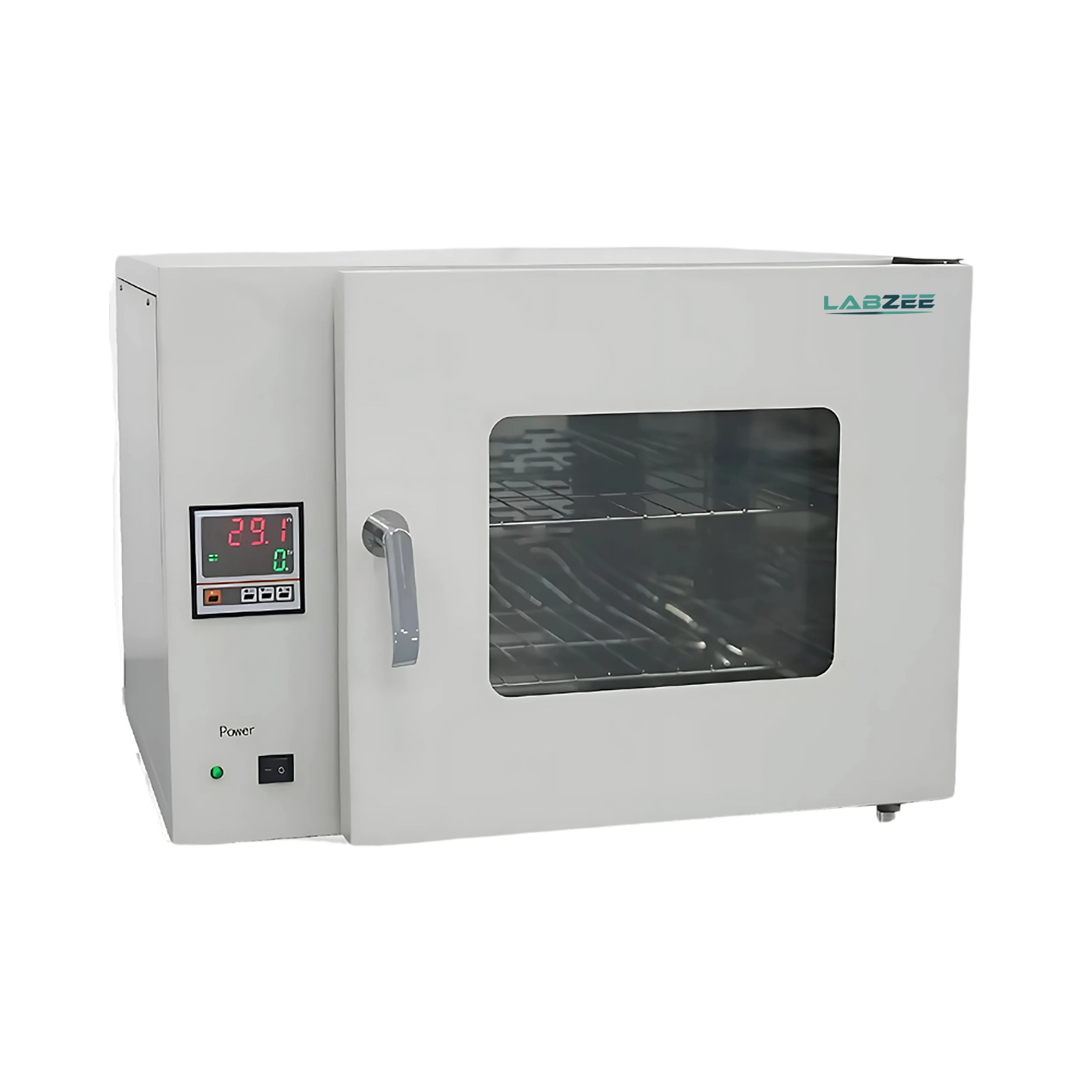
Labzee Electric Ovens are developed for reliable, uniform heating in a wide range of laboratory applications. They utilize advanced electric heating elements for precise temperature control and stable thermal performance. These ovens come in various models including natural and forced convection types, offering flexibility for different drying and curing processes. Their stainless-steel chambers, digital interfaces, and built-in safety features ensure consistent results and user confidence. Our Electric Ovens are ideal for use in pharmaceutical labs, research facilities, electronics testing, and material science environments.

$ 1421
$ 1318
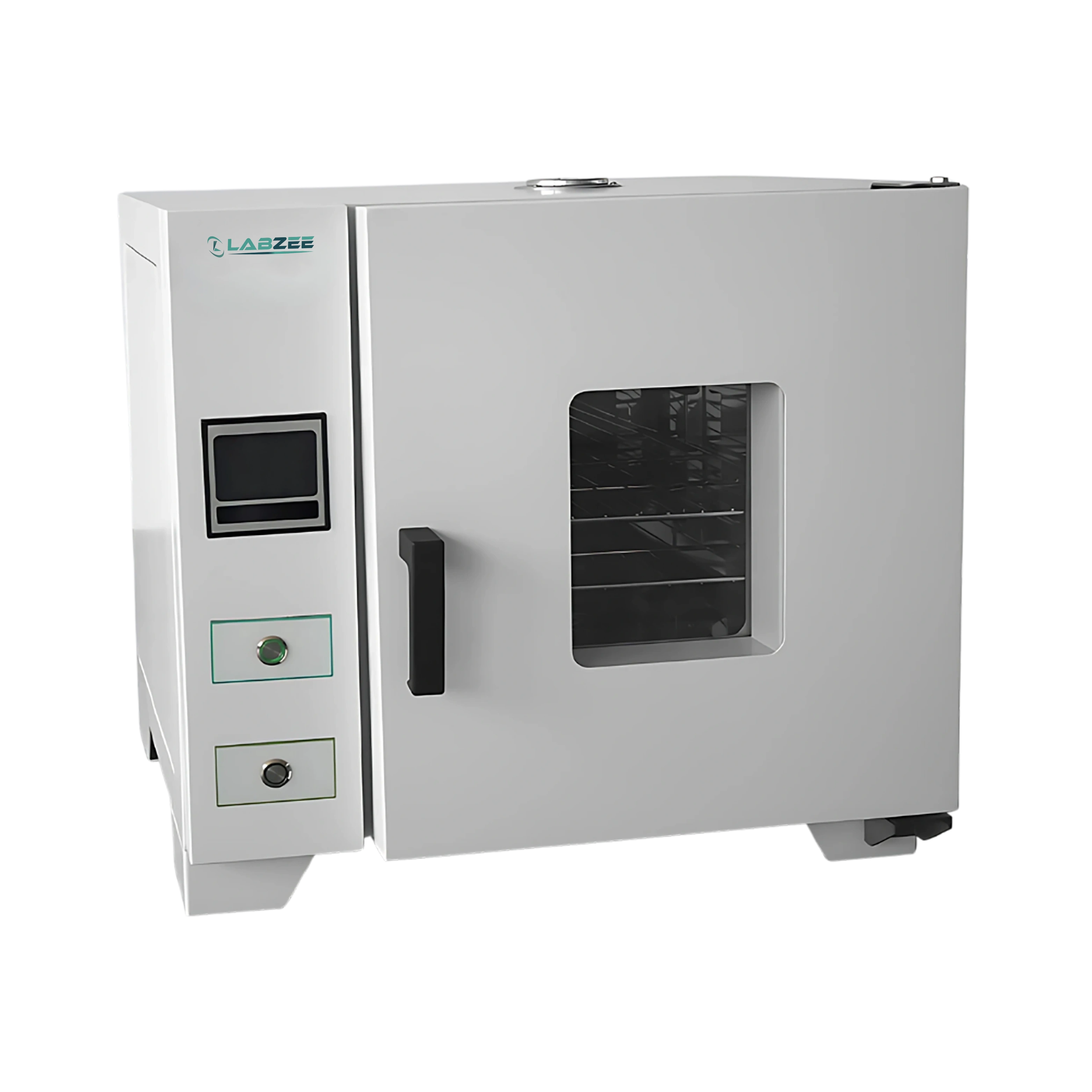
Labzee Benchtop Air Drying Ovens designed for controlled heating, drying, and heat treatment across laboratory workflows. Our Benchtop Drying Ovens feature digital LCD displays for temperature and time monitoring, with air circulation to distribute heat throughout the chamber. Multiple capacity and shelf options accommodate different sample loads and laboratory requirements. Optional fan-assisted convection provides heated air circulation for selected applications. Our range includes air drying ovens for sample preparation, drying, heating, and heat treatment, offering regulated temperature conditions for routine laboratory processes.

$ 2111
$ 1626
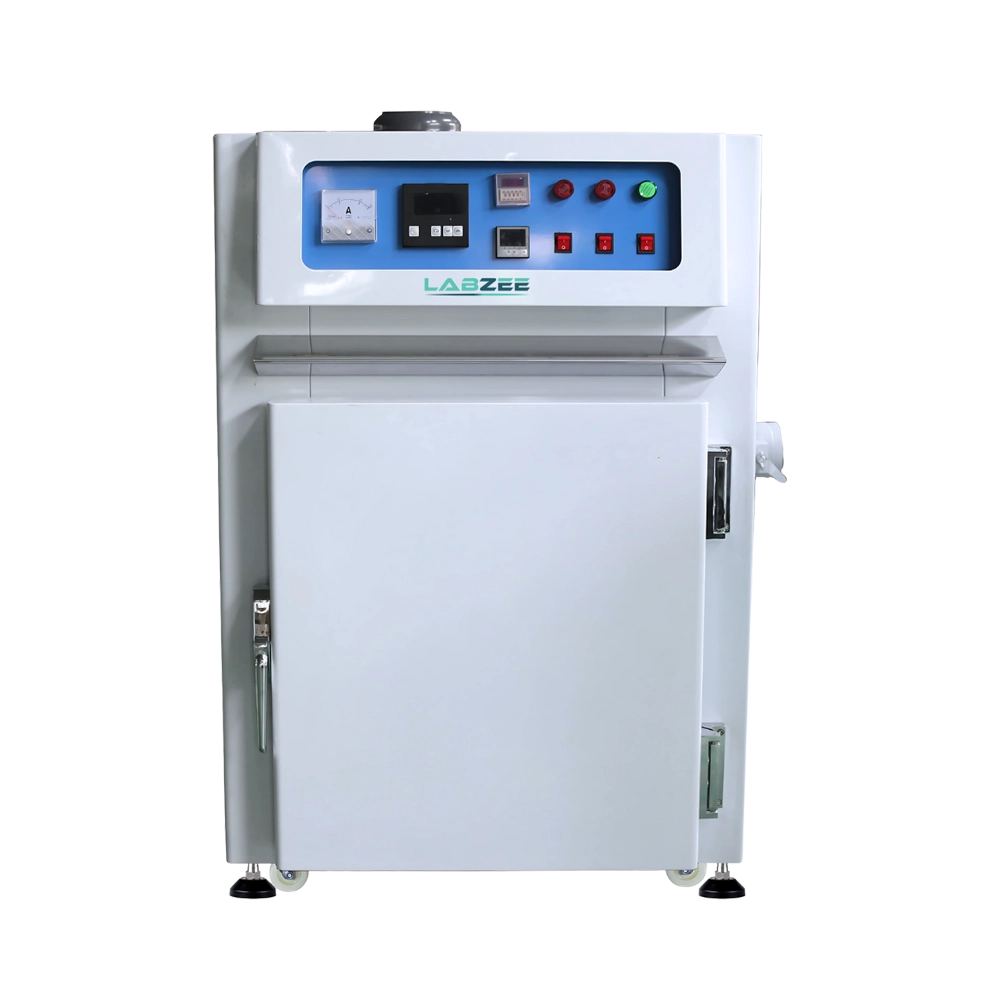
Labzee Far Infrared Drying Ovens are engineered for reliable and precise thermal applications, with capacities ranging from 43 liters to 252 liters. They feature far-infrared radiators with advanced controls for efficient heat transfer and uniform distribution. The integrated microprocessor controller with timing function and LCD display enables accurate monitoring and control. Their high-quality stainless-steel chambers with removable and adjustable racks provide durability and adaptability for a wide range of uses. These Far Infrared Drying Ovens are ideal for laboratories, research facilities, and industrial environments that demand consistent and uniform drying performance.
$ 2399
$ 2514
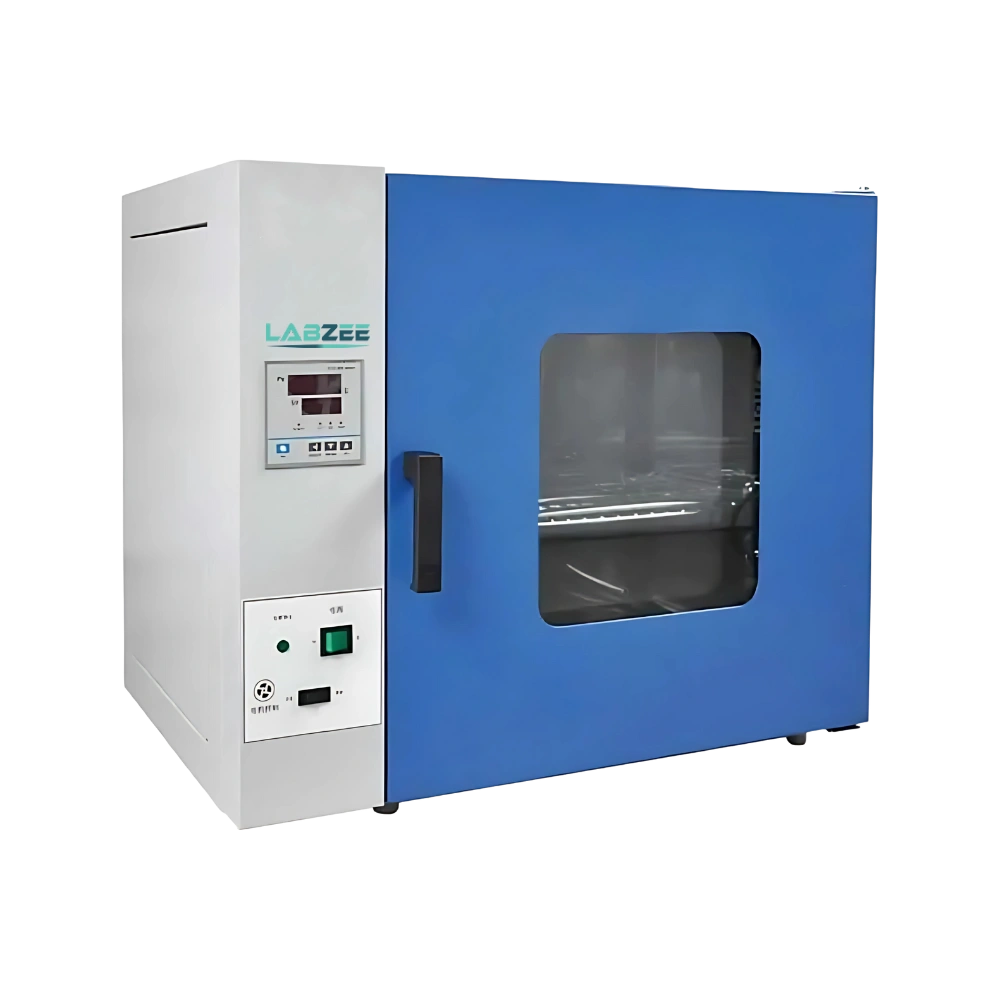
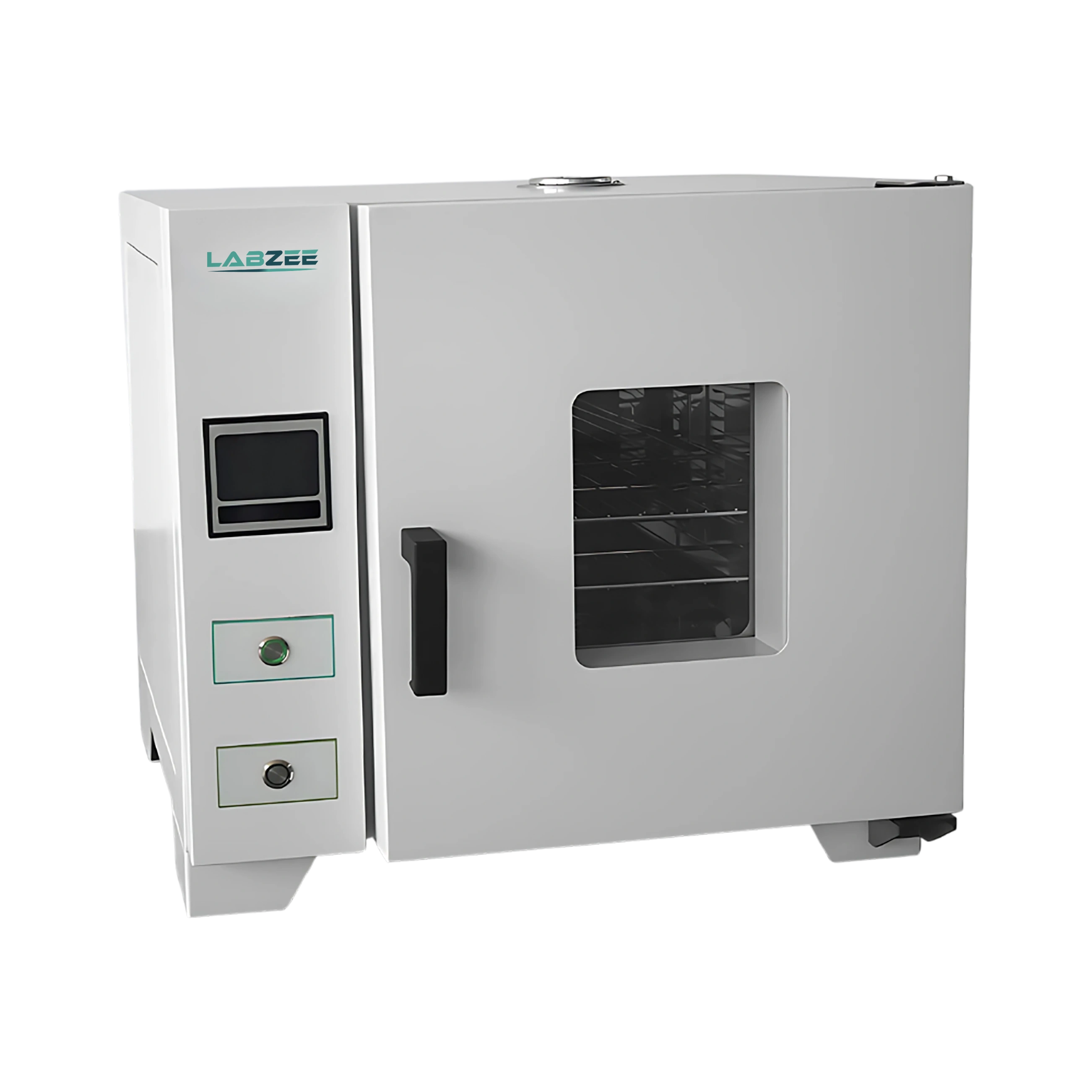
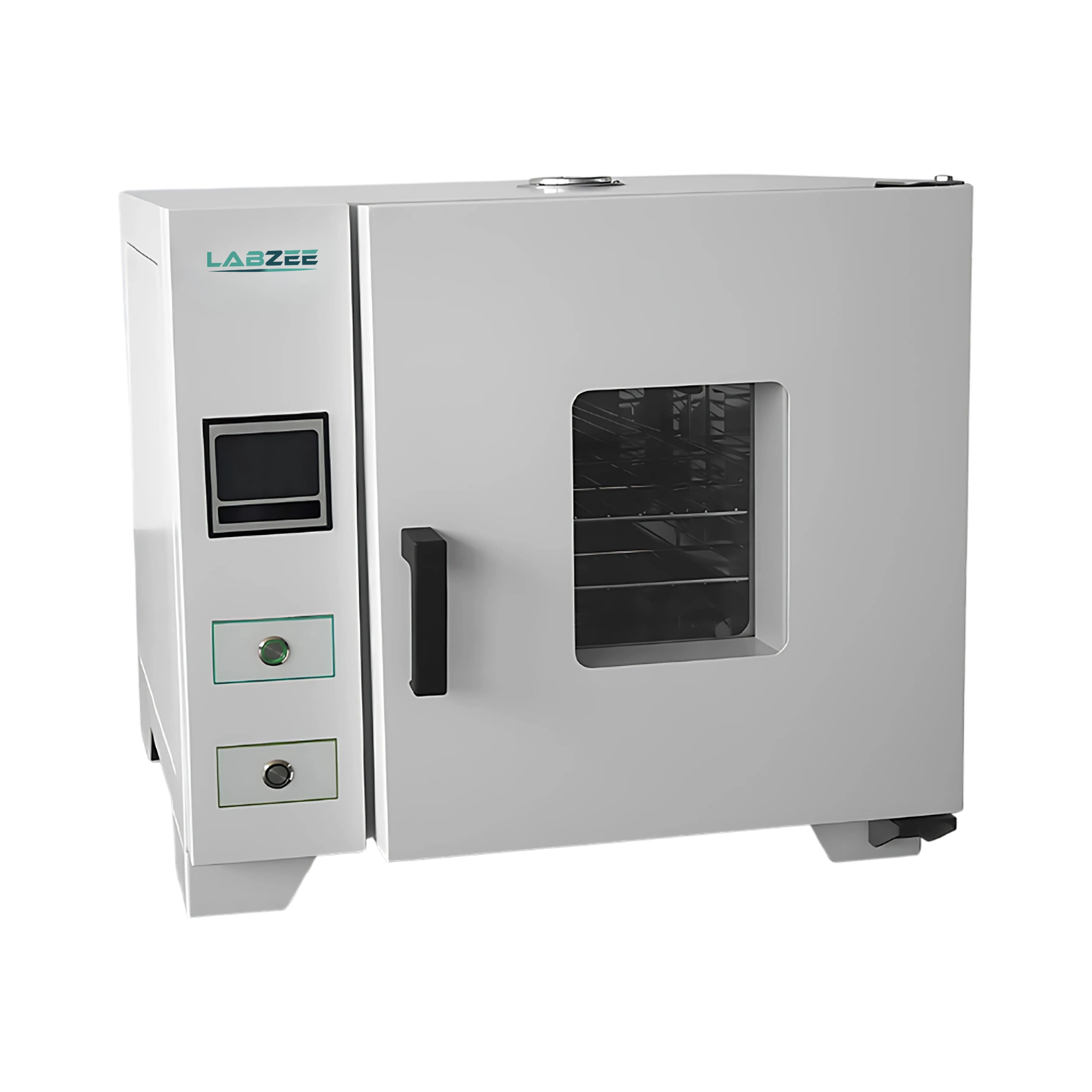
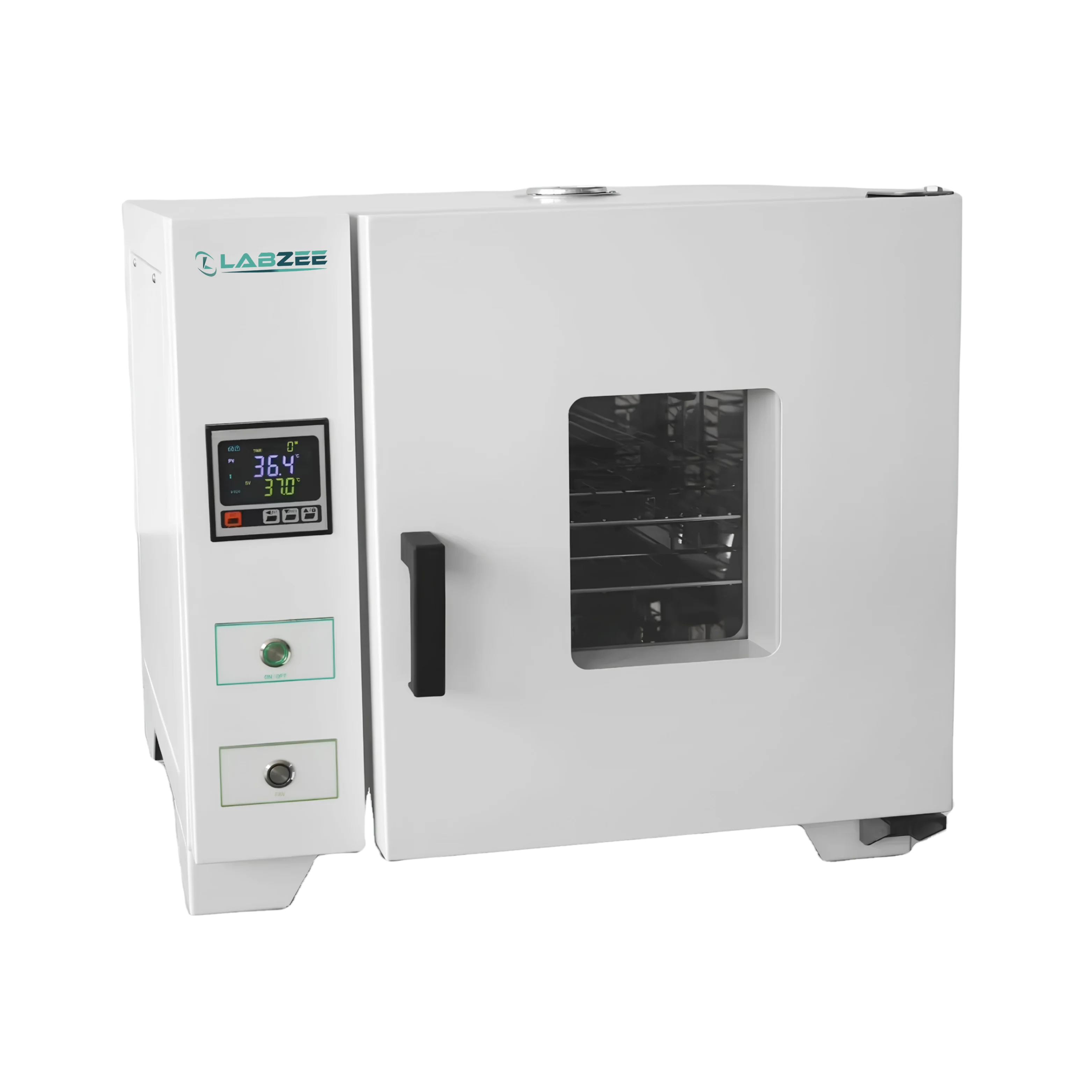
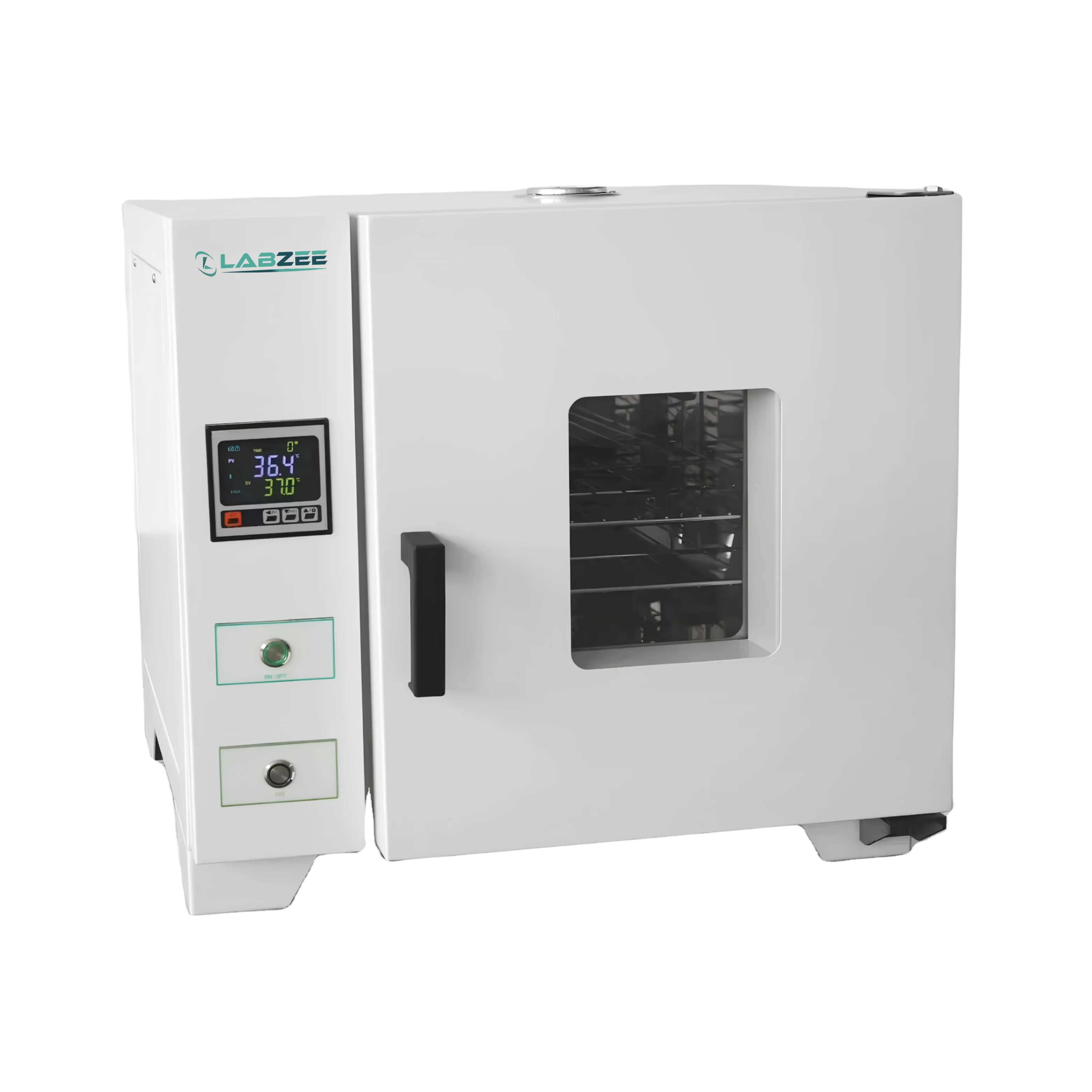
Constant Temperature Drying Oven from Labzee provides controlled heating, drying, and heat treatment of laboratory samples across different temperature requirements. Our Constant Temperature Drying Ovens are available in multiple chamber volumes, with a temperature range of RT+5 to 300°C, ±1°C temperature fluctuation, and 0.1°C temperature resolution. Stainless steel chambers, removable grid racks, microprocessor control with LCD display, and inner glass doors support sample handling, temperature control, and observation during laboratory workflows for sample drying, heat treatment, glassware drying, and temperature-based laboratory testing.
$ 1554
$ 1904
Labzee High Temperature Drying Ovens are engineered for precision, reliability, and versatile thermal applications. These ovens are available in chamber volumes ranging from 70 litres to 640 litres, providing flexible solutions for different workload requirements. The user-friendly LCD microcomputer controller allows accurate temperature programming, convenient timer settings, and clear monitoring. Their Multiple heating elements with selectable heating grades deliver optimized heating speed and energy efficiency. Our High Temperature Drying Ovens are ideal for efficient drying and pre-heating of a wide variety of materials and specimens in laboratory and industrial settings.

$ 2591
$ 2808
Labzee Digital Vacuum Ovens are high-performance systems for precise drying of heat- or oxygen-sensitive materials under reduced pressure. They feature stainless steel chambers ranging from 25L to 1000L across different models, providing precise drying at vacuum pressures below 133 Pa. They are equipped with microprocessor controllers and LCD interfaces for intuitive operation and reliable monitoring of drying conditions. Our Digital Vacuum Ovens are ideal for drying heat-sensitive materials in pharmaceutical, chemical, and research laboratories.

$ 2399

$ 2433
