$ 14607
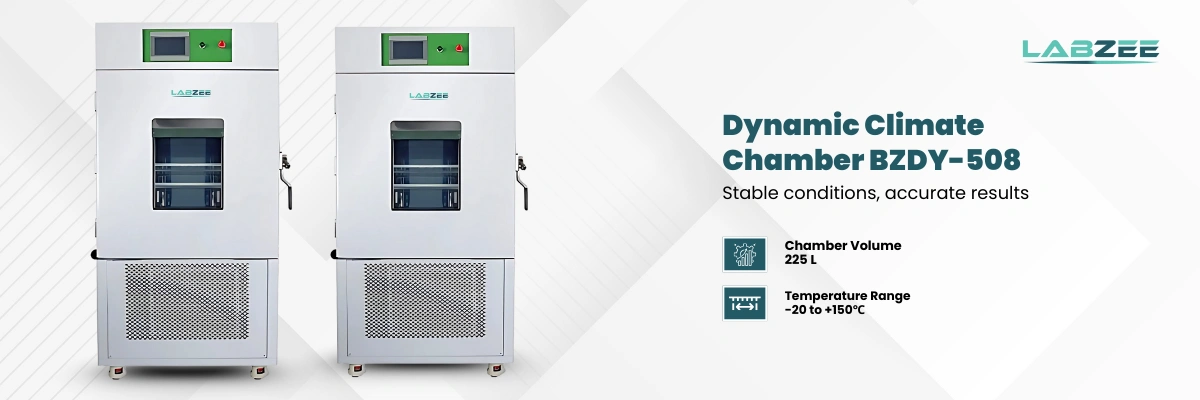
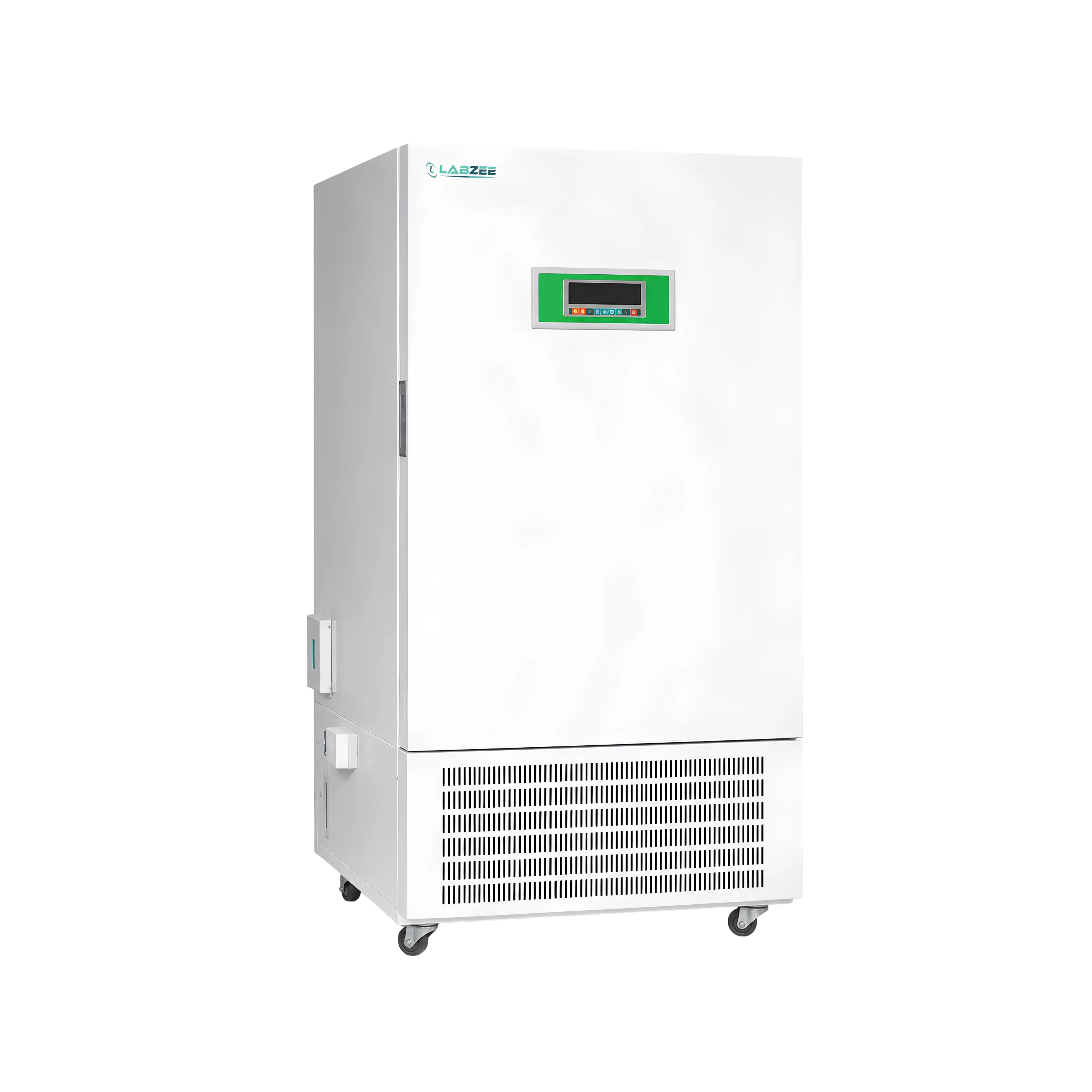
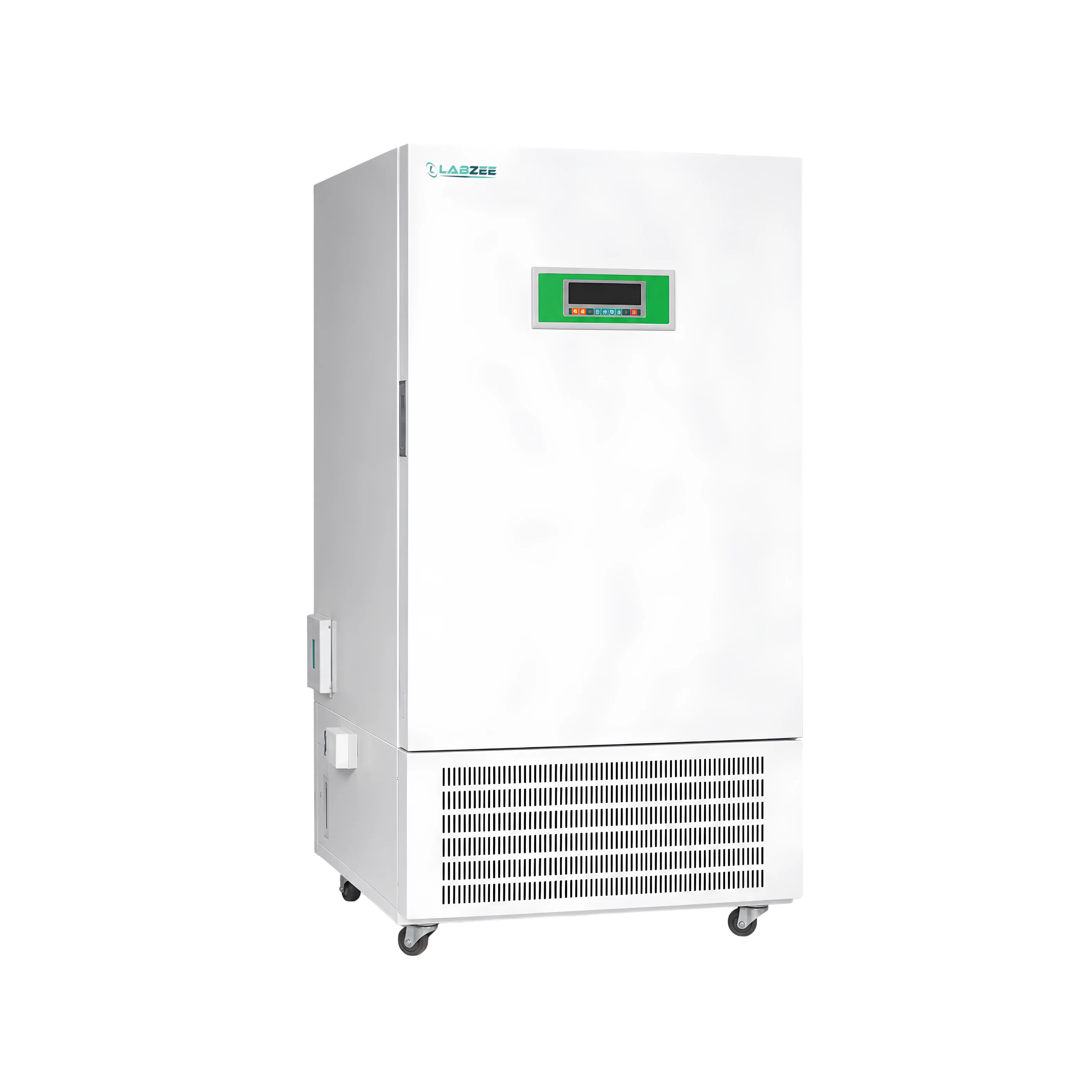
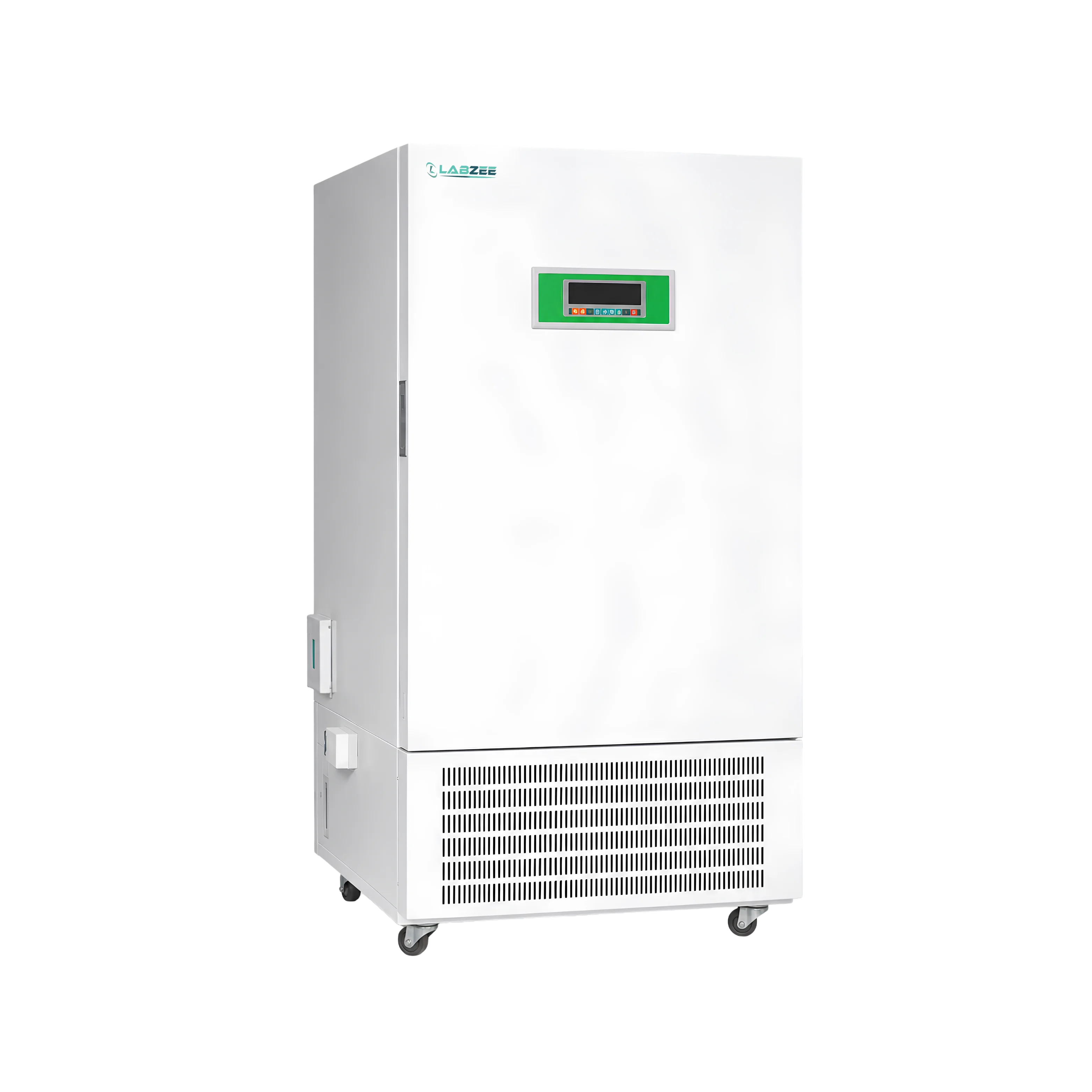
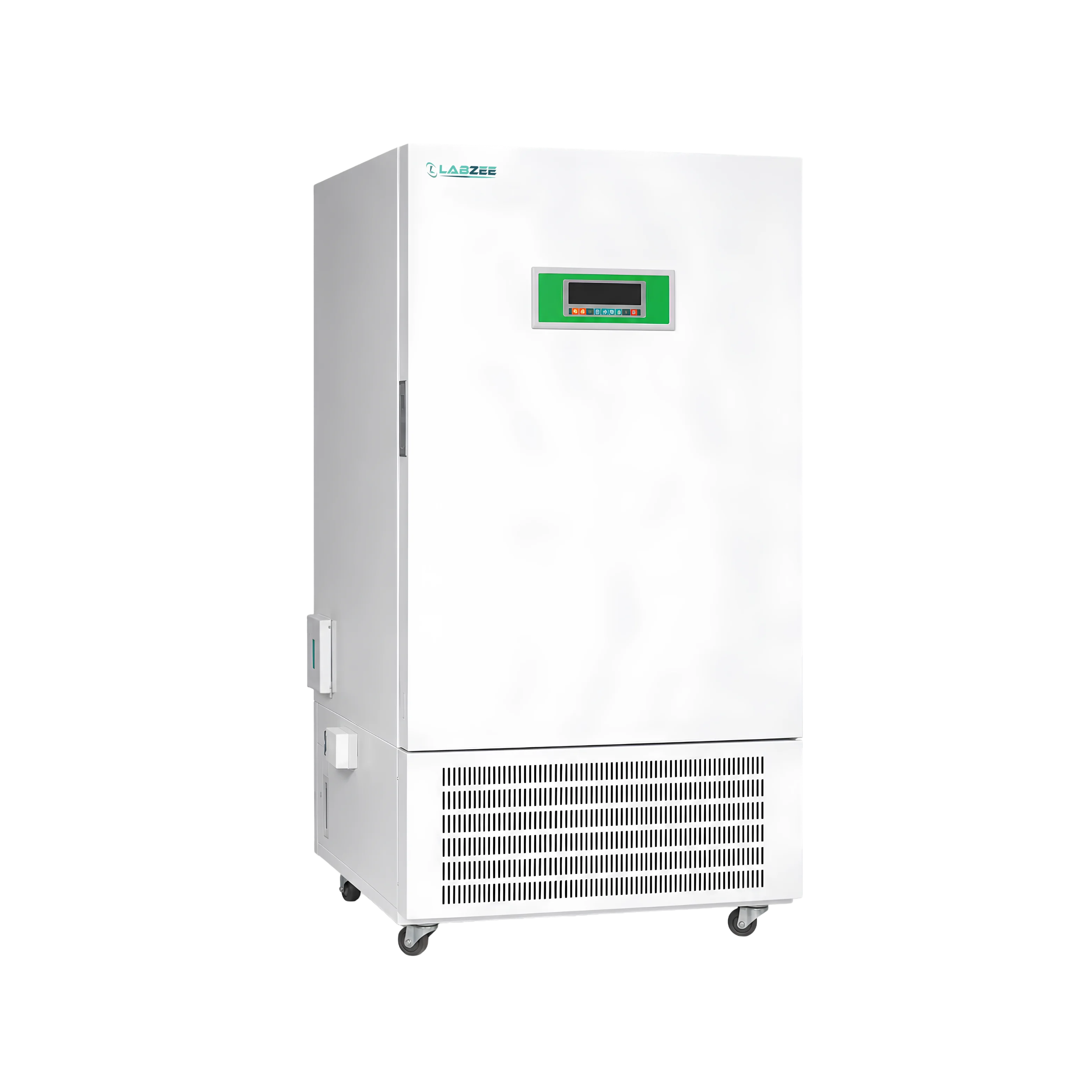
| Chamber Volume | 225 L |
| Temperature Range | -20 to +150℃ |
| Temperature Range Without Light | 0 to 55℃ |
| Temperature Stability | ±0.5℃ |
| Temperature Deviation | ±2℃ |
| Temperature Uniformity | Less than 2℃ |
| Operating Temperature | -5 to +25℃ |
| Insulation Layer | Polyurethane Foam Insulation / Fiberglass |
| Humidity Range | 20 to 98% RH |
| Humidity Deviation | ±3% RH |
| Temp. Sensor | PT100 |
| Cooling Method | Compressor, Air Cooling |
| Power Consumption | 3000W |
| Chamber Size (W×D×H) | 50×60×75 cm |
| Exterior Size (W×D×H) | 90×126×190 cm |
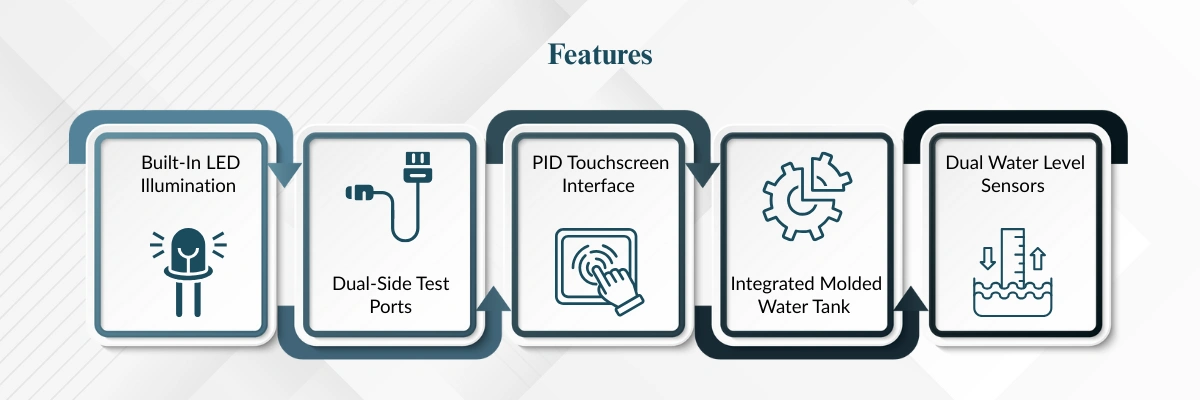
Auto-Controlled Refrigeration Cycle
Built-In LED Illumination
Dual-Side Test Ports
PID Touchscreen Interface
Integrated Molded Water Tank
Dual Water Level Sensors
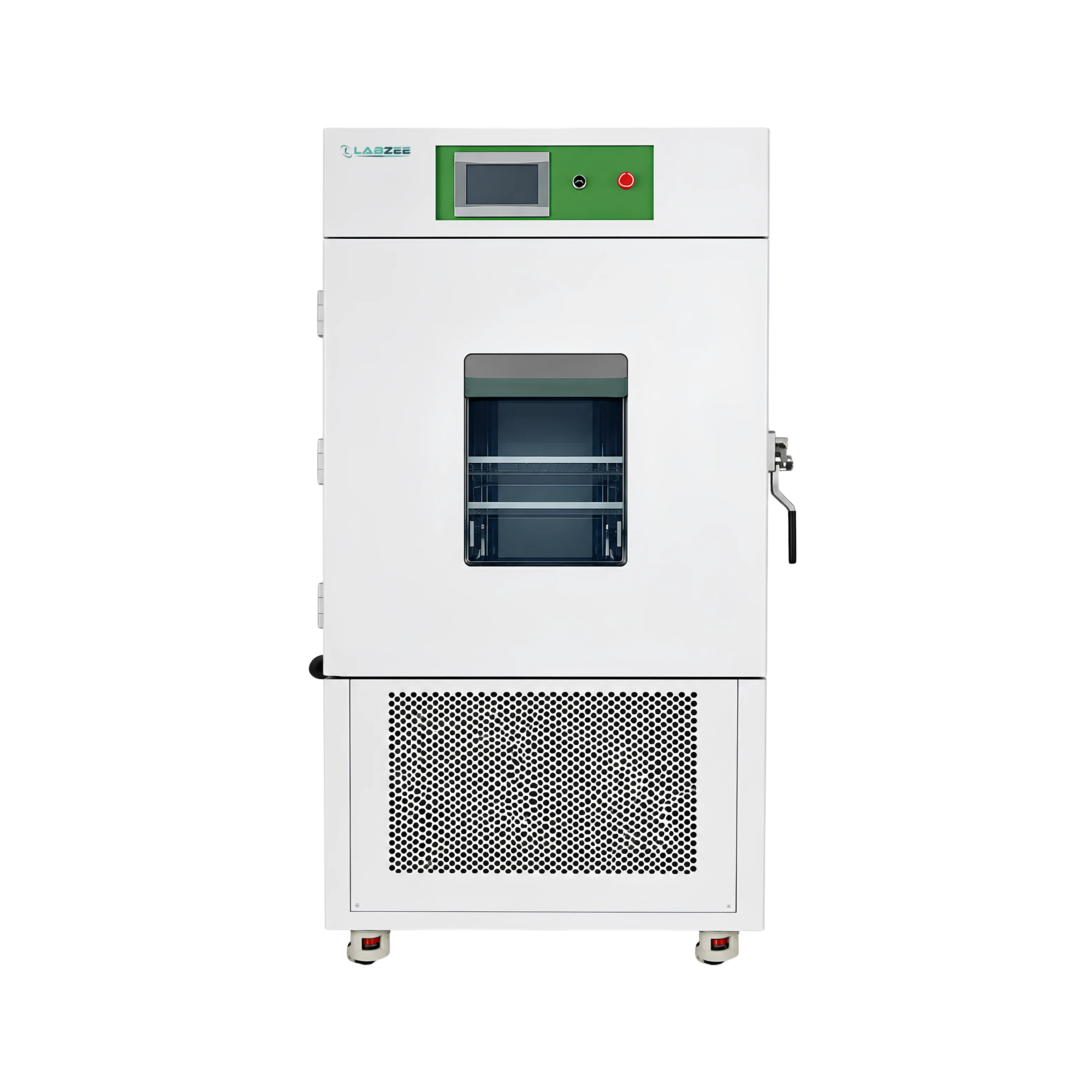
Labzee Dynamic Climate Chamber BZDY-508 is suitable for industrial and mining enterprises, laboratories, and scientific research institutions requiring controlled temperature and humidity environments.
Frequently Asked Questions
1: How does the chamber maintain thermal consistency during rapid temperature changes?
Dynamic Climate Chamber BZDY-508 uses a compressor-based air-cooling system combined with a PID-controlled heating mechanism to achieve precise thermal response and ±0.5°C stability during transitions.
2: What technology is used for temperature and humidity sensing?
The chamber integrates high-accuracy PT100 temperature sensors and advanced humidity sensors for real-time control and feedback regulation.
3: How is dry heating prevented during extended operation?
A dual-level water sensing system automatically halts heating functions if water levels drop, preventing heater burnout and ensuring operational safety.
4: Can the chamber accommodate additional sensors or cables?
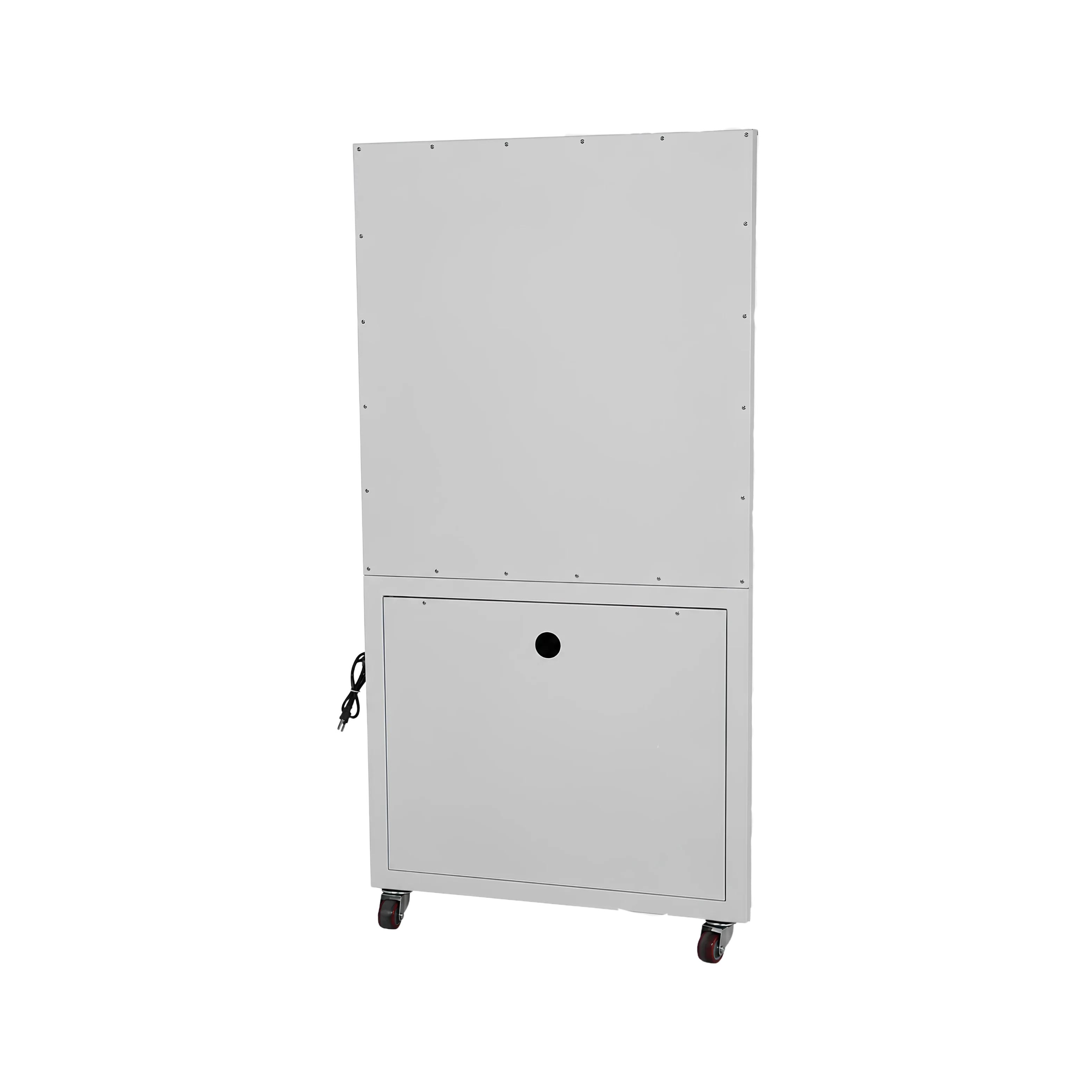
Yes, Dynamic Climate Chamber BZDY-508 features two standard Ø10 cm cable ports (left and right sides) for integrating external probes, sensors, or test leads without compromising chamber integrity.
5: What is the insulation structure and how does it impact performance?
Dynamic Climate Chamber BZDY-508 features a dual-layer insulation system—polyurethane foam and fiberglass—which minimizes heat exchange, improving thermal retention and energy efficiency.
6: Does the chamber support programmable testing cycles?
Yes, the PID touchscreen interface supports multi-segment programming for automated thermal and humidity cycling.
7: Is remote data access available?
Dynamic Climate Chamber BZDY-508 comes with USB data logging as standard and offers an optional LAN interface for remote monitoring and integration with lab data systems.
8: What are the environmental operation limits of the chamber?
Dynamic Climate Chamber BZDY-508 operates optimally in ambient temperatures ranging from -5°C to +25°C, with insulation and airflow designed for consistent performance in varying lab environments.
9: What is a Dynamic Climate Chamber used for?
Dynamic Climate Chambers are used to simulate controlled temperature and humidity conditions for testing product stability, reliability, and performance under varying environmental cycles.
10: What industries commonly use Dynamic Climate Chambers?
These chambers are widely used in pharmaceuticals, electronics, automotive, materials research, and industrial testing laboratories for quality control and product validation.
11: What chamber capacities are available?
Labzee Dynamic Climate Chambers are offered in multiple models with capacities ranging from 120L to 504L, allowing flexibility for both small-scale laboratory use and larger industrial testing.
12: What is the temperature and humidity range of Labzee Dynamic Climate Chambers?
They offer a wide operational temperature range from extremely low to high levels and provide stable humidity control to support diverse testing applications.
13: How is humidity controlled within the chamber?
Humidity is regulated through a PID-controlled system with steam generation and a dual-level water monitoring mechanism, ensuring stable humidity without risk of dry heating or system failure during long test cycles.
14: What ensures temperature uniformity in the chamber?
The chambers use uniform airflow circulation and high-performance insulation to maintain consistent temperature gradients, ensuring reliable and repeatable test results across all chamber zones.
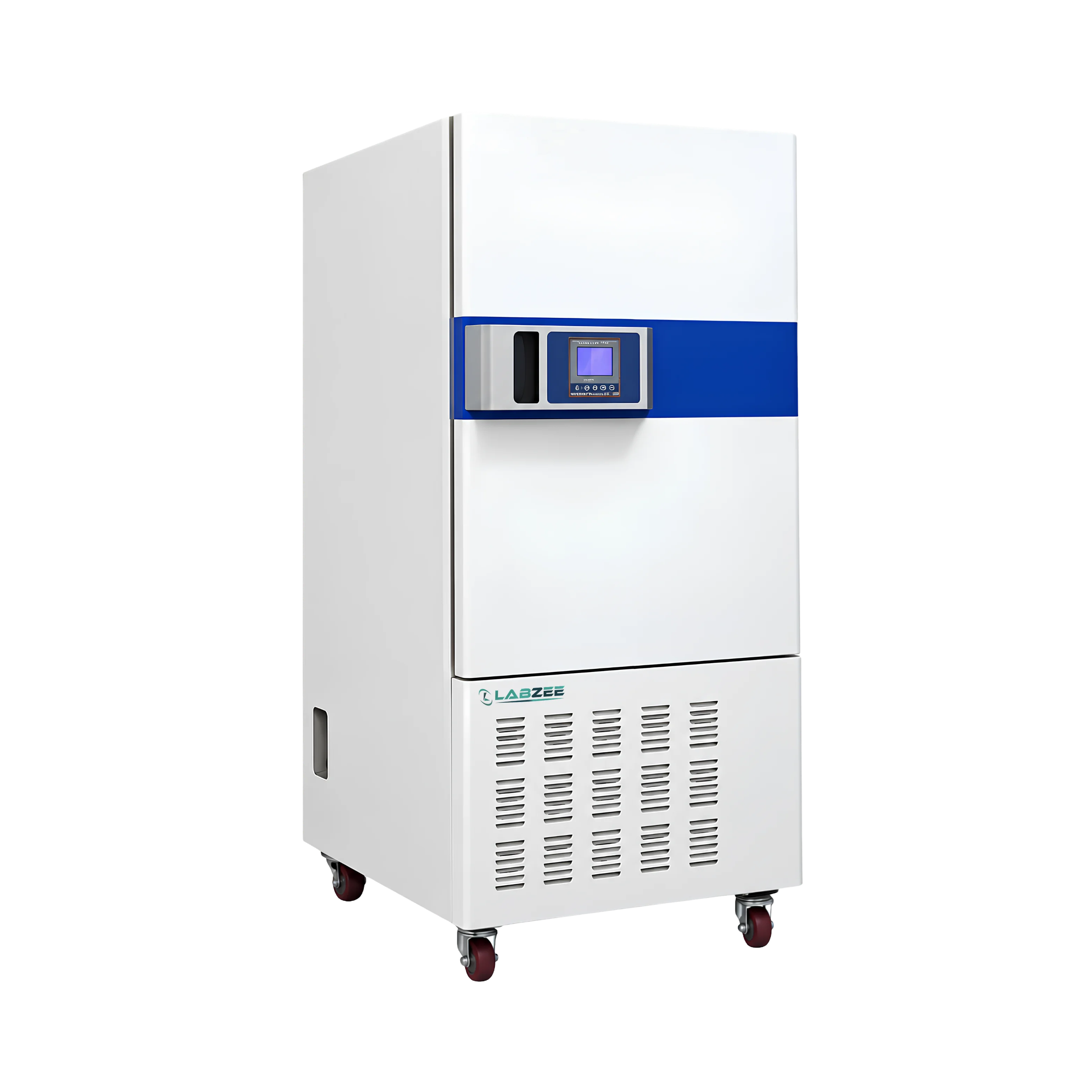
Labzee Dynamic Climate Chambers offer precise simulation of temperature and humidity conditions with stainless steel chambers ranging from 120L to 504L. They provide a wide operational range covering both low and high temperatures along with controlled humidity to meet diverse testing needs. These chambers feature an intuitive touchscreen interface with PID control for accurate parameter setting and monitoring. Their dual-level water monitoring system enhances safety by preventing dry heating. Our Dynamic Climate Chambers are ideal for laboratories, industries, and research institutions requiring reliable climate simulation and humidity control.
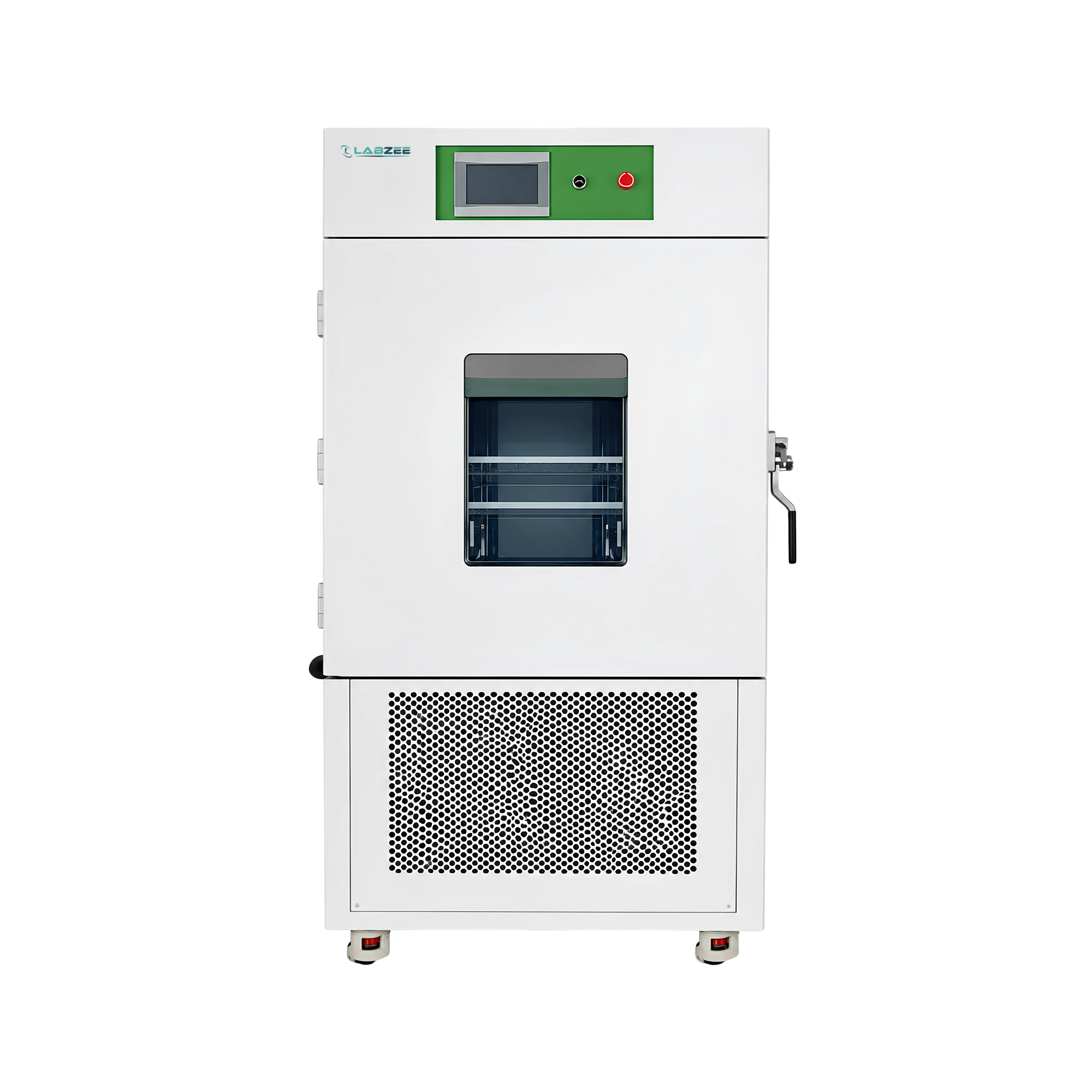

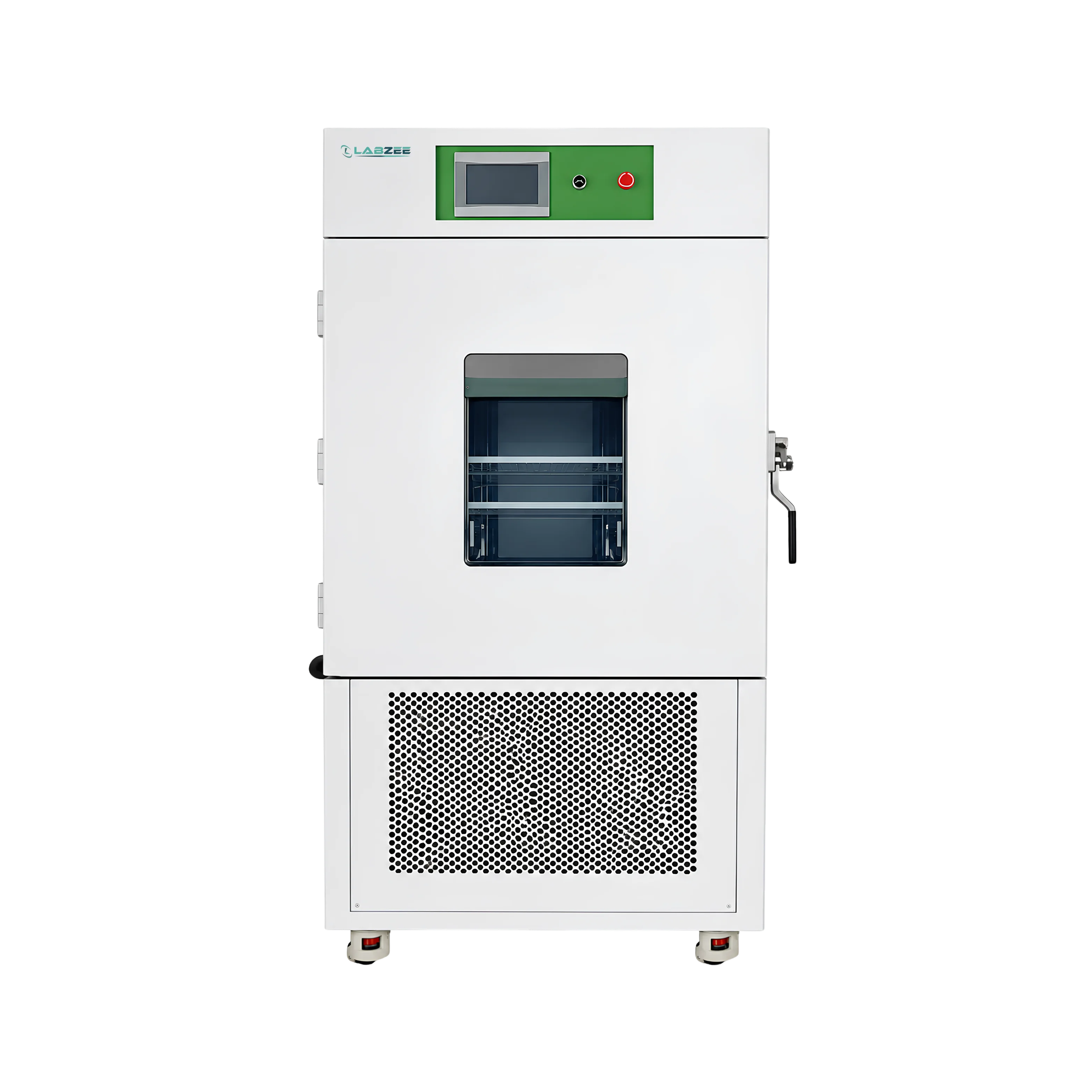
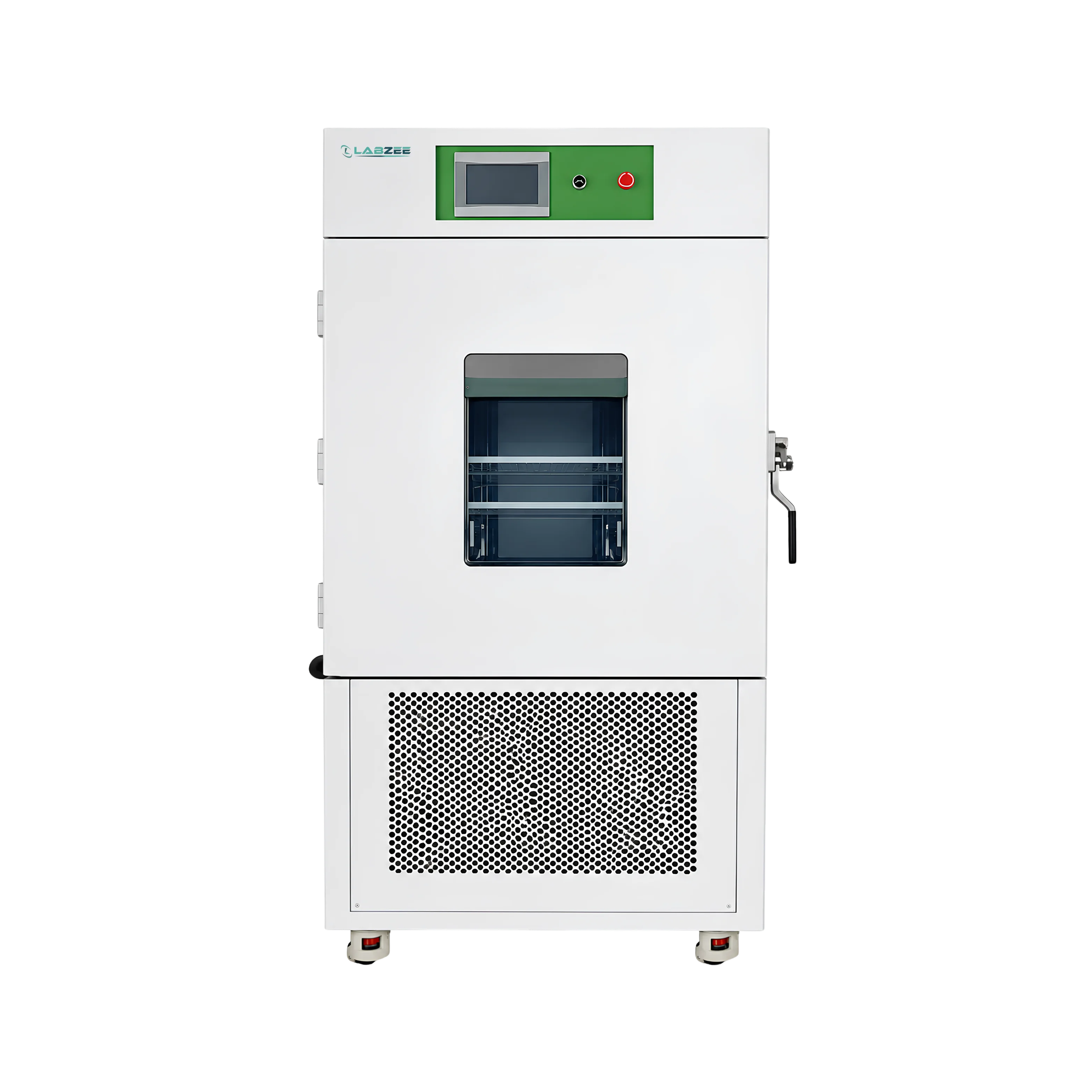
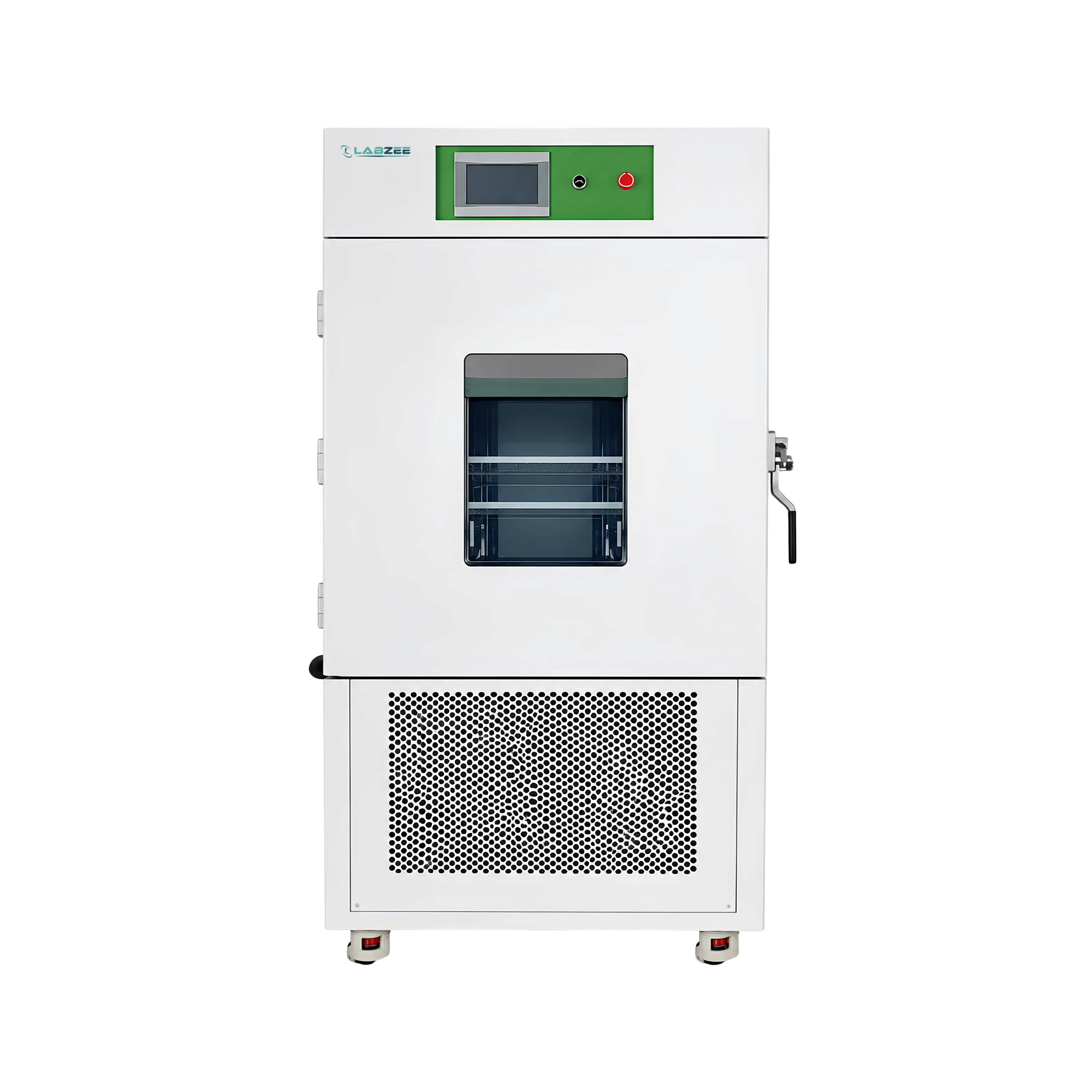
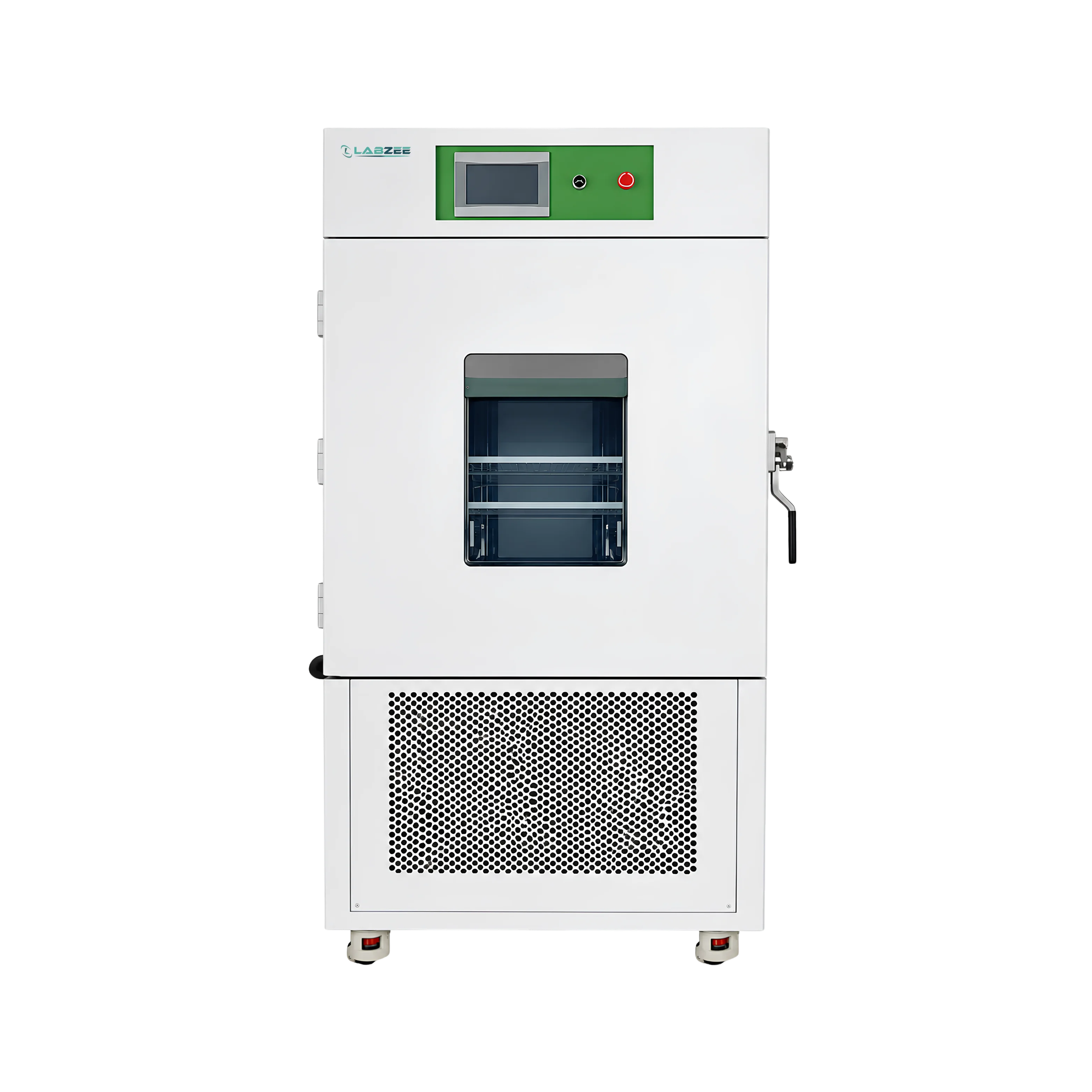
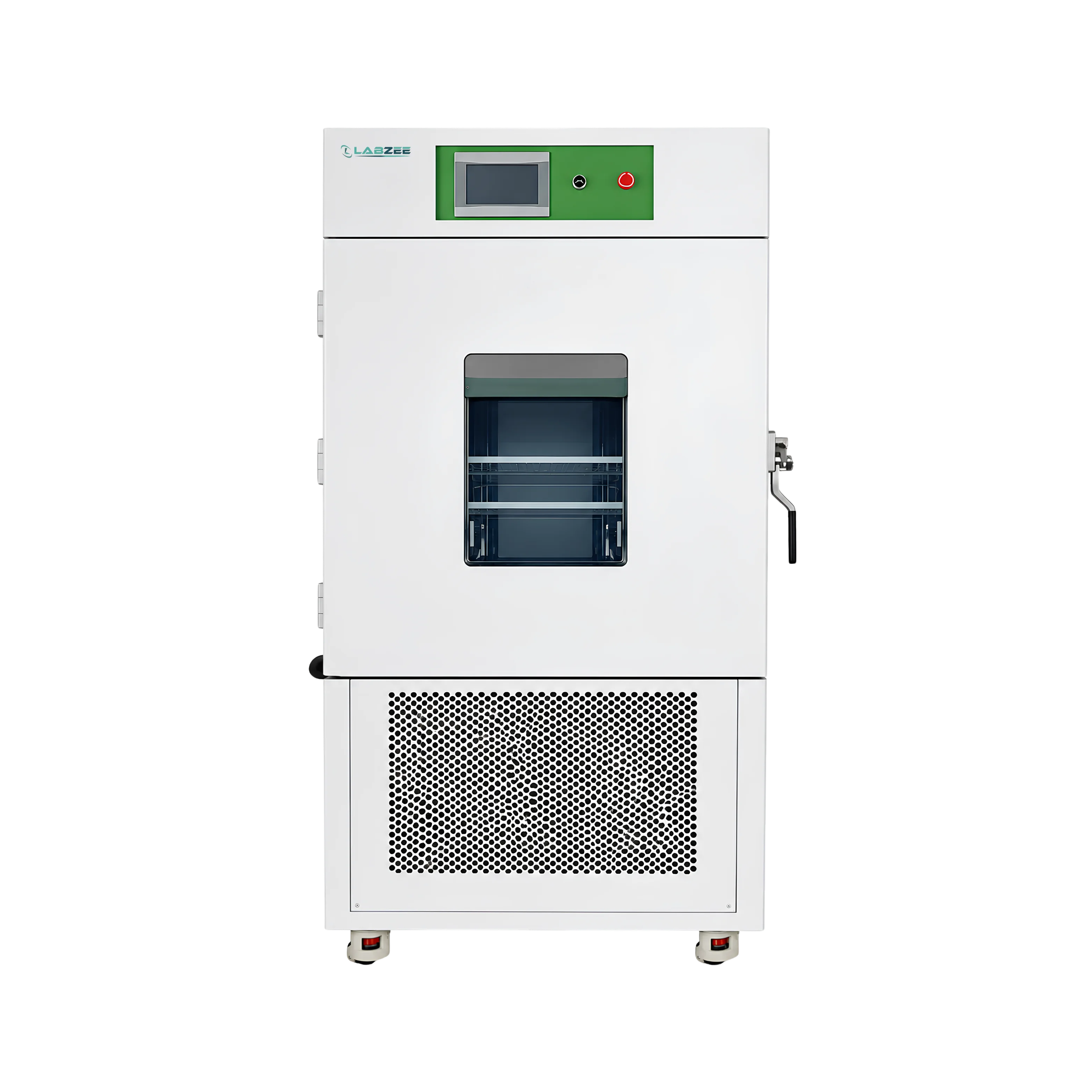
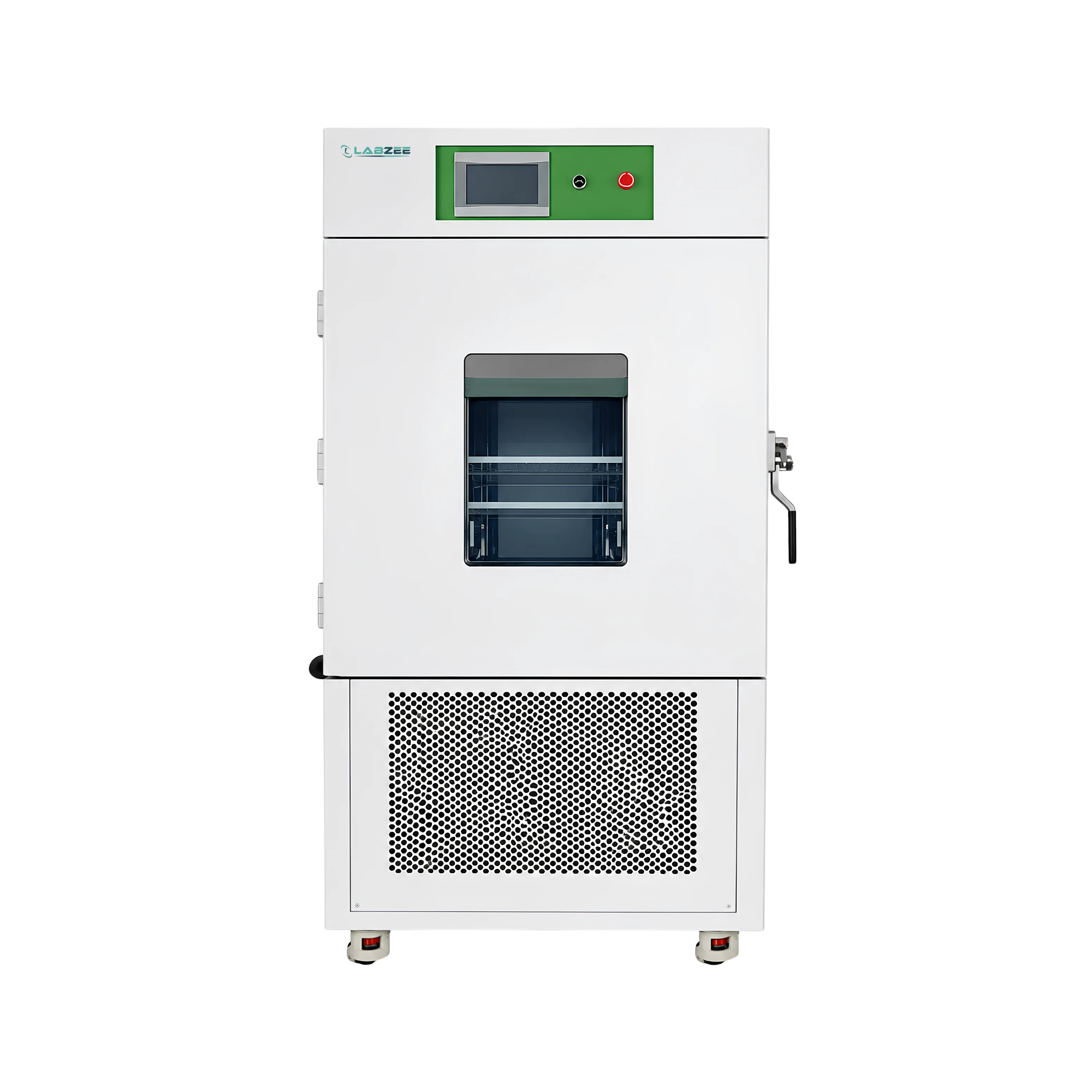
Temperature Humidity Chambers provide precise environmental control for testing and research applications across various industries. They ensure stable temperature and humidity levels essential for product stability, material testing, and scientific studies. Their durable stainless-steel construction enhances longevity and resistance to environmental fluctuations. These chambers feature advanced control systems that allow precise adjustments for specific testing requirements. Our Temperature Humidity Chambers support stability testing, material durability assessment, electronic component evaluation, seed germination studies, and research-based environmental simulations.
$ 4710
$ 3008
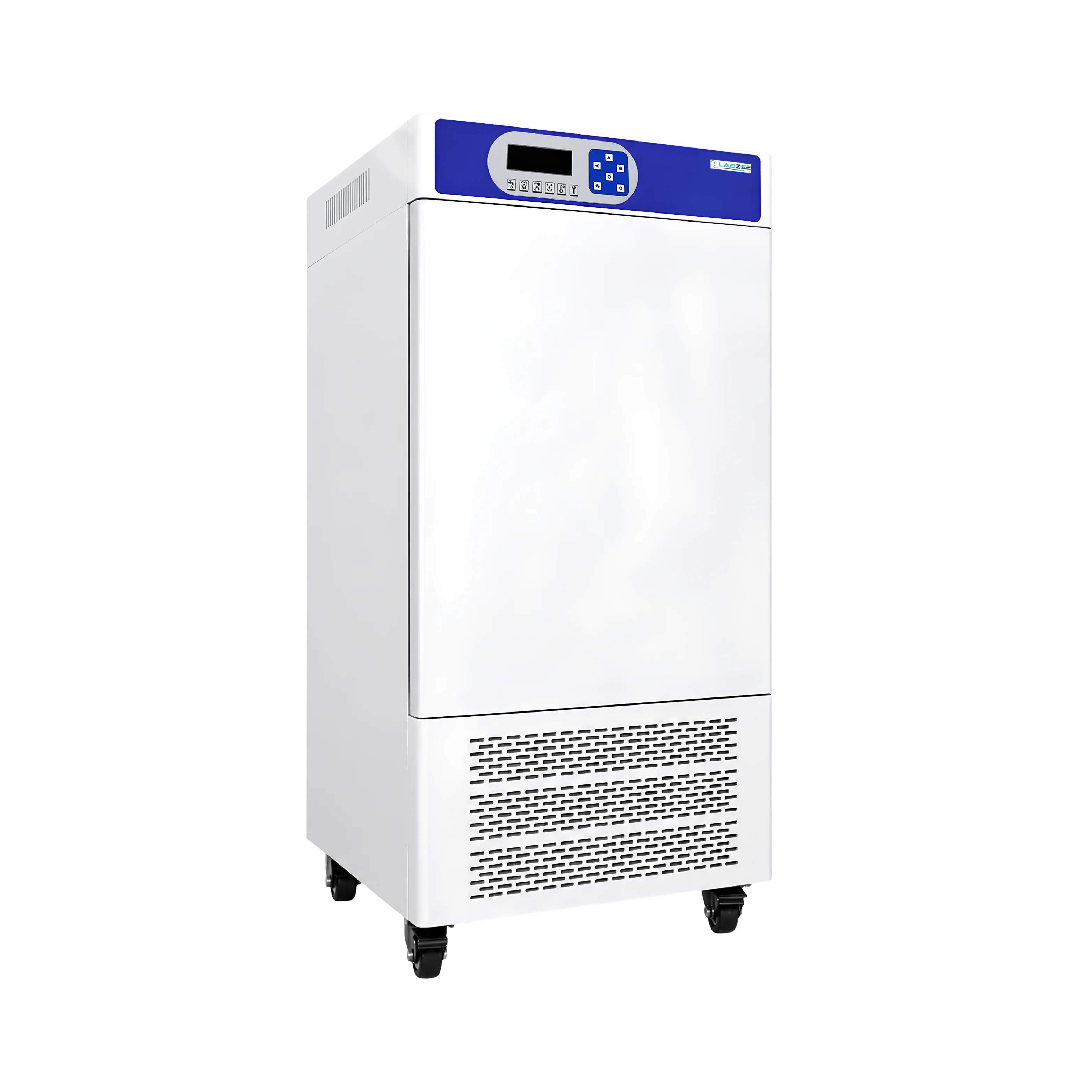
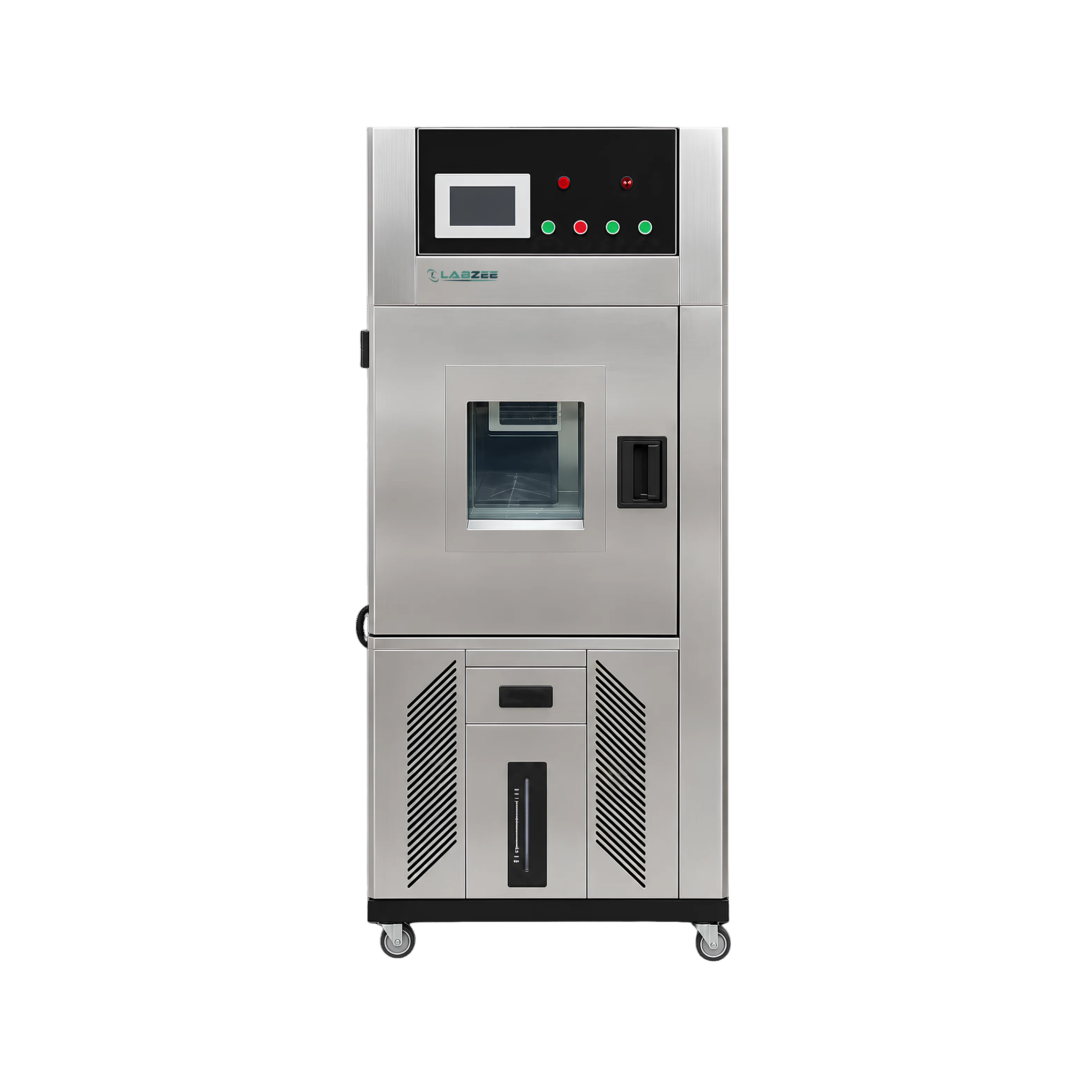
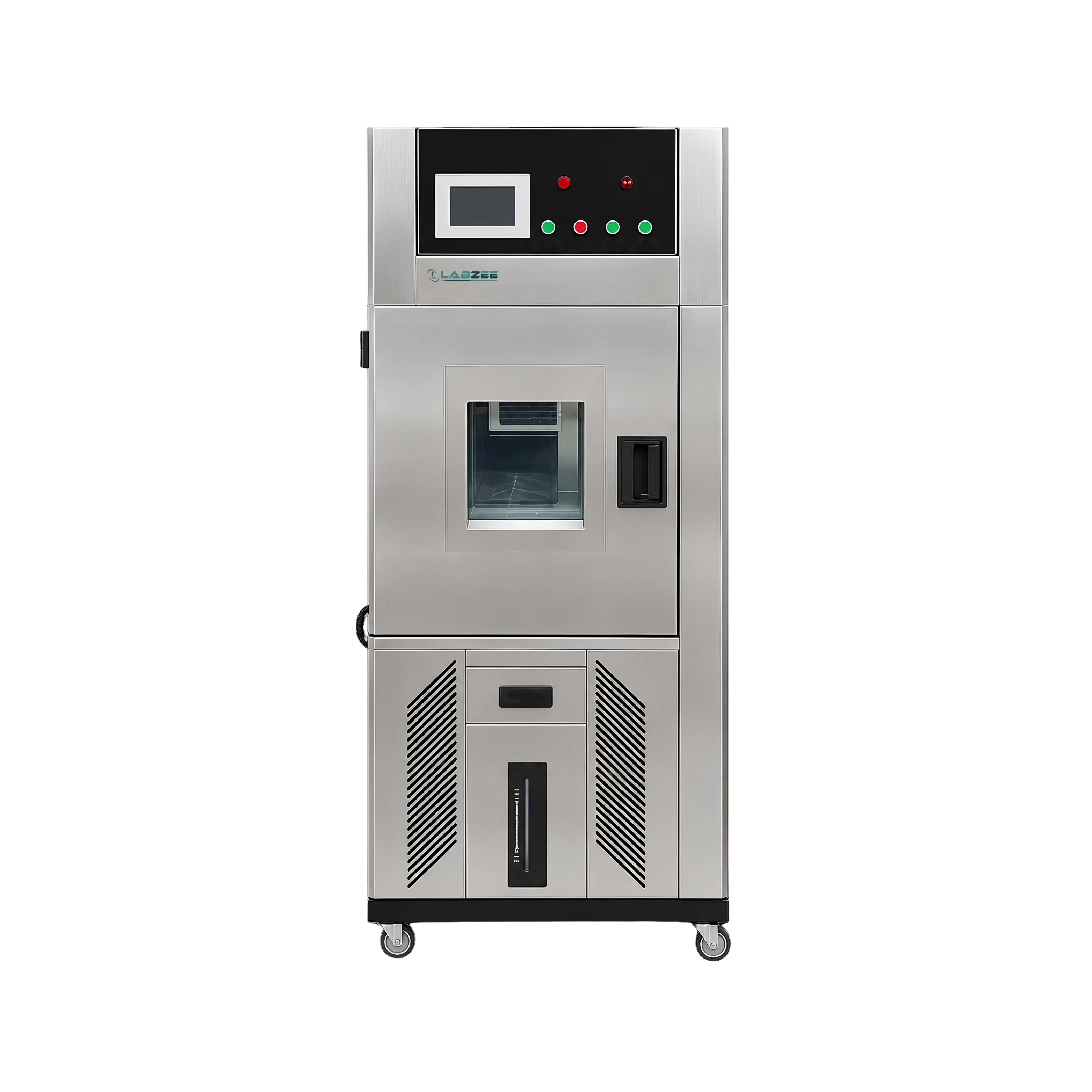
Labzee offers Temperature and Humidity Test Chambers designed to simulate precise environmental conditions for product testing and quality control. They regulate humidity and temperature to assess material durability and performance under varying climatic conditions. Their robust stainless-steel construction ensures durability and resistance to environmental fluctuations. These chambers feature advanced control systems that allow precise adjustments to meet diverse testing requirements. Their energy-efficient operation and reliable performance make them ideal for industrial, pharmaceutical, and research applications. Our Temperature and Humidity Test Chambers support electronic component testing, pharmaceutical stability studies, material aging analysis, automotive part durability testing, and packaging integrity assessments.
$ 4296
$ 4480
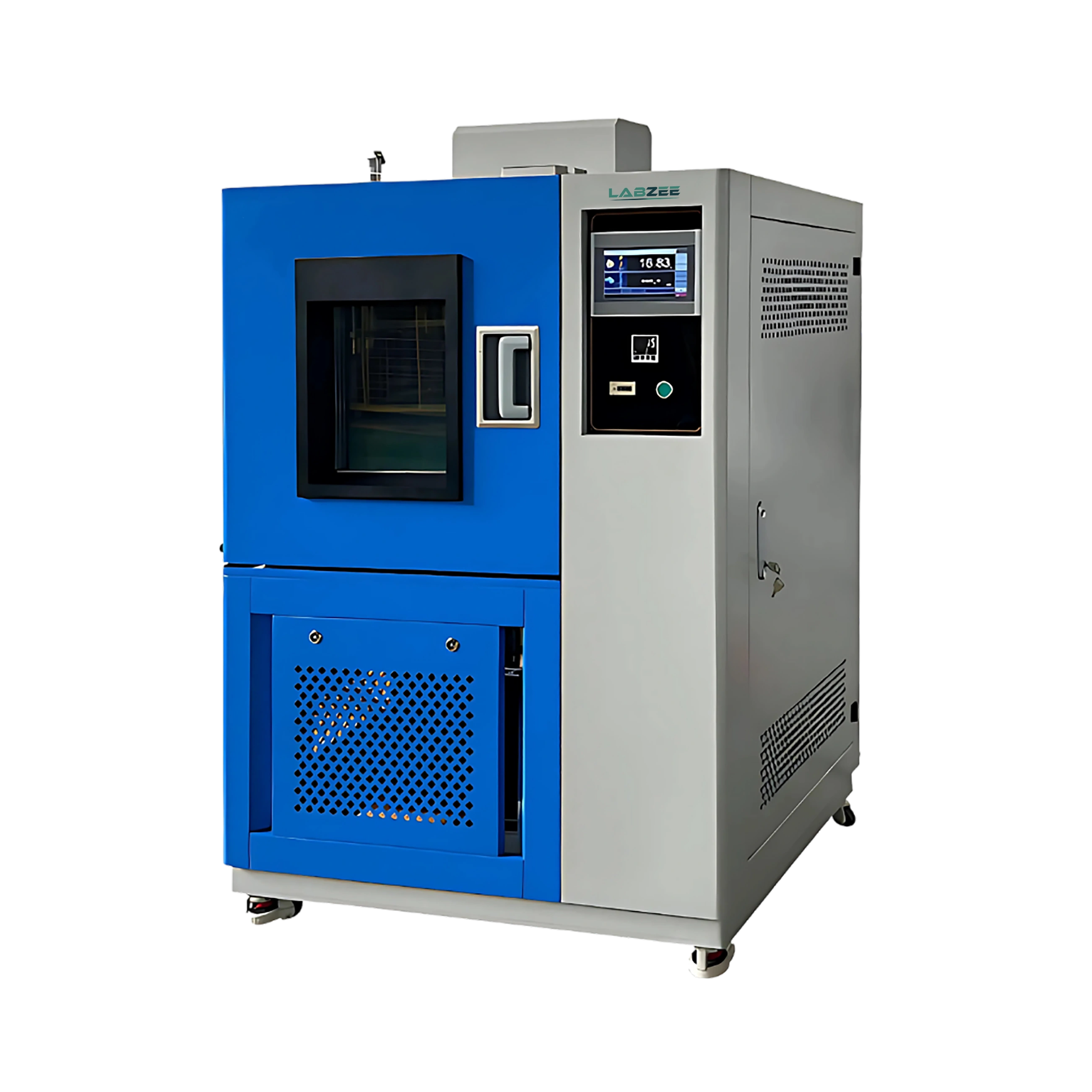
<p>Labzee Climatic Chambers are absolute for product testing, material aging, seed germination, and stability research because they provide accurate environmental control. These Climatic Chambers, which include programmable temperature, humidity, and illumination settings, guarantee accurate and reliable conditions. They have corrosion-resistant interiors, consistent airflow, programmed cycles, and user-friendly interface and also provide long-lasting performance. Our Climatic Chambers are ideal for labs and companies involving regulated environmental conditions.</p>

$ 5954
$ 6345
Labzee offers Plant Growth Chambers designed for precise environmental control in scientific and agricultural research. They regulate temperature, humidity, and light to create stable conditions essential for plant cultivation and experimentation. Their durable stainless-steel construction ensures longevity and resistance to environmental fluctuations. These chambers feature advanced control systems that allow precise adjustments for specific growth requirements. Their energy-efficient operation and reliable performance make them an ideal choice for research institutions and laboratories. Our Plant Growth Chambers support seed germination, crop research, genetic studies, stress physiology experiments, and tissue culture propagation.
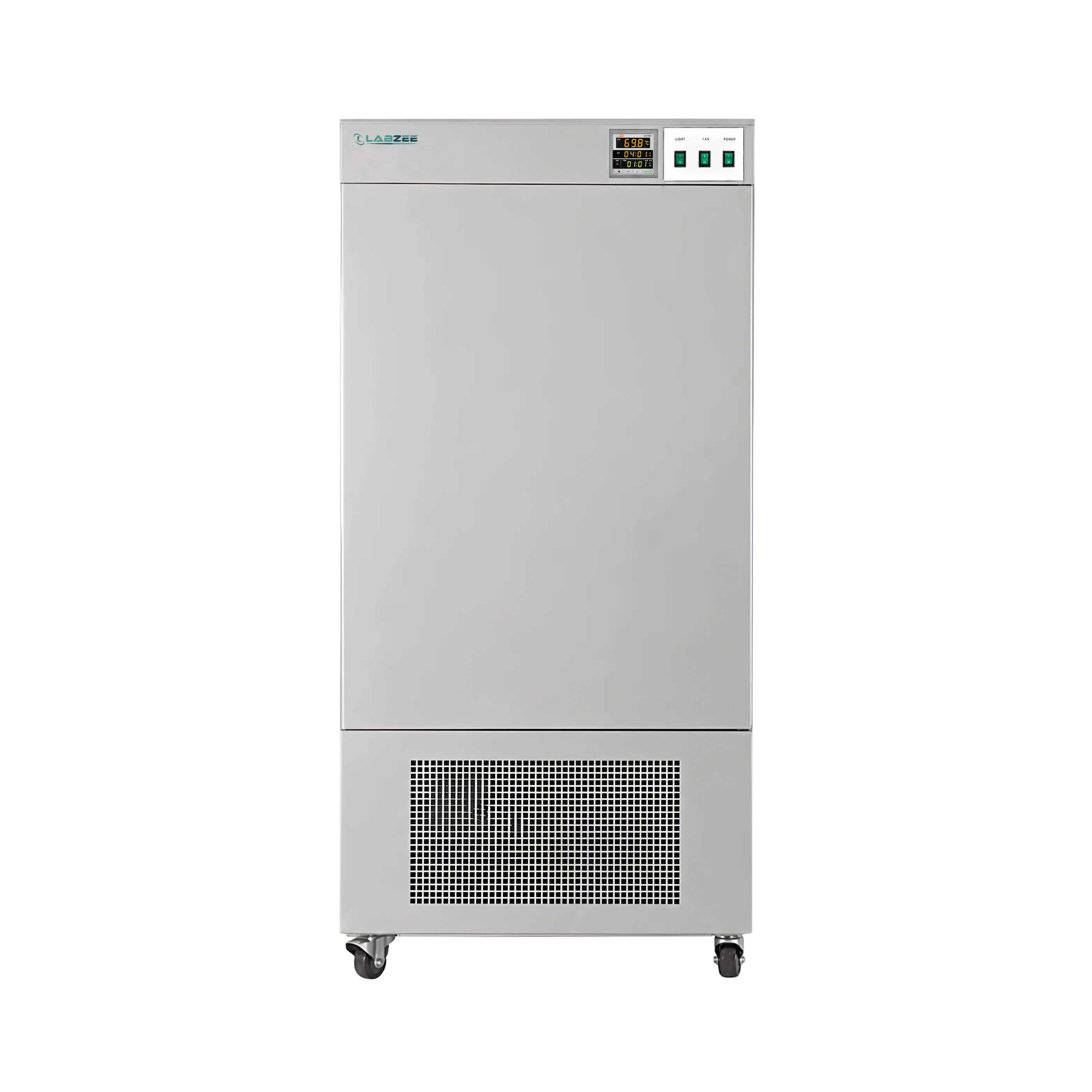
$ 3491
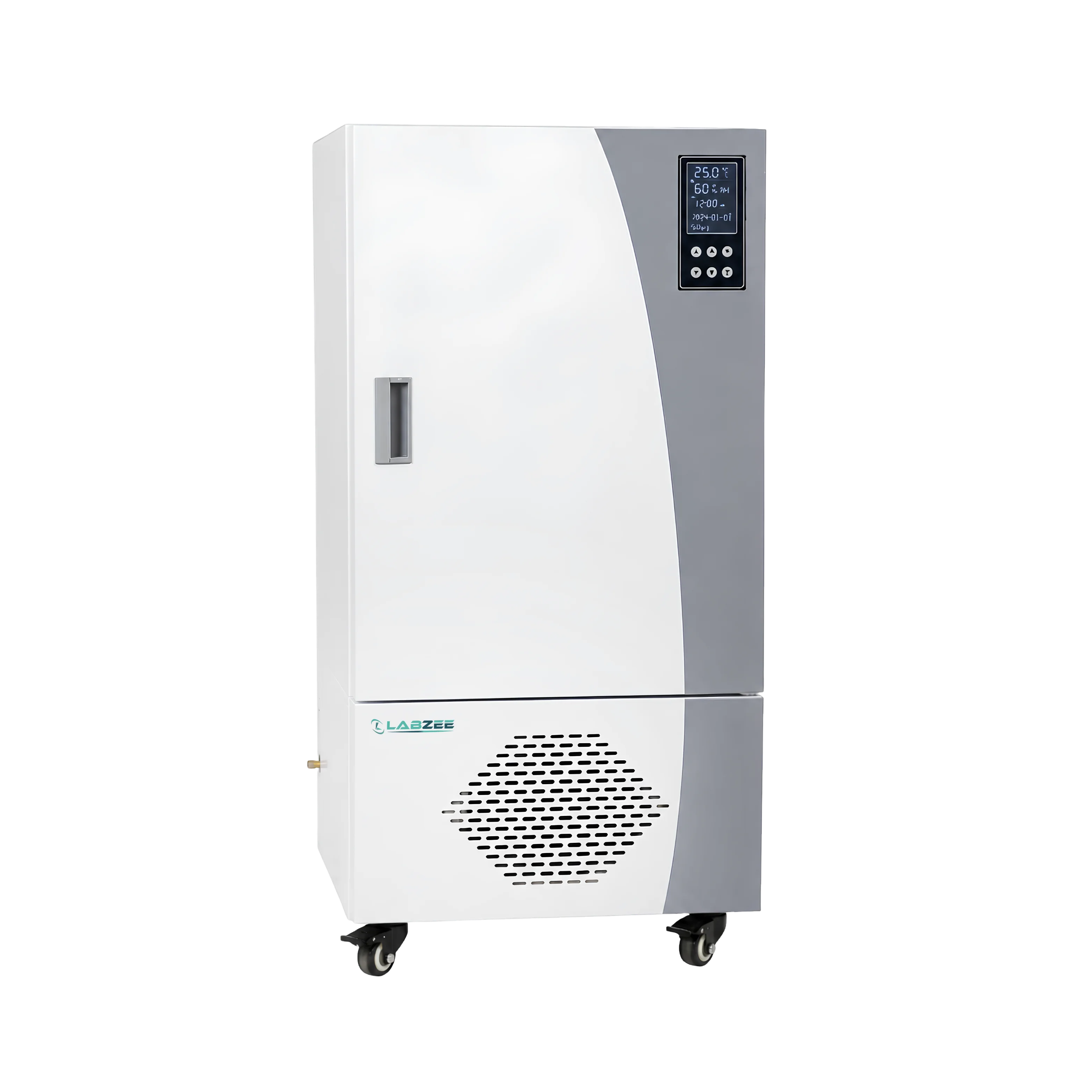
$ 4319
Labzee Pharmaceutical Stability Chambers offer accurate and reliable environmental control across a range of pharmaceutical and laboratory applications. They provide precise temperature control from 0°C to 60°C, with chamber capacities ranging from 175 litres to 1075 litres. The combination of a high-efficiency airflow system and powerful JAKEL circulation fans ensures even temperature and humidity distribution throughout the chamber. Our Pharmaceutical Stability Chambers deliver dependable performance across a wide range of controlled environment applications.
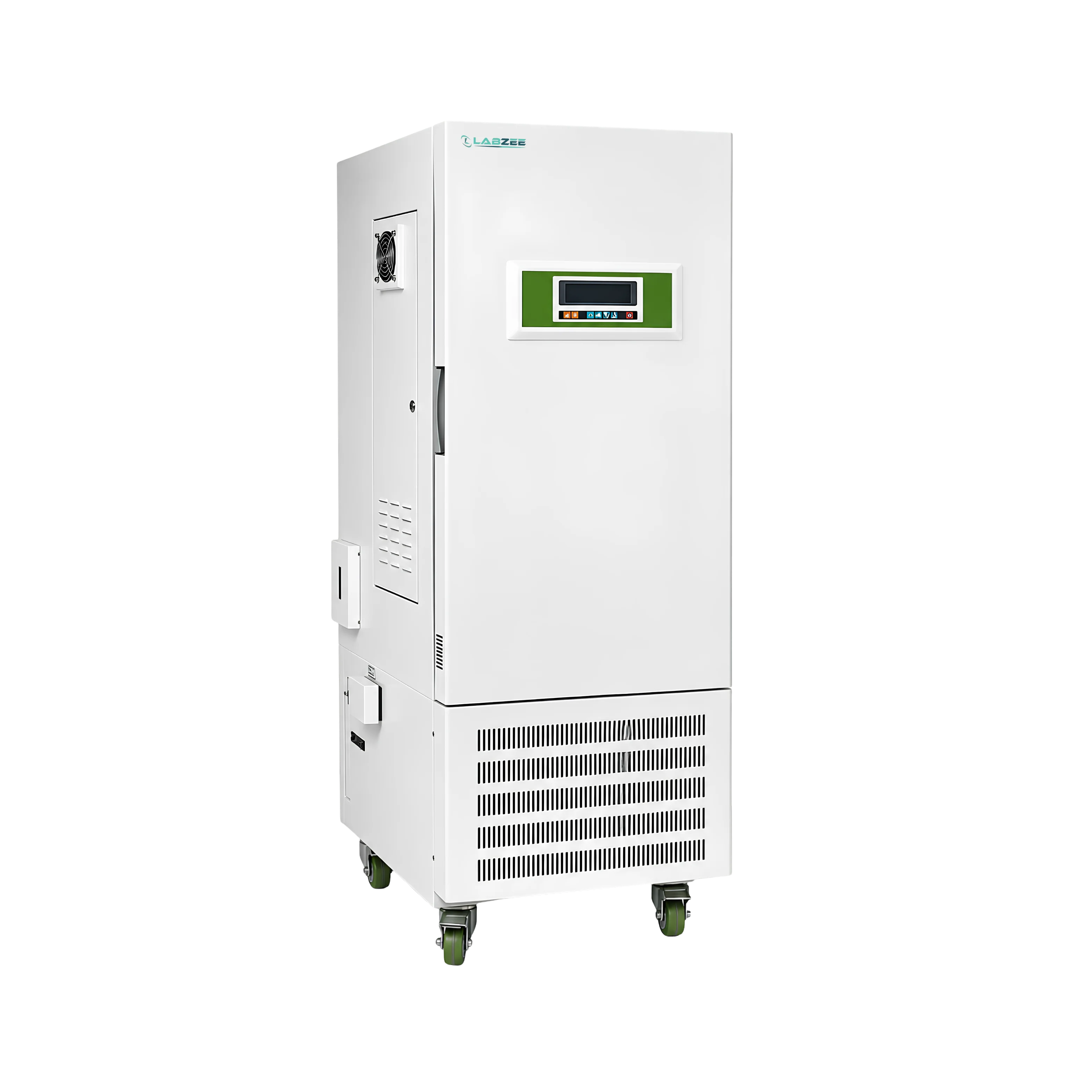
$ 5188
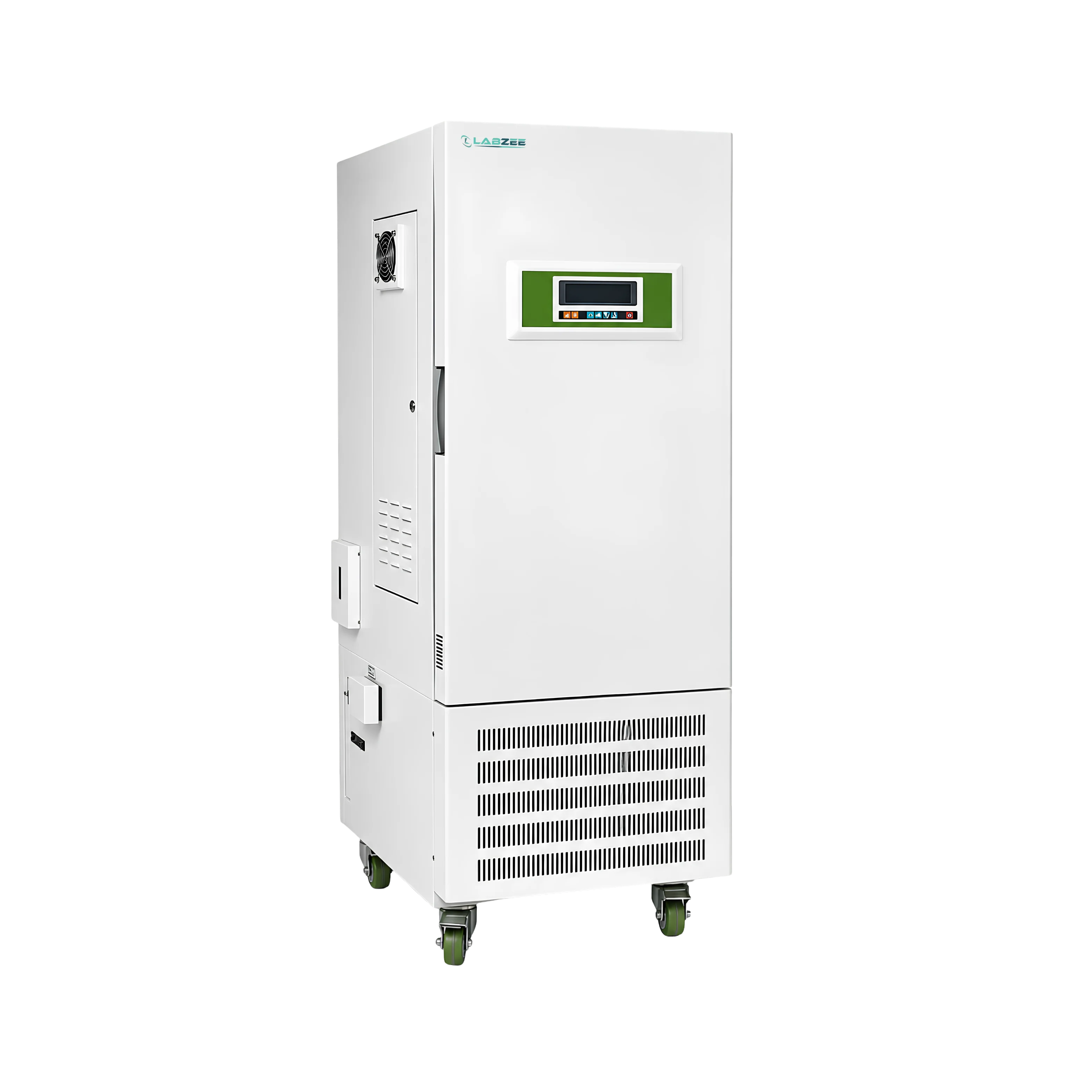
$ 5220
Labzee Pharmaceutical Light Stability Chambers are high-precision systems designed for controlled photostability testing, with chamber capacities ranging from 175 to 1075 litres. Their advanced PID microprocessors ensure precise temperature regulation, both with and without light exposure. The large LCD control panels feature an intuitive, menu-driven interface for real-time monitoring and easy parameter configuration. Our Pharmaceutical Light Stability Chambers are ideal for pharmaceutical research, product development, and quality assurance applications.
$ 5605
$ 5634
<p>Labzee Automated Environmental Chambers are high-performance units designed for precise temperature and humidity control, with capacities ranging from 175L to 1075L. These chambers are equipped with large LCD screens for real-time monitoring and intuitive operation. Their integrated PID control systems ensure highly accurate and stable regulation of both temperature and humidity. Our Automated Environmental Chambers are ideal for laboratories requiring environmental simulation, long-term stability testing, and controlled sample storage.</p>
$ 4327

$ 4939
<p>Labzee Digital Climate Chambers are engineered to deliver advanced environmental simulation across a wide range of chamber sizes, from 175L to 1675L. They feature a broad temperature range from 0°C to 55°C (10°C to 55°C with lighting), ensuring precise and stable climate control. Their user-friendly LCD interfaces support multi-segment environmental programming for flexible and accurate control. Our Digital Climate Chambers are ideal for laboratories requiring reliable, programmable climate control across a wide range of experimental conditions.</p>
$ 4910
$ 5743
Labzee Light Growth Chambers deliver precise environmental control for light-dependent cultivation, research, and testing. These chambers offer 175L–1675L capacities with temperature settings of 0–55°C, or 10–55°C with lighting. The LCD interface supports multi-segment programming to simulate natural day-night cycles. Their dual refrigeration systems operate in alternating cycles to ensure reliable, long-term performance. Our Light Growth Chambers are ideal for laboratories, research institutes, agricultural development, and pharmaceutical testing environments that demand controlled, repeatable conditions.
$ 4354
$ 5464
