$ 3023
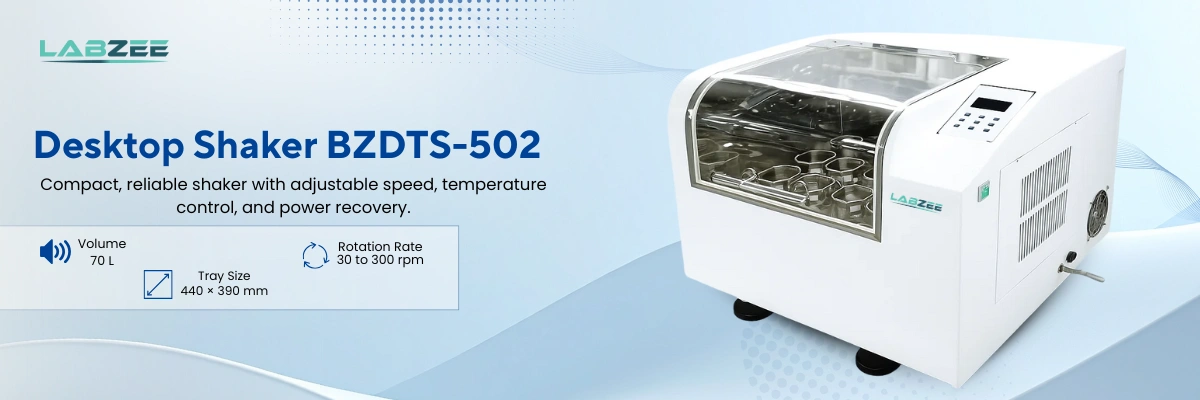
| Volume | 70 L |
| Temperature Range | RT, +5 to 60°C |
| Temperature Resolution | 0.1°C |
| Temperature Fluctuation at 37°C | ±0.5°C |
| Temperature Uniformity at 37°C | ±1°C |
| Oscillation Mode | Reciprocating |
| Rotation Rate | 30 to 300 rpm |
| Vibration Amplitude | Ø0 to 40 mm |
| Timer Range | 0 to 999 minutes/hour |
| Tray Size | 440 × 390 mm |
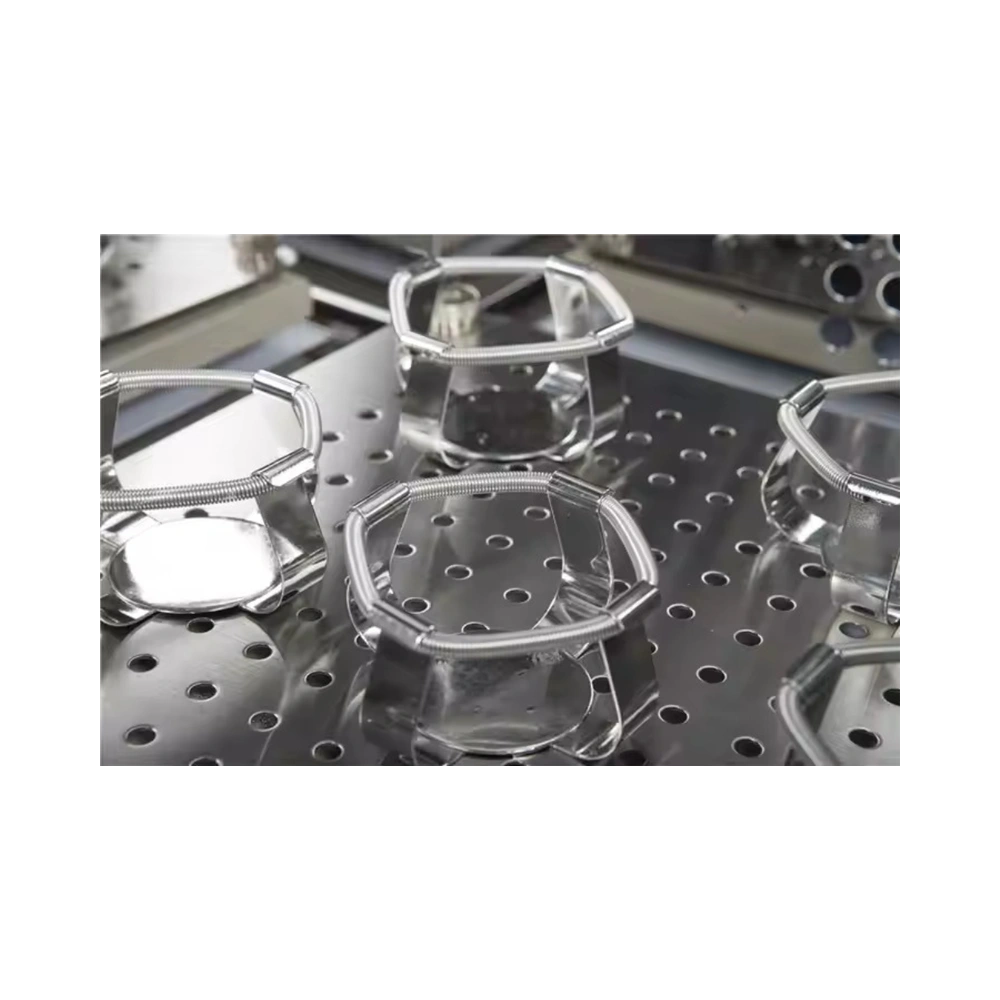
| Standard Configuration | 250 ml × 10 pieces |
| Full Load Configuration | 50 × 31 or 100 × 31 or 250 × 15 or 500 × 10 or 1000 × 6 (ml × pieces) |
| Power | 500 W |
| Net Weight | 81 Kg |
| Gross Weight | 115 Kg |
| Packaging Size | 890 × 910 × 720 mm |
| Housing Dimension | 750 × 750 × 510 mm |
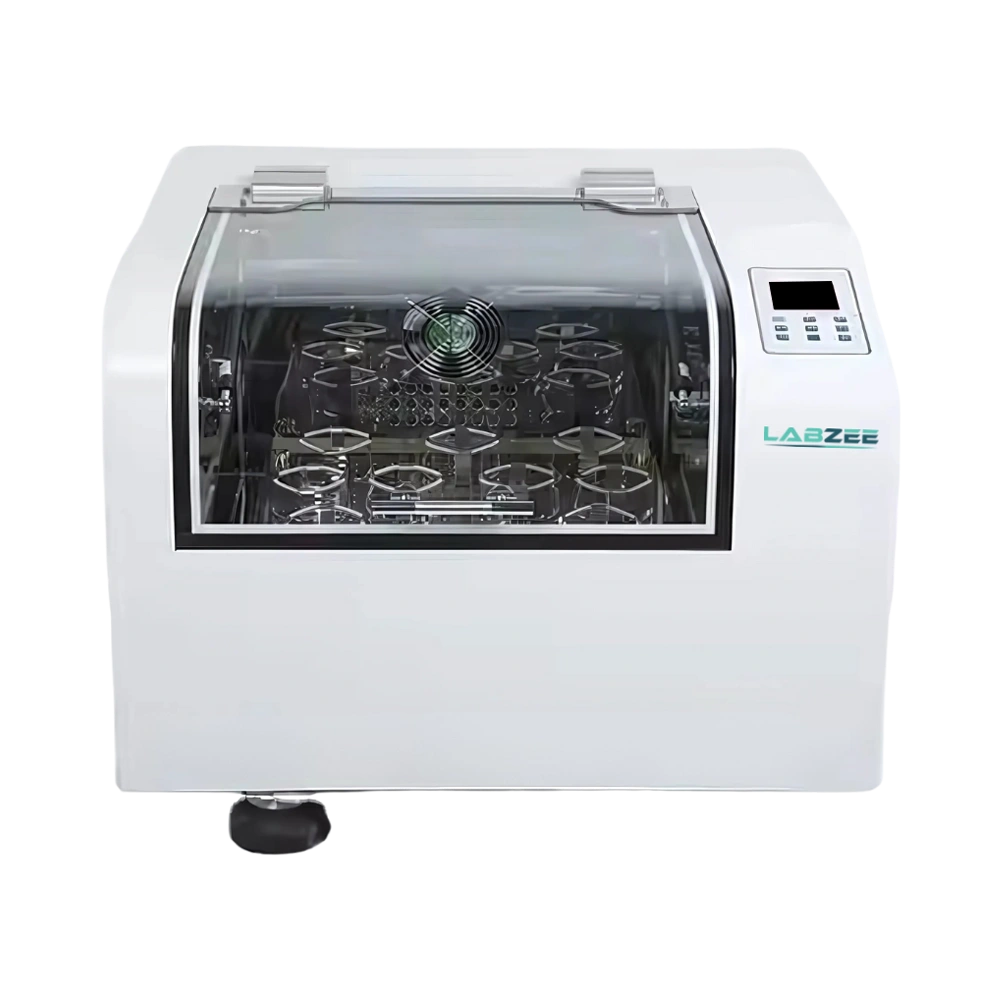
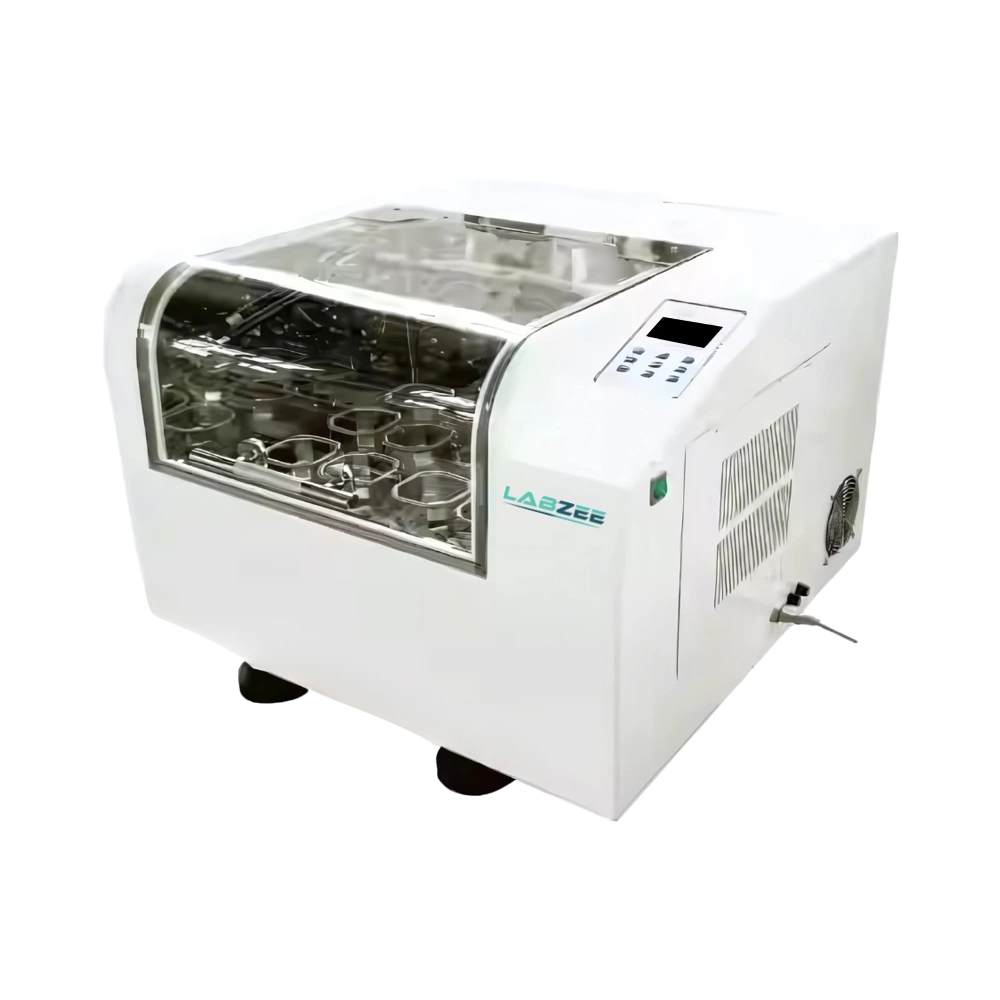
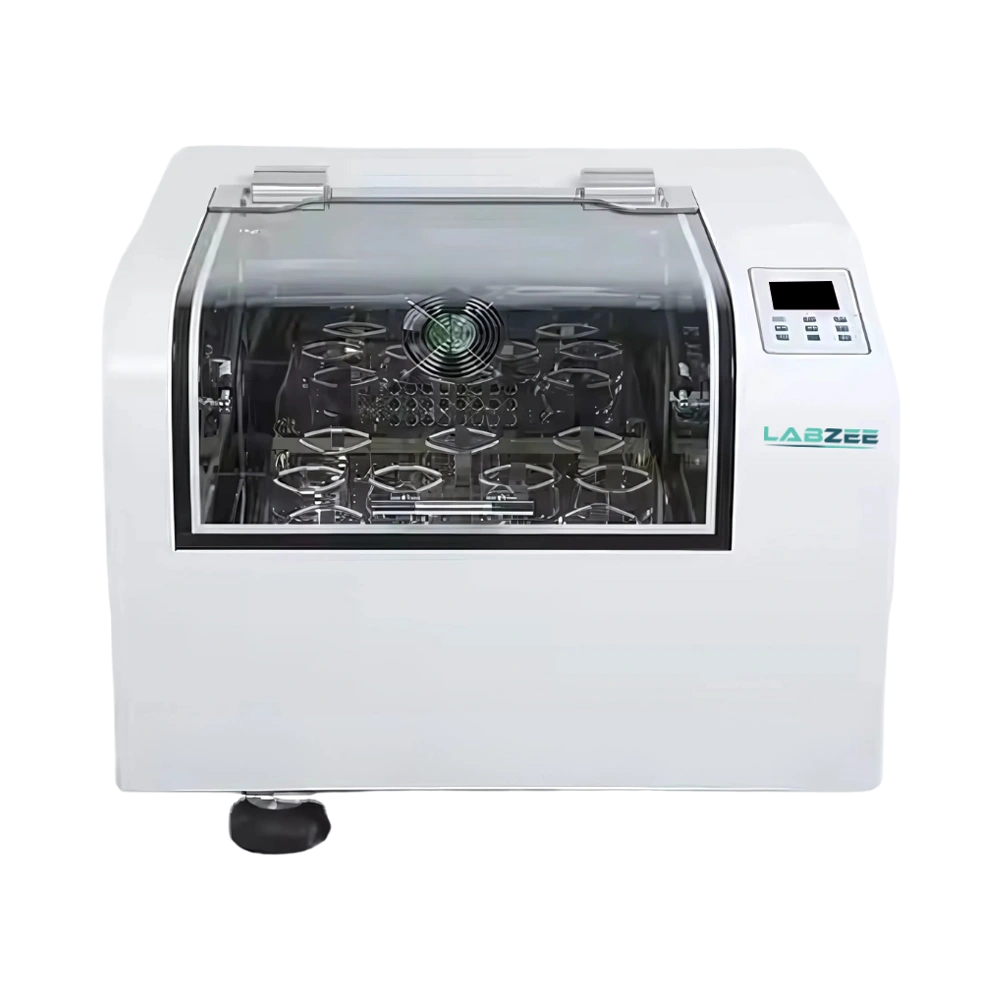
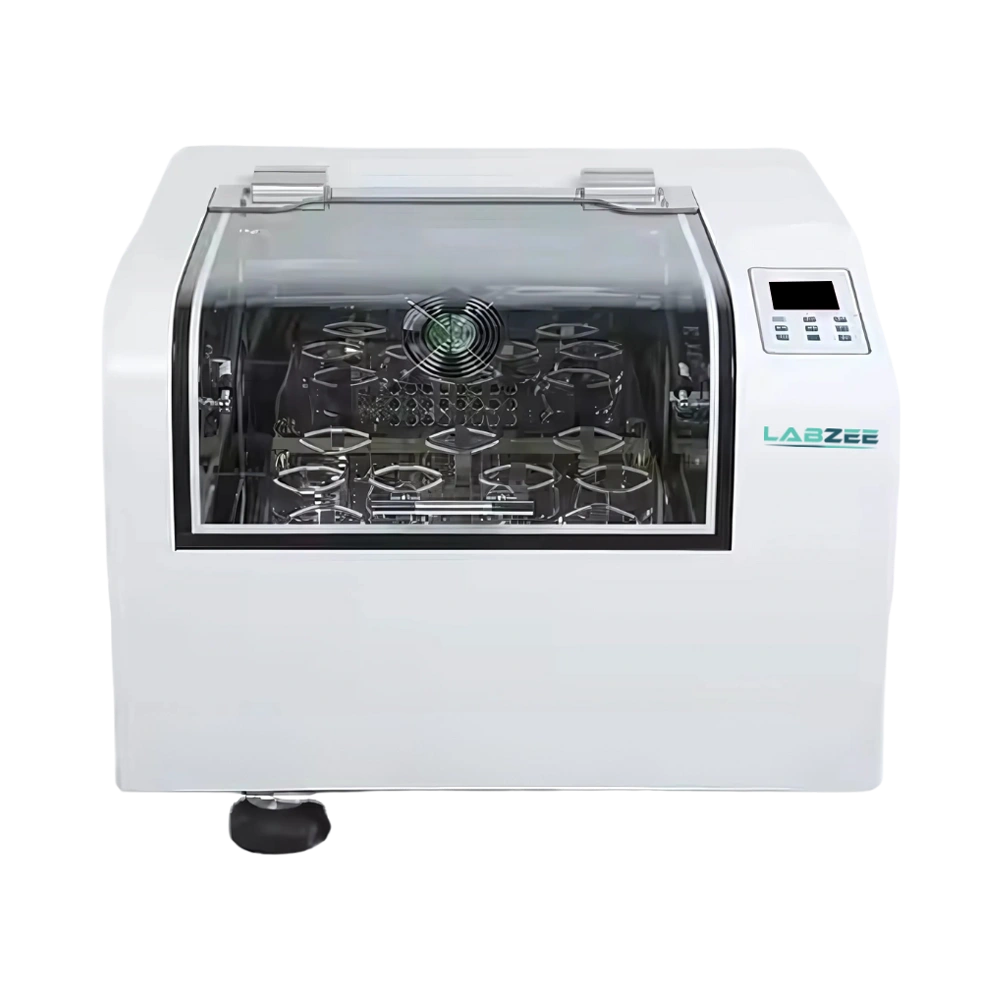
Reciprocating Mode: Oscillation motion for uniform shaking of flasks, beakers, and test tubes.
Brushless DC Motor: Smooth, stable, and maintenance‑free operation.
Temperature Control & Over‑Temperature Alarm: Precise regulation with sound/light alert for safe operation.
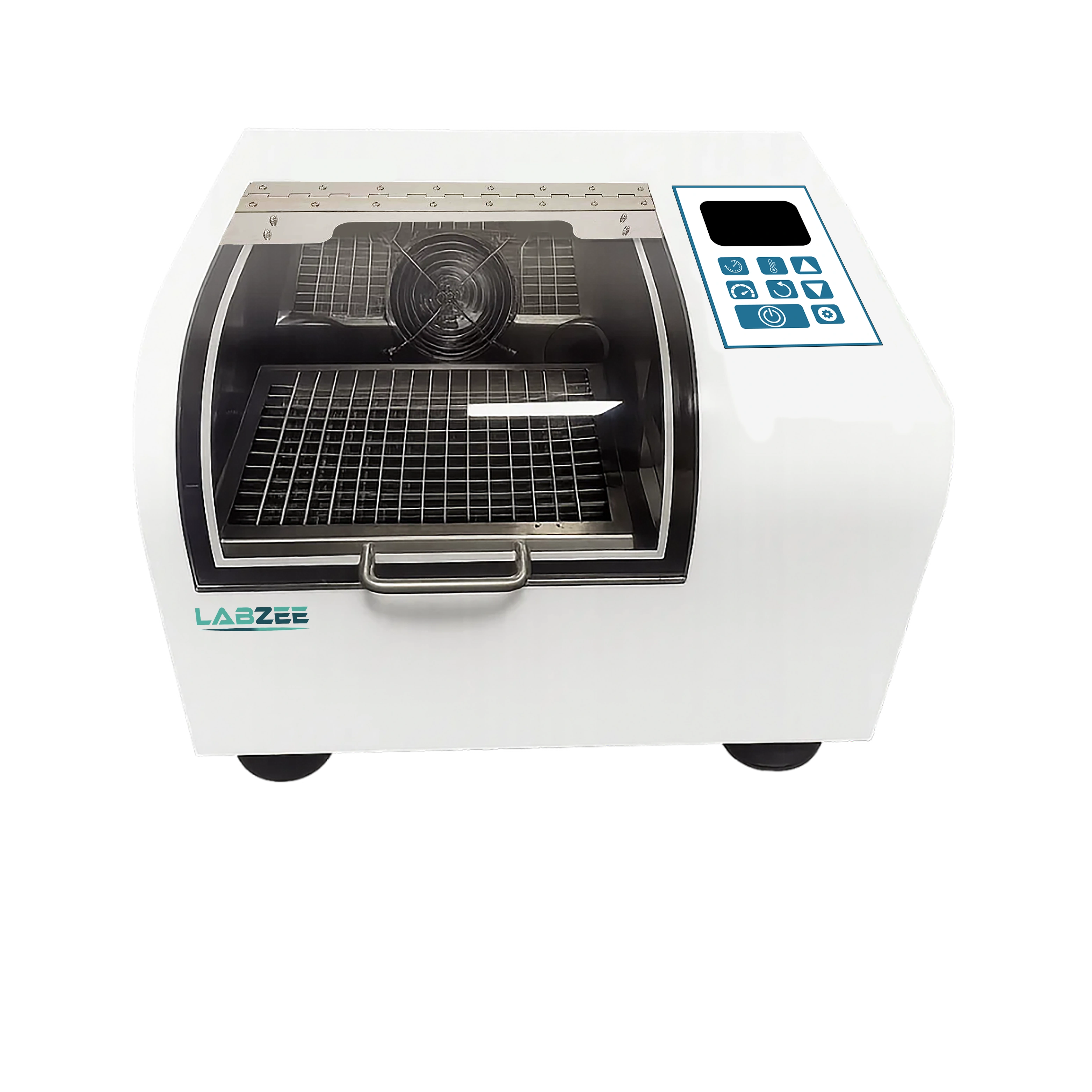
LCD Display: Clear digital display for real‑time temperature and speed tracking.
Non‑Volatile Memory: Retains programmed settings during power outages and resumes operation automatically.
• Protein Expression & Purification: Used for shaking cultures in flasks for recombinant protein production.
• Enzyme Activity Assays: Applied for mixing reaction mixtures in biochemical studies.
• Microbiology & Pathogen Culture: Designed for shaking bacterial and yeast cultures for growth and testing.
• Drug Solubility & Formulation: Suitable for pharmaceutical R&D, dissolution testing, and mixing excipients.
• General Lab Mixing & Incubation: Intended for routine shaking of solutions, media preparation, and temperature‑controlled experiments.
Frequently Asked Questions
1: What type of shaking motion does this desktop shaker model use?
It uses a reciprocating oscillation mode, which is ideal for thorough mixing and uniform agitation of samples.
2: How is the desktop shaker BZDTS-502 controlled?
The desktop shaker BZDTS-502 features an intuitive control system with a real-time display, memory function, and automatic recovery after power loss.
3: Is the shaker suitable for temperature-sensitive experiments like bacterial culture?
Yes, with precise temperature control, uniformity, and fluctuation as tight as ±0.5°C, it is suitable for cell culture, bacterial incubation, and enzyme reactions.
4: What type of containers can be used in this device?
It supports a wide range of flask sizes including 50 ml, 100 ml, 250 ml, 500 ml, and 1000 ml - ideal for various experiment types.
5: Can this device be used inside a fume hood or incubator?
This device is not designed for enclosed spaces like fume hoods unless it’s adequately ventilated and within the allowed environmental range.
6: What types of containers can be used on a desktop shaker?
Desktop shakers can accommodate test tubes, flasks, beakers, and microplates, depending on the model and accessories like clamps or platforms.
7: What shaking motions are available?
Most desktop shakers offer orbital or linear shaking motions, and some models may provide adjustable speed and amplitude settings.
8: Is the desktop shaker safe for sensitive samples?
Yes, many models are designed to provide gentle agitation to avoid damaging delicate samples like cells or protein solutions.
Labzee Lab Desktop Shakers deliver reciprocating oscillation modes with uniform mixing, adjustable speed, and a built-in timer from 0 to 999.9 hours for consistent mixing across flasks, beakers, and test tubes. Our benchtop shakers provide compact footprints with LCD displays, quiet operation, wide temperature compatibility, and a maximum load capacity suitable for various vessel types, offering precise control to suit different sample types and protocols in batches.


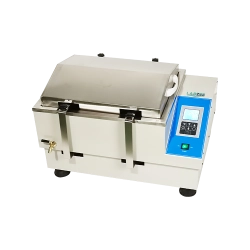
Labzee 3D Shakers offer a gentle, three-dimensional mixing motion designed for Western blotting, antibody incubations, gel staining, and cell culture. Their adjustable tilt and variable speed control provide precise handling for sensitive procedures, while the maintenance-free brushless motor and intuitive digital interface deliver quiet, consistent performance suitable for use in cold rooms and incubators. Our 3D shakers ensure the gentle yet thorough agitation needed to protect sample integrity and streamline daily lab workflows.


$ 2399
Labzee Orbital and Linear Shakers offer compact, high-performance mixing for cell culture, microbial incubation, and sample preparation. Our dual shaking modes, orbital and linear, feature adjustable speed ranges 20–500rpm, programmable timers 0–19 h 59 min, and brushless DC motors for quiet, maintenance-free operation. Available models accommodate loads up to 7.5kg with amplitudes of 10–20mm. Intuitive LED or LCD displays and programmable timers allow precise control of speed and time for consistent, repeatable results. They support multiple vessel types, including flasks, beakers, and culture bottles for saving time, ensuring consistent mixing, and simplifying daily lab workflows.

$ 2433
Labzee Tilting Shakers provide gentle, smooth see-saw rocking action for low-shear mixing of samples in tubes, culture flasks, and hybridization bags. Available with fixed tilt angles of 7° or 10°, speed ranges of 10–80 rpm or 10–70 rpm, and maximum load capacities of 3 kg or 10 kg, these shakers operate at 5–40 °C for use in cold rooms or incubators. Adjustable speed and fixed tilt ensure uniform agitation, while a dual LCD screen displays time and speed for precise monitoring during mixing in routine laboratory workflows.

$ 1789

$ 2146
Labzee Circular Shakers deliver uniform orbital motion for consistent mixing across a wide range of laboratory vessels for cell culture, microbiology, and general sample preparation. Our units are built with adjustable speed ranges, built-in timers, and quiet operation. Available in compact benchtop footprints with wide temperature compatibility, LCD displays, and timer settings up to 19 hr 59 min. ISO-CE certified, Labzee circular shakers are built to ensure consistent, time-saving mixing for daily lab workflows.

$ 1720

$ 2456
Digital Shaker from Labzee provides orbital and linear shaking for sample mixing, solution agitation, and stirring liquids in tubes, flasks, and other laboratory vessels. Our Digital Shakers offer adjustable shaking speeds and timed or continuous operation for different sample processing requirements. Models with LED displays, brushless DC motors, and digital controls support monitoring and adjustment during laboratory procedures. Explore our benchtop shakers to support sample mixing, agitation, and routine laboratory processing.
$ 1651
Labzee Water Bath Shakers provide simultaneous temperature-controlled incubation and mixing of laboratory samples. They combine precise heating from RT to 99.9 °C with ±0.5 °C accuracy and uniform orbital or reciprocating agitation at 20–250 rpm. Our water bath shakers offer capacities from 32 L to 46 L, accommodating a range of flask sizes. A single-shaft track drive mechanism ensures smooth and consistent oscillation, with a stainless steel chamber, LED display, and capability for continuous processing cycles for extended laboratory operations.

$ 3273
$ 1858
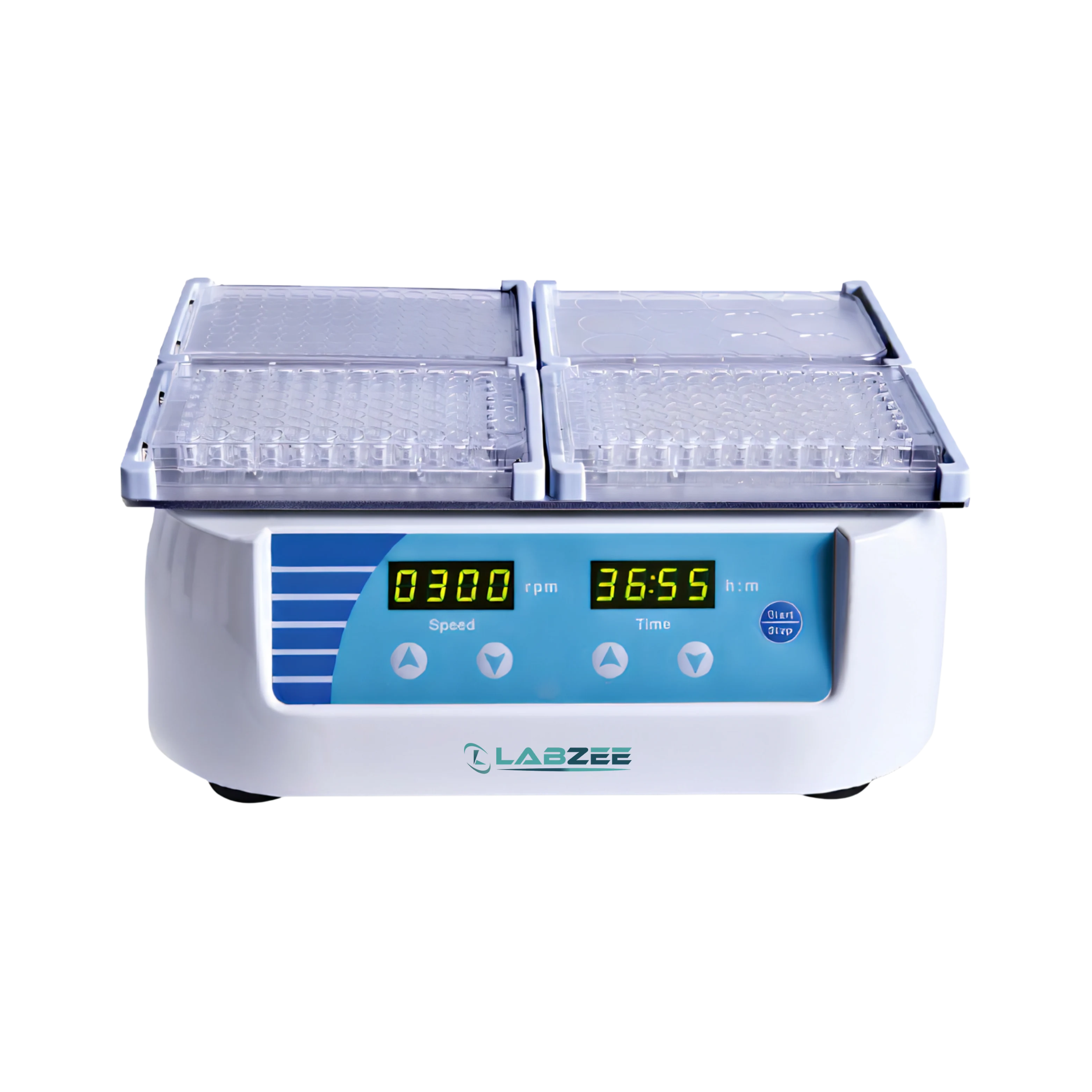
Microplate Shaker from Labzee offers horizontal orbital shaking for mixing samples and reagents inside microplates. Our microtiter plate shaker holds several plates per run, with variable speed control for gentle or vigorous plate agitation across standard and deep-well formats. Timed or continuous shaking sets each run length, supporting PCR plate preparation, cell suspension mixing, and routine sample mixing for molecular biology, diagnostic, and pharmaceutical laboratories. A digital display shows speed and time, and a compact body fits laboratory bench space. Laboratories choosing a microplate mixer or plate shaker can match speed and run time to each plate type.
$ 2732
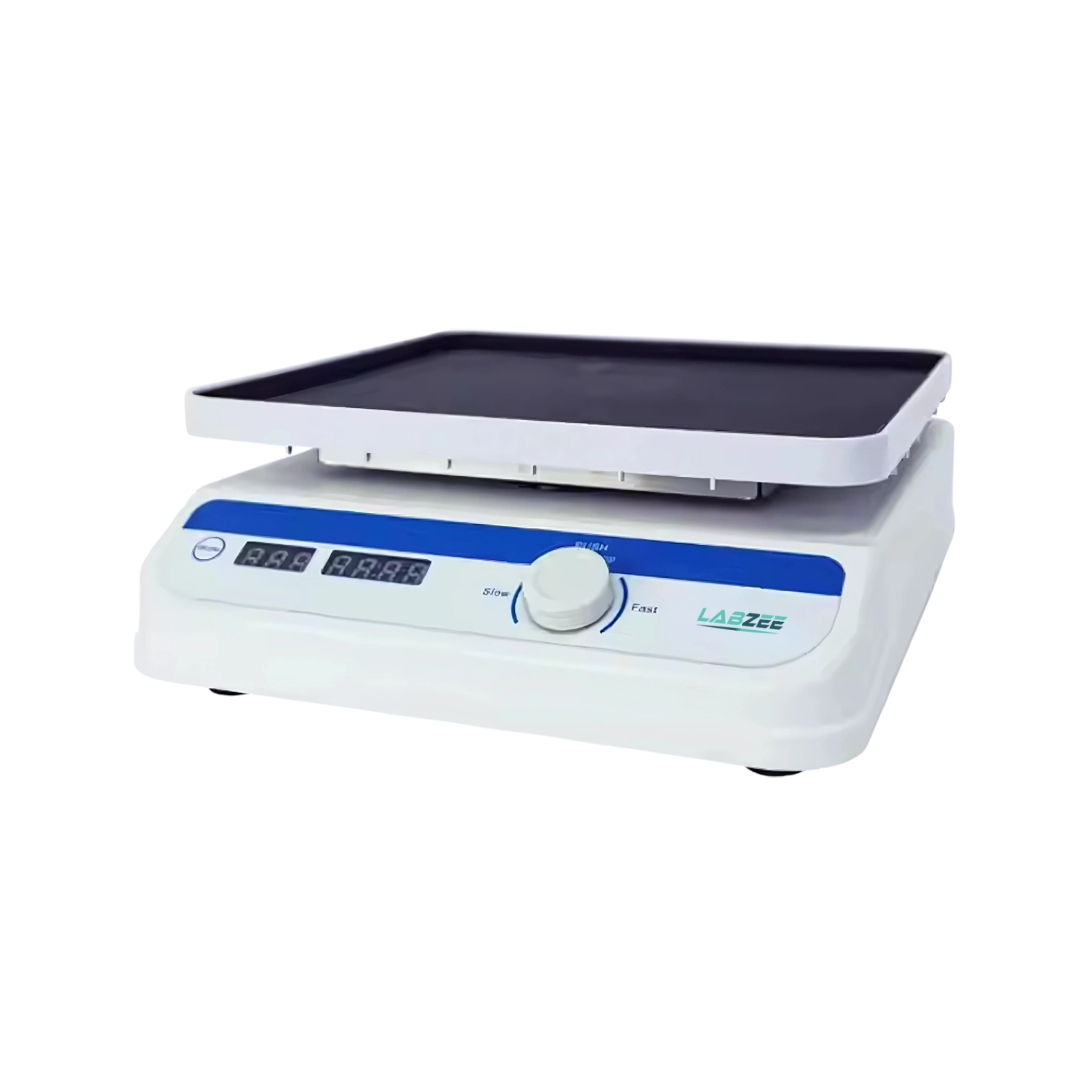
Labzee Orbital Shakers provide efficient, uniform mixing with precise circular orbital motion for a wide range of laboratory vessels. Our Lab Orbital Shakers feature brushless DC motors, variable speed controls, and digital displays for real-time monitoring of speed and time. Models offer benchtop or incubated versions from 4 to 45°C, load capacities from 2.5 to 3 kg, orbit diameters of 10 or 20mm, and timers from 1 min to 99 h 59 min or continuous. Overload protection and splash-resistant housing ensure safe performance during extended runs.
$ 1131

$ 1490
