Labzee Centrifuges are precision-built instruments designed for efficient separation of fluids, particles, and cells across clinical, research, and industrial laboratory applications. Utilizing centrifugal force, our product consistently isolates components based on density, offering a range of speeds and rotor configurations to meet diverse processing needs. Featuring programmable controls, safety locking lids, and low-noise operation, these centrifuges deliver consistent performance while ensuring operator safety and workflow efficiency. Labzee Centrifuges' durable design and compatibility with various tube sizes make them versatile for both routine and specialized laboratory tasks. Ideal for diagnostic laboratories, academic research facilities, biotechnology centers, and medical clinics, Labzee Centrifuges combine consistent performance, precision, and ease of use. Labzee Centrifuges' robust design and user-friendly operation support high-throughput sample processing, reproducible results, and optimized laboratory efficiency. With steady performance and flexible functionality, our centrifuges provide a professional-grade system for laboratories seeking accurate separation and enhanced productivity in sample preparation workflows.
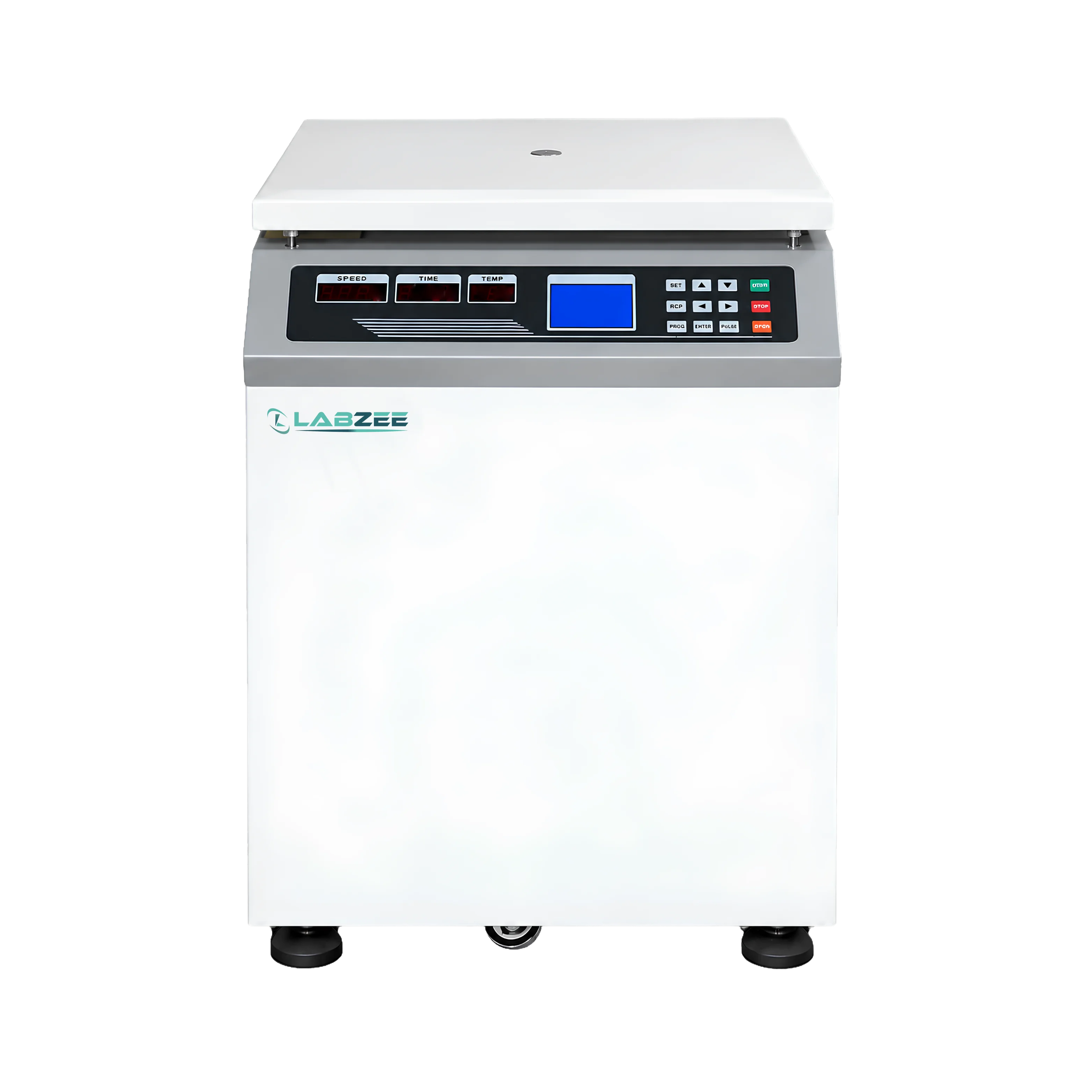
Max Speed: 6000 rpm
Max RCF: 6880 ×g
Max Capacity: 6 × 1000ml
Speed Accuracy: ±10 rpm
$ 25300
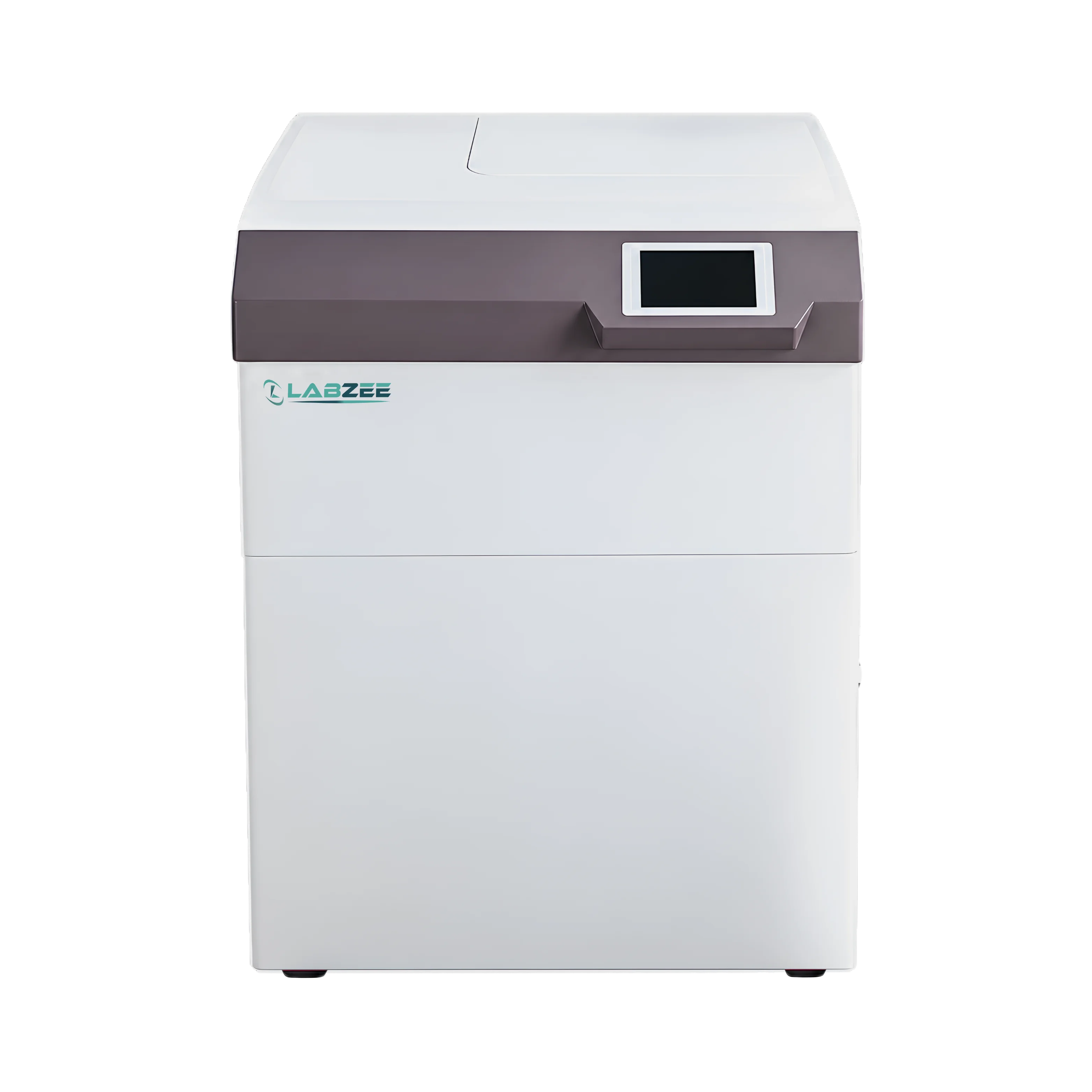
Max Speed: 5000 rpm
Max RCF: 5200 ×g
Max Capacity: 4 × 800ml
Speed Accuracy: ±10 rpm
$ 11500
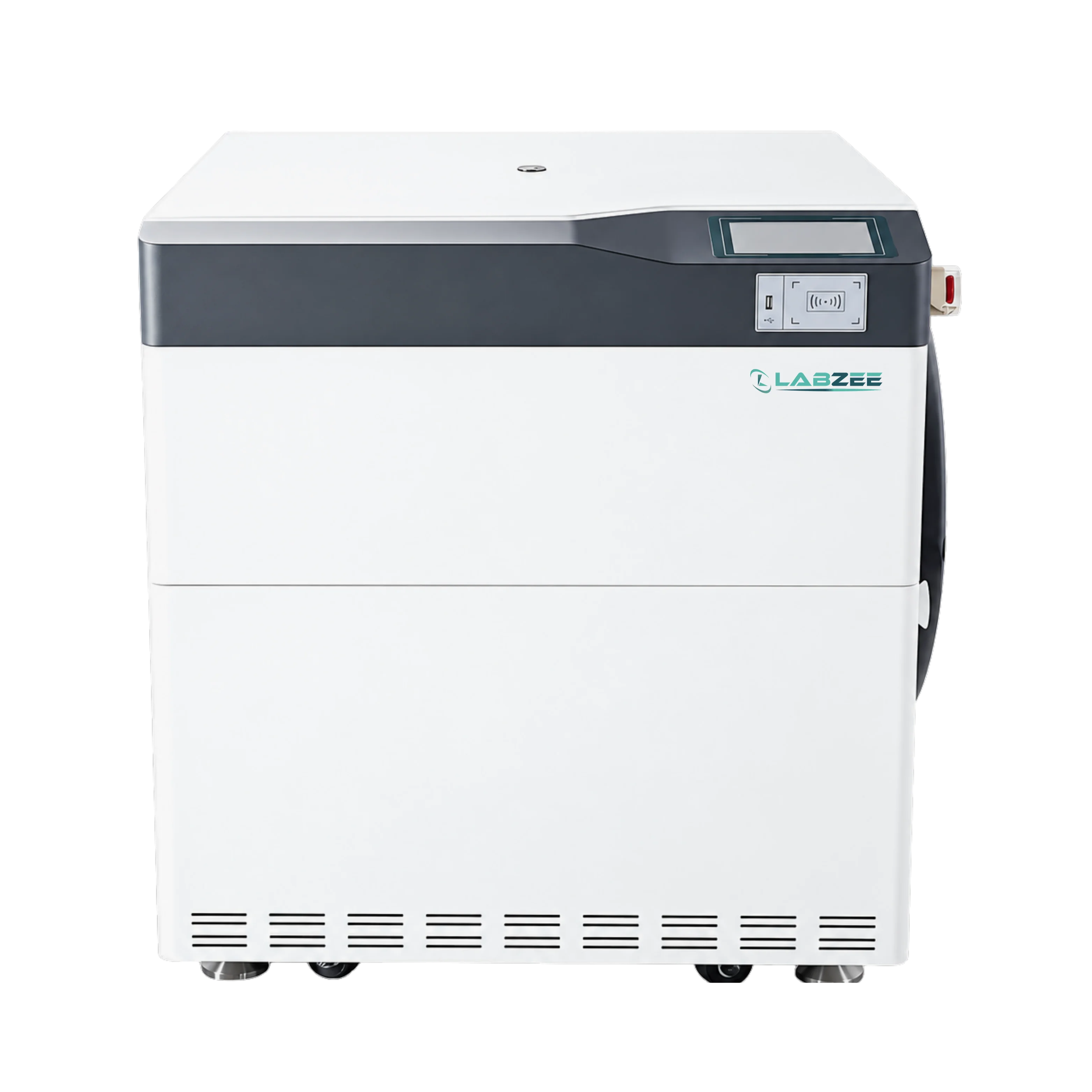
Max Speed: 8000 rpm
Max RCF: 14500 ×g
Max Capacity: 6 × 2400ml / 12 blood bags / 384 blood tubes
Temperature Range: -20°C to +40°C
$ 49680
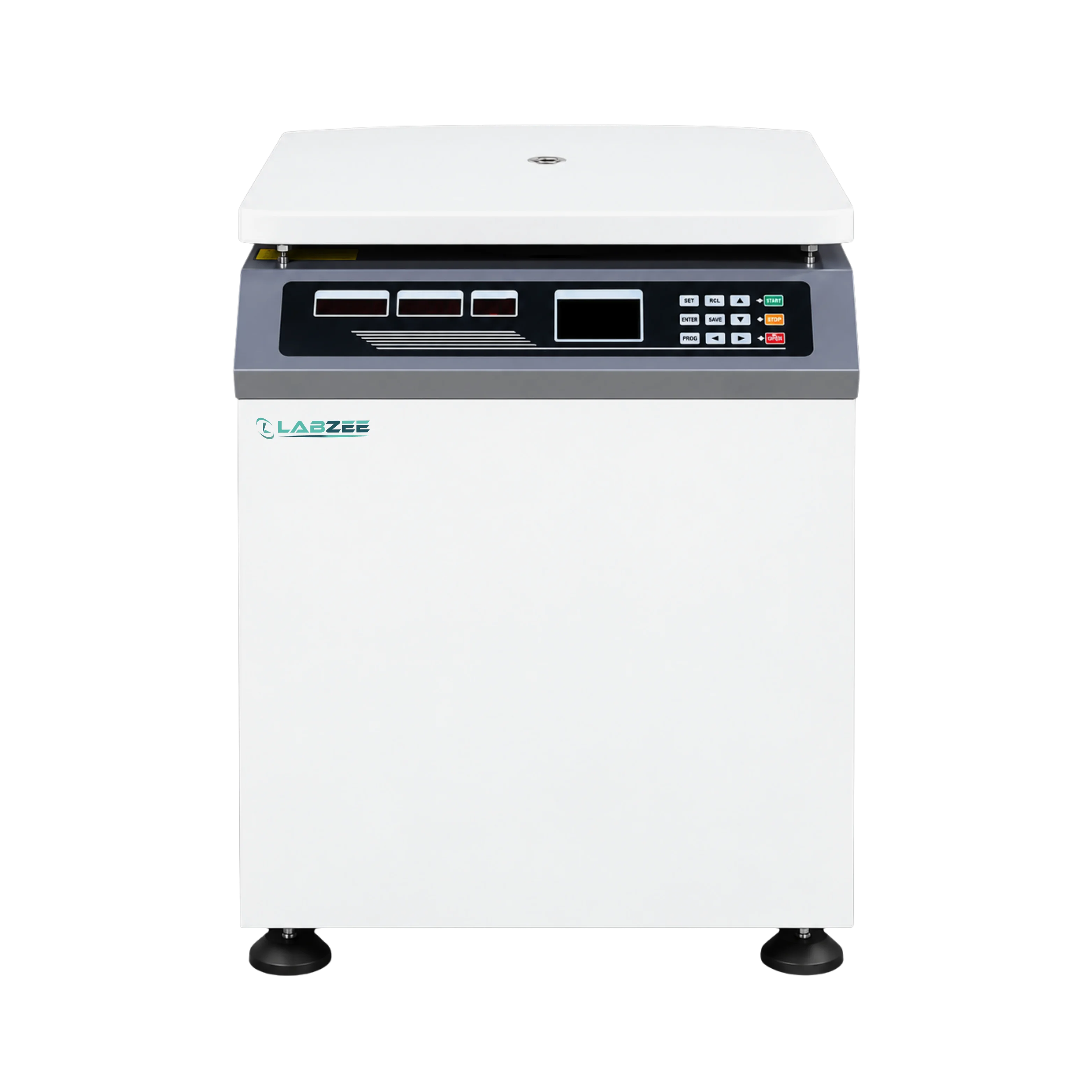
Max Speed: 4000 rpm
Max RCF: 3580 ×g
Max Capacity: 4 × 1000ml
Speed Accuracy: ±10 rpm
$ 5734
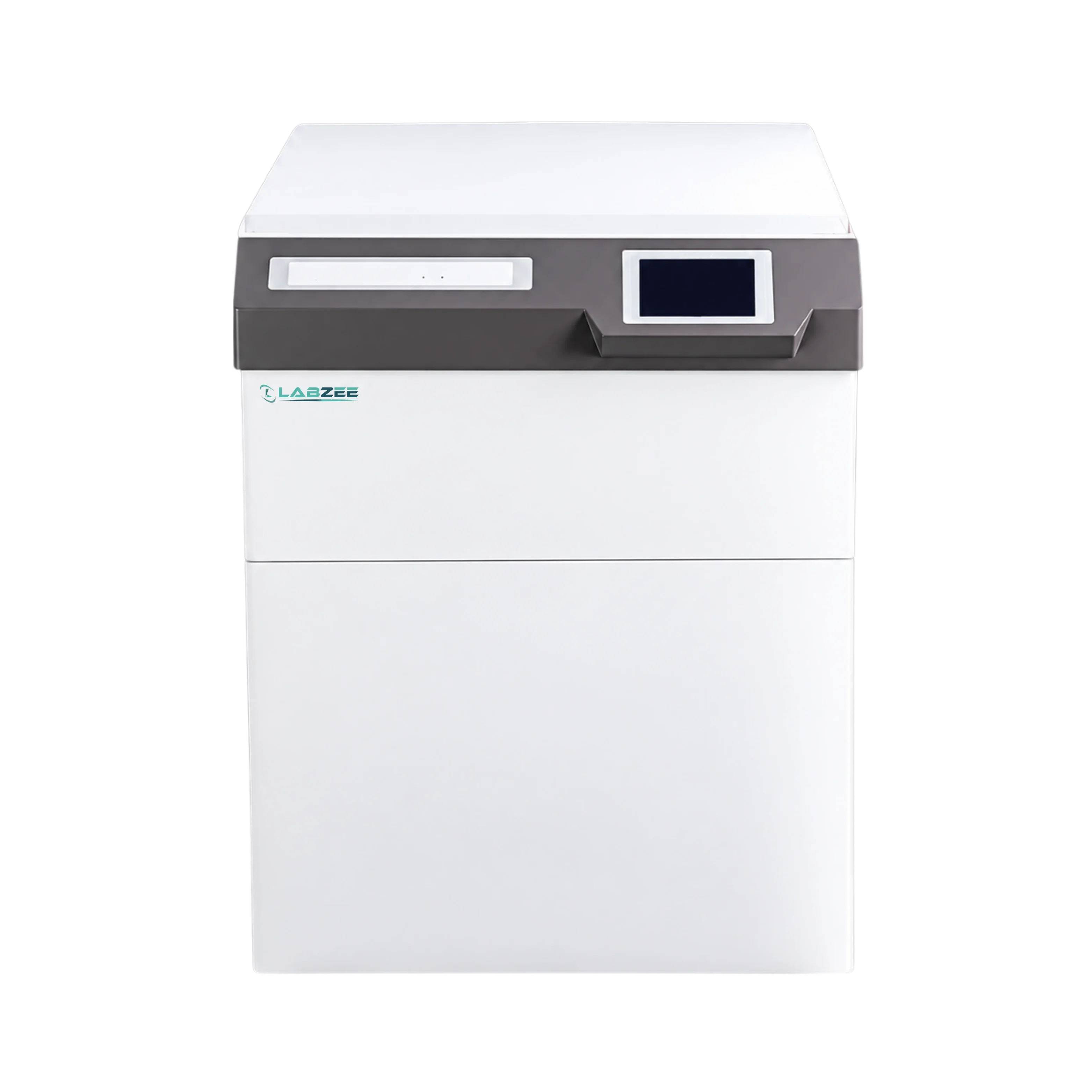
Max Speed: 6000 rpm
Max RCF: 5201 ×g
Max Capacity: 4 × 800ml
Speed Accuracy: ±10 rpm
$ 6164
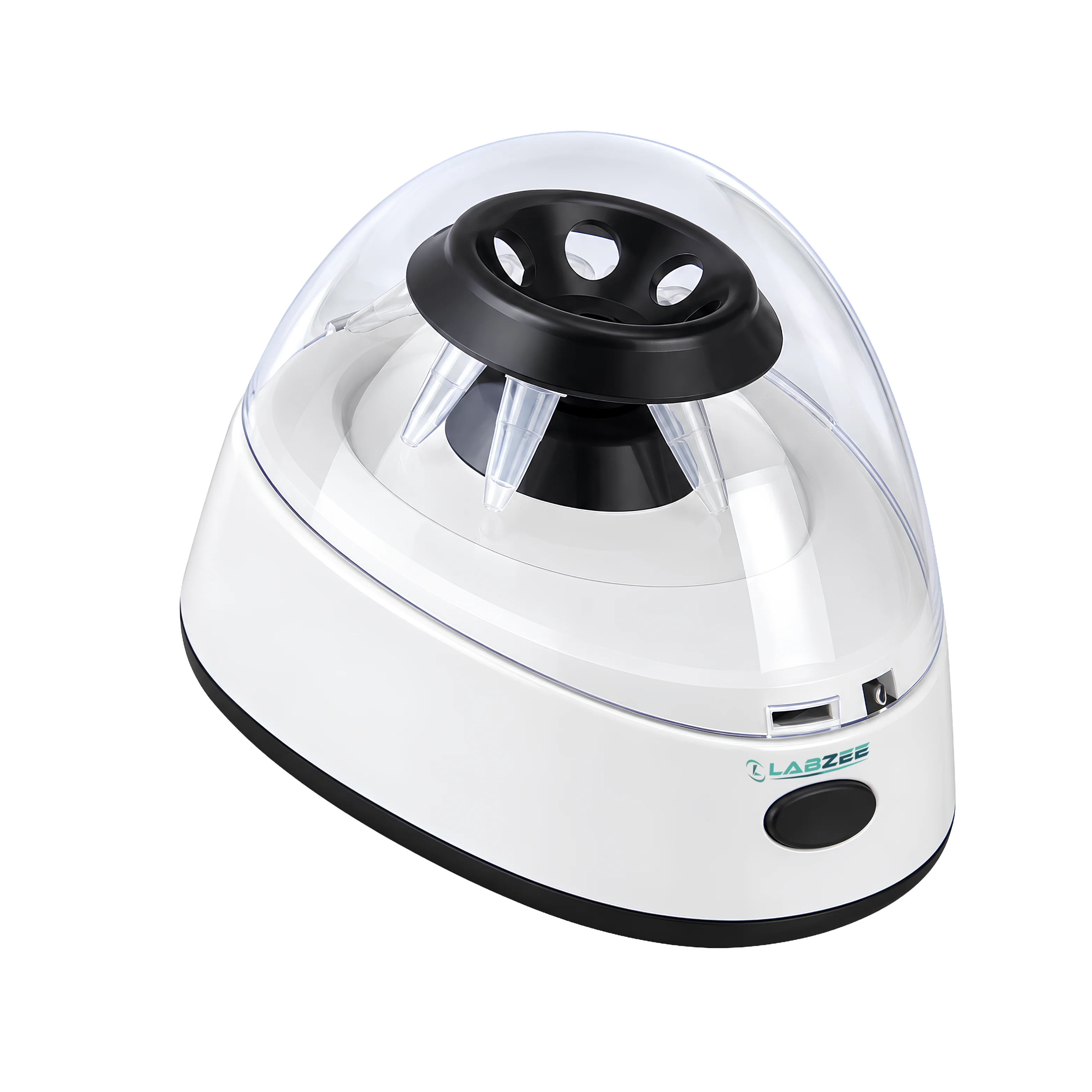
Maximum Speed: 5400 rpm
Maximum RCF: 2000 ×g
Input: 100-240VAC, 50/60HZ
Output: 24VDC, 2A
$ 4339
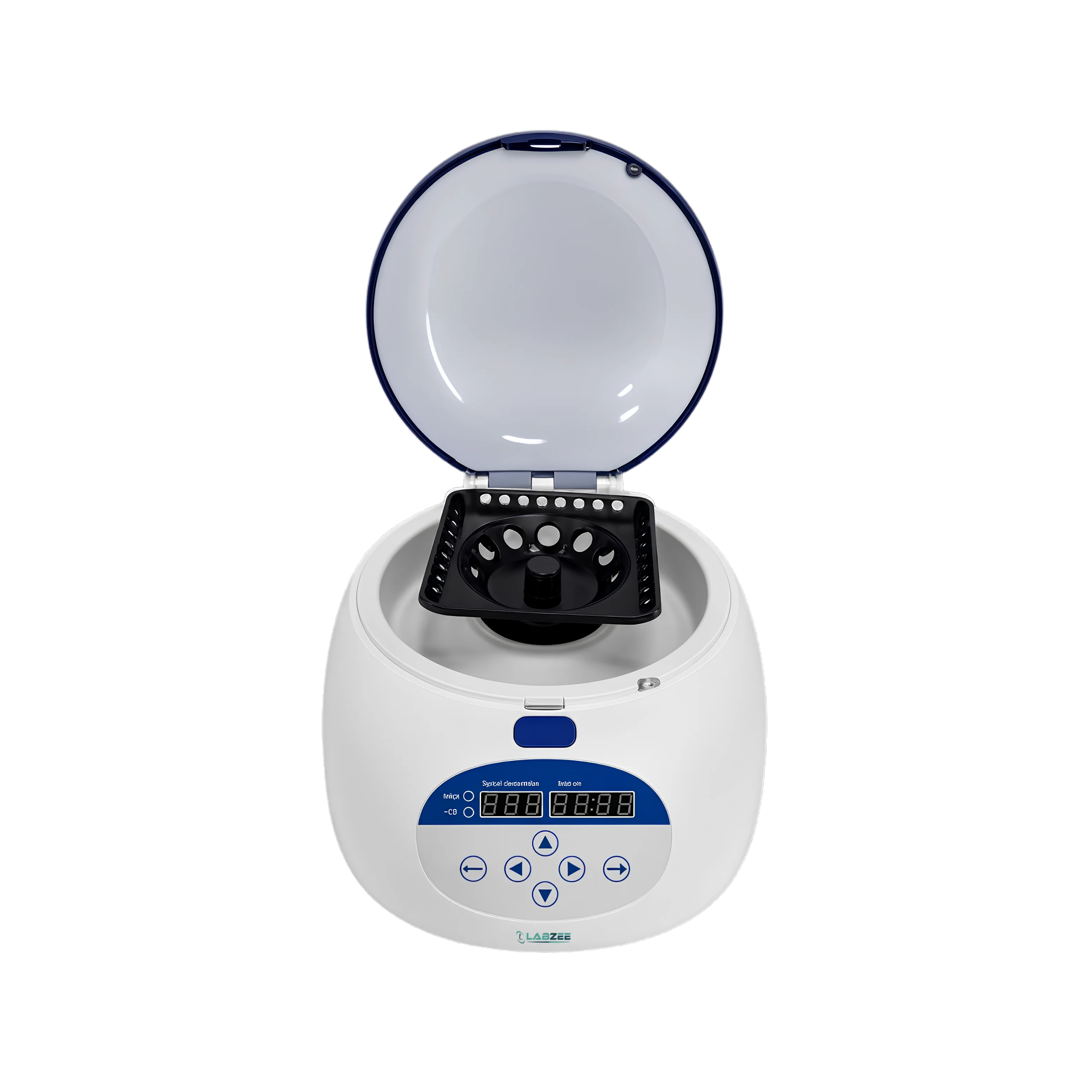
Speed Range: 500rpm to 12000 rpm (500 rpm increments)
Max RCF: 9650×g
Timer: 1 to 99m59s (
Acceleration Time: ≤ 12 s
$ 2078
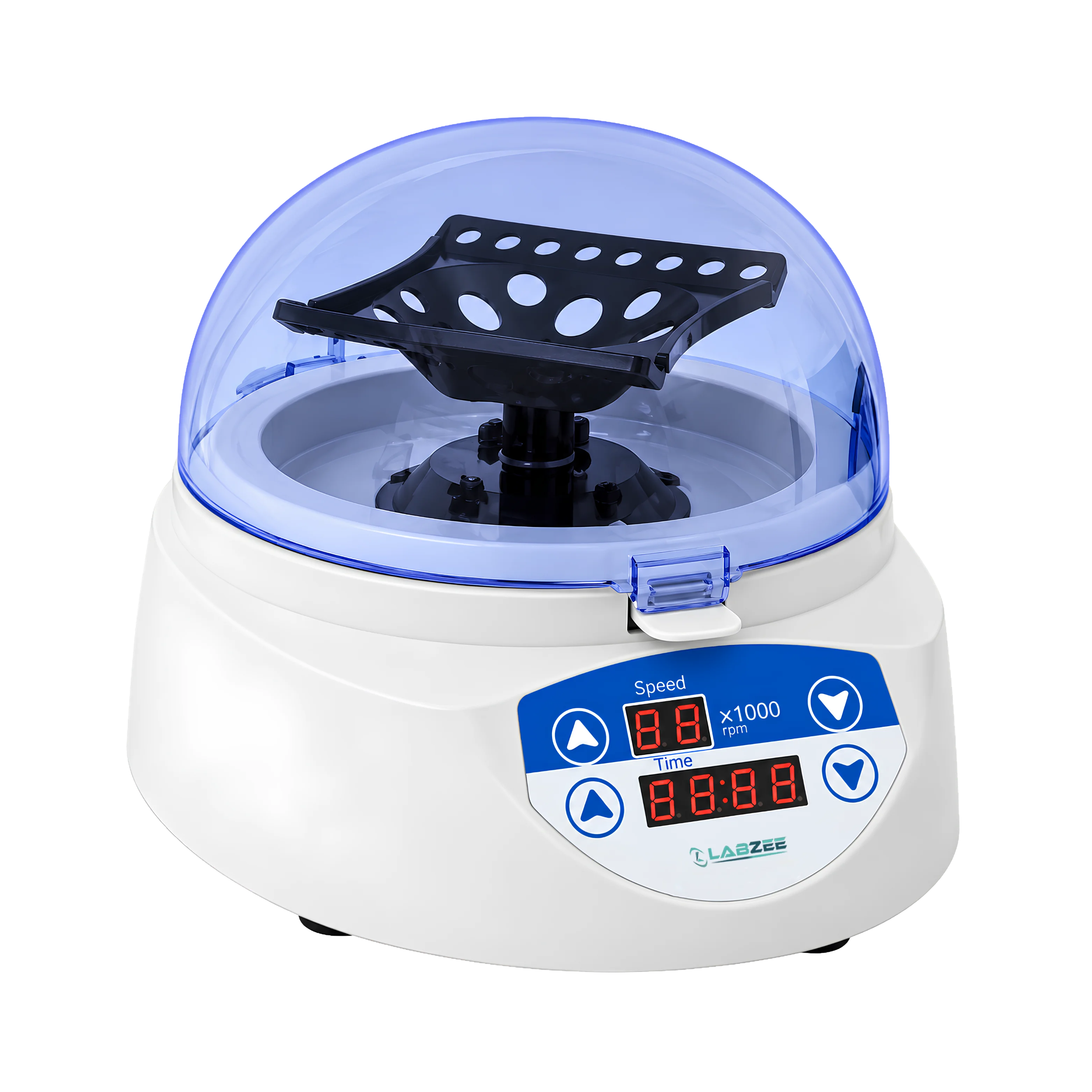
Speed: 4000rpm, 6000rpm and 7000rpm adjustable
Max RCF: 960×g (4000rpm) / 2200×g (6000rpm) / 2900×g (7000rpm)
Noise Level: ≤ 55 dB
Timer: 1s to 99m59s
$ 1053
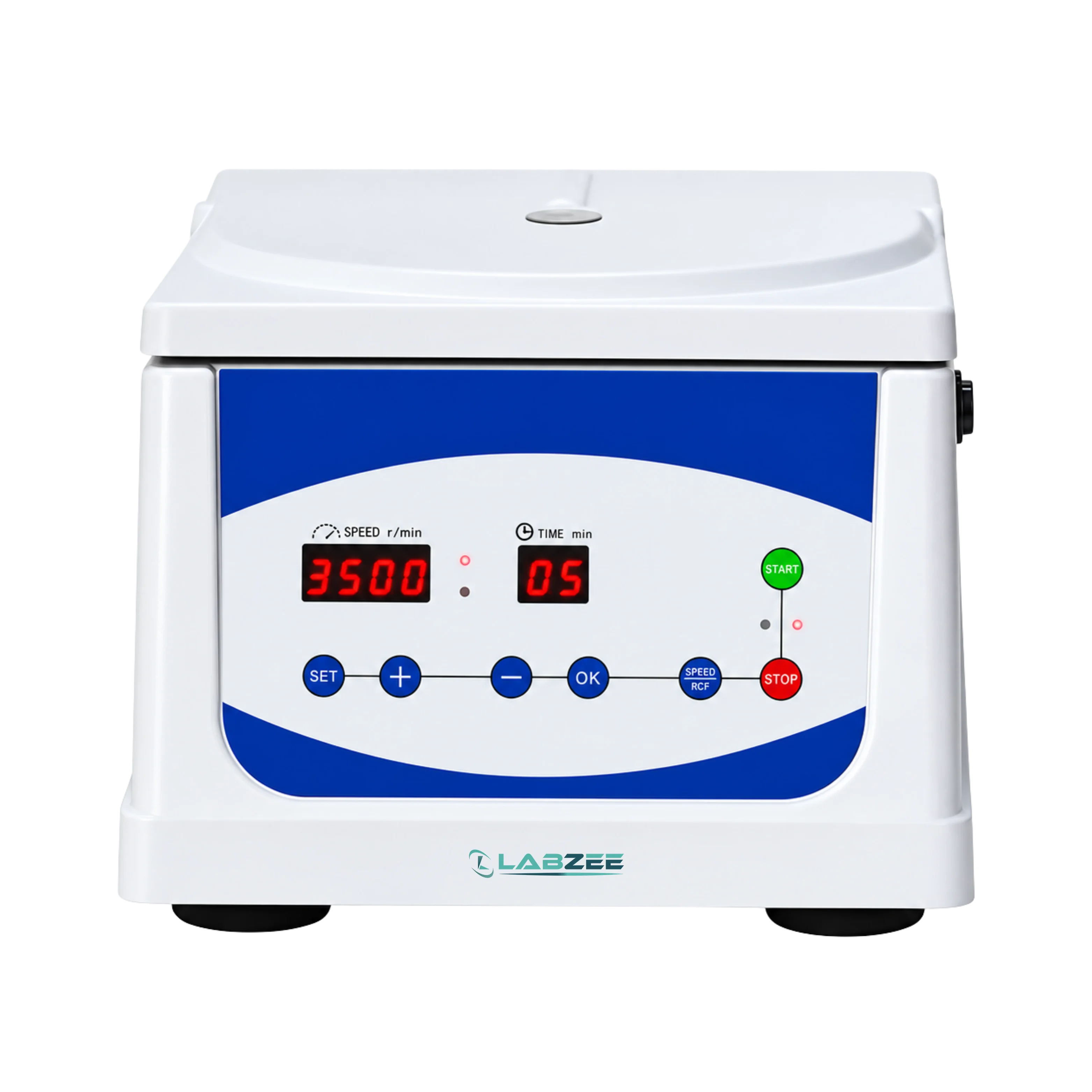
Speed Range: 0-16000rpm adjustable
Maximum Capacity: 24 pcs
RCF Range: 0 to 17800×g adjustable
Time Range: 1-99minutes adjustable
$ 1950
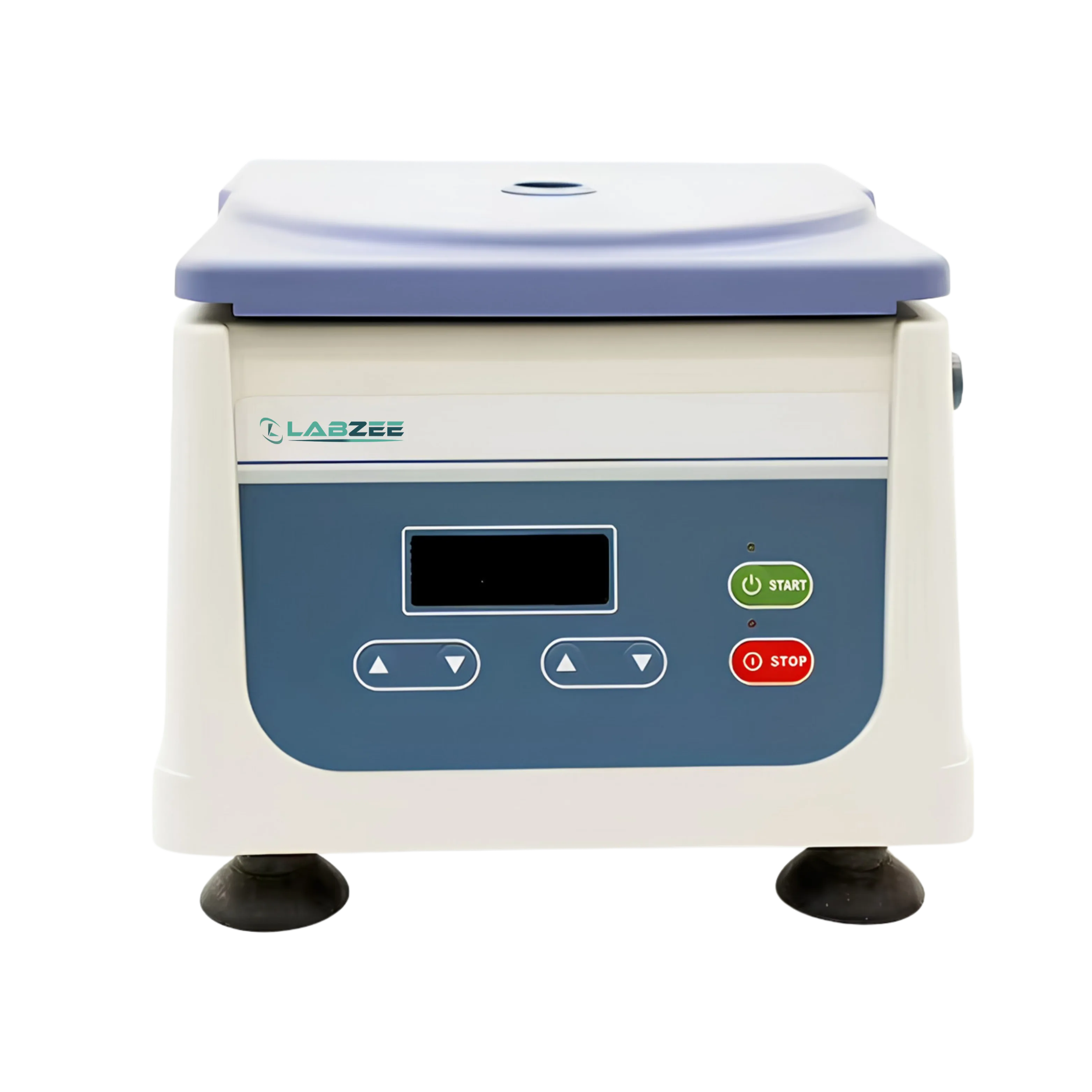
Max Speed: 4000 r/min
Max RCF: 1980 × g
Max Capacity: 15 ml × 8 cups (angle rotor)
Time Range: 1–99 min
$ 1628
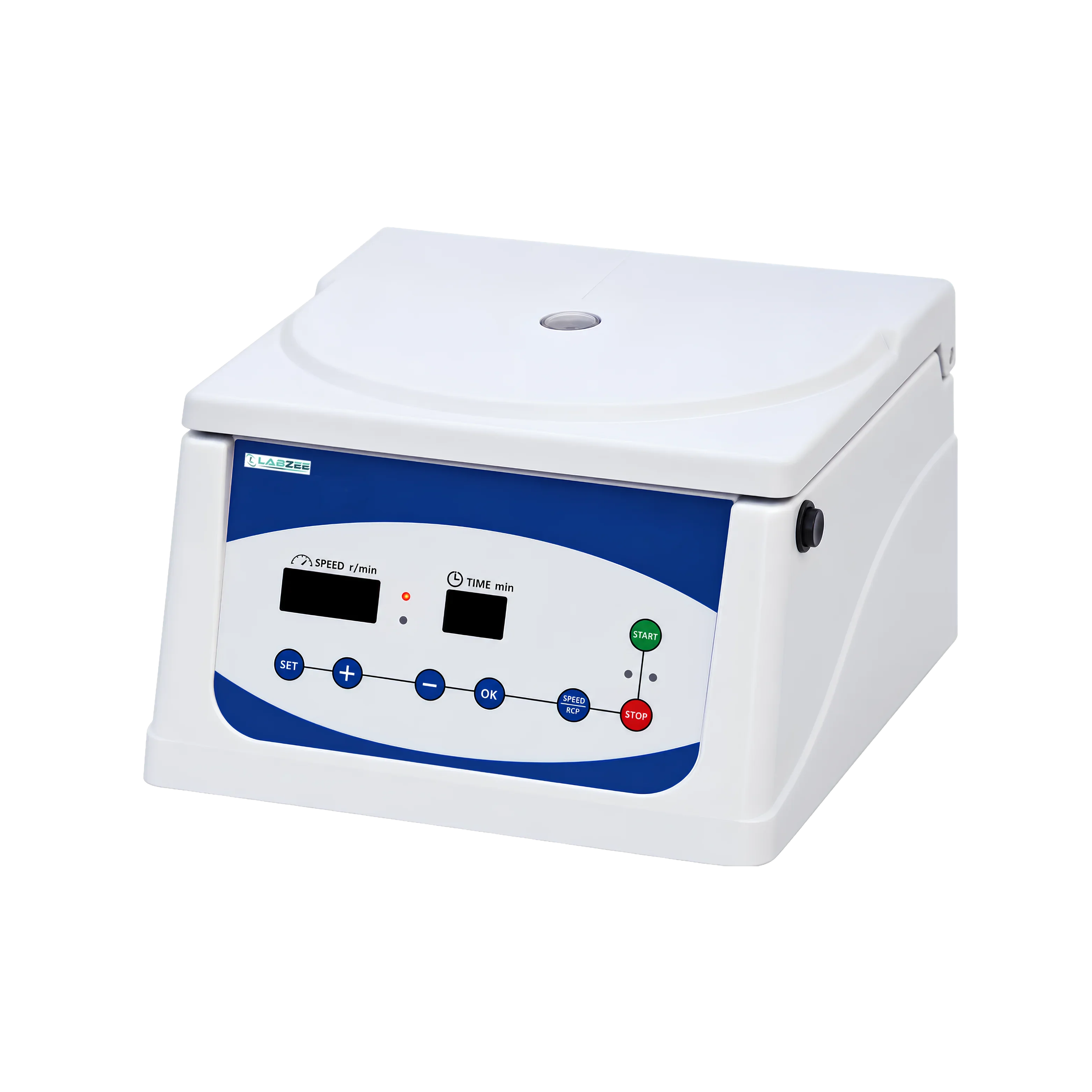
Maximum Speed: 4000 rpm
Maximum RCF: 1900 × g
Maximum Capacity: 8 × 15 ml
Speed Accuracy: ±10 rpm
$ 1697
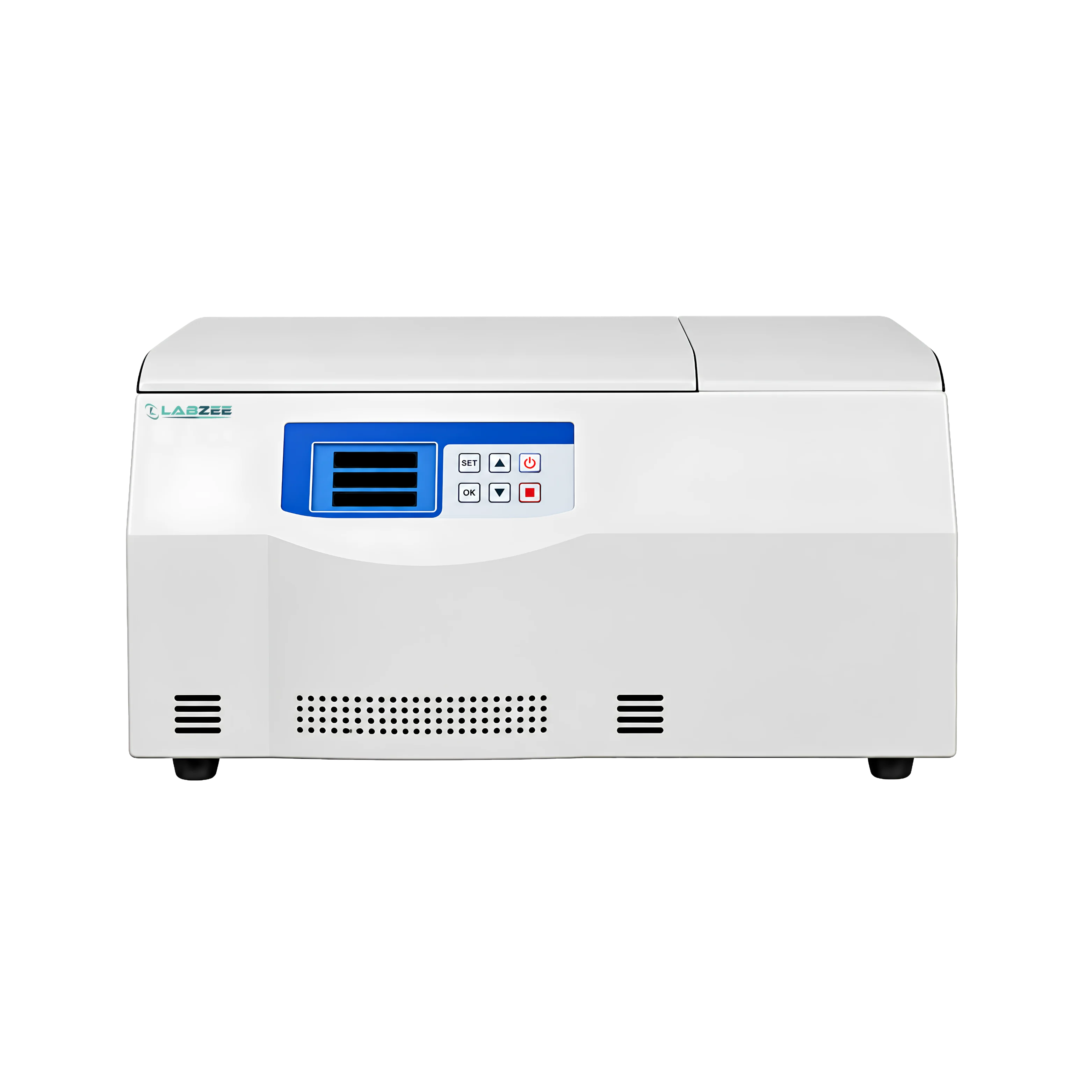
Maximum Speed: 6000 rpm
Maximum RCF: 4588 × g
Maximum Capacity: 4 × 500 ml
Speed Accuracy: ±10 rpm
$ 5472

Maximum Speed: 6000 rpm
Maximum RCF: 4588 × g
Maximum Capacity: 8 × 100 ml
Speed Accuracy: ±10 rpm
$ 1948

Speed Range: 0-21000rpm adjustable
Maximum Capacity: 6×500m1
RCF Range: 0 to 47400xg adjustable
Time Range: 1-99minutes adjustable
$ 228850
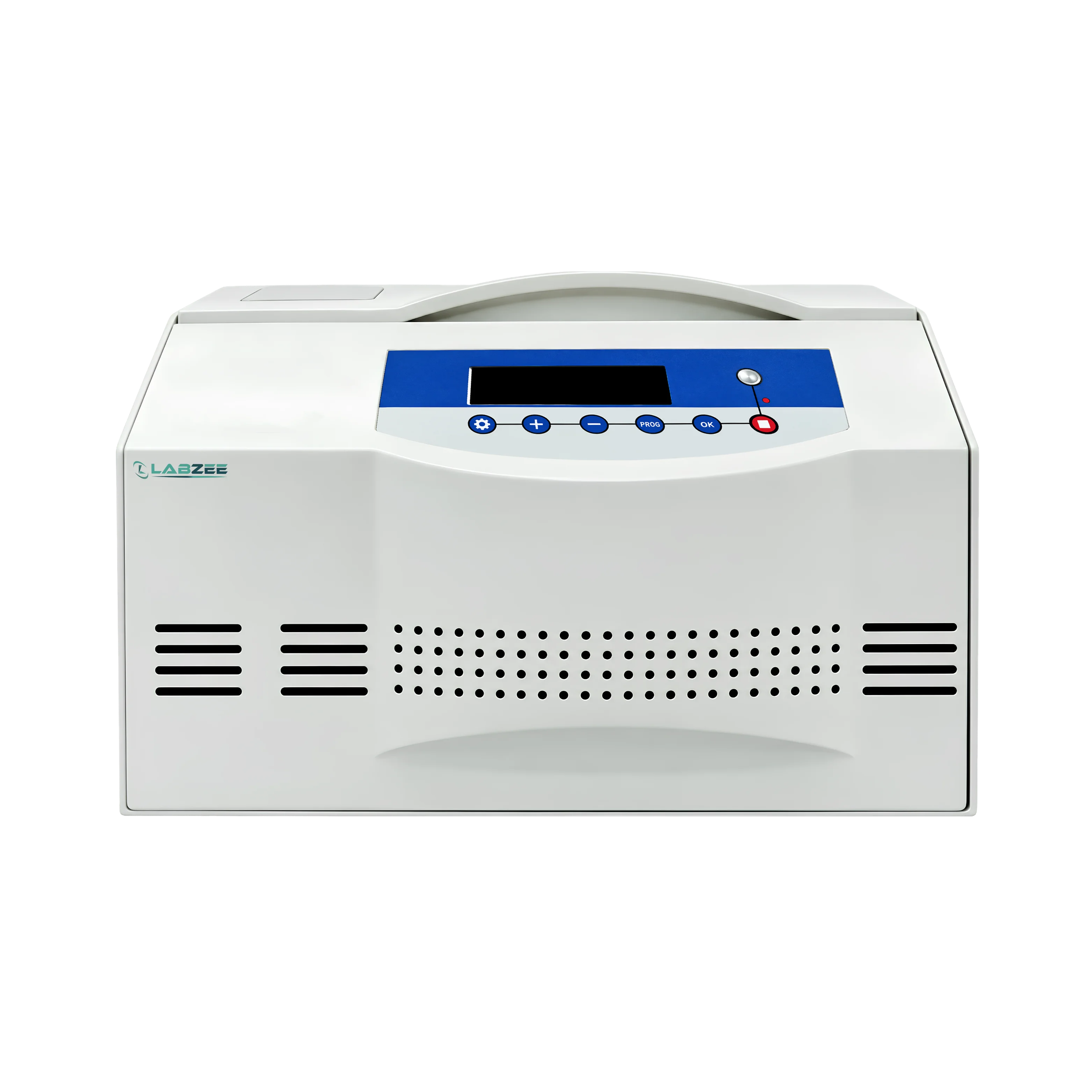
Speed Range: 0 to 4500rpm
Maximum Capacity: 12×7 ml
RCF Range: 0 to 2000×g
Time Range: 1-99minutes adjustable
$ 2755
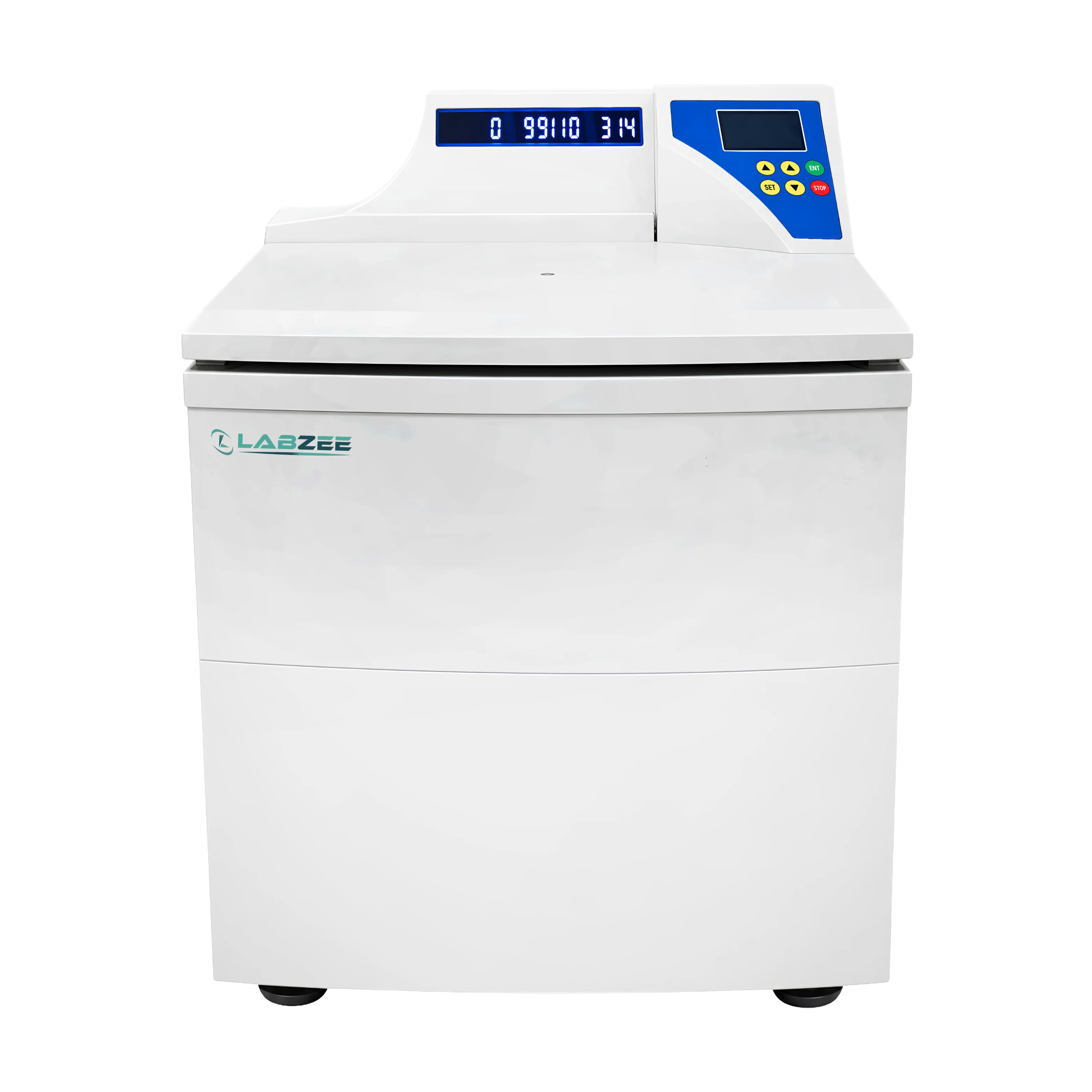
Speed Range: 8000 r/min
Maximum RCF: 14336 × g
Maximum Capacity: 6 × 2400 ml
Speed Accuracy: ±10 r/min
$ 32442
Frequently Asked Questions
1: When is a Centrifuge used in the laboratory?
It is used to separate components of a mixture, such as plasma from blood or precipitates from solutions. Centrifugation aids in sample purification and analysis. It is essential in biology, chemistry, and medicine.
2: Can the same Centrifuge support different tube types?
Yes, interchangeable rotors and adapters allow use with various tube sizes and volumes. This versatility supports multiple protocols and sample types. Always ensure balance and compatibility before operation.
3: Can speed and time be customized for different applications?
Yes, most Centrifuges have programmable settings for speed (RPM or RCF) and run time. Digital interfaces allow precise control for reproducible results. Protocols can often be saved for frequent use.
4: When should rotor maintenance be performed?
Rotors should be cleaned after each use, especially when working with biological materials. Inspect for cracks, corrosion, or imbalance regularly. Routine maintenance ensures performance and safety.
5: Can it be used safely in classroom or small lab environments?
Yes, compact models with safety features like lid locks, imbalance sensors, and noise control are ideal. They are widely used in teaching, diagnostics, and field labs. Proper training and maintenance enhance safe use.
