
$ 2399
| Material | Cold-Rolled Steel |
| Thickness | 0.8 mm |
| Slide Capacity | 16,000 Wax Blocks |
| Surface Finish | Electrostatic Powder Coating |
| Colour | Ivory |
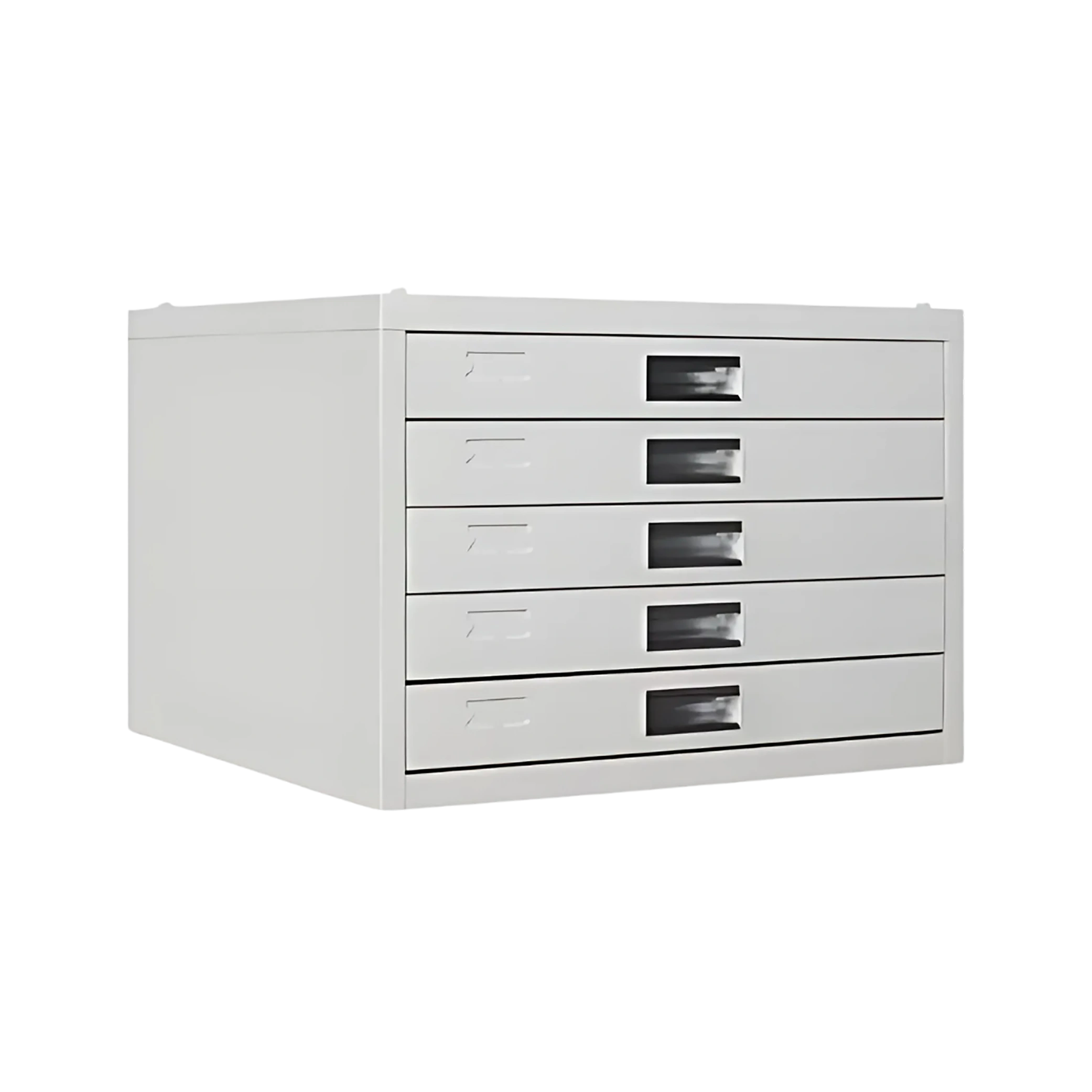
| Drawer Count | 20 Drawers |
| Noise Control | Shock-Absorption Mat |
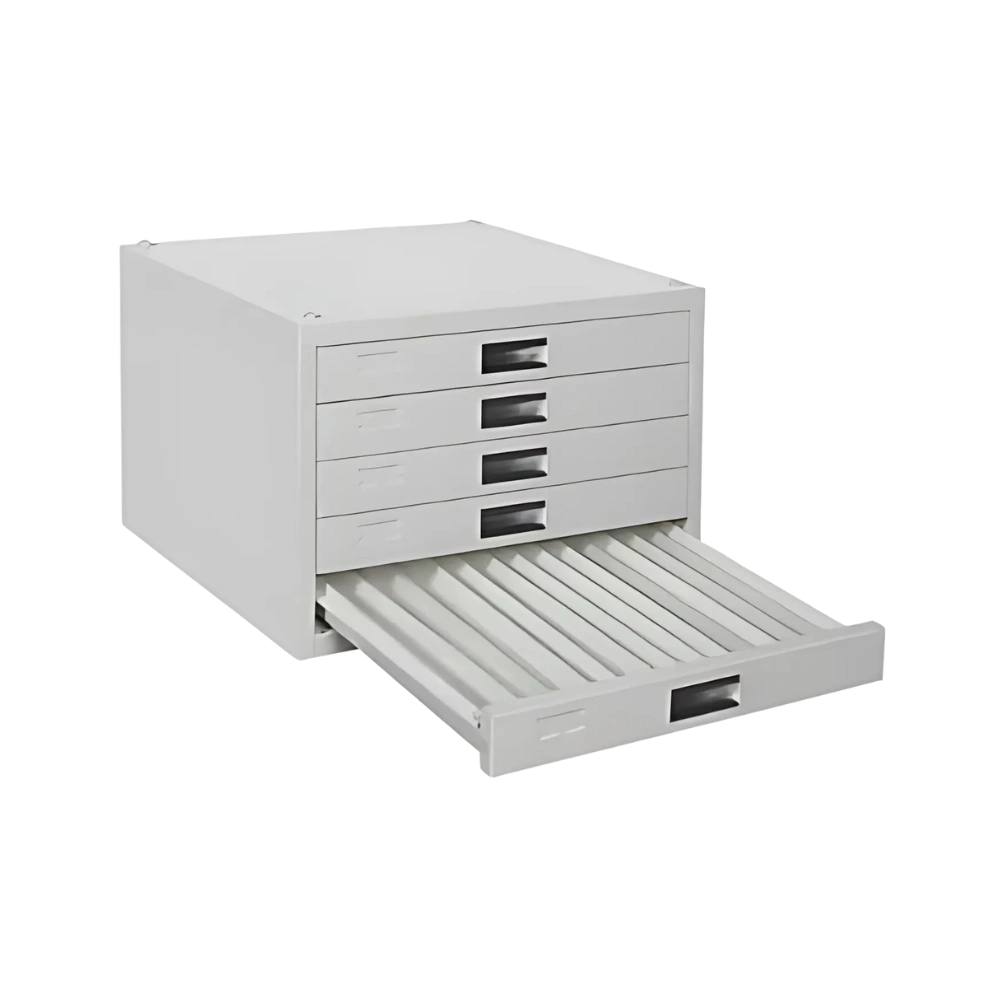
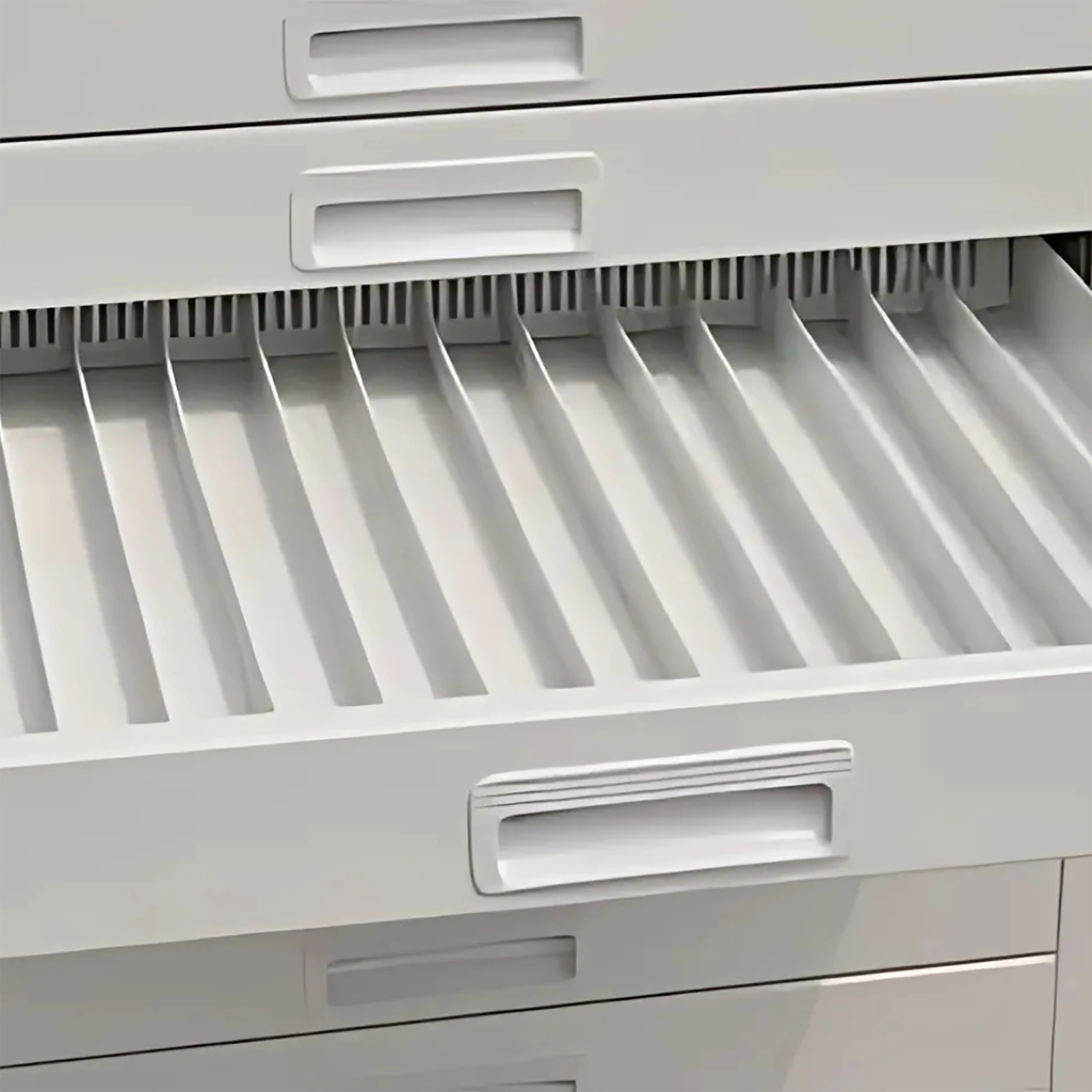
| Drawer Feature | 12 Grooves, Auto Homing |
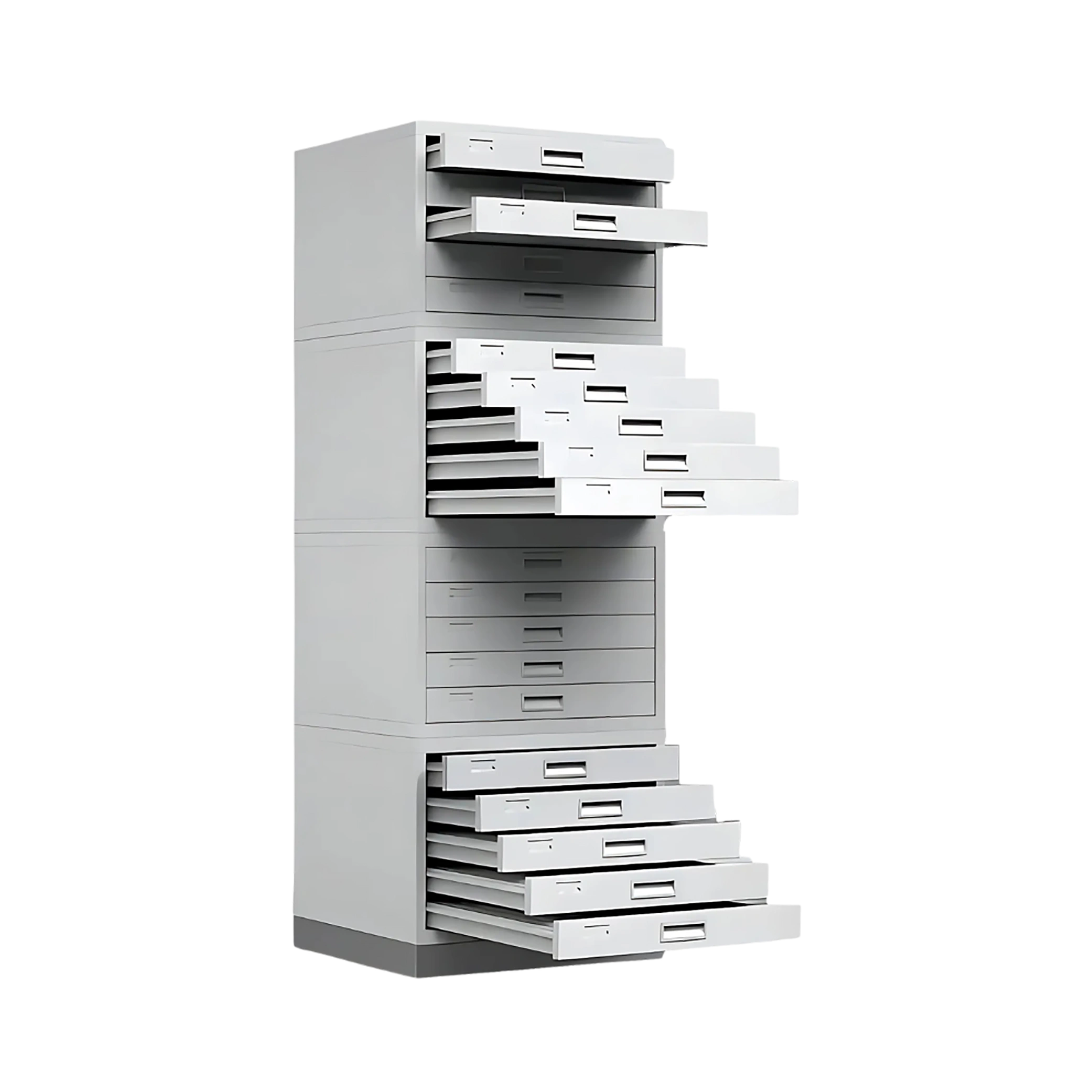
| Cabinet Set | 4 Units + 1 Base |
| Stacking Feature | Snap-lock system |
| Product Dimension | 515 × 480 × 1510 mm |
| Packing Dimension | 1000 × 540 × 950 mm |
| Net Weight | 102 Kg |
| Gross Weight | 106 Kg |
High-Capacity Drawers
Cold-Rolled Steel
Shock Absorption Base
Auto Homing Drawers
Snap-Lock Stacking
Durable Powder Coating
Our Block Storage Cabinet BZBSC-501 is used for systematic storage of paraffin blocks, modular expansion of pathology filing stations, shock-controlled drawer access during block retrieval, temperature-stable wax sample organization, and space-efficient vertical block archiving.
Frequently Asked Questions
1: What is the block storage capacity of BZBSC-501?
The BZBSC-501 holds up to 16,000 wax blocks, with 20 drawers specifically designed to house standard-sized histology samples for long-term organization.
2: How are the drawers in the BZBSC-501 designed?
Each drawer includes 12 grooves for precise sample positioning and features an auto homing mechanism that ensures smooth and aligned closure every time.
3: Can you stack multiple units of BZBSC-501 together?
Yes, the cabinet uses a snap-lock system allowing secure stacking of up to four storage units plus a base, offering customizable expansion in vertical format.
4: What materials ensure the cabinet’s durability?
Made from 0.8 mm cold-rolled steel with an electrostatic powder coating, BZBSC-501 resists corrosion, wear, and external damage in clinical environments.
5: Does the cabinet reduce operational noise?
Yes, it features a shock-absorption mat at its base, which minimizes drawer impact and vibration, ensuring quieter and more stable drawer movements.
6: When is a Block Storage Cabinet used in histology labs?
It is used to store paraffin-embedded tissue blocks after processing for future reference or compliance. Proper storage ensures easy retrieval and sample protection. It supports long-term archiving and record-keeping.
7: Can it accommodate different block sizes?
Yes, most cabinets include adjustable or universally sized compartments. They hold various block formats used in routine pathology. Some models offer customized inserts for specific lab needs.
8: Can it be expanded as storage needs grow?
Yes, modular designs allow stacking or side-by-side expansion. This makes scaling storage capacity easy without overhauling lab space. Plan configuration based on future sample volume.
9: When should internal drawers or trays be cleaned?
Regular cleaning every few months is recommended, especially in high-turnover labs. Dust and paraffin residue can accumulate over time. Wipe down using non-corrosive, lab-safe cleaners.
10: Can it support labelling and inventory systems?
Yes, cabinets typically feature label holders or tagging options for organized indexing. Some labs integrate barcoded systems for digital tracking. This improves efficiency and reduces retrieval errors.
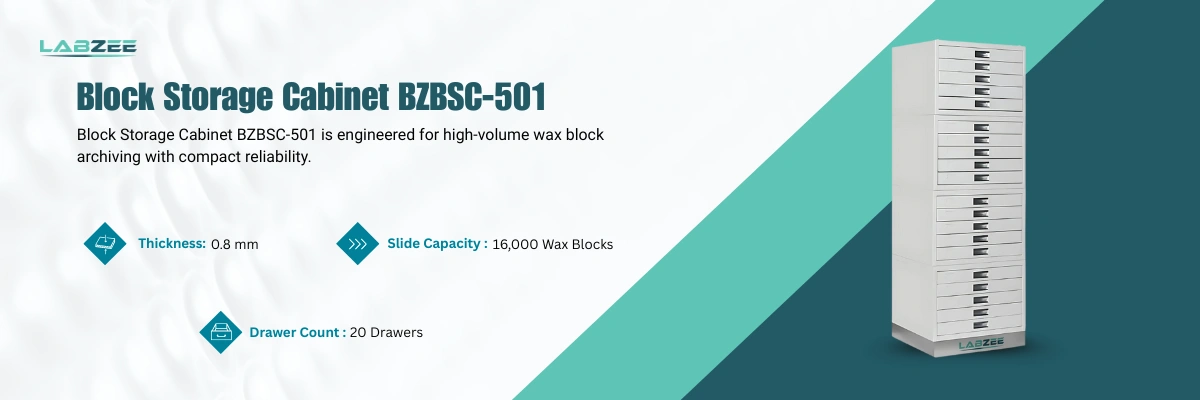
Labzee Block Storage Cabinets are specially designed storage systems for the organized and secure preservation of paraffin-embedded tissue blocks in histology and pathology laboratories. Featuring compartmentalized drawers or trays, our product allows safe storage of large sample volumes while ensuring easy accessibility. Manufactured with corrosion-resistant materials with smooth-operating drawers and clear labeling options, Labzee Block Storage Cabinets streamline inventory management and support efficient workflow in high-demand laboratory environments. Labzee Block Storage Cabinets’ modular design and space-saving layout make it suitable for both small- and large-scale operations. Ideal for hospitals, diagnostic centers, research laboratories, and archival facilities, Labzee Block Storage Cabinets combine durability, functionality, and operational efficiency. Our product provides robust protection for valuable samples, helps maintain systematic organization, and optimizes laboratory space usage. With professional-grade design and user-friendly features, Labzee Block Storage Cabinets support long-term sample preservation while enhancing accessibility and laboratory productivity.

