$ 10344
| Measurement Modes | Optical Rotation, Specific Rotation, Concentration, Sugar Degree, Custom |
| Measurement Range | Optical Rotation ± 90°, Sugar Degree ± 259°Z |
| Resolution | 0.0001° |
| Accuracy | ± 0.002° |
| Repeatability | 0.002° (Standard Deviation) |
| Light Source | LED Cold Light Source with High-Precision Interference Filter |
| Working Wavelength | 589.3 nm |
| Light Transmittance | 0.01% |
| Test Function | Single, Multiple, and Continuous Measurement |
| Temperature Control Range | 10 °C – 60 °C (Peltier) |
| Temperature Control Accuracy | ± 0.01 °C |
| Temperature Display Range | 0 °C – 100 °C |
| Sample Tube | 100 mm and 200 mm Temperature-Controlled Tubes, 100 mm and 200 mm Glass Tubes |
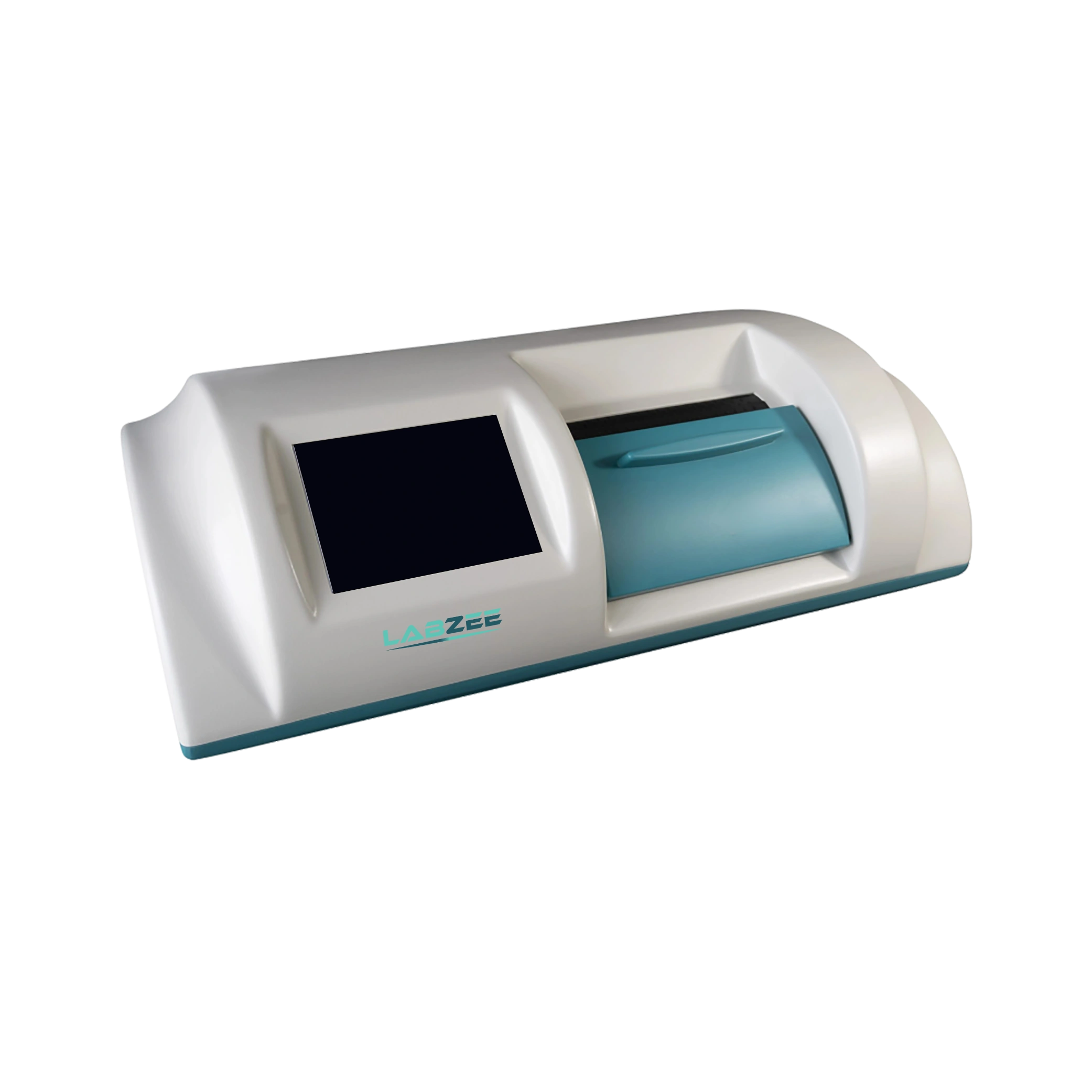
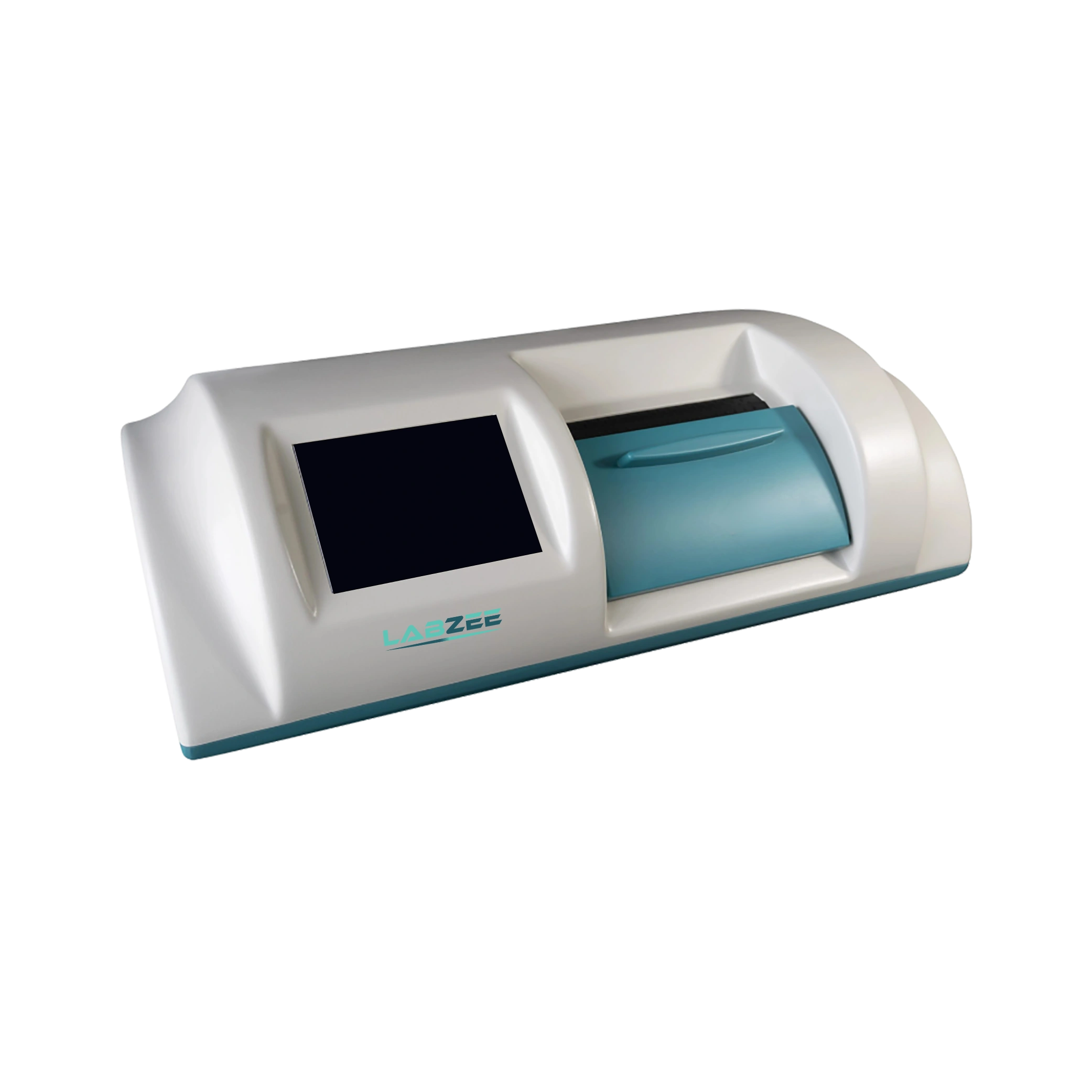
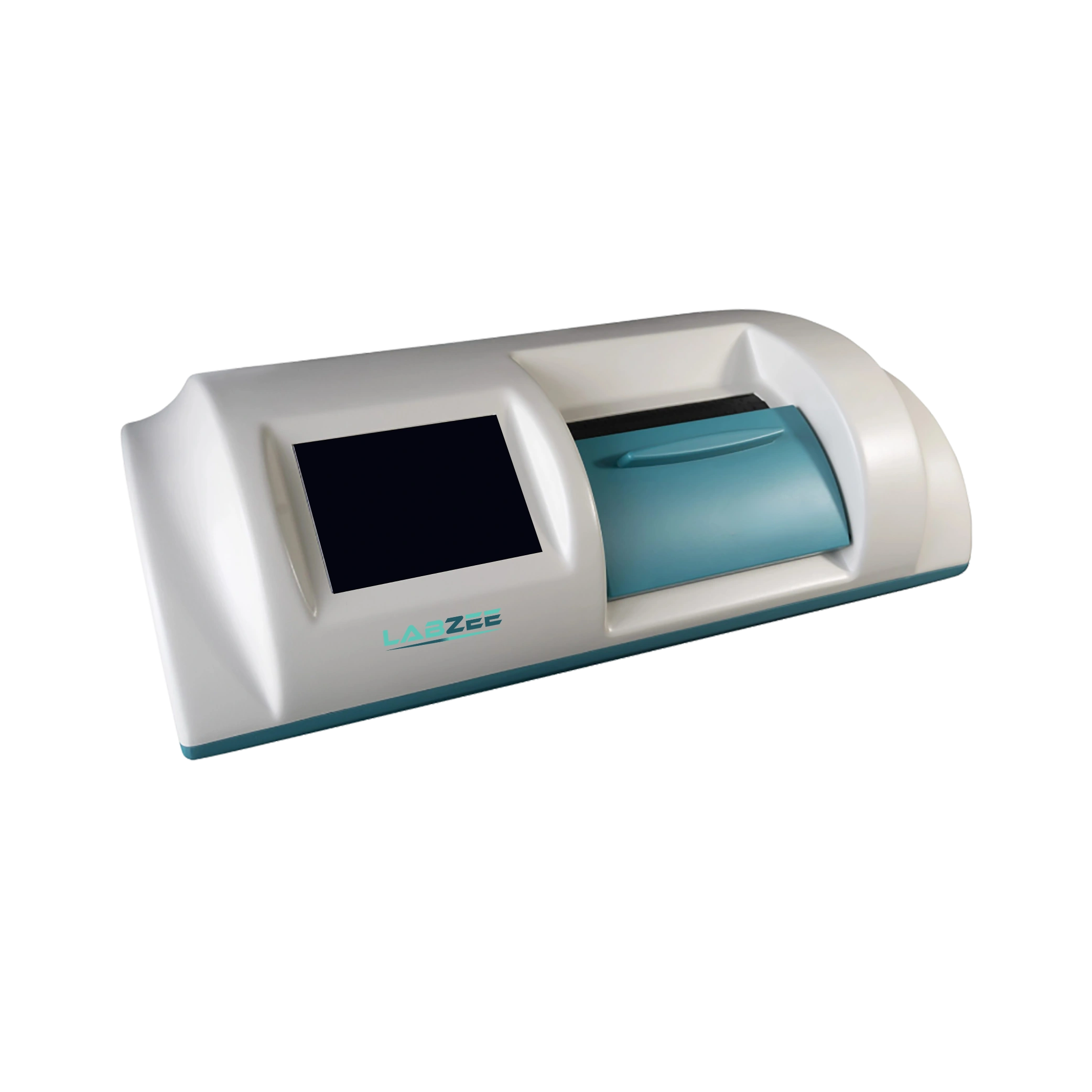
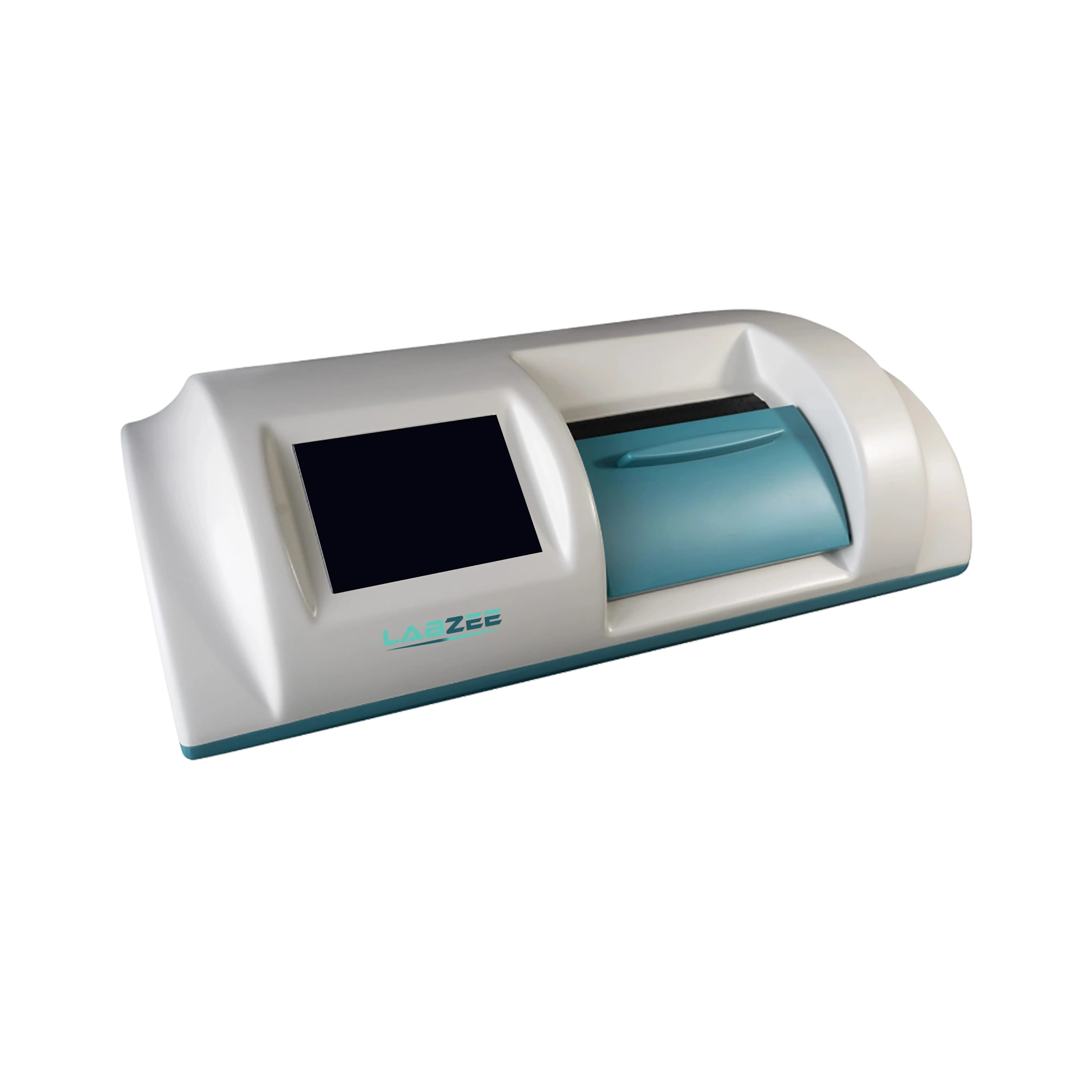
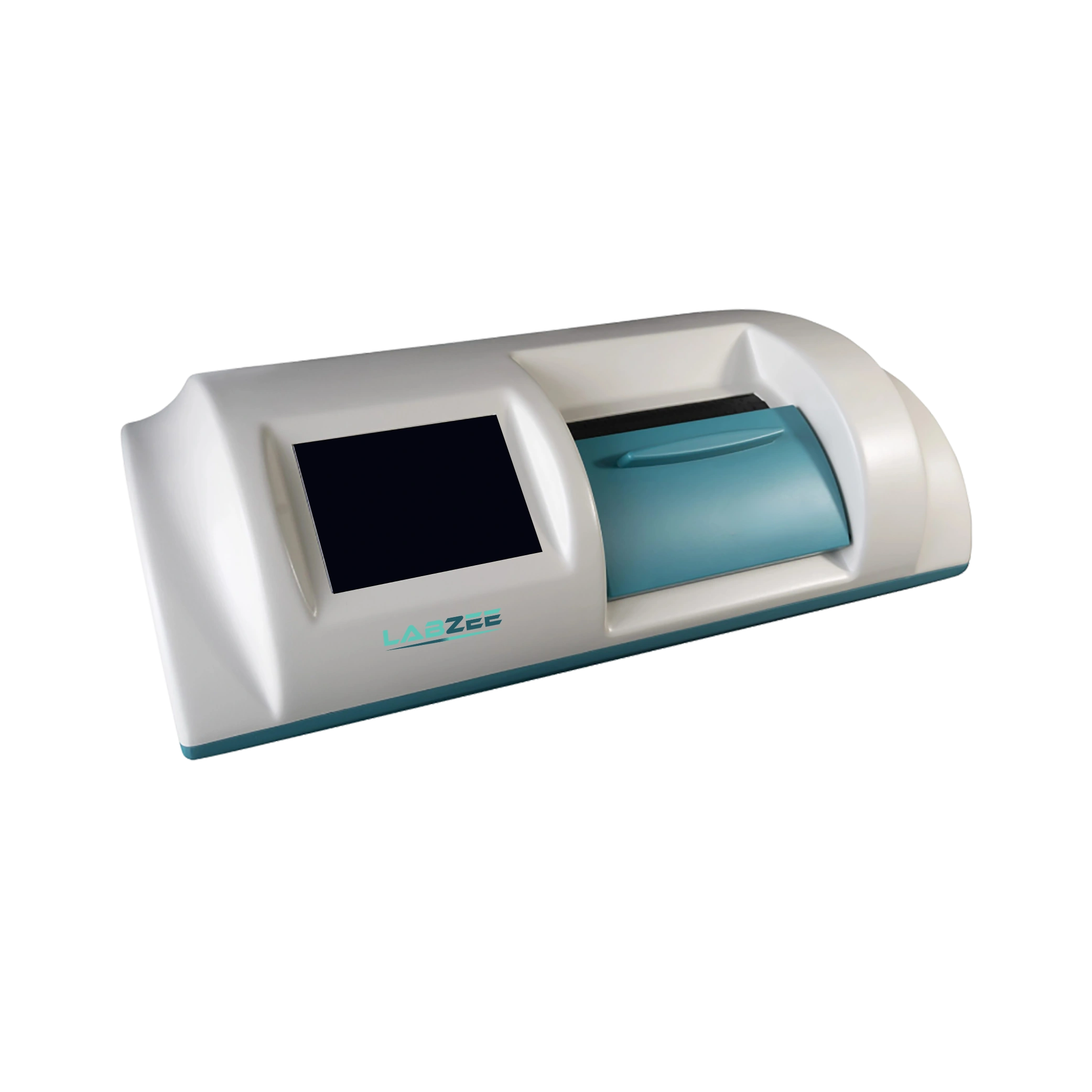
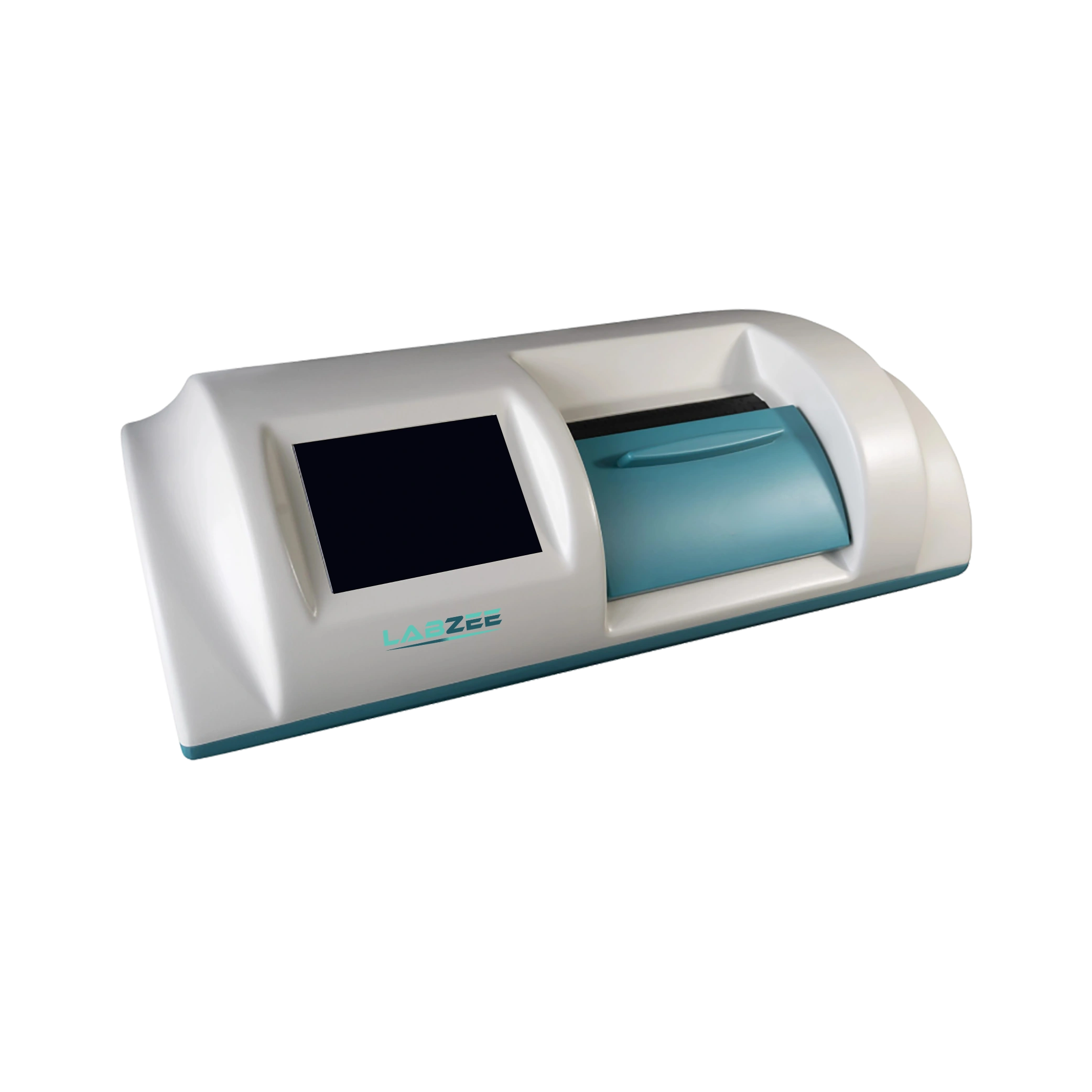
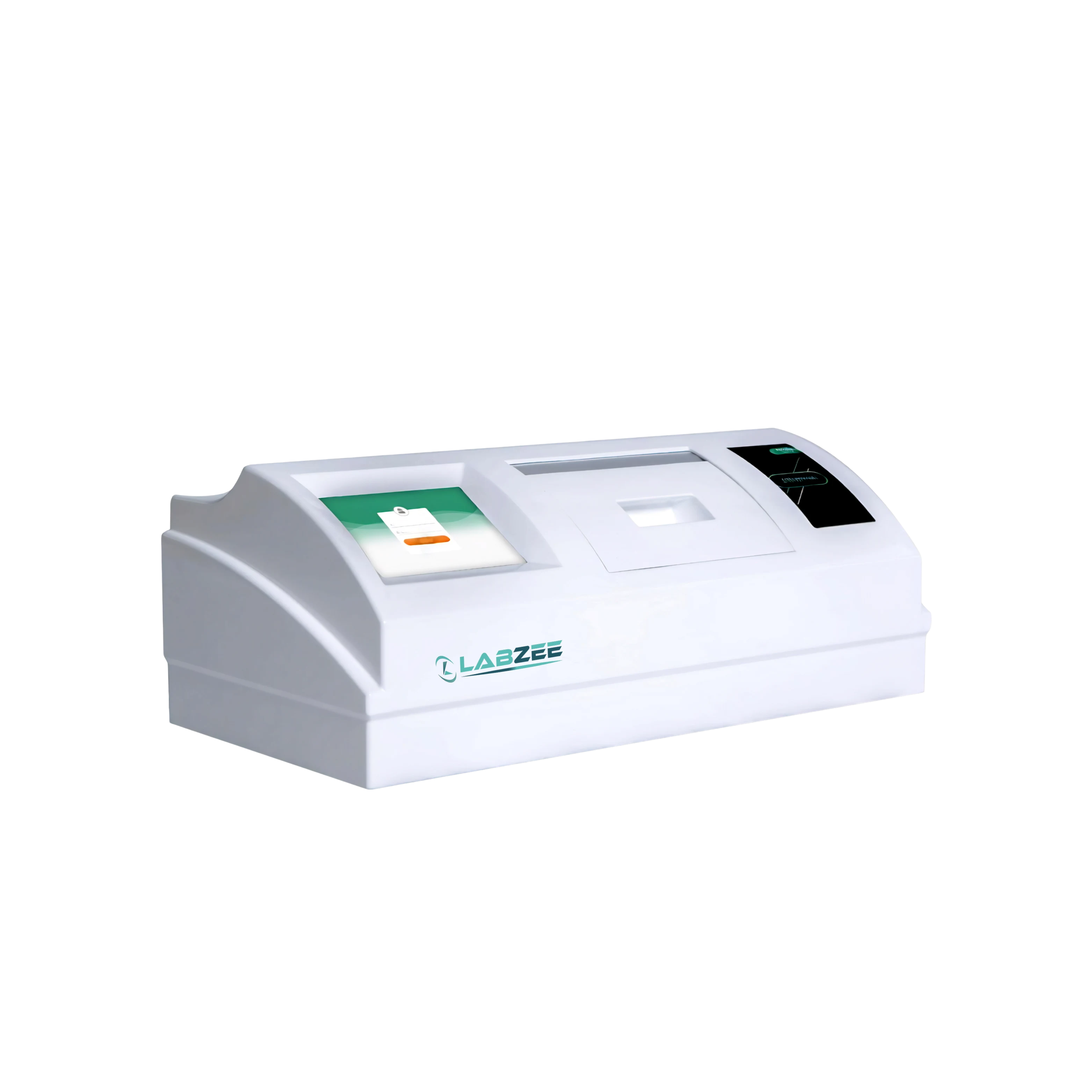
| Display | 10.4-Inch TFT Color Touch Screen |
| Language | Dual-Language Interface (Switchable) |
| Automatic Calibration | Yes |
| Instrument Grade | 0.01 Grade |
| User Management | Four-Level Management, Account Disable and Enable |
| Audit Tracking | Yes |
| Electronic Signature | Yes |
| Method Storage | Yes (with Pre-Stored Measurement Methods) |
| Custom Formula Editor | Yes |
| Data Storage | 128 GB |
| Data Export | PDF and Excel, MD5 File Verification |
| Interfaces | USB, RS232, VGA, Ethernet |
| Printing | Wireless Laser Printer (Standard), Wi-Fi Printing |
| Power Supply | 220 V ± 22 V, 50 Hz ± 1 Hz, 250 W |
| Net Weight | 28 kg |
• Mouse
• Keyboard
• Universal Printer
• Wireless Network Printer
• Auto Calibration: Calibrates itself using a standard tube.
• Touch Operation: Guides setup through a color touch screen.
• Audit Logging: Records logins, data edits, operating steps.
• Access Control: Assigns tiered permissions, locking accounts when staff change.
• Data Export: Saves results as PDF or Excel files with file verification.
• Method Storage: Stores pre-loaded measurement methods for quick recall.
• Wireless Printing: Sends reports to a Wi-Fi laser printer.
• Live Graphing: Plots readings in real time during analysis.
• Pharmaceuticals: Used for purity and concentration checks of drug substances.
• Sugar and Food: Applied in sugar degree testing for sugar, food samples.
• Petroleum: Designed for optical rotation analysis of petroleum samples.
• Chemical: Supports optical rotation testing of chemical compounds.
• Fragrance and Spices: Suited to rotation checks of fragrance, spice materials.
Frequently Asked Questions
1: Is there a data logging or storage feature included?
Yes, the BZPM-516 comes with built-in data storage and logging capabilities, allowing users to save measurement results for future reference or export. The touchscreen interface also provides access to historical data and reporting features.
2: What maintenance is required to keep the BZPM-516 functioning optimally?
The BZPM-516 requires minimal maintenance. Routine tasks include cleaning the sample chamber, checking the optical path, and ensuring the Peltier system is free of debris. Its LED light source and durable prism reduce the need for frequent part replacements.
3: How fast can the BZPM-516 deliver results?
The BZPM-516 delivers rapid measurement results within seconds, depending on sample clarity and concentration. Its advanced optics and temperature control reduce stabilization time, ensuring faster throughput for high-volume environments.
4: What kind of samples cells or tubes are compatible with the BZPM-516?
The BZPM-516 is compatible with standard polarimeter sample tubes of various lengths (typically 100 mm and 200 mm). It supports both single and multiple-use cells made of glass or quartz, depending on the application and chemical compatibility.
5: What documentation and certifications are included with the device?
The BZPM-516 comes with a comprehensive user manual, calibration certificate, and compliance documentation for relevant standards such as CE, ISO, and (if applicable) GMP/GLP. Additional validation documentation (e.g., IQ/OQ/PQ protocols) may also be available upon request.
6: How accurate are your polarimeters?
Our models offer high accuracy, typically ranging from ±0.01° to ±0.002° optical rotation, depending on the model. Contact us for detailed specifications.
7: Is temperature control important in polarimetry?
Yes. Optical rotation is temperature-sensitive, so maintaining a constant temperature (often 20°C or 25°C) using Peltier elements or a water bath ensures accurate and repeatable results.
8: How do you calibrate an automatic polarimeter?
Calibration is usually done using certified quartz control plates or standard solutions with known optical rotation values. Many modern polarimeters also have built-in auto-calibration functions.
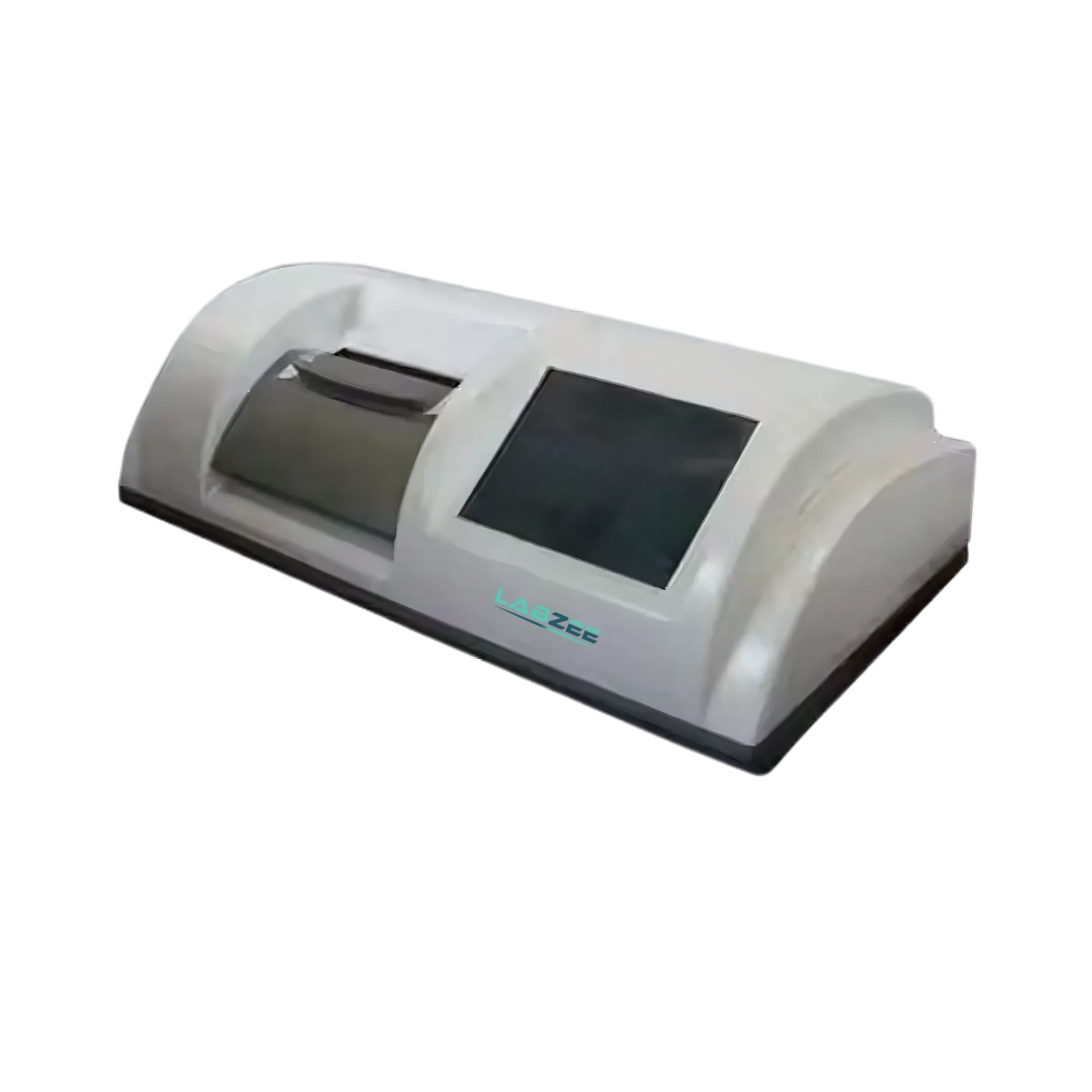
Labzee Automatic Polarimeters provide precise optical rotation measurements with advanced digital technology. Their automated operation eliminates manual adjustments, ensuring accuracy and efficiency. They are equipped with temperature control and multiple wavelength options for versatile applications. These automatic polarimeters feature a user-friendly interface and high-speed data processing for reliable results. Our automatic polarimeters enhance research, quality control, and productivity in pharmaceuticals, food industries, and chemical analysis.