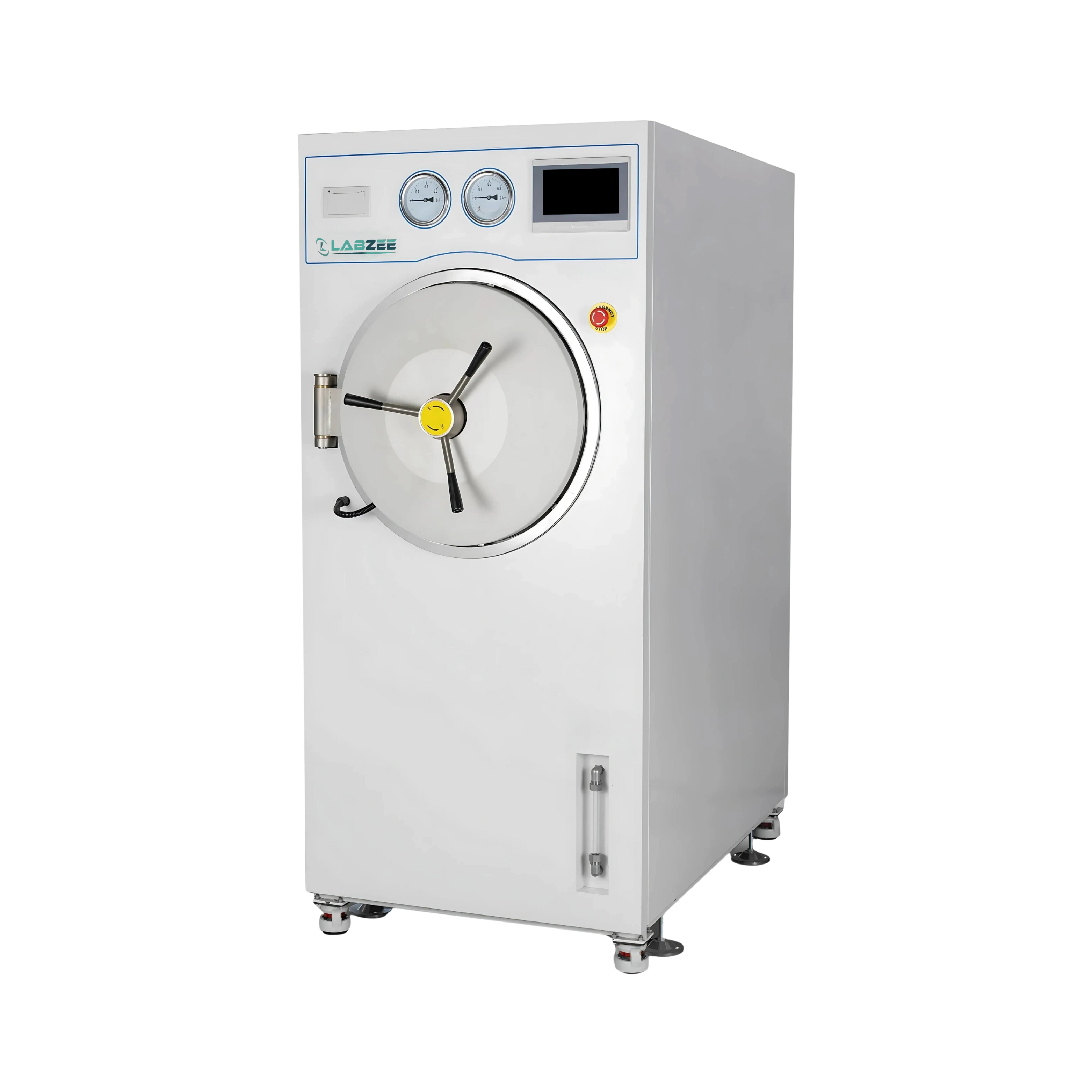
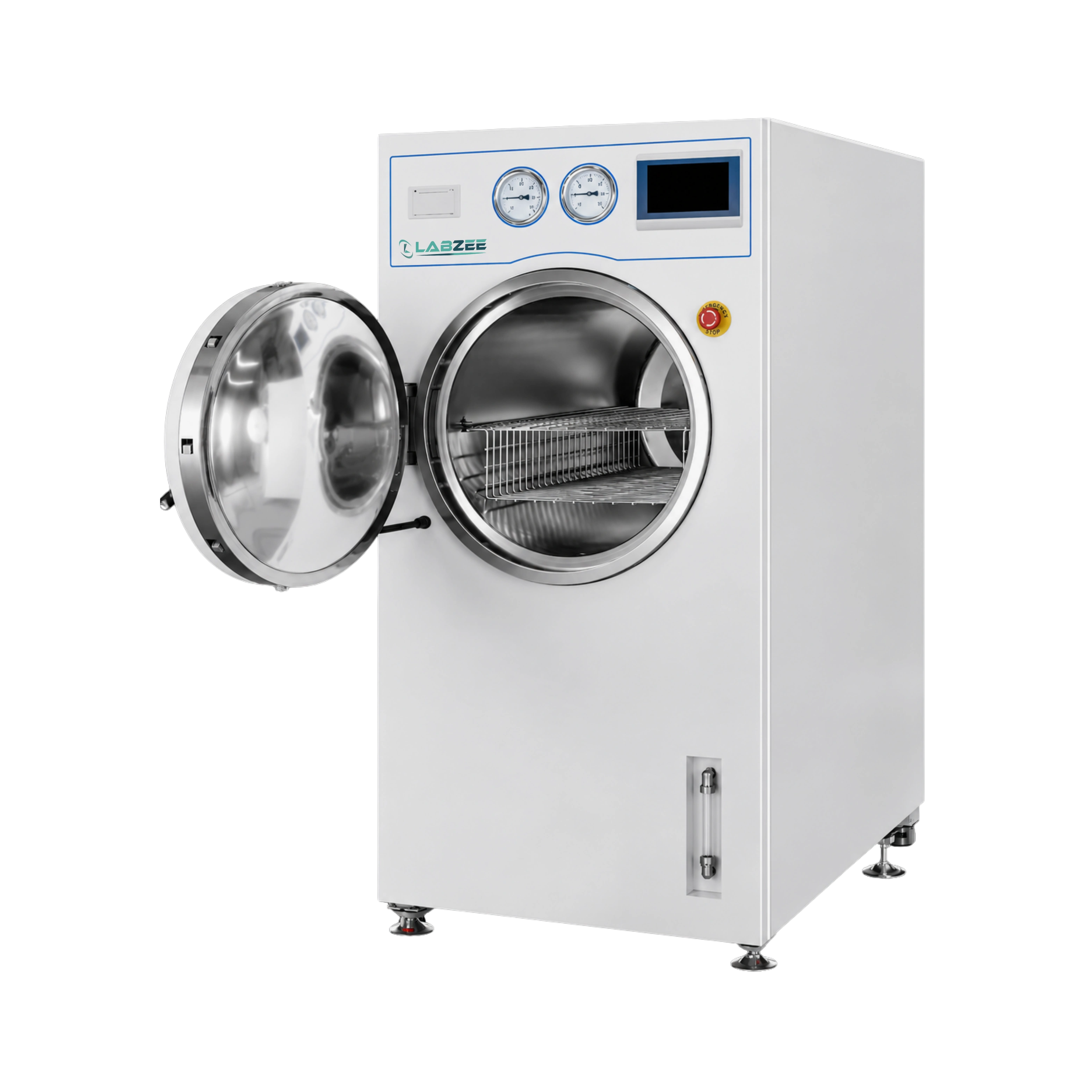
$ 7889
| Volume | 135 L |
| Design Pressure | -0.1/0.3 MPa |
| Working Pressure | 0.23 MPa |
| Ultimate Vacuum | -0.096 MPa |
| Pressure Display Accuracy | 0.1 kpa |
| Sterilization Temperature | 105 to 138℃ |
| Temperature Display Accuracy | 0.1℃ |
| Maximum Temperature | 138℃ |
| Temperature Uniformity | ≤ ± 0.5℃ |
| Time of Sterilization | 0 to 60 min |
| Time of Drying | 0 to 60 min |
| Chamber and Door material | Stainless steel SUS304 |
| Chamber Dimension | 500 × 700 mm |
| Power | 380V/220V, 50Hz, 14Kw |
| Product Dimension | 1000 × 770 × 1550 mm |
| Packing Dimension | 1100 × 870 × 1800 mm |
| Net Weight | 225 Kg |
| Gross Weight | 270 Kg |
• Automatic Sterilization Programs: Provides automatic programmed cycles for heating, sterilization, steam exhaust, and drying.
• Touch Screen Control: Displays temperature, pressure, time, operating status, and fault information.
• Buzzer Alert: Provides an audible alert when the program cycle ends or a fault occurs.
• Overtemperature Protection: Automatically cuts off the power supply when the temperature exceeds the set value.
• Stainless Steel Chamber: Provides an easy-to-clean chamber for repeated sterilization cycles.
• Laboratory Instrument Preparation: Prepares reusable instruments for subsequent laboratory procedures.
• Glassware Processing: Processes suitable laboratory glassware before reuse in testing workflows.
• Microbiology Laboratories: Supports preparation of laboratory items used in microbiological procedures.
• Research Laboratories: Handles sterilization requirements for equipment and items used in research workflows.
• Clinical Laboratories: Includes steam sterilization in routine laboratory preparation procedures.
Frequently Asked Questions
1: How does the pulse vacuum technology improve sterilization in BZAH-501?
Pulse vacuum technology removes air from the chamber through repeated vacuum cycles, allowing steam to fully penetrate even complex or hollow instruments for effective sterilization.
2: What safety features are included in the BZAH-501 autoclave?
BZAH-501 includes door interlocks, overpressure and overtemperature protection, low water level alarms, and automatic pressure release for safe operation.
3: Can I customize sterilization cycles in BZAH-501?
Yes, the BZAH-501 comes with multiple preset programs and allows customization based on specific load types and sterilization needs.
4: How does the BZAH-501 ensure effective sterilization?
The BZAH-501 uses pulse vacuum technology and saturated steam to ensure complete penetration into all surfaces and cavities, effectively killing microorganisms and spores.
5: How accurate is the BZAH-501 in monitoring sterilization conditions?
BZAH-501 offers high-precision monitoring with temperature and pressure display accuracy of 0.1°C and 0.1 kPa, ensuring consistent and reliable sterilization results.
6: What is a horizontal autoclave and how does it differ from a vertical one?
A horizontal autoclave is a front-loading sterilizer designed to handle larger volumes and bulkier equipment. Unlike vertical autoclaves that are top-loading, horizontal units allow easier loading of trays and instruments on sliding racks. They are commonly used in hospitals, research labs, and industrial settings for high-throughput sterilization
7: What types of materials are suitable for sterilization in a horizontal autoclave?
Horizontal autoclaves can sterilize surgical tools, lab glassware, media, fabric, and biohazard waste. Items must be steam-compatible and able to withstand temperatures up to 134°C. Heat-sensitive or sealed materials should be avoided unless specified as autoclavable by the manufacturer
8: How does a horizontal autoclave ensure uniform sterilization?
It uses saturated steam under pressure, typically between 15–30 psi, to achieve uniform heat distribution throughout the chamber. Built-in temperature and pressure sensors monitor the environment, while vacuum systems remove trapped air to ensure thorough steam penetration. This ensures complete and consistent sterilization across all items
9: What safety features are included in a horizontal autoclave?
Modern horizontal autoclaves include multiple safety features like pressure interlocks, over-temperature protection, door safety locks, and steam release valves. Many also have alarms for cycle errors or incomplete sterilization. These features protect users and ensure reliable operation during each cycle.
10: What are the maintenance requirements for a horizontal autoclave?
Routine maintenance includes cleaning the chamber and trays, inspecting door seals, draining water reservoirs, and descaling steam generators. Periodic calibration and validation are essential for compliance with lab or hospital protocols. Regular checks ensure optimal performance and reduce downtime.
Labzee Horizontal Autoclaves provide efficient and reliable sterilization for a wide array of laboratory and clinical applications. They are equipped with robust stainless-steel chambers designed for even steam distribution and high-pressure resistance. Their advanced control systems allow precise temperature and cycle programming with real-time monitoring. They include safety features like pressure locks and thermal protection for reliable, secure operation. Our Horizontal Autoclaves are perfect for sterilizing glassware, instruments, culture media, and other heat-resistant lab materials.
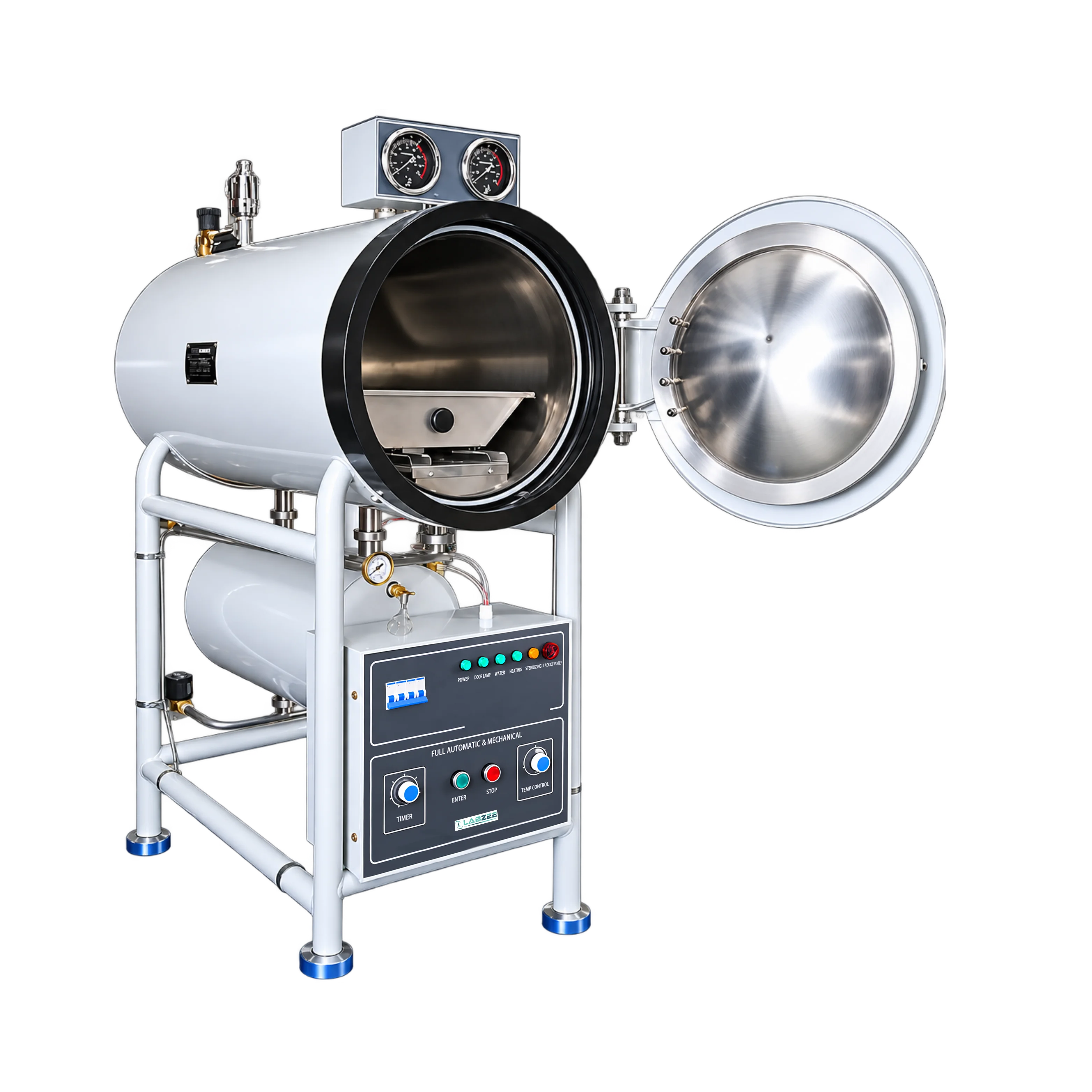
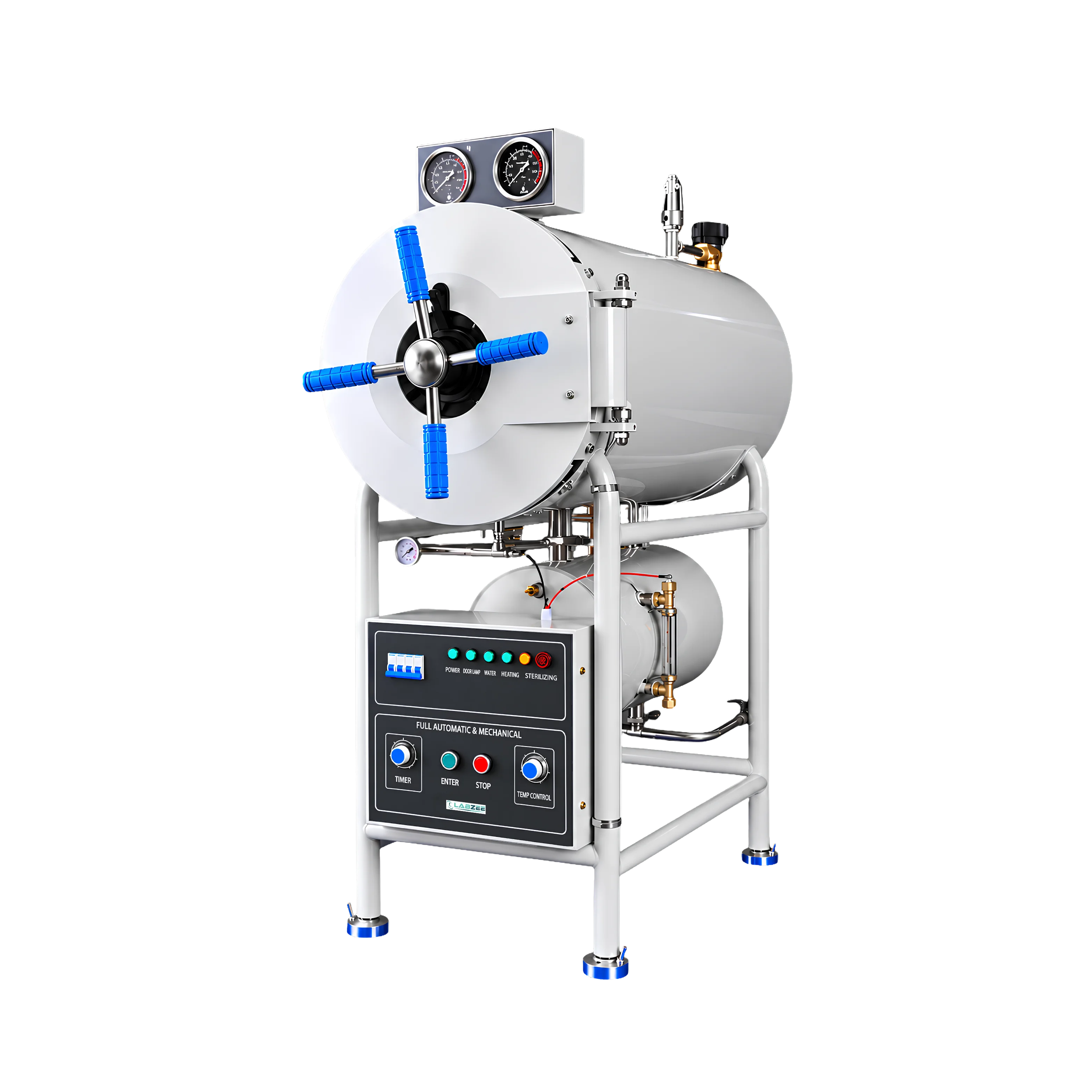
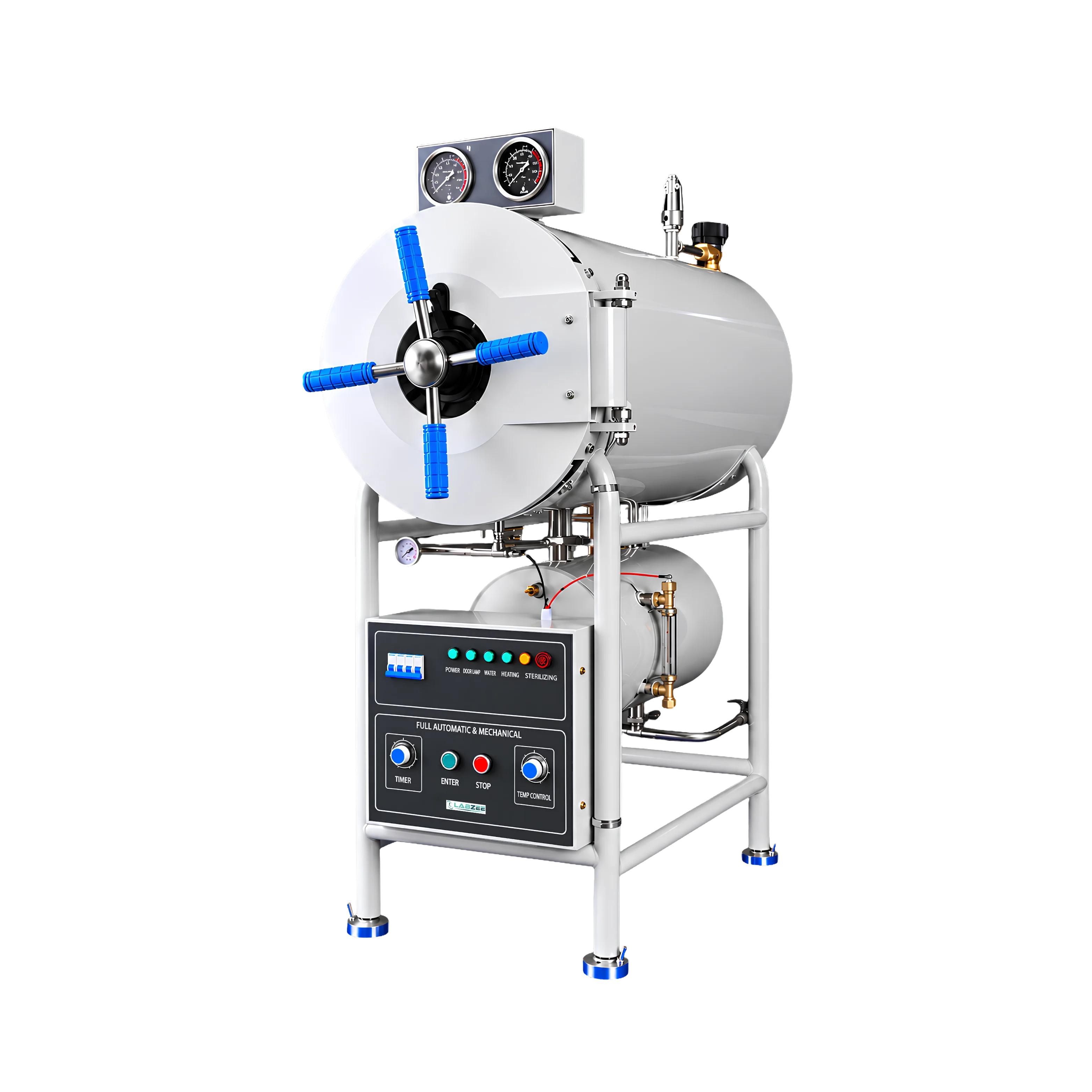
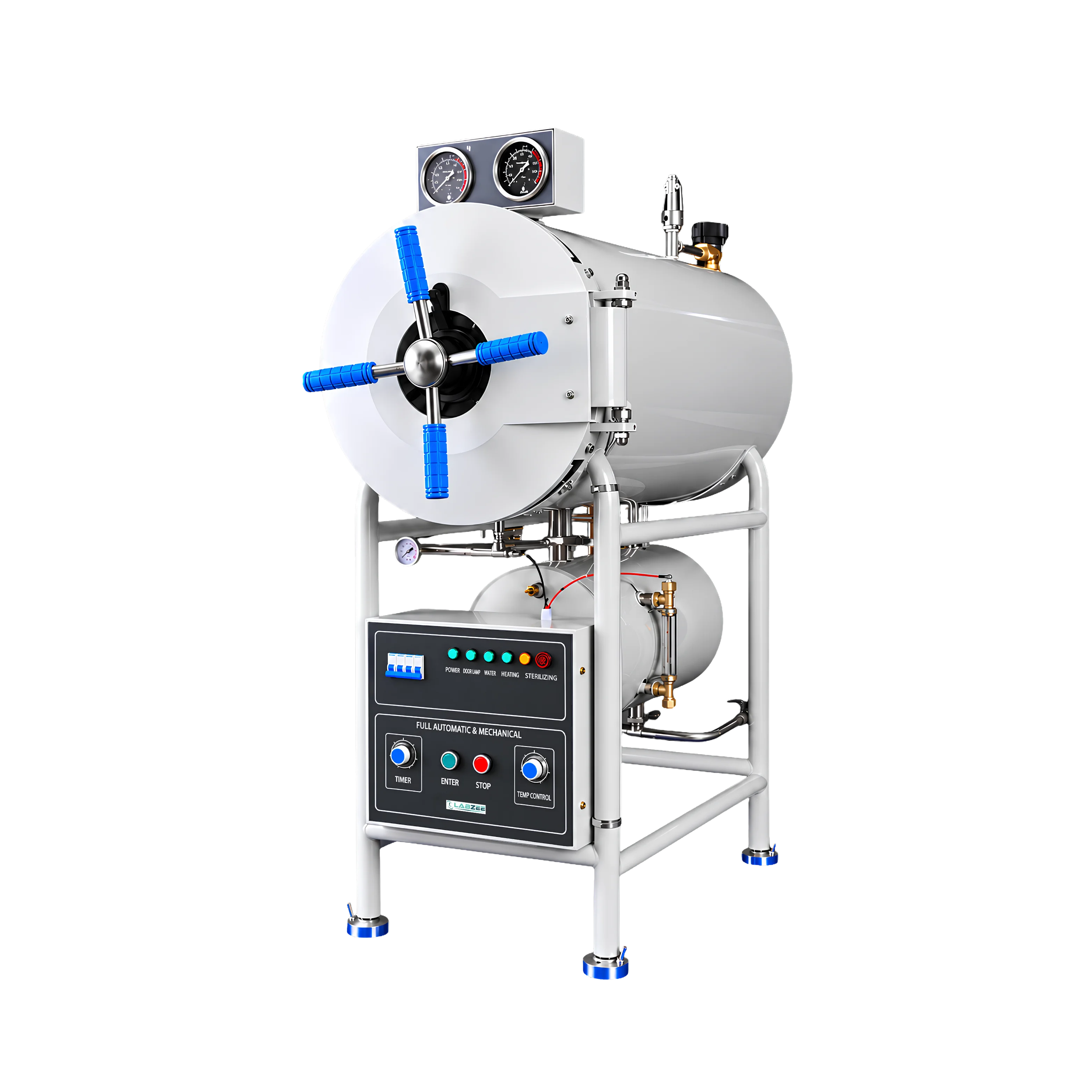
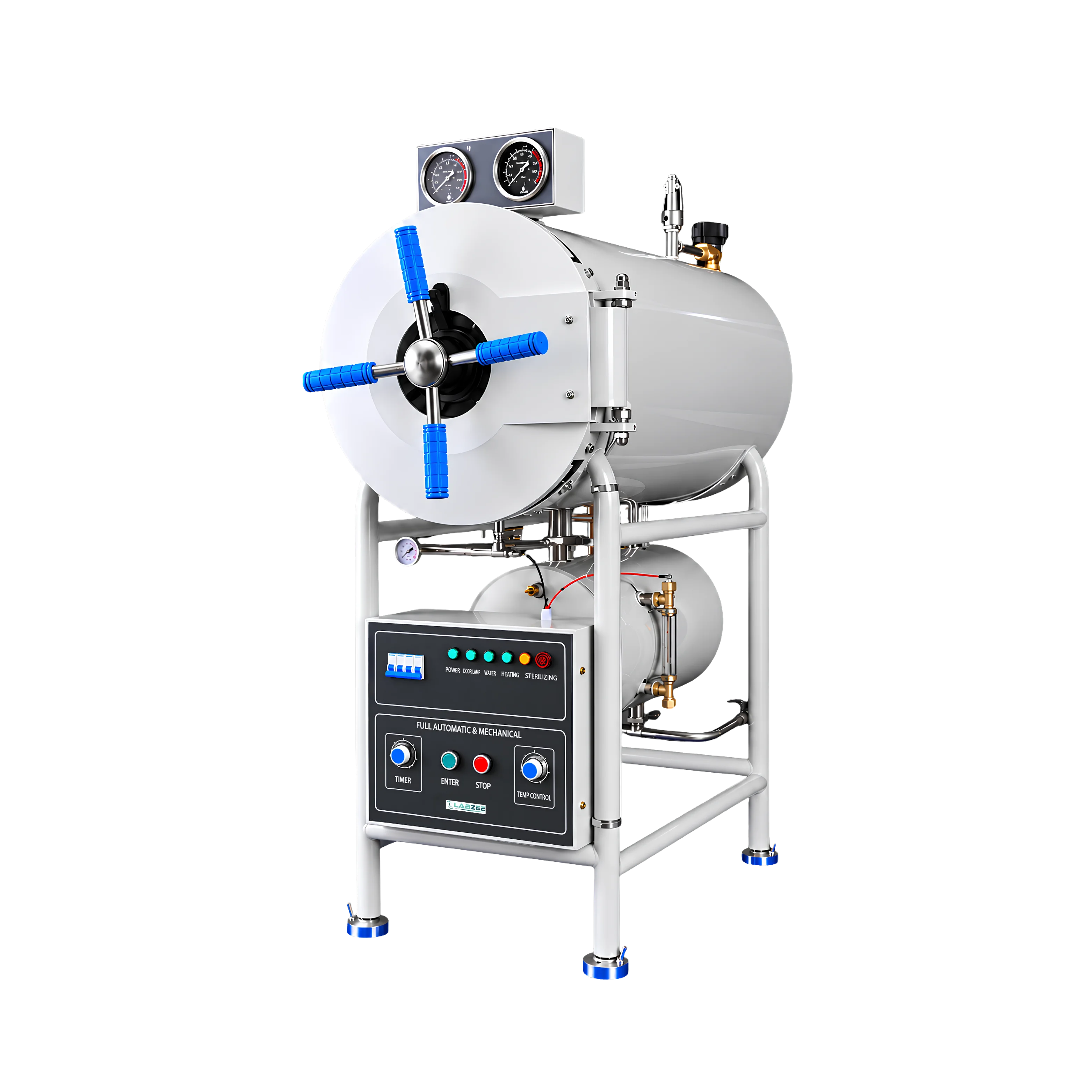
<p>Labzee manufacturer Pulse Vacuum Autoclaves with vacuum pulse technology for improved steam penetration. They feature multiple vacuum stages, advanced monitoring and safety systems. These pulses help to remove air from the sterilization chamber, ensuring that steam can penetrate more thoroughly into the load. Our Autoclaves are made with strong alloys and stainless steel to avoid corrosion.</p>
$ 4687
$ 5060
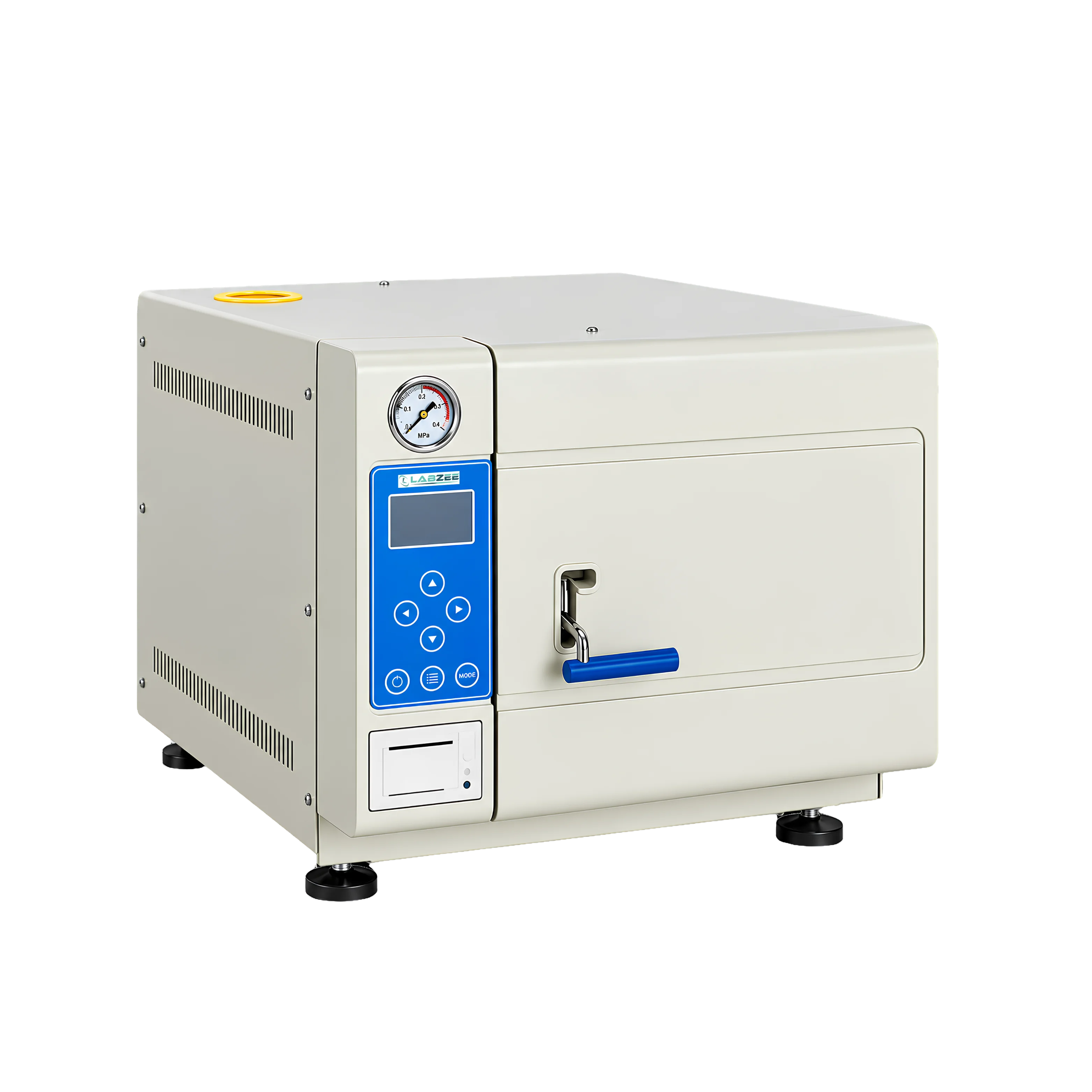
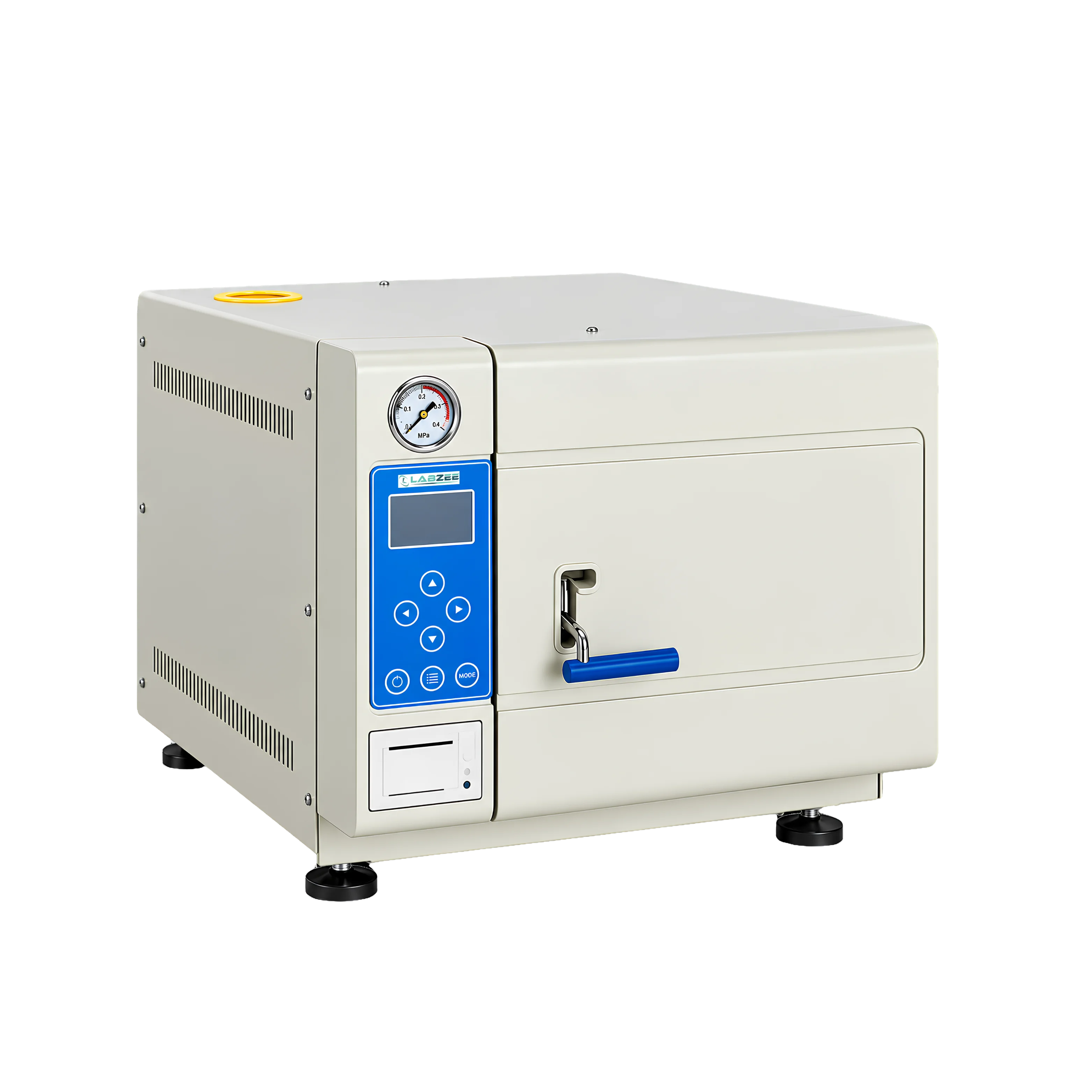
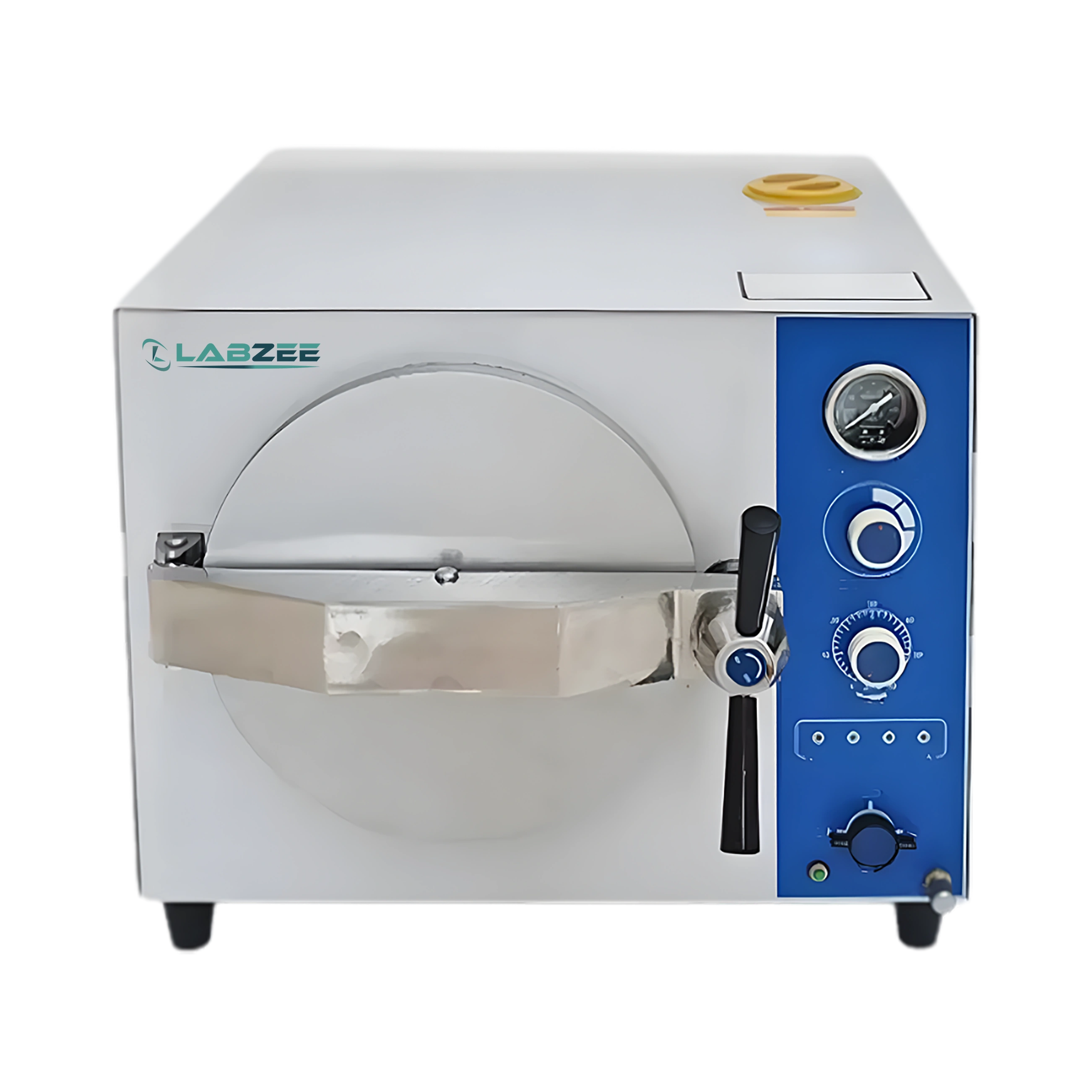
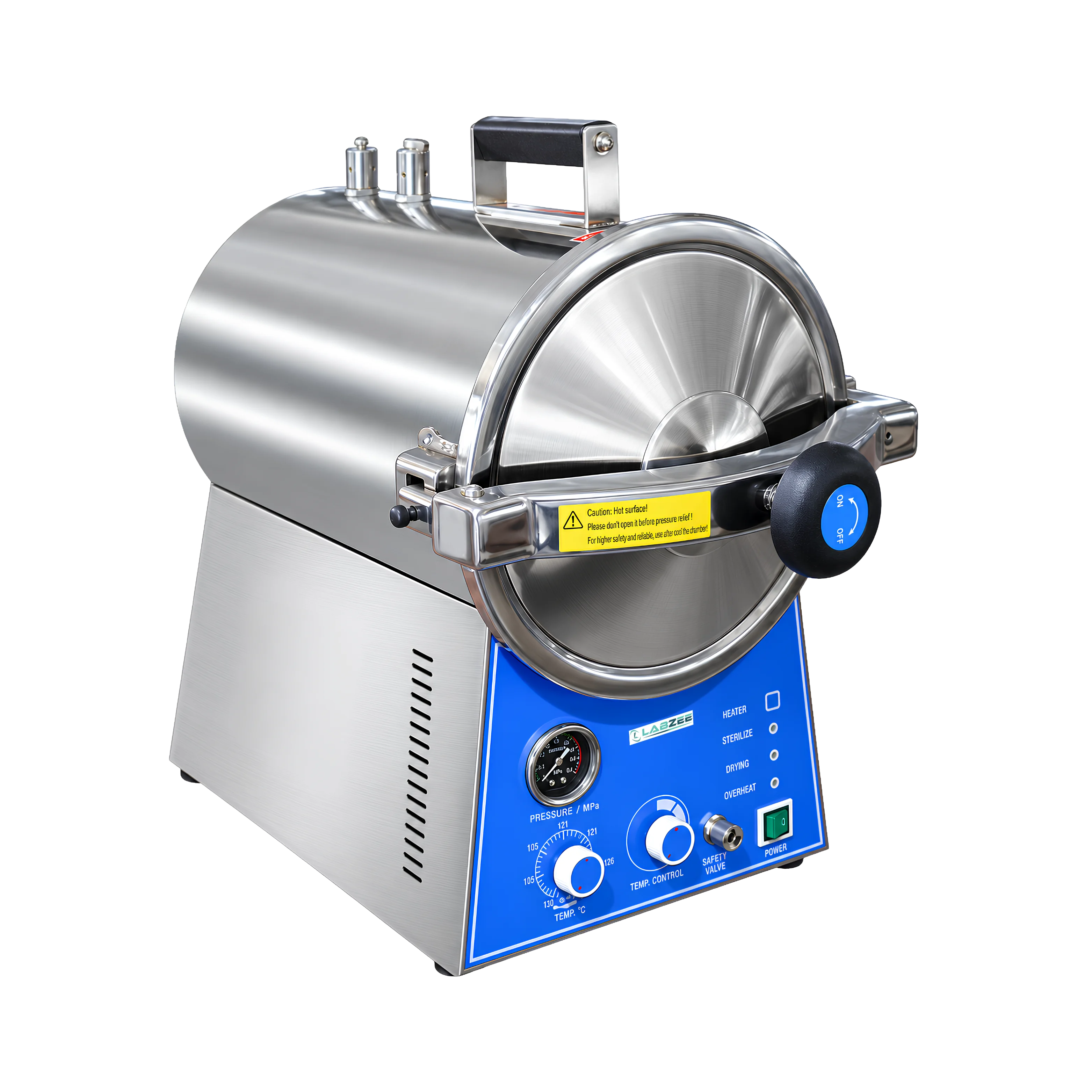
Labzee Table-Top Autoclaves are designed for routine sterilization of metal instruments, dental handpieces, surgical tools, glassware, and wrapped or unwrapped materials compatible with high-pressure steam sterilization. Available in multiple capacities, these steam sterilizers feature rapid sterilization cycles, adjustable temperature and time settings, automatic operation, stainless steel chambers, and built-in safety features to simplify daily sterilization workflows. ISO and CE certified, Labzee Table-Top Autoclaves provide safe, consistent sterilization performance for laboratory, dental, and healthcare applications.
$ 1743
$ 1835
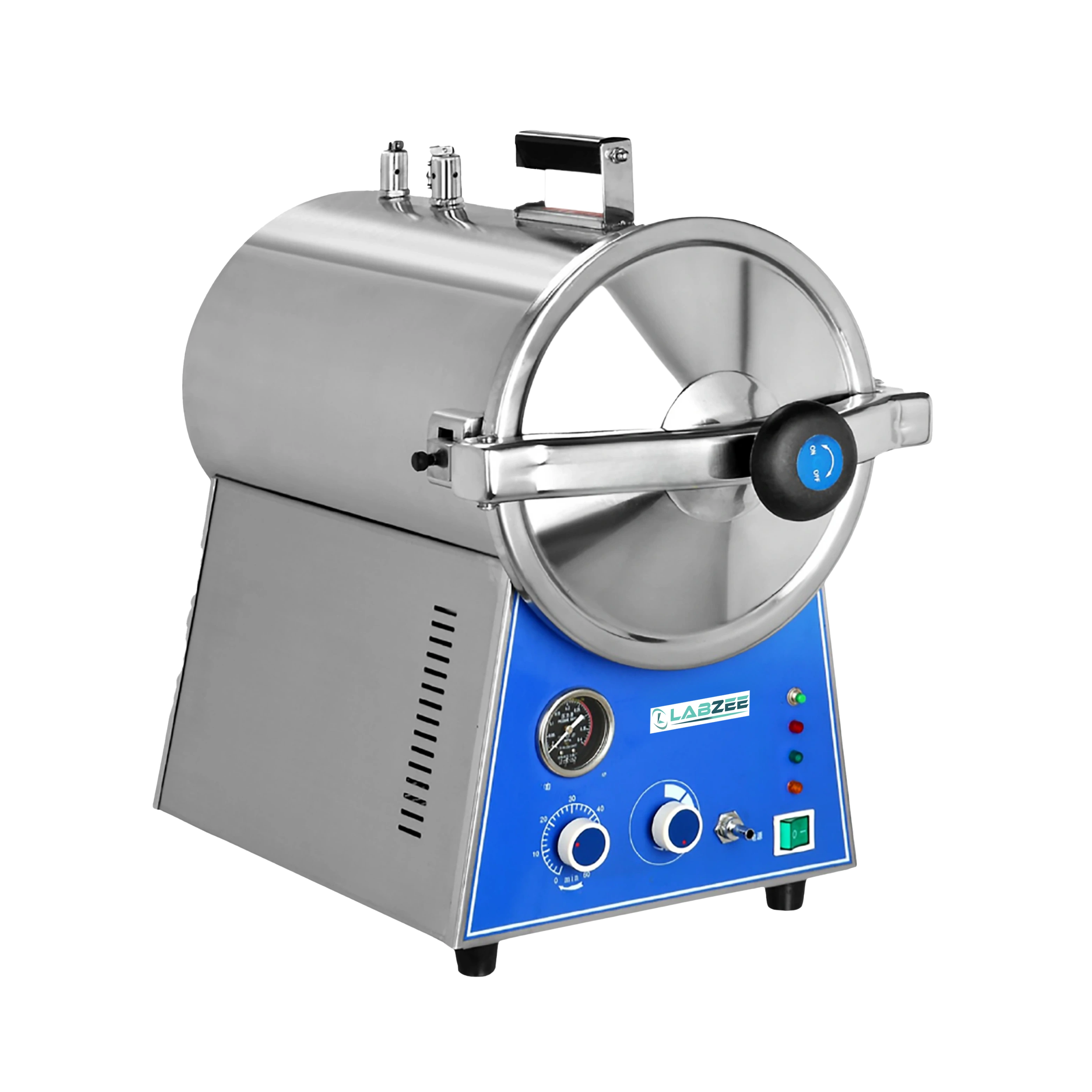
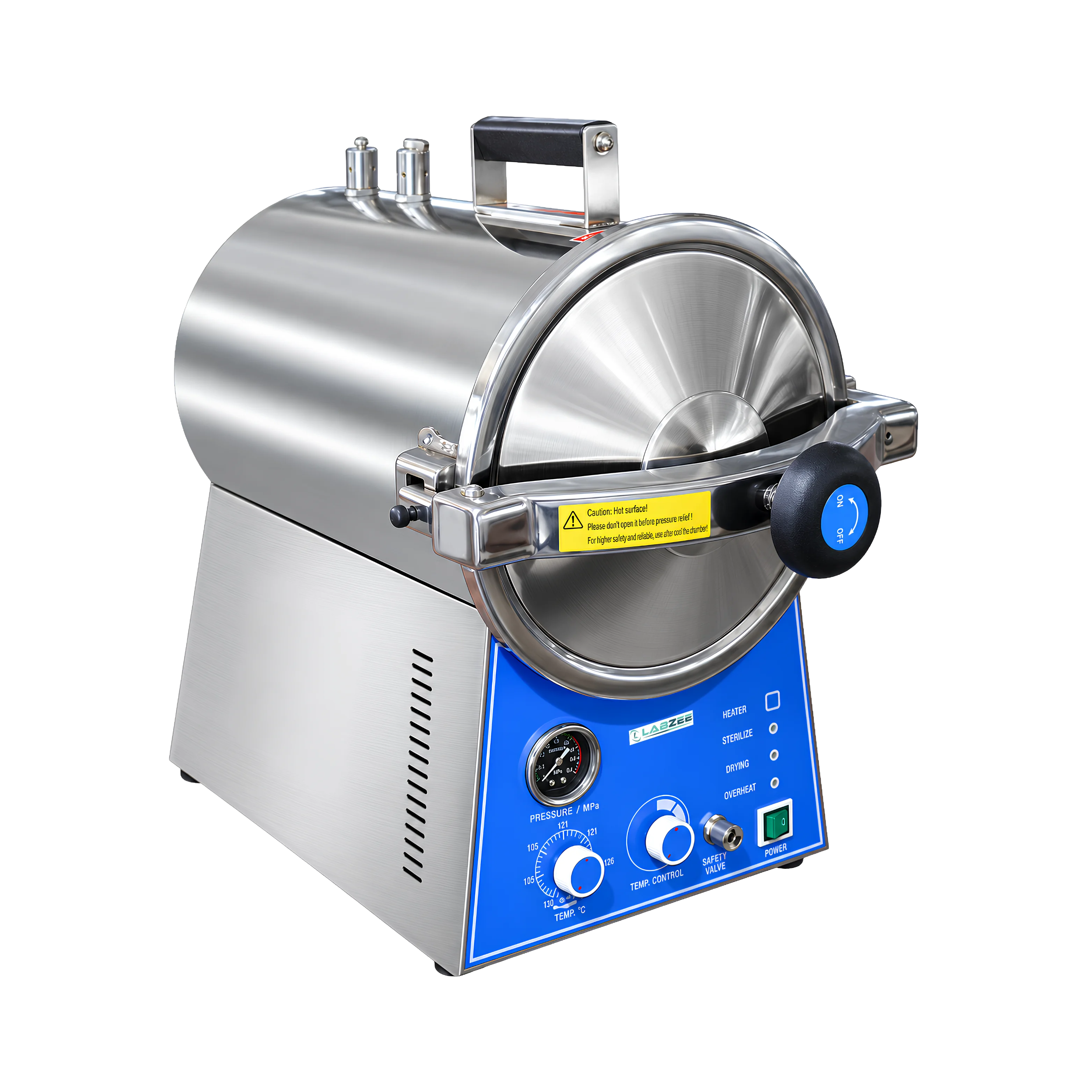
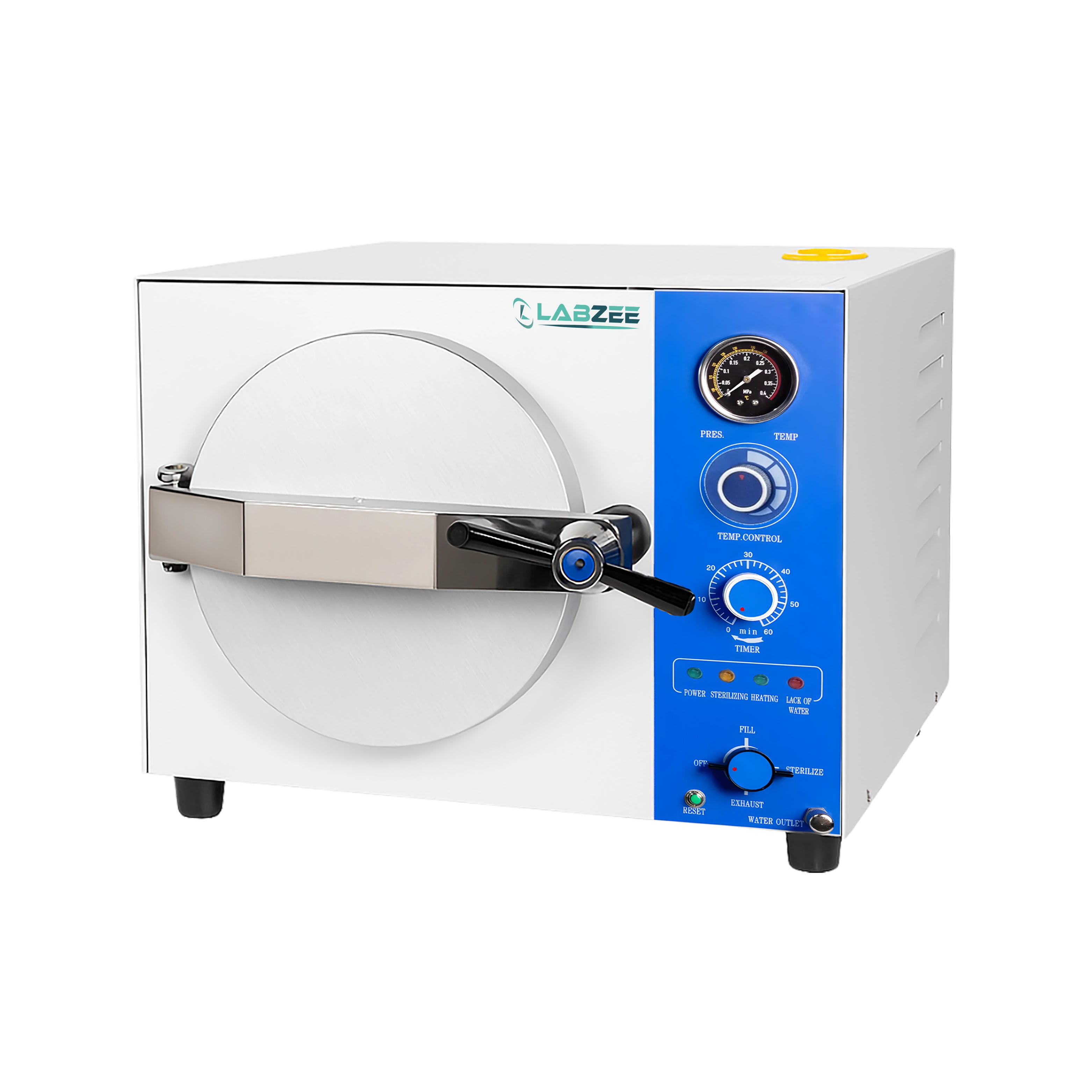
Table Top Steam Sterilizer from Labzee designed for sterilizing laboratory instruments, glassware, culture media, and other heat-resistant materials with saturated steam under pressure. Models are available in different chamber capacities to accommodate various sterilization load requirements. Our Steam Sterilizers feature uniform heat distribution and deep steam penetration for effective microorganism removal, including spores. Digital controls allow cycle customization, with automated safety locks supporting safe operation. Table Top Steam Sterilizers are used in laboratories, dental clinics, hospitals, and other routine steam sterilization procedures requiring rapid results.
$ 1858
$ 2422
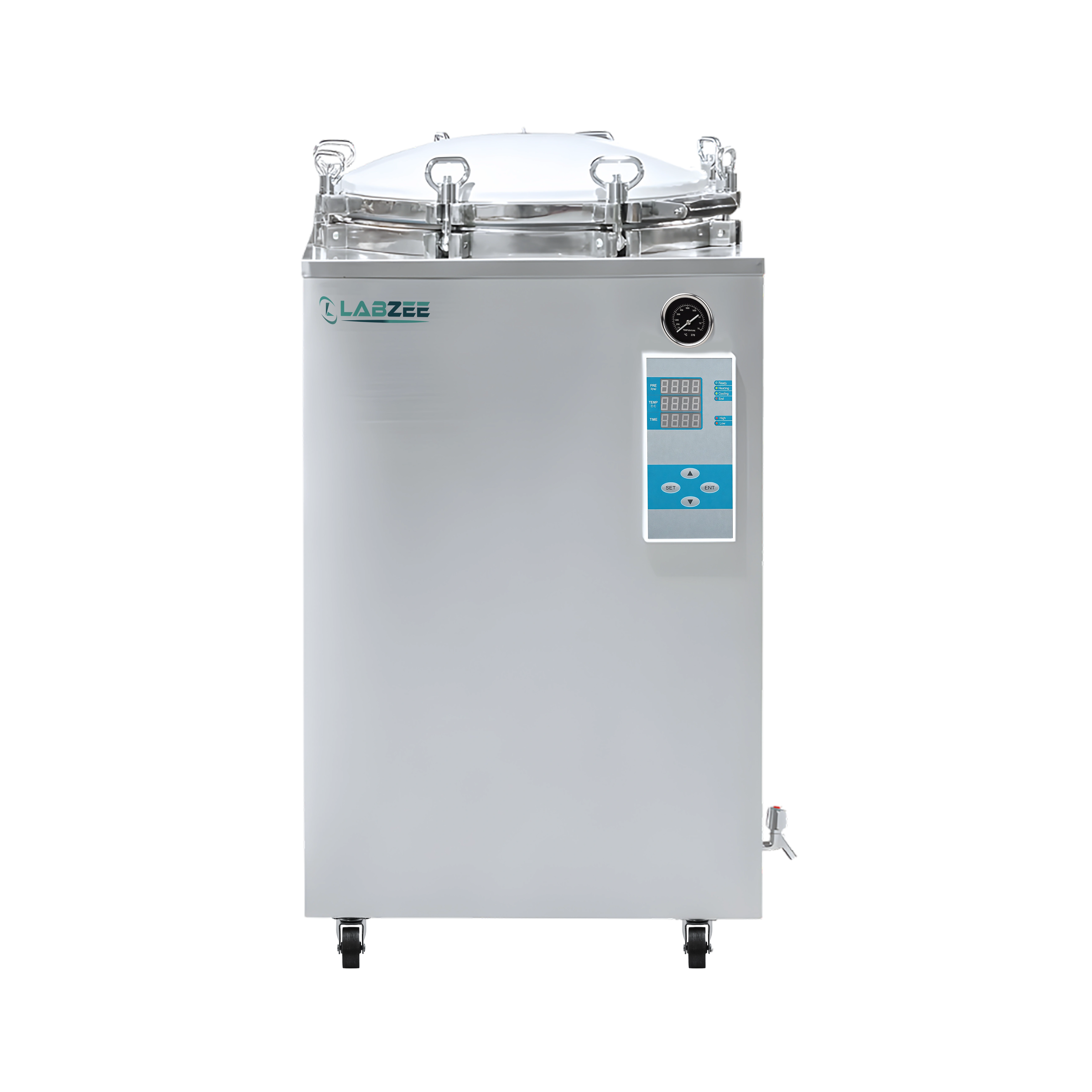
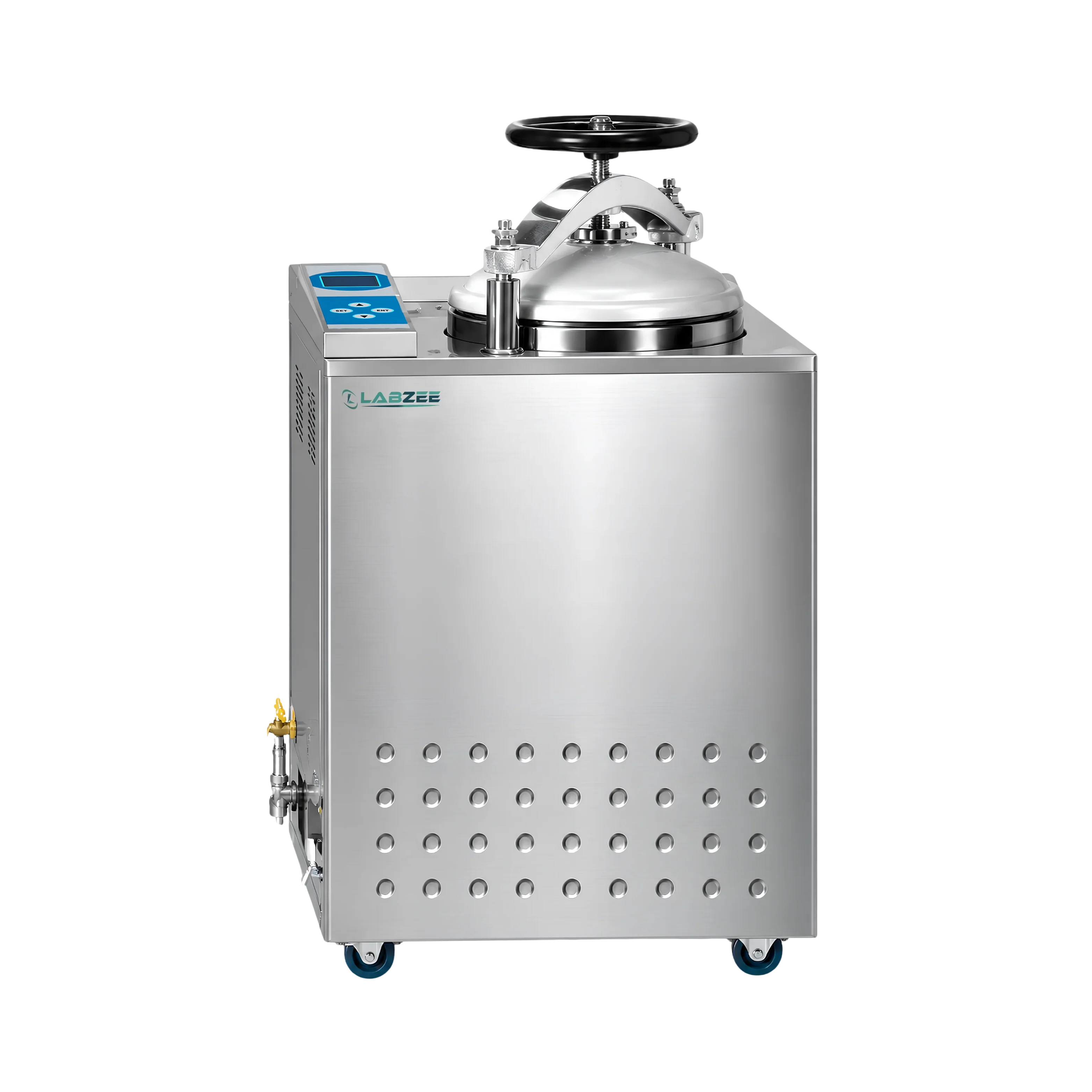
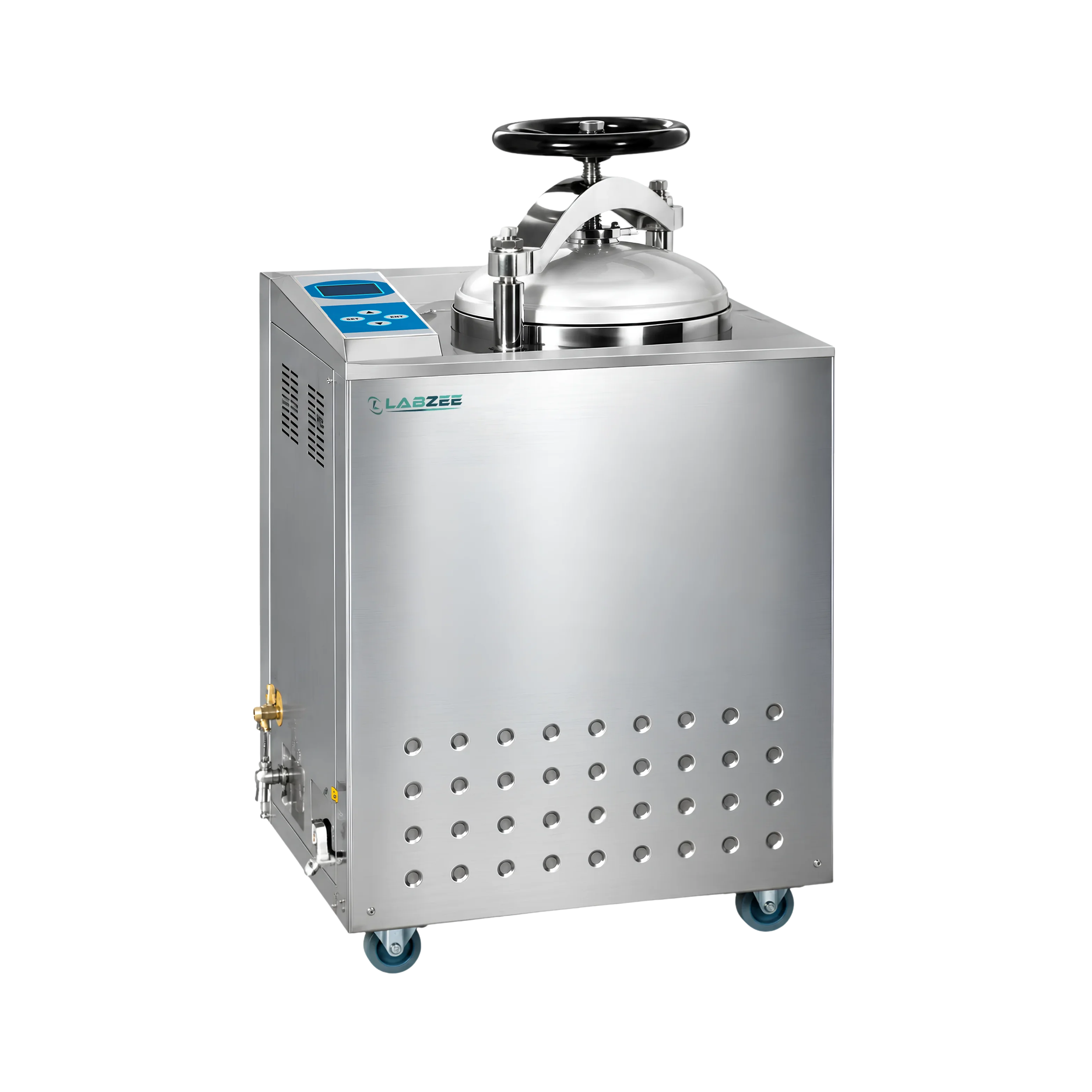
<p>Labzee designs highly efficient and space-saving Vertical Autoclaves with an upright chamber that offers a more compact footprint compared to traditional horizontal systems. Designed for environments where space optimization is essential, these units utilize a gravity displacement and pre-vacuum system to ensure thorough steam penetration and reliable sterilization of various load types. Their user-friendly controls, stable performance, and precise temperature regulation make them well-suited for daily sterilization workflows. Ideal for small to medium-sized medical, clinical, and research facilities, Labzee Vertical Autoclaves deliver advanced sterilization of instruments, glassware, and laboratory materials. Each unit is manufactured in accordance with international standards, ensuring consistent quality, operational safety, and long-term durability. By combining compact design with robust sterilization efficiency, our vertical autoclaves provide a professional solution for facilities seeking high performance without compromising workspace.</p>
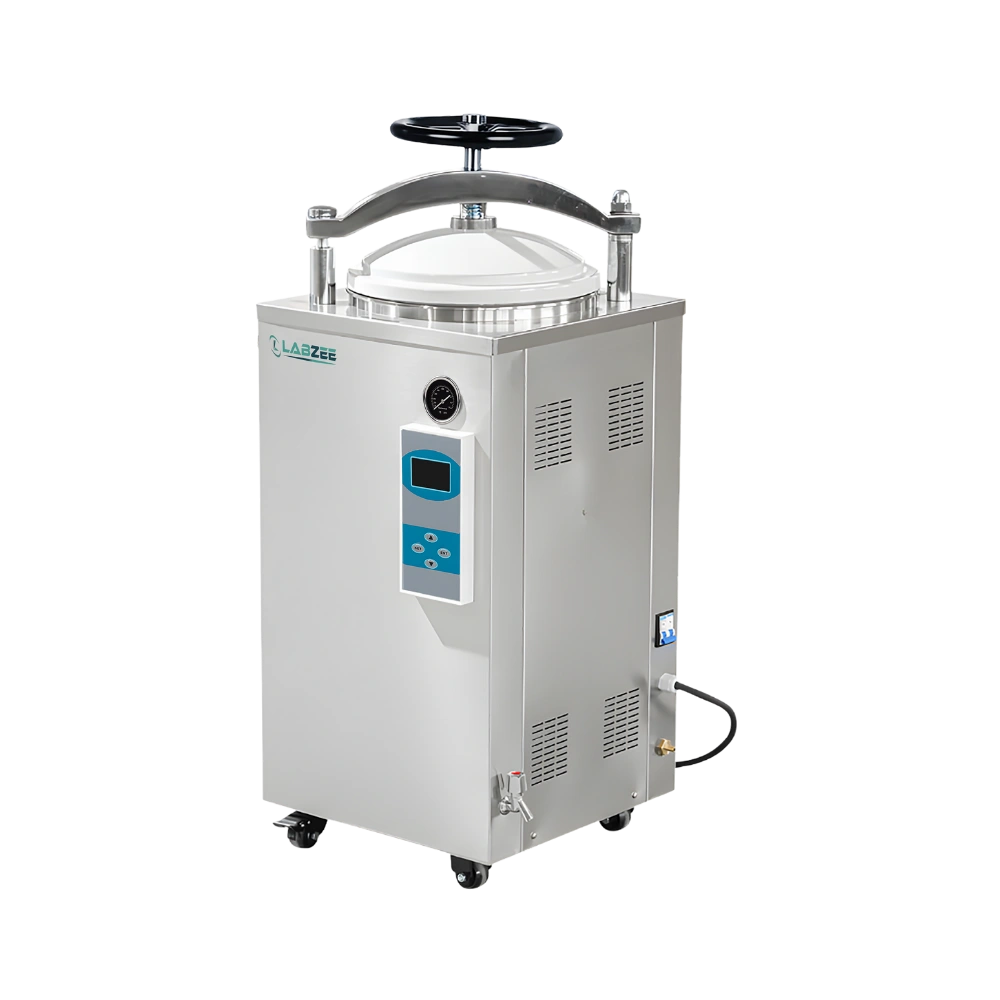
<p>Labzee manufactures Vertical Pulse Vacuum Autoclaves designed with automatic vacuum and steam pulsing system to ensure that the internal chamber is effectively evacuated of air. These autoclaves also come with multiple pre-programmed sterilization cycles. They are ideal for sterilizing surgical instruments such as scalpels, surgical drapes, bandages and other medical tools. Our Autoclaves operate under high pressure and temperature of 121°C to 134°C to assure complete destruction of contaminants.</p>

$ 6751
$ 7372
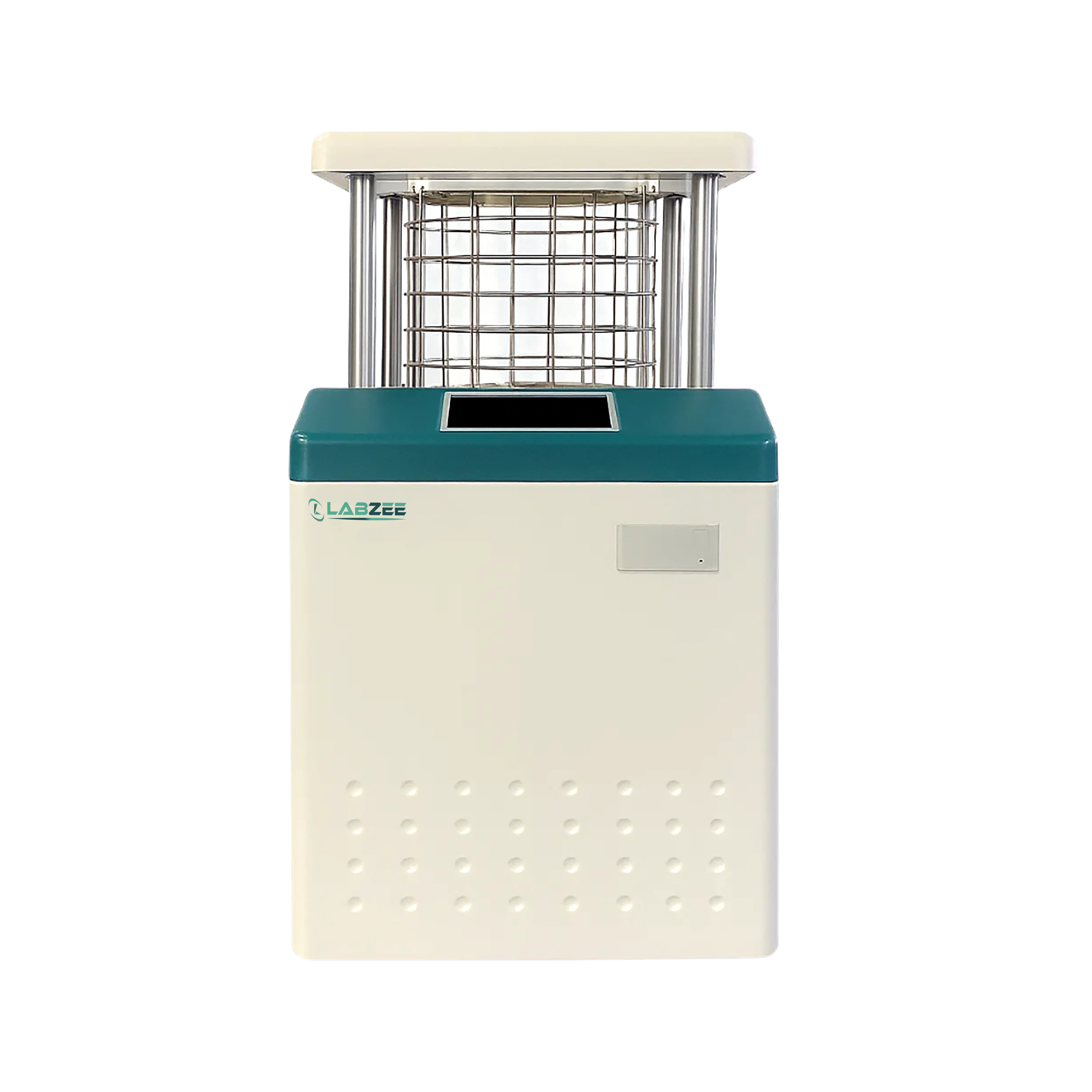
<p>Labzee designs space-saving Vertical Pulse Vacuum Steam Sterilizers that utilize vacuum and high-pressure steam for exceptional steam penetration. These operate at high temperatures up to 134°C and pressures of 30 psi to sterilize a variety of materials. They also have an easy-to-use interface with programmable settings for customized sterilization cycles. These sterilizers are typically built from high-quality stainless-steel materials. Our Vertical Pulse Vacuum Steam Sterilizers ensures resistance to corrosion from high temperature and pressure.</p>
$ 5055
$ 5026
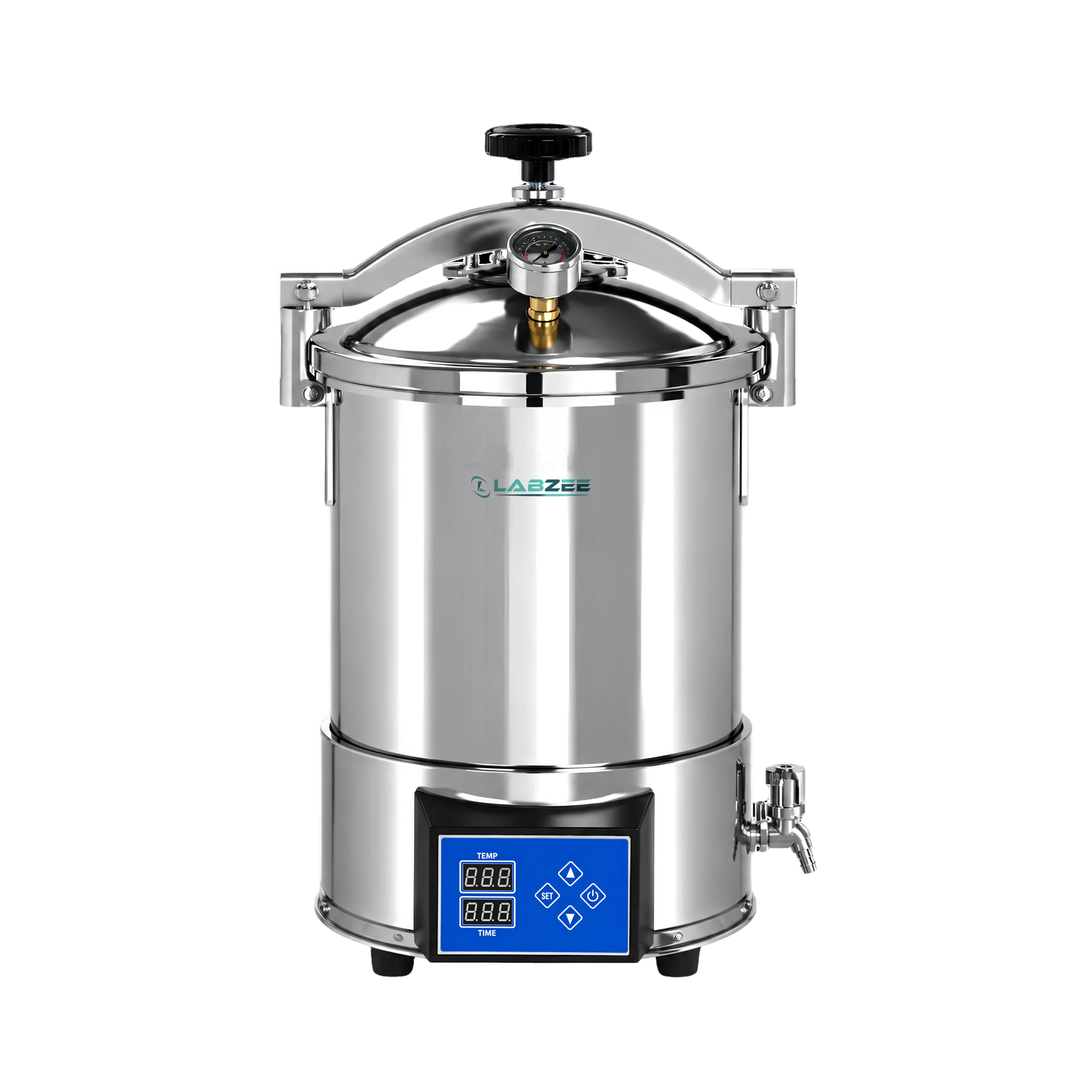
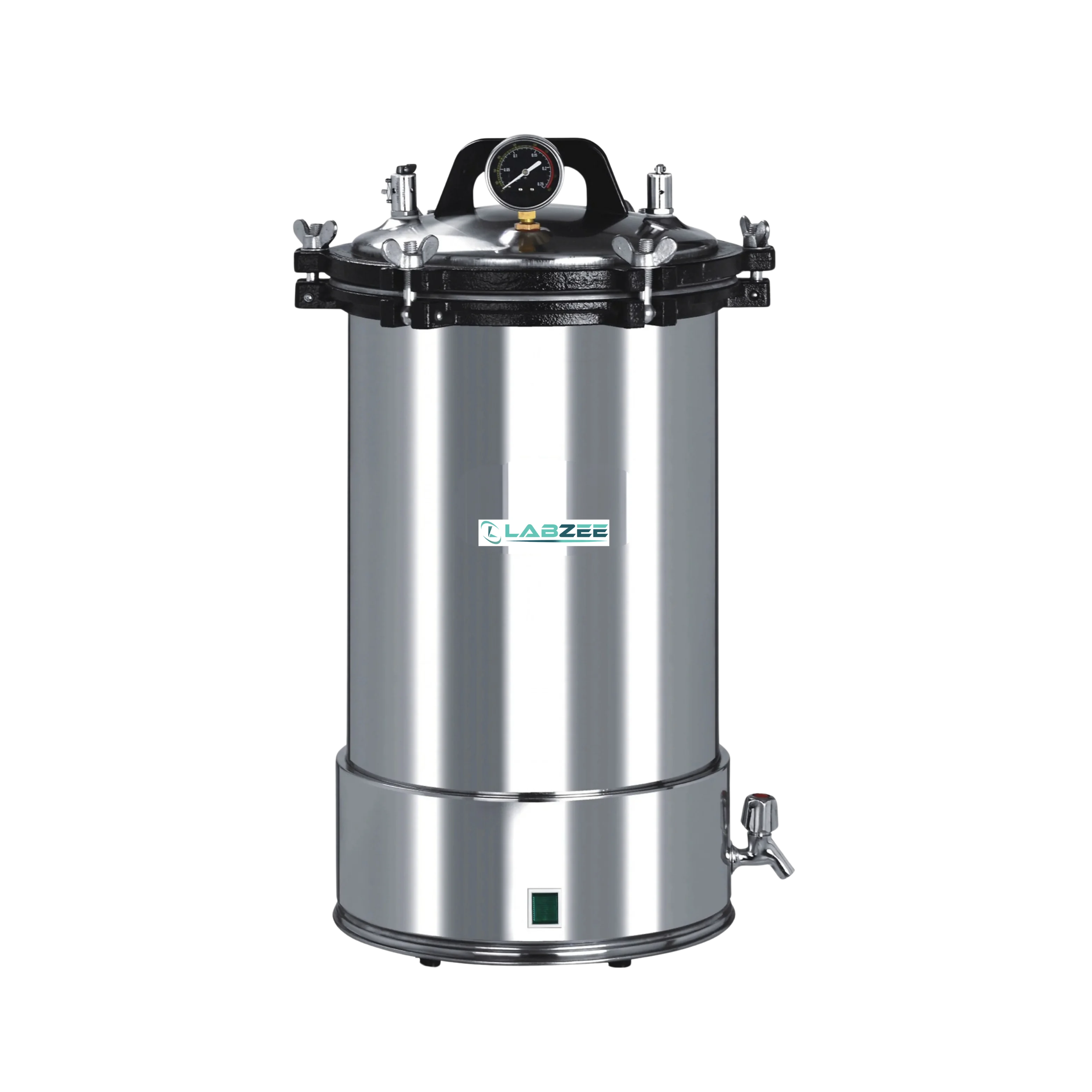
<p>Labzee provide Portable Autoclaves with a small size and lightweight construction for convenient portability and space usage. They are perfect for small labs, distant medical camps and mobile clinics. Our autoclaves have fast and effective sterilization cycle, typically 15-30 minutes depending on the size of the load. They use steam under high temperatures between 121°C to 134°C to avoid contamination.</p>

$ 1444
$ 1502
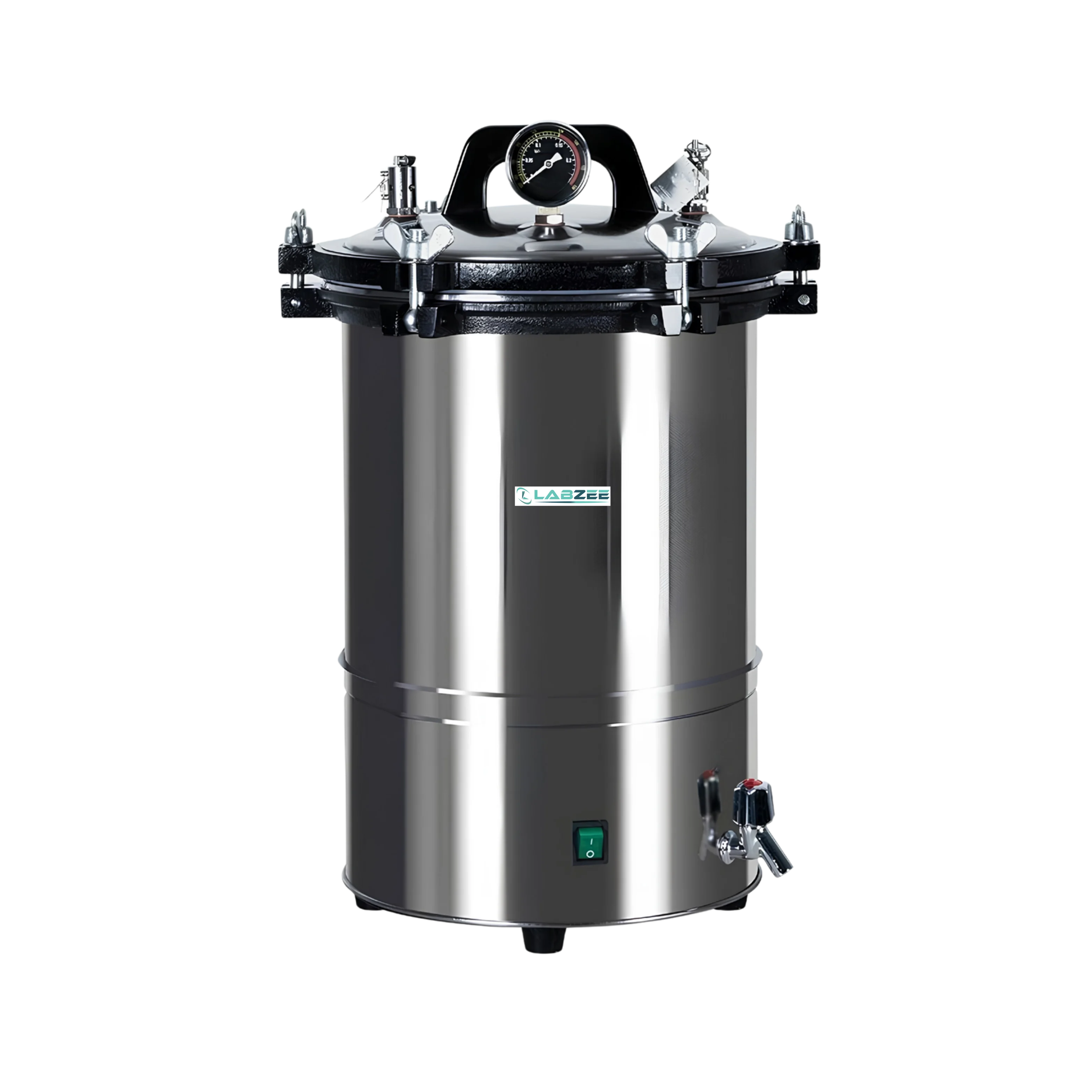
Portable Steam Sterilizer from Labzee provides steam sterilization for laboratory instruments and suitable glassware, available in a range of chamber capacities and using high-temperature pressurized steam for sterilization. Our Portable Steam Sterilizers include temperature and pressure adjustment with a timer for controlled sterilization cycles. Each unit features a stainless steel build, pressure monitoring, and electric heating for routine sterilization procedures. Portable designs allow sterilization in different laboratory work areas and locations, supporting laboratory instrument preparation and sterilization workflows.
$ 1318
$ 1364
<p>Labzee Pulse Vacuum Steam Sterilizers adapt advanced pulsating system that utilizes multiple cycles of vacuum and steam pulses to ensure that steam penetrates thoroughly. Their typical sterilization is at high-pressure and temperatures between 105°C - 134°C. These are also designed according to the product standards and industrial regulations. Our Pulse Vacuum Steam Sterilizers are made from high-quality, corrosion-resistant stainless steel for durability.</p>
$ 2882
$ 3181
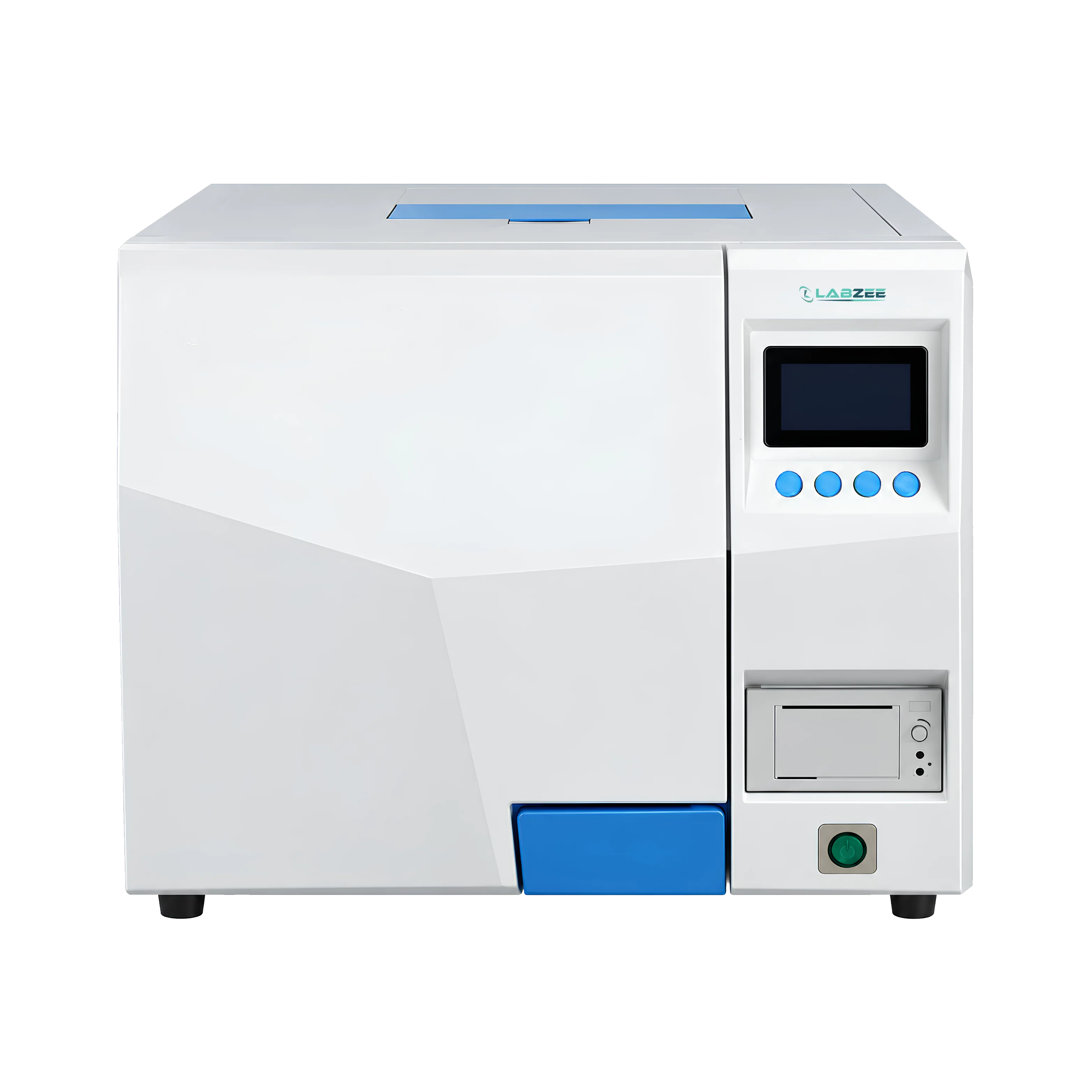
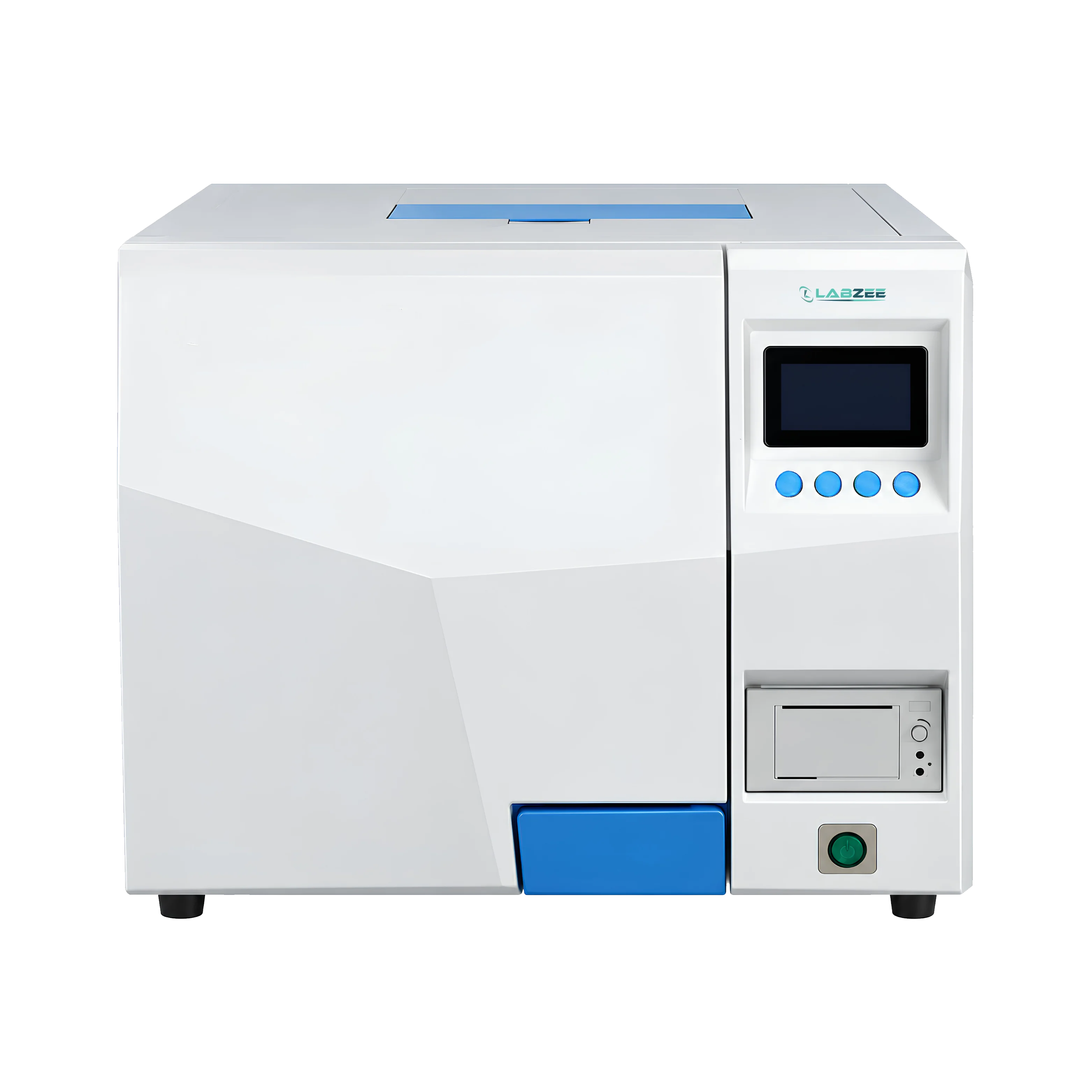
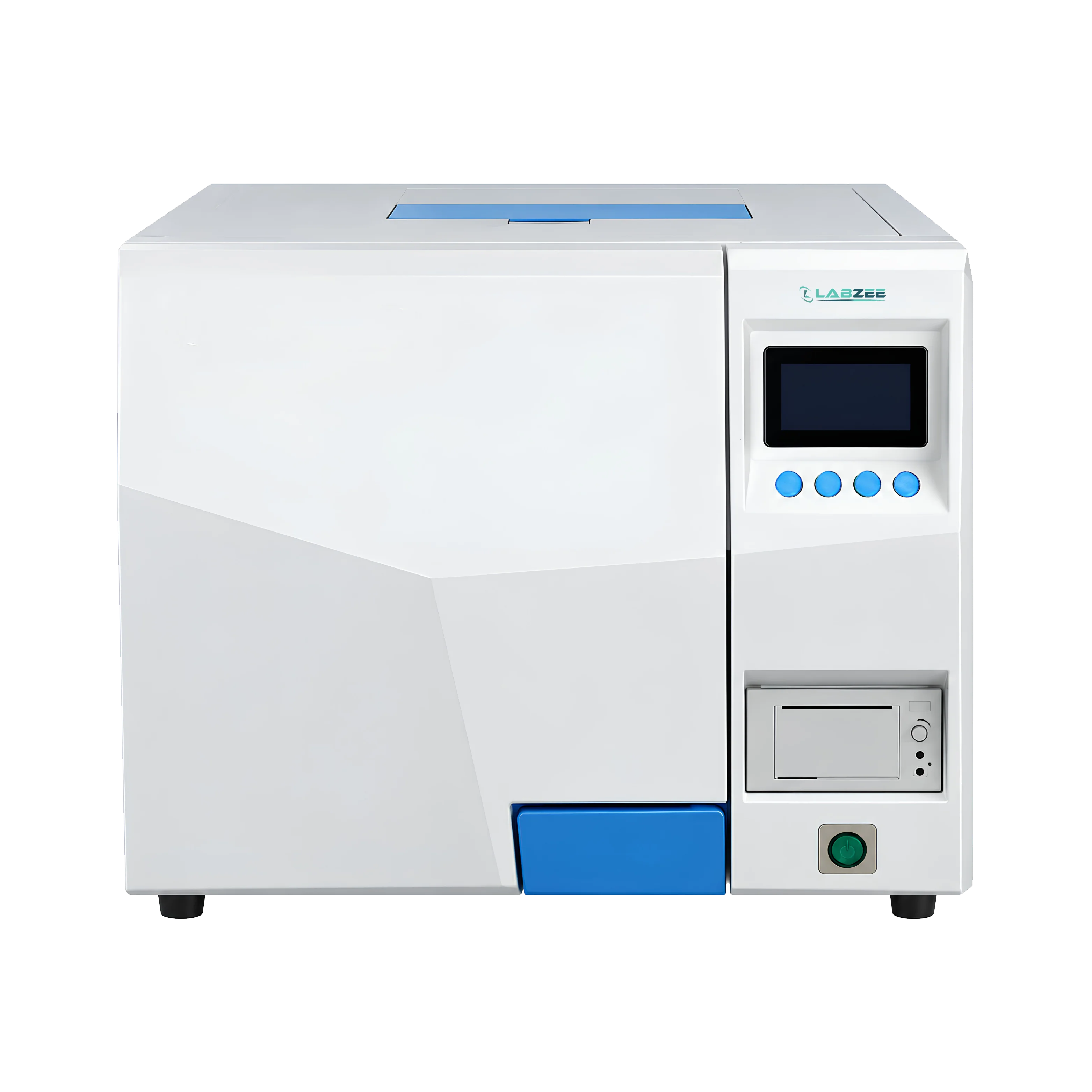
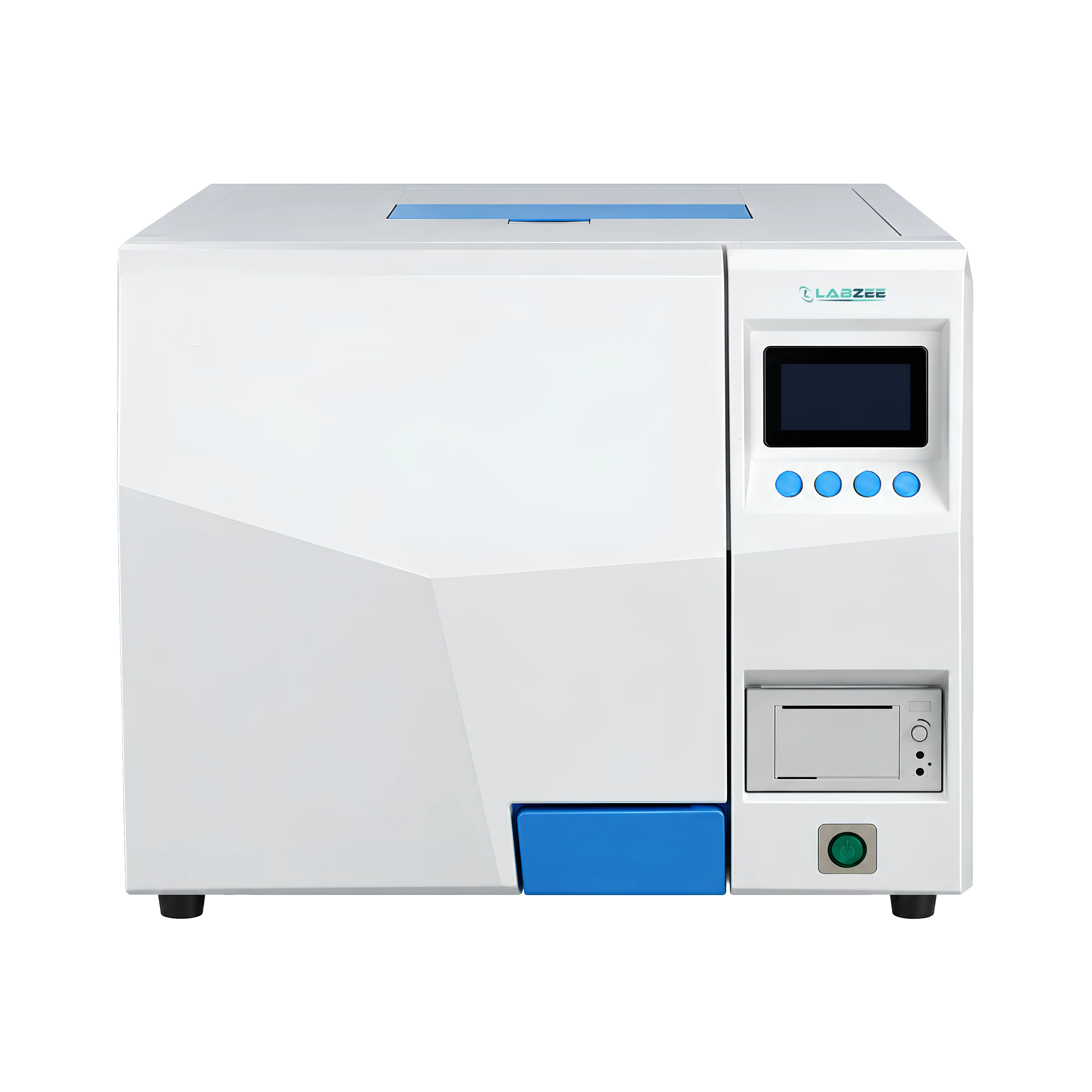
Class N Autoclave from Labzee provide steam sterilization for compatible unwrapped solid instruments and laboratory loads, with chamber configurations for different sterilization requirements. Our Class N Autoclaves are available with different chamber capacities, temperature ranges, pressure settings, and control configurations. Automatic operation, temperature monitoring, adjustable sterilization times, and safety functions support controlled cycle management across different models. Selected configurations also include drying, automatic air discharge, steam exhaust, audible cycle completion alerts, and built-in printers for sterilization record documentation. The autoclaves are available for laboratory and clinical sterilization workflows requiring different chamber sizes and operating configurations.
$ 1663

$ 2560
$ 2829
