$ 16261
| Chamber Volume | 250 ml |
| Working Temperature | RT-350°C |
| Max Temperature | Max 500°C |
| Working Pressure | -0.1-10 Mpa |
| Max Pressure | 345 Bar / 5000 PSI |
| Pressure Sensor | Digital Transmitter |
| Pressure Gauge | 4.5-Inch Analog |
| Stirring Speed | 0-1500 RPM |
| Speed Control | Adjustable, ≥600 RPM |
| Mixing Power | 80 W |
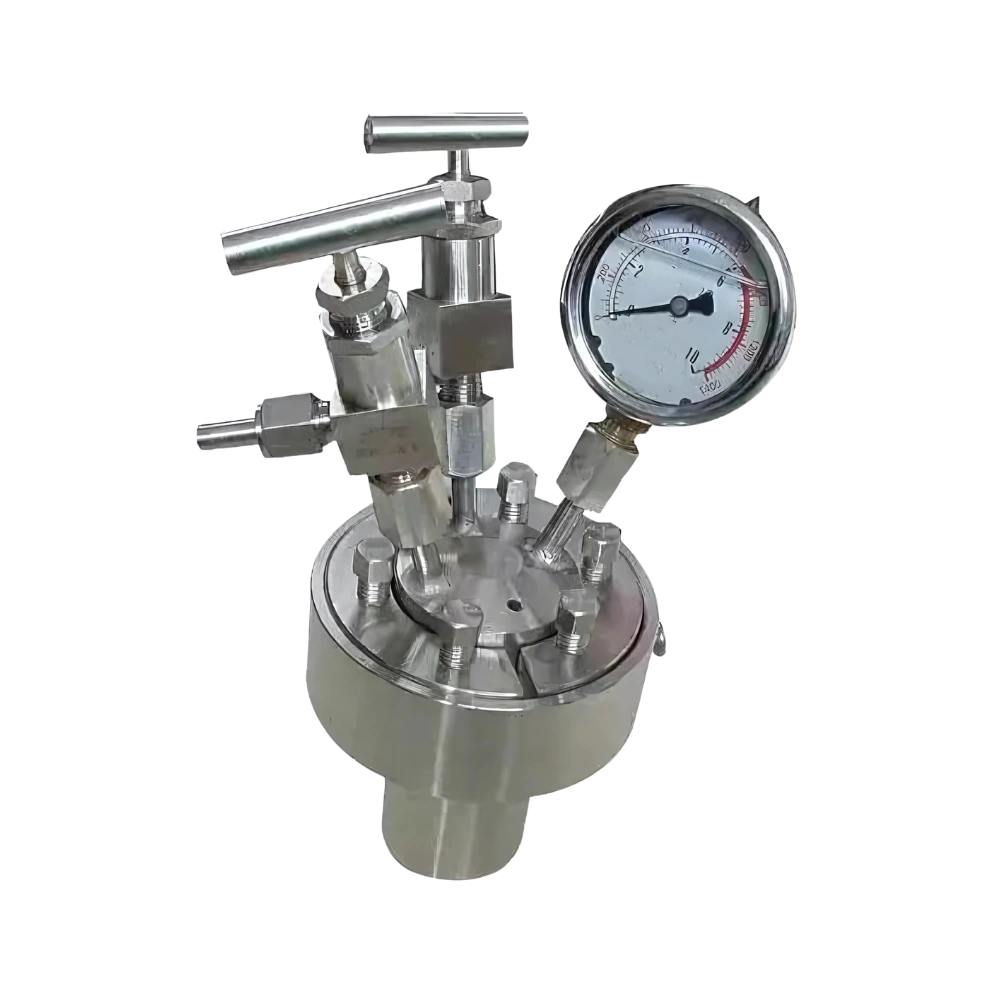
| Construction | One-Piece Solid SS 316 Block |
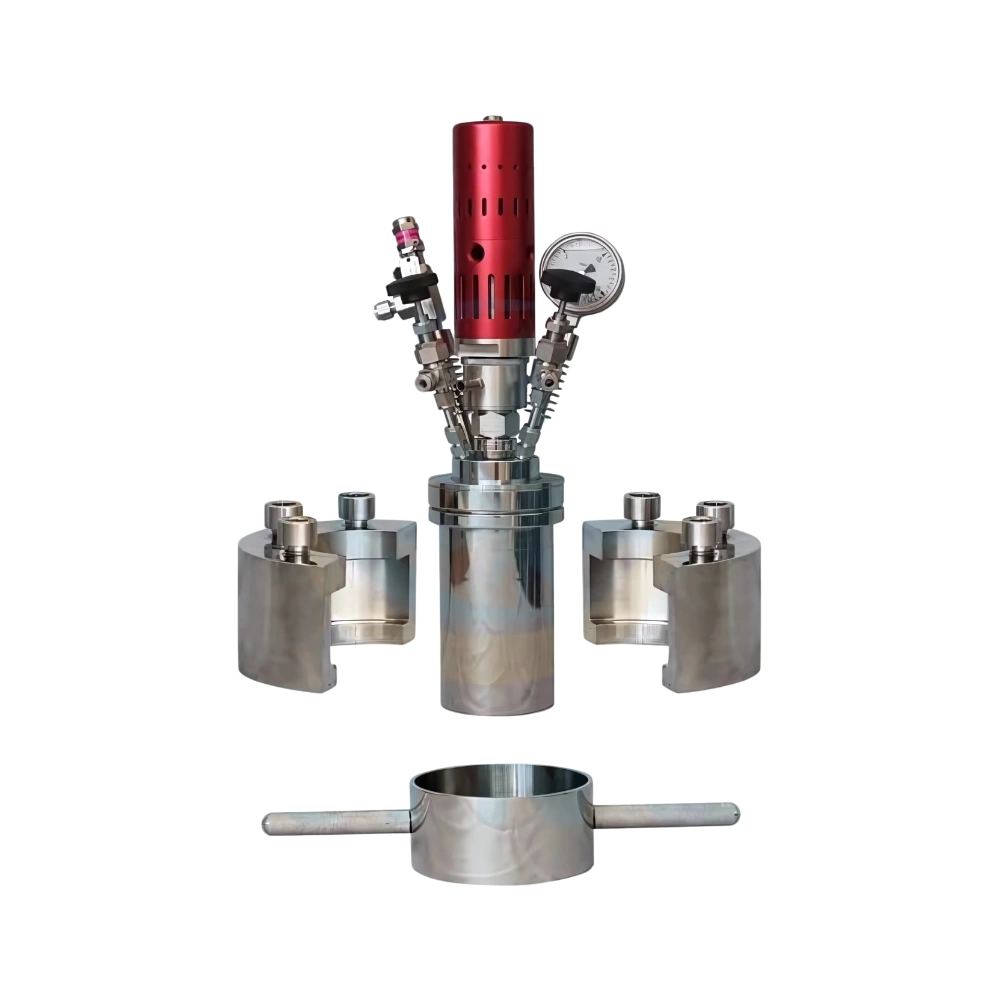
| Split-Ring Material | 4140 High-Strength Steel |
| Stirrer Type | Turbine-Type, ≥4 Blades |
| Motor Type | Brushless Motor with Touchscreen |
| Magnetic Drive | Universal, 16 in-lb Torque |
| Control Mode | PID + LCD Digital Display |
| Power Consumption | 1500 W |
| Inner Diameter | ~2.5 Inches |
| Vessel Depth | ~3.2 Inches |
| Packing Dimension | 400 × 300 × 650 mm |
| Gross Weight | 25 Kg |
Pressure Gauge (4.5-inch) × 1 Piece
Pressure Sensor × 1 Piece
Rupture Disk × 1 Piece
Gas Inlet Valve × 1 Piece
Thermowell (J-type) × 1 Piece
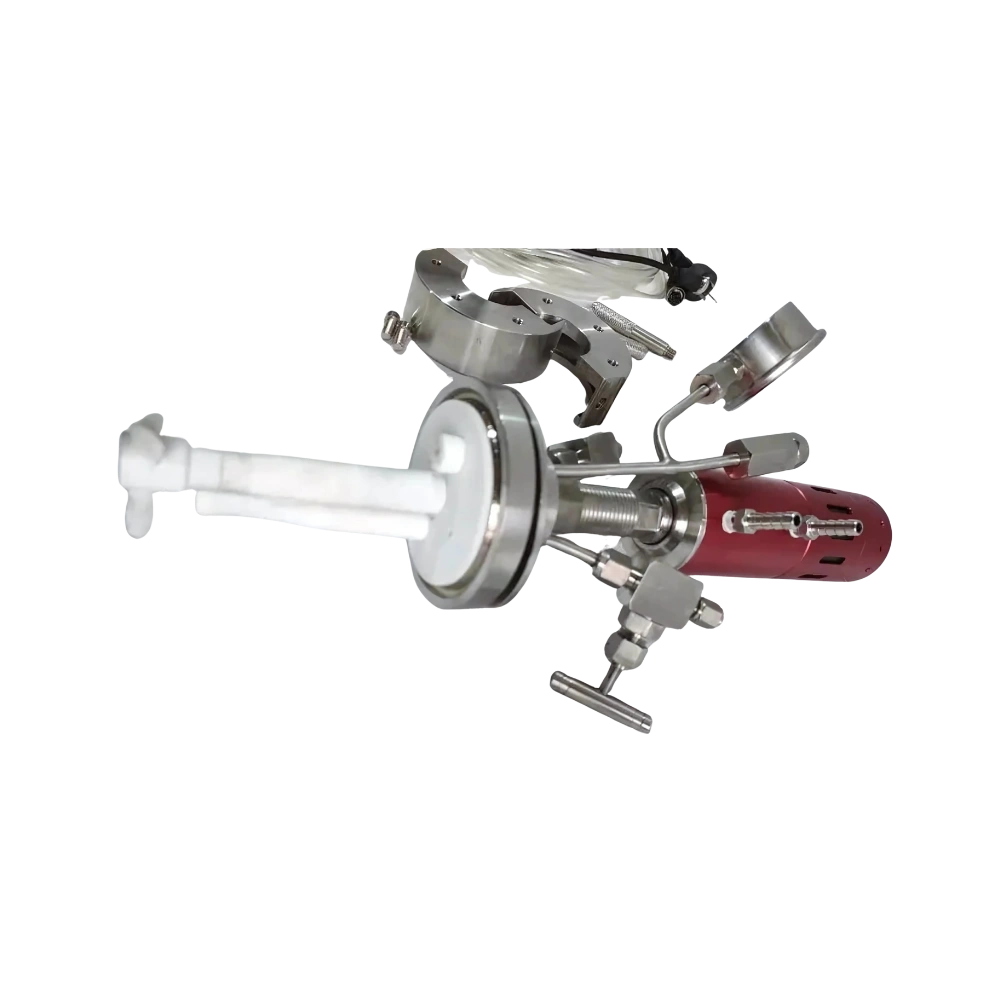
Stirrer × 1 Piece
Cooling Coil × 1 Piece
Magnetic Drive × 1 Piece
One-Piece SS316 Body
Wide Pressure Range
Turbine Blade Stirring
Digital PID Controller
Touchscreen Motor System
Split-Ring Steel Safety
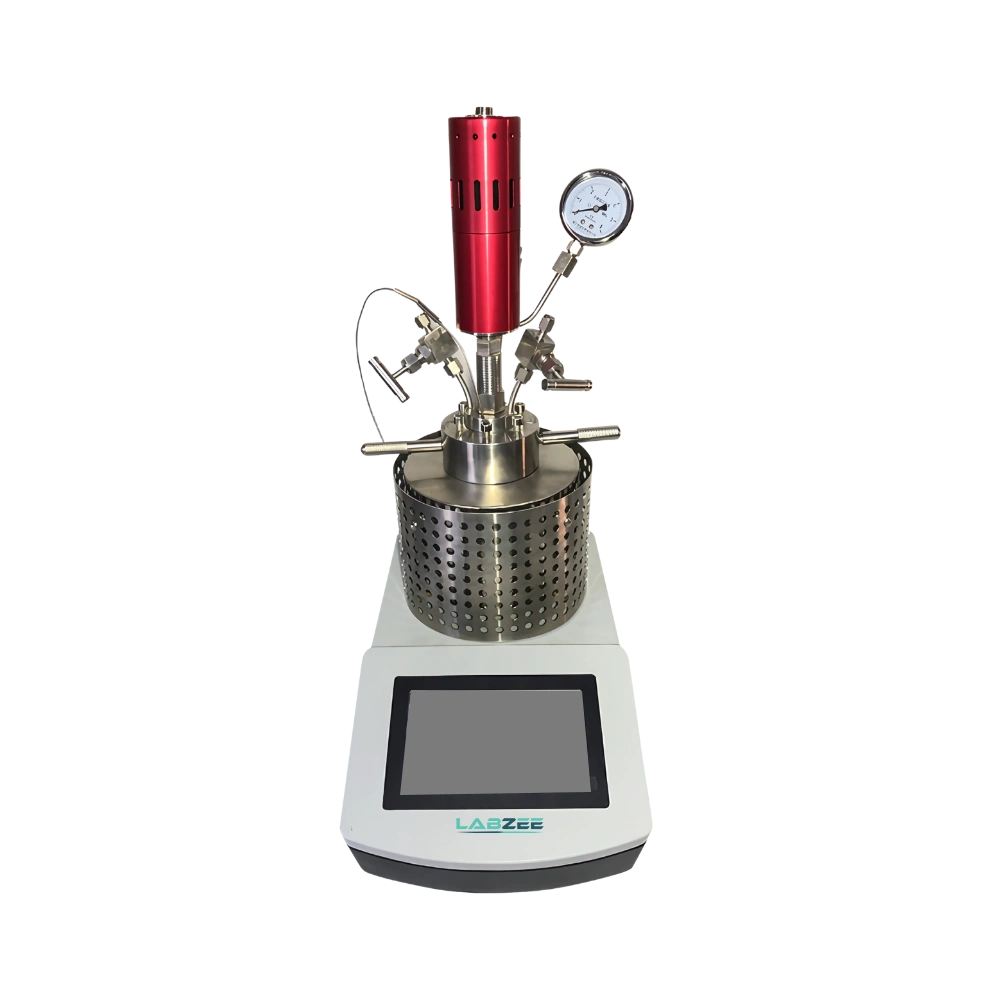
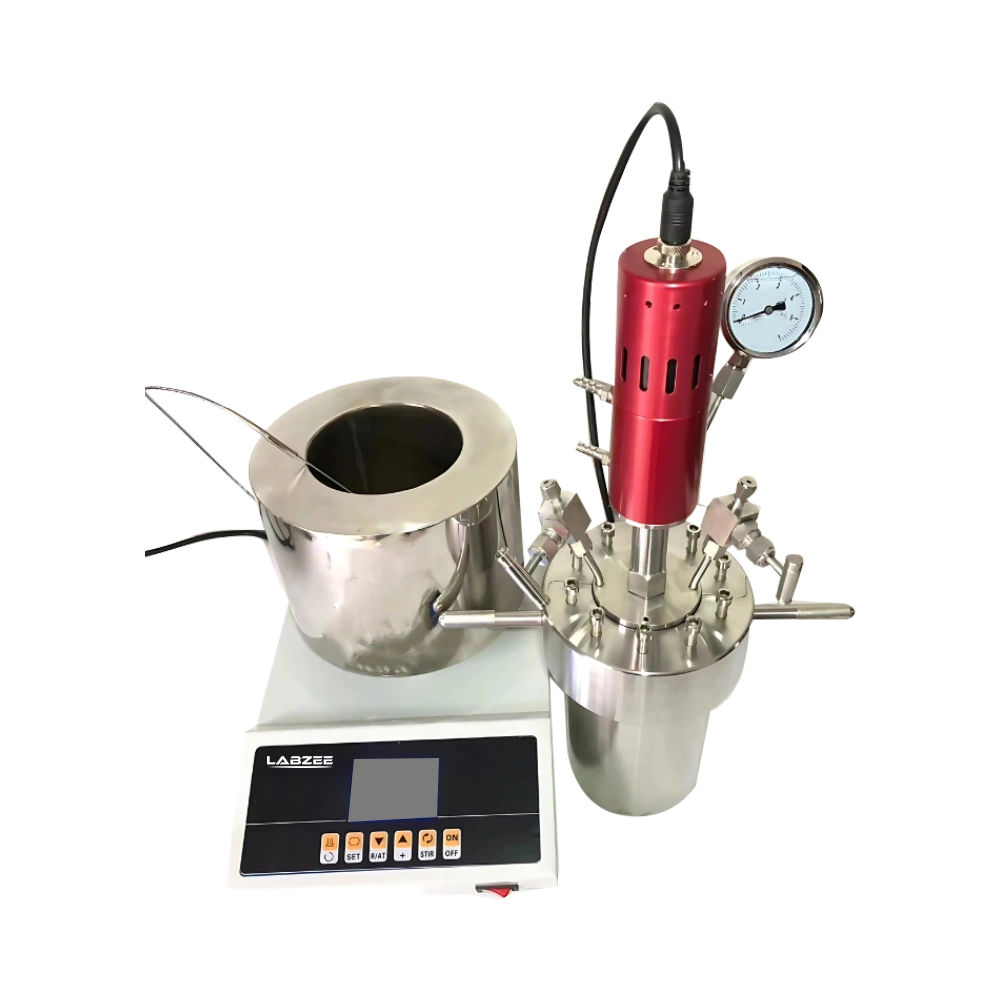
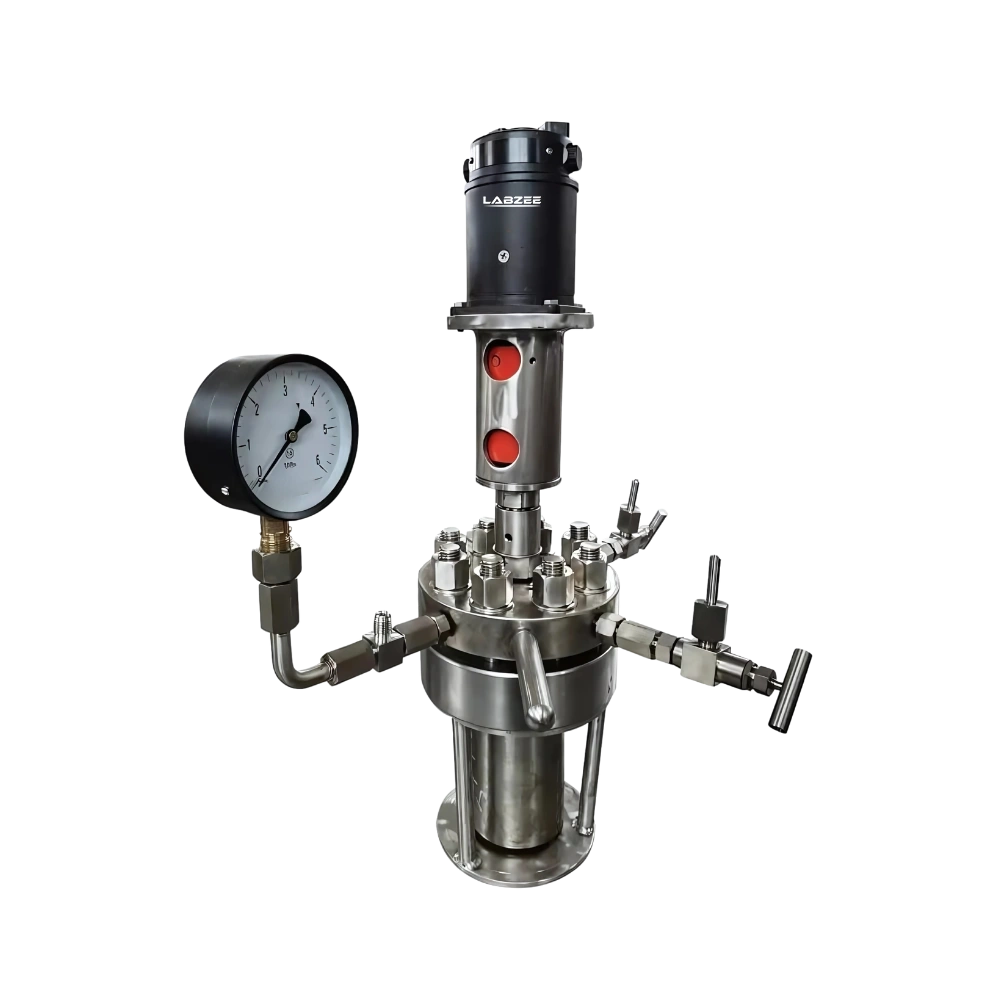
Our High Pressure Reactor BZHR-501 is ideal for high-pressure organic synthesis, catalytic hydrogenation, polymerization reactions, pharmaceutical compound screening, and petrochemical testing operations.
Frequently Asked Questions
1: What is the maximum temperature supported by High Pressure Reactor BZHR-501?
The High Pressure Reactor BZHR-501 supports working temperatures up to 350°C, with a maximum temperature tolerance of 500°C.
2: Can you monitor the pressure in real-time in BZHR-501?
Yes, the BZHR-501 comes equipped with a 4.5-inch analogue gauge and a digital pressure sensor for real-time monitoring and control.
3: What type of motor does the BZHR-501 reactor use?
The High Pressure Reactor BZHR-501 uses a brushless motor with touchscreen controls, ensuring precision and quiet operation.
4: How is stirring achieved in BZHR-501?
It uses a turbine-type stirrer with four or more blades, driven by a magnetic system offering 16 in-lb torque.
5: Is BZHR-501 suitable for vacuum and high-pressure operations?
Yes, the BZHR-501 operates from -0.1 Mpa vacuum to 10 Mpa pressure, making it versatile for both vacuum and high-pressure reactions.
6: What pressure and temperature ranges are supported?
Depending on the model, reactors can withstand pressures up to 5000 PSI (345 bar) and temperatures up to 500°C, suitable for a wide variety of chemical reactions.
7: What materials are used for reactor construction?
Standard models are made from SS 304 or SS 316L, while corrosion-resistant versions use Hastelloy or PTFE linings for handling aggressive chemicals.
8: Is stirring available in high pressure reactors?
Yes, most models include magnetic or mechanical stirring with adjustable speeds to ensure homogeneous reaction conditions.
9: Can the system operate under vacuum or inert gas?
Absolutely. These reactors are designed for sealed operations and can be purged with inert gases or evacuated to support sensitive reaction conditions.
10: What safety features are integrated?
Safety mechanisms include over-pressure relief valves, temperature alarms, secure locking lids, and digital pressure sensors to ensure safe and reliable operation.
11: Can Labzee High-Pressure Reactors be integrated with process monitoring or automation systems?
Yes, they feature digital parameter monitoring and can be configured with external sensors, automated data logging, and feedback controls. This allows integration into advanced laboratory workflows and scalable industrial pilot setups.
12: What advantages does precise temperature control offer in high-pressure reactions?
Accurate temperature control (±1°C) is critical for reproducibility in sensitive processes such as catalytic hydrogenation and polymerization. It minimizes deviations, prevents side reactions, and allows researchers to replicate experiments with consistent yields.
