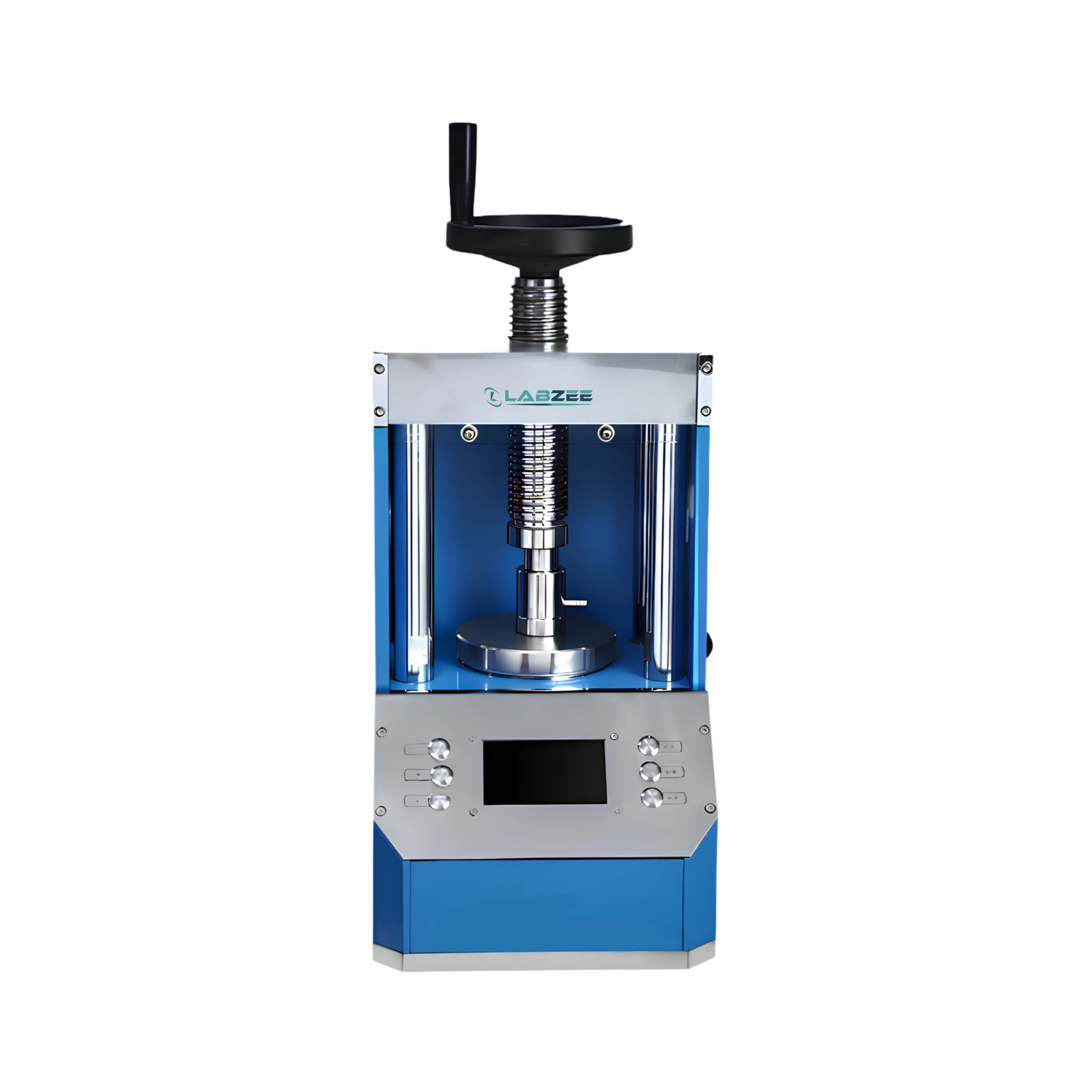
$ 6498
| Pressure range | 0.2-30.0 tons |
| Pressure process | Timed multi-step pressurization |
| Pressure holding time | 1 s to ∞ s |
| Pressure conversion | Auto Mold Pressure Adjustment |
| LCD display | 7-inch (IPS HD) touch screen |
| Limit switch | Auto pressure relief at limit |
| Cylinder stroke | 30 mm |
| Spatial dimensions | 140 × 160 mm |
| Power Consumption | 550 W (Customizable) |
| Product Dimension | 230 × 390 × 420 mm |
| Net Weight | 95 Kg |
• Multi-Step Pressurization: Applies pressure through a timed multi-step pressurization process.
• HD Touch Interface: Provides operation and parameter display through a 7-inch IPS HD touch screen.
• Auto Mold Pressure Adjustment: Automatically adjusts mold pressure during tablet compression.
• Auto Pressure Relief: Provides automatic pressure relief when the pressure limit is reached.
• Continuous Pressure Hold: Supports pressure holding from 1 second to continuous operation.
• Limit Switch Safety: Activates pressure relief when the set pressure limit is reached.
• Pharmaceutical: Enables tablet compression during pharmaceutical formulation and tablet development.
• Nutraceutical: Handles the compression of powdered nutraceutical formulations into tablets.
• Chemical: Provides controlled pressing for laboratory preparation of powdered chemical formulations.
• Food: Applies controlled tablet pressing to powdered food formulations.
• Research and Development: Enables laboratory studies involving powder compression and tablet formation.
Frequently Asked Questions
1: Is special training required to operate the machine?
Yes, operators need training in machine setup, operation, cleaning, and troubleshooting. Proper training ensures safety, efficiency, and quality control. Manufacturers often provide manuals and on-site or online training.
2: How often should maintenance be performed?
Basic cleaning should be done daily. Preventive maintenance—including lubrication and inspection—should follow a weekly or monthly schedule. Following the manufacturer's recommendations helps extend machine life and maintain output quality.
3: What are the common wear parts?
Punches, dies, feeder paddles, cams, and rollers are the most commonly worn parts. Regular inspection and timely replacement are critical to avoid defects. Spare parts should be kept on hand to minimize downtime.
4: How is machine calibration done?
Calibration involves setting parameters to ensure accurate tablet weight and dimensions. Test tablets are analyzed for consistency. Adjustments are made manually or digitally, depending on the control system.
5: Can cleaning be done without full disassembly?
Some models allow partial cleaning without full disassembly. However, contact parts should be fully removed and cleaned regularly. Clean-in-place (CIP) features can ease the process in advanced machines.
6: What is an automatic tablet press?
An automatic tablet press is a mechanical device used to compress powder into tablets of uniform size, shape, and weight.
7: What are the main components of a tablet press?
Key components include the hopper, feeder, dies, punches, turret, compression rollers.
8: What industries use automatic tablet presses?
Pharmaceutical, nutraceutical, chemical, food, and cosmetics industries commonly use tablet presses.
9: How does an automatic tablet press work?
It feeds powder into a die, compresses it using punches, and ejects the formed tablet continuously.
10: What types of tablets can be produced?
It can produce round, oval, multi-layered, engraved, or custom-shaped tablets.
Automatic Tablet Press from Labzee is designed for compressing powdered formulations into tablets through controlled pressure. Our Automatic Tablet Press models feature timed multi-step pressurization, pressure holding, auto mold pressure adjustment, and automatic pressure relief. Pressure ranges from 0.2 to 40 tons support tablet compaction pressure requirements, with touch-screen interfaces for tablet press control. Available in multiple pressure ranges for laboratory tablet compression, tablet formation, laboratory tablet compaction, and tablet pressing for routine tablet production.
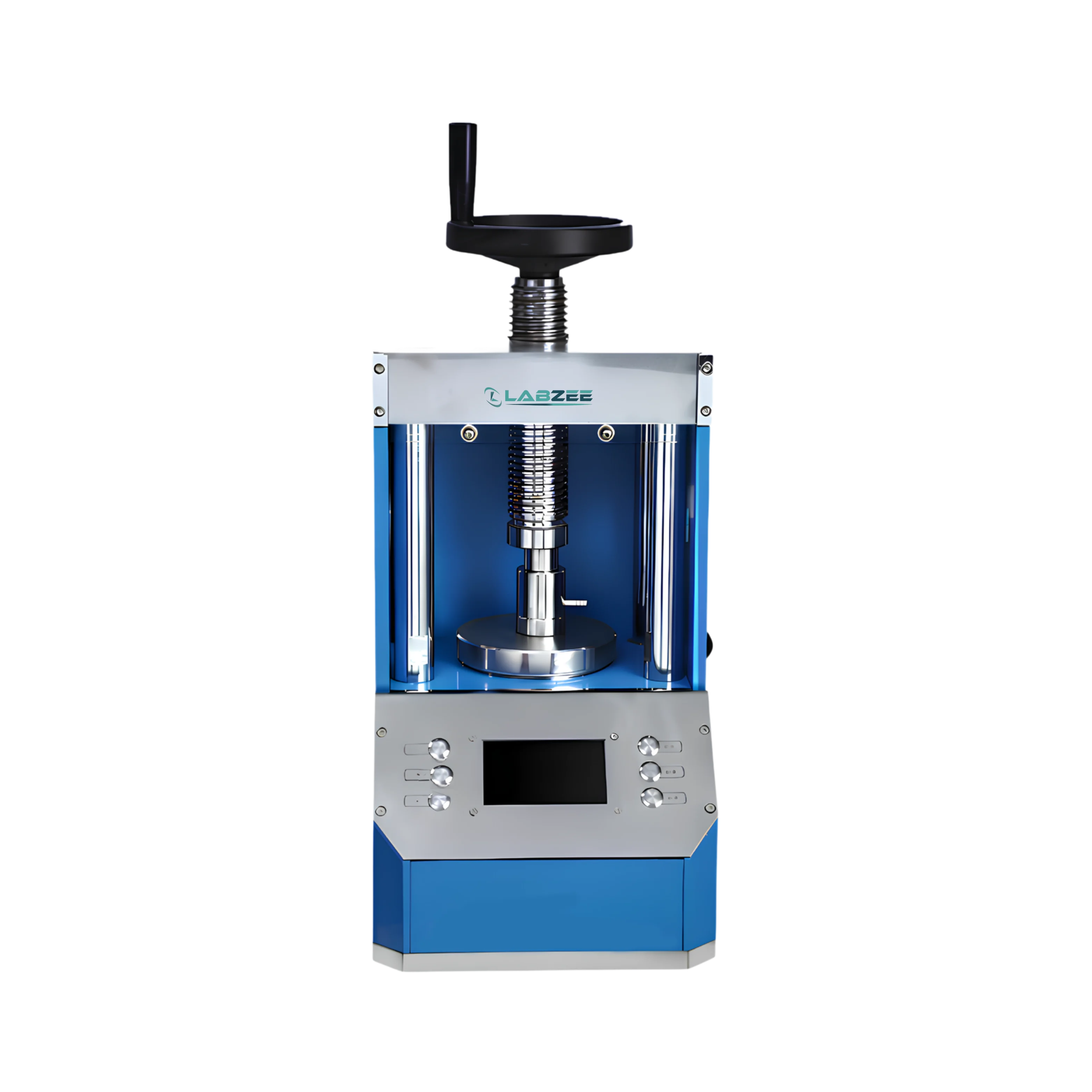
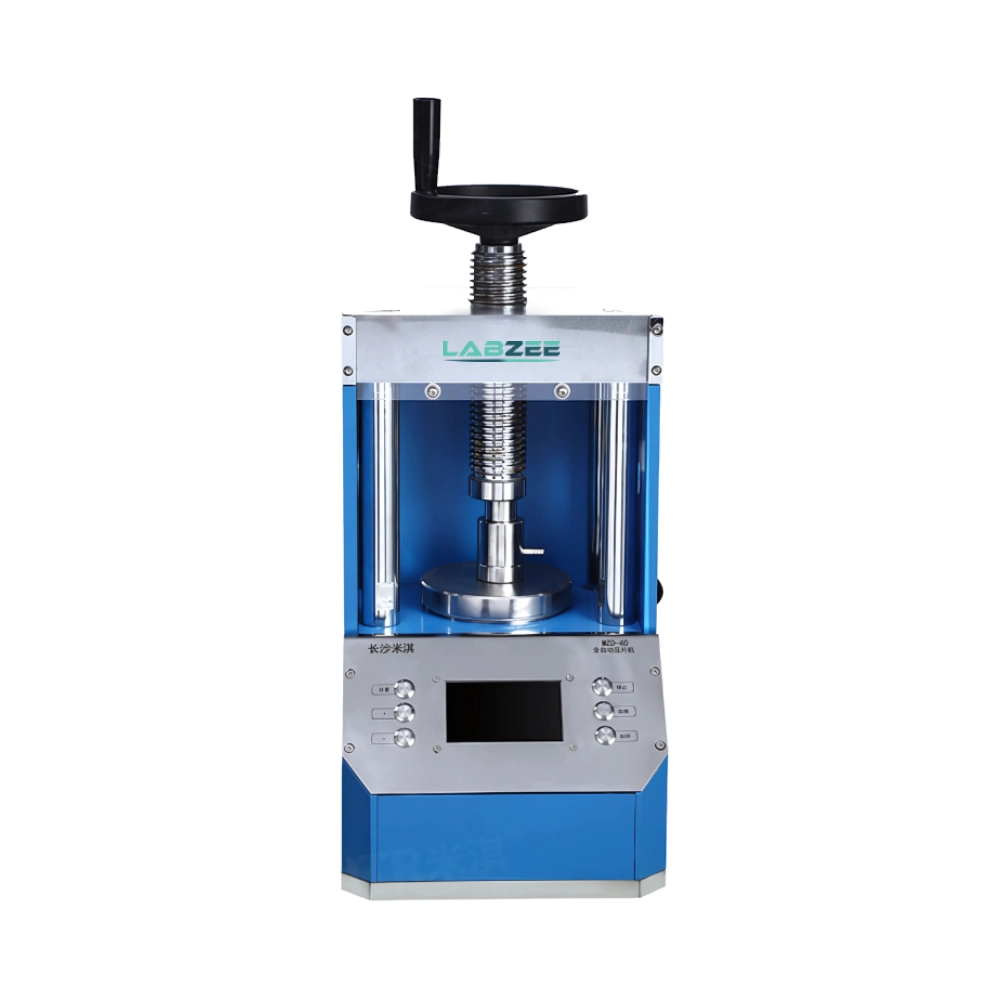
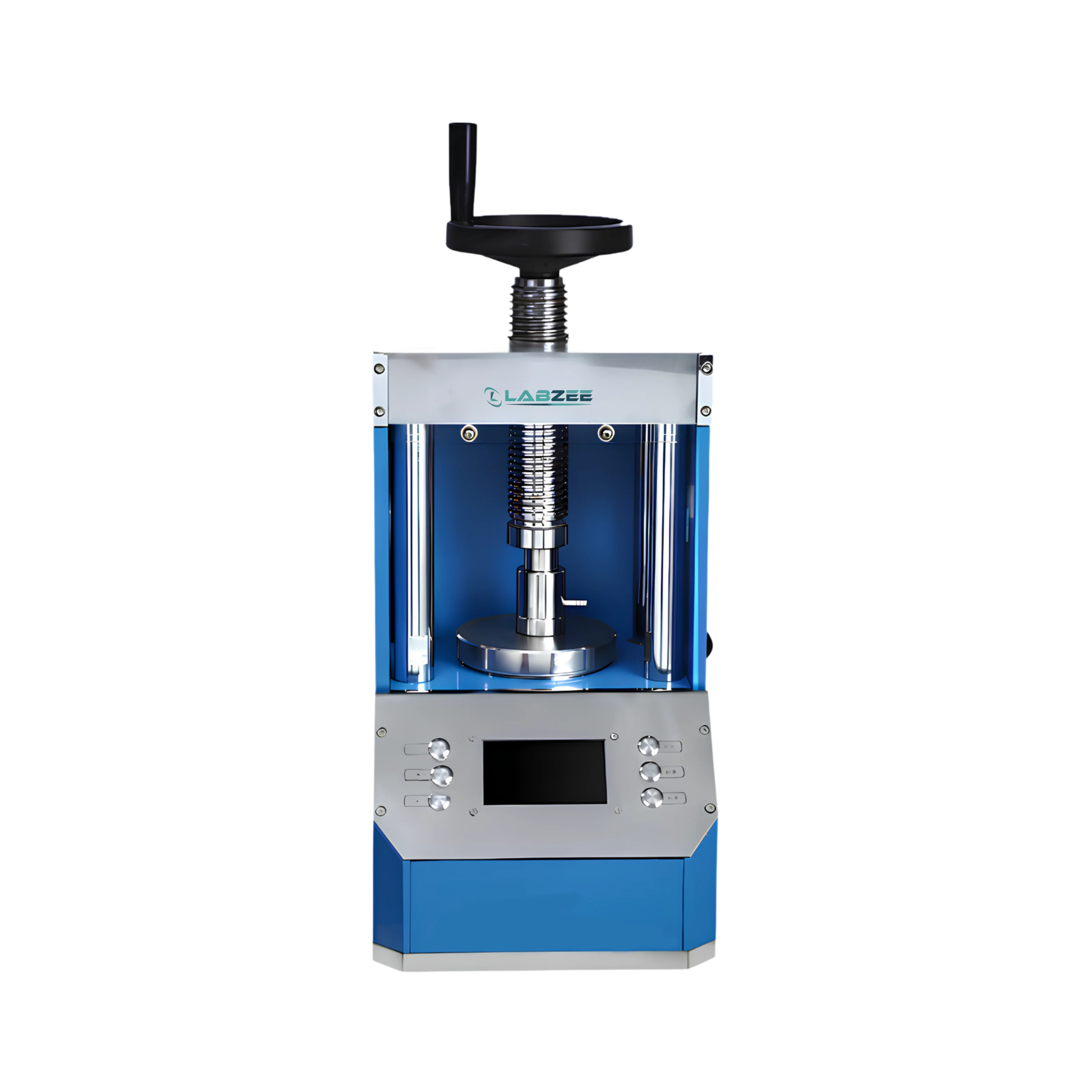
<p>Labzee Electric Tablet Presses are engineered for precise, high-efficiency tablet production in laboratory and small-scale manufacturing environments. They ensure uniformity in tablet size, weight, and thickness through advanced compression technology, minimizing the chance of errors. They offer adjustable settings for various formulations and tablet sizes, accommodating diverse production needs. Their sturdy design guarantee’s reliability, even during continuous use, while their compact build ensures easy integration into laboratory setups. Our Electric Tablet Presses are ideal for pharmaceutical research, formulation development, and small-batch tablet manufacturing, as well as material testing in industries like food and cosmetics.</p>
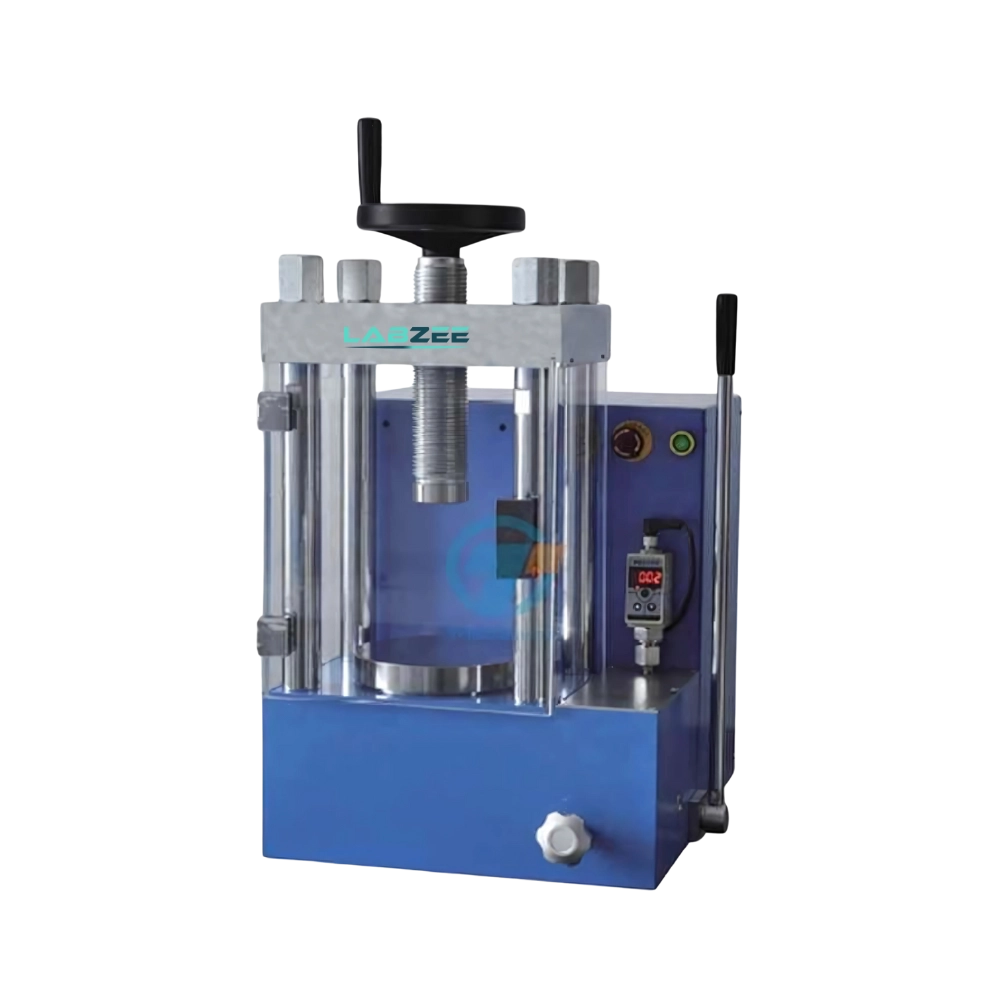
$ 4360
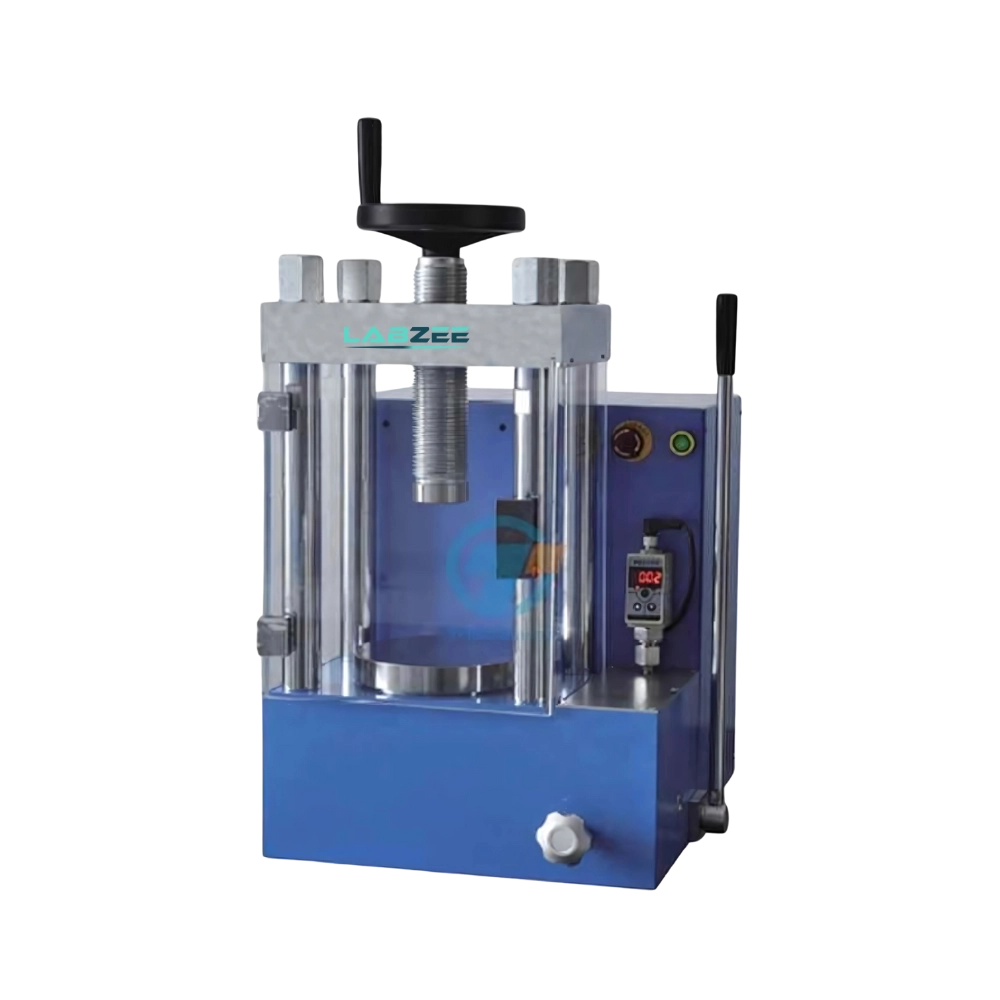
$ 5193
<p>Labzee offers Manual Tablet Press machines designed for compact, precise, and efficient tablet formation in laboratory and small-scale production settings. They feature a hand-operated mechanism, adjustable pressure settings, and stainless-steel contact parts for clean and controlled tablet compression. These presses are ideal for low volume runs, R&D labs, and educational demonstrations where simplicity and reliability are essential. They operate without electricity, making them portable, easy to maintain, and cost-effective for basic tablet-making needs. Their solid build and consistent output ensure dependable performance across a variety of formulations. Our Manual Tablet Presses support various applications, including pharmaceutical formulation, nutraceutical tablet production, chemical sample compression, herbal tablet manufacturing, and academic research.</p>

$ 2353
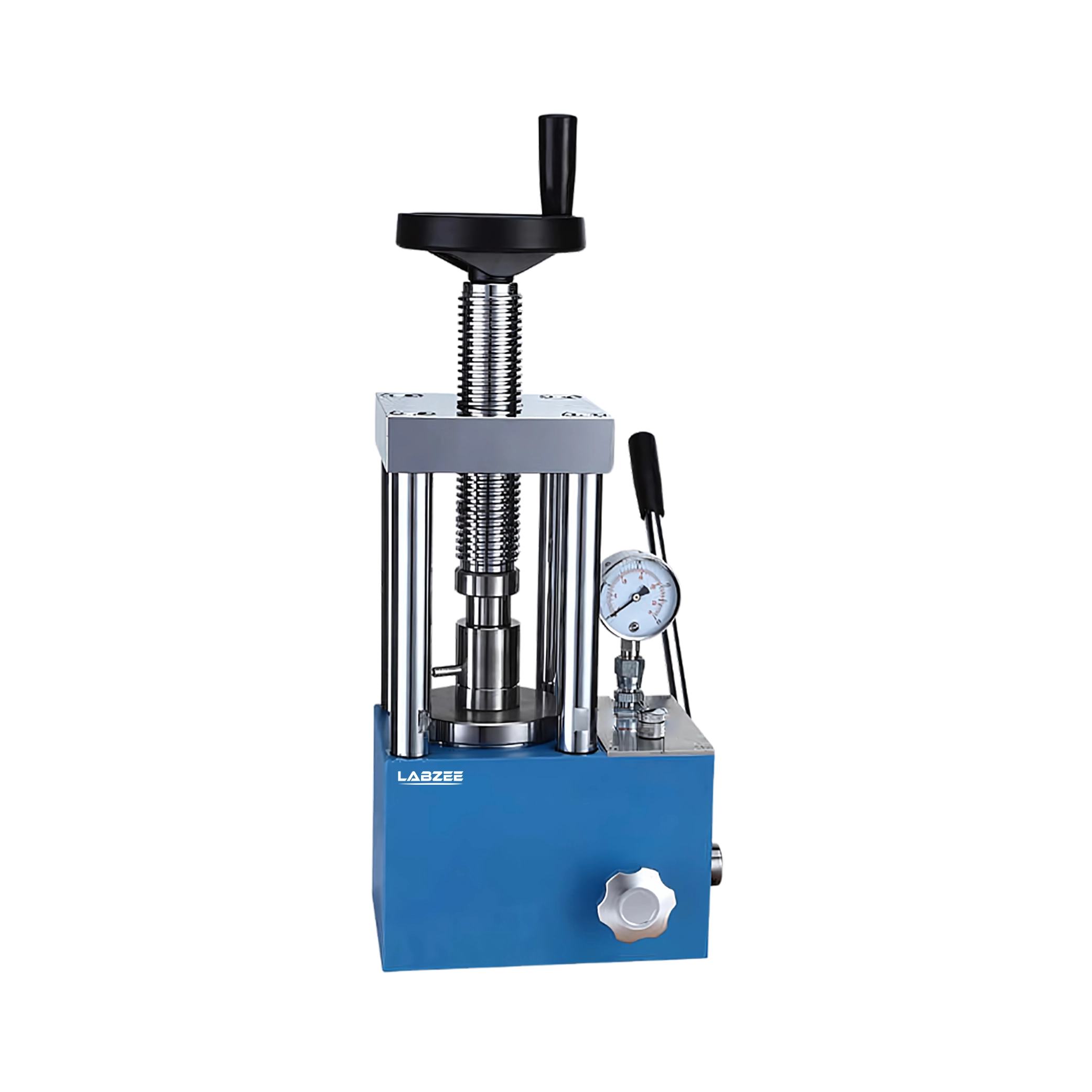
$ 2353
